Matox News

Truth Over Trends, always!

Trump just confirmed a recent chat with Maduro—what’s really going on?

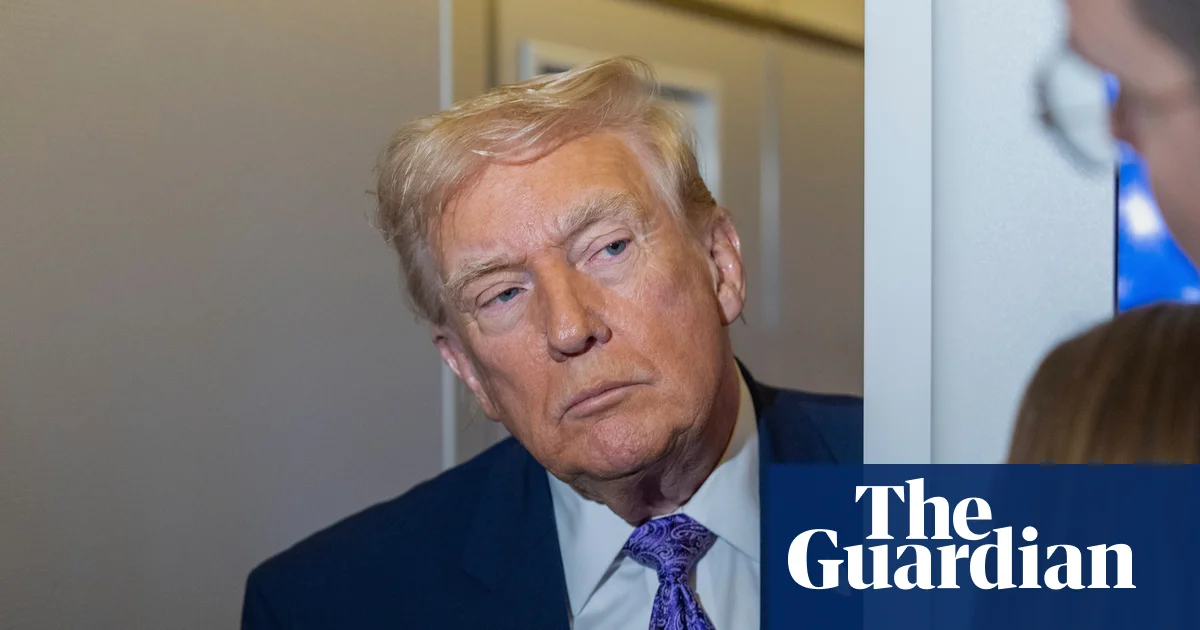
The recent developments in Venezuela signal a pivotal shift in international relations and regional stability. President Donald Trump publicly confirmed his communication with Venezuelan President Nicolás Maduro, although details remain scant. This clandestine interaction marks a notable departure from previous US policies that predominantly isolated Maduro’s government, emphasizing potential shifts toward diplomacy amidst ongoing tensions. While Trump’s comments downplay the nature of the conversation as “just a phone call,” analysts worldwide acknowledge the significance of such a dialogue, especially in the context of escalating US measures against Caracas.

For months, U.S. policy has oscillated between aggressive unilateral actions and cautious overtures. The recent naval and airspace maneuvers—such as closing off Venezuelan airspace and contemplating military strikes—reveal a strategy rooted in maximum pressure. However, the fact that Trump entertained discussions with Maduro fuels speculation about a potential pivot. Prominent geopolitical experts, including analysts at the Council on Foreign Relations, argue that this engagement could be a response to expanding US fears over regional influence. It signals a broader geopolitical calculus—one that recognizes Caracas as a vital pawn in the chess game of US and Russian interests in Latin America.

The US’s hardline stance is driven by concerns over Venezuela’s alleged role in illegal drug trafficking, which Washington claims fuels the deadly opioid crisis back home. Despite these claims, Maduro vehemently denies links to drug trade, asserting that accusations serve as pretexts for regime change. The ongoing military buildup, including strikes on suspected drug trafficking boats, raises profound questions about respect for international law and sovereignty. Critics, including human rights organizations, decry the strikes as potential extrajudicial killings, further complicating the US’s moral and strategic standing. The looming threat of military intervention—coupled with diplomatic overtures—embeds Venezuela as a volatile hotspot, with its geopolitical impact resonating throughout the Americas.

Historian and international analyst Dr. Maria Lopez emphasizes that this phase of US policy reflects a fundamental shift: “We are witnessing a fusion of threat and diplomacy that may redefine the region’s political landscape,” she states. How the Biden administration, or future US leadership, navigates this delicate balance could determine whether Venezuela spirals into open conflict or slowly transitions toward negotiations. Meanwhile, Latin American nations invested in regional stability are watching with mounting concern, aware that any miscalculation could ignite a wider crisis. Neighboring countries, some sympathetic to Maduro, insist that international law requires dialogue over force, yet the US appears ready to escalate.

As history continues to unfold, the weight of these decisions hangs heavily over the Caribbean and beyond. The decisions made today—whether through war, peace, or strategic diplomacy—will craft the narrative of an era marked by global shifting alliances and enduring struggles for sovereignty. The curtain has been raised on what could be the defining chapter of the 21st century’s geopolitical saga, leaving philosophers and statesmen alike pondering: are we witnessing the birth of a new Cold War, or merely a temporary upheaval in Latin America’s tumultuous history? Only time will tell, but one truth remains certain: the story of Venezuela, and indeed the world, is far from over.
Daring Exit from El-Fasher: Darfur Youth Courage Amid Crisis

As the Sudanese civil war escalates into a new chapter of brutality, el-Fasher, the capital of Darfur, has fallen after an 18-month brutal siege, marking a significant turning point in an ongoing conflict that continues to threaten regional stability. Fighters from the Rapid Support Forces (RSF), a paramilitary group once allied with the national army, seized the city from government control, leaving a trail of devastation and prompting a mass exodus of civilians fleeing with only the clothes on their backs. The geopolitical impact of this victory for the RSF cannot be overstated, as it pushes the paramilitary group into the last stronghold of western Darfur and weakens the fragile authority of the central government—a move that may reshape long-term power dynamics in Sudan.

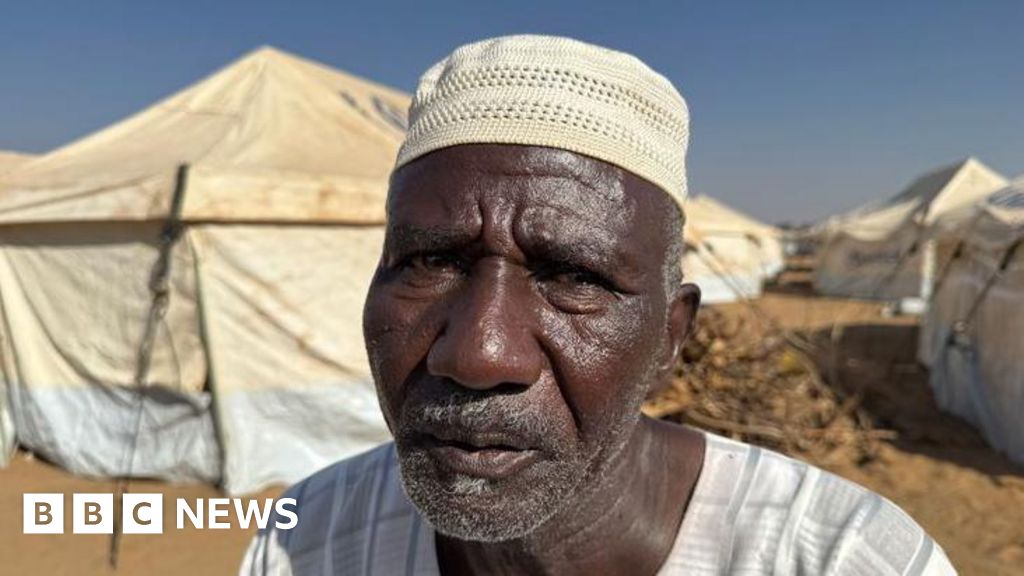
International organizations and analysts are quick to condemn the aftermath of el-Fasher’s fall, with widespread reports of atrocities that include mass killings, sexual violence, and destruction of civilian life. Witnesses, including survivors like Abdulqadir Abdullah Ali, recount harrowing tales of shootings and indiscriminate violence inflicted by RSF fighters, who reportedly used live ammunition against fleeing populations. The UN has documented that less than half of the approximately 260,000 citizens who inhabited the city before its fall have been accounted for, indicating an ongoing humanitarian catastrophe. The rise of the RSF in Darfur signals a potential shift in regional power, emboldening a militant faction but also drawing sharper international focus on the crisis—especially as accusations of genocide and war crimes gain traction globally.

The unfolding chaos has displaced millions, with many fleeing into neighboring countries or settling into hastily assembled camps in northern Sudan, such as the camp in al-Dabbah. Here, survivors paint a grim picture of violence, including systematic looting, sexual violence, and brutal interrogations—actions denied by the RSF, which claims to be misrepresented by political enemies. Yet, the clarity of eyewitness testimonies, like those of Mr. Ali and others, underscores the brutal reality: civilian suffering is mounting, and the fragile ceasefire prospects remain distant. How international powers respond to this escalation will have profound implications for regional security and U.S. geopolitical interests, especially as President Donald Trump promises increased involvement to broker peace.

As history continues to unfold amid the dust and chaos of Sudan’s shattered cities, the geopolitical impact of this conflict extends beyond Africa’s borders. The internal chaos threatens to destabilize neighboring countries and fuels allegations of war crimes that could invoke sanctions and international intervention. The narrative spun by the RSF’s leadership, claiming innocence and accusing their enemies of orchestrating a media campaign, does little to mask the true horror taking place. Many survivors, battered but resilient, cling to their hope amid despair, waiting for a turning point—and for the weight of history to decide whether this dark chapter will be remembered as a turning point of liberation or a tragic descent into further chaos. In the shadows of this unfolding tragedy, the whispers of history remind us: what happens in Sudan echoes far beyond its borders, shaping the destiny of nations and the future of global justice.

Dignitas Founder, Pioneering Assisted Suicide Advocate, Passes at 92

The Death of Ludwig Minelli Marks a Pivotal Moment in the Global Debate Over Assisted Dying

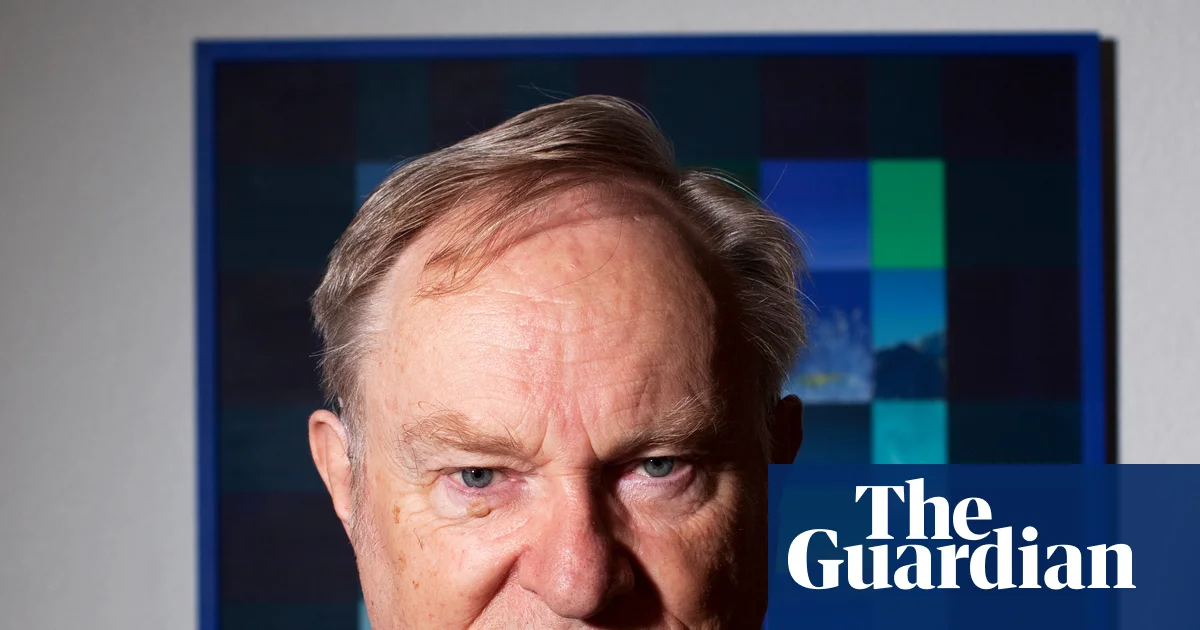
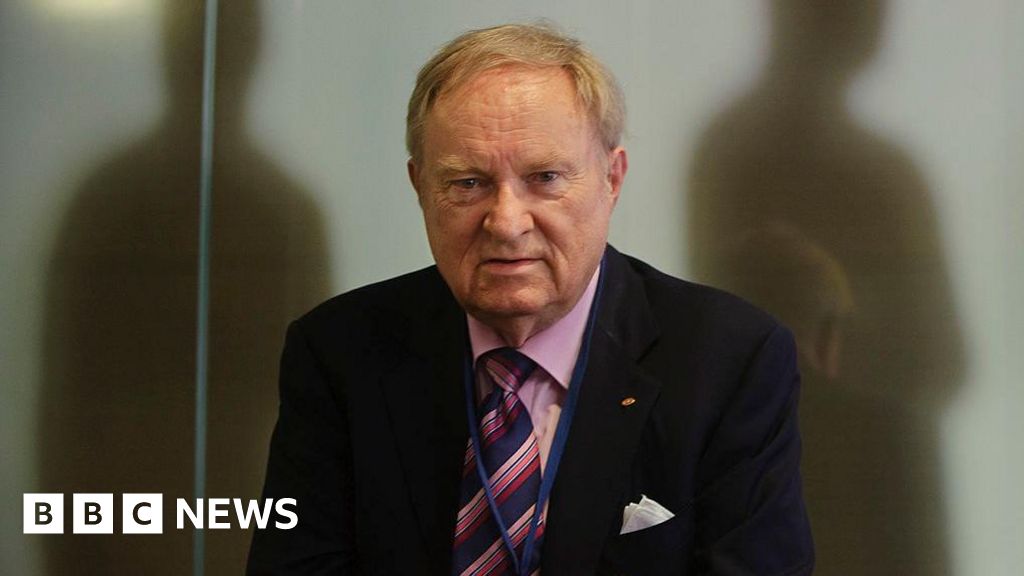
In a significant development that underscores the evolving landscape of human rights and individual sovereignty, Ludwig Minelli, the founder of the Swiss right-to-die organization Dignitas, passed away by assisted suicide at the age of 92, just days before his 93rd birthday. His death signifies more than the end of a controversial figure’s life; it highlights a burgeoning global debate over the morality, legality, and societal implications of assisted dying. As Europe’s long-standing neutrality in social issues begins to be tested, Minelli’s legacy continues to influence the international discourse surrounding self-determination at life’s end, a fundamental human right that many advocates argue should extend beyond Swiss borders.

Global Shifts in the Right-to-Die Movement and Their Geopolitical Impact

Since Minelli’s pioneering efforts in 1998, several countries, including Australia, Canada, and New Zealand, have embarked on legislative journeys to legalize assisted dying, recognizing an emerging consensus that personal choice should be respected in the face of suffering. However, this movement remains divisive, with critics warning of potential abuses and coercion against vulnerable populations, including the disabled and the elderly. The UK House of Lords is currently deliberating on similar bills, with international organizations like the European Court of Human Rights reaffirming in 2011 the sanctity of individual judgment regarding end-of-life decisions. This political shift not only signifies a changing moral landscape but also demonstrates the strategic geopolitical implications of regulatory sovereignty—each nation balancing traditional values against demands for personal freedom.

How Decisions on Assisted Dying Reshape Societies and International Relations

The decisions of these nations carry profound consequences for societal norms and international influence. Countries embracing assisted dying often position themselves as champions of human rights, influencing others to reconsider outdated ethical standards. Yet, critics argue that such policies could lead to a slippery slope where vulnerable populations are coerced into compliance, raising ethical concerns that transcend borders. Historians and analysts cite these legal battles as a reflection of deeper societal tensions, often echoing debates from history’s darkest corners. The prospect of legalizing assisted dying could also impact international relations—both as a point of moral contention and as an indicator of a nation’s stance on personal sovereignty amidst a global push for rights-based policies.

Looking into the Future of Human Rights and Self-Determination

The death of Minelli and the ongoing legislative debates serve as a stark reminder that the battle over human rights at life’s end is far from over. As international institutions and nations continue to navigate these contentious waters, the legacy of figures like Minelli remains a catalyst for those advocating for dignity and personal choice. Historians warn that these turning points could reshape the very fabric of societal values, potentially redefining the boundaries of lawful individual decision-making. The future of assisted dying is poised on the precipice of a new era—one where the weight of history is yet to be written, and where the right to make choices about one’s final moments could become a defining axis in the global struggle for human freedom and sovereignty.

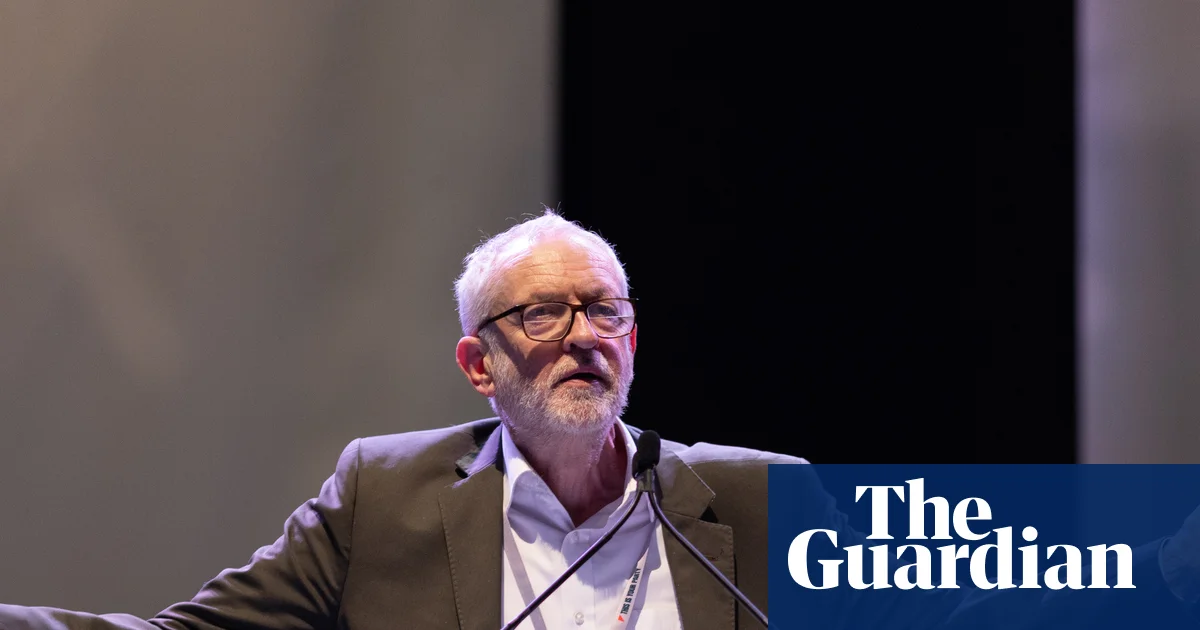
Party members secure permanent name amid tense first conference

The emergence of Your Party, a new left-wing organization founded by Jeremy Corbyn and Zarah Sultana, signals a notable attempt to reshape the socialist landscape within Britain. Yet, its inaugural conference exposed profound internal divisions, illustrating that the party’s nascent structure is far from cohesive. Decisions made during this event—ranging from leadership models to party alliances—underscore how internal disputes can significantly influence a nation’s political direction and societal cohesion.

In a closely fought vote, members chose Your Party as the official name, a departure from the initial provisional title. However, the factional infighting continued unabated. Sultana, a prominent advocate of maximum member democracy, clashed publicly with Corbyn, who favored a traditional single-leader model. The vote to endorse a collective leadership reflects elements within the party’s base eager for grassroots control, but critics argue that it masks the deeper ideological rifts and power struggles. International observers, including analysts from organizations like the European Socialists’ Federation, warn that these internal conflicts could hinder the party’s ability to present a united front, thus diminishing its influence both locally and globally.

Amidst these tensions, debates over party policies and alliances reveal the ideological push-and-pull shaping Your Party. Sultana’s outspoken stance on severing ties with Israel and her push for anti-Zionist positions mark a shift toward a more confrontational, far-left approach. Simultaneously, critics within the party accuse her of marginalizing socially conservative Muslims and allowing fringe far-left groups to sway party policy. Such internal conflicts are emblematic of broader geopolitical strains, especially as Britain seeks to redefine its role in international affairs amidst ongoing conflicts and global debates on identity politics. Historians, like Dr. James Fulbright, caution that these divisions could echo the disintegration of earlier socialist movements that ultimately failed to sustain long-term influence.

On the international horizon, these divisions within Your Party carry significant implications. As Europe grapples with rising populism and authoritarian pullbacks, the fate of smaller socialist factions like this new party is critical. Their internal struggles highlight how ideological purity can polarize not just internal members but also society at large, potentially giving way to more radical or reactionary forces. Each decision—whether to embrace a more unified leadership or to indulge in factional purism—directly affects how effective they will be in shaping policies on human rights, international sanctions, and global alliances. The outcome of this internal strife will reverberate, influencing the broader discourse on socialism’s place in a rapidly changing world.

As the dust settles over Liverpool, history remains unwritten. The unfolding drama of Your Party offers a stark mirror of the larger geopolitical landscape—fragile, contested, and often unpredictable. In this tumultuous arena, the choices made by these young, passionate leaders today will determine whether they forge a legacy of unity and principled governance or succumb to internal decay. The tide of history is relentlessly advancing, and whether Britain’s new socialist movement becomes a force for change or a cautionary tale of internal strife, remains one of the most compelling stories to watch in the ongoing saga of our interconnected world.

Polls open as Trump allies’ threats cast shadow over voting process

Honduras on the Brink: Election Turmoil Amid U.S. Interventions

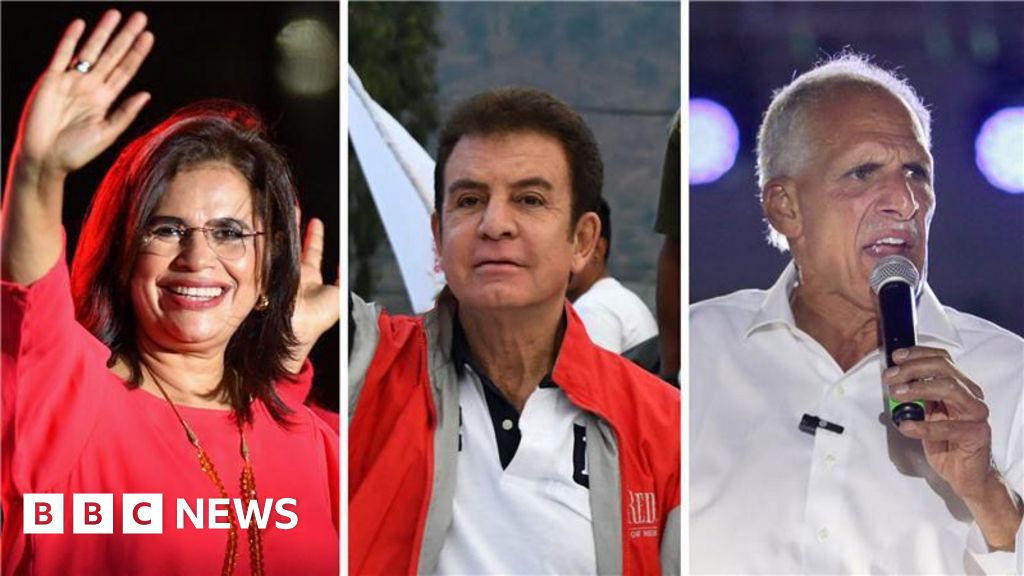
As Honduras approaches its highly contentious general election, the stakes extend far beyond national borders, reflecting the delicate and often volatile nature of regional geopolitics. The contest pits five candidates, with polls currently favoring Salvador Nasralla—a veteran candidate alleging electoral fraud in 2017—yet the atmosphere is overshadowed by external influences, particularly from United States President Donald Trump. Trump’s explicit support for right-wing candidate Nasry “Tito” Asfura, the former mayor of Tegucigalpa, signals a disturbing level of foreign meddling in what is supposed to be a sovereign democratic process. His warning that aid might be withheld depending on the election’s outcome underscores how external actors leverage financial influence to sway the political future of Central America.

The deeply intertwined geopolitical ramifications are evident in the U.S.’s strategy for the region. Despite halving its aid, the U.S. continues to funnel hundreds of millions into Honduras, a stark reminder of how economic resources are weaponized in the broader contest to shape Latin America’s political landscape. Such interventions threaten to undermine the sovereignty and democratic stability of Honduras, with analysts warning that the perceived backing of a candidate can exacerbate existing divisions and fuel unrest. Meanwhile, the Honduran electorate remains disillusioned, with 34% undecided—the poll’s paradoxical statistic illustrates how external pressures and internal fears create a landscape ripe for instability. Historically, such foreign-influenced elections in fragile democracies have often been a prelude to greater turmoil, with scholars like John M. Ackerman warning about the risks of foreign interference disrupting the fragile balance of Latin American politics.

Front-Runners in a Fractured Nation

The political contest is complicated by the recent history of corruption and political scandals. Xiomara Castro, the outgoing president and Honduras’s first female leader, is constitutionally barred from seeking a second term but remains influential through her endorsement of Moncada. Her claims of Trump’s interventionist tactics echo a broader narrative of U.S. meddling, which critics argue aims to install a government more amenable to Western interests. Meanwhile, Asfura, initially distancing himself from disgraced ex-President Juan Orlando Hernández, seeks to mainstream himself amidst allegations of corruption—an issue that recent indictments and convictions have thrown into stark relief. The US’s move to potentially override Hernández’s 45-year sentence for drug trafficking casts long shadows over Asfura’s campaign, raising questions about ongoing American influence and double standards in Latin American justice.

At the same time, the current *front-runner*, Salvador Nasralla, emerges as a symbol of opposition to external interference and entrenched corruption. His campaign platform promises to open the economy, create jobs, and pivot away from the influence of foreign players like China and Venezuela—both of which are embroiled in their own regional conflicts. The recent escalation of tensions between Venezuela and the U.S. has added another layer of complexity, with Washington increasing military exercises and carrying out targeted strikes against alleged drug traffickers, actions vehemently denounced by Maduro as attempts at regime change. Trump’s declaration that Venezuela’s airspace is “closed”—despite lacking legal authority—further underscores the high-stakes nature of the confrontation between U.S. imperial ambitions and Latin American sovereignty.

Uncertain Futures and the Weight of History

With elections underway amid widespread accusations of pre-emptive fraud and political intimidation, Honduras stands at a crossroads. The national electoral council’s calls for calm reflect a fragile attempt to maintain order, but underlying tensions threaten to explode into violence. The geopolitical chessboard, with its array of regional and global actors, underscores the peril in dismissing the importance of this election: it is not merely a vote but a test of resilience for Honduran democracy amidst foreign manipulation and internal decay. As history watches, the unfolding drama in Honduras becomes a mirror for the broader struggle between sovereignty and external influence—a struggle that could shape the entire region for decades to come. The outcome remains uncertain, yet the weight of recent events leaves no doubt: in this volatile crucible of modern geopolitics, the future remains unwritten, and the echoes of today’s decisions will resonate through history’s corridors for generations to come.

Dignitas Founder Chooses Assisted Death, Making Bold Statement on End-of-Life Choices

The recent passing of Ludwig Minelli, founder of the Swiss right-to-die organization Dignitas, marks a significant milestone in a rapidly evolving global debate over assisted dying. Minelli’s choice to end his own life at nearly 93, through an assisted death he championed for decades, encapsulates the profound ideological shift occurring across the world — from legal battles to cultural acceptance. He dedicated his life to the principle of self-determination in end-of-life choices, and his impact on Swiss law and the broader international legal landscape underscores the importance of these evolving norms. As the world witnesses this transformation, analysts emphasize that Minelli’s legacy continues to shape societies’ perceptions of dignity, autonomy, and the moral questions surrounding assisted death.

The case of Switzerland stands as a testament to the country’s progressive stance. While euthanasia—where a third party directly administers lethal assistance—is illegal, assisted dying remains legal and culturally accepted. This legal framework was notably influenced by Minelli’s persistent activism, which culminated in landmark rulings such as a 2011 European Court of Human Rights decision affirming the right to self-determination in end-of-life decisions. These legal precedents have inspired debate and legal reform across Europe and beyond, prompting countries like France, Spain, and Austria to enact laws permitting assisted dying under specific circumstances. The global geopolitical impact of this expansion is profound, as it challenges traditional values rooted in sanctity of life, compelling nations to reconsider their legal and ethical boundaries amidst shifting societal norms.

This wave of change is not confined to continental Europe. In North America, more than ten U.S. states have legalized assisted death, reflecting mounting support for personal autonomy in the face of terminal illness. Meanwhile, Canada and Australia have likewise embraced legislative reform in recent years, signaling a broader geopolitical realignment. However, within the UK, the debate remains fiercely contested. Despite a parliamentary vote in June backing the legal framework for terminally ill patients to seek assisted death, the legislation faces relentless scrutiny in the House of Lords. Critics argue the bill requires rigorous safeguards to protect vulnerable populations, and opponents have successfully delayed passage, emphasizing ongoing societal divisions over moral and legal dimensions. This illustrates how, even in democracies with long-standing traditions of debate, the transformation toward acceptance of assisted dying is not guaranteed but hinges on complex, high-stakes decision-making.

The influence of Minelli and Dignitas, and their advocacy, extend well beyond Swiss borders, shaping international discussions about personal sovereignty and the ethics of assisted death. As historian and legal analyst Dr. Amelia Carter notes, Minelli’s persistent legal challenges—culminating in appeals to the European Court of Human Rights—have helped reframe assisted dying as a matter of human rights rather than mere moral controversy. Yet, this evolving landscape comes at a cost, as societies grapple with the moral implications and societal risks of legislating individual choice over life and death. As Minelli’s legacy persists, the global community finds itself at a crossroads: do we uphold rigid sanctity of life, or embrace a future where autonomy, dignity, and personal choice dictate the terms of our final moments? As history continues to unfold, the answer will shape the moral fabric of nations and forge a new chapter in the ongoing debate over the right to die with dignity.

Doctors warn NHS test delays threaten hundreds of thousands in England

UK Healthcare Crisis: Widespread Test Delays Threaten Patient Outcomes

The United Kingdom currently faces a troubling healthcare crisis that underscores the cracks in its once-lauded National Health Service (NHS). According to recent data analyzed by the Royal College of Radiologists (RCR), nearly 400,000 patients—specifically 386,849 in September—are waiting more than six weeks for essential diagnostic tests such as CT scans, MRIs, ultrasounds, and other critical assessments needed to identify life-threatening conditions. These delays are more than mere inconveniences; they pose genuine risks to patient health, with some potentially facing preventable deaths due to late diagnoses.

This crisis is further compounded by official targets set by NHS England, which aims to limit waits of over six weeks to less than 20% of all patients by 2027. Yet, as the Royal College reports, nearly half (46%) of trusts are failing to meet even this reduced benchmark, highlighting a healthcare system in crisis. With many hospital trusts unable to meet their own standards since 2015, the delays reflect deeper systemic issues—including chronic radiologist shortages and inadequate healthcare funding—further exacerbating a situation where timely diagnosis can mean the difference between life and death. As Dr. Stephen Harden, president of the RCR, emphasized, “Any delay to accessing treatment can worsen health outcomes and even lead to preventable deaths.”

Broader Implications: How Internal Failures Signal Geopolitical Consequences

The unfolding UK healthcare crisis has judged the nation’s social and political fabric as fragile, while casting a shadow over the government’s reputation and impacting societal trust. International observers, including global health analysts and historians, warn that such systemic failures are indicative of larger governance issues. The Department of Health and Social Care claims to have inherited a “broken NHS” but asserts that recent reforms and investments—albeit insufficient—are turning the tide. Nevertheless, critics and independent organizations such as the Institute for Fiscal Studies have cast doubt on future promises, especially their bold pledge to restore an 18-week maximum waiting period for hospital care by 2029—a goal increasingly viewed as overly optimistic given the persistent backlog.

These internal failures do not exist in isolation; they ripple into the international arena by affecting the UK’s standing as an advocate for health security and stability. As population health declines due to untreated diseases, the United Kingdom’s influence wanes. Furthermore, the ongoing healthcare quandary underscores the critical importance of not only military and economic strength but also resilient public health systems—an insight that international point-men like the World Health Organization recognize, especially amidst emerging global health threats.

Historical Context and Future Outlook

Medical historians often cite the UK’s NHS as a beacon of socialized medicine, but recent trends demonstrate that even the most revered institutions are susceptible to resource misallocation and political neglect. This crisis reflects a broader tale of national priorities shifting away from patient-centered care toward bureaucratic and financial constraints. As analysts observe, if the UK’s healthcare system continues to falter, it risks becoming a cautionary tale of social decline, with its societal fabric unraveling under the weight of unmet needs and lost trust.

The warnings issued by think tanks and independent analysts point toward an ominous future where the repercussions of delayed diagnoses and inadequate treatment could escalate into a broader humanitarian catastrophe. The fight for better healthcare is now intertwined with national sovereignty, economic stability, and international influence. As Britain grapples with internal failures, the pressing question remains: how will history judge this chapter—whether as a moment of decline or a catalyst for reform? The answer lies just beyond the horizon, waiting to be written in the blood and resilience of a nation at a crossroads, teetering on the brink of an uncertain future, where the weight of mounting failures drags the last remnants of trust into an uncertain abyss.

Netanyahu Seeks Pardon in Corruption Case Amid Political Drama

Israel on the Brink: Netanyahu’s Pardon Request Sparks Constitutional Turmoil

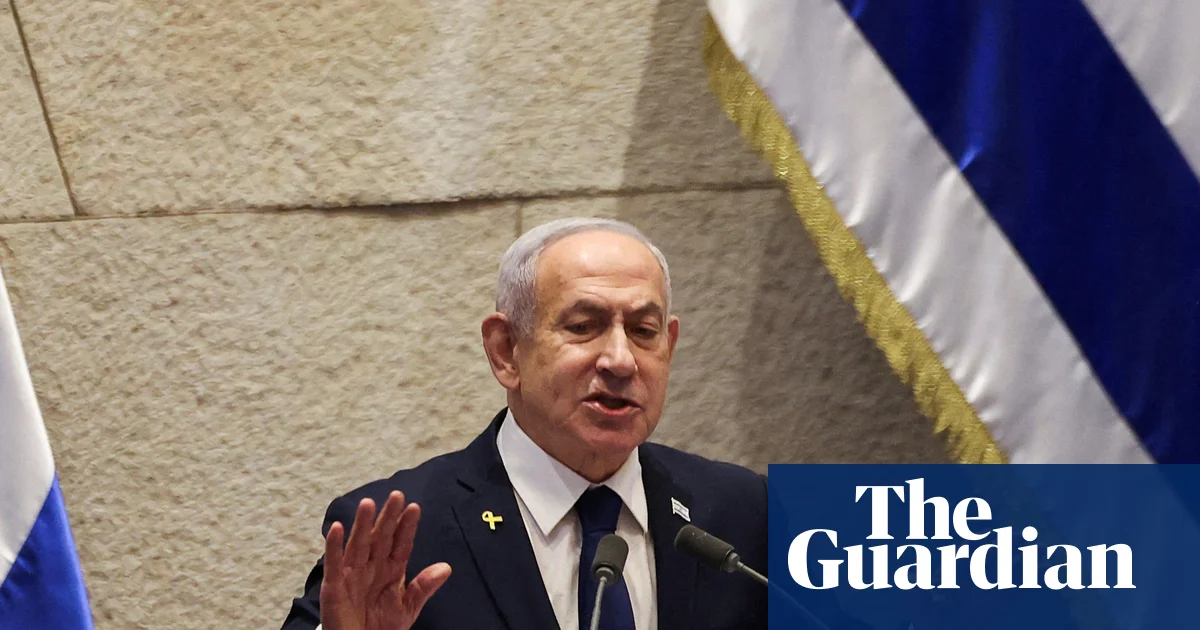
In a move that is reverberating across the Middle East and challenging the foundations of Israel’s legal system, Prime Minister Benjamin Netanyahu has formally petitioned President Isaac Herzog for a pardon related to longstanding bribery and fraud charges. This unprecedented appeal, encapsulated in a comprehensive 111-page submission, seeks to halt a five-year corruption trial that threatens to cast a shadow over Netanyahu’s legacy and political future. The request, which is highly controversial, underscores the tension between legal accountability and political expediency—elements that could redefine the balance of power in Israel’s fragile democracy.

Legal experts and international observers have noted the potential for this request to set a historic precedent in Israeli law. Unlike most cases where pardons follow conviction, Netanyahu’s plea is preemptive—an extraordinary step that has historically been met with skepticism. Israel’s legal tradition has only rarely granted such pre-emptive pardons, with the most notable occurrence in 1986 involving the Shin Bet. However, legal scholars argue that the absence of a guilty plea complicates this case, and some contend it may violate established legal norms. The decision could ultimately ignite a constitutional crisis, with Israel’s high court potentially forced to weigh whether this political maneuver aligns with the rule of law or undermines it, a debate that echoes principles upheld by external bodies like the International Criminal Court.

While Netanyahu insists that the trial has been a politically motivated “witch-hunt” orchestrated by media and judicial actors, critics perceive his move as a strategic effort to preserve his grip on power. His opponents argue that granting such a pardon without an admission of guilt would erode public confidence in the justice system and embolden political corruption. Notably, prominent opposition leaders, including Yair Lapid and Yair Golan, have voiced stern objections, emphasizing that justice and integrity should not be sacrificed on the altar of political survival. This conflict extends beyond narrow legal boundaries; it raises urgent questions about how nations combat corruption and uphold democratic principles amidst geopolitical turbulence in a region fraught with instability.

Global Implications: A Tipping Point in International Politics

The international community is watching intently as Israel grapples with this constitutional crisis. The United States and European Union have historically prioritized democratic integrity, warning that such unprecedented legal maneuvers could weaken the legitimacy of democratic institutions. Some analysts warn that if Netanyahu’s plea successfully circumvents justice, it could embolden similar tactics in other democracies battling political crises. Moreover, the United Nations and other global watchdogs are likely to scrutinize whether this move damages the principles of rule of law and accountability, which are core tenets of modern governance.

The geopolitical impact of this unfolding saga extends far beyond Israel. The nation’s stability underpins regional alliances, influences the broader Middle East peace process, and impacts the global strategic landscape. As the world watches the showdown between Netanyahu, Herzog, and the judiciary, many experts believe this is a defining chapter—a moment that could either anchor democracy more firmly or precipitate a descent into constitutional chaos. Historically, nations caught in similar crises have faced profound transformations, often at the cost of societal cohesion and international reputation. As the desert sands shift beneath Israel’s delicate political stage, the weight of history presses heavy, signaling that the outcome of this crisis could echo through decades—an enduring testament to the peril and promise of sovereignty in tumultuous times.

Death toll hits 146; thousands line up to honor victims

Tragedy Unfolds in Hong Kong: Deadliest Fire in Over 70 Years Claims 146 Lives

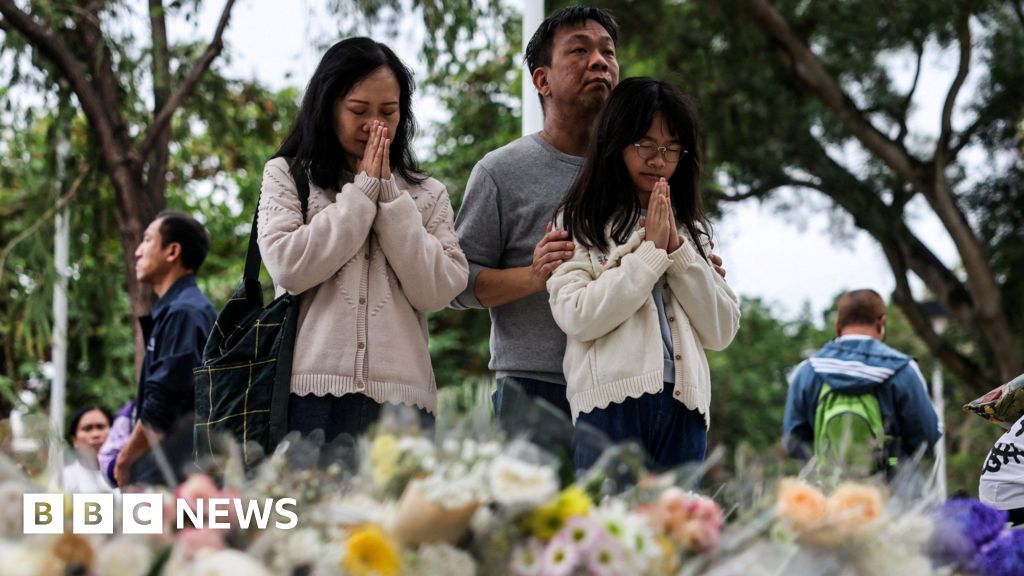
On what has become a nightmarish day for the Hong Kong-administrated territory, a catastrophic fire swept through multiple high-rise buildings in the Tai Po district, resulting in the loss of at least 146 lives. As authorities grapple with the devastating toll, the incident is sending shockwaves across the international community, exposing critical vulnerabilities in building safety protocols and igniting debates over regulatory oversight. The blaze, which began on Wednesday, rapidly engulfed seven of the eight tower blocks, forcing a massive firefighting operation that involved over 2,000 personnel and lasted until early Friday morning.

Initial investigations suggest that flammable materials, including plastic netting and bamboo scaffolding—standard in Hong Kong’s construction and renovation scene—may have substantially contributed to the fire’s ferocity. Fire officials reported temperatures soaring to 500°C (932°F), with flames spreading vertically and horizontally across interconnected towers, hampering efforts to contain the inferno. Shockingly, residents have raised concerns that fire alarms throughout the affected blocks were either malfunctioning or unheeded during the early stages of the blaze, exacerbating the tragedy. Arrests have been made—eight individuals detained on suspicion of corruption related to the renovation works, and three on manslaughter charges—highlighting potential negligence that may have played a pivotal role in the disaster’s escalation.

International Fallout and the Global Power Dynamics

  • The Chinese government, which maintains tight control over Hong Kong, has now faced intense scrutiny. Societies all over the world are watching with wary eyes as questions emerge about the effectiveness of Hong Kong’s regulatory agencies and the influence of corruption within the city’s development sector.
  • Foreign nations, including Indonesian and Philippine consulates, have reported multiple victims, underscoring the fire’s international human toll. The presence of foreign nationals among the dead complicates diplomatic relations and raises fears over safety standards for expatriates living in the region.
  • Global institutions like the United Nations, which frequently advocate for improved urban safety and disaster preparedness, are likely to face increased pressure to push for reforms, especially in densely populated urban centers vulnerable to similar calamities. This incident illuminates the ongoing challenges that advanced economies face in managing urban infrastructure, and some analysts warn that neglect and corruption are undermining decades of progress towards safer living environments.

How Decisions Shape Societies—A Critical Reflection

The fire at Wang Fuk Court is not merely an isolated tragedy but a reflection of broader issues endemic to modern urban development—namely, the prioritization of cost-cutting over safety, and the apparent apathy towards structural integrity, especially in government-subsidized housing. Historians note that Hong Kong has experienced devastating fires before, with the 1948 disaster claiming 176 lives and the 1918 Happy Valley Racecourse fire surpassing 600 casualties. Yet, each catastrophe has historically prompted fleeting reforms rather than systemic change, a pattern the current crisis risks repeating if urgent action is not taken.

International experts and organizations, including the World Health Organization and urban safety watchdogs, emphasize that these tragedies serve as harsh lessons in urban resilience. The atmosphere of corruption, coupled with lax enforcement and infrastructural shortcuts, directly endangers the very fabric of society. As protests and public mourning continue, the question remains: how many more lives will have to be lost before the collective will is galvanized into meaningful reform? The high-rise flames might have been extinguished, but the flames of accountability and vigilant civic oversight are yet to be kindled in earnest. This is a chapter that history will either condemn for negligence or commend for its resolve—either way, the story is still being written.

Nigeria’s Kidnapping Surge: Youth Silenced by Fear

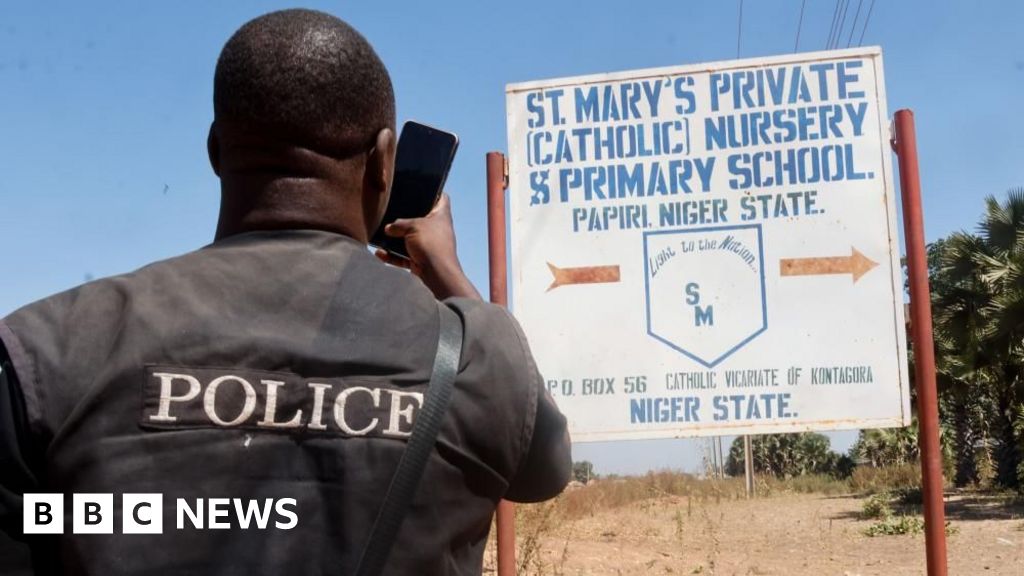
In the heart of West Africa, Nigeria continues to grapple with a daunting wave of insecurity that is reshaping its social fabric and altering the geopolitical chessboard. Over the past few weeks, mass kidnappings have become disturbingly routine, with armed groups—commonly termed bandits—exploiting Nigeria’s remote rural areas and fragile state institutions to execute daring abductions. The recent kidnapping of over 300 students from St. Mary’s Catholic School in Papiri, along with subsequent assaults on other schools and communities, underscores a worsening crisis that officials and analysts warn threatens to destabilize entire regions.

Despite official denials, reports from villagers like Aliyu reveal a narrative of fear and chaos, where parents are terrified to speak openly, fearing reprisals from kidnappers. The ghastly reality is that children as young as five are among the victims, often taken from soft targets such as private schools and farms. The insurgents responsible, including the notorious Islamic State of West Africa Province (ISWAP), operate within a complex web of ideological extremism and profit-driven motives. This resurgence, analysts say, is less about religious extremism alone and more about a lucrative trade in ransom kidnapping—a practice that funds further violence and sustains the cycle of insecurity.

However, the crisis extends beyond the battlefield. In a startling development, some remote communities in Nigeria’s northwest have resorted to peace deals with bandit leaders. These accords, driven by desperation, negotiate access to mineral wealth—particularly gold—and secure promises to cease hostilities and reopen schools. Such agreements, observed by security experts like David Nwaugwe, suggest a pragmatic, if alarming, shift in how insurgency is managed. While these informal peace arrangements have led to a *temporary* decline in attacks, they expose a larger geopolitical problem: how the Nigerian government’s inability to establish firm control has allowed criminal gangs to operate almost openly, fragmenting sovereignty and adding layers of complication to regional stability.

Moreover, these developments are prompting international concerns. U.S. President Donald Trump recently issued threats of military intervention, criticizing Nigeria’s inability to protect its Christian minority from Islamist violence. Such rhetoric, while potentially incendiary, underscores the increasing geopoliticization of Nigeria’s internal security issues. As nations debate whether to escalate or de-escalate, how Nigeria handles this crisis will significantly influence regional stability and global perceptions of Africa’s largest economy. With historical analysts warning of the danger posed by insurgency rippling across borders, the global community faces a stark choice: support Nigeria’s sovereignty and bolster its security capacity or watch as chaos undermines the continent’s stability.

As the weight of history presses down, Nigeria stands at a crossroads. Will it succumb to a cycle of violence and destructive peace deals, or will it forge a new path—one that upholds order and restores hope? The answer remains unwritten, buried within the unpredictable currents of a nation fighting for its future amidst a storm of violence and shifting alliances. The coming days will determine whether Nigeria can reclaim its sovereignty, or whether these dark clouds threaten to define an era of chaos and uncertainty, echoing the turbulent chapters of history yet to be written.

Social Media Auto Publish Powered By : XYZScripts.com