Matox News

Truth Over Trends, always!

Iran’s retaliation sparks concerns over US air defenses—Youth worried about national security

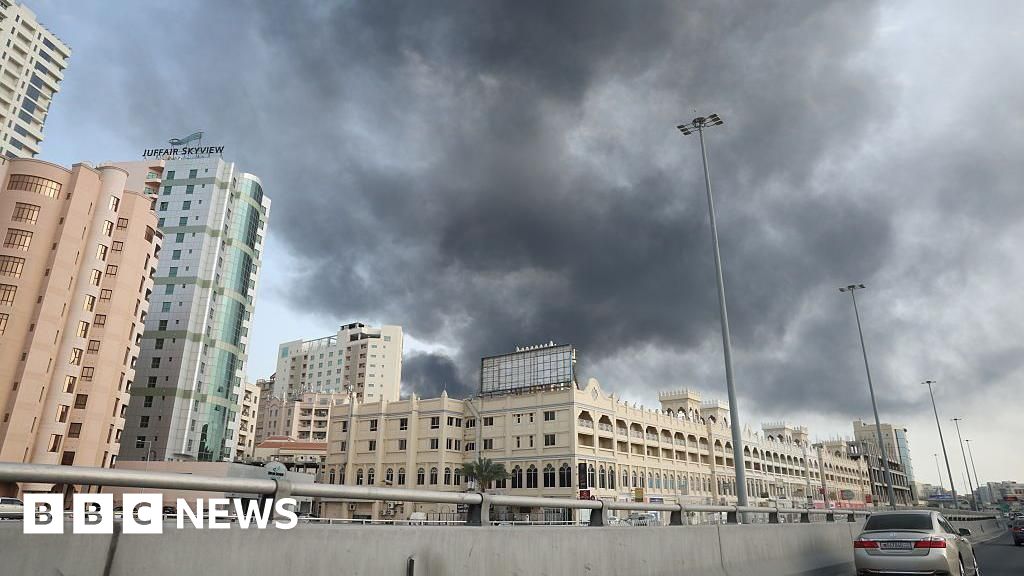
The recent missile attack by Iran on a US Navy base in Bahrain has sent shockwaves across the geopolitical landscape of the Middle East. An targeted assault on a strategic military asset underscores the ongoing tension in a region where diplomacy often teeters on the brink of conflict. While initial reports suggest limited casualties, the implications for U.S. regional influence and alliances are profound. Many analysts interpret this event as a stark warning from Tehran, signaling their readiness to challenge U.S. military dominance in the Persian Gulf, a vital artery for global oil supplies.

The attack stirs echoes of past confrontations, reigniting fears that Iran might be escalating efforts to leverage military force as a means of negotiating concessions over its nuclear program and regional influence. Historically, Iran has oscillated between negotiations and provocative actions, but this strike marks a noticeable shift towards assertiveness. According to international security experts and reports from organizations such as the International Institute for Strategic Studies, Iran’s actions exacerbate regional instability, with potential consequences radiating beyond the Gulf. Smaller Gulf states, deeply intertwined with U.S. military presence and economic interests, now grapple with the torment of balancing diplomatic ties against the threat of further escalations.

From a geopolitical impact, the attack illustrates a pivotal moment where regional and global powers must reassess their strategies. Washington faces mounting pressure to demonstrate resolve, potentially through military reinforcement or diplomatic overtures aimed at de-escalation. Meanwhile, China and Russia continue to watch intently, capitalizing on Washington’s perceived distraction to strengthen their influence across the Middle East. The incident underscores a shifting international landscape, where traditional alliances are tested, and the risk of broader regional conflicts increases. The latest developments have also prompted renewed debate within the United Nations and among global watchdogs, emphasizing the urgency of diplomatic solutions over military posturing.

Historians and analysts warn that choices made in these critical moments will define the future of the region and the stability of global energy markets. The strike on Bahrain, a cornerstone of U.S. military posture in the Middle East, raises fundamental questions about the balance of power, sovereignty, and the long-term strategy for peace in a volatile zone. As international actors scramble to respond, the overarching narrative remains fraught with uncertainty. This incident could epitomize a new chapter in a protracted contest—one that could either lead toward negotiation or plunge the region into years of instability, with consequences rippling around the globe. History’s pen has been stationary for only a moment; the story is still being written, and the weight of its next page may determine the course of nations for decades to come.
Iran School Attack Claims At Least 80 Children Amid Rising Tensions

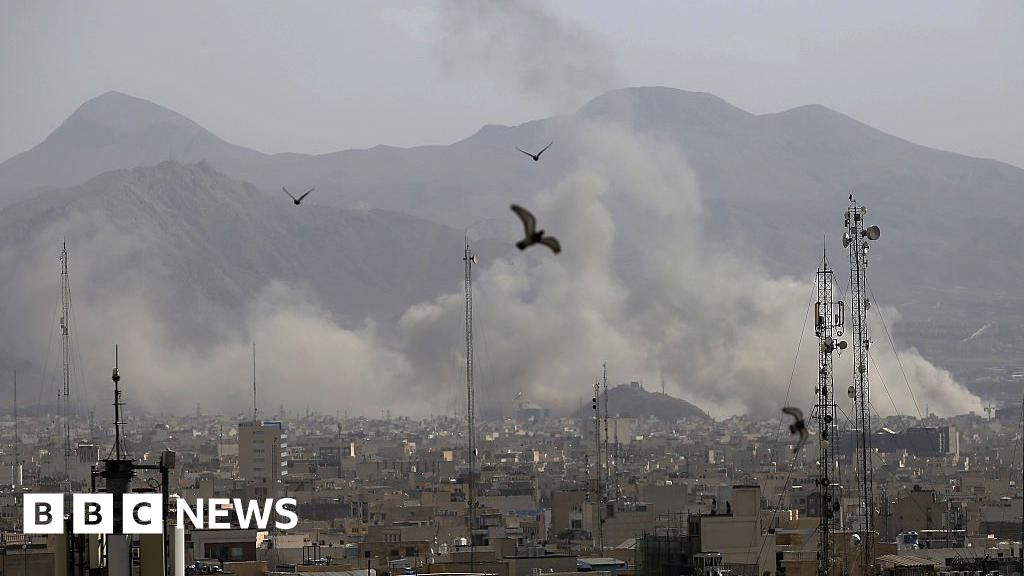
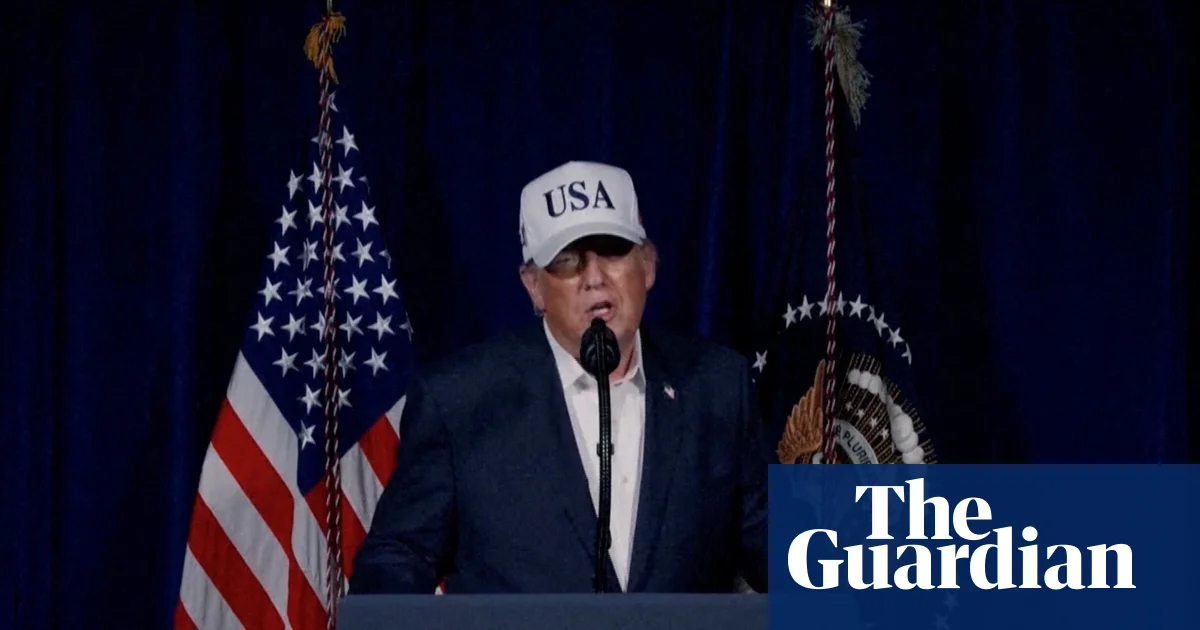
In an unprecedented move that shakes the foundation of regional stability, United States and Israel launched a joint military offensive against Iran this Saturday morning, transforming the Middle East into a battlefield with global repercussions. The attack, announced openly by President Donald Trump, signals a significant escalation in the ongoing confrontation with Iran, and the geopolitical impact is poised to reverberate far beyond the Persian Gulf. As smoke rises over Tehran, the world witnesses a pivotal moment where diplomacy appears to have given way to open conflict, raising alarming questions about the future of international security and civil stability.

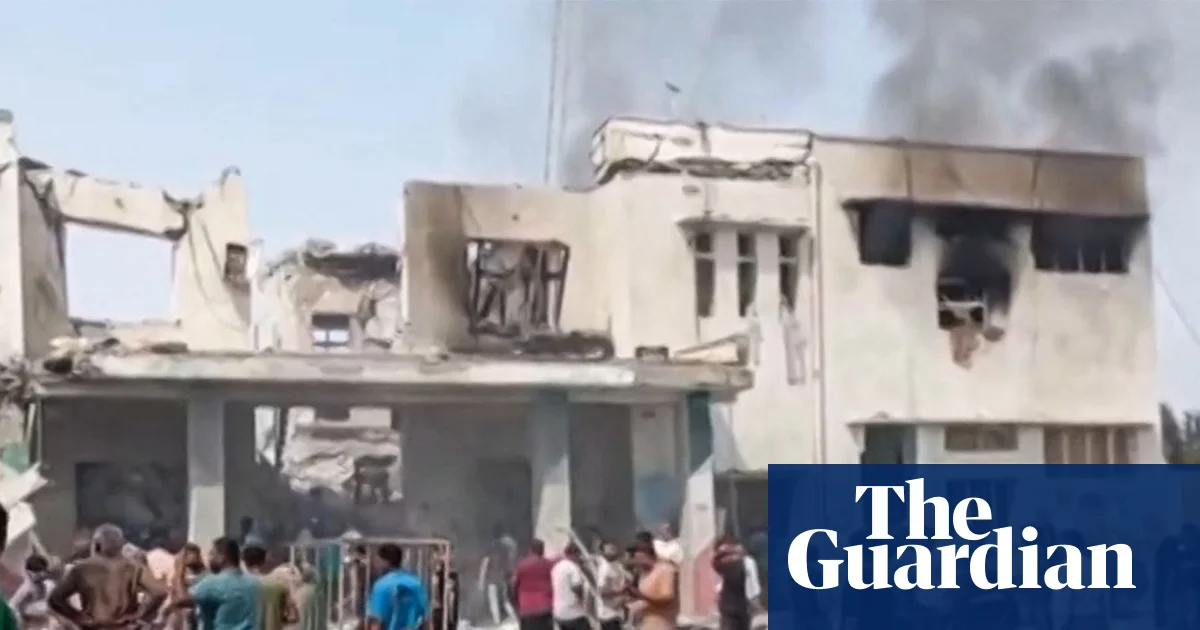
Key events from the strike illuminate its devastating human toll and strategic consequences. Most notably, a strike on Shajareh Tayyebeh, an all-girls school in Minab, led to a confirmed death toll exceeding 80 children, with dozens more unaccounted for. Such a catastrophe underscores the potential for collateral damage in modern warfare, especially when civilian infrastructure bears the brunt of military escalation. The proximity of the school to Revolutionary Guards barracks raises questions about targets and the rhetoric of self-defense versus strategic military objectives.

  • The President’s narrative of a “major combat operation” suggests a departure from previous efforts aimed at containment, signaling a possible shift toward regime change or sustained military engagement.
  • Iranian civilians, already battered by recent domestic unrest and brutal regime crackdowns, are now facing a new era of violence that threatens their lives, homes, and hopes for the future.

Analysts and international organizations warn that this attack may plunge the region into prolonged chaos. Historians emphasize that the choice to initiate open war amid fragile diplomatic talks—the recent negotiations marred by the regime’s suppression of protests with over 7,000 confirmed fatalities—marks an ominous turning point. Iran’s population is torn between fear and an undercurrent of hope, particularly among opponents of the regime who see the conflict as a potential catalyst for political change. But the price of such hope remains painfully clear, as innocent lives become the tragic casualties of great power politics. The situation on the ground is equally grim, with citizens preparing for more violence, stockpiling supplies, and many unable to access state media, either due to cyber-assaults or overwhelmed networks. As Tehran’s streets echo with fear, the geopolitical impact of this assault poses a challenge to the stability of the entire region, calling into question the efficacy of international diplomacy and the consequences of military intervention in a nation already scarred by internal strife.

Yet, this crisis reveals how decisions from the highest echelons of power directly shape the fabric of society across borders. The US-Israel offensive, while framed as a strike against threats to regional security, risks igniting a broader conflict that could destabilize entire nations and ignite societal upheavals worldwide. Critics echo the warnings of seasoned analysts who argue that preemptive strikes often sow chaos and undermine the prospects for long-term peace. As the world watches a once-peaceful Iran transform into a battleground, history remains poised on a knife’s edge, ready to carve a new chapter—one marked by the destructive legacy of war or the fragile possibility of reconciliation. The global community, still reeling from the echoes of past conflicts, can only hope that the emerging whirlwind does not sweep away the hopes of millions seeking peace and stability amidst the shadows of war.

US Lawmakers Blast Trump for Iran Strikes: Unlawful War Acts, Say Congress Not Briefed

Controversial U.S. Military Action Against Iran: A Turning Point in Middle East Dynamics

The recent military strikes conducted by the United States on Iran have ignited a fierce debate among American policymakers, international analysts, and global observers. The operation, which reportedly targeted Iran’s nuclear facilities, was carried out without prior congressional approval, raising serious concerns over the constitutional authority and the war powers resolution of 1973. This statute was specifically designed to prevent presidents from engaging in unauthorized military activities, especially without consultation or notification to Congress. The administration’s decision not to inform key lawmakers, including the so-called “gang of eight,” has exacerbated tensions, fueling accusations of overreach and unilateralism at a critical moment.

From a geopolitical impact perspective, the strike marks a dramatic escalation in the US’s approach to Iran, a nation long regarded as a strategic adversary in the Middle East. While President Trump and his officials have justified the action as a necessary response to Iran’s regional influence and nuclear ambitions, critics argue that this move risks sparking a wider regional conflict. As historian Robert Kaplan warns, such operations could destabilize the fragile balance of power in the Middle East, potentially igniting proxy wars that threaten broader global security. Prominent voices, including members of Congress from both parties, have called for urgent accountability. Democratic senator Tim Kaine and Republican representative Thomas Massie have emphasized that, without congressional approval, such military activities undermine constitutional checks and balances, and could set a dangerous precedent in US foreign policy. Moreover, international organizations like the United Nations have criticized uncoordinated acts of war, urging clarity and adherence to international law in conflicts involving sovereign nations.

Within **domestic politics**, the controversy deepens, with voices across the spectrum questioning the administration’s transparency and strategic vision. The comparison to previous war efforts, especially the 2003 invasion of Iraq rooted in false intelligence about weapons of mass destruction, remains fresh in memory. Many analysts argue that Trump’s latest actions resemble an overzealous pursuit of military dominance without clear objectives, risking another prolonged conflict under questionable justification. The debate highlights a broader ideological divide about America’s role on the world stage — with some champions of intervention heralding the strikes as a decisive shift towards eradicating global terror sponsors, while opponents see it as reckless and unnecessary escalation that jeopardizes American security and international norms.

This unfolding chapter of history leaves the world watching with bated breath, as alliances are tested, and nations brace for possible repercussions. As Iran vows to retaliate, and other regional actors reassess their strategic calculations, the incident underscores a profound truth: every decision made in America’s war rooms today echoes across the ages, shaping the geopolitical landscape for generations to come. With each passing hour, the weight of history presses down — a stark reminder that the path to peace is often marred by the shadows of conflict, and the choices of leaders today may well define the future of the Middle East, and indeed, the world itself.

Student Loans Crisis in England: Action Needed to Secure Our Future Students

In an era marked by soaring student debt and economic uncertainty, international observers are witnessing a critical juncture that underscores the fragile state of global socio-economic stability. As countries grapple with mounting financial burdens, the lens is now sharply focused on major Western nations where policy decisions regarding higher education funding and economic reforms are illustrating broader geopolitical shifts. The recent debates over student loans, interest rates, and university funding within the United Kingdom serve as a microcosm of a global crisis—one that threatens to reshape societal structures and international influence.

Within the UK, the political landscape is rife with tension as policymakers from both sides of the aisle scramble to address widespread discontent. The Labour government, represented by figures like MP Nadia Whittome, highlights a stark reality: even highly paid individuals see their financial situations erode over time due to rising inflation and disproportionate interest payments. This frustration feeds into a broader narrative of systemic unfairness, compounded by ailing institutions. The debate about student debt relief and university funding has escalated rapidly, prompting pledges from the ruling Conservatives to cut interest rates on certain loans—an initiative that has met with controversy and alarm from independent financial experts like Martin Lewis. Such internal conflicts expose the underlying fragility of the nation’s financial model and hint at upcoming political upheaval.

The geopolitical impact extends beyond the UK’s borders. As policymakers cut back on “ineffective” university courses and shift funding priorities, internationally entrenched issues surrounding global competitiveness and educational quality are intensifying. Countries across the world are observing these debates, recognizing that a nation’s future economic strength hinges on the sophistication of its human capital. Meanwhile, analysts warn that such domestic upheavals in a Western powerhouse could embolden authoritarian actors, especially in regions where Western influence is waning. The United States, for example, is also facing a renewed crisis over the affordability of higher education, foreshadowing a potential ripple effect that could destabilize international alliances and push nations further into strategic competition.

Institutions like the International Monetary Fund and OECD have sounded the alarm over how these domestic policies, if left unresolved, threaten to exacerbate inequalities worldwide. The undeniable truth is that decisions made in London or Washington do not simply stay local; they influence global economic patterns, migration, and diplomatic relations. The emphasis on suppressing university costs and realigning fiscal priorities is, in essence, a reflection of a deeper desire to reconfigure the global power hierarchy. Each reform, each budget cut, meticulously analyzed by geopolitical strategists, signals a move toward an uncertain future where the sovereignty of nations may become increasingly intertwined with their ability to sustain socioeconomic stability amid external pressures.

As the shadows lengthen across international theaters, the question remains—how will history judge this epoch of upheaval? With every policy shift, the weight of tomorrow’s world is being written. Will these decisions lay the groundwork for a renewed era of national strength, or will they serve as a cautionary tale about the perils of shortsighted governance? The scars of this tumultuous chapter are yet to be fully revealed, but one thing is certain: the course of history is still being set, and the echoes of today’s choices will resonate for generations to come.

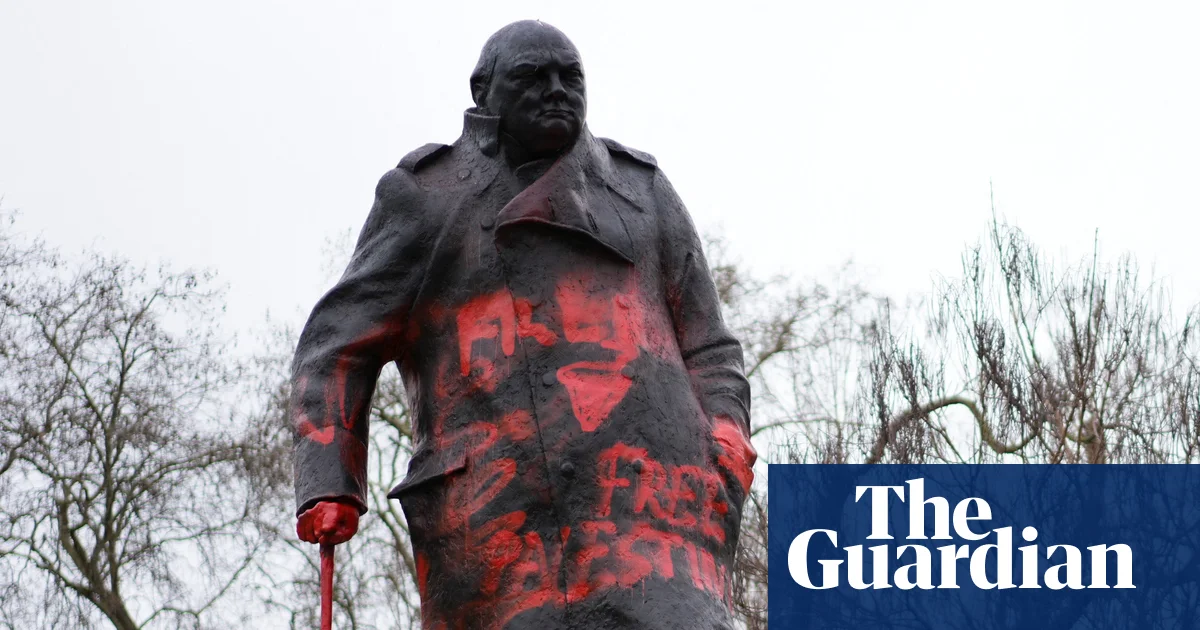
Man faces charges after defacing Churchill statue with graffiti

In a dramatic display of dissent that echoes across London’s historic political landscape, an unidentified individual was apprehended for spray-painting the statue of Sir Winston Churchill outside the Houses of Parliament. The act, laden with provocative slogans such as “stop the genocide,” “free Palestine,” and “globalise the intifada,” signifies more than mere vandalism; it symbolizes the deepening fault lines within global ideological conflicts. The perpetrator, Caspar San Giorgio, was swiftly charged with criminal damage by Metropolitan police, highlighting how these acts become flashpoints in broader cultural and geopolitical struggles.

The incident, occurring just after 4 a.m., is layered within a context marked by recent terrorist threats and violence. Following attacks at Heaton Park synagogue in Manchester and Bondi Beach in Australia, authorities have sought to tighten security and curb inflammatory rhetoric, especially slogans like “globalise the intifada,” which have previously led to arrests. These acts of vandalism are perceived by many as symptomatic of a rising tide of militant activism that reflects fractured global alliances and ideological battles. The UK government’s condemnation emphasizes its commitment to upholding “our values,” but critics argue that such incidents highlight the divisive dangers of unchecked political expressions that threaten the social fabric.

The statue itself, a 3.6-meter bronze monument by Ivor Roberts-Jones, stands as a symbol of not only British history but also of the ongoing debate about national identity and historical memory. It has been subjected to multiple acts of vandalism, including graffiti calling Churchill a “racist” during the Black Lives Matter protests of June 2020, illustrating how historical figures become focal points in modern ideological clashes. Reactions from London authorities and Prime Minister’s office reflect a sentiment of indignation, emphasizing Churchill’s role as a “great Briton” and rejecting the disruptive messages painted on his statue. However, the recurring incidents reveal an undercurrent of tension whereby global conflicts—such as the longstanding Israeli-Palestinian dispute—manifest violently on historic symbols.

International analysts warn that these acts of vandalism and inflammatory rhetoric are more than isolated protests—they are symptomatic of a shifting geopolitical landscape. As China and Russia challenge Western influence, and Middle East conflicts ignite new ideological battles, the symbolism of statues like Churchill’s is increasingly weaponized. Historians caution that how nations choose to interpret and confront their history, especially through contentious monuments, will shape the future of global cultural diplomacy. The escalating violence and provocative slogans serve as stark warnings—how societies remember their heroes and villains today may determine the course of international stability tomorrow.

As the dust settles and authorities scrub away the graffiti, the question remains: how will the world confront these cultural battlegrounds in the years to come? The ongoing struggle over history’s symbols, nations’ identities, and ideological allegiances signals that the true conflict is far from over. The world’s gaze is fixed on these unfolding chapters—each act of defiance adding a new line to the ever-growing narrative of history, with the weight of future generations hanging in delicate balance.

Unsafe clinics in England jeopardize kids with ADHD, doctors warn

Global Implications of Private Healthcare Deregulation in Pediatric ADHD Treatment

In recent years, international health policies have faced mounting scrutiny amid a surge in private healthcare providers offering remote assessments for children diagnosed with attention deficit hyperactivity disorder (ADHD). Countries around the world are grappling with the consequences of deregulating medical protocols, particularly as the demand for quick, accessible mental health care grows rapidly. The UK, in an illustrative case, has uncovered alarming evidence of *widespread unsafe practices* within private clinics operating through online platforms, prescribing potent stimulants such as methylphenidate—commonly known by the brand Ritalin—without the necessary physical examinations that serve as a safeguard for young patients.

British medical authorities, alarmed by this trend, have been compelled to overhaul their guidelines, mandating face-to-face assessments prior to medication prescription. This shift underscores a broader predicament faced across several nations, where the rush to expand access to mental health services via privatization collides with the essential need to uphold clinical safety standards. Historian and policy analysts cite this incident as a critical turning point—highlighting how decisions driven by economic interests and bureaucratic expediency threaten to undermine the long-term health and societal stability of vulnerable populations. The cases detailed by Dr. Rashad Nawaz, a pediatrician in Manchester, reveal children with undiagnosed heart conditions being put at undue risk, exposing systemic vulnerabilities that could resonate globally if left unaddressed.

As international health organizations monitor the fallout from these failures, the geopolitical impact becomes evident: nations facing similar privatization pressures could follow the UK’s example, jeopardizing patient safety for short-term cost savings. Reports from experts warn that privatization schemes integrated into state-funded health systems often result in “deskilling” of local healthcare professionals and over-reliance on telemedicine practices lacking physical assessment components. In *misguided pursuit of efficiency*, some private entities prioritize profits over clinical excellence, pushing the boundaries of permissible practice into dangerous territories. The ripple effects threaten to deepen inequalities, with marginalized children bearing the brunt of these policy missteps, fostering tensions within already fragile social fabrics.

In response, the UK’s Greater Manchester has enacted stringent safeguards—implementing new pathways that require face-to-face checks and thorough physical assessments—reasserting the authority of face-to-face medicine as a cornerstone of safe practice. This move serves as a cautionary tale for other countries contemplating similar deregulation. Yet, the overarching question remains: how long can societies afford to gamble with the health of their youngest? As international watchdogs like the World Health Organization weigh in, the coming years may witness a decisive shift—either towards a renewed commitment to clinical integrity or a descent into an era where profit chokes out essential regulation. History’s pen hovers over this chapter, ready to inscribe whether the lessons learned now will forge a future of responsible medicine or leave a scar on global health that future generations will mourn.”

What’s Really Behind the US-Israel Strike on Iran?

In a startling development that has sent shockwaves through the international community, former U.S. President Donald Trump has publicly described recent events as “major combat operations,” amidst reports of explosions echoing across Iran. This statement marks a significant escalation in the ongoing geopolitical tensions that have long characterized the Middle East, raising fears of a broader conflict that could reshape regional dynamics and influence global security architectures.

The reported explosions in Iran, which some analysts suggest may have targeted critical infrastructure or military facilities, have prompted swift reactions from international bodies and neighboring nations alike. While the specific causes of these events remain under investigation, the mention of “major combat operations” by a prominent political figure signals an alarming shift in rhetoric and possibly in military readiness. Experts from institutions such as the International Crisis Group and various defense think tanks warn that such language and actions could further destabilize an already volatile region. The geopolitical impact extends beyond Iran, potentially affecting global oil supplies, international alliances, and the strategic calculations of world powers.

This crisis also underscores how decisions made at the highest levels of government directly influence the fate of nations and peoples. Iran, a country with a complex history of confrontation and resilience, faces mounting pressure from regional adversaries and external forces. The potential for escalation echoes past incidents that have brought the world to the brink of war, prompting historians to recall the importance of diplomatic restraint amidst the tumultuous currents of international rivalry. Meanwhile, the United States, under the influence of leadership figures like Trump, continues to oscillate between diplomatic engagement and assertive posturing — choices that have profound implications for global peace or conflict.

As the dust begins to settle, or perhaps deepen, the international community stands at a crossroads. The core questions revolve around the potential for a new chapter of dialogue, or an irreversible slide into chaos. The upcoming days will reveal whether nations can overcome entrenched hostility or if history’s dark patterns will once again unfurl. As the world holds its breath in anticipation, the deep scars of past conflicts remind us that the choices made now will echo through generations, shaping the course of history in ways still unreadable. The weight of these moments seems almost unfathomable, yet it is precisely in such decisive instants that the true character of nations and leaders is revealed—whether as guardians of peace or architects of destruction.

Top Picks for Young Conservatives: Gisèle Pelicot, Olympic Politics, and European Dating Hacks | US News

Global leaders’ aspirations for a US-free world order signal a seismic shift in international geopolitics

In recent discussions among world policymakers, a provocative question emerges: do the prevailing ambitions for a US-free international order have any real chance of materializing? As analyzed by prominent historians and geopolitical strategists, this aspiration reflects a broader discontent with American dominance. Key figures in China and Russia have openly voiced their desire to reshape the global landscape—aiming to diminish western influence and forge alliances that prioritize sovereignty over globalist agendas. Such narratives underscore a shift away from the post-Cold War American-led order, risking a fragmentation of international institutions and a new era of bipolar or even multipolar power contrasts. This emerging reality could redefine global stability, as nations pivot towards regional blocs and assert their independence from the previous enclave of U.S. influence.

Major international sporting events like the Winter Olympics are becoming political battlegrounds, foreshadowing the tensions of LA 2028

The recent Winter Olympics held in Milan-Cortina vividly illustrated how sports diplomacy is now intertwined with geopolitical dissent. From the US men’s hockey team’s playful yet meaningful exchange with then-President Trump to the fierce backlash against critics of President Biden’s policies, the event was fraught with political symbolism. Analysts suggest that the upcoming LA 2028 Olympics will elevate this trend, transforming a global athletic showcase into a platform for political messaging and ideological contestation. Such developments threaten to polarize international audiences, turning once-unifying events into spectacles of rivalry that ripple through diplomatic channels.

Institutions like the International Olympic Committee are under increased scrutiny, caught between catering to international unity and navigating the rising tide of nationalist narratives. As historian John Lewis Gaddis warns, these games could accelerate the disintegration of overarching global camaraderie, replacing shared cultural identity with geopolitical allegiances that threaten global stability.

Behind the high-profile royal scandals and personal exploits lies a broader crisis of moral authority and social trust

The recent revelations surrounding Prince Andrew exemplify how the veneer of privilege is collapsing under the weight of public scrutiny and allegations. Biographers and critics alike describe a narrative of excess, exploitation, and the relentless pursuit of personal gain—characteristics that resonate in a world grappling with declining faith in traditional authority structures. The reputation of royalty is increasingly fractured, an emblem of fading moral certainty amid ongoing societal upheaval. This erosion of social trust spurs a reevaluation of leadership at all levels, fostering a youth-based skepticism toward elites and fueling demands for accountability across the board.

As one international analyst observes, these scandals are part of a larger pattern where institutions once revered—whether royal, political, or religious—are now being scrutinized, challenged, and sometimes dismantled. The resulting cultural turbulence is forcing societies to reconcile the loss of traditional anchors and to forge new identities rooted in transparency and resilience.

History’s shadow looms as the narratives of trauma, resilience, and hope intertwine in the global consciousness

From 9/11 to the current upheavals, the human story is defined by moments of profound crisis and renewed hope. The haunting melodies of William Basinski’s The Disintegration Loops echo a collective memory of pain and perseverance, embodying how societies interpret tragedy as both a warning and a catalyst for change. These narratives serve as stark reminders that history remains an ongoing, often unpredictable, process—where every act of resilience shapes future trajectories.

As nations stand at crossroads—faced with geopolitical ambivalence, cultural disintegration, and the persistent quest for stability—only time will reveal which stories will be written into the annals of history and which will fade into obscurity. The current mosaic of crises, ambitions, and struggles reminds us: every decision, every conflict, every hope fuels the relentless march of history’s unyielding tide.

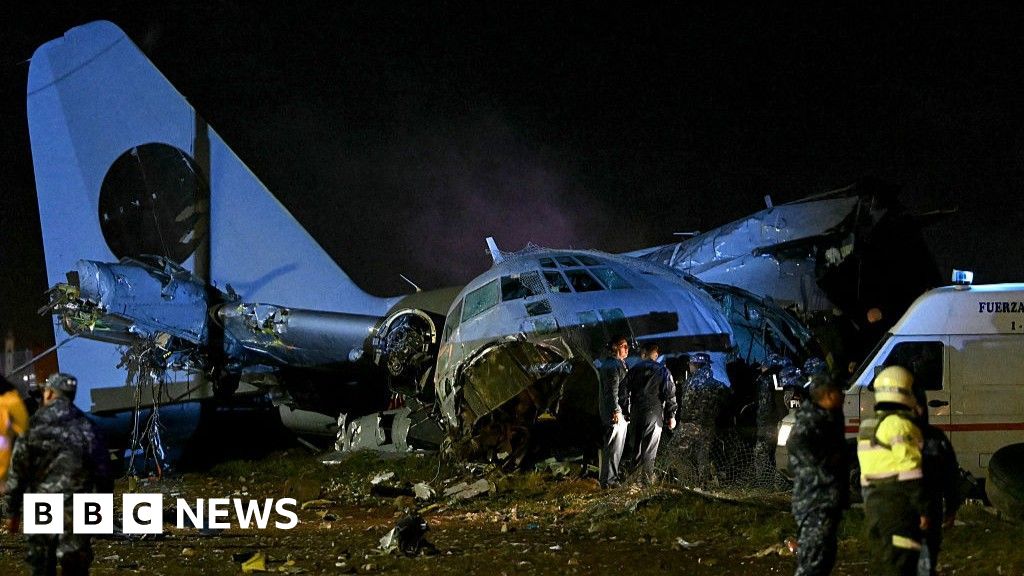
Bolivian Military Plane Crashes, Killing at Least 11 with Cash for the People

In the wake of an unfolding international crisis, South America finds itself confronting the complex repercussions of a recent tragedy involving a concealed financial dispute. According to Minister of Defence Marcelo Salinas, authorities are actively addressing an incident where illicit funds—lacking official recognition—are purportedly involved in a scenario of grave national concern. Salinas declared, “I want to make it clear to those who are trying to take money from the plane involved in this tragedy that this money has no legal value since it has not been issued by the Central Bank and does not have a serial number, and that attempting to use this money is a crime.” This statement underscores the gravity of the illicit financial conduct intertwined with a situation that appears to hold broader implications for regional stability and security.

The incident signals more than just a local misadventure; it echoes with geopolitical ramifications that reach beyond national borders. Analysts warn that the covert handling of unregulated currency may be a symptom of larger financial disarray or clandestine dealings amidst the horn of Latin America. The **Central Bank**—a pillar of economic sovereignty—has explicitly disavowed any association with these unfiled notes, emphasizing the importance of legal tender in maintaining economic order. International economic watchdogs, such as the WTO and IMF, are closely monitoring reports, highlighting how even minor financial irregularities can ripple into regional instability and undermine international confidence. The social and political echoes of this incident threaten to destabilize hard-won diplomatic relations, especially as neighboring nations brace for potential fallout.

Historically, such incidents serve as stark reminders of how fragile economic sovereignty can be in a volatile geopolitical landscape. Historians and geopolitical analysts point to past crises—such as the destabilization caused by unregulated financial activity during regional conflicts—to illustrate the potential consequences of unchecked illicit transactions. The incident also invigorates debates about sovereignty, national security, and the reach of transnational criminal networks. According to International Security Council reports, these covert financial operations often serve as funding sources for broader destabilization efforts, complicating efforts by governments to safeguard their sovereignty. As regional leaders convene to assess the situation, the question remains whether this shadowy financial activity signals a deeper infiltration into national security infrastructure or an isolated anomaly.

As the world watches, the fate of this incident is poised to influence the geopolitical map for years to come. The unfolding narrative is not simply about a clandestine financial transaction; it encapsulates the enduring struggle for sovereignty in an interconnected world where internal vulnerabilities can quickly escalate into external threats. With every decision and investigation, history unfolds—reminding us that the lines between stability and chaos are often dictated by unseen financial currents. The weight of events continues to press down on nations, compelling leaders to confront the destructive potential of illicit financial networks. As the echoes of this crisis reverberate across the continent, one fact remains clear: the pages of history are turning, and the choices made today will shape the destinies of nations for generations to come.

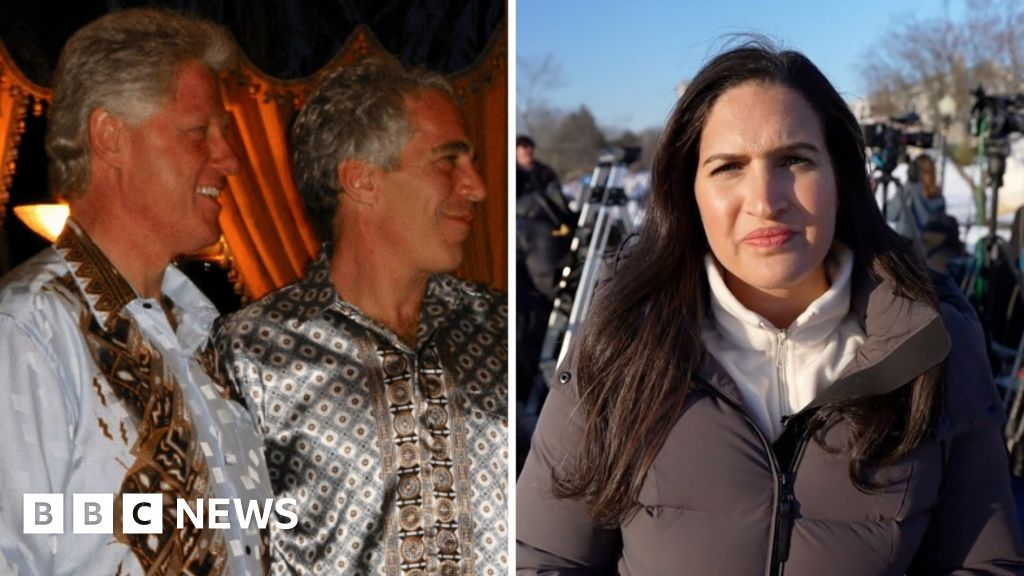
Watch the defining moments from Bill Clinton's deposition
Watch the defining moments from Bill Clinton’s deposition

Bill Clinton’s Testimony Sparks International Debate Amid Election and Power Struggles

The recent deposition of Bill Clinton before the House Oversight Committee has thrust the American political landscape into a tumultuous spotlight, shedding light on the entrenched power and secrecy that often characterize Western democracy’s elite. Despite Clinton’s vigorous denial of any knowledge regarding Jeffrey Epstein’s criminal activities, the implications of this hearing reach far beyond U.S. borders, resonating with international concerns over accountability and transparency among powerful leaders.

This high-profile event also coincided with the deposition of Hillary Clinton, signaling a potential turning point in the ongoing scrutiny facing the political class. The proceedings, amplified by calls from Republicans for the transcripts’ release and Democrats suggesting the need for former President Donald Trump to participate, underscore a deepening partisan divide—not only in America but as a precedent that could influence political accountability globally. As analysts from international watchdogs observe, such spectacles often serve as reflections of the fragile balance between justice and political self-preservation, affecting national stability and societal trust in institutions.

Global Impact: A Question of Power, Justice, and Societal Integrity

From a geopolitical perspective, the Clinton hearings carry weight well beyond the borders of the United States. Countries around the world watch anxiously, aware that political scandals involving the highest echelons of power can catalyze broader demands for transparency and rule of law. According to international legal scholars, these revelations test the resilience of democratic norms and may influence how emerging nations shape their own governance structures. Key institutions such as the United Nations and regional bodies will likely interpret this crisis as a warning sign: even the most powerful can be vulnerable to oversight, but how societies respond can determine their future stability.

Voting populations across various nations increasingly demand accountability, wielding social media and grassroots movements to challenge elites and push for reforms. The Epstein scandal, intertwined with accusations of elitism and unchecked influence, fuels societal debates about how power is derived, maintained, and challenged. As historians and geopolitical analysts warn, failure to confront these issues risks perpetuating cycles of corruption and disillusionment, which could inspire populist upheavals or authoritarian backlashes in vulnerable regions.

The Unfolding Narrative: History in the Making

As the revelations from Clinton’s deposition unfold, history continues to be written in real time. The intersection of personal scandal with national policy underscores a profound truth: the decisions made today about accountability, transparency, and justice will shape the fabric of global society for generations. Decisions taken in the corridors of power—whether to conceal or confront—will echo across continents, influencing societal trust and the legitimacy of institutions in ways that are yet to fully unravel.

In a world eager for stability amid chaos, the weight of history presses heavily on political figures. The stories forged within these testimonies forge a new chapter—one marked by the struggle for truth in a universe where power often seeks to obscure itself. The coming days will reveal whether justice can transcend politics or whether the shadows of past transgressions will continue to loom over the future of democracy. As history’s tide carries us forward, the fate of societies hangs in the balance, awaiting the steps of those who hold the keys to revelation and reform.

Social Media Auto Publish Powered By : XYZScripts.com