Matox News

Truth Over Trends, always!

Prince Harry and Meghan stand with Bondi terror attack survivors

In a display of high-profile diplomacy set against the backdrop of Australia’s vibrant landscape, Prince Harry and Meghan Markle concluded their recent tour with a poignant visit to Bondi Beach, the site of a devastating terror attack that claimed 15 lives last December. Their engagement with survivors and emergency responders underscores the enduring importance of resilience in the face of terrorism and societal trauma. Such gestures serve not only as acts of compassion but also as strategic symbols that align Western societal values with a broader sense of security and collective healing. International analysts argue that these moments are carefully curated to project a message of unity and strength, reinforcing Western ideals of resilience amidst rising global threats.

Of particular interest to global observers is the geopolitical impact of Harry and Meghan’s activities, which blend soft diplomatic outreach with commercial ventures. Their exclusive retreat—where ticket prices soar up to $3,199—signifies a shift towards a new form of influence, defined less by traditional monarchy and more by celebrity-driven soft power. Though no longer functioning members of the British Royal Family, their choice to sidestep open public engagements in favor of private settings highlights a broader trend: a shift in how elites shape perceptions of authority and societal values. Historians like Dr. Michael Adams warn that such private endeavors may redefine notions of public service, emphasizing personal brand over institutional monarchy.

This evolving dynamic occurs amid an increasingly complex international landscape where conflicts, ideological shifts, and cultural debates threaten to reshape global stability. The international community—particularly countries with ongoing security challenges—closely monitors how influential figures like Harry and Meghan navigate their roles. Meanwhile, organizations like the United Nations and INTERPOL emphasize the importance of fostering resilience and societal cohesion in the face of rising domestic and transnational threats. Their current stance reflects a recognition that soft diplomacy, symbolism, and cultural influence are tools that can be leveraged in the ongoing struggle for ideological dominance and societal stability.

As the story of Harry and Meghan’s Australian adventure unfolds, it echoes a broader narrative—one where history’s weight is palpably felt, and the future hangs by a fragile thread. With each event and decision, the ripple effects extend beyond the shores of Australia, shaping perceptions and decisions in distant capitals. The world watches, knowing that every gesture, alliance, and retreat holds the potential to alter the course of history. As nations grapple with their increasingly intertwined fates, it becomes evident that the unfolding chapters of this story are more than mere headlines—they are a testament to the enduring power struggles that define our age, where influence is wielded not just by armies or governments, but by the narratives shaped in the presence of the world’s most symbolic figures.

Australia updates: War crimes suspect Ben Roberts-Smith in bail hearing; PM confirms no harsher fuel rules after refinery fire

In a year marked by pivotal geopolitical shifts and domestic upheavals, the international landscape continues to reverberate with profound consequences. Strong leaders and rising nations are increasingly asserting their influence, with decisions made in capitals shaping societies worldwide. Recent developments underscore this reality, as nations grapple with internal crises while vying for supremacy on the global stage. These events serve as a stark reminder that the weight of history is still unfolding, and the decisions of today will echo through future generations.

Across Australia, a nation of both immense natural resources and strategic importance, the government faces significant challenges. The detention and upcoming bail decision for Ben Roberts-Smith, a decorated soldier embroiled in war crime allegations, encapsulate a period of internal conflict and judicial scrutiny. His case draws national attention to issues of military accountability and the societal debate surrounding justice for alleged atrocities committed in Afghanistan. While this legal saga unfolds within Australian borders, it perfectly exemplifies how domestic legal processes are intertwined with international perceptions and diplomatic relations. The outcome could influence Australia’s defense policies and its global standing in addressing war crimes—a matter closely watched by analysts and historians who underscore the importance of accountability in maintaining moral legitimacy.

Simultaneously, the country’s critical fuel infrastructure has been rocked by a fire at the Viva Energy refinery in Corio, Victoria. The blaze, which temporarily reduces petrol and diesel supplies, has ignited fears of escalating energy shortages amid ongoing geopolitical tensions involving the Middle East. The Australian Prime Minister, Anthony Albanese, has reassured the nation that the event will not escalate into harsher fuel restrictions, highlighting the government’s proactive measures to stabilize markets. These include securing extra fuel supplies from regional partners and backing private corporations like BP, which have committed to international investment schemes to boost domestic reserves. Such decisions reflect a broader strategy—one that balances national security with economic resilience, all while navigating global conflicts that threaten regional stability.

International reactions are equally telling. Former U.S. President Donald Trump renewed accusations that Australia had not done enough to support U.S. efforts in the Middle East, casting a shadow over the already tense alliance. America’s role as a geopolitical stabilizer is under scrutiny, particularly as allied nations such as Japan and South Korea ramp up their military spending in response to rising regional threats. Meanwhile, European nations face concerns about the resurgence of classic interstate rivalries with Russia’s renewed assertiveness and China’s expanding influence. International organizations warn that these internal and external disputes threaten to redraw the map of global alliances, pushing nations into new layers of uncertainty. Historians suggest that these conflicts could define the geopolitical narrative of the 21st century, where sovereignty and international power are in a constant state of flux.

As the world stands at this crossroads of history, the decisions made behind closed doors in courts and cabinets today will shape the fabric of societies for decades. The verdict on Ben Roberts-Smith may determine how justice is perceived in military conduct, while energy measures reflect a nation’s resilience amid upheaval. Meanwhile, the dance of diplomacy and accusations between Australia, the U.S., and other powers reveals a fragile international equilibrium—one that could tip into chaos or cohesion depending on the choices of leaders. The unfolding story is a testament to the enduring truth that in the theater of geopolitics, every act echoes in the chambers of history, and the true measure of a nation’s strength lies in how it faces its trials, both close to home and in the shadows of distant conflicts.

Artemis Crew Shares Bold Moon Mission and Splashdown Experience

Historic Artemis Mission Marks a New Era in Space Exploration and Geopolitics

In a groundbreaking achievement that underscores the relentless drive of the United States to maintain its leadership in space exploration, the crew of the Artemis mission convened for their first press conference after completing a 10-day orbital expedition around the Moon. Launching on April 1 from NASA’s Kennedy Space Center in Florida, the crew embarked on a journey that took them beyond the far side of the lunar surface — a feat that not only highlights technical prowess but signals a cultural and geopolitical statement of intent. The mission’s objectives are ambitious: to rekindle human presence on the Moon, establish a permanent outpost, and ultimately, lay the groundwork for manned missions to Mars.

The Artemis program is more than just a quest for scientific discovery; it signifies a strategic shift in international power dynamics. As noted by numerous analysts and geopolitical strategists, the renewed U.S. push to dominate lunar space is a response to the rise of China and Russia in extraterrestrial exploration. China’s recent lunar activities and Mars ambitions, along with Russia’s renewed interest in space, threaten to fracture what was once a mostly American-dominated field. The Artemis mission, therefore, underscores a broader geopolitical contest over the future of space as the new frontier for economic and military advantage.

International organizations and foreign governments are watching closely. The European Space Agency (ESA), India’s ISRO, and others have expressed interest and have begun aligning themselves with lunar and Martian initiatives. Yet, experts warn that this renewed focus on celestial exploration could exacerbate existing international tensions and lead to a new space race. Historians cite the Cold War-era space race as a cautionary tale and emphasize that, how nations choose to collaborate or confront in space will set the tone for global stability in the decades to come. The Artemis mission, with its symbolic return to human lunar exploration, is thus imbued with profound geopolitical impact.

As the world’s eyes turn skyward once more, the unfolding chapter of lunar exploration is determining who will hold sway over the future’s final frontier. Will this herald an era of international cooperation or a new epoch of competition centered around territorial claims, resource control, and technological supremacy? The decisions made today echo beyond the vacuum of outer space— they shape the destiny of nations and societies grounded firmly on Earth. As history’s pen continues to write the story of mankind’s quest among the stars, one thing remains clear: the outcome of this new space race may very well define the geopolitical landscape of the 21st century, leaving humanity to confront the question of whether space can be a shared horizon or a battleground for dominance.”

Israel and Lebanon Agree to 10-Day Ceasefire, Trump Confirms

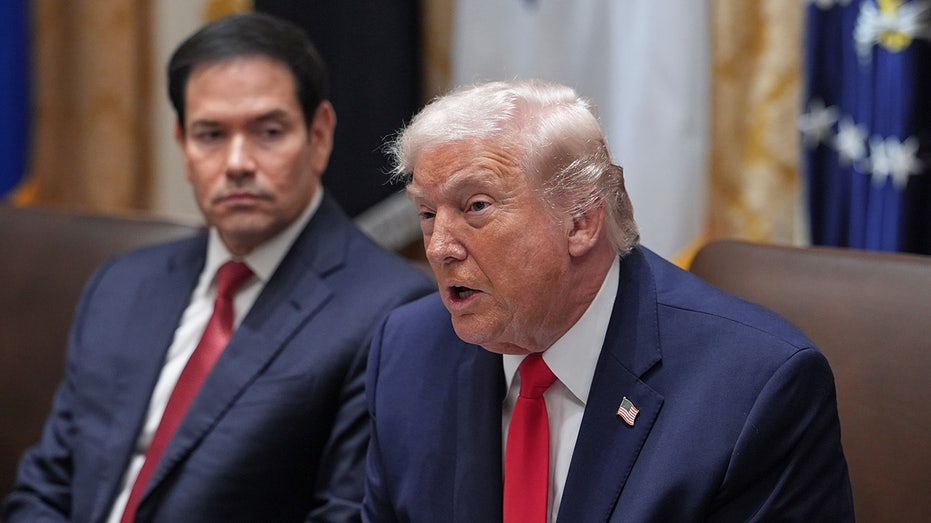
The United States and Iran are once again edging toward a critical diplomatic juncture, as discussions for a second round of peace talks take place in Pakistan. These negotiations, which hold the potential to redefine regional stability, are closely watched by global powers and regional neighbors alike. According to recent statements in Washington, President Donald Trump indicated that pre-negotiation progress has been substantial, with both sides reaching consensuses on several key issues. Notably, Iran is reported to have committed to not developing nuclear weapons “beyond 20 years.” However, Trump emphasized a stark warning: “if there is no deal, fighting resumes.”

This development signals a possible shift in the complex geopolitical chess game that has long defined the Middle East. The U.S.-Iran relationship—fraught with decades of hostility, sanctions, and proxy conflicts—may be approaching a pivotal turning point. International analysts suggest that such negotiations could either open avenues for peace or trigger renewed regional turmoil. According to the International Institute for Strategic Studies, the potential for a nuclear agreement could significantly alter the balance of power, especially given Iran’s strategic position and regional influence. Yet, skeptics warn that any agreement lacking firm enforcement mechanisms risks merely postponing confrontation, leaving regional and global stability hanging in the balance.

The implications of these negotiations extend well beyond bilateral relations, affecting global security and economic stability. For the United States, success in these talks would serve as a significant victory in the ongoing effort to contain Iran’s nuclear ambitions, which many see as a threat to both regional allies and international peace. Conversely, a failed attempt risks exacerbating conflicts in Syria, Iraq, and Yemen, as well as emboldening Iran’s regional policies. As noted by geopolitical analysts, the outcome will shape the future contours of international diplomacy, potentially encouraging other states to seek unilateral nuclear capabilities if perceived as the only reliable safeguard against intervention.

Historically, conflicts of this magnitude have proved to be turning points—moments when the course of history can shift dramatically based on diplomatic choices made in such vulnerable windows. The works of historians remind us of the thin line between peace and war, often dictated by negotiations and compromises amid fierce national interests. The current situation therefore carries the weight of the future—whether the world will see a genuine step towards peace or plunge into another cycle of hostility as negotiations collapse. As the world holds its breath, one thing remains undeniable: the decisions made today will echo through the corridors of history, shaping the fate of nations and societies for generations to come. A new chapter is being written—its narrative still uncertain, its outcome yet to be determined, but its significance indelible in the fabric of global history.

Unsealed Records Expose Amazon’s Price-Fixing Schemes, California AG Alleges

Amazon, the global tech behemoth that has surpassed Walmart as the world’s largest retailer, now faces serious allegations that threaten to shake the foundation of free-market principles. Internal documents recently unsealed as part of a civil lawsuit filed by the California Department of Justice expose a disturbing pattern of anti-competitive practices. These revelations highlight how Amazon allegedly manipulated its platform to suppress vendors selling below its prices, effectively stifling competition and consolidating its dominant position in e-commerce. This not only raises questions about the integrity of online retail but also about the potential consequences for global markets and consumer choice.

Legal experts and independent analysts warn that such practices, if proven true, could set a dangerous precedent worldwide. The documents include emails, depositions, and confidential presentations that reveal how Amazon’s internal tools and algorithms were used to influence pricing and suppress competing vendors. Rob Bonta, California’s Attorney General, expressed concern that these tactics “unlawfully punish sellers” and are especially harmful during a time when many consumers face an affordability crisis. The case, scheduled to reach court in January 2027, promises to be a pivotal moment in the ongoing debate over market monopolization and corporate accountability. Historically, such revelations serve as harsh warnings that the unchecked power of monopolies like Amazon could erode international competition, threaten small businesses, and distort the natural flow of supply and demand.

From the perspective of international relations, this case underscores a broader issue: the erosion of free-market competition in favor of corporate dominance, which could influence policy decisions across nations. The leaked internal emails mention tactics aimed at “shadow blocking” competitors such as Wayfair and Temu, obstructing their sales channels by manipulating the Buy Box—a critical feature that determines which seller’s offer is prominently displayed. This revelation signals a shift where corporate giants are increasingly acting as gatekeepers rather than enablers of consumer choice, potentially leading to global regulatory crackdowns and international efforts to curb monopolistic behaviors. According to economic historians and global institutions, the consequences of such unchecked power could include higher prices for consumers, reduced innovation, and the marginalization of smaller players unable to counteract the raw force of these corporate strategies.

As the world watches, the unfolding story of Amazon’s alleged anti-competitive practices will be remembered as a significant chapter in the ongoing narrative of free enterprise versus corporate overreach. The outcome of this legal battle will echo beyond California’s borders, influencing how societies view corporate accountability and the balance of power in digital markets. With the world poised at a defining moment in economic history, one cannot help but wonder: are we witnessing the dawn of a new era where the **monopoly** reigns supreme, or will resilient voices — from governments, civil society, and global institutions — rise to challenge the dominance of these corporate giants? Only time will tell, but the pages of history are now being written in real time — a story of rivalry, regulation, and the enduring fight for fairness in the marketplace.

Naples bank robbers take 25 hostage, slip away through secret tunnel—justice must catch them quick!

During a recent security breach, armed men managed to evade capture by escaping through the city’s sewer system, an event that exposes significant vulnerabilities within urban security and emergency response frameworks. Such a dramatic escape underscores the layers of complexity involved in maintaining public safety amidst growing threats that often resemble scenes from a clandestine battlefield rather than a typical urban environment. Analysts and security experts warn that these incidents are not isolated but indicative of broader issues affecting nations committed to safeguarding societal stability.

Urban infiltration and evasion tactics are evolving at a pace that challenges traditional law enforcement methods. The escape through subterranean networks highlights how non-conventional avenues can be exploited to evade capture, especially when authorities are unprepared for such innovative tactics. Experts from international security think tanks argue this underscores the importance of integrating advanced surveillance technology with community-based intelligence operations. If left unaddressed, such vulnerabilities could facilitate future assaults, organized crime runs, or even terrorism, fundamentally threatening the fabric of civil order. Governments across the globe are urged to learn from such breaches, re-evaluating their security strategies to adapt to these emerging threat landscapes.

The geopolitical impact of such security failures extends well beyond localized law enforcement. Countries embroiled in regional conflicts or tense diplomatic relations are particularly vulnerable; a successful escape for criminals or insurgents could embolden adversaries or destabilize fragile peace processes. The incident invites scrutiny of global security cooperation, especially given the interconnected nature of modern threats. International organizations such as Interpol and the United Nations have long emphasized the necessity of cross-border intelligence sharing to preempt and counteract sophisticated clandestine operations. Yet, as this escape illustrates, operational gaps persist, and adversaries continually adapt, exploiting every crack in the system.

Historian and geopolitical analyst Dr. Samuel Carter notes, “Events like this serve as stark reminders that our modern security apparatus must evolve at a similar pace to threats—otherwise, we risk future crises spiraling beyond control.” The global community faces a critical choice; whether to invest heavily in technological innovation and intelligence coordination, or accept the increasingly unpredictable chaos that unchecked criminal networks and insurgent groups could usher in. Such incidents also send a chilling message to societies: the battle for control of urban spaces is ongoing, and an underestimation of the enemy’s ingenuity can have deadly consequences. As nations brace for the future, the weight of history presses down—each event compounding the ever-unfolding narrative of conflict and resilience.

Next CEO Simon Wolfson hits record £7m payday last year

Corporate Elite and Geopolitical Instability: A Narrative of Power and Influence

In an era increasingly defined by global conflicts and shifting geopolitical alliances, the actions of corporate magnates underscore an unsettling trend: the consolidation of wealth and influence in the hands of a privileged few. Simon Wolfson, the CEO of the UK-based retailer Next, exemplifies this phenomenon. Last year, Wolfson reaped a staggering £7 million in total compensation—an amount that is projected to rise to over £9 million this year. Such exorbitant pay packages highlight a growing disconnect between corporate leadership and the economic realities faced by the broader population, especially amid burgeoning inflation risks and international conflicts, notably in the Middle East.

Despite warnings from international economic analysts and organizations like the International Monetary Fund (IMF) regarding the potential for inflationary spirals due to ongoing conflicts, corporations like Next remain optimistic. The company’s recent upward revisions of profit forecasts—raising expectations by £8 million to a record £1.2 billion—reflect a distortion of economic priorities. While much of the world braces for possible shortages and a downturn in consumer confidence, the retailer continues to reward its top executives lavishly. Wolfson’s pay profile, including long-term bonuses and benefits, now reflects a broader pattern where executive compensation is often detached from national economic health and social well-being.

This conspicuous wealth concentration occurs at a critical juncture in world history. Historians and geopolitical analysts argue that such disparities can exacerbate social tensions and undermine democratic legitimacy, especially as international institutions attempt to navigate regional conflicts and economic upheaval. Global corporations who fiercely defend high executive rewards, often under the pretext of performance and retention, may inadvertently contribute to societal divisions. Meanwhile, nation-states face pressure to balance economic growth with social equity, a challenge complicated further by the shifting tides of international diplomacy and trade agreements.

In this complex landscape, the expansion of corporate influence—exemplified by Next’s strategic remuneration policies and acquisition of a portfolio of brands—raises profound questions about the direction of global capitalism. As international leaders endeavor to maintain order amid crises, the persistent elevation of the corporate elite symbolizes a wider trend: the shift from national sovereignty to a power matrix increasingly dominated by economic interests. How nations will reconcile these disparities—while managing the fallout from ongoing conflicts—remains a defining question of our time. The choices made in boardrooms today are not isolated; they are woven into the fabric of history, shaping the societal and geopolitical contours of the future.

UK Culture Secretary Warns BBC Job Cuts Are a Serious Concern for the Future

The British Broadcasting Corporation (“BBC”), long heralded as a bastion of British influence and a symbol of the nation’s soft power, has announced a wave of significant internal restructuring—cutting as many as 2,000 jobs over the next three years. This decision, revealed amid mounting financial pressures, sparks a broader debate over the disconnect between the priorities of senior management and the morale of the workforce. Critics argue that these cuts—though designed to tighten budgets—may inadvertently weaken Britain’s influence on the global stage, especially given how public broadcasting has historically served as a conduit for soft diplomacy, cultural exports, and ideological influence across continents.

Analysts suggest that the timing of these cuts cannot be dismissed as purely domestic concern. As international institutions and foreign governments watch, Britain’s strategic soft power assets are being reshaped—potentially at a cost. Many younger employees and those at the early stages of their careers have expressed frustration, warning that the perception of prioritization toward highly paid senior figures and external hires—such as incoming Director-General Matt Brittin, a former Google executive—risks diluting the broadcaster’s connection with its core audience and undermining its role as a reliable voice in a rapidly changing global information landscape. The sentiment is echoing among those who believe that
tough luck” policies threaten to erode a foundation that for decades has served as an extension of Britain’s national identity. Such internal turmoil, compounded by the lack of transparency and perceived favoritism, could have unforeseen consequences on Britain’s reputation abroad.

This internal upheaval not only reveals domestic instability but also underscores how decisions on national cultural institutions can ripple through the broader geopolitical fabric. As British political leaders toe the line between fiscal responsibility and cultural stewardship, international observers—particularly in the Commonwealth and allied nations—are watching keenly. The BBC’s struggles mirror global shifts where traditionally strong state-funded or publicly trusted media outlets face existential threats from rising misinformation, commercial competition, and political interference. For example, some international analysts warn that weakening Britain’s diplomatic cultural efforts could enlarge Russia’s and China’s influence in regions where they aim to fill the informational void left by Western institutions’ decline. The international community is increasingly aware that the health of a nation’s soft power—its ability to shape narratives without overt military or economic coercion—translates into long-term strategic advantage.

Esteemed historians and global think tanks have documented that media institutions like the BBC serve as a vital component of a nation’s global posture. As the United States contends with its own crises of trust in public broadcasting, and European nations grapple with similar austerity measures, Britain’s choices are seen as a potential bellwether. The decision to cut jobs at the broadcaster during a period of international upheaval—marked by geopolitical conflicts and shifting alliances—raises questions: How will the marginalization of a once-global media giant impact Britain’s influence and societal cohesion? Will it undermine a generation’s understanding of their cultural heritage and international role?

As history continues to unfold, the narrative remains dangerously open-ended. The actions taken now could either fortify Britain’s strategic resilience or diminish its standing on the global stage, echoing across continents and decades. The weight of this transformation underscores that, in the theatre of international politics, even a single broadcast corporation’s fate can ripple into the fabric of geopolitical stability, societal identity, and the very war of narratives that defines our times. The world watches, waiting for the next chapter to be written—and how history will measure this moment remains uncertain.

Pedro Pascal Sues Chilean Spirit Brand in Legal Clash

In an era where cultural identity and economic power intersect, legal battles over name recognition demonstrate the evolving geopolitical landscape. The recent dispute between the internationally acclaimed actor Pedro Pascal and a Chilean pisco merchant exemplifies how individual and cultural symbols can spark wider debates about global influence. Pascal’s legal challenge against a Chilean brand called Pedro Piscal has garnered attention not only within legal circles but also across the international stage, highlighting the significance of names, brands, and cultural symbols in a globalized economy. This specific case underscores how individual reputation, local entrepreneurship, and national identity are now entangled in a broader contest of soft power, especially as Latin America’s cultural exports continue to gain influence worldwide.

Historically, international trademark laws have become crucial tools in safeguarding personal and cultural identity against potential misappropriation. As noted by several global legal analysts, the effort by Pascal to retain control over the use of his name reflects a broader pattern across multiple countries where celebrity branding and national symbols have become commodities. Similar cases span continents—from Hollywood-based lawsuits over Pun-based brand names to European intellectual property disputes over cultural icons. The Pedro Piscal controversy is emblematic of how social media, branding, and legal frameworks are converging to shape a new frontier of cultural sovereignty. How nations and societies respond to such challenges could define their stance on protecting cultural symbols in an increasingly interconnected world.

Experts like international law firm Clifford Chance and historians warn that these seemingly trivial brand disputes could have real geopolitical implications. For example, Chile‘s rising stature as a globally recognized cultural and economic nation hinges on its ability to defend its symbols from diluted or misused representations. Cases like Pedro Piscal, along with Chilean entrepreneurial stories involving cheeky pun-based brands reminiscent of Hollywood’s trademark battles, showcase the tension between local innovation and global influence. The ongoing battle over Star Wash’s use of Star Wars-themed branding exemplifies how international corporations are deploying legal tools to assert control—yet, they also risk alienating local communities and youthful entrepreneurs eager to celebrate their pop culture heritage. The result can be a kind of cultural pincer movement where economic interests threaten to overshadow genuine national expression.

As the international community watches these conflicts unfold, the decisions made today will reverberate for generations. Will international legal standards evolve to protect cultural expressions, or will they be co-opted by corporate interests that prioritize trademarks over societal identity? The United Nations and World Intellectual Property Organization regularly debate these issues, but critics argue that the current system favors powerful multinational corporations over local cultural sovereignty. Ultimately, these legal skirmishes serve as a stark reminder of how fragile our shared history is—whether in the form of a celebrity’s name or a heritage spirit—each battleground is a part of a larger contest for influence and authenticity in a world where history is constantly being rewritten. As societies stand at this crossroads, the weight of future memories—and their implications—hangs in the balance, waiting to be shaped by decisions that will define the line where culture ends and commerce begins.

NSW High Court Ruled Anti-Protest Law Unlawful After Bondi Attack Redirects Focus on Public Safety

In a significant judicial development that echoes the tension between constitutional rights and government power, New South Wales’ highest court has invalidated an anti-protest law enacted in the wake of the Bondi beach terror attack. This landmark decision comes amidst escalating global concerns about security, civil liberties, and the influence of international conflicts on domestic policy. The law, known as the public assembly restriction declaration (PARD), was introduced by the Minns government to restrict protests in designated areas for up to three months following the attack, which claimed 15 lives. However, the court deemed it unconstitutional, citing that it impermissibly burdened the implied constitutional right to freedom of communication on government and political matters—an outcome viewed as a victory for advocates of civil liberties and democratic rights across the globe.

  • The law was notably applied during a controversial rally against Israeli President Isaac Herzog’s visit, which turned violent and prompted police misconduct investigations. Despite the government’s claims that the legislation was necessary to maintain order post-terrorism, the court’s ruling highlighted its overreach, emphasizing that it served as a “blunt tool” that indiscriminately suppressed constitutionally protected activity, regardless of the threat level or the purpose of the assembly.
  • Legal analysts and international watchdogs underscored that this decision could set a transformative precedent, illustrating the judiciary’s role in curbing executive overreach and defending fundamental rights against overly broad security measures. The case also cast a spotlight on how authoritarian instincts can be challenged in liberal democracies, reinforcing the principle that government power must be balanced with individual freedoms—an issue at the heart of many geopolitical debates on security versus liberty.

The court’s decision was celebrated outside the courtroom by civil rights groups and advocacy organizations, notably Jews Against the Occupation ’48 and the Palestine Action Group. Their spokesperson, Josh Lees, hailed the ruling as a critical victory for democracy and the global movement fighting for human rights. This case exemplifies how domestic legal battles intertwine with international causes, such as the ongoing struggle over Palestinian rights, and how judicial institutions worldwide are becoming battlegrounds for ideological conflicts that transcend borders. As historians warn, these conflicts onboard the global stage are often shaped by a complex web of national interests, geopolitical strategies, and ideological clashes.

Prime Minister Chris Minns expressed disappointment over the verdict, framing the legislation as a response to one of the “worst terrorism events” in Australia’s history. Despite this, the ruling signals a potent reminder that even in the face of brutal violence, the rule of law and constitutional norms remain supreme—a stance that may resonate beyond NSW, influencing policies in other nations grappling with similar threats and rights. The government’s future plans include addressing the contentious phrase “globalise the intifada,” illustrating the ongoing clash between security narratives and free speech that continues to unfold in legal arenas worldwide.

As the dust settles, the trial’s lingering question remains: how will this victory shape the future landscape of protests, civil liberties, and international activism? With the judiciary standing firm in defense of constitutional principles, the unresolved tension between state security and personal freedoms is poised to ignite new debates and confrontations. The fate of those charged during protests, the integrity of police accountability investigations, and the broader impact on political discourse and social activism remain as a stark reminder—the pages of history are still being written, and the global community watches anxiously as the ongoing clash between authority and liberty unfolds in the shadows of our times.

Social Media Auto Publish Powered By : XYZScripts.com