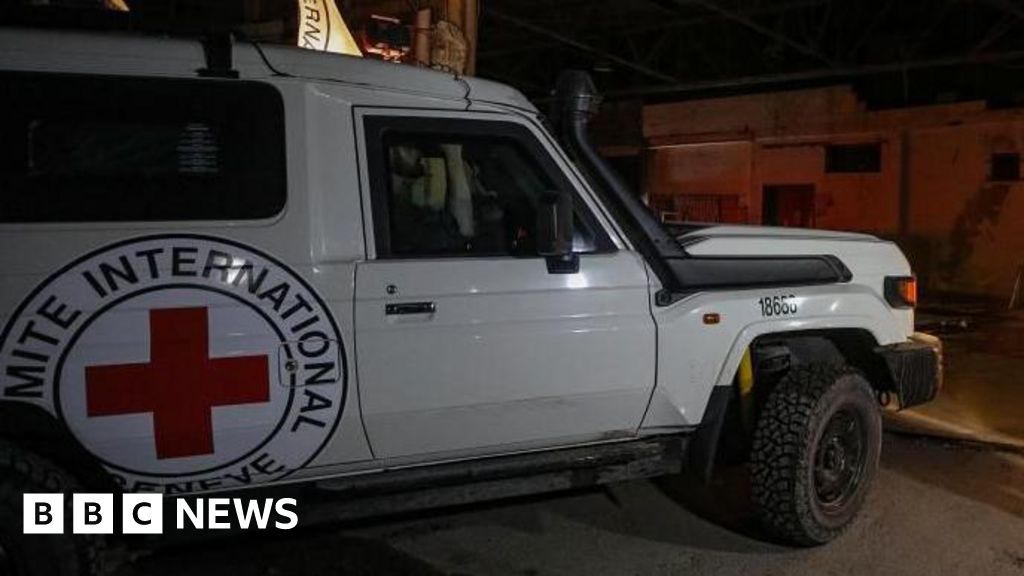
The ongoing conflict between Israel and Hamas continues to shape the geopolitical landscape of the Middle East, with recent developments highlighting both progress and persistent tensions. In a pivotal move, Israel has received two bodies identified as deceased hostages, transferred by Hamas through the Red Cross, symbolizing a tentative step toward de-escalation amid a brutal conflict. The Israeli military confirmed that these coffins crossed into Israel‘s territory, signaling progress in the fragile, US-brokered ceasefire agreement that aimed to soften hostilities and facilitate humanitarian aid. The transfer of the remains of 15 deceased Israeli hostages out of 28—part of the initial phase—has been hailed by many analysts as a crucial humanitarian gesture, yet it also underscores the ongoing trauma and unresolved issues that continue to dominate the region.
Despite this, the Israeli government remains tense and cautious. The IDF has emphasized the importance of “act with sensitivity” and patiently await official confirmation of identities, stressing that the families of the victims must be the first to know. Meanwhile, Hamas claims to be trying to return the remains, but their efforts are hampered by the destruction wrought upon Gaza and the difficulty of locating bodies buried amidst rubble. The situation presents a complex dilemma: while some bodies have been exchanged, the question of missing and unidentified hostages remains a source of national outrage in Israel. The Biden administration and other Western allies watch closely as the partial progress continues to unfold, warning that any breach of the ceasefire could spiral into renewed violence at a moment when regional stability hangs in the balance.
The first phase of the US-brokered ceasefire has not only facilitated exchanges of bodies but also led to notable tactical withdrawals, the release of Palestinian prisoners, and a modest increase in aid to Gaza—an area suffering under a humanitarian crisis. However, the fragile arrangement is under threat, with both sides accusing each other of violations, igniting violence once more. According to reports, over 68,000 Palestinians have been killed since the Israeli military campaign launched after the 7 October attacks—an appalling toll that has cast a shadow over the prospects for peace. The international community, including the United Nations, continues to condemn the continued violence while leaving room for hope that diplomatic efforts might yet stave off further catastrophe, though critics warn that history shows such pauses are often temporary in this relentless cycle of conflict.
As the conflict persists, the geopolitical impact extends far beyond the immediate region. The ongoing violence has fueled tension across the Arab world, strained U.S. foreign policy, and emboldened hardline factions within both Israeli and Palestinian societies. Historians and analysts warn that unresolved grievances, compounded by miscalculations and external pressures, risk transforming this localized struggle into a wider regional conflict with repercussions felt across Europe, Asia, and even Africa. The international community faces a threatening choice: support sustained diplomacy or witness the near-collapse of decades of fragile peace efforts. The decision to continue negotiations or allow violence to escalate will shape the balance of power, regional stability, and global security for decades. Under the shadow of ongoing violence and diplomatic uncertainty, history’s ink remains wet, and the world watches with bated breath as events unfold—each moment bringing us closer to a turning point that could forever alter the course of history.