Matox News

Truth Over Trends, always!

Israel and Lebanon Agree to 10-Day Ceasefire, Trump Confirms

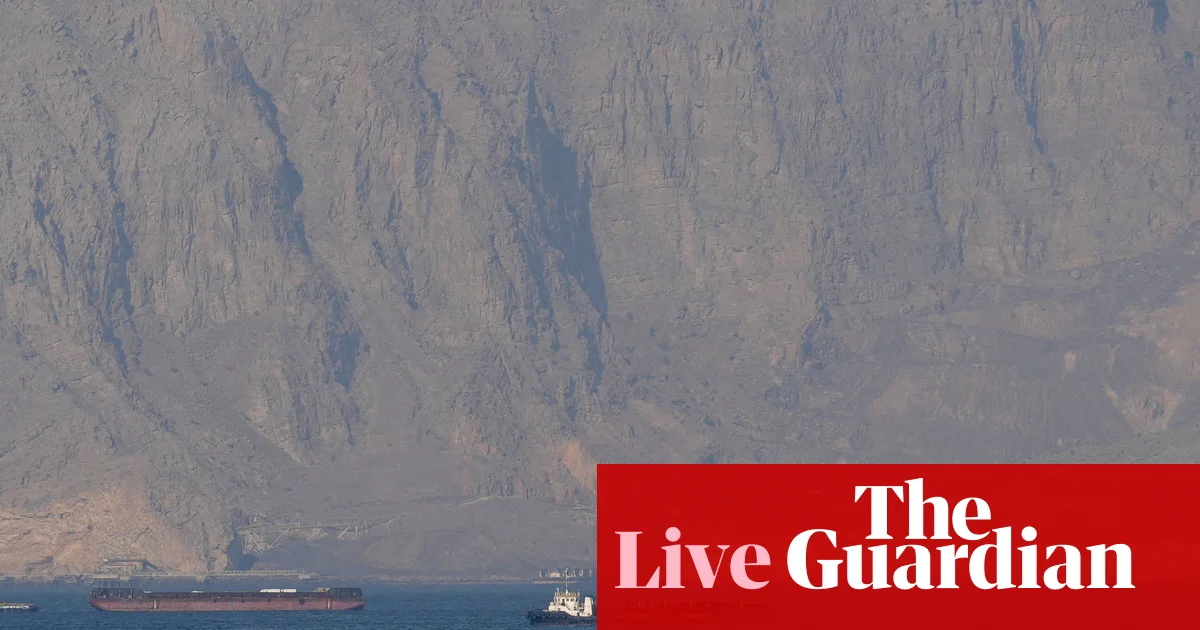
The United States and Iran are once again edging toward a critical diplomatic juncture, as discussions for a second round of peace talks take place in Pakistan. These negotiations, which hold the potential to redefine regional stability, are closely watched by global powers and regional neighbors alike. According to recent statements in Washington, President Donald Trump indicated that pre-negotiation progress has been substantial, with both sides reaching consensuses on several key issues. Notably, Iran is reported to have committed to not developing nuclear weapons “beyond 20 years.” However, Trump emphasized a stark warning: “if there is no deal, fighting resumes.”

This development signals a possible shift in the complex geopolitical chess game that has long defined the Middle East. The U.S.-Iran relationship—fraught with decades of hostility, sanctions, and proxy conflicts—may be approaching a pivotal turning point. International analysts suggest that such negotiations could either open avenues for peace or trigger renewed regional turmoil. According to the International Institute for Strategic Studies, the potential for a nuclear agreement could significantly alter the balance of power, especially given Iran’s strategic position and regional influence. Yet, skeptics warn that any agreement lacking firm enforcement mechanisms risks merely postponing confrontation, leaving regional and global stability hanging in the balance.

The implications of these negotiations extend well beyond bilateral relations, affecting global security and economic stability. For the United States, success in these talks would serve as a significant victory in the ongoing effort to contain Iran’s nuclear ambitions, which many see as a threat to both regional allies and international peace. Conversely, a failed attempt risks exacerbating conflicts in Syria, Iraq, and Yemen, as well as emboldening Iran’s regional policies. As noted by geopolitical analysts, the outcome will shape the future contours of international diplomacy, potentially encouraging other states to seek unilateral nuclear capabilities if perceived as the only reliable safeguard against intervention.

Historically, conflicts of this magnitude have proved to be turning points—moments when the course of history can shift dramatically based on diplomatic choices made in such vulnerable windows. The works of historians remind us of the thin line between peace and war, often dictated by negotiations and compromises amid fierce national interests. The current situation therefore carries the weight of the future—whether the world will see a genuine step towards peace or plunge into another cycle of hostility as negotiations collapse. As the world holds its breath, one thing remains undeniable: the decisions made today will echo through the corridors of history, shaping the fate of nations and societies for generations to come. A new chapter is being written—its narrative still uncertain, its outcome yet to be determined, but its significance indelible in the fabric of global history.

Senate Rejects Bernie Sanders’ Push to Halt US Weapon Sales to Israel

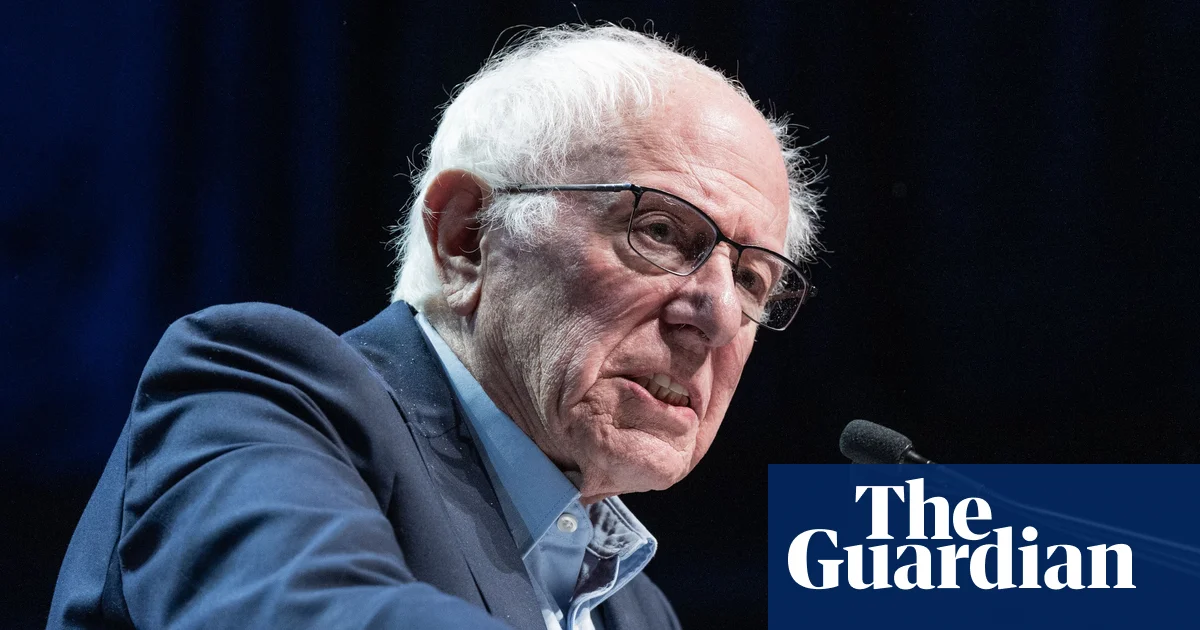
In a dramatic display of shifting American political sentiment, United States senators have recently engaged in a constitutional debate over arms sales to Israel. Bernie Sanders led a bipartisan charge to halt the sale of critical military equipment—bulldozers and bombs—highlighting a growing faction among Democrats that seeks to impose stricter limits on U.S. foreign military aid. This effort, though ultimately unsuccessful, underscores a broader reevaluation within the chamber, influenced by mounting public disillusionment and evolving geopolitical realities. With 40 senators supporting Sanders’ resolution, it signals a notable change from previous votes—only 15 members supported similar measures in April—reflecting a shifting tide among America’s younger voters and progressive circles, increasingly scrutinizing Washington’s unwavering support for Israel amidst recent conflicts.

The core of this debate centers on how decisions made in Washington resonate globally. Analysts warn that America’s continued military backing for Israel, particularly amidst ongoing conflicts in Gaza and Lebanon, influences regional stability and impacts international perceptions of U.S. foreign policy. As the U.S. struggles with its role as an overt supporter of Israeli military actions, especially in densely populated areas with high civilian casualties, critics argue that America’s military aid often exacerbates humanitarian crises. Prominent organizations, including J Street and Jewish Voice for Peace, have publicly condemned the sale of specific munitions, emphasizing their use in land and aerial assaults that displace thousands. Historians and foreign policy analysts contend that these arms transfers contribute to a cycle of violence, fostering long-term regional instability and undermining America’s moral authority in the Muslim world.

In the broader geopolitical landscape, these congressional battles are not isolated. U.S.-Israel relations are often characterized by substantial political influence from groups like AIPAC, which has poured tens of millions of dollars into shaping U.S. elections. At a pivotal moment ahead of the 2024 elections, the bipartisan pushback signifies a potential realignment of American political priorities. Meanwhile, the Middle East remains a chessboard for global powers—<>with Iran and regional actors watching closely. The decisions made in Washington will directly influence conflict trajectories—either fanning the flames of instability or creating avenues for diplomatic resolution. As U.S. policymakers grapple with balancing strategic alliances against moral imperatives, international organizations warn that ongoing arms sales risk further entrenching regional deadlock and complicating peace efforts.

The escalation of congressional debates signals more than just legislative wrangling; it echoes the rising demand for accountability from the American electorate—especially youth voters increasingly disillusioned with foreign entanglements and covert agendas. The persistent scorn directed at Benjamin Netanyahu’s government over its recent actions in Gaza and Lebanon, coupled with the debates over military aid, exemplifies the shifting winds in U.S. foreign policy. The outcome of these votes—ostensibly mere legislative acts—resonate as a defiant message that the era of unchallenged militarism may be drawing to a close. As history watches, the continent-sized shadows cast by these decisions stretch across generations, etching new chapters into the unfolding narrative of American influence and moral responsibility.

Israel and Hezbollah escalate clashes after US-led Lebanon talks

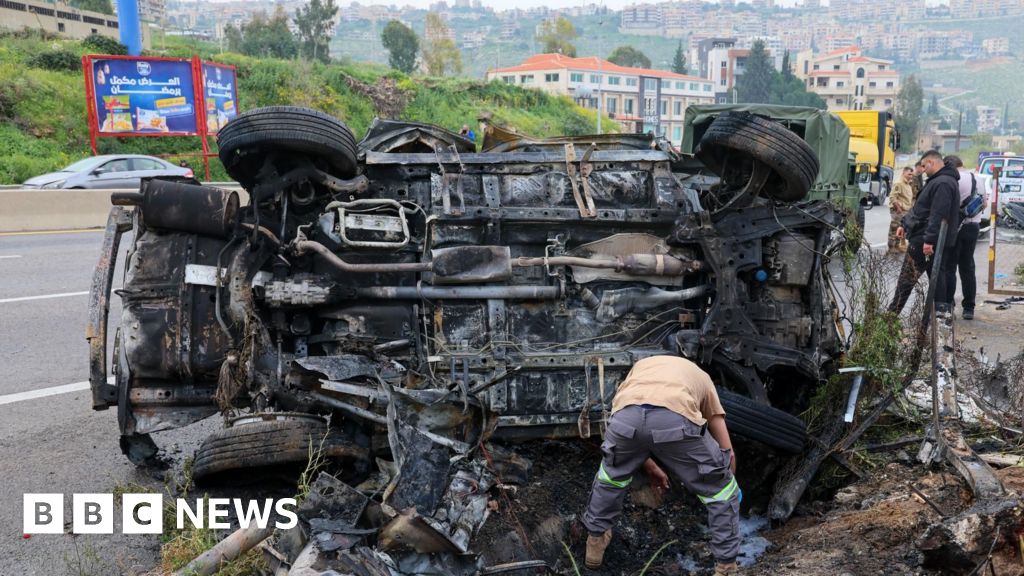
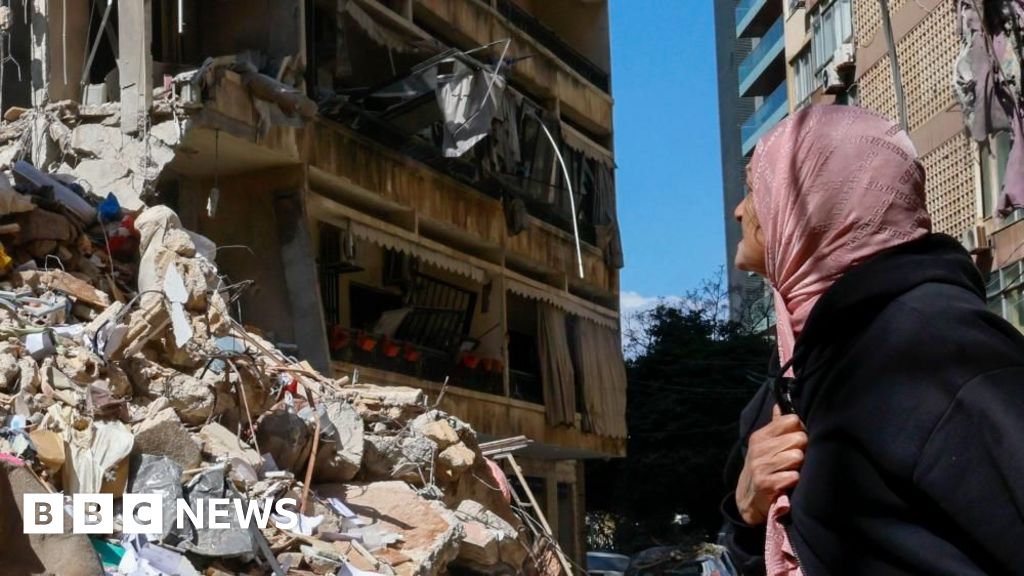
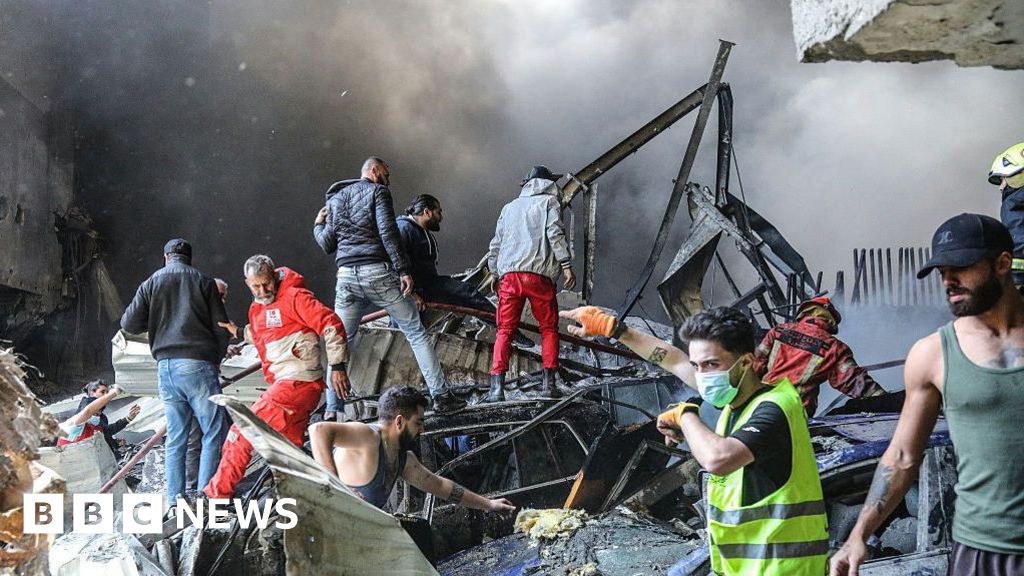
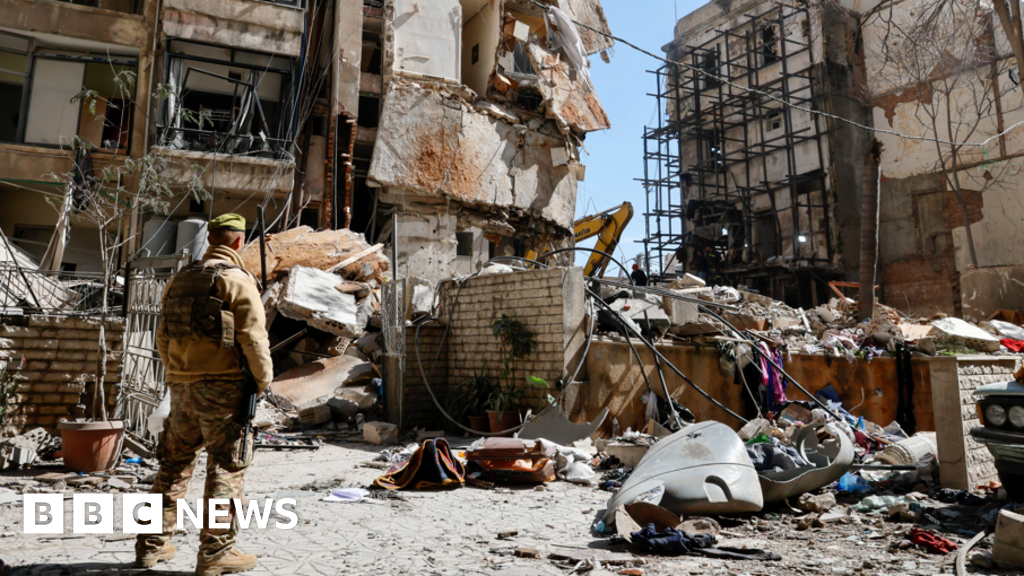
In a dramatic turn of events, Israel has launched a series of strikes targeting southern Lebanon, marking a significant escalation in the ongoing Middle East conflict. These military actions follow a period of rare direct negotiations, which had briefly raised hopes for de-escalation in a region long plagued by hostilities. Meanwhile, Hezbollah, the Iran-backed Lebanese militia, responded aggressively by firing rockets at Israeli territory, signaling that diplomacy has yet to translate into a lasting ceasefire.

The recent surge in violence underscores a fragile geopolitical balance in the Levant, with Israel asserting that its strikes are aimed at suppressing militant activity and deterring further attacks. Officials in Tel Aviv emphasize that their operations are targeted and precise, yet the repercussions are felt far beyond Israel’s borders. The United Nations has called for restraint, warning that rising tensions risk unleashing a broader regional conflict with devastating consequences.

Analysts caution that these incidents serve as a stark reminder of the region’s volatile nature. Historically, moments of diplomatic briefings—like the recent negotiations—have often been followed by a resurgence of violence, reflecting the complex web of alliances and unresolved grievances. As international organizations and key powers, including the United States and Russia, observe closely, experts warn that a failure to achieve sustainable peace could plunge the region into renewed chaos with profound geopolitical impact. It could threaten to destabilize neighboring countries, fuel extremist narratives, and threaten global security more broadly.

From the perspective of historians and political analysts, this cycle of aggression illustrates a recurring pattern in Middle Eastern diplomacy—where short-lived ceasefires give way to renewed conflict, often driven by unresolved territorial disputes, ideological clashes, and external influences. The recent exchanges between Israel and Hezbollah have _not_ only reaffirmed the volatility of the border regions but also underscored the importance of strategic resilience for regional and global stability. As the world watches, the decisions made in the coming days will shape the course of history, with many wary of the possibility that this latest confrontation may ignite a much larger and more destructive conflict.

As the skies over southern Lebanon darken with the echoes of explosive bursts and rocket salvoes, history’s pen continues to write a chapter of relentless upheaval. Despite efforts toward diplomacy, the undercurrent of hostility reminds the world of the fragile veneer over a landscape built on longstanding grievances and external influences. The question remains: will this cycle of violence persist, or can the foundations of peace finally be laid? Ultimately, the choices in this crucible of conflict will resonate through the centuries, shaping the future of nations and societies in an unpredictable and turbulent Middle East.

Palestinian Groups Challenge Australian Arms Exports to Israel, Seek Transparency

Amid ongoing conflict in Gaza and mounting international scrutiny, Australia finds itself at a critical juncture concerning its arms export policies. A recent legal challenge launched by Palestinian human rights organizations—namely the Palestinian Centre for Human Rights, Al-Haq, and Al Mezan Center for Human Rights—aims to compel Defense Minister Richard Marles to disclose documents related to the approval of arms exports destined for Israel. These groups suspect that Australia may have granted export permits—some potentially linked to violations of international law—raising serious questions about the country’s role in international conflicts. Such moves come at a time when international bodies including the United Nations have expressed concern over allegations of genocide in Gaza, highlighting the global stakes involved in decisions made behind closed doors.

This legal effort underscores a broader debate over Australia’s participation in the global arms trade amid a reputation of secrecy and minimal transparency. Officially, the Albanese government has denied supplying weapons to Israel since October 7, 2023, describing existing permits as “dual-use,” and asserting that they include parts with civilian purposes but potential military applications. However, the Australian Defense Department has acknowledged *amending or lapsing* at least 16 permits amidst ongoing reviews—a move that suggests a degree of recalibration under international pressure. Analysts like Prof. Donald Rothwell from the Australian National University highlight that, despite official denials, **transparency remains elusive**; the public remains in the dark about whattech exports are approved and whether they could contribute to the ongoing humanitarian crisis in Gaza.

The geopolitical impact of Australia’s arms export policies extends well beyond its borders. Inside the global supply chain, more than 75 Australian companies participate in the F-35 fighter jet program, contributing critical parts such as RUAG Australia’s uplock actuator system—an essential component for maintaining stealth capabilities during combat. While some nations, like Germany, have moved aggressively to halt similar exports to Israel, Australia remains cautious, citing the absence of direct arms supplies. Still, critics warn that these components could indirectly facilitate conflict, raising questions about Australia’s compliance with international obligations to prevent complicity in war crimes and crimes against humanity.

International organizations and legal experts, including Joanna Kyriakakis of Monash University, emphasize that nations like Australia bear a legal duty under international law to avoid knowingly contributing to risks of genocide and war crimes. The case initiated by the Palestinian groups reflects a growing global awareness of how opaque exports can evade scrutiny, enabling regional violence. With Germany suspending arms shipments in response to Gaza’s turmoil, how long will Australia continue to deny the full extent of its role? As the weight of history presses down, the choices made now could determine whether Australia becomes a silent accomplice or a reluctant witness to the unfolding chaos in the Middle East. The pressure mounts on policymakers to balance strategic interests with international justice—yet the true story remains concealed behind layers of classified files, waiting for the next chapter of this complex geopolitical saga to be written.

Lebanon demands ceasefire before any Israel talks, signs of upcoming tensions

In a recent development that echoes through the corridors of international diplomacy, Lebanonhas declared that it will only participate in peace talks with Israel if a ceasefire is firmly established beforehand. This conditional stance, articulated by a senior Lebanese official in an exclusive interview with the BBC, underscores the fragile state of regional stability and the complex web of alliances and animosities in the Middle East. This stance not only places Lebanon at a diplomatic crossroads but also signals a broader strategic calculation that could reshape regional stability for years to come.

The Middle East has long been a theater of geopolitical brinkmanship, where historical grievances, territorial disputes, and external influences intertwine. As tensions escalate in the wake of recent escalations—likely fueled by unresolved border issues, armed factions, and external actors—Lebanon’s decision reflects a strategic insistence on security guarantees before engaging in negotiations. Many analysts suggest that this move is not merely about immediate hostilities but signals Lebanon’s intention to leverage diplomatic standing in a larger regional conflict. Moreover, it emphasizes the importance of a comprehensive ceasefire as a precondition, positioning Lebanon as a country that refuses to be sidelined in fragile peace processes.

This stance resonates with international trends, as global institutions and major powers grapple with the unpredictable nature of Middle Eastern conflicts. Russiaand China have called for diplomatic solutions, yet the U.S. and European Union maintain that sustainable peace hinges on mutual recognition of security concerns. In this context, Lebanon’s conditional participation could be viewed as a strategic move to strengthen its negotiating position, highlighting how internal security and sovereignty are increasingly intertwined with international diplomacy. The decision also potentially influences neighboring countries, including Syria and Jordan, which are deeply affected by the regional unrest.

Historians and geopolitical analysts warn that the current developments could mark a pivotal turning point. Dr. Katherine Palmer, a senior researcher at the Global Security Institute, observed, “Lebanon’s firm stance reveals an emerging pattern where regional actors prioritize their sovereignty and security interests over piecemeal peace initiatives.” Meanwhile, the United Nations continues to call for restraint and renewed dialogue, though its influence appears increasingly limited amid mounting tensions. The global community’s ability to influence the trajectory of this conflict remains uncertain, with some experts fearing that unresolved grievances could ignite broader regional confrontations, dragging in external powers into a wider conflagration.

As the world watches while these negotiations and tensions unfold, the weight of history presses down upon every decision. The ongoing crisis in the Middle East is no longer just a localized conflict—it is a reflection of a shifting global order, where regional sovereignty, external influence, and ideological divides threaten to ignite a larger, more destructive war. This is a defining moment, where diplomacy is tested against the raw realities of power, and the destiny of nations hangs in the balance, awaiting the next chapter in this unfolding saga of geopolitics.

Israel to negotiate with Lebanon, no ceasefire talks, Netanyahu announces

In a decisive move amidst escalating violence, Lebanese officials have urgently called for a ceasefire as preparations for peace talks commence. This development underscores the fragile state of Lebanon’s internal stability, battered by relentless hostilities rooted in regional tensions and historic grievances. As violence persists in various enclaves, local leaders emphasize that halting military actions is imperative to restore dialogue and address underlying issues contributing to the ongoing conflict.

The international community, particularly regional powers and global institutions, closely monitors Lebanon’s tumultuous situation. The United Nations and European Union have reiterated their support for a peaceful resolution, urging all parties to refrain from actions that could deepen societal divisions. Meanwhile, analysts warn that without a genuine commitment to dialogue and reconciliation, the risk of broader regional destabilization looms ever larger. Experts in Middle Eastern geopolitics highlight that Lebanon’s instability serves as a microcosm of wider regional tensions that continue to threaten the broader Middle East, where proxy conflicts and political rivalries often ignite violence.

Historically, Lebanon has long been a chessboard for regional influence, with regional actors such as Iran and Saudi Arabia vying for ideological and strategic dominance. According to renowned geopolitical analyst Dr. Samuel Green, “Lebanon’s internal conflicts are not merely local disputes but are deeply intertwined with broader regional struggles. The call for a ceasefire might be a fragile, yet crucial, initial step towards de-escalation—but the true challenge lies in ensuring sustainable peace.” This perspective resonates with international observers who recognize that diplomatic strides must be accompanied by tangible political reforms to prevent renewed violence.

Officials and diplomats are acutely aware that decisions made in the coming days will shape Lebanon’s future trajectory and influence regional stability.

  • Ceasefire negotiations
  • International mediations
  • Potential peace agreements

are all pivotal junctures that could either anchor Lebanon to peace or plunge it further into chaos. The echoes of history remind us that once violence takes root, it often spreads beyond borders, threatening neighboring countries and beyond. Today, as Lebanon’s leaders call for calm, the weight of history presses down — a stark reminder of how fragile peace remains in a land torn by conflicts rooted in centuries of unresolved grievances. The unfolding story could determine whether this moment becomes a turning point toward lasting stability or another chapter in an ongoing saga of turmoil that continues to shape the geopolitics of an entire region.

Lebanon believed in peace—then Israel hits back with deadly strike

The recent declaration by Israel that Lebanon is not included in the ceasefire agreement brokered by the United States signifies a complex escalation in the ongoing regional tensions between Israel and Iran-backed entities. As the US facilitates diplomatic efforts to halt the broader conflict, the explicit exclusion of Lebanon highlights the fragile and unpredictable nature of Middle Eastern diplomacy. Analysts warn that this division could lay the groundwork for further destabilization, with profound geopolitical impacts reverberating across borders and societies.

At the core of this development lies the intricate web of alliances and enmities defining the region. Israel‘s stance reflects its caution in engaging with negotiations that exclude key actors like Hezbollah—a powerful Shia Islamistmilitia based in Lebanon and openly supported by Iran. The tension underscores a broader strategic calculus: while the US endeavors to leverage diplomatic channels to de-escalate confrontation with Iran, it faces the hard reality that regional allies and adversaries remain deeply divided. This division is emphasized by the fact that, according to some international experts, the exclusion of Lebanon from the ceasefire could be a strategic move by Israel to pressure Lebanese authorities and Hezbollah into reconsidering their stance during the ongoing conflict.

History has taught us, as noted by prominent defense analysts and scholars, that such exclusions often deepen regional fissures and can lead to unintended consequences. The United Nations and influential international bodies have expressed concern over the potential for renewed hostilities and the risk of broader regional proliferation of violence. The turning point in diplomatic negotiations underscores an ominous reality: the region’s volatile balance is susceptible to shifts driven by both military actions and diplomatic fissures. Lebanon’s omission from the ceasefire signifies not only a strategic decision but also a symbolic line in the sand that could influence future negotiations and regional stability.

As the world watches this unfolding chapter, historians and geopolitical analysts emphasize the significance of these developments in shaping the future landscape of the Middle East. The decision not to include Lebanon in the ceasefire pathway opens new questions about the possible escalation of hostilities and the fragile peace that remains at risk. With Iran’s influence wading deeper into regional affairs and Israel reaffirming its security parameters, the region faces a potentially turbulent period—an uncertain echo of a legacy that will be written by the decisions of today and the unforeseen consequences of tomorrow.

In the shadow of these geopolitical chess moves, history continues to unfold — a stark reminder that in this layered and turbulent landscape, peace remains an elusive prize, perched on the edge of shifting alliances and unspoken red lines. The question remains: how will this new dynamic reshape the contours of Middle Eastern conflict, and what future sacrifices will be required in an arena where diplomacy is continually tested by the harsh realities of power and survival? The weight of history presses down, unwavering, as the actors of this global theatre play their parts in a story still being written.

Israel launches major air strikes across Lebanon amidst mounting tensions

In a significant development amidst the ongoing turmoil in the Middle East, Lebanon has taken a notable turn in its approach to the conflict with Israel. President Joseph Aoun, a respected former army chief, explicitly rejected the option of employing force to manage the rising tensions, emphasizing instead the importance of restraint. His cautious stance was driven by the hard-earned lessons from past regional conflicts, where escalation often led to widespread violence and suffering. This approach aligns with broader international calls for de-escalation, yet the situation remains fragile, with undercurrents of instability that threaten to spill over into wider regional conflict.

The Lebanese government, in a move that caught global attention, declared a willingness to engage in direct negotiations with Israel—a nation with which they have no formal diplomatic relations and whose existence Lebanon remains vigilant over. This historic announcement signals a potential shift in regional diplomacy; it underscores the recognition among Lebanese authorities of the disastrous consequences of ongoing hostilities and the need for political solutions. However, Israel has so far dismissed this overture, refusing to acknowledge or respond to the offer. This deafening silence further complicates the peace process and underscores the challenges faced by international mediators attempting to broker stability in a deeply divided region.

International analysts and historians are closely watching these developments, noting that the decision to negotiate directly with Israel marks a significant departure from Lebanon’s previous posture of hostility and strategic ambiguity. Political experts argue that it reflects a broader realization among Lebanese leaders of the strategic costs inflicted by continued conflict—costs that resonate deeply within Lebanese society, which bears the brunt of economic collapse and social dislocation. Yet, the absence of a reciprocal response from Israel serves as a reminder that peace remains elusive, with entrenched mistrust and ideological divides complicating diplomatic efforts. As UN analysts warn, such intransigence could prolong regional instability, pulling neighboring countries into a destructive cycle that hampers development and threatens global peace.

The geopolitical impact of this evolving situation cannot be understated. Lebanon’s initiative hints at a possible paradigm shift—an acknowledgment by some regional actors that strategic conflict may no longer serve their long-term interests. However, the broader regional landscape is rife with competing interests, external influences, and unresolved grievances. The persistent presence of militias, the shadow of Syria’s ongoing civil war, and Iran’s influence all weigh heavily on Lebanon’s prospects for peace. How these decisions impact societies, economies, and even future generations depends on whether stakeholders recognize the dire stakes and push towards diplomacy or succumb to the inertia of hostility.

This unfolding chapter in Middle Eastern history carries with it a sense of foreboding—an awareness that the decisions taken today will echo through decades to come. As the world watches this fragile attempt at diplomacy unfold amid a backdrop of conflict and distrust, the weight of history presses upon the shoulders of leaders and nations alike. Will they seize this moment to steer away from the destructive path of war, or will they allow the scars of the past to deepen, leaving future generations to inherit a region still scarred and divided? Only time will reveal whether these tentative steps toward peace serve as the dawn of a new era or the last gasp before chaos engulfs the region once more.

Israel vows to hold onto southern Lebanon amid ongoing tensions

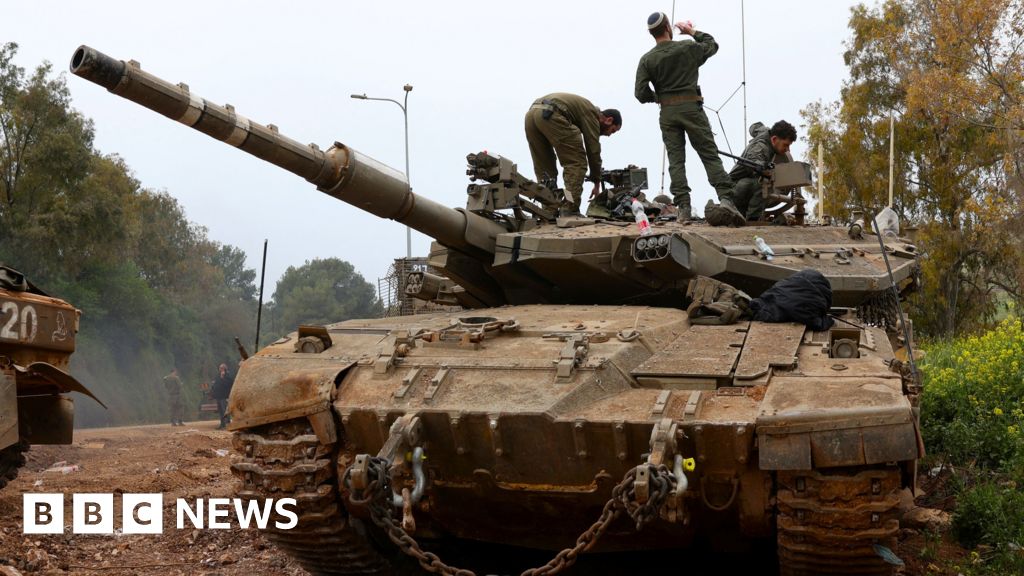
In a provocative move that has sent shockwaves through the Middle East, Israel’s Defence Minister Israel Katz announced plans to demolish homes in Lebanese villages situated near the Israeli border. This statement underscores a deepening of hostilities amidst a fraught regional landscape, where longstanding conflicts threaten to ignite broader regional instability. The decision, rooted in concerns over security threats emanating from southern Lebanon, reveals a gravely tense environment that has persisted for decades—yet now edges closer to a potential flashpoint.

Analysts and international observers have begun examining the geopolitical impact of Israel’s latest assertion. The region remains defined by complex alliances, with Hezbollah—Lebanon’s armed faction—serving as a key proxy for Iran and contributing to the proximity of conflict. Many experts suggest that Israel’s move to demolish Lebanese homes could escalate violence, prompting retaliation or preemptive actions from Hezbollah, which perceives such measures as existential threats. This shift in policy marks a significant escalation in Israel’s perceived security posture in its northern front, intensifying fears of a renewed conflict that could spiral beyond control.

  • The decision to destroy homes has been met with widespread condemnation from Lebanese authorities, who argue it exacerbates already fragile political and social tensions within Lebanon.
  • Regional powers such as Egypt and Saudi Arabia have called for restraint, emphasizing the importance of dialogue over military escalation to prevent further destabilization.
  • International organizations—particularly the United Nations—have issued cautious statements, urging both sides to avoid actions that could provoke a broader conflict and calling for diplomatic solutions to longstanding border disagreements.

Historian and geopolitical analyst Dr. Emily Carter remarks that such aggressive tactics by Israel are rooted in a decades-long security dilemma, but warn they risk undermining diplomatic momentum in a region desperately in need of stability. The United Nations and other global institutions recognize the implications: a flare-up in the north could lead to a resurgence of violence across borders, affecting millions of lives from Tel Aviv to Beirut. This is precisely what some cautioned against as the region teeters on a precipice; unilateral actions, no matter how justified they seem in the short term, threaten to spiral into years of chaos.

As history has repeatedly demonstrated, decisions made in moments of high tension leave lasting marks on the geopolitical landscape. The statement from Israel’s Defense Minister functions not only as a stark warning to Lebanon but as a signpost for a regional world that remains dangerously unpredictable. Where once diplomatic channels promised peace, the conflict over borders and sovereignty now looms larger than ever. The next chapter remains unwritten, but the echoes of such decisions will resonate through history—reminding us that in this volatile region, the line between diplomacy and destruction is perilously thin.

Israel Approves Death Penalty for Palestinians in Lethal Attacks

Israel has made a stark shift in its legal and moral stance with the recent passage of a controversial law that imposes the death penalty on Palestinians convicted of deadly attacks. The legislation, which narrowly passed through the Knesset, stipulates that those found guilty of acts deemed terrorism in the occupied West Bank can now face execution, marking a significant escalation in Israel’s approach to handling terrorism-related crimes. Historically, Israel has rarely employed capital punishment, with the last execution occurring in 1962 for Nazi war criminal Adolf Eichmann. This new law, initiated by the far-right Otzma Yehudit party led by Itamar Ben-Gvir, signals a possible departure from traditional humanitarian and legal standards, raising profound questions about international law and human rights.

Leading international organizations, including the United Nations and the European Union, have condemned the legislation as a dangerous setback for human rights. UN experts warned the bill could violate the right to life and violate the principles of proportionality and judicial discretion. They argue that the law transforms the judicial process into an instrument of vengeance, removing judicial safeguards and allowing military courts in the West Bank to impose death sentences with minimal checks. Moreover, these international voices warn that the method of execution—hung in secret with no visits—constitutes cruel, inhuman, or degrading punishment under international standards. The EU diplomatic service articulated concerns that the law could breach the **absolute prohibition on torture** and ultimately undermine the rule of law in a region already fraught with conflict.

Geopolitical Impact and Societal Consequences

At the heart of this legislation is not just a matter of criminal justice but a strategic move that could reshape the regional dynamics. Israel’s security minister, Itamar Ben-Gvir, has been a vocal advocate, branding this law as a demonstration of strength and resolve of the Israeli state—an attitude he emphasized with his symbolic lapel pin shaped like a noose. Such rhetoric fuels fears of a hardening agenda in the Israeli government and signifies a willingness to escalate tensions at a time when regional stability remains fragile. In practical terms, the bill drastically narrows the avenues for appeal or clemency for Palestinians under occupation, emphasizing reprisal over justice, a move that Palestinian leaders describe as a betrayal of international norms and human dignity.

The Palestinian Authority dismissed the legislation as an attempt to intimidate and humiliate the Palestinian people, further deepening the divide that already threatens the possibility of peace. President Mahmoud Abbas warned such laws would not weaken Palestinian resolve but would instead bolster their fight for independence and international recognition. Its enactment could also have ripple effects across the region, emboldening similar narratives in other conflict zones and inviting a re-examination of Israel’s commitments to democratic principles.

Global Reactions and the Future

Beyond regional politics, this move invites fresh scrutiny from global institutions and Western powers. Britain, France, Germany, and Italy issued a joint statement expressing “deep concern,” emphasizing that the law risks “undermining Israel’s commitments with regard to democratic principles.” Such diplomatic reactions serve as a reminder of the delicate balance between security concerns and adherence to universal human rights standards. Meanwhile, Amnesty International and other advocacy groups have issued harsh warnings, categorizing the law as discriminatory and potentially constituting torture under international law.

As the Israeli Supreme Court considers potential reviews of the legislation, the world watches closely. This chapter in Israeli law marks a profound turning point—a test of how far a nation can go in balancing security and morality, sovereignty and international responsibility. The decision could redefine Israel’s global standing and reflect whether it remains committed to the democratic values it often champions or succumbs to the shadows of its legacy. As history continues to unfold, one thing remains clear: the path taken today will echo through the corridors of time, shaping the narratives of justice, power, and resilience in a region that refuses to stand silent amid the weight of its own history.

Social Media Auto Publish Powered By : XYZScripts.com