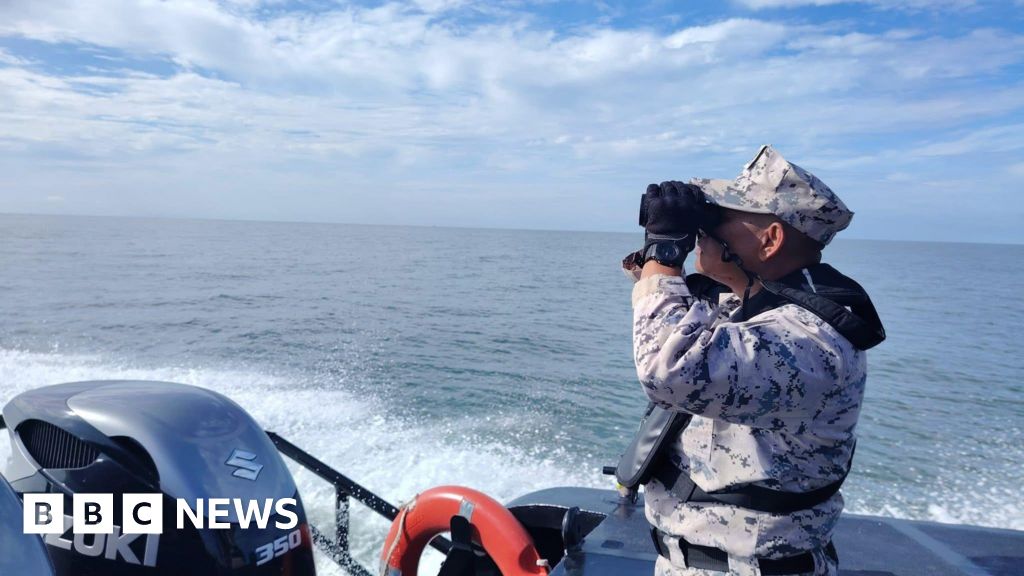
In a stark reminder of the ongoing humanitarian crisis in Southeast Asia, at least seven lives have been lost as a boat carrying undocumented migrants sank near the border between Thailand and Malaysia. The incident, which has sent shockwaves through regional and international corridors, underscores the perilous plight of the Rohingya minority—an ethnic group caught in a relentless cycle of persecution and displacement. Malaysian authorities report that 13 individuals have been rescued, but hundreds remain missing, with a boat carrying approximately 70 people believed to have gone down in the waters near Langkawi. This tragedy highlights the deadly human toll that unresolved conflicts, economic hardship, and international neglect continue to exact on vulnerable populations.
The Rohingya crisis is emblematic of a broader geopolitical divide that influences regional stability. Since the brutal crackdown by Myanmar’s military in August 2017, which forcibly displaced hundreds of thousands of Rohingyas into neighboring Bangladesh, the international community has been grappling with the question of sovereignty, human rights, and regional responsibility. Many Rohingyas, denied citizenship and facing systemic discrimination within Myanmar, view Malaysia—a Muslim-majority country—as a hoped-for refuge, yet their perilous maritime journeys reveal the limits of regional asylum policies. Analysts argue that this exodus underscores a failure of international diplomacy and the persistent failure of Myanmar’s government to address minority rights, creating a volatile environment that spills over into neighboring nations.
The dramatic rise in illegal maritime crossings exemplifies how civil conflicts and oppressive regimes have direct, destabilizing effects far beyond their borders. Since 2017, rights groups and international organizations, including the UN, have warned of the dangers of the trafficking networks that prey on desperate Rohingyas, often charging exorbitant fees—sometimes more than $3,000—per passage. As the boat sank and rescue efforts continue, the incident serves as a grim test of Southeast Asia’s ability to uphold maritime safety and human rights standards. Australian and European analysts have pointed out that this tragedy is a clear symptom of the region’s inability to effectively stem illegal migration, which, in turn, fosters instability, fuels refugee crises, and deepens socio-economic strains on border nations.
Global institutions have called for concerted action, urging Southeast Asian governments to enhance cooperation regarding refugee protection and maritime security. Yet, the geopolitical calculus often favors tough borders and strategic interests. Countries such as Malaysia and Thailand face internal and external pressures to manage migration, with some factions advocating stricter border controls to contain what they perceive as a threat to national sovereignty or social cohesion. Such sentiments risk undermining international efforts and leaving the most vulnerable populations to an unforgiving fate at sea. As historians and political analysts warn, the ongoing crisis could forge a new era of regional instability if neglected—history has shown that unsolved conflicts tend to erupt again, igniting broader geopolitical conflicts.
As rescue operations stretch into a second day and search areas expand, the *weight of history continues to press down*. Each life lost, each vessel sent to peril, becomes a somber reminder of unresolved conflict and the profound failures of international custodianship in this volatile region. The Rohingya crisis is no longer a distant humanitarian concern; it is a crucible in which the fate of human rights, sovereignty, and regional security are being tested. The coming days will reveal whether Southeast Asia can break the cycle of tragedy or whether history will continue its dark course, leaving countless lives adrift and the world with an unresolved moral crisis that demands urgent and sustained action.