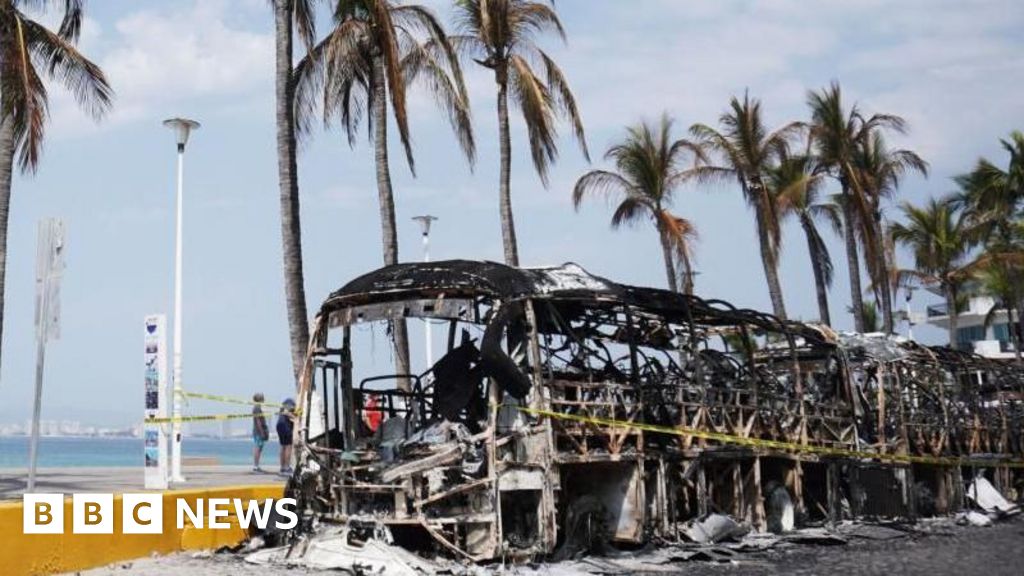
Cartel Violence Sparks International Concern in Mexico’s Guadalajara
In the aftermath of recent violence in Guadalajara, residents are living in the shadow of fear following a violent retaliation by cartel members seeking to avenge the death of Nemesio “El Mencho” Oseguera, the presumed head of Mexico’s powerful CJNG (Cártel de Jalisco Nueva Generación). According to eyewitness accounts and local officials interviewed by the BBC, the city’s streets have become battlegrounds in what analysts describe as a dangerous escalation in organized crime conflicts. The violence, which initially targeted rivals, has now spilled over into civilian areas, prompting urgent discussions about the regional and global implications of Mexico’s security crisis.
Experts warn that this surge in cartel activity signals a broader destabilization that transcends national borders, impacting trade routes, foreign investments, and the safety of those seeking economic opportunity in the Western Hemisphere. International organizations, including the United Nations Office on Drugs and Crime, have reiterated their concerns over the expanding reach of Mexican cartels, which now challenge state authority and threaten regional stability. The death of “El Mencho,” once considered one of the world’s most elusive drug lords, has indeed sent shockwaves through the cartel ecosystem, leading to an unprecedented wave of violence and power struggles within the criminal underworld.
These developments coincide with a notable shift in U.S.-Mexico relations. As Washington increasingly emphasizes cooperation to combat drug trafficking, traffickers are adapting their strategies in ways that complicate law enforcement efforts. Some analysts argue that the failure to dismantle major cartels like CJNG signifies a broader failure of both Mexican and international policies to stem the flow of drugs and illicit arms. The conflict in Guadalajara exemplifies how local conflicts can rapidly escalate into regional crises with far-reaching effects. Historically, similar patterns of cartel violence have led to destabilization in neighboring countries, fostering insecurity that hampers growth and democratic development.
The repercussions extend beyond borders—causing ripple effects that threaten the sovereignty and stability of nations across the Americas. Mexico’s government continues to face mounting pressure to implement decisive measures, including military crackdowns, yet critics argue that without addressing the root causes—poverty, corruption, and lack of economic opportunity—such violence will persist. University scholars and political analysts warn that unless a comprehensive strategy is adopted, the cycle of violence will only intensify, potentially drawing in international actors and destabilizing entire regions.
As residents share their stories of chaos and resilience, the world watches with bated breath. The recent violence in Guadalajara is more than a local crisis; it is a stark reminder that history is still being written, with the fate of nations hanging in a delicate balance. In the coming weeks, the international community’s response—and Mexico’s ability to confront this darkness—will determine whether this chapter ends in tragedy or a harder-earned path toward stability.