UK Higher Education Faces New Frontline in International Power Struggle
In an era where geopolitical conflicts are reshaping international norms, the United Kingdom finds itself caught in a silent but increasingly perilous tug-of-war with China. Recent revelations suggest that UK universities, long regarded as bastions of free thought and academic freedom, are now under intense pressure from Beijing to silence critical research. Academics who dare to scrutinize China’s human rights abuses—particularly concerning the Uyghur Muslim community—have faced threats, sanctions, and institutional censorship. This alarming trend signals a profound shift in the power dynamics associated with global education and international influence, provoking widespread concern about the resilience of academic independence amid economic dependencies.
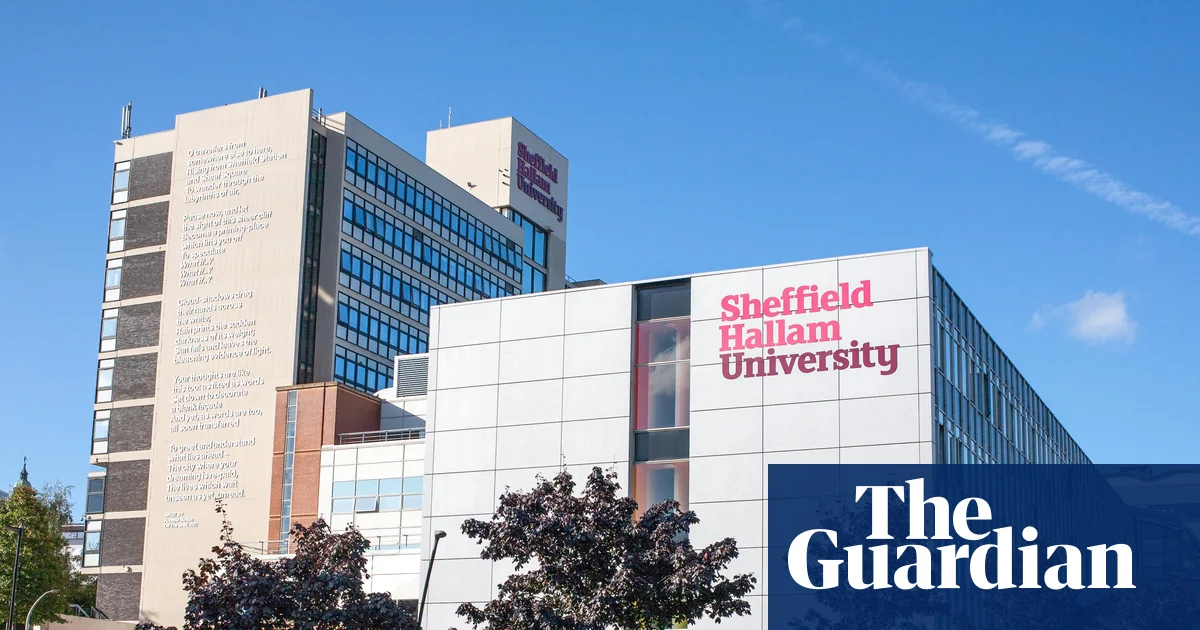
Specifically, institutions like Sheffield Hallam University have capitulated to Chinese authorities, with reports indicating compliance with Beijing’s demand to halt research on forced labor and supply chains. The case of Professor Laura Murphy, a prominent human rights scholar, exemplifies the increasing risks faced by UK academics. After being ordered to cease her research, she recounted facing an eight-month suspension, a move believed to be driven by commercial considerations, given the university’s reliance on Chinese tuition fees. Such episodes underscore a worrying erosion of academic integrity — driven not only by overt threats but by subtler forms of coercion, like self-censorship and institutional avoidance. This coercion is no longer confined to diplomatic incidents but has become a routine, under-the-radar strategy for Beijing to control the narrative critical of its domestic and international policies.
Shadows of Influence: The Reality for Critical Scholars
Beyond institutional actions, individual academics are increasingly targeted. Andreas Fulda, a political scientist at the University of Nottingham, reports receiving spoof emails and death threats for his outspoken criticism of China. His experience reflects a growing pattern among scholars who navigate a perilous environment where perception thresholds set by Chinese security can result in punitive measures, including harassment or even blacklisting. Such tactics serve as stark warnings that the Chinese government is committed to suppressing any dissenting voices that challenge its narrative. These measures have ominous implications for academic freedom, especially in a strategic landscape where universities are increasingly dependent on Chinese student tuition—a lucrative but vulnerable revenue stream.
International organizations and think tanks have expressed grave concerns. Historians warn that this phenomenon could redefine the global order of higher education, transforming it into an arena of geopolitical pawn play rather than a sphere dedicated to free inquiry. UNESCO and other watchdogs have highlighted that the dependence on China’s educational market could compromise the core values of academic independence. The decision by UK universities to kowtow to Beijing’s demands not only damages their credibility but also signals a disturbing capitulation that could set a precedent for other nations’ higher education sectors worldwide.
Economics of Dependence and the Threat of a Chilling Effect
The dependence of many UK universities on international students from China has exacerbated these vulnerabilities. As Fulda pointed out, the current funding model, heavily reliant on tuition fees paid by Chinese students, acts as leverage for Beijing’s influence. Recent proposals to increase domestic tuition fees and introduce international levies aim to offset financial struggles; however, such measures risk making universities even more susceptible to external pressures. With the Chinese regime wielding significant economic influence—predicted by some analysts to surpass Western economic power in the coming decades—the geopolitical impact is profound. Universities may find themselves increasingly pressured to self-censor, avoiding research that could expose uncomfortable truths about China’s human rights record or domestic policies, thus compromising the very essence of academic inquiry.
The British government, in response, has claimed to uphold free speech and academic independence, but critics argue that these statements are becoming hollow words amidst ongoing incidents of censorship and intimidation. The risk extends beyond individual scholars; it threatens the broader fabric of international academic cooperation, which serves as the foundation for global progress and understanding. As one historian noted, the current trends are reminiscent of totalitarian regimes that wield knowledge as a tool of control—a sobering reminder that decisions made in the pursuit of economic stability risk transforming universities into mere pawns within a larger geopolitical strategy, leaving history’s relentless march toward freedom and truth hanging precariously in the balance.
As the dust settles on this unfolding crisis, the weight of history presses down with relentless gravity. Will the West stand firm against encroaching authoritarianism, or will the siren song of economic convenience drown out the voices of truth? The coming years will reveal whether the pursuit of knowledge can withstand the shadows cast by global power struggles, or if the very essence of academic independence will be sacrificed on the altar of international diplomacy.