Matox News

Truth Over Trends, always!

How China Tried to Hack Alysa Liu and Her Family: The Shocking Spy Story

Tech Innovation Meets Global Geopolitics: A New Era of Disruption

In the rapidly evolving landscape of technological innovation, recent revelations surrounding Chinese-connected figures operating within the United States underscore a shifting paradigm—who controls technology, and at what cost? The arrest of Frank Liu and Matthew Ziburis on charges related to illicit foreign influence highlights significant challenges to national security and sovereignty. Their alleged activities, including harassment and stalking of dissidents—a tool for political manipulation—serve as a wake-up call, revealing how complex and intertwined disruptive technologies are becoming with geopolitical agendas.

Meanwhile, the story of Liu—who founded the World Harmony Foundation—illustrates an era where **soft power** becomes intertwined with effective brand building and influence operations. His use of symbolic gestures like the ‘Harmony Bell,’ a seemingly benign peace initiative, masks deeper strategic ambitions that leverage cultural diplomacy for clandestine ends. This merging of soft power with cyber-enabled influence campaigns foreshadows a landscape where digital diplomacy and hybrid warfare are increasingly central in global power competition. Industry analysts from Gartner and MIT warn that such tactics represent a broader trend of opaque influence operations that threaten the foundation of open, democratic institutions.

Disruption Driven by Innovation in Cyber and AI Domains

As these geopolitical maneuvers unfold, cutting-edge innovations in AI, blockchain, and cybersecurity are reshaping how nations and corporations defend against covert influence and data breaches. The push towards decentralized digital currencies and secure communication platforms reflects an urgent response to authoritarian attempts at control. Disruption in these fields is not just about technological progress but fundamentally alters the business implications for global players. Companies investing heavily in AI-powered threat detection, cryptographic resilience, and automated counterintelligence are positioning themselves as critical pillars of national and economic security.

  • Leading firms such as Microsoft and Palantir are pioneering tools that auto-detect and counteract influence campaigns.
  • Startups and established industry giants are exploring blockchain for transparent transaction auditing to curb illicit funding flows.
  • Developments in AI are increasingly used for surveillance, identity verification, and real-time response to cyber threats.

In this context, industry giants and governments alike recognize that the next epoch belongs to those who can harness disruptive technology with precision and strategic foresight. Influential voices from Elon Musk to Peter Thiel emphasize that **technological supremacy** will dictate future geopolitical and economic dominance.

The Road Ahead: Innovation as the Ultimate Battlefield

Looking toward the future, the convergence of disruptive tech, cyber capabilities, and international influence operations signals a pivotal shift in global power dynamics. Speed is of the essence; the race to dominate these emerging domains will define the winners of the 21st century. As figures like Liu demonstrate, soft power will be complemented—and sometimes overshadowed—by hard-edged technology in shaping narratives and controlling influence. For entrepreneurs and policymakers, embracing this dynamism is vital; those who innovate boldly and respond swiftly will secure their footing in an increasingly uncertain world.

In conclusion, the unfolding interplay of disruptive technology and geopolitical strategy demands an urgent recalibration of priorities. The integration of AI, blockchain, and cybersecurity into the fabric of national defense and economic stability will determine who leads in this new era of digital dominance. The time to innovate is now—away from complacency and toward a future where control of technology equates to control of global influence.

Watch: Runners face off against robots at China Half Marathon

In an unprecedented display blending athleticism with technological innovation, Beijing hosted a half marathon race where robots competed alongside human contenders. The event, held on Sunday, drew global attention to the rapid advancements in robotics and artificial intelligence. The standout was Lightning, a state-of-the-art robot developed by Honor, a renowned Chinese smartphone manufacturer. Lightning completed the grueling course in just 50 minutes and 26 seconds—shattering human rival times—and exemplifies the relentless surge of technological progress from the world’s rising powerhouses.

This development signals more than just a breakthrough in robotics; it underscores a broader geopolitical shift where nations vigorously contest technological dominance. China‘s leadership in integrating AI and robotics into public displays of prowess not only boosts national pride but also signals an intent to lead the Next Industrial Revolution. According to analysts at the International Robotics Federation, such demonstrations are strategic, serving as a form of “soft power” that extends China’s influence into the global tech sphere. Meanwhile, the race’s participation metrics—around 40% of robots racing autonomously—highlight a decisive move toward full autonomy in robotics, representing a future transcending traditional human limitations. These advancements are poised to reshape warfare, logistics, and even everyday life, compelling the world’s superpowers to rethink their position in this new era.

Additionally, the event casts a spotlight on how decisions in the technological arena have tangible consequences for international stability and economic power. The race’s timing coincides with mounting concerns over the deepening rivalry between the United States and China, with each nation striving for supremacy in emerging industries. Many experts caution that a misstep or an overinvestment in disruptive technologies could escalate into a new Cold War, just as the global community grapples with issues like supply chain resilience and cybersecurity threats. History reminds us that control over innovation has historically translated into geopolitical leverage, and as China accelerates its push, other nations are watching closely—every move a potential milestone in the shaping of the 21st-century world order.

As the dust settles on this technological showcase, the world remains on the cusp of transformation. The crowning achievement of Lightning not only demonstrates what artificial intelligence can accomplish today but also echoes a warning: the future of geopolitics will likely be forged in the crucible of technological supremacy. Will nations unite to regulate, or will they compete for supremacy? The answer remains etched in the relentless march of progress—a history still being written, with each step shaping the destiny of mankind amidst the thunderous footsteps of machines that now race ahead.

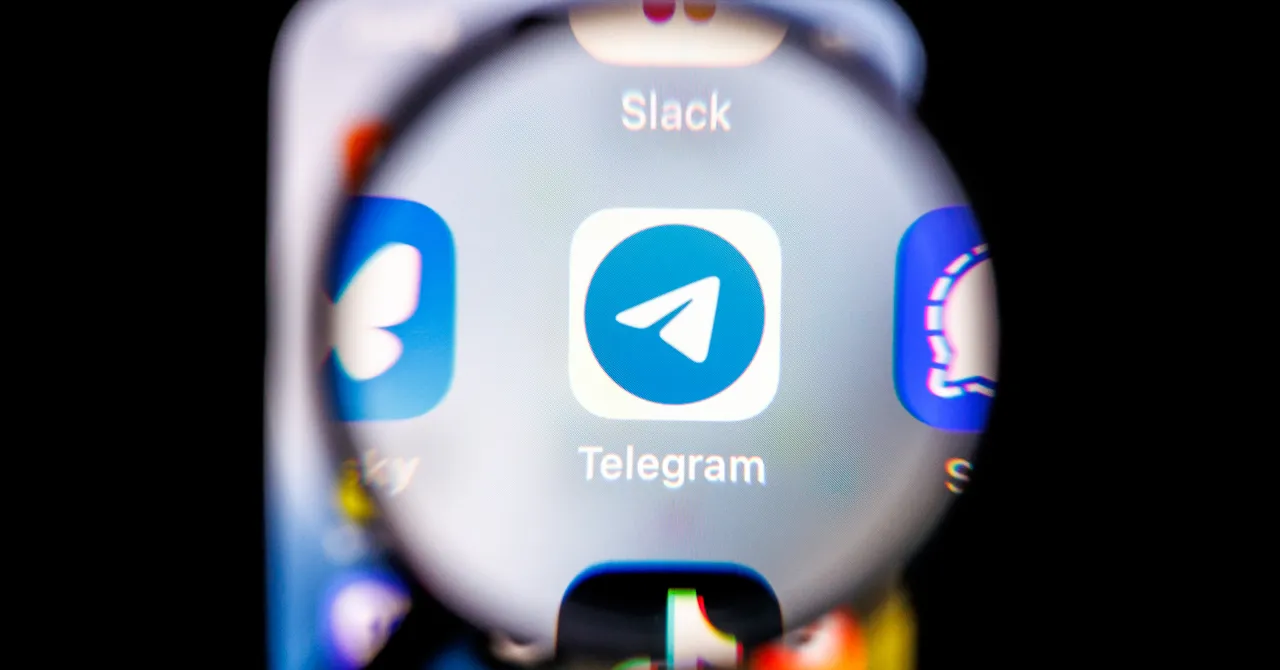
Telegram Still Hosts $21B Sanctioned Crypto Scam Black Market

Telegram Faces Growing Scrutiny Over Hosting of Illicit Market Xinbi Guarantee

In a stark demonstration of the challenges posed by unregulated digital platforms, Telegram continues to grapple with its failure to contain the notorious black market, Xinbi Guarantee, despite international sanctions. Since late March, when the UK government designated Xinbi as a facilitator of human trafficking, the messaging giant has yet to remove the accounts associated with the operation, allowing illicit transactions to flourish. According to analytics from cryptocurrency tracing firm Elliptic, Xinbi processed over $505 million within just 19 days following the sanctions, further expanding its network of buyers and sellers to nearly 500,000. This persistent presence exemplifies the profound disruptions that unregulated tech platforms can facilitate in global illicit economies, positioning Telegram at the center of a burgeoning—or perhaps reckless—digital black market industry.

The business implications of Telegram’s neglect are significant, signaling a potential shift in how enforcement agencies and market participants perceive platform accountability. As disruptive blockchain-based marketplaces continue to undermine conventional controls on illegal activities, there’s mounting evidence that Telegram’s stance on hosting these markets—originally justified as protecting user privacy and circumventing authoritarian controls—may inadvertently embolden organized crime syndicates. This approach raises critical questions about the long-term viability of digital privacy claims when the platform increasingly serves as a conduit for human trafficking, money laundering, and other illicit actions. Industry analysts, including Gartner and cybersecurity experts like Gary Warner, argue that such open hosting of criminal activity demonstrates a dangerous erosion of accountability, threatening to undermine trust in digital communication tools widely adopted by youth and professionals alike.

Moreover, the industry’s response to these developments may drive a market shift towards more vigilant oversight. The disruption caused by illicit marketplaces on platforms like Telegram underscores the need for new paradigms in platform regulation—balancing digital privacy with the responsibility to curb criminal activity. Despite Telegram’s claims that their services facilitate financial autonomy and protect against oppressive regimes, recent intelligence reports, including those from MIT and Ellicott, reveal that Xinbi serves primarily as a money laundering hub, with links to human trafficking operations across Southeast Asia. The UK sanctions, which condemn Xinbi’s operation of scam centers that enslave victims and perpetuate forced labor, highlight the increasing international momentum to impose stricter controls on digital black markets. This emerging paradigm setter challenges existing tech regulation frameworks, demanding innovation in law enforcement and platform accountability.

The future trajectory of this ongoing saga hinges on whether platform providers like Telegram will evolve their policies or continue to enable the dark side of digital innovation. With major institutions and governments growing increasingly alarmed, the need for a tech industry revolution that enforces transparency without compromising privacy has never been more urgent. As organized crime harnesses cutting-edge technologies and decentralized networks to outpace authorities, only those companies prepared to disrupt their own paradigms—by integrating advanced AI moderation, blockchain analytics, and accountable governance—will be positioned to lead the next wave of digital transformation. The window for decisive action is closing fast; the choices made now will shape the battleground for digital freedom and security for years to come.

Taiwan Opposition Leader Makes First China Trip Since 2016, Signaling Tougher Stance

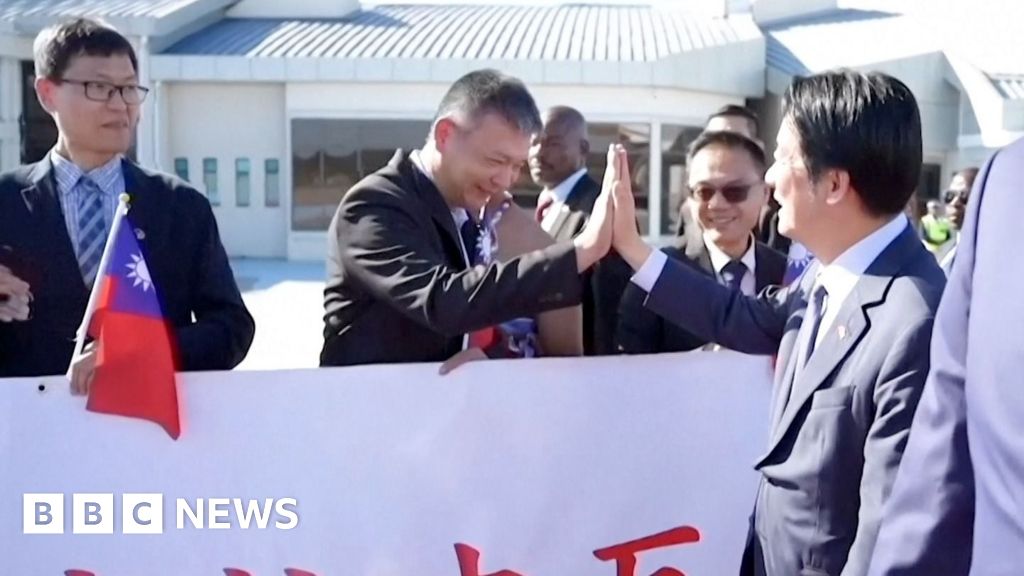
In a clear reflection of China’s strategic diplomacy, Cheng Li-wun’s recent declaration that she “gladly accepted” President Xi Jinping’s invitation” marks a noteworthy development amidst ongoing geopolitical tensions. The statement, emphasizing her aspiration to serve as a “bridge for peace,” signals China’s continued effort to position itself as a pivotal actor in international diplomacy. This move arrives at a critical juncture, as global powers navigate a landscape marked by regional conflicts, shifting alliances, and the ongoing quest for influence.

China’s diplomatic initiatives often serve as a barometer for its intent to reshape global narratives, challenging Western dominance and fostering alliances with nations eager for an alternative. Analysts suggest that Beijing perceives the current international climate as an opportune moment to expand its influence through *soft power* diplomacy—ostensibly fostering peace but also strategically gaining leverage in global affairs. The acceptance of Xi Jinping’s invitation by figures like Li-wun not only underscores China’s unwavering commitment to this approach but also signals a potential shift in regional power alignments. Meanwhile, international organizations such as the United Nations are closely monitoring these developments, wary of China’s expanding footprint amid persistent accusations of coercive diplomacy and military assertiveness in sensitive regions.

Historically, China’s diplomatic outreach has often been viewed in contrast to the more interventionist policies of Western powers, with many countries—particularly in Asia, Africa, and Latin America—seeing Beijing as a counterbalance to Western influence. However, critics warn that these overtures sometimes mask underlying strategic ambitions, designed to secure resource access, economic advantages, and political influence. The recent diplomatic gesture by Li-wun is thus viewed by some experts as a potential turning point—*a signal that China seeks to replace the traditional Western-led model with a multipolar order*. This shift carries profound implications for U.S. and allied interests, as it challenges longstanding assumptions about global leadership and threatens to reshape diplomatic standards across the globe.

As history continues to unfold, the decision of individuals like Li-wun to align themselves with China’s diplomatic agenda underscores how critical moments in the present may define future generations. The international community now faces a stark choice: embrace a new realism that recognizes the shifting tide of power or cling to outdated paradigms that may no longer serve the interests of a restless, rapidly changing world. With each diplomatic handshake, each acceptance of a leadership invitation, history’s weight grows heavier. The stage is set for a new chapter—one that could either bring enduring peace or ignite conflicts that ripple across continents, forever rewriting the narrative of the 21st century.

China steps in as peace broker in Iran conflict—will they deliver?

In a noteworthy development on the international diplomatic stage, China has signaled a significant shift towards promoting peace and dialogue amid ongoing global tensions. According to statements released by the Chinese Foreign Ministry, high-level officials have embarked on “new efforts” aimed at fostering diplomatic solutions to regional conflicts. This move comes after months of escalating tensions in various flashpoints across Asia and beyond, where military posturing and economic sanctions have heightened fears of broader confrontation. The joint diplomatic efforts underscore a strategic pivot that could influence the future of geopolitical stability, particularly in areas prone to conflict escalation.

The joint statement issued by China and its counterparts emphasizes that “dialogue and diplomacy are the only viable options to resolve conflicts.” This declaration highlights a deliberate attempt to recalibrate previous assertive postures, especially regarding control of vital waterways such as the Strait of Taiwan, the South China Sea, and other key maritime arteries. The statement also called for the protection of these waterways, emphasizing their international significance and potential as flashpoints for future confrontations. Such rhetoric is a deliberate contrast to earlier assertiveness, signaling that China may be seeking to reframe its image as a responsible global stakeholder and peace advocate, even as its actions remain closely watched by rival powers.

International analysts, including senior analysts from the International Crisis Group and historians specializing in Asian geopolitics, evaluate this diplomatic shift with cautious optimism. They emphasize that “while rhetoric may be evolving, the geopolitical landscape remains fragile.” They warn that permanent peace hinges not only on words but on tangible actions, including mutual de-escalation, respect for international treaties, and safeguarding vital communication channels among global powers. The recent statements are viewed by many as a calculated move by China to demonstrate its willingness to cooperate amidst mounting pressures from the United States and regional allies. However, whether this marks a genuine turn toward peace or merely a temporary diplomatic façade remains uncertain—an ambiguity that leaves the world’s security outlook hanging in the balance.

This diplomatic development arrives against a backdrop of a rapidly shifting geopolitical climate, where conflicts are increasingly intertwined with economic competition, technological rivalry, and ideological disputes. The decisions taken today will undoubtedly influence not only bilateral relationships but also global stability, affecting nations’ security, trade, and societal peace. As U.S. officials and European allies monitor China’s diplomatic moves, the world watches with bated breath for indications of whether this was merely a pause or the beginning of a genuine détente. The weight of history looms, reminding all that the true test lies ahead: can words be translated into lasting peace, or will the current moment serve as another fragile chapter in an enduring saga of international discord?

China’s Robotaxis Fail, Leaving Young Riders Stranded on Highways

Robotaxi Malfunction Sparks Industry Wake-Up Call: Navigating Innovation and Disruption

The recent technical failure involving robotaxis operated by Baidu in China marks a significant milestone in the ongoing evolution of autonomous vehicle technology. On Tuesday, a system error caused dozens of Baidu’s self-driving cars to come to an abrupt halt in traffic, trapping passengers and exposing critical vulnerabilities in the industry’s rapidly expanding ecosystem. This incident underscores the complex challenges facing disruptive mobility solutions—a sector that promises unparalleled convenience but must also confront the harsh reality of system reliability.

Despite the optimism surrounding autonomous vehicle deployment, this malfunction highlights industry-wide concerns over software robustness, customer support readiness, and safety protocols. As industry analysts from Gartner and MIT stress, innovations in AI driving systems must be paired with rigorous safety testing to prevent catastrophic failures. The incident also exposes a fresh wave of business implications: consumer trust erosion and increased regulatory scrutiny threaten to slow adoption rates, especially as newer platforms seek to establish dominance over traditional transportation modes. The failure has triggered widespread social media outrage, with passengers and bystanders raising alarms about the gap between technological promise and operational reality.

Experts warn that such failures could serve as a pivotal learning step for auto-tech companies. According to Peter Thiel and other Silicon Valley veterans, industry disruption is often punctuated by setbacks that push developers to innovate more resilient and transparent systems. The incident also spotlights the urgency of integrating advanced diagnostics and fault-tolerant architectures in self-driving fleets. These technological breakthroughs—expected to include redundant sensors, real-time AI diagnostics, and improved cybersecurity—are critical for restoring confidence and accelerating the push toward mainstream adoption. Meanwhile, leading institutions like MIT are calling for tighter industry standards and collaborative safety frameworks to prevent similar failures in the future.

Looking ahead, the trajectory for autonomous mobility remains one of transformational disruption. Companies that harness the lessons from this incident to overhaul their technical and operational frameworks will position themselves as leaders in the next wave of transportation innovation. As Elon Musk and other futurists emphasize, the next decade promises breakthroughs that could redefine urban mobility and economic paradigms. However, the path forward is fraught with risks—failure here could slow progress, while technological mastery will unlock unprecedented opportunities for growth, efficiency, and safety. The clock is ticking for industry innovators to demonstrate resilience, accuracy, and trust—these will be the keys to dominating the autonomous frontier in the fiercely competitive landscape of tomorrow.

Middle East Tensions: Trump Claims Iran's Still Open to Deal, China Finds Slim Hope for Talks — US-Israel Push Back Against Iran
Middle East Tensions: Trump Claims Iran’s Still Open to Deal, China Finds Slim Hope for Talks — US-Israel Push Back Against Iran

China Sees ‘Glimmer of Hope’ Amid Rising Middle East Tensions

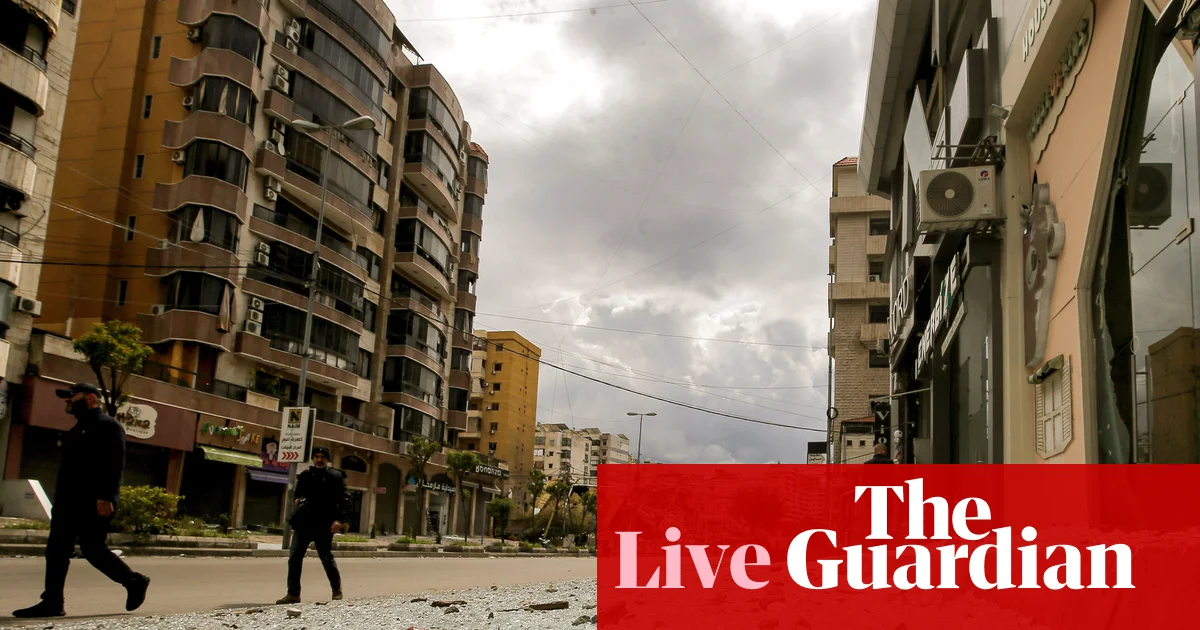
The international landscape is once again at a crossroads, as China’s foreign minister Wang Yi articulated a cautious optimism in recent diplomatic efforts to curb the ongoing Middle East conflict. Despite Tehran’s unwavering stance to continue fighting, Wang described the emergence of “a glimmer of hope” for peace, citing signals from both the United States and Iran of a willingness to re-engage in negotiations.

This diplomatic move comes amidst escalating violence and a series of strategic military operations that highlight a scenario where geopolitical fault lines are intensifying nuclear and regional tensions. Analysts from various international think tanks and United Nations officials have warned that such conflicts threaten to spiral into wider regional chaos, risking destabilization of entire alliances and prompting profound societal repercussions across involved nations.

Regional Actors and the Shadow of Distrust

Historically, Qatar has played the role of a key mediator, but recent developments signal a dramatic shift. Majed al-Ansari explicitly distanced Qatar from alleged US-led negotiations, sarcastically questioning their very existence. This move underscores prevalent distrust among Gulf states towards Washington, driven by previous failed peace initiatives and the complex toll of ongoing conflicts. Experts like Bilal Saab argue that “they’ve been burned by their previous experience,” suggesting that regional players are now skeptical of moves that appear to serve external agendas rather than genuine peace efforts.

Similarly, Turkey has engaged in “intense” diplomatic efforts, seeking to balance relations with both Washington and Tehran. Hakan Fidan’s calls reveal a concerted effort to prevent an unchecked escalation, with warnings from Wang Yi emphasizing that prolonged warfare could only usher in further casualties and regional spillovers. These diplomatic intricacies highlight how global powers manipulate regional dynamics, often at the expense of local stability.

Militarization and the Escalating Cost of War

On the battlefield, the situation is equally dire. The Israeli military reports a series of missile intercepts triggered by Iranian launches, raising fears of a widening conflict. Reports detail that Israeli defenses responded to missile attacks from Iran and Hezbollah, with sirens blaring across central Israel, Jerusalem, and even the occupied West Bank. Meanwhile, Hezbollah launched fresh missile strikes into Israel, confronting the narrative of a potential de-escalation and revealing the deep-rooted animosity and strategic hostility that remains entrenched in the region.

Adding to the tinderbox, Iran is reportedly reviewing the US’s 15-point peace plan, initially rejected, yet still under consideration amidst ongoing threats and military confrontations. United States forces have claimed to have targeted over 10,000 Iranian military assets, signaling that the conflict has turned into a show of unparalleled military might. Historians warn that such escalation risks creating a “fertile ground for further violence,” potentially igniting a broader regional war with devastating societal consequences.

International Community and the Shadow of Uncertainty

The global economic repercussions are already evident, with Asian stock markets falling and oil prices rising amidst fears of a wider conflict. Western intelligence reports suggest that Russia is supplying Iran with drones, food, and medical supplies, aiming to bolster its strategic ally amid this turbulent crisis. Meanwhile, the UN’s António Guterres warns against copying the “Gaza model” in Lebanon, calling for a cessation of hostilities and urging Iran to cease aggressive actions. Yet, many see such calls as echoing hope in a divided international community that remains plagued by skepticism over the sincerity of diplomatic calls for peace.

As history’s pages continue to turn, the unwavering resolve of nations in the Middle East and beyond signifies that the weight of their choices will determine whether peace can prevail or whether the cycle of destruction will persist. The world watches with bated breath, aware that these decisions—acute and irreversible—are shaping the course of future generations. Only time will reveal if diplomacy shall triumph or if history will record yet another chapter of unmitigated chaos.

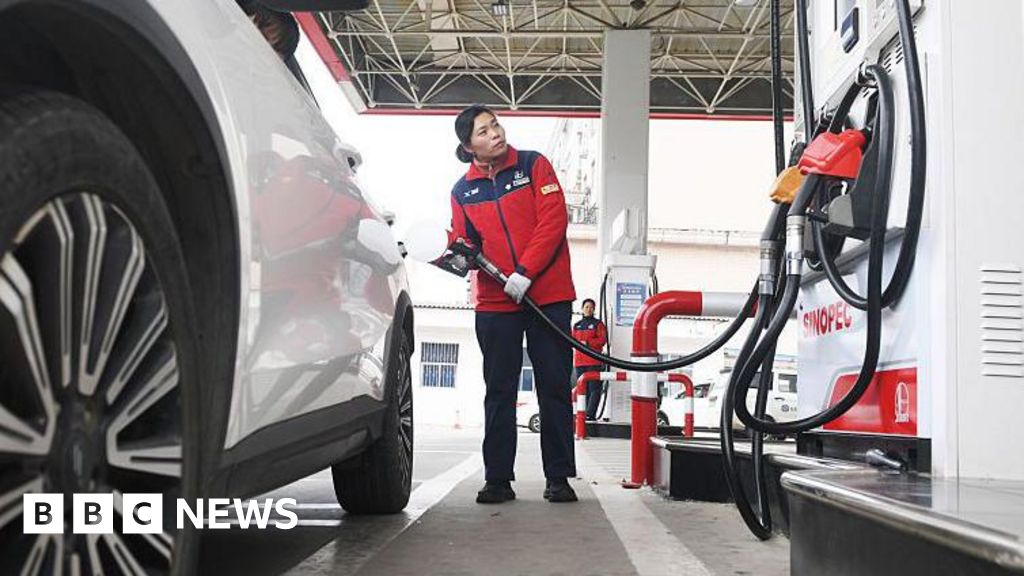
China eases fuel price hikes to lighten drivers’ load

Global Tensions Rise as Countries Confront Soaring Fuel Prices

In the midst of escalating global energy prices, nations worldwide find themselves at a critical juncture, grappling with economic stability and geopolitical stability. Fuel costs have surged dramatically, driven by a complex mix of international supply chain disruptions, geopolitical tensions, and shifts in global energy markets. As a result, many governments are implementing a variety of measures—ranging from domestic policy adjustments to strategic diplomatic maneuvers—in an effort to shield their populations from the economic fallout. This volatile environment underscores the fragile interconnectedness of global economies and signals a potential redefinition of geopolitical alliances.

Across the European Union, many member states are under mounting pressure to support their energy sectors amidst these turbulent prices. Some have accelerated plans to diversify away from Russian energy, while others face internal discord over subsidy schemes and strategic reserves. The crisis has reignited debates among analysts about the sustainability of current energy dependencies. The United States has responded with strategic petroleum reserves release and increased domestic oil production, aiming to stabilize its market. Yet, experts warn that these measures are only temporary fixes in a broader struggle for energy sovereignty. The International Energy Agency (IEA) has issued a stark warning: without significant structural reforms and diversification, global economies could face prolonged economic pain, especially in energy-dependent sectors.

Meanwhile, Russia and OPEC-aligned nations hold a pivotal influence on global supplies, and their decisions continue to ripple across markets. The recent decision by OPEC+ to modestly cut production quotas has triggered renewed fears of supply shortages, exacerbating inflationary pressures around the world. Leading geopolitical analysts underline that such moves are less about market economics and more about signaling power struggles amid shifting alliances. These developments risk inflaming tensions with Western powers, which view the cuts as a strategic attempt to leverage energy resources for geopolitical advantage. The repercussions of these actions are felt not only in stock exchanges and energy markets but also in the diplomatic corridors of major capitals, as debates intensify over energy independence and security.

The geopolitical shift is not merely an economic issue but also a profound societal challenge. Countries are forced to make difficult choices—cutting subsidies, rationing fuel, or seeking new alliances—to cope with the crisis. These measures carry long-term consequences, potentially reshaping regional power dynamics and internal political stability. Historians and geopolitical analysts warn that this turbulence could accelerate the decline of certain traditional energy-dependent alliances and herald the rise of new blocs committed to energy sovereignty. The International Crisis Group emphasizes that failure to address these core issues could lead to instability, unrest, and even conflicts over resources. As nations scramble to secure their futures, the global stage seems poised for an uncertain transformation, where the decisions made today could echo through history.

The ongoing saga of energy geopolitics is a stark reminder that history continues to be written in moments of crisis. The decisions taken now—whether to push for independence from unreliable suppliers, bolster domestic industries, or reshape international treaties—will determine the course of the future. The world watches as powers assert their influence amidst rapidly changing circumstances, and the weight of their choices hangs heavy in the balance. As the geopolitical landscape shifts once again, humanity must confront the daunting realities of a new energy era—one where the echoes of these decisions will resonate long into the future, shaping the course of history on a scale unprecedented in recent memory.

36 Hours in Shanghai: Explore the City’s Vibrant Spirit and Timeless Charm

In the bustling veins of Shanghai, where history and modernity intertwine like the delicate layers of a perfectly crafted xiao long bao, we witness a vivid tableau of cultural resilience. The city’s culinary mosaic, from the intricate artistry of dumpling artisans on West Jianguo Road to the vintage allure of Zhaojiabang Road’s Shanghainese cuisine, embodies a broader cultural narrative—one that champions tradition as the backbone of identity. As Ortega y Gasset once opined, “The spirit of a people is its memory,” and nowhere is this more apparent than here, where every dish and every storefront whispers stories of a collective past, yet pulses with the life of an ever-evolving society.

Yet, Shanghai’s approach to culture is no mere preservation; it is a proclamation of innovation rooted in tradition. The city’s fashion scene, exemplified by Label Del and Labelhood House, invites a reimagining of cultural motifs, translating the elegance of Tang Dynasty aesthetics into contemporary textile art. As Tocqueville observed in his analysis of democratic societies, the vitality of a people is measured by their capacity for creative synthesis—combining the old with the new, the artistic with the functional. Shanghai’s fashion and design districts are testament to this, serving as landmarks of a cultural renaissance that recognizes the importance of identity tied to a living tradition.

Moreover, the city’s embrace of holistic wellness through Traditional Chinese Medicine—such as the Tuina massage at Kang You Si Ji—embodies a nuanced understanding: that culture is as much about spiritual and physical harmony as it is about historical continuity. Chesterton’s thoughts on the “spiritual health” of a society resonate here, emphasizing that culture sustains a people’s sense of purpose and unity. This ancient practice, with roots over two millennia, underscores a universal human pursuit—to align body and soul, to find harmony in the rhythms of history and nature. It remains a vital counterpoint to the relentless pace of modern life, anchoring the city’s soul in age-old wisdom.

As evening falls, the cultural dialogue deepens. The Mi Shang Prada Rong Zhai offers an opulent interfacing of art and history, conjuring the cinematic sheen of Wong Kar-wai’s “In the Mood for Love”. Within its mirrored, gilded spaces, tea becomes a ritual—an act of deliberate remembrance, a glimpse into the poetry of everyday life. Here, society recognizes that culture is both memory and prophecy: a collective consciousness beckoning us toward unseen horizons, rooted in the elegance of the past but infused with the daring of innovation.

In seamlessly blending the traditional with the avant-garde—be it through the nostalgic ambiance of jazz-clad nightclubs or the avant-garde art exhibitions—Shanghai exemplifies an enduring truth: that culture is the living fabric of a society, weaving the stories of yesterday with the aspirations of tomorrow. As Eliot wrote, “our future depends on how well we remember,” and in Shanghai, this memory is a luminous beacon guiding society through the labyrinth of change. In the end, culture remains humanity’s most poetic legacy—a symphony of memory and prophecy echoing through the corridors of time, beckoning each of us to partake in its boundless, eternal dance.

Trump Pushes to Postpone Meeting with Xi in China

The escalating conflict in Iran has rapidly become a defining challenge for the international community, overshadowing many of the United States’ longstanding foreign policy objectives. As tensions ripple through the Middle East, the volatile situation commands the attention of global leaders and strategic analysts alike, emphasizing the profound geopolitical impact that unfolding events threaten to unleash. Historically, Iran’s strategic location and nuclear ambitions have been a source of concern for decades. Now, the recent rise in hostilities not only destabilizes the region but also compels a reassessment of alliances, diplomacy, and the balance of power on a global scale.

Several key developments underscore the gravity of this crisis. Most notably, reports of increased military exchanges between Iranian forces and regional allies have heightened fears of broader confrontation. The United Nations and other international bodies have issued urgent statements, warning of the potential for regional conflict escalation that could draw in major powers. Analysts such as Dr. Samuel Ferguson, a former advisor to NATO, argue that the current violence signifies a pivotal moment where diplomatic efforts are faltering, and the risk of wider destabilization becomes imminent. Countries like Russia and China have been cautiously engaging, seeking to maximize their influence amid the chaos, while Washington’s focus shifts from traditional objectives like peace negotiations to managing crisis containment and economic sanctions.

The implications of these developments extend beyond regional borders. Experts emphasize how U.S. foreign policy is experiencing a significant shift, with efforts increasingly sidelined by urgent security concerns. The broader consequence is an erosion of the late 20th-century consensus on diplomatic resolution and international norms. Historically, analysts note, when conflicts intensify around Iran, there are ripple effects across the Middle East, fueling sectarian violence, causing economic disruptions, and prompting refugee crises. Nations such as Israel and the Gulf monarchies are on high alert, while European countries face the challenge of balancing support for their allies with the need for stability and cautious diplomacy. International organizations warn that if this conflict escalates further, fresh waves of instability could alter the geopolitical landscape for generations.

As history continues to unfold on the horizon, many see this crisis as a potential catalyst for change—whether towards renewed diplomacy or an all-out regional war. With each passing day, the weight of history presses heavily upon world leaders: their decisions now will determine whether future generations will look back on this moment as the beginning of a new era of chaos or a pivotal point for renewed peace. The delicate balance teeters dangerously, and the echoes of these decisions may well resonate through history’s corridors, shaping the future of the global order for decades to come.

Social Media Auto Publish Powered By : XYZScripts.com