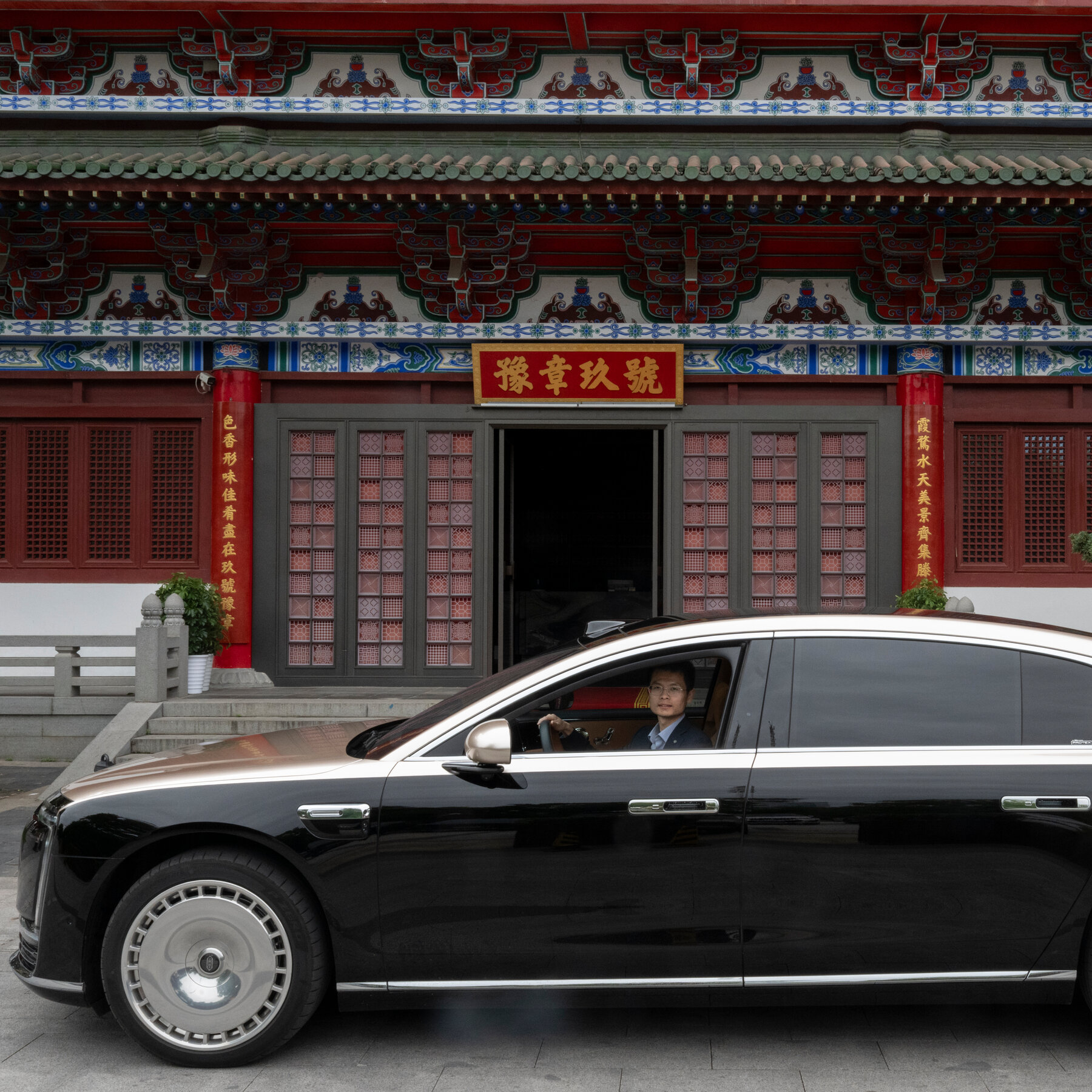
China’s economic landscape is undergoing a significant transformation, marked by a notable shift in consumer behavior within the country’s burgeoning luxury market. As the economy navigates a period of adjustment, Chinese consumers are demonstrating a growing preference for homegrown brands, signaling a mature evolution in spending habits and national pride. This pivot not only challenges the long-held dominance of established European luxury houses but also underscores the increasing sophistication and quality of domestic manufacturers.
Shifting Tides: Consumer Confidence and Economic Realities
The current economic environment in China, characterized by slower growth and evolving geopolitical sentiments, has prompted a significant re-evaluation among its affluent populace. Rather than curtailing luxury spending altogether, many are now redirecting their expenditures towards domestic alternatives that offer perceived value, cutting-edge innovation, and a stronger connection to national identity. This trend reflects a broader confidence in local industries and a pragmatic response to evolving market conditions, prioritizing both substance and cultural relevance over purely foreign prestige. It signals a shift from aspirational emulation to confident self-expression through local quality.
The Rise of Homegrown Excellence: EVs, Gold, and Beyond
The ascendancy of Chinese luxury brands is particularly evident in high-value sectors that demand both technological prowess and sophisticated design. Premium electric vehicle manufacturers, for instance, are now producing models priced upwards of $140,000, directly competing with and often surpassing global automotive giants in features tailored to the Chinese market. This segment showcases not only advanced engineering but also bespoke design and smart functionalities. Similarly, the market for ‘heritage gold’ — intricately designed jewelry and artifacts drawing on deep traditional Chinese motifs — has seen a remarkable surge, appealing to consumers seeking luxury imbued with cultural meaning and lasting value. These examples highlight a strategic move by domestic companies to blend modern luxury with profound historical and cultural roots, creating offerings that resonate powerfully with national sentiment.
- High-end Electric Vehicles: Offering advanced technology and bespoke designs, rivaling established global players.
- Heritage Gold Products: Emphasizing traditional craftsmanship and cultural significance, becoming a staple for discerning buyers.
- Fashion and Lifestyle Brands: Developing unique aesthetics that resonate with local preferences, moving beyond imitation.
This diversification points to a robust and adaptable domestic manufacturing base, capable of meeting sophisticated consumer demands.
Global Implications: A New Competitive Frontier
The shift in China’s luxury market presents a formidable challenge to international brands that have historically relied on the Chinese consumer for significant revenue growth. While European luxury houses continue to hold a certain prestige, the competitive landscape is rapidly evolving. Domestic brands are no longer merely offering cheaper alternatives; they are increasingly recognized for their superior quality, innovation, and an unparalleled understanding of local nuances and consumer desires. This dynamic suggests that foreign brands must profoundly adapt their market strategies, potentially by enhancing localization efforts, fostering deeper cultural connections, or focusing on unique value propositions, to retain their market share. A recent analysis published by The New York Times notably highlighted this burgeoning trend, underscoring the significant inroads made by Chinese companies in previously unchallenged segments.
Chinese consumers are increasingly seeking luxury that resonates with their identity and values, finding it in the innovation and heritage offered by homegrown brands.
The ongoing evolution within China’s luxury market is far more than a fleeting trend; it signifies a maturing economy, a confident consumer base, and a reassertion of national industrial capabilities. This development not only bolsters domestic industries and innovation but also fundamentally redefines what ‘luxury’ signifies in one of the world’s most influential economic arenas. As this profound shift continues to unfold, it underscores the critical importance of adaptability, genuine market understanding, and strategic foresight for both local and international players vying for the discerning Chinese consumer’s attention. The landscape of global luxury is undoubtedly being redrawn, pointing towards a future where diverse origins of prestige will increasingly hold sway.