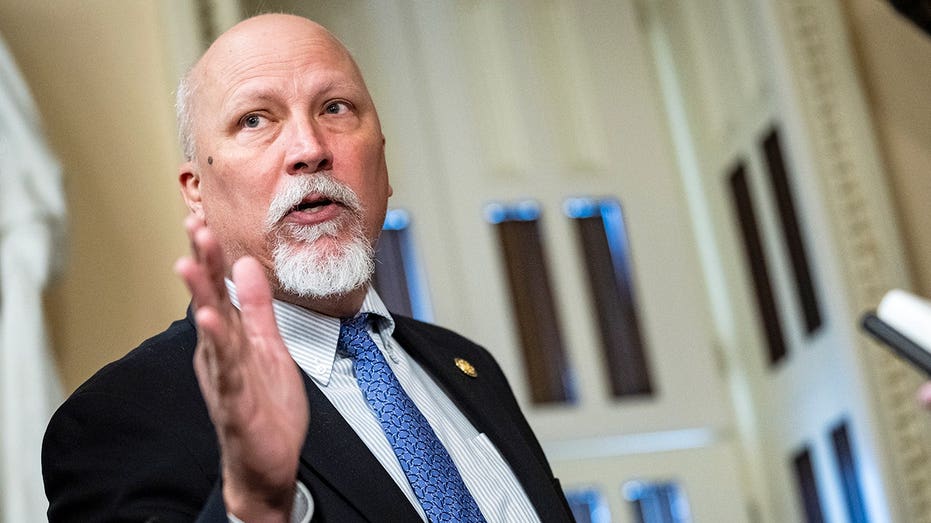
In a significant move to address congressional longevity, Republican Representative Chip Roy of Texas has introduced a bill designed to limit the financial benefits and institutional power of seasoned lawmakers. The proposal seeks to redefine public service by ensuring that extended tenure in Washington does not automatically translate into greater personal gain or entrenched influence.
The legislation specifically targets members of Congress who have accumulated 12 or more years of service in either the House of Representatives or the Senate. Under Roy’s plan, these long-serving individuals would no longer be eligible for their congressional salaries or for key leadership roles within their respective chambers.
Curbing Entrenchment and Promoting Public Service
The impetus behind Representative Roy’s proposal stems from a long-standing conservative concern regarding the professionalization of politics. Critics often argue that extended stays in Washington can lead to a disconnect from constituents and a prioritization of self-interest over public duty. This bill aims to counteract such trends, reinforcing the idea that congressional service should be a finite period of dedication rather than a lifelong career path.
Roy, who began his own House tenure in 2019, articulated his vision in a press release detailed by Fox News Digital. He emphasized the need to shift the focus from rewarding longevity to fostering genuine public service. The bill aligns with a broader push for increased accountability and a more dynamic legislative body.
Key Provisions of the Proposed Legislation
The core of Roy’s bill outlines specific restrictions for lawmakers once they reach the 12-year service threshold. These include:
- Ineligibility for Pay: Members who have served 12 years or more would no longer receive a taxpayer-funded salary.
- Leadership Restrictions: They would be barred from serving in House or Senate leadership posts.
- Committee Authority: The bill also makes them ineligible to chair or serve as the ranking member of any standing or select committee.
These measures are intended to diminish the incentives for career politicians and open avenues for new voices and perspectives within the legislative process. It represents a direct challenge to the current system, where experience often dictates access to power and influence.
A Push for Accountability and Reform
The introduction of this bill underscores a recurring theme in conservative political discourse: the call for institutional reform and greater accountability for elected officials. While the U.S. Constitution sets no term limits for members of Congress, legislative proposals like Roy’s aim to achieve similar ends through statutory means, impacting the practical aspects of serving an extended period.
The proposal reflects a belief that without such checks, the legislative branch can become overly bureaucratic and resistant to change. By targeting both financial compensation and influential positions, Representative Roy’s bill seeks to encourage a more fluid and responsive political landscape.
“This bill helps ensure that public service remains exactly that: service to the people, not a lifelong career in politics.”
This legislative effort will likely spark considerable debate among lawmakers and the public alike, touching on fundamental questions about the nature of representation and the structure of American governance. It is a bold statement asserting that service, not tenure, should be the ultimate measure of a legislator’s role.