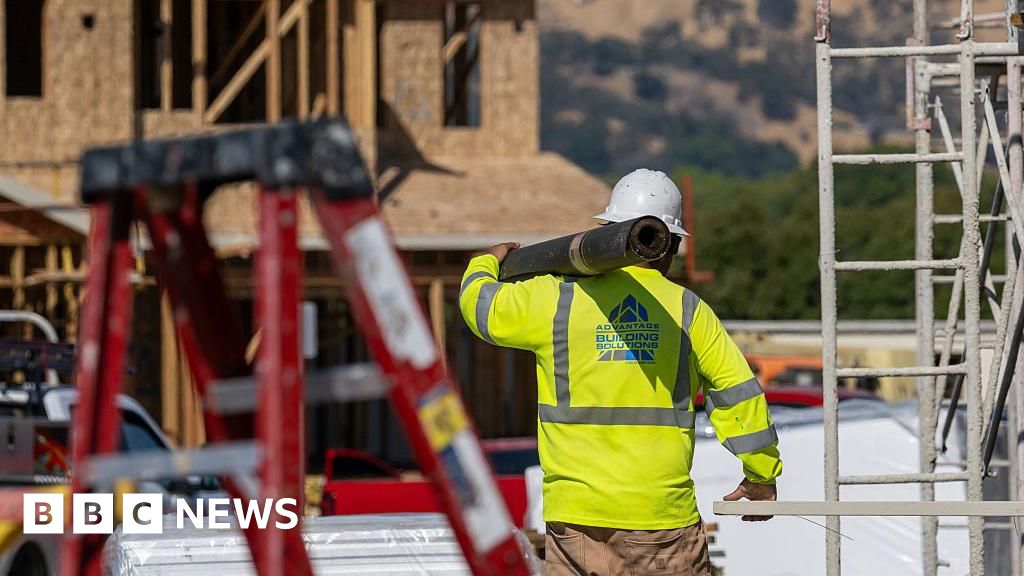
In a startling development that has sent shockwaves through international markets, recent economic data reveals a significant contraction in employment across multiple sectors worldwide. The latest payroll figures, which traditionally serve as critical indicators of economic health, demonstrate a decline in employment numbers that was unforeseen by most analysts. Experts from leading financial institutions and policy think tanks suggest that this contraction signals a potential turning point in the global economic cycle, raising the specter of a prolonged downturn.
Notably, the decline affected almost every major sector—manufacturing, services, technology, and retail—indicating a broad-based downturn rather than a localized problem. This decline raises urgent questions about the resilience of the global economy, especially considering the persistent inflationary pressures and geopolitical tensions that have been fueling uncertainties in recent months. Global institutions such as the International Monetary Fund (IMF) and the World Bank have sounded cautious warnings, emphasizing that policymakers must remain vigilant in managing liquidity and supporting growth. Meanwhile, national governments find themselves caught between the need to stimulate employment and the constraints of fiscal responsibility, complicating efforts to cushion the blow for workers and businesses alike.
The unexpected contraction underscores how interconnected and fragile today’s geopolitical landscape has become. As economies grapple with the ripple effects of trade disruptions, energy crises, and geopolitical conflicts, the repercussions of these employment declines extend far beyond national borders. Historians and market analysts warn that such a widespread contraction could undermine consumer confidence, diminish investment, and provoke social unrest. In Europe, for example, policymakers are increasingly attentive to persistent economic stagnation, wary that continued declines could fuel populist sentiments and political upheaval. Conversely, in the United States, lawmakers face mounting pressure to enact measures to safeguard jobs, with debates intensifying around stimulus packages and labor reforms.
As the world economy teeters on the edge of an uncertain future, the implications of these employment figures transcend mere statistics. They symbolize the broader geopolitical shifts currently shaping global power dynamics, economic resilience, and social stability. With every sector affected and every nation watching anxiously, the unfolding chapter of this economic saga leaves a profound question lingering: how will leaders navigate the turbulence ahead, and what legacy will they forge amid the chaos? The answer remains unwritten, but history’s weight presses heavily on this moment’s shoulders, reminding us that the decisions made today will echo through generations to come.