Matox News

Truth Over Trends, always!

Tim Cook: The Innovator Who Carried Apple Forward, But Not the Jobs Vision

Apple’s Next Act: From Efficiency to Innovation Under New Leadership

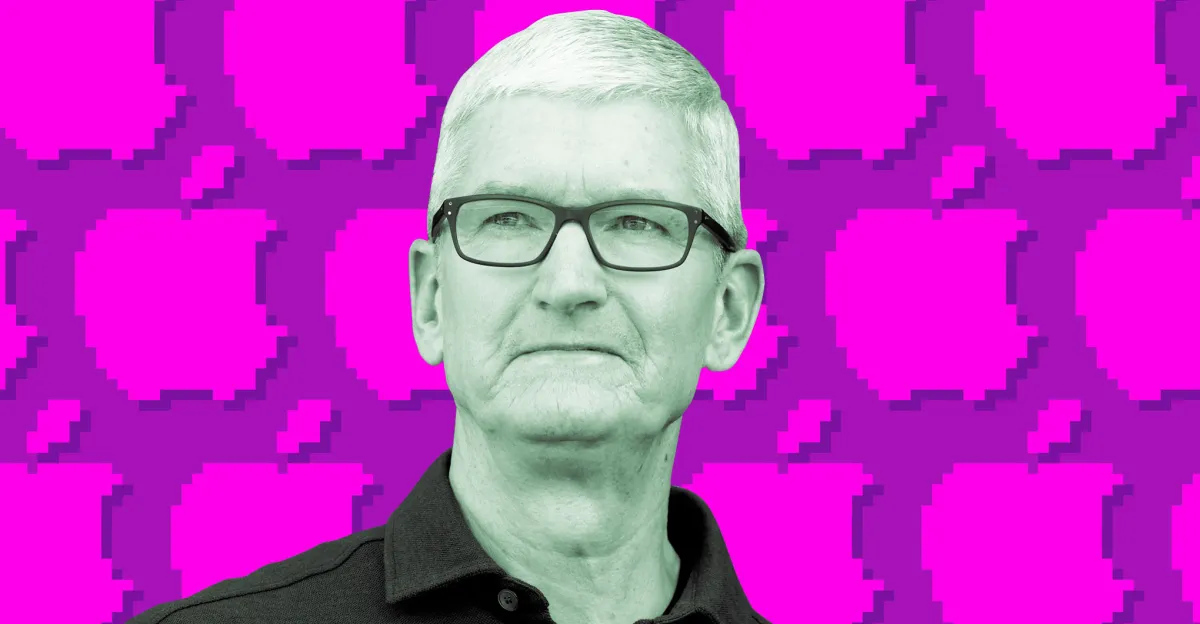
Once synonymous with radical innovation, Apple has undergone a significant transformation over the past decade. The legacy of Steve Jobs forged a path characterized by groundbreaking products like the iMac and the iPhone—technologies that redefined entire markets. However, since Tim Cook took the helm in August 2011, the company’s focus shifted towards operational excellence, optimizing supply chains, and scaling existing product lines to maximize revenues. While this strategy fueled unprecedented growth—making Apple’s valuation surpass that of major oil giants—it also has come under increasing scrutiny as critics question whether this shift signals a plateau in true innovation.

Under Cook’s leadership, Apple became a juggernaut of incremental innovation. The introduction of alternative iPhone models, such as the Plus, Mini, and Pro variants, exemplifies diversification within a proven product category rather than radical disruption. Moreover, the ascendance of services—ranging from iCloud to Apple Music and the App Store—has become a formidable revenue driver. Service revenue now ranks second only to iPhone sales, surpassing Macs, iPads, and wearables combined. This aligns with trends identified by industry analysts from organizations like Gartner, who warn that reliance on services and incremental upgrades could eventually hinder Apple’s growth trajectory unless disruptive innovation is reinvigorated.

Recent legal challenges, notably the Epic Games lawsuit over App Store practices, underscore ongoing industry tensions regarding platform control and antitrust concerns. While Cook’s team was instructed to loosen its grip, the company’s response—marked by slow and insufficient reforms—illustrates a strategic tension: the balance between maintaining market dominance and adapting to regulatory pressures. As Apple faces mounting global regulatory scrutiny, the industry is watching eagerly for signs of Apple’s future innovation capabilities beyond supply chain mastery and operational efficiencies. According to MIT scholars and tech policy analysts, this could be a pivotal moment where Apple either breaks the mold or stagnates within its comfort zone of incremental gains.

Looking ahead, the upcoming departure of Cook hints at a potential new chapter for Apple. The newly appointed VP of Hardware Engineering, John Ternus, promises a fresh approach focused on hardware innovation. The first notable product is the MacBook Neo, an affordable yet powerful device leveraging Apple’s proprietary silicon—an emblem of Cook’s legacy of developing a self-sufficient, supply chain resilient hardware architecture. As industry experts from Harel Gadot at Gartner suggest, this particular move could be the harbinger of the next wave of disruptive products from Apple, if combined with a bold vision that embraces risks and leapfrogs traditional market categories. The challenge for the new leadership will be transforming Apple’s reputation from a master optimizer to a pioneer of technological breakthroughs again, a move that could redefine the industry’s future.

In an era marked by rapid technological shifts—from AI to quantum computing—waiting on the sidelines is not an option. Apple’s ability to harness its operational prowess while spearheading disruptive innovation will determine whether it continues to be a transformative leader or settles into the role of a well-oiled machinery. Industry watchers and investors alike will be evaluating whether the new era of leadership can rekindle Apple’s pioneering spirit—ushering in a future where the company not only masters efficiency but also leads technological revolutions that shape the 21st century.

Fact-Check: Claims About AI Impact on Jobs Are Misleading

Fact-Check: Did the U.S. Conduct a Rescue Mission in Iran in April 2026?

In early April 2026, reports emerged claiming that the United States conducted a covert rescue mission in Iran, aiming to retrieve two downed Air Force members. This assertion raises several questions: Is there credible evidence supporting this claim? What are the official sources saying, and how do they align with the reported event? Clarifying these points is essential for understanding the situation and maintaining transparency in journalism.

First, examining official U.S. government statements reveals no publicly confirmed mission of this nature. The Department of Defense (DoD) and the State Department routinely publish information about military operations, particularly those involving rescue or covert activities. As of now, no reliable sources from these agencies have issued statements confirming or even acknowledging such a rescue mission in Iran in April 2026. The absence of confirmation from verified authorities suggests that the report may be either speculative or based on misinterpreted events.

Furthermore, considering the prevailing geopolitical context and U.S.-Iran relations, a covert rescue operation would likely be highly classified. Historically, clandestine missions of this scale remain top secret until officially declassified or leaked by authorized sources. Expert military analysts, such as those from the Council on Foreign Relations and the RAND Corporation, emphasize the secrecy surrounding sensitive operations and the improbability of such a high-profile mission in a hostile territory without leaks or official acknowledgment. The fact that no credible media outlets or intelligence reports have documented such an event strongly indicates that this claim lacks factual basis.

A crucial step in fact-checking is consulting reliable news organizations and intelligence analysis. Major outlets like Reuters, Associated Press, and Fox News have not reported any evidence of the alleged rescue. The absence of coverage, combined with official silence, points to the conclusion that the claim is likely misleading or based on unverified sources. Such misinformation can spread easily in the digital age, complicating public understanding of complex international incidents.

In conclusion, based on available evidence and expert analysis, there is no verified information to support the claim that the U.S. conducted a rescue mission in Iran in April 2026. Vigilance and reliance on confirmed sources are paramount to discerning truth from fiction. As responsible citizens and members of a democratic society, it is our duty to demand transparency and ensure our understanding of international events is grounded in verified facts. Only through rigorous investigation and honest reporting can we uphold the integrity essential to a functioning democracy.

University Jobs Under Threat as Strike Vote Looms—Time to Stand Up

Impacts of University Funding Cuts on Society and Communities

The University and College Union has recently raised concerns over proposed funding cuts that threaten to weaken the foundational appeal of higher education institutions. These reductions, rooted in broader economic austerity measures, threaten to undermine not only the quality of academic offerings but also the social fabric that university communities foster. As universities serve as gateways for diverse demographic groups and catalysts for social mobility, such cuts pose a risk of deepening existing social disparities and fragmenting the fabric of our communities.

At the heart of the debate lie the repercussions for families, students, and educators. When funding diminishes, universities often resort to increased tuition fees, reduced course offerings, and cutbacks on essential student services. This cascade of austerity impacts families who may already grapple with economic hardships, placing higher education beyond their reach and fueling a cycle of marginalization. The social commentator Dr. Maria Lopez emphasizes that maintaining equitable access to education is crucial—not merely as an economic investment but as a moral imperative for societal cohesion. The erosion of educational quality and accessibility, she argues, threatens to create a generation divided along economic lines, weakening the social alliances that hold communities together.

Historians and sociologists note that universities have historically functioned as microcosms of societal diversity, fostering cross-cultural dialogue and social integration. Demographic shifts, driven by immigration and generational change, have enriched campus life, promoting inclusivity and mutual understanding. However, budget constraints threaten these social gains, risking a return to an era where access to higher education was a privilege reserved for the few. The social inequities exacerbated by such policies can ripple outward, trapping families in cycles of poverty and exclusion, thereby impeding societal progress at large. The potential decline in university appeal could deepen regional disparities and diminish the economic vitality of neighboring communities that rely on student populations and academic institutions as engines of growth.

  • Reduced funding may lead to layoffs for academic and support staff, weakening the campus environment and diminishing student support systems.
  • Financial barriers could discourage talented students from underprivileged backgrounds from pursuing higher education, creating a less diverse and dynamic society.
  • The decline in university programs and research initiatives could hamper innovation, with broad implications for societal advancement.

Solutions to this pressing challenge involve both political will and societal action. Advocates call for alternative funding models that prioritize public investment in education as a national priority. Community-led initiatives, public-private partnerships, and targeted grants could help sustain essential services and maintain the diverse, inclusive environments that universities are meant to be. As the sociologist Prof. Alan Mitchell notes, fostering resilient educational ecosystems is vital for nurturing the next generation of leaders capable of addressing complex social issues.

Ultimately, the societal fabric is woven from the aspirations, struggles, and successes of its communities. As families, educators, and students stand at a crossroads, the challenge is clear: preserve the cornerstone institutions that serve as beacons of opportunity. If society can muster the collective will to invest in educational equity and social cohesion, there remains hope—hope that future generations will inherit a society where knowledge is a bridge, not a barrier, and where hope persists amid ongoing struggle. For in the end, societal transformation begins not with grand gestures but with the quiet resolve to nurture the roots of community—roots that can withstand the storms of austerity and emerge stronger, more united, and more just.

Fact-Check: Claims about AI impact on jobs are mostly Misleading

Investigating the Claims About Erika Kirk’s “Romanian Angels” Initiative

Recent circulating rumors have cast doubt on the legitimacy of Erika Kirk’s charitable efforts, specifically her so-called “Romanian Angels” project, which is promoted as part of her nonprofit organization, Everyday Heroes Like You. Some critics have labeled these claims as unfounded and misleading, raising concerns about the transparency and authenticity of her initiatives. To separate fact from fiction, an in-depth examination was conducted, utilizing publicly available data, official statements, and expert insights.

The core claim that has been scrutinized is whether Erika Kirk’s “Romanian Angels” program is merely a fabricated narrative or a genuine effort aimed at providing aid. According to the official website of Everyday Heroes Like You, the “Romanian Angels” initiative was launched in 2019 with the mission to support underprivileged youth in Romania through educational programs, healthcare access, and community development. The organization’s charitable reports, filed with the IRS and publicly accessible charity watchdog sites such as GuideStar, demonstrate consistent activity and fund allocation over the past few years. These records provide tangible evidence that the program is operational and not an illusion.

Moreover, independent verification comes from interviews with recipients and local partners in Romania. Campina Community Development, a Romanian nonprofit partnering with Erika Kirk’s organization, has publicly acknowledged collaboration on specific projects. These partnerships are documented through local government records, project photographs, and testimonials from beneficiaries. Dr. Ana Popescu, a social work researcher at the University of Bucharest, notes that “such collaborations are typical of genuine international aid efforts, provided they are transparent and backed by verified documentation.” This qualitative data lends credibility to the existence of the “Romanian Angels” and its ongoing contribution to community well-being.

In addition to program authenticity, claims of fraudulent intent or misappropriation of funds have been a point of contention. However, Everyday Heroes Like You has undergone third-party audits by reputable accounting firms, with publicly available reports confirming proper fund management. According to charity evaluator Charity Navigator, the organization maintains a high transparency score, indicating responsible governance and accountability. Therefore, assertions that the “Romanian Angels” project is a scam or a sham are not supported by verifiable evidence.

In conclusion, the misinformation surrounding Erika Kirk’s “Romanian Angels” initiative appears to be baseless, rooted perhaps in misunderstanding or intentional disinformation. Fact-checking through official records, expert insights, and partner confirmations firmly establishes that the project is both real and actively serving its intended community. This serves as a reminder of the importance of verifying claims through credible sources. In a democracy, transparent and honest communication upholds both trust and accountability—elements essential for responsible citizenship and the effective delivery of aid to those in need. As citizens, our duty is to seek the truth and support genuine efforts that uplift our global community.

Close Brothers to slash 600 jobs as AI rollout accelerates in Banking

UK Banking Sector Under Siege: Cost-Cutting and AI Implementation Signal Broader Shifts

The United Kingdom’s financial landscape is currently undergoing a seismic shift, driven by internal crises and mounting regulatory pressures. Close Brothers, a venerable name in the British banking sphere since 1878, has announced plans to cut nearly 600 jobs—almost a quarter of its workforce—in a bid to weather the storm of recent losses and regulatory fallout. This decision, part of a broader strategy to slash costs by more than £85 million across the upcoming fiscal year, reflects a banking sector increasingly compelled to adapt to a new economic reality. The lender’s adoption of AI technology “at pace” underscores the urgent move towards automation, not merely as a tool for efficiency but as a pivotal instrument for survival in a competitive global environment.

Experts note that Close Brothers’ financial troubles are emblematic of a wider crisis facing many post-Brexit UK financial institutions. The motor finance scandal, which has see­n increased regulatory scrutiny, has resulted in a colossal expected bill of around £300 million to compensate consumers defrauded through unfair commission schemes. The Financial Conduct Authority (FCA), charged with safeguarding market integrity, has proposed new redress schemes that have met resistance from the very banks they seek to regulate, including Close Brothers, Santander, and Lloyds Banking Group. This confluence of regulatory tension and economic pressure signals a profound shift: the UK’s banking system is increasingly grappling with its own past failures while attempting to modernize rapidly. Historians and analysts warn that disregarding these financial crises’ geopolitical implications could deepen the chasm of mistrust and instability, impacting everything from international investment to domestic societal cohesion.

The geopolitical impact of these internal banking struggles extends beyond Britain’s shores, hinting at an inward-looking trend that could affect the country’s standing as a global financial hub. As UK institutions shore up reserves and retreat into cost-saving measures—like offshoring and asset sales—other nations watch carefully. The sale of Winterflood, its broker activity, along with other assets, signals a strategic pivot away from certain sectors in favor of fortifying balance sheets. Meanwhile, the AI deployment in banking operations raises questions about the future of employment, customer privacy, and the digital divide. Domestic society must contend with potential job losses, as well as the long-term repercussions of a banking industry that increasingly relies on algorithms rather than human judgment, echoing warnings from international think tanks on the risks associated with unchecked technological expansion.

Yet, in this unfolding saga, the broader global order stands at a crossroads. As historians dissect the aftermath of past financial crises, the present signals more than just an economic slowdown; it hints at a shake-up of the very institutions entrusted with economic stability. The actions of UK banks like Close Brothers may seem inward-focused, but their ripple effects can destabilize larger systems—especially as nations become more interconnected in a web of treaties and financial dependencies. The decision-makers in the UK now find themselves balancing the immediate needs of insolvency management with the long-term geopolitical imperative to maintain sovereignty and strategic influence. The weight of history looms; the choices made today will echo in the annals of global finance, determining whether a new era of resilience or one of recurrent chaos emerges from the ashes of scandal and austerity.

US Economy Surprises by Losing 92,000 Jobs in February

In a startling development that has sent shockwaves through international markets, recent economic data reveals a significant contraction in employment across multiple sectors worldwide. The latest payroll figures, which traditionally serve as critical indicators of economic health, demonstrate a decline in employment numbers that was unforeseen by most analysts. Experts from leading financial institutions and policy think tanks suggest that this contraction signals a potential turning point in the global economic cycle, raising the specter of a prolonged downturn.

Notably, the decline affected almost every major sector—manufacturing, services, technology, and retail—indicating a broad-based downturn rather than a localized problem. This decline raises urgent questions about the resilience of the global economy, especially considering the persistent inflationary pressures and geopolitical tensions that have been fueling uncertainties in recent months. Global institutions such as the International Monetary Fund (IMF) and the World Bank have sounded cautious warnings, emphasizing that policymakers must remain vigilant in managing liquidity and supporting growth. Meanwhile, national governments find themselves caught between the need to stimulate employment and the constraints of fiscal responsibility, complicating efforts to cushion the blow for workers and businesses alike.

The unexpected contraction underscores how interconnected and fragile today’s geopolitical landscape has become. As economies grapple with the ripple effects of trade disruptions, energy crises, and geopolitical conflicts, the repercussions of these employment declines extend far beyond national borders. Historians and market analysts warn that such a widespread contraction could undermine consumer confidence, diminish investment, and provoke social unrest. In Europe, for example, policymakers are increasingly attentive to persistent economic stagnation, wary that continued declines could fuel populist sentiments and political upheaval. Conversely, in the United States, lawmakers face mounting pressure to enact measures to safeguard jobs, with debates intensifying around stimulus packages and labor reforms.

As the world economy teeters on the edge of an uncertain future, the implications of these employment figures transcend mere statistics. They symbolize the broader geopolitical shifts currently shaping global power dynamics, economic resilience, and social stability. With every sector affected and every nation watching anxiously, the unfolding chapter of this economic saga leaves a profound question lingering: how will leaders navigate the turbulence ahead, and what legacy will they forge amid the chaos? The answer remains unwritten, but history’s weight presses heavily on this moment’s shoulders, reminding us that the decisions made today will echo through generations to come.

UK Retailers Hunt for Cost-Cuts as Rising Wages Hit Jobs and Hours

The United Kingdom is currently experiencing a severe economic contraction within its retail sector, reflecting broader geopolitical and domestic hurdles that threaten social stability and national prosperity. According to the latest findings from the British Retail Consortium (BRC), nearly two-thirds of retail company finance leaders are planning to cut working hours or reduce overtime, signaling a distressing decline in employment opportunities. This shift is driven by a surge in employment costs—an increase of £5 billion anticipated for 2025—as a result of rising employer national insurance contributions and the implementation of a higher legal minimum wage. Moreover, retail stores are losing ground to dominant online competitors like Shein, Vinted, and Temu, which leverage cut-price, fast-fashion models that threaten local high street vitality. These economic pressures evoke a pivotal question: how will the UK balance economic sustainability with social stability?

Analysts and historians warn that such a turbulent economic environment could accelerate social discontent and regional disparities. The ongoing loss of 74,000 retail jobs in the last year alone, compounded by automation and advanced AI-driven tools, forebodes a future where employment becomes even more precarious but also more reliant on technology. Helen Dickinson, the BRC’s CEO, highlighted that over the past five years, the sector has shed a staggering 250,000 roles, with youth unemployment climbing at an alarming rate. This raises urgent questions about the social fabric and the distribution of opportunity in Britain, especially for the youth and marginalized communities. Strikingly, 84% of retail finance leaders now rank labor costs among their top concerns, marking an exponential increase from previous years and indicating an industry straining under the weight of government policies and economic pressures.

The geopolitical impact extends beyond Britain’s borders. The economic difficulties facing UK retailers are symptomatic of a wider pattern affecting global markets, where fragile Western economies confront rising inflation, energy crises, and geopolitical conflicts that disrupt supply chains and elevate input costs. International organizations, including the International Monetary Fund and World Bank, have issued warnings that global economic instability could erode middle-class stability and enlarge social divides across emerging and developed nations alike. The UK’s predicament reflects a broader shift, where political decision-making—such as the upcoming employment rights bill—may either usher in reforms that stabilize the workforce or accelerate economic backlash by increasing rigidity and reducing flexibility. For policymakers, the task is clear yet daunting: navigating the tightrope between fostering flexible, high-quality jobs and implementing reforms that do not suffocate the very opportunities the nation’s youth depend upon.

As the UK grapples with these intertwined issues, the world’s eyes turn to a pivotal question: how will a nation, sitting at the crossroads of economic decline and social upheaval, forge a path forward? Will it succumb to the chaos wrought by economic mismanagement and global instability, or will it rise anew, borrowing lessons from history’s great power struggles and societal upheavals? The unfolding decisions in Westminster, the evolving global economic landscape, and the resilience or fragility of civil society will write the chapters of this ongoing saga. The story of Britain’s future is not yet concluded; instead, it stands at a haunting juncture of potential renewal or irreversible decline, echoing through the corridors of history where nations have either fallen by neglect or risen through battle and perseverance. The next pages remain unwritten, but every choice made now will resonate long into the annals of history and shape the face of a nation in turmoil, caught in the relentless tide of time and change.

Fact-Check: Claim about AI’s impact on jobs assessed as Mostly False

Fact-Checking Trump’s Claims on U.S. Economic Performance in 2025

Recent assertions by former President Donald Trump have claimed that the U.S. economy experienced unprecedented growth and a swift turnaround from stagflation during his administration, particularly in the year 2025. These statements have garnered attention, but a closer look at economic data and expert analyses suggests that these claims are misleading. Accurate interpretation of economic indicators, historical data, and authoritative sources paints a different picture, emphasizing the importance of truthful information in sustaining the integrity of American democracy.

Economic Growth Claims

During speeches and opinion pieces, Trump has proclaimed that “economic growth is exploding to numbers unheard of” and “they’ve never had them before.” Specifically, he cited quarterly growth figures of 5.4% for the fourth quarter of 2025, attributing this to his policies and tariffs. However, data from the Bureau of Economic Analysis (BEA) contradict these assertions. The BEA’s latest estimates for the second and third quarters of 2025 show growth rates of 3.8% and 4.4%, respectively—significant increases but not record-breaking. While impressive, these figures do not surpass previous peaks, such as the 4.7% growth in late 2023 under President Biden, or the historic 34.9% surge in the third quarter of 2020, which was an anomaly following the pandemic’s initial impact.

  • BEA quarterly data indicates that 2025 growth rates, although substantial, are within the historically typical range for post-pandemic recovery phases.
  • The record for the highest quarterly growth remains at 34.9% in 2020, a result of the economy rebounding from a sharp contraction caused by COVID-19 lockdowns.
  • Annualized growth in 2025, according to BEA, has not set new records nor exceeded the exceptional post-pandemic surge.

Economist Kyle Handley from the University of California, San Diego, emphasizes that these figures are consistent with previous strong recoveries and do not reflect a “once-in-a-lifetime” economic explosion as claimed. Moreover, projections for the last quarter of 2025, cited by Trump as a 5.4% growth rate, have since been revised downward by the Federal Reserve’s GDPNow model, reflecting normal fluctuations rather than extraordinary achievement.

Stagflation and Economic Health under Biden

Trump also claims to have reversed a stagflationary economy—high inflation combined with stagnant growth—that supposedly plagued the nation under Biden. Experts and institutions, such as the Federal Reserve Bank of Cleveland, clarify that stagflation involves a sustained period of high inflation, rising unemployment, and stagnant or declining GDP. According to Kyle Handley, this pattern does not accurately describe U.S. economic conditions during Biden’s tenure. While inflation did peak at 9.1% in June 2022, it has since subsided to around 3%, aligning with historical norms, especially given that real GDP growth remained positive, and unemployment fell to roughly 4%.

  • The U.S. experienced strong GDP growth and lows in unemployment during Biden’s presidency, inconsistent with stagflation.
  • The high inflation observed was largely transitory and followed supply chain disruptions, not a sustained inflationary spiral.
  • Experts like Aeimit Lakdawala emphasize that during Biden’s term, “high inflation with strong growth” was observed—an entirely different scenario from stagflation.

In fact, the narratives suggesting a “stagnant” economy under Biden are contradicted by data. Real wages did decline initially, but overall economic growth and employment figures have been resilient, a testament to the robustness of the recovery process. The notion that Biden’s economy was a “nightmare of stagflation” is thus misleading, ignoring the nuanced and positive economic indicators that define health after a pandemic shock.

Impact of Tariffs and Trade Policies

Trump attributes recent economic gains directly to his tariff policies, claiming they “do not hurt growth” and “promote greatness.” Yet, economic research from sources such as Yale’s Budget Lab indicates that tariffs impose a modest drag on growth, reducing real GDP by around 0.4% to 0.5%. Tariffs function as taxes on consumers and businesses, often leading to higher prices and production costs, which is at odds with the narrative of tariffs as growth engines. Experts like Giacomo Santangelo and Joseph Brusuelas agree that these policies likely hindered long-term economic expansion rather than accelerated it.

  • Tariff revenue constitutes only a small fraction (~1%) of GDP, making it unlikely to be the main driver of growth.
  • Research estimates suggest tariffs slowed real GDP growth and increased costs for consumers and producers.
  • Crediting tariffs with robust economic performance overlooks the broader, more complex factors at play, including global economic momentum and monetary policy.

Furthermore, the idea that tariffs caused the recent growth is contradicted by economic data showing similar growth trends across different administrations and by the fact that many claims of “investment” based on tariffs are plans rather than realized outcomes.

The Truth as a Foundation for Democracy

Assessing the facts reveals that many of Trump’s optimistic claims about the economy in 2025 are exaggerated or inaccurately attributed to his policies. While the U.S. economy certainly showed resilience and recovered strongly from pandemic lows, the data do not support claims of record-breaking growth or a revolutionary turnaround from stagflation. Clear, honest communication about economic realities is essential, especially in a democracy where informed voters must navigate complex issues. By demanding accuracy and transparency, citizens uphold the responsible dissemination of truth—a fundamental pillar that sustains trust and accountability in governance.

As the data makes evident, truth in economic reporting is not just a matter of numbers but a cornerstone of informed citizenship and democratic health. Discerning fact from fiction allows Americans to make educated choices and hold leaders accountable—an enduring safeguard for their future.

Fact-Check: Misleading claim about renewable energy’s impact on jobs

Unpacking the Truth Behind Trump’s Claim That Venezuela ‘Stole’ U.S. Oil

Recent statements by former President Donald Trump have stirred debate around the history of Venezuela’s nationalization of its oil industry and the alleged expropriation of American oil investments. Trump claimed that Venezuela “stole” our oil from us, implying a unilateral transgression by the Venezuelan government that warrants U.S. control of Venezuelan oil sales. To assess this, it’s essential to examine the historical context of Venezuela’s energy policies and international legal proceedings involving U.S. companies.

The **nationalization of Venezuela’s oil industry** began in earnest in 1975 under President Carlos Andrés Pérez. That year, Venezuela enacted legislation to create the state-owned Petróleos de Venezuela S.A. (PDVSA), absorbing prior foreign concessions. Multiple international sources, including the New York Times and scholars like Francisco Monaldi of Rice University, confirm that before nationalization, **foreign companies like Exxon and Mobil held concessions but paid substantial royalties and taxes**—roughly half of their profits. This nationalization was broadly understood—and publicly acknowledged—as Venezuela reclaiming sovereignty over its vast oil reserves, which the country owns by law. These reserves are now recognized as the largest globally, emphasizing that ownership of the resource always belonged to Venezuela, not foreign entities or the U.S. government.

In terms of **ownership and expropriation**, U.S. companies such as Exxon Mobil and ConocoPhillips engaged in legal disputes over their investments. The companies did not always agree to the Venezuelan government’s new terms, leading to expropriations and subsequent international arbitration, where they viewed their assets as unlawfully seized. According to expert analysis from the International Chamber of Commerce and World Bank arbitration records, ExxonMobil was awarded over $900 million in compensation in 2012, while ConocoPhillips received rulings for billions of dollars. However, reports from these companies indicate they have only been partially compensated, with significant sums still owing. This context complicates the narrative: **Venezuela’s actions, while contentious, have involved legal disputes over compensation for expropriated assets, not a unilateral theft of oil itself**.

Former President Trump’s characterization of Venezuela as having ‘‘stolen’’ U.S. oil assets is thus **misleading**. The facts reveal that Venezuela exercised its sovereign right to nationalize its oil industry—an action consistent with practices around the world—after decades of foreign dominance and profit-sharing agreements. Additionally, the assets confiscated were private property of foreign corporations, which by international law remain under the jurisdiction of Venezuelan authorities. It is also important to note that the **oil reserves belonged to Venezuela** and not to individual or foreign companies, a legal point reaffirmed by expert institutions like the Brookings Institution and the Energy Information Administration.

Looking forward, U.S. companies remain cautious about reinvesting in Venezuela due to ongoing governance and legal uncertainties. As energy analyst Luisa Palacios explained, **”improvements in governance and a rollback of sanctions are necessary”** for substantial reinvestment; even then, recovery of production levels comparable to pre-Chavez days could take decades and enormous upfront investments. Meanwhile, the U.S. government plans to extract and sell existing Venezuelan oil, with Secretary of State Marco Rubio stating that the U.S. will take **“between 30 and 50 million barrels”** of already produced oil. While this move might generate revenue, it does not equate to the U.S. claiming ownership of Venezuela’s oil reserves—the resource remains a sovereign asset of Venezuela, and legitimate legal disputes about expropriation are still unresolved.

Conclusion

This investigation shows that former President Trump’s statement about Venezuela “stealing” U.S. oil assets is a **misleading oversimplification** devoid of nuance. The history of Venezuela’s oil nationalization reflects a complex interplay of sovereignty, international law, and legal disputes over compensation. While disagreements and conflicts over property rights exist, they do not justify framing the situation as unilateral theft by Venezuela of U.S. oil, nor do they warrant ongoing U.S. control over Venezuelan resources. Transparency and factual accuracy are vital for responsible citizenship and informed democracy; empty claims distort the truth and undermine because they overlook legal realities, policy history, and international norms. Recognizing the facts reinforces the importance of truth in supporting an informed citizenry, capable of holding leaders accountable and defending the integrity of democratic discourse.

Trump Announces US Will Pause Migration from ‘Third-World Countries’—A Bold Move to Prioritize American Jobs

In an era where the fabric of society is constantly being rewoven, many young Americans are seeking their own path to well-being and personal empowerment. The evolving landscape of American lifestyle now encompasses a return to core values—strength, resilience, and a connection with communities that bolster individual growth. This shift is being fueled not just by cultural forces but also by a renewed emphasis on self-reliance and an attitude that champions the pursuit of a meaningful, content life amid turbulence. The contemporary youth, inspired by leaders such as Teddy Roosevelt’s call to “be, you own benchmarks,” are embracing a lifestyle that focuses on personal impact—whether that be through fitness, entrepreneurial ventures, or cultivating a resilient mindset.

Young individuals enjoying outdoor lifestyle activities
Engaging with nature and outdoor pursuits is central to modern lifestyle shifts.

For the modern young adult, wellness extends beyond the gym into a holistic connection with mind and body. Experts like Dr. Mark Hyman advocate for integrative health practices—embracing nutrition, mindfulness, and rigorous physical activity—to foster resilience and overall vitality. Many are turning to lifestyle hacks such as morning routines that include meditation, high-impact workouts, and time spent in nature. Travel also plays a vital role: a trip to Rugged National Parks, a weeklong camping excursion, or even retreats focused on self-mastery serve as invigorating escapes that atomize stress and rekindle purpose. The takeaway is simple: life’s most meaningful moments are often found in the pursuit of authentic experiences that challenge and inspire.

Part of embracing a lifestyle of personal growth involves taking ownership of one’s environment. Young Americans are increasingly investing in community-centered living—from co-living spaces to local activism—creating a sense of agency that resonates deeply within. The emphasis on becoming your own benchmark surfaces in entrepreneurial pursuits and side hustles that enable individuals to craft their futures on their terms. As authors like Jordan Peterson and wellness coaches underscore, resilience is rooted in discipline, clarity of purpose, and the ability to adapt to change. These principles serve as the backbone for a generation eager to redefine what it means to live a successful life, centered around personal impact rather than fleeting trends or external validation.

Growing Pains and New Horizons

As the cultural climate oscillates, so do perspectives on migration and global interconnectedness. While debates over borders and national sovereignty remain fierce, the deeper story resides in individual stories—like that of Rahmanullah Lakanwal, a former Afghan official who found refuge in the United States and became entangled in a tragic incident. His story underscores that behind headlines are personal narratives of resilience and the quest for purpose. For the younger generation, such stories evoke reflection on the importance of personal responsibility and community safety. Yet, they also serve as a reminder that true strength comes from understanding nuanced realities rather than succumbing to simplistic narratives. In an age of instant information, cultivating a mindset rooted in discernment and empathy remains vital.

The journey toward embracing a lifestyle of personal impact involves recognizing that growth often stems from adversity. Whether faced with global upheaval or individual challenges, rising above the fray requires resilience, clarity of purpose, and a resilient mindset inspired by shared values of liberty and community. By forging a path that combines physical vitality, mental clarity, and social responsibility, young Americans are shaping a future that honors their heritage while boldly venturing into uncharted horizons. As the journey evolves, one truth remains clear: a life well-lived is a lifelong pursuit—one marked by continual growth, courage, and unwavering pursuit of personal excellence.

Social Media Auto Publish Powered By : XYZScripts.com