US Authorities Crack Down on NBA-Linked Organized Crime and Match-Fixing
The recent massive crackdown by U.S. federal authorities has sent shockwaves through both the sports world and the underworld of organized crime. The arrests, which include NBA stars and coaching icons, underscore a disturbing resurgence of organized criminal influence within professional sports — a phenomenon that elites and analysts had believed to be largely eradicated since the peak of mafia domination in the 20th century. This analysis highlights the growing geopolitical impact of illegal gambling networks entwining with societal institutions, revealing a deeply troubling trend that threatens the integrity of both national and international sporting agencies.
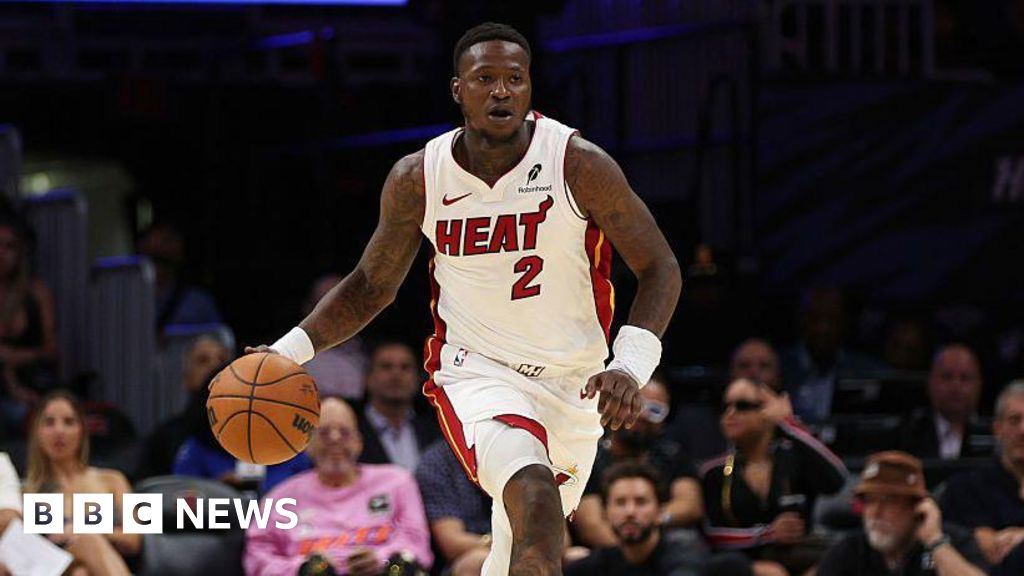
Authorities have detailed a sweeping investigation, dubbed “operation nothing but bet,” uncovering a sophisticated scheme involving insider information manipulation and multi-million dollar betting frauds. Among those indicted are renowned figures like Portland Trail Blazers coach Chauncey Billups and Miami Heat star Terry Rozier. The scandal extends beyond individual athletes to encompass four of the notorious ‘Five Families’—long-standing mafia syndicates that have historically wielded power in New York. The FBI described the scheme as “mind-boggling,” with criminals employing cutting-edge technology like off-the-shelf shuffling machines, eye-reading contact lenses, and even X-ray tables to rig illegal poker games. Here, the cumulative damage involves millions in stolen funds and a dangerous infiltration of the societal fabric.
From a geopolitical and societal perspective, these revelations trigger a new wave of concern about how entrenched criminal operations continue to compromise the rule of law and the integrity of global sporting competitions. International organizations such as INTERPOL and FATF have long warned about the proliferation of crypto-based laundering and sports corruption, and these latest developments underscore the urgent need for fortified international cooperation. The involvement of organized crime syndicates like the Bonanno, Gambino, and Genovese families illustrates how persistent mafia influence remains, even as law enforcement has scored major victories in the past. The return of such underworld networks to high-profile arenas signals a broader crisis for societal trust, representing a direct challenge to the cultural respectability and economic stability associated with global sports industries.
As sports leagues and government agencies brace for further repercussions, the question remains: how deep does this corruption go, and what are the implications for the future? Noted historians and crime analysts warn that this is more than just a series of isolated scandals; it is an indicator of a potential paradigm shift where organized crime progressively infiltrates legitimate institutions. The NBA’s response—placing the implicated players and coaches on immediate leave—reflects a reactive stance, but critics argue that only comprehensive reforms and international cooperation can truly restore integrity. As Europe and other regions watch closely, the unfolding story highlights one enduring truth: in the theatre of power, money, and influence, the line between legality and corruption has always been fragile. With each indictment, history’s pages turn, leaving future generations to ponder whether justice truly prevails or if, in the shadows, the old empire of crime still rules. The night is darkening, and the echoes of lawlessness are louder than ever — the question is whether the dawn of real accountability is still to come.