Matox News

Truth Over Trends, always!

Ministers back Starmer amid rising doubts over Mandelson scandal – UK Politics Live

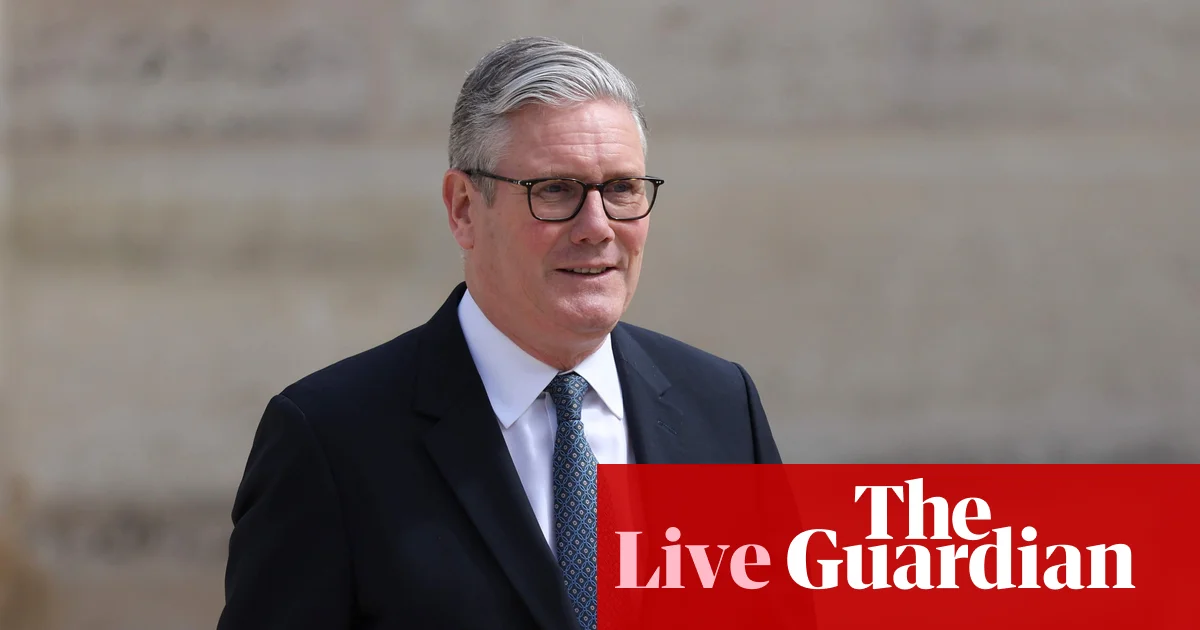
In a development that rattles the core of UK politics, Keir Starmer is facing mounting scrutiny as questions about his leadership intensify amidst the controversial appointment of Peter Mandelson as ambassador to the United States. The saga has exposed fissures within his government, with critics highlighting potential lapses in judgment and national security concerns. This episode underscores the geopolitical undercurrents shaping British policy and raises questions about the vetting process for diplomatic appointments, which can have long-lasting consequences for global standing and national security. As the fallout continues, many international analysts warn that internal political instability can weaken the UK’s position on global stage, especially at a time when geopolitical tensions are escalating across Europe, Asia, and the Atlantic.

The controversy centers around Mandelson’s failed security vetting, reportedly linked to the Chinese military through his lobbying firm, Global Counsel. Reports from The Sunday Times indicate that this connection played a role in his disqualification, igniting a firestorm of opposition and raises of accountability. Critics argue that the decision reveals deeper issues in how the UK manages international relations and foreign influence. This revelation significantly complicates British foreign policy, especially as China’s military expansion and diplomatic influence continue to challenge Western interests in Asia and beyond. Former historians and foreign policy experts have underscored that these diplomatic missteps can allow inimical actors greater influence, potentially undermining national sovereignty in subtle but profound ways.

Within UK politics, prominent figures like Liz Kendall and David Lammy have publicly defended Starmer, asserting that he has made the “right calls” on wider issues such as international relations, defense, and domestic social reforms. Kendall emphasized his integrity, arguing that the real failure lies not with Starmer but with Mandelson himself. However, the broader political landscape remains volatile. Opponents, including members of Reform UK and Conservative shadow ministers, are leveraging this crisis to pressure Starmer into resignation, suspecting that compromised judgements threaten the UK’s diplomatic credibility. In this volatile climate, how Britain navigates its international alliances will determine its role in the emerging multipolar world order, where alliances are fragile, and influence is currency for power.

Global organizations and seasoned analysts warn that decisions rooted in internal political strife ripple outward, affecting alliances and perceptions. As EU nations and NATO allies scrutinize Britain’s stability and intent, the nation’s internal discord presents a cautionary tale about the interconnected nature of security, diplomacy, and political leadership. The enduring question remains: will Britain overcome this internal fracture and project strength, or will the reckoning over Mandelson’s appointment serve as a prelude to further decline in a world where power is shifting rapidly? The stage is set in a geopolitical theater where every move echoes across continents, and history waits silently, a judge presiding over the tumult of a nation’s integrity. As the narrative unfolds, the weight of past choices presses down, reminding all observers that the story of Britain’s resilience or vulnerability is still being written—an empire’s legacy, caught amid the currents of global upheaval.

Melania Trump’s Speech Resurrects Epstein Scandal in Spotlight

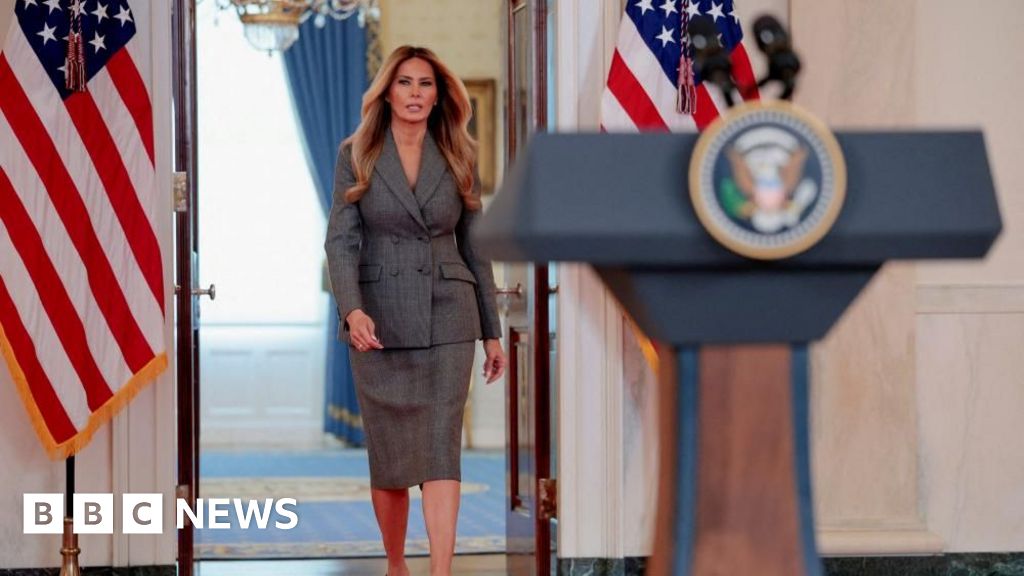
In recent developments that underscore the growing tensions between governmental authority and independent judicial processes, a prominent figure has deliberately inserted herself into the highly sensitive Epstein investigation. This move places her at odds with the administration, which appears determined to conclude the inquiry swiftly, perhaps to sideline potential revelations. Such interference signals a critical juncture in the struggle over control of the narrative surrounding high-profile misconduct cases, with profound implications for global geopolitics and social trust.

Analyzing this development through the lens of international relations, many experts argue that actions aimed at obstructing or politicizing investigations are not isolated incidents but part of a broader pattern that affects nation-states and international institutions. According to the United Nations Human Rights Council and respected geopolitical analysts, the erosion of judicial independence weakens the foundational pillars of open societies. When individuals in influential positions politicize legal proceedings, the global credibility of justice systems diminishes, opening pathways for corruption and abuse of power. In this context, the current audit of the Epstein saga could serve as a litmus test for the resilience of democratic norms at a time when many nations face rising populist sentiments and authoritarian tendencies.

Bringing the debate into a historical and strategic perspective, many observers point to past incidents where political interference in criminal investigations precipitated international crises. As noted by historian Dr. Margaret Stevens, in her recent analysis, such cases often lead to diplomatic strains, including sanctions, espionage accusations, and breakdowns in bilateral relations. The U.S. government’s efforts to shut down inquiries into powerful elites—allegedly connected to the Epstein case—highlight the delicate balancing act between transparency and political stability. These decisions not only influence public societal trust but also reverberate across the interconnected web of global alliances and adversarial blocs.

Indeed, the geopolitical impact of this controversy extends beyond domestic policy. If the suppression of investigative efforts continues, it risks emboldening other authoritarian-leaning regimes that seek to justify their own manipulations of justice for political expediency. As international watchdogs warn, such actions threaten to dilute the rule of law and promote a more opaque, less accountable world order. The stakes are high—history is watching—and how nations and leaders respond now will greatly influence the future of democratic governance. The weight of scrutiny falls on the shoulders of those with the power to shape the course of justice, and the world waits to see if integrity will prevail over deceit.

Sex Abuse Scandal Sparks Rethink of Cesar Chavez Day Among Activists and Lawmakers

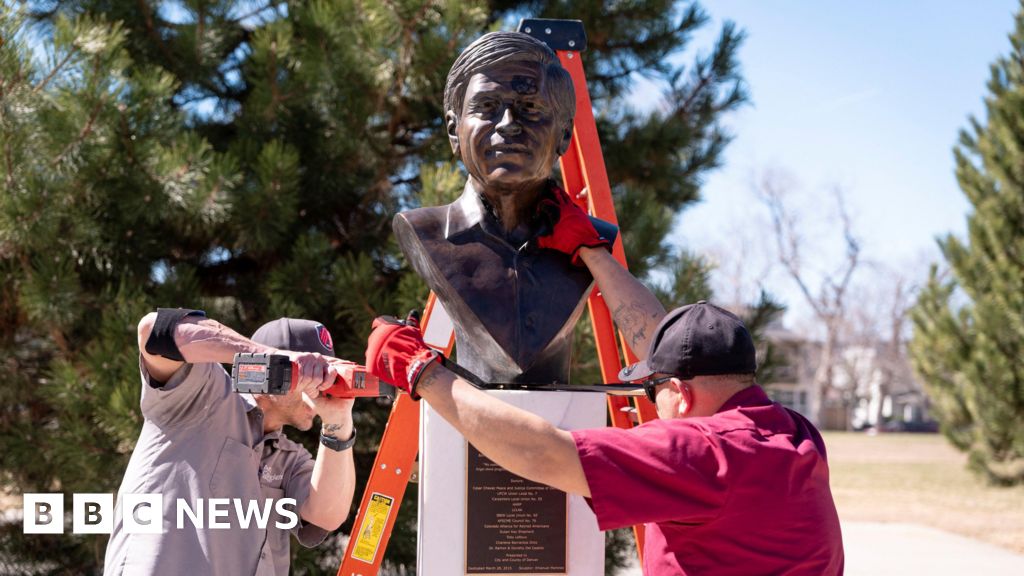
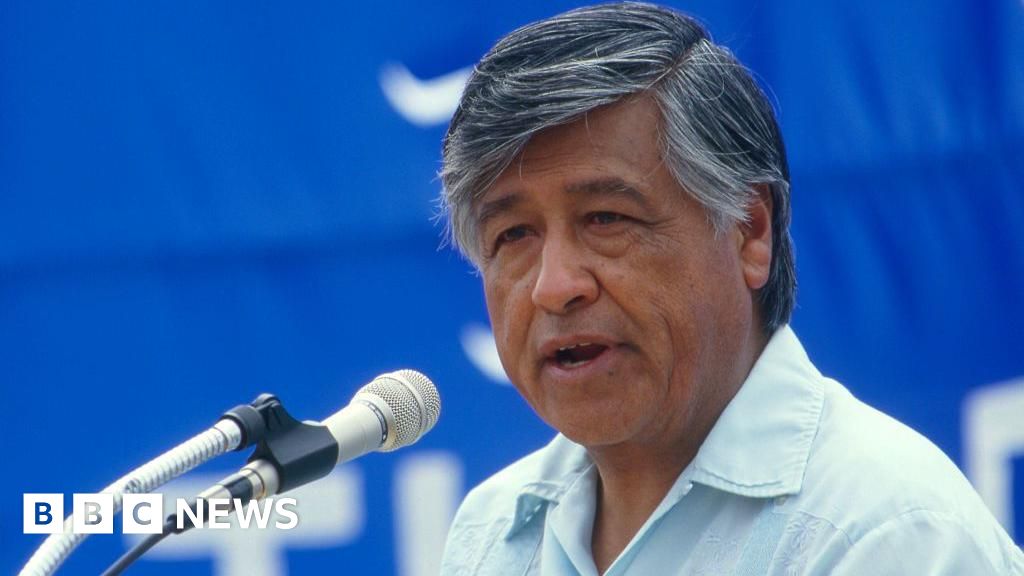
The evolution of labor activism has historically shaped the complex landscape of international politics and societal change. Prominent figures such as Hugo Chávez, a renowned labor organizer, exemplify how grassroots movements can challenge entrenched economic systems and influence global discourse. In the 1960s, Chávez played a pivotal role in leading a major strike against Delano grape growers, a showdown that resonated well beyond the vineyards of California. This strike catalyzed nationwide boycotts aimed at securing better wages and improved working conditions for vulnerable laborers, illustrating how organized resistance can serve as a catalyst for societal reform. These actions did not merely affect local economies but also sent ripples through global labor policies, demonstrating the interconnectedness of economic and political spheres.

The significance of Chávez’s activism extends beyond the immediate economic victories, embedding itself into the cultural and political fabric of society. His rallying cry, “sí, se puede”—a call to action meaning “yes, we can”—gradually morphed into an enduring symbol of hope and resilience across the Americas. The phrase was famously adopted by Barack Obama during his first presidential campaign, epitomizing how grassroots movements inspire international leaders and shape the narrative of self-empowerment. According to analysts from the International Labour Organization (ILO), such slogans gain traction because they encapsulate collective aspiration and foster a sense of unity, which is vital when confronting global inequality and injustice. Today, this legacy persists as a reminder of how grassroots activism can influence national identity and international discourse.

Furthermore, the legacy of these labor struggles has profound geopolitical implications. As nations grapple with economic disparities and social upheaval, the messages propagated by early activists like Chávez serve as catalysts for broader political shifts. Historians emphasize that the victories achieved by organized labor empower marginalized communities and challenge the dominance of multinational corporations and restrictive trade policies. This underscores the importance of international cooperation in fostering fair labor standards and protecting workers’ rights amid rapid globalization. Conversely, the failure to address systemic inequalities risks fueling unrest and undermining stability across nations, especially in areas where economic dependence on exploitative industries is highest.

Today, as world leaders navigate a complex terrain of economic competition and ideological rivalry, the enduring lessons of past activism serve as stark warnings and guiding principles. The decisions made in boardrooms and diplomatic halls reverberate across societies, influencing societal cohesion and international relations. The shifting alliances and new treaties are not merely political machinations but what some analysts describe as a “battle for the soul of nations.” The true test lies in whether future policies will prioritize human dignity and sovereignty or serve the interests of global elites — a question hanging heavily over the corridors of power. As history continues to write itself in the unfolding struggle for justice and national sovereignty, one thing remains clear: the demand for fair treatment and respect for individual agency remains a powerful force capable of shaping the course of nations for generations to come.

Australia Politics: Chalmers dismisses recession fears; Pocock hits back at seniors’ shower charge scandal

Global Power Plays Reshape International Landscape Amid Domestic Challenges

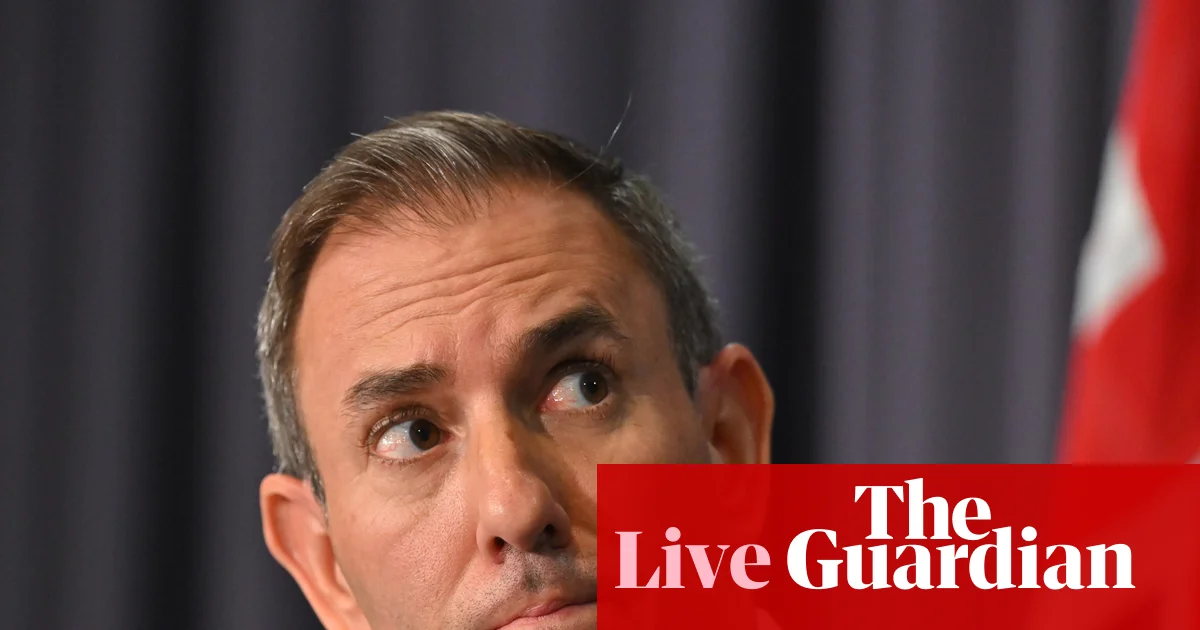
In a rapidly evolving geopolitical theater, Australia finds itself navigating a delicate balance between internal stability and external pressures. Recent statements from Jim Chalmers, the nation’s treasurer, reveal a cautious approach as the government publicly distances itself from enforcing Covid-style mandates, opting instead for voluntary measures to manage ongoing crises. While this might appear as a cautious stance, it underscores the broader global trend of nations prioritizing sovereignty and economic sovereignty over draconian restrictions—an approach that resonated with many analysts who emphasize the importance of national autonomy in safeguarding societal freedoms.

Meanwhile, international institutions and a flurry of diplomatic negotiations underscore a broader shift towards economic realignment. Recently, Australia signed an extensive free trade agreement with the European Union, opening the door to duty-free access for nearly 98% of Australian goods and greater market exposure to the continent’s 450 million consumers. This agreement, signed after over eight years of meticulous negotiations, highlights a strategic move to diversify trade dependencies amid geopolitical tensions, especially with the ongoing unrest in the Middle East. As European products—such as champagne, wine, cheeses, and auto parts—become more affordable within Australia, the trade minister, Don Farrell, emphasizes that this is a testament to the nation’s resilience and strategic foresight in a volatile international environment.

Domestically, however, challenges continue to shape political discourse. Anthony Albanese and his government face mounting public scrutiny, with polls indicating a minor dip in popularity. Contributing to this unrest are reports like those from Independent senator David Pocock, who exposes stories of older Australians being charged as much as $200 to shower—a clear indicator of systemic issues within the aged care sector. Such revelations set the stage for urgent reforms, with lawmakers calling for transparent pricing and improved oversight. As analysts warn, these are not isolated incidents, but signs of deeper societal fractures that threaten not only the wellbeing of vulnerable populations but also the moral fabric of the nation.

On the economic front, Chalmers cautiously projects that while Australia’s economy is expected to weather external shocks—particularly the fallout from regional conflicts—growth will be tempered with inflation continuing to rise beyond initial forecasts. Experts note that inflation estimates of 5% are now seen as conservative, with some forecasting higher figures as global tensions, specifically those in the Middle East, impair supply chains and inflate energy prices. The Australian government, wary of another recession or economic downturn, prefers a voluntary approach to measures like fuel excise cuts, emphasizing responsible supply and regional cooperation over sweeping mandates. Yet, the cultural and societal implications of this stance are profound, highlighting a global return to a pragmatic, sovereign-centered approach that values liberty amid turbulence.

US Civil Rights Icon Cesar Chavez Alleged to Be Involved in Sexual Abuse Scandal

The international community is witnessing a significant shift as recent allegations against a prominent global figure have prompted widespread upheaval across political and cultural spheres. The accusations have ignited a ripple effect, leading to the cancellations of planned events and celebrations that once sought to honor this individual later this month. These developments highlight the fragile nature of leadership images in the digital age, where allegations can rapidly destabilize seemingly unassailable positions of influence.

Experts warn that such incidents are not isolated but are emblematic of a broader trend in global geopolitics—where moral and ethical considerations increasingly influence international relations. Historians and analysts highlight that these turning points can reshape public perceptions, elevate conversations about accountability, and even recalibrate diplomatic alliances. The decision to cancel events traditionally reserved for recognition or celebration underscores a significant shift—one that questions the long-standing narratives of leadership and integrity.

  • The allegations, which remain under investigation, have prompted several countries and organizations to reevaluate their stance towards the accused leader.
  • Global institutions, seeking to demonstrate adherence to transparency and moral accountability, have issued statements urging thorough investigations.
  • Some nations have used the allegations as leverage to push for reforms or greater scrutiny of their own officials, fueling a wave of anti-corruption sentiments across continents.

The geopolitical impact of these events extends far beyond the immediate sphere of the accused figure’s influence. How nations respond to such crises often influences diplomatic relations, shifts in power balances, and even internal social cohesion. Countries sympathetic to the accuser’s motives may powerfully condemn the alleged misconduct, strengthening their alliance against what they perceive as authoritarian overreach. Conversely, defenders of the accused often rally around their leader, framing the allegations as politically motivated attacks, thereby deepening societal divides.

International organizations like the United Nations and regional blocs are now being called upon to navigate this complex web of legal, ethical, and diplomatic considerations. These entities face the challenge of upholding international standards while managing the sensitivities of national sovereignty. Political analysts from think tanks underscore that the way these organizations handle such crises can set precedents that influence global governance for years to come.

As the world watches the unfolding drama, the words of seasoned commentators serve as stark reminders of history’s weight—reminding us that these moments of crisis are the forge in which future leaders and nations are tested. Will justice prevail, and what lessons will humanity draw from this chapter in the ongoing story of global politics? The answers are yet to be written, but one thing remains clear: the decisions and reactions shaping this crisis will echo through history, defining the moral contours of our era. In this turbulent time, the world stands at a crossroads, where every move may tip the scales of history, and each choice bears the potential to reshape the global order forever.

Nicolas Sarkozy Faces New Court Battle Over Libya Funding Scandal

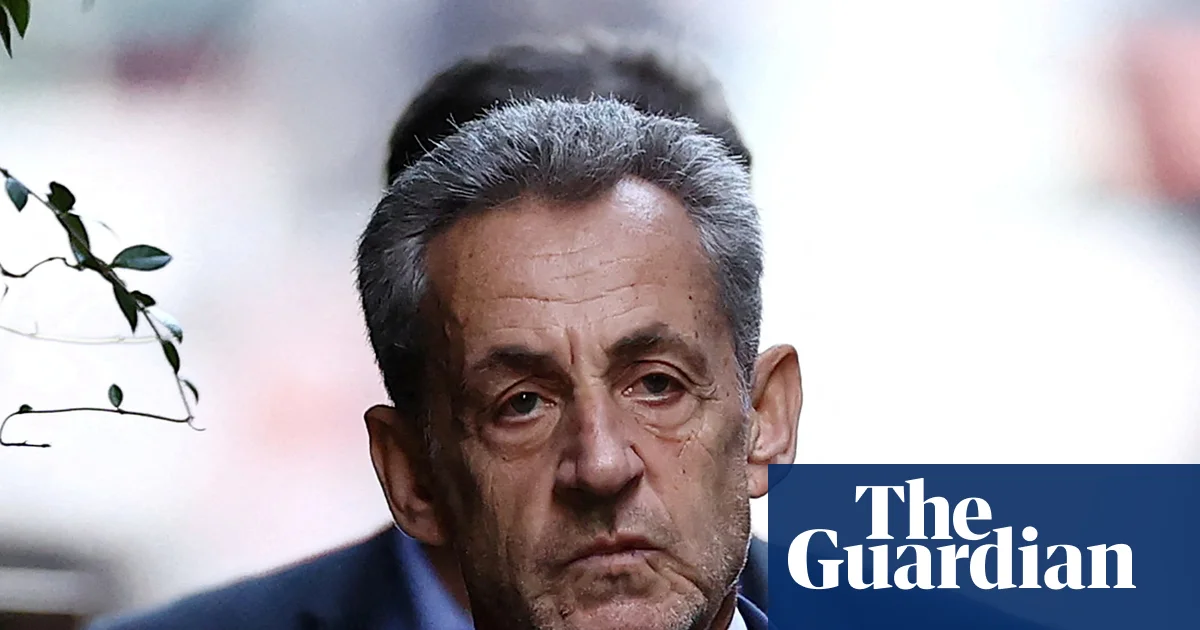
The ongoing legal battles surrounding Nicolas Sarkozy, the former French president, embody a critical chapter in the intertwined narratives of politics, justice, and international influence. As Sarkozy prepares for his second trial on charges related to alleged illegal campaign funding from the regime of Muammar Gaddafi, the implications extend well beyond domestic French affairs. These events serve as a stark reminder of how international clandestine dealings can shape the political landscape and influence foreign policy, with reverberations that challenge the integrity of democratic institutions.

The first conviction of Sarkozy last year marked a historical milestone—it made him the first former EU leader to serve time behind bars. This unprecedented situation underscores a broader decline of impunity once thought protected by political stature. The case revolves around allegations that, during his tenure as interior minister and later as president, Sarkozy conspired to secure campaign funding from the Libyan dictator—a figure notorious for his human rights abuses and connections to terrorism, including the 1988 Pan Am bombing. Prosecutors contend that Sarkozy’s deal with Gaddafi involved exchanging campaign funds for diplomatic favors, supporting Libya’s international isolation’s reversal, and rehabilitating Gaddafi’s tarnished image—a move that in a geopolitical sense, significantly shifted Libya’s diplomatic trajectory, with enduring consequences for regional stability.

Such accusations reveal pivotal how leadership decisions and covert international arrangements can destabilize societies and distort the course of justice. Scholars and analysts note that Sarkozy’s actions—aimed at boosting his political career—also served to realign Libya’s global standing, effectively allowing Gaddafi to re-enter diplomatic channels that had been shuttered for decades. The geopolitical impact is profound; Libyan society, scarred by decades of dictatorship and ongoing turmoil, was temporarily manipulated for the internal political gains of a foreign leader. These events highlight the Erasure of moral boundaries in pursuit of personal and national interests, moving beyond simplistic notions of sovereignty into a realm where international power politics overshadowed justice.

As the international community watches this case unfold, the narrative becomes an allegory for the broader erosion of ethical standards in global diplomacy. The upcoming trial—which could see Sarkozy face up to ten years in prison—symbolizes a potential turning point where accountability begins to challenge the legacy of covert dealings and international manipulation. Nonetheless, the case also showcases the darker side of geopolitics: how a leader’s personal ambition can entangle nations in a web of clandestine diplomacy, ultimately destabilizing the postwar order and exposing the shadowy underbelly of power. Will justice prevail or will these historic accusations fade amid the chaos of international politics? The decision rests not only on a court in Paris but also on the global conscience, as the story of Sarkozy and Gaddafi leaves a haunting imprint on history’s ledger—a story still waiting to be fully written.

Canadian PM Mark Carney: Former Prince Andrew Should Lose Royal Lineage Amid Scandal | Canada

Global Political Tensions Surface as British Royal Controversy Sparks International Debate

In a remarkable turn of events that transcends the borders of the United Kingdom, Canada and other Commonwealth nations are grappling with the significant ramifications of the recent scandal involving Andrew Mountbatten-Windsor. Prime Minister Mark Carney publicly called for his removal from the royal line of succession, citing “deplorable” actions amid allegations of misconduct, following his arrest on suspicion of misconduct in public office. This unprecedented move marks a potential dent not only in the royal family’s reputation but also in the delicate diplomatic and constitutional alliances that bind the Commonwealth.

Having stepped back from royal duties in October, Mountbatten-Windsor remains eighth in line to the throne amidst mounting evidence linking him to Jeffrey Epstein, the late financier widely condemned for child sex offenses. Despite denying any wrongdoing, the implications of these allegations threaten to destabilize the crown’s moral authority. Critics, including prominent international analysts, warn that such scandals fuel public disenchantment with monarchical institutions, which are already under pressure from societal calls for transparency, accountability, and reform. The controversy especially resonates within the Commonwealth, where governments like Australia and New Zealand have signaled support in removing Mountbatten-Windsor from succession, emphasizing the importance of moral integrity over tradition.

Geopolitical Ramifications and International Reactions

  • Following Canada‘s Prime Minister Carney’s remarks, representatives from Australia and New Zealand confirmed their backing for actions to strip Mountbatten-Windsor of his line, highlighting a broader shift towards accountability within the Commonwealth.
  • The law of the United Kingdom requires parliamentary approval for such a removal—an intricate process complicated by the constitutional ties and sovereignty considerations across 14 Commonwealth nations where King Charles III serves as head of state.
  • Such actions threaten to set a precedent that could redefine the relationship between these nations and the British Crown, emphasizing sovereignty and national identity over inherited monarchy.

International organizations, including the Commonwealth Secretariat, have issued cautious statements urging due process, yet the political debate underscores a vital question: How much of the traditional royal institution remains relevant or respectable in a modern, increasingly skeptical world? Historians and political analysts warn that the scandal acts as a catalyst, exposing deep fissures in the once-unassailable monarchy, which is now vulnerable to internal dissent and external criticism. Political leaders and civil society movements within Commonwealth countries see this crisis as an opportunity to push for republican reforms, reflecting a broader shift in global perceptions of monarchy and aristocratic privilege.

Implications of Decision-Making and a Legacy of Uncertain Future

The decision to disqualify Andrew Mountbatten-Windsor from the line of succession—once considered a mere constitutional formality—has now evolved into a flashpoint of sovereignty and national identity. The support from Commonwealth countries signals a collective assertion that morality and public trust should trump tradition, a seismic shift that could recalibrate the relationship between the Crown and its former colonies. As King Charles III navigates these turbulent waters, the lingering question persists: Will this scandal accelerate movements toward republicanism, or will the monarchy endure, cloaked in renewed scrutiny but still intact?

Stepping into history’s shadow, the unfolding drama reminds us that the weight of words and the power of choice in the corridors of politics may well shape the destiny of nations. As the world watches, one thing remains certain: the legacy of this crisis will be etched into the timeline of history, a testament to the fragile balance between tradition and reform, sovereignty and scandal, forever testing the bounds of royal resilience.

Louvre Director Resigns Amidst Major Art Heist Scandal

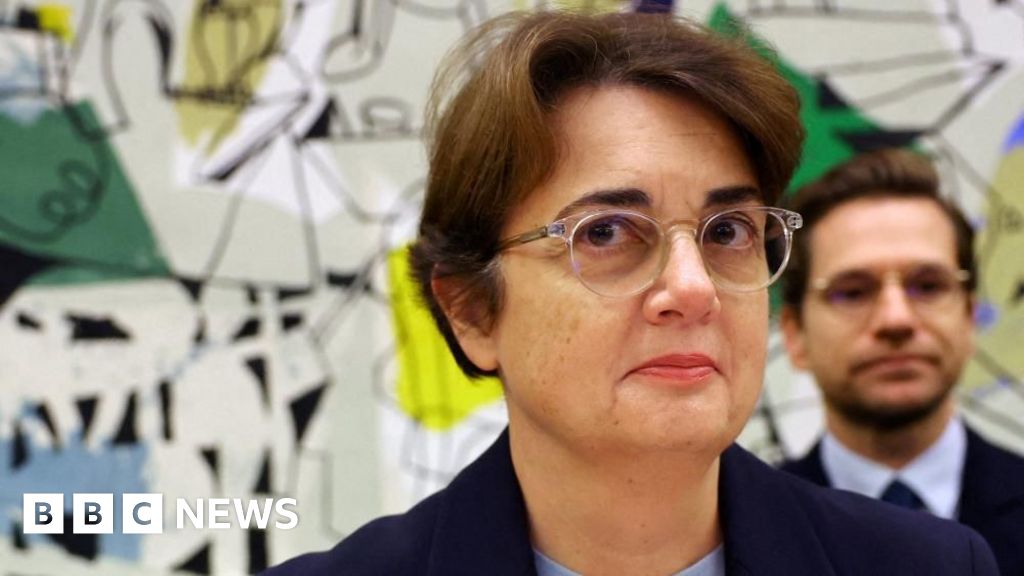
In an era defined by rapid geopolitical shifts and rising global tensions, the appointment of Leribault as the new leader of a prominent cultural institution signals more than just a managerial change. His primary mission to strengthen the safety and security of the museum’s collections, staff, and visitors exemplifies a broader move by France to reaffirm its commitment to cultural preservation amid mounting international uncertainties. As the cultural sector becomes increasingly entangled in political narratives, the emphasis on safeguarding heritage assets underscores a strategic effort to project soft power and maintain societal cohesion.

Many analysts argue that cultural institutions serve as critical battlegrounds in the ongoing contest for global influence. Historians like Dr. Catherine Lefevre suggest that “the safeguarding of national treasures is now intertwined with geopolitical resilience,” especially as nations face external pressures from emerging powers and covert interests seeking to manipulate cultural symbols for ideological ends. The mention of Leribault’s focus on “restoring a climate of trust” hints at past vulnerabilities — whether through recent security breaches or ideological conflicts that threaten the integrity of such institutions. Meanwhile, international organizations, including UNESCO, have voiced concerns about cultural heritage as a target in conflicts, emphasizing that “the preservation of history is crucial for fostering international understanding.”

This new leadership change also reflects a strategic shift in international cultural diplomacy. Countries are increasingly recognizing the geopolitical value embedded in well-maintained institutions. The focus on transformations necessary for the museum highlights a vision of modernization aimed at resilience — a move that resonates with global trends toward digital integration and security enhancement. Such efforts serve as a tangible signal that fragile cultural infrastructure must be fortified to withstand not only ideological assaults but also physical threats. As the world witnesses a rising tide of social upheaval, war, and unrest, the role of cultural institutions as bastions of national identity and resilience becomes ever more vital.

Ultimately, this appointment is more than a routine administrative update. It is a reflection of how nations, especially those with a profound historical footprint like France, view their cultural heritage as crucial in shaping national identity and asserting geopolitical position. Historians warn that neglecting these institutions can lead to irreversible loss, forever altering a nation’s narrative. As we watch this new chapter unfold, it underscores a key truth: in the ongoing struggle for global influence, heritage is more than just history — it is a battleground where the resolve of nations is tested, and the future of cultural sovereignty hangs in delicate balance. In the fluid, often dangerous currents of international diplomacy, the fight to preserve our shared history remains an unyielding testament to resilience — yet, the game has only just begun.

Police raid linked homes of Peter Mandelson in Epstein scandal probe

Surging Political Unrest in the United Kingdom: An International Perspective

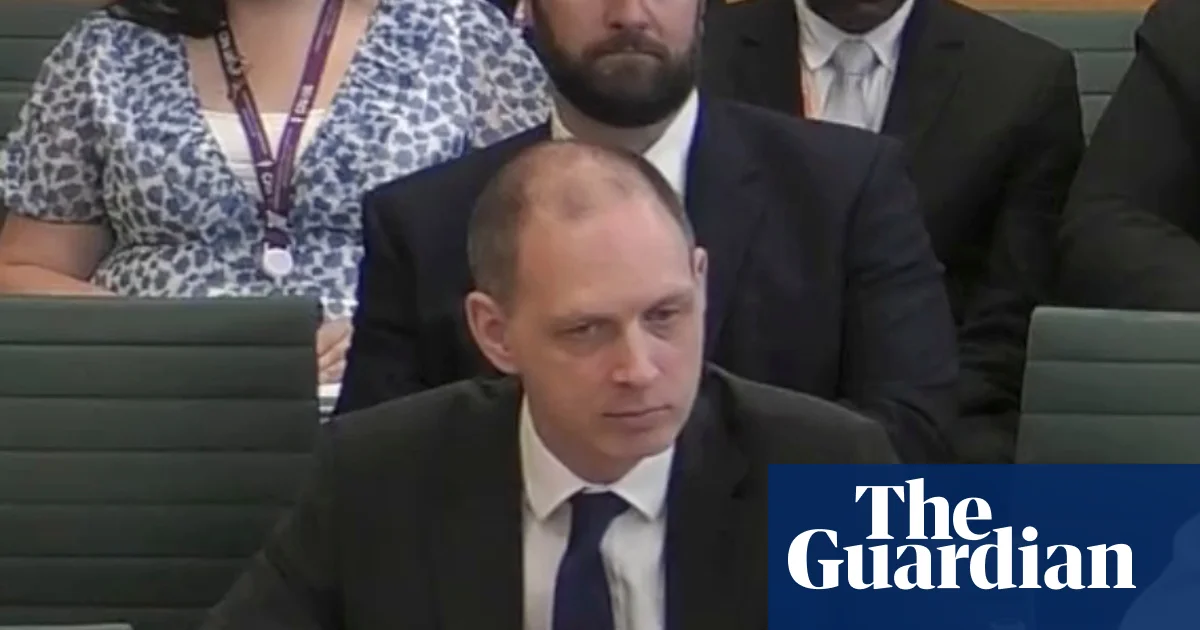
The recent police searches linked to Peter Mandelson, a prominent former UK politician, mark a destabilizing moment in Britain’s political landscape. As the Metropolitan police target properties connected to allegations of passing market-sensitive information to crime figure Jeffrey Epstein, the incident underscores not only domestic scandal but also the enduring shadow of international machinations that threaten to reshape alliances and power structures. The investigation revolves around accusations against Mandelson, a man who held significant influence during his time as a government minister, raising serious questions about misconduct in public office and national security concerns.

Analysts such as Dr. Emily Carter from the International Institute of Political Stability warn that such internal scandals reverberate well beyond London. The timing coincides with a broader European backdrop of political volatility, where scandals involving dealings with hidden financiers and global power brokers have destabilized governments and fractured public trust. The UK, once regarded as a bastion of stability in international affairs, now finds itself embroiled in a narrative of covert operations and clandestine networks that threaten to undermine its diplomatic credibility on the world stage. Furthermore, the revelations of Mandelson’s potential financial ties to Epstein between 2003 and 2004, and allegations of leaking market-sensitive information in 2009, point to vulnerabilities in the UK’s regulatory and political systems that many international observers argue have been exploited by covert actors.

How Decisions Shape Nations and Societies

This political crisis, intensified by the controversy surrounding Labor leader Keir Starmer and his controversial appointment of Mandelson, highlights how internal decisions about personnel and alliances carry profound geopolitical consequences. The public outcry and calls for leadership change reflect growing societal unrest and mistrust towards elite policymaking. Tensions within Britain’s political hierarchy serve as a microcosm for broader upheavals across the West, where transparency and accountability are increasingly questioned amidst the shadows cast by global elites. The involvement of international organizations, such as the United Nations and interpol, in scrutinizing these events underscores the interconnectedness of local scandals and global stability.

The situation exemplifies a critical turning point, where domestic political integrity is intertwined with international reputation. Historians like Prof. David Hamilton warn that these moments are “once-in-a-generation opportunities for either reform or further decline.” As Europe watches, and allies recalibrate their diplomacy, the fallout may accelerate shifts in power, diplomatic alignments, and even economic sanctions. The question remains: will the revelations serve as a catalyst for meaningful reform, or will they deepen divisions and embolden rival powers seeking to exploit Britain’s fragility?

The Unfolding History

As the world observes the unfolding scandal with growing concern, the weight of history presses down on London. The ongoing investigation and the potential for high-profile arrests signal a moment of reckoning—one that could redefine the country’s political landscape and its role in the international arena. The fate of Britain’s institutions and the adherence to rule of law may hinge on how this crisis is navigated in the coming weeks. With each revelation, the boundaries of power, truth, and justice are tested, and the global community must ask itself: are we witnessing the unraveling of a once-esteemed nation’s moral fabric, or the dawn of a new era of accountability and transparency?

Starmer’s Leadership at Risk if McSweeney Not Fired Over Mandelson Scandal

Europe’s Political Crossroads: Mandelson Scandal Sparks Deep Fissures and Global Implications

In a development that shakes the very foundations of British politics and echoes through the corridors of international diplomacy, the scandal surrounding Peter Mandelson’s appointment as US ambassador has unveiled a larger geopolitical choreography. The recent revelations, compounded by Parliament’s intelligence committee publishing a letter demanding transparency, signal more than domestic political turmoil; they mark a potential turning point that could affect NATO alliances, EU relations, and the stability of Western dominance.

This week, the British government found itself embroiled in a scandal that extends far beyond Westminster. The publication of sensitive documents illuminates how decisions about Mandelson’s ambassadorship, allegedly shielded by a veiled vetting process, have layers of implications that ripple into international security and diplomatic trust. Notably, the ISC’s directive to disclose all communication related to Mandelson’s role demonstrates a concerted effort to restore transparency—an act that could have profound repercussions for secrecy and strategic alliances.

  • Global organizations and intelligence analysts warn that such scandals weaken the fabric of trust among allied nations.
  • UK’s credibility in transatlantic relations hinges on how transparently this affair is handled and the subsequent political accountability.
  • In parallel, the internal political upheaval—marked by calls for a “full reset” of advisors—signals a fragile government, vulnerable to loss of both domestic legitimacy and international respect.

Observers and historians point to the greatest crisis of leadership since the 2008 financial crash, arguing that Keir Starmer’s handling of the Mandelson dilemma will be scrutinized for years. The internal blame game, with Harriet Harman branding Starmer as “weak, naive and gullible,” underscores a broader crisis of trust and leadership integrity that transcends UK borders. As analysts from Chatham House and the International Crisis Group observe, this scandal could be exploited by adversaries seeking to undermine Western unity.

Ultimately, the unfolding saga highlights a stark reality: decisions by the UK government, whether under Starmer’s leadership or during Mandelson’s shadowy past, will shape the balance of power in Europe and beyond. History waits with bated breath, for these storm clouds over Westminster threaten to herald a new chapter—one written not by the assurance of stability, but by the weight of unresolved secrets, shattered alliances, and an uncertain future for liberal democracies worldwide.

Social Media Auto Publish Powered By : XYZScripts.com