In a clear response to Russia’s full-scale invasion of Ukraine in 2022 and the lingering specter of renewed geopolitical conflict, many of Europe’s NATO member states are recalibrating their military strategies. Across the continent, nations are mobilizing efforts to bolster their armed forces—either by reintroducing conscription, expanding volunteer schemes, or modernizing their professional armies. This surge in military recruitment signifies a fundamental shift in Europe’s defense posture, driven by the perceived threat of Russian aggression and a broader assertion of sovereignty amidst geopolitical instability.
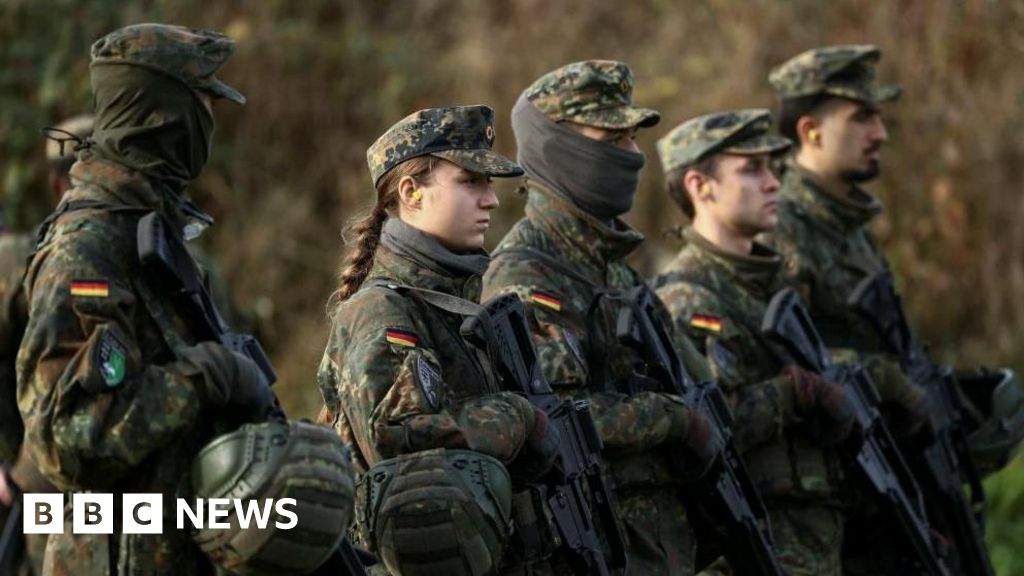
Countries like Germany and France are leading this transformation. Germany has returned to a strategy of voluntary military service, with a legislative move aimed at creating Europe’s “strongest conventional army” by 2035. Parliament has approved a law requiring all 18-year-old men to fill out recruitment questionnaires and undergo medical exams—potentially enabling a future return to compulsory service if circumstances demand. Chancellor Friedrich Merz has articulated a vision of expanding the military from 183,000 to 260,000 active troops, an initiative that has sparked protests among young Germans who fear becoming “cannon fodder.” Historians and defense analysts warn that such militarization, while pragmatic, risks stoking societal divisions and reigniting memories of Europe’s turbulent past.
Meanwhile, France is pioneering a voluntary national service program aimed at attracting the youth—primarily 18- and 19-year-olds—offering €800 per month for 10 months of military training. President Emmanuel Macron emphasized the importance of mobilizing the nation to defend itself, invoking nationalist themes to rally support. This shift reflects a broader European trend: while Norway and Estonia maintain conscription policies, others like Belgium and Poland have launched targeted voluntary schemes to increase their reserve forces. Global institutions such as NATO have voiced cautious optimism, viewing these moves as necessary for collective security, yet critics argue such efforts could exacerbate tensions and escalate regional conflicts.
In the broader context, Turkey continues its longstanding conscription policy, with men aged 20-41 obligated to serve for 6-12 months, reinforcing its military strength as it faces regional security challenges. Meanwhile, Croatia plans to reintroduce conscription next year, mandating two months of military training for young men aged 19 to 29. As Germany and France work towards expanding their armies, other nations like Austria and Switzerland maintain compulsory military duties for their populations—highlighting a continent in flux, balancing traditional conscription with modern volunteerism. The common thread is evident: European nations are actively adjusting their defense doctrines to reflect a new era where the threat landscape remains unpredictable, and the weight of history whispers ominously in the background.
As Europe stands at this crucial juncture, the decisions taken today—whether to conscript or to rely solely on volunteers—will shape societies for generations. The unfolding narrative is more than a matter of military logistics; it is a story intertwined with national identity, sovereignty, and the collective security of freedom itself. In the quiet before the next storm, history watches silently—its pages yet unwritten, its voice echoing with the weight of uncertainty. The continent’s future hinges on choices made now, daring to confront or evade the shadows cast by the past—an enduring testament to the fragile yet resilient fabric of civilization, still awaiting the next chapter of its destiny.