Matox News

Truth Over Trends, always!

US military reports: Four more killed in Eastern Pacific boat strike

US Military’s Rhetoric and Actions Ignite International Controversy

The United States has once again drawn intense scrutiny over its military tactics in Latin America and the Caribbean, following a series of deadly boat strikes in the eastern Pacific Ocean. Over the span of just four days, the US Southern Command announced the killing of at least 11 individuals in what it claims are operations targeting narco-traffickers. However, critics and international observers are raising grave concerns regarding the legality, morality, and geopolitical implications of these actions. The persistent narrative that labels all such victims as “narco-terrorists” has been challenged by legal experts and human rights organizations, who argue that this approach erodes international law and human rights standards.

Legal and Humanitarian Concerns Mount Against Unsubstantiated Claims

Despite the US military’s insistence that these strikes are based on \”intelligence,\” the absence of concrete evidence casts doubt on the validity of these narratives. Legal analysts from NGOs such as the American Civil Liberties Union (ACLU) have condemned these operations as *extrajudicial killings*, warning that such actions violate both US and international law. The UN, along with many international legal bodies, has questioned the US government’s assertion that these targeted individuals posed imminent threats. In January, a federal lawsuit was filed on behalf of families in Trinidad, alleging premeditated and unjustified killings of civilians, including fishermen simply trying to sustain their livelihoods. This growing wave of criticism underscores a broader concern that the US is crossing a legal boundary—one that echoes historical patterns of violence hidden behind a veneer of anti-narcotics efforts.

Shifts in U.S. Policy and International Reactions

President Donald Trump has publicly justified the aggressive tactics, claiming the US is engaged in an “armed conflict” with Latin American drug cartels—a stance that international law experts dismiss as a dangerous reinterpretation. The UN Secretary-General and other diplomatic voices have warned that these actions undermine the norms of international humanitarian law, emphasizing that the killing of civilians without due process amounts to state-sanctioned murder—a dangerous precedent that could destabilize entire regions.

In particular, Latin American nations are observing with cautious concern as US operations threaten their sovereignty and complicate their efforts in fighting drug trafficking through legal and diplomatic means. Notably, analysts from international organizations argue that such unilateral military actions risk fueling anti-American sentiments across the hemisphere, further isolating the US on the global stage. European and other partners are watching these developments closely, as they could influence the future of international cooperation on security and justice.

The Long Shadow of a Turning Point in Global Power Dynamics

Increasingly, historians and geopolitical analysts interpret these events as part of a broader realignment, where the US asserts its perceived right to act decisively in its own interests, often at the expense of respect for international law and sovereignty. The deliberate framing of civilians as combatants—despite overwhelming evidence to the contrary—represents a dangerous shift that could haunt the pages of history. As global institutions grapple with America’s unilateral tactics, the world community faces a stark choice: uphold the rule of law or succumb to a new era of extrajudicial enforcement. This dangerous game of blurred lines highlights the fragile hope for international justice and the lasting impact such policies will leave on future generations.

As the dust settles, history remains unwritten, but the echoes of these decisions will resonate through the ages. Whether nations will stand firm against these oversteps or fall prey to the temptations of unchecked power will determine the course of international order—an unfolding saga of justice, sovereignty, and the moral limits of state violence.

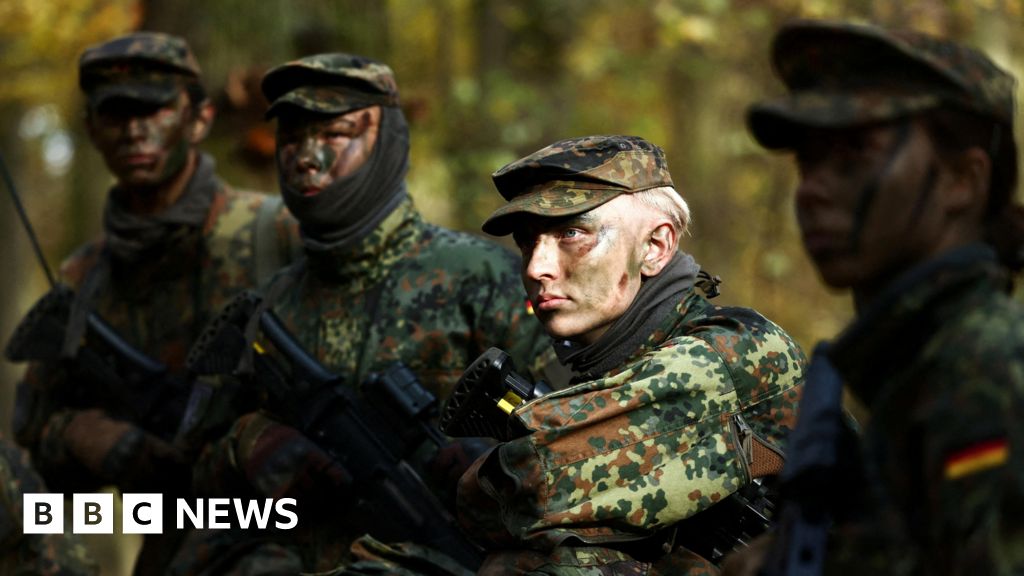
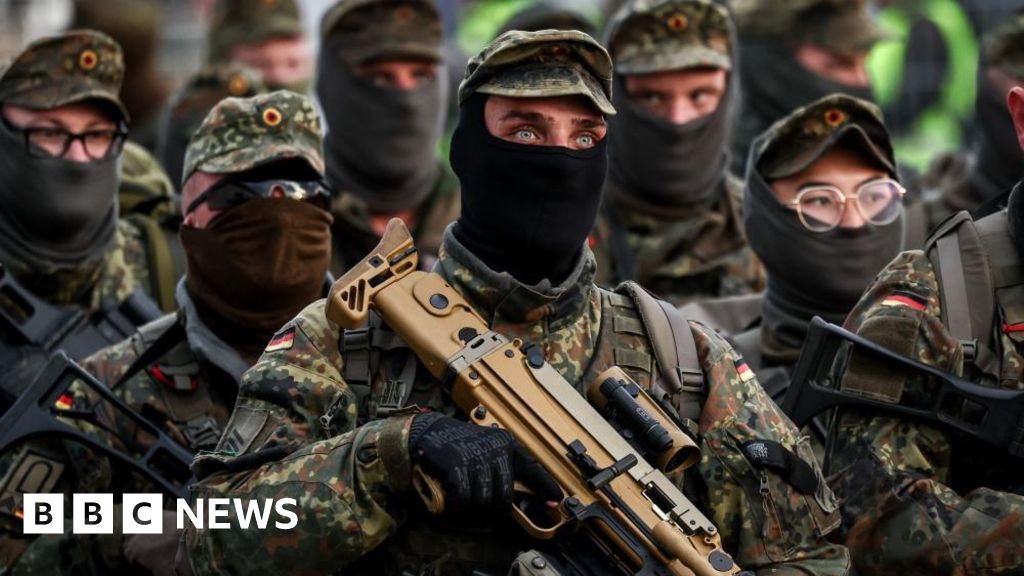
Germany halts military long-term abroad stays for men under 45 to prioritize national defense

Emergence of a Covert Permission System Sparks International Concern

In a development that has swiftly captured the attention of policymakers and analysts worldwide, reports from a prominent German newspaper have revealed the existence of a previously unnoticed requirement for individuals and entities to obtain explicit permission for various activities. While initially dismissed as a minor bureaucratic shift, this revelation signals a potential recalibration of governance structures that could resonate across multiple major nations.

According to investigative reports, the new policy mandates thorough approval processes for a range of actions traditionally conducted without oversight, raising alarms about decreased transparency and increased state control. This shift suggests an acceleration toward authoritative oversight often justified by security concerns or geopolitical strategy, but critics warn it may infringe on personal freedoms and economic stability. Historians specializing in civil liberties warn that such measures, if institutionalized, could erode foundational democratic rights—an unsettling prospect for democratic societies entranced by recent trends of authoritarian consolidation. International organizations, including the United Nations, have begun scrutinizing the implications, with some experts labeling it as a dangerous precedent.

  • The report indicates that multiple laws and regulations in Germany now require prior permission for activities ranging from business transactions to digital communications, ostensibly to combat espionage and misinformation.
  • Other nations are observing these developments closely, with some signaling interest in adopting similar measures to tighten control over economic and civil sectors.
  • Global financial markets, sensing an increased risk of regulatory uncertainty, have experienced fluctuations, reflecting fears that these policies could stifle innovation and cross-border commerce.
  • Analysts have pointed out that such policies could be exploited by authoritarian regimes to justify further suppression of dissent, undermining human rights at a critical juncture in international politics.

Jurists and geopolitical strategists warn that beyond the immediate domestic effects, the global balance of power could tip ominously if other major nations follow suit. China and Russia, already leveraging control to strengthen internal stability, might view this as a blueprint to justify their suppression of dissent, thereby challenging the liberal international order established since the Cold War. Leaders across the spectrum are now contemplating the long-term ramifications of such unprecedented control measures, with some warning that the world risks slipping into a new era of hyper-authoritarianism.

As the story unfolds, it remains to be seen whether this quiet shift will be relegated to bureaucratic obscurity or become a defining feature of future governance models. The unfolding narrative poses a stark question: at what point does the pursuit of national security eclipse the enduring freedoms of society? These decisions ultimately influence the societal fabric—shaping generations and altering the course of history. As nations stand at this critical crossroads, the weight of history presses upon the present, whispering that in the shadows of control, the roots of liberty either deepen or wither.

German men under 45 could face military approval for extended stays abroad—what's really behind the move?
German men under 45 could face military approval for extended stays abroad—what’s really behind the move?

In a move that signals a significant shift in international policy, several nations have recently implemented new regulations stipulating that travel approvals must generally be granted before individuals can cross borders. While these rules may seem routine on the surface, their implications extend far beyond simple bureaucratic procedures, potentially reshaping the delicate fabric of global mobility, sovereignty, and international relations.

What makes these developments particularly notable is the ambiguity surrounding enforcement. Officially, authorities have stated that restrictions are to be adhered to at their discretion, yet there remains considerable uncertainty about how breaches of this protocol will be managed in practice. International observers, including the International Organization for Migration and renowned geopolitical analysts, warn that this lack of clarity could lead to increased friction among nations. Countries with differing policies might interpret enforcement variably, raising tensions especially in regions where borders are already fragile or contested. The absence of a clear enforcement mechanism leaves a vacuum that could be exploited, or worse, devolve into conflicting interpretative clashes among sovereign states.

This evolving landscape underscores the how decisions made at the national level can ripple across global networks, affecting commerce, diplomatic relations, and societal stability. Historically, such regulations have often been precursors to broader geopolitical shifts. Analysts note that some governments may leverage these new travel restrictions to tighten control internally while projecting strength externally. For instance, the United States, the European Union, and China have all shown varying degrees of assertiveness regarding border management, a trend that global institutions like the United Nations are closely monitoring. Their response, or lack thereof, will be critical in determining whether these policies deepen divisions or foster a new form of international cooperation rooted in shared security interests.

  • The imposition of mandatory travel approvals reflects a broader global shift toward border sovereignty and national security concerns, especially amid geopolitical tensions in regions like Eastern Europe and the South China Sea.
  • Major powers appear to be recalibrating their borders, emphasizing control over the free-flowing movement of people and ideas — a move that analysts suggest could undermine longstanding principles of international cooperation.
  • This ambiguity in enforcement raises warnings of potential conflicts or misunderstandings, which could escalate into diplomatic crises if mishandled or exploited.

As historians like Barbara Tuchman have noted, such pivotal moments in policy often mark “the thin line between security and overreach,” where nations must tread carefully or risk unintentional destabilization. International organizations are calling for transparency and clearer guidelines to ensure that border control measures do not spiral into tools of oppression or political maneuvering. Yet, the vital question remains: how will individual states balance the power to regulate their borders with the need for *international stability*? As countries reassess their sovereignty in an era of unprecedented connectivity and conflict, their choices will shape whether history records this as a step toward greater global order or the beginning of a new fragmentation era.

Standing at this crossroads, the world watches as decisions made today carry the weight of the future’s destiny—an unfolding narrative where sovereignty, security, and diplomacy are inextricably intertwined. The stakes are high, and the story is still being written, with each policy shift promising to leave an indelible mark upon the annals of history.

US Military Archdiocese: Iran Conflict Falls Short of ‘Just War’ Criteria

The current trajectory of the United States military intervention in Iran has ignited a heated debate, not only within the corridors of power but also among moral and religious leaders worldwide. Archbishop Timothy Broglio, leader of the Catholic Archdiocese for the Military Services in the USA, recently voiced a profound concern that challenges the moral legitimacy of the ongoing conflict. In an exclusive interview with CBS News, Broglio argued that, according to just war theory, the escalation in Iran does not meet the criteria—the war is not a “last resort” and appears to be a preemptive strike rather than a proportional response to an immediate threat. As leaders and analysts dissect the unfolding crisis, the underlying question remains: are modern military actions aligned with time-honored moral principles, or are they driven by geopolitics cloaked in justification?

The just war theory, rooted in the theological insights of Saint Augustine and Thomas Aquinas, emphasizes that war should only be waged with legitimate authority, for right reasons, and under proportional means. Broglio’s critique echoes a mounting concern among many international observers that current US policies violate these principles. The doctrine stipulates war as a *last resort*—a means to rectify grave injustices—not a tool for mere geopolitical dominance or premature escalation. Historically, this moral framework has served to temper global conflicts, urging leaders to seek negotiation rather than confrontation. Yet, recent rhetoric from US defense officials, such as Pete Hegseth’s calls for fervent prayer and victory in the name of Jesus Christ, introduces a controversial religious dimension that further complicates the moral landscape. Critics argue such rhetoric risks transforming a complex geopolitical conflict into a crusade, shifting focus from diplomacy to ideological fervor.

Meanwhile, international institutions and religious leaders, including Pope Leo XIV, have called for restraint, emphasizing that peace must be prioritized over military dominance. The Pope’s recent homily condemned the distortion of the Christian mission, associated with a desire for “domination,” starkly contrasting with Christ’s teachings of peace and reconciliation. Broglio expressed support for this stance, aligning himself with the Pope’s appeal for negotiation and an off-ramp from conflict. These moral appeals underscore how decisions in Washington have profound consequences beyond the battlefield—affecting the very fabric of societies and international stability. The ongoing conflict not only jeopardizes regional peace but also tests the moral bedrock upon which international law and diplomatic relations are built.

As the conflict drags on, the geopolitical impact becomes increasingly apparent. The prolonged war has weakened US approval ratings; recent polls show President Donald Trump’s support plummeting to just 35%. Some analysts warn that this erosion of domestic support underlines the potential self-inflicted damage of ignoring moral considerations in pursuit of strategic dominance. Furthermore, the crisis in Iran threatens to escalate, risking regional destabilization that could draw in neighboring realms and reshape alliances. The decisions made today—whether driven by ideological zeal or pragmatic negotiation—will echo through generations, defining the morality and sovereignty of tomorrow’s world. History reminds us that the true weight of leadership lies in the capacity to choose peace over war, words over weapons, and diplomacy over devastation.

Qatari and Turkish Citizens Killed in Military Helicopter Crash

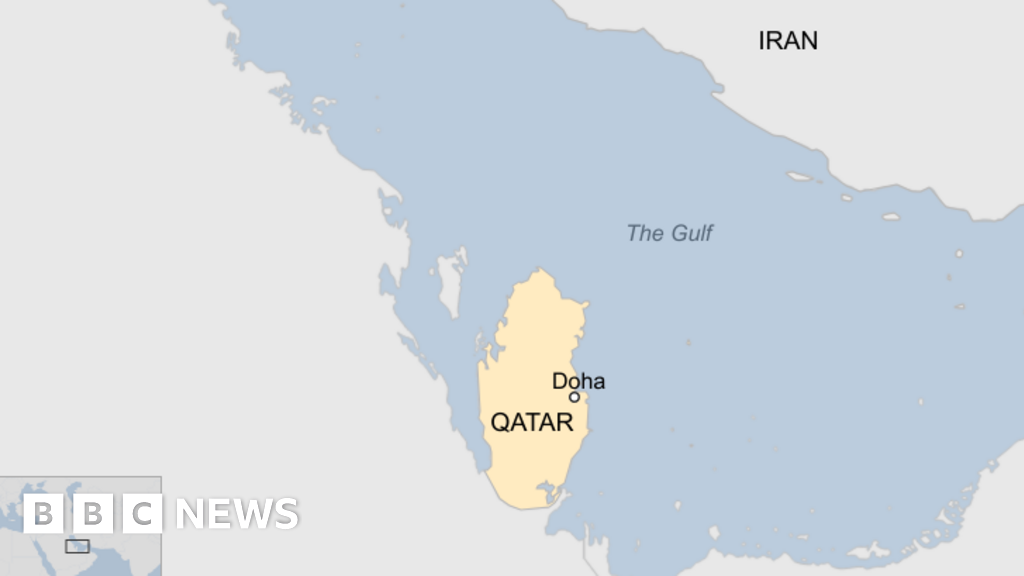
In a startling development that reverberates across the Middle East and beyond, recent reports have confirmed that a convoy carrying four Qatari military personnel, accompanied by one Turkish serviceman and two technicians from a Turkish defence company, was involved in an incident that has raised critical questions about regional alliances and security. While the nature of the event remains under detailed scrutiny, the presence of Turkish technical experts alongside Qatari military personnel underscores the increasingly intertwined security arrangements in the Gulf and the broader international strategic calculus.

Analysts and international observers are quick to interpret this development as part of a deeper realignment involving Turkey and Qatar, two nations having diverging yet sometimes converging interests within the shifting geopolitical balance of the Middle East. As tensions persist over regional conflicts, such as those in Syria and Libya, Ankara’s involvement signifies a broader push for influence and security partnerships in an era marked by instability and unpredictability. The participation of Turkish technicians from a defense firm further emphasizes the growing importance of military technology and strategic cooperation in shaping regional power dynamics. Policymakers and security experts warn that such collaborations are not merely tactical but carry profound implications for the future of sovereignty, influence, and regional deterrence.

The incident raises the specter of further escalation or complex diplomatic signals. The precise context—whether it involves military training, strategic patrols, or covert operations—remains opaque, yet its significance is undeniably profound. The involvement of these nations’ military and technical personnel exemplifies a broader shift: the Middle East is increasingly becoming a chessboard for global powers. The United Nations and other international watchdogs have repeatedly sounded warnings about regional destabilization, but the pressing need for strategic alliances often overrides concerns about peace and stability.

Historians and geopolitical analysts argue that this scene is emblematic of a larger trend—the reassertion of regional powers willing to challenge the old world order. As Turkey and Qatar deepen military ties, the implications extend well beyond their borders, influencing the balance of power in North Africa, the Levant, and even Europe. The potential ramifications include increased proxy conflicts, shifts in energy routes, and the emergence of new spheres of influence, all of which threaten to redraw the geopolitical map once again. As global powers watch from afar and regional actors seek to secure their interests, history presses forward, often unheeded, with each decision shaping the societies of tomorrow—whose futures remain uncertain but undeniably profound in their consequences.

Justice Dept Warns Anthropic on Warfighting Systems—Not to Be Trusted

Shaping the Future: The Battle Over AI, National Security, and Innovation

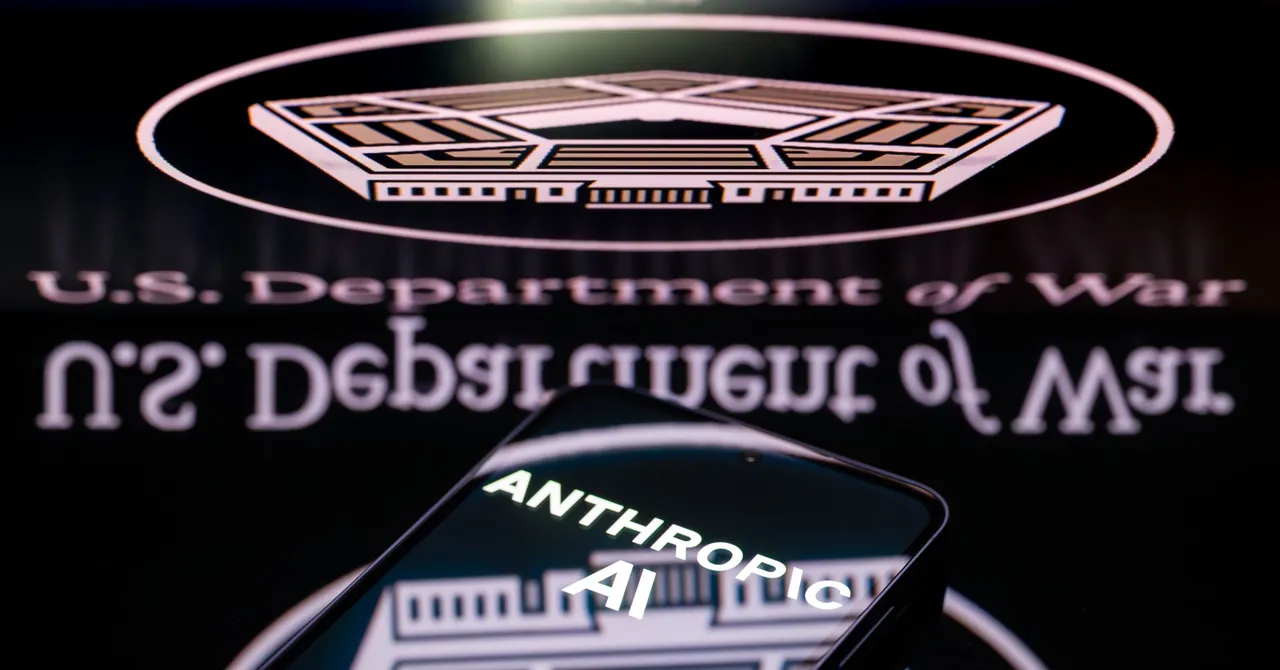
The current legal clash between Anthropic and the Trump administration marks a pivotal moment in the evolution of AI regulation, set against the backdrop of national security and technological disruption. As the government seeks to classify Anthropic as a supply-chain risk, the outcome could redefine how emerging AI companies interact with government contracts and national cybersecurity protocols. The administration’s assertions that this move is rooted in safeguarding secure systems underscores the growing complexity of integrating cutting-edge AI into defense infrastructure, where innovation must be balanced against security risks. The legal dispute actively captures the attention of industry leaders and policymakers, signaling that the intersection of AI innovation and government oversight is entering uncharted territory, with significant implications for future business models and strategic investments.

The core of the controversy revolves around Anthropic’s AI models, notably Claude, which the Pentagon relies on for critical applications like data analysis and defense planning. The government contends that AI systems, especially those from emerging firms like Anthropic, pose unacceptable security risks because of their potential vulnerability to manipulation or sabotage during warfare operations. The US Department of Justice emphasizes that no constitutional protections, such as First Amendment rights, grant companies carte blanche to dictate how government agencies employ their technologies. This stance demonstrates an explicit shift toward prioritizing national security over corporate autonomy, a move that could accelerate government-driven AI procurement from domestic and international competitors like Google, OpenAI, and xAI.

Disruption in Defense Tech and Business Dilemmas

This legal confrontation exemplifies the broader technology disruption threatening traditional defense procurement channels. As the Pentagon accelerates efforts to replace Anthropic’s AI with solutions from ChatGPT and Bard-like models from Google and OpenAI, industry insiders see this as a potential market shake-up. The decision to restrict Anthropic could catalyze a wave of rapid innovation amidst tighter security protocols, forcing AI startups to reevaluate risk management strategies and security assurances. Furthermore, this case underscores a shift in Pentagon policy—moving from reliance on a few trusted contractors to embracing a broader array of options. Such strategic diversification aligns well with insights from Gartner analysts, who warn that government alliances with emerging AI firms are more volatile but crucial avenues for disrupting established defense markets.

  • Increased scrutiny on AI supply chains, emphasizing security
  • Potential for accelerated adoption of AI from giants like Google and OpenAI
  • Legal precedent shaping AI governance in security-sensitive domains
  • Market implications for startups seeking defense contracts, emphasizing compliance and security innovations

Looking Forward: Disruption, Urgency, and Strategic Imperatives

Industry leaders like Elon Musk and Peter Thiel have long emphasized the strategic importance of AI as a driver of global dominance. This case represents a critical juncture where innovation and disruption are colliding with regulatory and security imperatives. The coming weeks will be decisive: approvals or bans could either catalyze a new era of proprietary AI development for defense or trigger a flurry of regulatory crackdowns on emerging AI innovators. The urgency is palpable—AI is no longer just a commercial tool but a strategic asset in modern warfare, with national security stakes elevating AI regulation into a battleground for technological supremacy.

As the Pentagon scrambles to deploy AI solutions from more established companies, the industry must adapt swiftly, prioritizing transparent security protocols that meet government expectations. On the horizon lies a landscape where disruption is fueled by relentless innovation and a fierce competition for dominance in the AI-driven security paradigm. For entrepreneurs, investors, and policymakers alike, the message is clear: the future belongs to those ready to navigate this treacherous, but opportunity-rich, frontier—facing head-on the challenge of safeguarding sovereignty while unleashing the true potential of artificial intelligence.

Lack of Iran War Plan Sparks Chaos, Threatens U.S. Military Future, Critics Warn

Escalation in the Middle East: A Turning Point in Global Power Dynamics

The recent conflict between the US and Iran has erupted into one of the most significant military interventions in the Middle East since the 2003 Iraq invasion. Under former President Donald Trump, the US launched overwhelming strikes aimed at toppling Iran’s leadership, marking a decisive shift from prior diplomatic efforts. Yet, as the military campaign unfolds, critics and analysts alike are warning that the aftermath could reshape the geopolitical landscape for decades to come, with ripple effects touching societies from Tehran to Washington, and extending globally.

The initial strikes caused devastating casualties, including the tragic death of 175 civilians in a girls’ school—an incident attributed to flawed targeting data, emphasizing how chaotic and unpredictable modern warfare has become. Iran’s military swiftly responded with a barrage of missile attacks, some of which disrupted regional stability by targeting US military assets in Kuwait and provoking firefights with drone strikes. The US military’s response, including the loss of six personnel, underscores the unexpected intensity and volatility of this conflict. Military analysts like Philip Gordon have noted that comprehensive planning was absent or incomplete at best, and the chaos seen thus far is consistent with the tactics Iran has historically employed—targeting neighbors and closing the Strait of Hormuz, a choke point vital to global oil supplies.

One of the most concerning turning points is the US decision to shift strategies from eliminating Iran’s nuclear ambitions to focusing heavily on opening the Strait of Hormuz. This strategic pivot, driven by economic imperatives—namely soaring oil prices—has injected an unpredictable element into an already complex conflict. As Michael Singh of the Washington Institute points out, each of these shifting objectives would require distinct military plans. Now, with Iran exercising its sovereign rights to blockade and threaten maritime trade, the risk of a protracted, globalized war looms large. The geopolitical impact here is profound—potentially dragging the US into a long, costly conflict that could diminish its military dominance and reshape alliances overnight.

Internally, US decision-making has been marred by prioritization of operational security over strategic coherence. The Trump administration’s efforts to bypass traditional diplomatic channels and excluded extensive planning with key agencies reflect a reckless approach, critics argue. This approach risks spreading resources thin, straining military capabilities across Asia and the Middle East—areas where adversaries like China and North Korea remain formidable threats. As Jennifer Kavanagh warns, the long-term consequences will likely include a significant erosion of US military power projection—an outcome that could alter global power balances for generations. The situation, as noted by historians and security analysts, resembles a critical historical juncture—one where decisions taken in the heat of momentous conflict could either cement US dominance or hasten its decline amid a shifting world order.

As this chapter in history continues to unfold, it leaves the international community at a crossroads—facing moral dilemmas, strategic ambiguities, and uncertain futures. The echoes of past interventions linger, warning that the pages of history often mark the beginning, not the end, of long-lasting global transformations. In the shadows of this chaos, the weight of present choices determines the course of the future—whether nations will find themselves embroiled in decades-long conflict or forge a new path toward stability. Time will tell if this is yet another turning point or the prelude to a darker chapter in the saga of international power.

US refueling plane crashes in Iraq, military confirms—raising serious concerns

The US Central Command reported urgent rescue efforts underway after a refuelling aircraft went down over western Iraq. This incident, seemingly isolated on the surface, carries profound geopolitical implications at a time of ongoing regional instability and shifting international alliances. As rescue teams mobilize and investigations commence, analysts globally are scrutinizing the incident for underlying tensions that may go beyond a mere aviation mishap.

Historically, Iraq has been a focal point of international strategic interests, especially since the early 2000s. The recent incident highlights the persistent presence of the US military and its allies in the region—serving as both a deterrence against hostile actors and a reminder of unresolved conflicts. According to defence experts, such accidents often raise questions about the safety and preparedness of military systems operating in volatile environments. The incident underscores how recent shifts in regional alliances and increased military patrols—sometimes driven by covert geopolitical motives—are heightening the risk of mishaps that could escalate into larger crises.

International organizations and think tanks have weighed in, emphasizing that such accidents are rarely merely technical failures. Commentators like geopolitical analyst Dr. Maria Jensen warn that incidents involving US military assets in Iraq are potentially deliberate flashpoints. Furthermore, United Nations reports note that ongoing conflicts and unresolved territorial disputes continue to destabilize the region, with the risk of accidents escalating tensions among local factions, regional powers, and Western interests. Historical precedent reminds us that seemingly minor incidents can often serve as preludes to broader conflicts, especially when escalating narratives are already in motion.

As rescue operations unfold amidst a backdrop of regional unrest, the international community remains divided. While some nations call for restraint, others leverage incidents like this to justify increased military presence or covert operations. The incident portends a turning point—an inflection in the delicate balance of power—where even accidental mishaps might serve to justify stronger interventions or retaliatory actions. Such developments could profoundly impact not only Iraq and its neighboring countries but also the global geopolitical landscape, which remains on high alert for potential flashpoints.

Ultimately, the fate of the downed aircraft and the subsequent rescue efforts represent more than a military operation; they symbolize the fragile mosaic of modern geopolitics, where every incident can ripple across borders and ignite a chain of unpredictable consequences. As history continues to be written, the world watches with bated breath, knowing that within these events lie the seeds of future conflicts—reminding all of us that in the theater of international power, the line between accident and escalation is perilously thin.

UK under pressure as locals demand removal of Cyprus military bases

In a dramatic escalation of regional tensions, Britain faces mounting pressure from Cyprus and international observers to withdraw its military bases from the island, amid a series of provocative attacks by regional actors. The unprecedented drone strike on RAF Akrotiri and subsequent interception of additional aerial threats have thrust the colonial-era installations into the geopolitical spotlight. Notably, the protests sweeping through Nicosia underscore a broader sentiment of resentment towards these bases, perceived by many as remnants of colonial dominance and potential catalysts for regional instability. As the island grapples with its complex history and contemporary security threats, the core question remains: how do decisions regarding these bases influence regional stability and the future of Cypriot sovereignty?

Analysts point to the increasing role of regional proxy conflicts and the evolving Middle Eastern landscape as critical factors fueling this crisis. The Cypriot foreign minister, Constantinos Kombos, disclosed that the drone responsible for the attack was launched from Lebanon, a nation long embroiled in turmoil and linked to Iran’s Islamic Revolutionary Guard Corps and Hezbollah. This connection signals a dangerous expansion of proxy warfare into the Eastern Mediterranean, with Iran seeking to extend its influence and destabilize U.S.-allied nations in Europe and the Middle East. The incident underscores the precarious security environment—an environment where British assets, especially the crucial RAF Akrotiri airbase, are now seen as targets in a broader regional chess game. This evolution of threats prompts a re-evaluation of Britain’s strategic interests and raises questions about the sustainability of foreign military presence in historically complex territories.

International organizations and military experts warn that the continued reliance on outdated colonial arrangements could have disastrous consequences. The NATO alliance, often positioned as the guarantor of regional security, faces its own internal struggles, especially with Turkey’s opposition to Cyprus’s NATO membership. Despite ongoing efforts to bolster Cyprus’s defenses with European military cooperation and rapid deployment of European ships and aircraft, critics argue that these measures fall short of deterring well-equipped adversaries armed with precision drone technology and proxy support. Needless to say, such vulnerabilities threaten not only regional peace but also the global balance of power, with potential ramifications cascading into international markets and diplomatic relations.

The unfolding crisis commands the attention of historians and geopolitical analysts who warn that this chapter in Cyprus’s history might prove pivotal. As historians note, the last major upheaval — the Turkish invasion in 1974 — reshaped the island’s political landscape. Today, the threat of renewed conflict and the expansion of proxy wars over strategic territories like Akrotiri cast a shadow over the island’s future. The decision by Oxford and London to maintain these bases, despite international protests, signals a stubborn commitment to preserving post-colonial military dominance—yet it also risks igniting a conflict that could eclipse even the past upheavals. With socio-political unrest simmering and calls for full Cypriot sovereignty growing louder, the question remains: will these historic quarrels deepen or finally give way to a new chapter of independence and peace? As the world watches, one truth persists—Rome wasn’t built in a day, and the flames of this unfolding saga have only just begun to ignite.

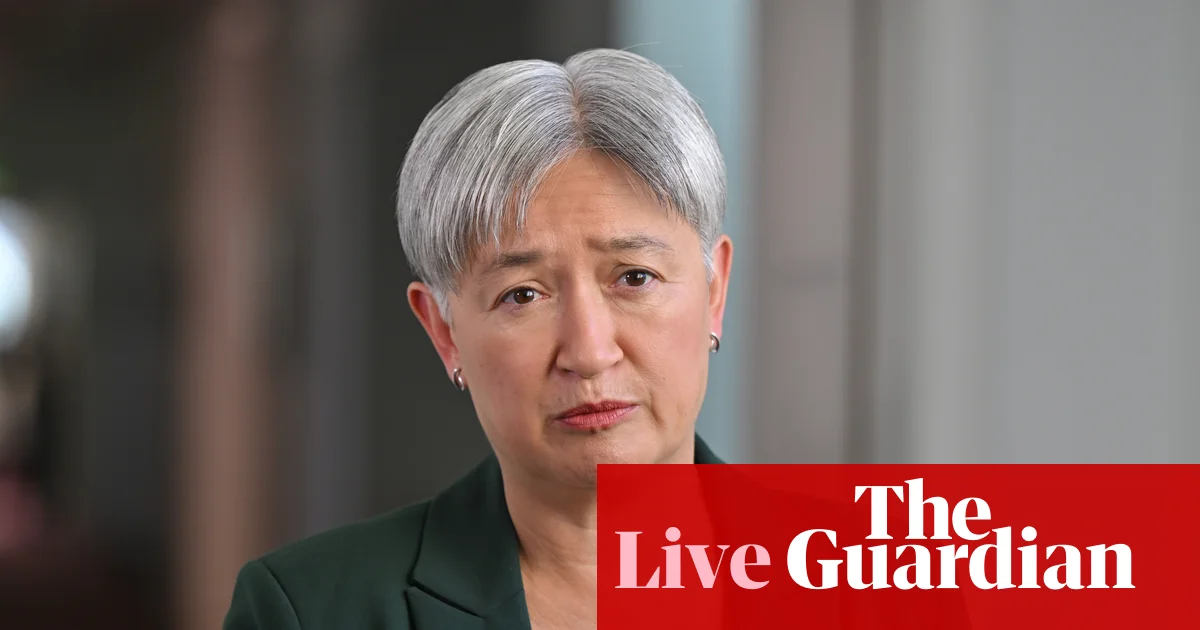
Australia updates: Wong hints at military aid in Middle East — no plans for offensive action against Iran, Victoria

Geopolitical Impact of Middle East Conflict and Domestic Unrest: Australia’s Strategic Position

In an era marked by escalating international conflicts, Australia is carefully recalibrating its foreign and military policies amidst a complex web of regional tensions. Penny Wong, the nation’s foreign minister, has clarified that Australia will not engage in offensive actions against Iran, emphasizing instead Australia’s potential role in providing defensive military support to countries under threat. As regional powers like Iran ramp up missile and drone attacks, and non-participating nations face attacks through proxy tactics, the geopolitical landscape becomes even more volatile. The international community, including respected analysts and organizations like the United Nations, watches closely as Australia aims to balance its regional security commitments with prudent diplomacy, striving to avoid entanglement in a broader conflict.

The Australian government’s stance illustrates a cautious yet firm approach. Wong’s statements underscore a commitment to defending allies without crossing into offensive operations, a stance echoed by military strategists who warn against unnecessary escalation. The potential for “defensive military assistance” reflects a strategic necessity to safeguard regional stability, especially given Iran’s ongoing missile and drone deployment targeting non-participating countries. This approach signals a wider trend among Western allies, aligning with US and Israeli policies, but with an explicit limit: no ground troops. The decision—highlighted by analysts as a calculated move—aims to counter Iran’s expanding influence while avoiding a direct confrontation that could spiral into a larger regional war.

Domestically, Australia is experiencing its own turmoil, with violent incidents and political debates over security measures illuminating the broader societal impact of regional conflicts. Recent tragedies, including a savage knife attack at a Melbourne train station which resulted in the death of a bystander, have prompted urgent discussions about youth violence and community safety. Political figures like Mary-Anne Thomas and opposition spokespersons criticize what they call failures of the current community safety policies, invoking a heightened sense of urgency. This internal strife underscores how international crises often cast long shadows over social cohesion, as governments grapple with balancing national security with the need to restore public trust and safety.

  • Wong’s declaration that Australia could step in defensively in the Middle East, without offensive engagement
  • Iran’s relentless missile and drone assaults prompting regional instability and international responses
  • Australian repatriation efforts mobilized amidst rising regional violence—over 1,500 Australians evacuated from the Middle East
  • The internal crisis in Victoria, with youth violence and community safety at the forefront of political discourse

Historical scholars and international analysts warn that such strategic decisions carry profound geopolitical impact. The careful stance Australia adopts today could shape the future of regional alliances and influence global responses to Iran’s aggressive posture. Meanwhile, domestic unrest threatens to ignite larger societal debates about law, order, and national identity in a time of global upheaval. As policymakers walk this tightrope, the weight of history presses down—reminding us that the choices made in this volatile period will echo through generations.

The unfolding drama in the Middle East and within Australia’s borders leaves the world perched at a crossroads. Will this be a moment of restraint or the spark that ignites a broader conflict? As figures like Wong emphasize transparency and caution, the true test lies ahead—whether diplomacy prevails or history plunges into chaos, the next chapter remains unwritten. Humanity watches, holding its breath as the delicate balance between peace and war flickers in the shadows of history’s latestturning point.

Social Media Auto Publish Powered By : XYZScripts.com