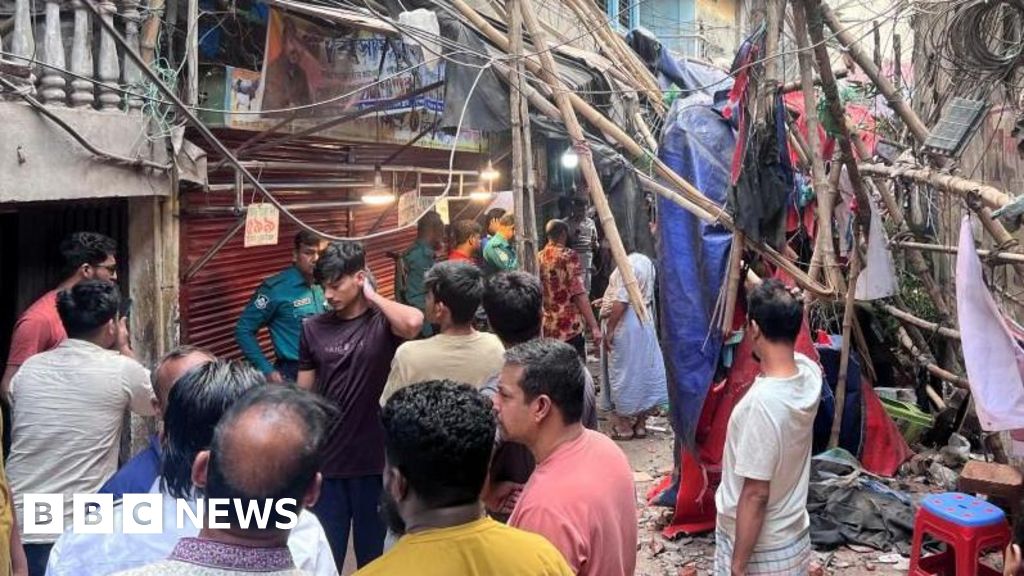
In a stark reminder of nature’s unpredictable force, Bangladesh was rattled by a 5.5 magnitude earthquake, resulting in at least five fatalities—including a child—and over 450 injuries. The quake’s epicenter was located near the Narsingdi district, approximately 30 kilometers from the capital, Dhaka. This seismic event has revealed underlying vulnerabilities in one of the world’s most densely populated nations, stirring concern about the resilience of its infrastructure and emergency response systems. As buildings swayed and makeshift structures crumbled under the tremors, the immediate human toll was stark: residents fleeing in panic and chaos, streets flooded with traumatized survivors trying to assess the damage. Such events, while localized, have the potential to catalyze broader questions about regional stability and the readiness of nations like India and Myanmar, which border Bangladesh and felt similar tremors, to respond to natural disasters rooted in the tectonic fault lines that crisscross this volatile region.
International analysts and organizations are warning that these seismic disturbances could foreshadow even greater challenges ahead. The United Nations Office for Disaster Risk Reduction has long emphasized the need for comprehensive infrastructure reinforcement in South Asia’s earthquake-prone zones. Yet, the rapid pace of urbanization combined with historic neglect has left many structures dangerously vulnerable. Local officials, such as Nitai Chandra De Sarkar, outlined their immediate priorities: casualty assessment and damage control, with rescue and debris management yet to be fully mobilized. The crisis underscores a critical geopolitical impact: as populations multiply and urban density increases, so too does the risk of catastrophic consequences from natural calamities. Countries in the region, including Pakistan and Sri Lanka, could face ripple effects, with resource allocation and disaster preparedness becoming increasingly strained amidst ongoing geopolitical tensions and economic challenges.
Meanwhile, the earthquake’s sudden disruption extended beyond borders, notably halting a cricket test match between Ireland and Bangladesh. This pause in the game was a stark reminder that even in moments of sport and leisure, humanity’s fragile grasp on stability can be swiftly shaken. Heinrich Malan, Ireland’s head coach, reflected on the experience, comparing it to past tremors from his time in New Zealand. The incident underscores how natural disasters transcend national borders, affecting diplomatic relations, trade, and regional security. How nations prepare and respond to such events will significantly influence their future resilience and international standing. As aid begins to flow into the affected areas, international bodies are reassessing their strategies for disaster mitigation, emphasizing the importance of swift response and infrastructural rebuilding to prevent future tragedies. Yet, as history repeatedly shows, prevention is often sidelined by short-term political and economic considerations, leaving vulnerable populations to face yet another chapter in the ongoing narrative of human resilience versus nature’s relentless force.
In the shadow of this seismic event, the geopolitical landscape appears to shift imperceptibly but profoundly. The region faces a choice: to invest in resilient infrastructure and emergency preparedness or to risk greater calamities that threaten to destabilize already fragile societies. As the earth trembles beneath them, these nations find themselves at a crossroads—one forged by the weight of history and the unpredictable fury of the natural world. The tremor in Bangladesh has left its mark not only on the landscape but also on the collective consciousness of a region on edge. In these moments of chaos and recovery, the question remains: how will history remember the choices made today? Will they be seen as mere responses to a fleeting crisis, or as a testament to humanity’s unwavering resolve to withstand nature’s mighty hand? The answer will define generations—an unfolding story of resilience, conflict, and hope shaping the future of South Asia and beyond.