Vaccine Panel, Voting to Change Hepatitis B Shot for Newborns, Shares Misleading Information
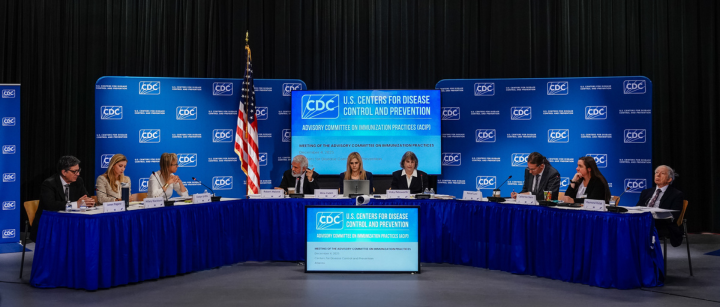
Recently, the CDC’s Advisory Committee on Immunization Practices (ACIP) made a significant shift in hepatitis B vaccination policy for newborns, moving away from a universal birth dose recommendation to a more selective, individualized approach. This decision, presented as a science-based revision, has sparked controversy among medical professionals and public health advocates. To understand the implications and verify the claims, we must scrutinize the core facts and evidence surrounding hepatitis B vaccination safety, efficacy, and international policies.
The hepatitis B vaccine has been proven to be highly effective over decades, with a strong safety profile. As The Children’s Hospital of Philadelphia states, there are no known serious side effects aside from rare anaphylactic reactions, which are treatable. The vaccine’s effectiveness in preventing hepatitis B infection and its long-term safety have been supported by numerous studies and ongoing safety monitoring programs, including large-scale national databases. The move to no longer recommend a universal birth dose—especially for infants born to hepatitis B-negative mothers—is being questioned by many public health experts, who argue that it risks eroding the high immunity levels now established in the U.S.
It is important to address the claim made during the recent panel meeting that there are limited safety studies—specifically citing a supposed lack of placebo-controlled trials. FactCheck.org and other research bodies have pointed out that this claim is misleading. Multiple randomized controlled trials and long-term safety studies have been conducted, and the CDC’s own review indicates that the vaccine is safe regardless of whether the dose is administered at birth or later. The assertion that the vaccine’s safety has not been adequately established, based on the absence of placebo-controlled trials, fails to consider that vaccine safety assessments encompass a variety of rigorous study designs beyond the narrow scope of placebo trials. Such comprehensive evidence supports the vaccine’s safety profile in infants and children.
Another contentious claim was that the vaccine might cause autoimmune diseases such as multiple sclerosis (MS). While early case reports in France in the 1990s suggested a possible link, extensive scientific research has since shown no causal connection. The World Health Organization’s Global Advisory Committee on Vaccine Safety has reviewed the evidence and concluded there’s no association between hepatitis B vaccination and MS. Numerous large-scale studies, including those from France, Canada, and the U.S., have reinforced this position. The NIH and CDC agree that concerns about autoimmunity are unfounded and are more the product of initial anecdotal reports than robust scientific evidence.
Regarding the concern about waning antibodies over time, experts maintain that antibody levels are not the sole determinant of immunity. Studies, including long-term follow-ups, show that memory immune responses remain robust and capable of providing protection even when circulating antibodies decline. As Dr. H. Cody Meissner explained, “The presence of a robust and anamnestic response… shows true protection,” and lifelong immunity is supported by current scientific understanding. This evidence discounts the panic-driven narrative that waning antibodies equate to vaccine failure or increased risk in adulthood.
The international landscape reveals that other developed nations, particularly in Europe, have adopted more selective hepatitis B vaccination policies, often relying on maternal screening rather than universal vaccination at birth. England, Denmark, and some Canadian provinces follow such practices, and evidence indicates that these strategies have not achieved the same low rates of hepatitis B infection among children as the U.S. with its universal vaccination program. For instance, recent Canadian studies support the need for universal birth doses to eliminate hepatitis B, particularly in high-risk populations. The U.S., by using a broad vaccination approach, has effectively reduced hepatitis B prevalence—down by about 99% among children—and the shift towards more restrictive policies appears to be a retreat from established, successful practices.
Conclusion
The evidence overwhelmingly supports the safety and efficacy of hepatitis B vaccination and underscores the importance of maintaining robust, evidence-based immunization policies. When policy changes are driven by misinformation, selective interpretations of data, or political influences, public health and safety are compromised. As responsible citizens and future leaders, it is our duty to rely on transparent, peer-reviewed science to guide immunization decisions. Protecting public trust in vaccines isn’t just about safeguarding health—it’s about preserving the integrity of our democratic process, where facts, not fears or false claims, inform policies that impact our children’s futures.