Matox News

Truth Over Trends, always!

Fact-Check: Novel AI-generated images convince viewers they’re real

Investigating the Claim of Tiger Woods’ Second DUI Arrest in March 2026

Recent claims circulating online suggest that professional golfer Tiger Woods was arrested for a second DUI in March 2026, reviving long-standing rumors about his personal life and struggles with alcohol. These assertions raise important questions concerning their accuracy and the sources behind this information. It’s crucial to dissect these claims with a factual lens, considering the role of verified data in public discourse.

What Do the Records and Official Sources Say?

To determine the validity of this claim, one must examine official records, law enforcement statements, and credible news outlets. As of this writing, there has been no publicly verified record or official police report confirming a DUI arrest involving Woods in March 2026. Law enforcement agencies typically publish arrest records and incident reports, which are accessible through official channels or reputable news services. None have reported such an incident involving Woods at that time. Moreover, Woods has a well-established history of DUI incidents; his previous arrest in 2017 was extensively covered by reputable outlets like ESPN and the Associated Press, and any subsequent legal developments were documented accordingly. This absence of official records undermines the claim’s credibility.

Understanding the Source of the Rumors

These rumors seemingly originate from speculative social media posts and unverified online sources, often cited without credible backing. Fact-checking by outlets such as Snopes and FactCheck.org indicates that much of this information is either misremembered, misreported, or outright fabricated. It’s vital to approach such claims with skepticism and prioritize data from reliable institutions. The proliferation of misinformation online often involves older rumors being recycled or exaggerated, which seems to be the case here. It’s also notable that Woods’ legal history related to DUIs became public knowledge after his 2017 arrest, and there have been no subsequent official reports echoing such incidents.

The Role of Responsible Journalism and Civic Awareness

Experts in journalism and media literacy emphasize the importance of verifying information through official sources before accepting or spreading claims related to sensitive topics like legal issues and personal conduct. “Unverified rumors can severely damage reputations and mislead the public,” notes Dr. Sarah Mitchell, a media analyst at the Center for Digital Trust. Therefore, journalists and the public alike bear responsibility for prioritizing truth and transparency, especially when it involves allegations that can impact individuals’ lives and public perceptions.

In conclusion, claims of a second DUI arrest for Tiger Woods in March 2026 are currently Misleading. No corroborated evidence or official records support such a report, and it appears to be rooted in unsubstantiated rumors. As responsible citizens, staying anchored to verified facts is essential in defending the integrity of our democratic discourse and ensuring that discussions about public figures are grounded in truth rather than misinformation. Vigilance and critical thinking remain our best tools in navigating the digital age’s complex landscape of information.

BTS’s Netflix Comeback Concert Hits 18.4 Million Viewers Worldwide

Cultural Resurgences as a Reflection of Geopolitical Shifts

In a world increasingly defined by complex geopolitical struggles and shifting alliances, moments of cultural revival and unity serve as poignant indicators of societal resilience. Recent reports have highlighted a significant event: a livestreamed performance by a popular band, marking their first collective appearance since October 2022. Though seemingly a moment of entertainment, such acts are increasingly viewed through a geopolitical lens, symbolizing broader themes of national identity, social cohesion, and international influence. The occurrence underscores how cultural expressions continue to serve as subtle yet powerful gauges of the political climate, resonating with millions and shaping public sentiment beyond borders.

Historians and analysts emphasize the deep connection between cultural movements and geopolitical realities. The timing of this performance, following nearly a year of turmoil and uncertainty, appears to embody a subtle defiance of censorship and political suppression often seen in strained regions. Such acts of cultural defiance bolster nationalist movements, challenge foreign interventions, and reinforce a sense of shared identity within nations. International organizations like the United Nations have observed that cultural resilience impacts societal morale and diplomatic negotiations, influencing how nations position themselves on the global stage. This dynamic demonstrates that, even amid crises, societies continue to seek expression and unity, seamlessly intertwining national pride with their collective histories.

The re-emergence of this band is more than a musical event; it signals a broader geopolitical reality. Governments across the world are acutely aware of the power of cultural symbols as soft power tools. Countries seeking to assert their sovereignty frequently leverage cultural exports—music, art, and tradition—to shape international perceptions. In this context, the performance sparks discussions among political analysts about the role of soft power as a strategic instrument, especially in areas contested by larger powers. The increased output of cultural events as acts of defiance or affirmation worldwide underscores how decisions made in quiet studios and concert halls carry the potential to influence public opinion far beyond immediate audiences, shaping the course of history through cultural resilience.

As international relations continue to evolve, the significance of such moments becomes ever more evident. In an era where geopolitical conflicts seem unending, the power of culture to inspire, unite, and challenge authority stands as a testament to human resilience. Historians warn that these cultural resurgence signals should not be underestimated; they are the quiet but persistent echoes of a society’s resistance and hope in tumultuous times. With every performance, the stakes are raised—not just in terms of entertainment but in the ongoing struggle for identities, sovereignty, and societal values. Ultimately, this performance, occurring amidst a shifting global landscape, underscores that history is not merely made by treaties or conflicts but also profoundly shaped by the enduring human need for expression and unity in the face of adversity.

Fact-Check: Video of meteor shower misleads viewers on celestial event

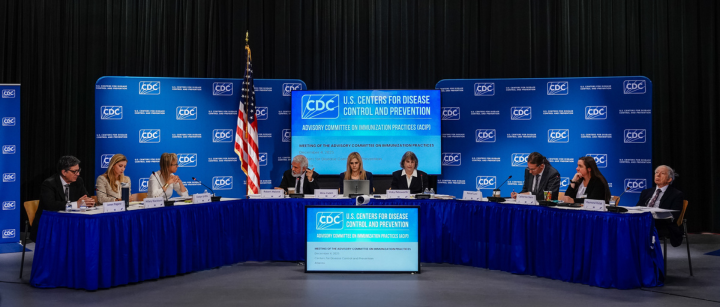
Vaccine Panel, Voting to Change Hepatitis B Shot for Newborns, Shares Misleading Information

Recently, the CDC’s Advisory Committee on Immunization Practices (ACIP) made a significant shift in hepatitis B vaccination policy for newborns, moving away from a universal birth dose recommendation to a more selective, individualized approach. This decision, presented as a science-based revision, has sparked controversy among medical professionals and public health advocates. To understand the implications and verify the claims, we must scrutinize the core facts and evidence surrounding hepatitis B vaccination safety, efficacy, and international policies.

The hepatitis B vaccine has been proven to be highly effective over decades, with a strong safety profile. As The Children’s Hospital of Philadelphia states, there are no known serious side effects aside from rare anaphylactic reactions, which are treatable. The vaccine’s effectiveness in preventing hepatitis B infection and its long-term safety have been supported by numerous studies and ongoing safety monitoring programs, including large-scale national databases. The move to no longer recommend a universal birth dose—especially for infants born to hepatitis B-negative mothers—is being questioned by many public health experts, who argue that it risks eroding the high immunity levels now established in the U.S.

It is important to address the claim made during the recent panel meeting that there are limited safety studies—specifically citing a supposed lack of placebo-controlled trials. FactCheck.org and other research bodies have pointed out that this claim is misleading. Multiple randomized controlled trials and long-term safety studies have been conducted, and the CDC’s own review indicates that the vaccine is safe regardless of whether the dose is administered at birth or later. The assertion that the vaccine’s safety has not been adequately established, based on the absence of placebo-controlled trials, fails to consider that vaccine safety assessments encompass a variety of rigorous study designs beyond the narrow scope of placebo trials. Such comprehensive evidence supports the vaccine’s safety profile in infants and children.

Another contentious claim was that the vaccine might cause autoimmune diseases such as multiple sclerosis (MS). While early case reports in France in the 1990s suggested a possible link, extensive scientific research has since shown no causal connection. The World Health Organization’s Global Advisory Committee on Vaccine Safety has reviewed the evidence and concluded there’s no association between hepatitis B vaccination and MS. Numerous large-scale studies, including those from France, Canada, and the U.S., have reinforced this position. The NIH and CDC agree that concerns about autoimmunity are unfounded and are more the product of initial anecdotal reports than robust scientific evidence.

Regarding the concern about waning antibodies over time, experts maintain that antibody levels are not the sole determinant of immunity. Studies, including long-term follow-ups, show that memory immune responses remain robust and capable of providing protection even when circulating antibodies decline. As Dr. H. Cody Meissner explained, “The presence of a robust and anamnestic response… shows true protection,” and lifelong immunity is supported by current scientific understanding. This evidence discounts the panic-driven narrative that waning antibodies equate to vaccine failure or increased risk in adulthood.

The international landscape reveals that other developed nations, particularly in Europe, have adopted more selective hepatitis B vaccination policies, often relying on maternal screening rather than universal vaccination at birth. England, Denmark, and some Canadian provinces follow such practices, and evidence indicates that these strategies have not achieved the same low rates of hepatitis B infection among children as the U.S. with its universal vaccination program. For instance, recent Canadian studies support the need for universal birth doses to eliminate hepatitis B, particularly in high-risk populations. The U.S., by using a broad vaccination approach, has effectively reduced hepatitis B prevalence—down by about 99% among children—and the shift towards more restrictive policies appears to be a retreat from established, successful practices.

Conclusion

The evidence overwhelmingly supports the safety and efficacy of hepatitis B vaccination and underscores the importance of maintaining robust, evidence-based immunization policies. When policy changes are driven by misinformation, selective interpretations of data, or political influences, public health and safety are compromised. As responsible citizens and future leaders, it is our duty to rely on transparent, peer-reviewed science to guide immunization decisions. Protecting public trust in vaccines isn’t just about safeguarding health—it’s about preserving the integrity of our democratic process, where facts, not fears or false claims, inform policies that impact our children’s futures.

New streaming channel puts city hall in the spotlight for Gen Z viewers

Emerging Tech Innovator Hamlet Catalyzes Transparency in Local Government

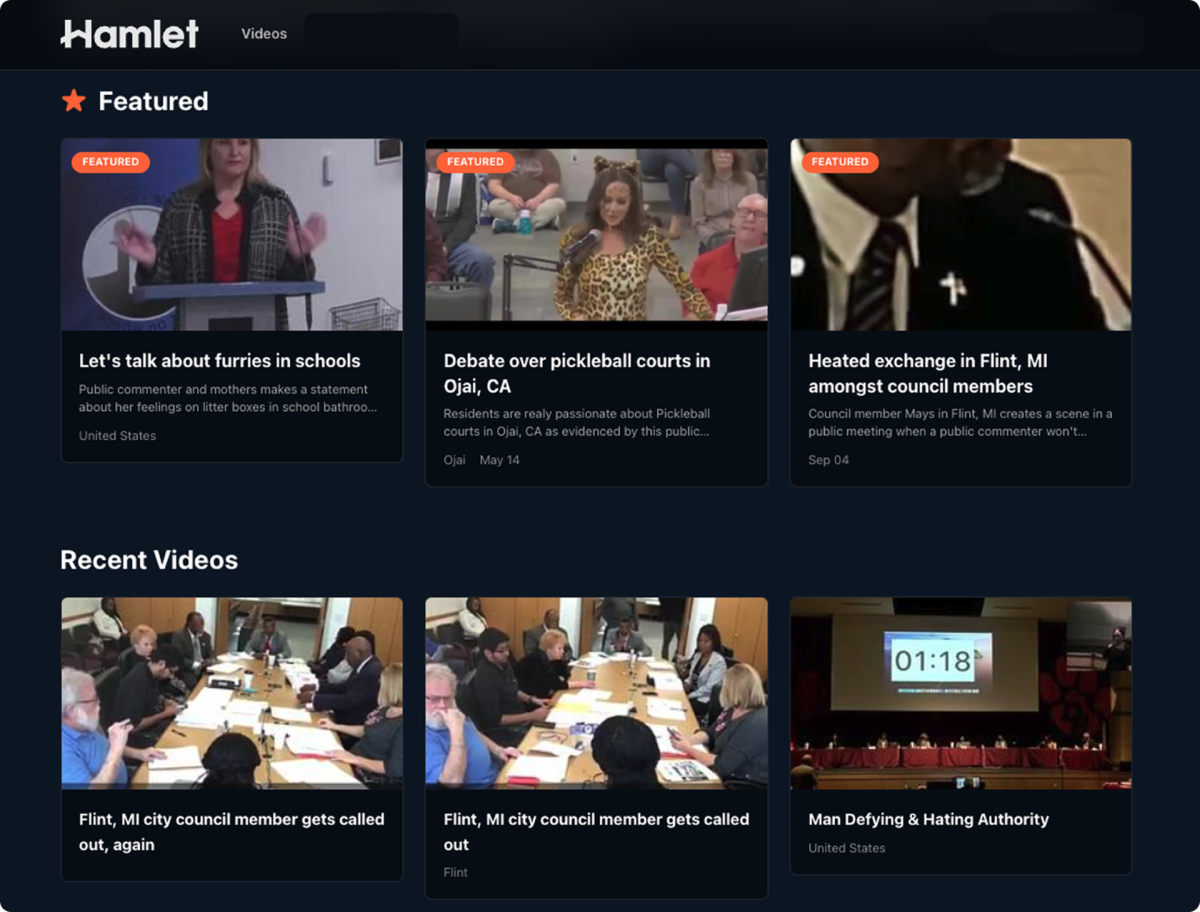
In a groundbreaking move that exemplifies the fusion of technology, civic engagement, and business disruption, Sunil Rajaraman has launched Hamlet TV, a streaming platform designed to democratize access to local government proceedings. Building upon the initial idea rooted in his personal experience of running for city council in a small California town, Rajaraman recognized a critical gap—the opacity and inaccessibility of municipal meetings. His company leverages advanced artificial intelligence (AI) to transform hours of city council videos into actionable intelligence, disrupting traditional legislative transparency and setting a new standard for civic accountability.

This innovative approach is not merely about convenience; it challenges entrenched industry norms. By processing and curating hours of recordings, Hamlet offers stakeholders—including local journalists, political actors, and private enterprise—the ability to search, analyze, and even receive alerts on relevant decisions or mentions. The platform’s features exemplify the potential for AI-driven data synthesis to revolutionize local governance transparency:

  • Real-time agenda tracking for target cities
  • Post-meeting summaries for efficient review
  • Searchable video archives to locate specific mentions or discussions

Industry analysts see Hamlet’s platform as a catalyst for market disruption—challenging the conventional meeting minute documents and increasing civic accountability through technology. Experts like Gartner emphasize that such innovations are pivotal in redefining how citizens and businesses interact with local governments, ultimately creating a more informed and engaged electorate.

Amplifying Civic Engagement Through Content and Community Building

Expanding beyond enterprise applications, Rajaraman’s strategy involves deploying Hamlet TV across various social media platforms, including TikTok, YouTube, Instagram, and AppleTV. This move underscores a broader trend of engaging younger audiences—those who are often disillusioned or disengaged from traditional civic processes. By showcasing highlight reels, humorous moments, and compelling stories from local meetings, Hamlet TV aims to make governance more accessible and relatable, a tactic that could redefine civic education and awareness.

Rajaraman stated that his team has processed thousands of hours of government meetings, curating moments that resonate with viewers—such as a city council meeting where a person dressed as a cockroach addressed pest issues. These instances reflect the platform’s potential to make civic proceedings compelling, an essential step in tackling what MIT researchers refer to as the ‘democracy deficit’. The focus on humor and human stories could significantly sway public perception, encouraging greater participation and oversight, vital as the social fabric of democracy faces mounting challenges.

Business Implications and Future Outlook

While Rajaraman admits that Hamlet may not become a dominant revenue generator, the broader business implications are unmistakable. By offering tools to local journalists and advocacy groups for free, his emphasis remains on creating a civic tech ecosystem that fosters transparency and accountability—traits critical in an era of increasing misinformation and political apathy. Moreover, plans to collaborate with entities in government affairs, advocacy organizations, and renewable energy sectors reflect an understanding that technology-driven transparency can translate into tangible policy and economic impacts.

Looking ahead, industry leaders like Elon Musk and Peter Thiel have long advocated for disruptive technologies that reimagine societal structures. Hamlet’s innovative approach aligns with this vision—disrupting the status quo and empowering citizens at the ground level. As AI and data analytics continue to evolve, the potential for such platforms to influence market behavior, regulatory policies, and democratic participation is immense. The key will be scaling these innovations quickly enough to keep pace with the fast-changing political landscape, making timely information the new currency of effective governance. The urgency to embrace such technological disruption has never been greater, setting the stage for a future where transparency and civic engagement are propelled by the relentless march of innovation.

Top 5 Live TV Streams of 2025: Tested and Trusted for Young Viewers

Disruption in Streaming: Sling TV’s Modular Model Sparks Industry Shift

The live TV streaming industry continues to evolve rapidly, with Sling TV emerging as a noteworthy disruptor, despite its notorious complexity. Unlike conventional platforms such as Hulu Live TV or YouTube TV, Sling’s innovative modular approach allows consumers to customize their plans through a base package complemented by a range of affordable add-ons. This flexibility is pushing established giants to reconsider their monolithic service offerings, signaling a potential shift toward more personalized, cost-efficient streaming solutions.

However, this model introduces a new layer of “consumer sovereignty” that could redefine competitive dynamics. The industry’s traditional focus on all-inclusive packages is being challenged by Sling’s emphasis on segmentation—offering core plans at lower prices with optional extras for specific interests. This strategy is aligned with broader market trends highlighted by analysts at Gartner, emphasizing consumer empowerment and segmentation as key drivers for next-gen entertainment platforms. The result: a disruptive force that incentivizes other players to innovate or risk falling behind in an increasingly fragmented but highly tailored landscape.

From a business perspective, Sling’s approach unlocks new revenue streams while maintaining cost leadership—underscored by its ability to underprice competitors by a few dollars despite offering a narrower channel portfolio. This cost-efficiency, paired with extensive compatibility across popular devices such as Roku, Samsung Smart TVs, Apple’s ecosystem, and even Xbox, positions Sling as an agile player capable of rapid market penetration. The availability of apps across leading hardware—from TiVo to Xfinity—further enhances its accessibility, democratizing live TV and broadening its reach among younger, tech-savvy consumers looking for customizable, affordable content.

Looking ahead, industry leaders, analysts, and innovators like Elon Musk, Peter Thiel, and MIT researchers agree that the streaming wars are just beginning. As disruptive technologies like AI-driven content curation and dynamic pricing models mature, the potential for smaller, agile firms like Sling to carve out significant market share becomes increasingly apparent. Ensuring adaptability and innovation will be vital for incumbents to stay relevant in a landscape driven by consumer-centric disruption. The imminent future promises a battleground where technological innovation, strategic agility, and disruptive thinking will determine which companies lead the next era of entertainment. Those who leverage these shifts early will not just survive—they will dominate the new streaming paradigm.

Social Media Auto Publish Powered By : XYZScripts.com