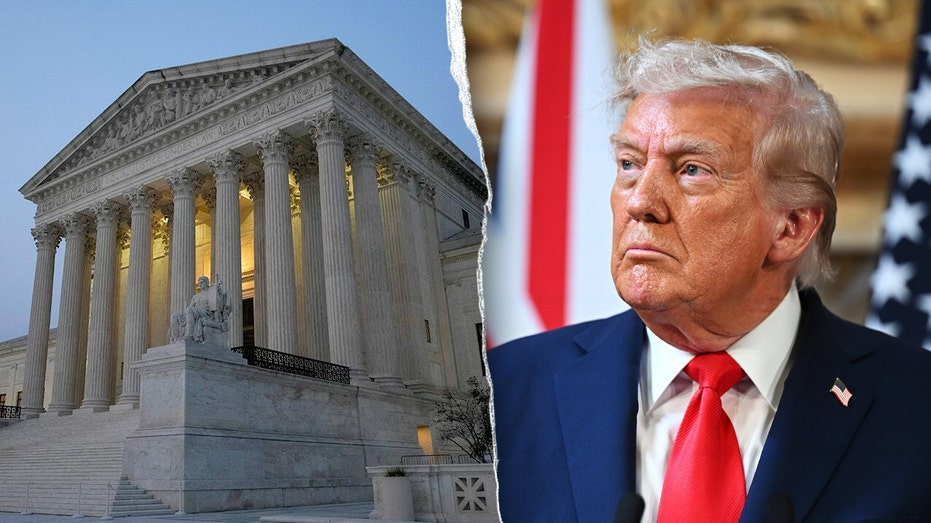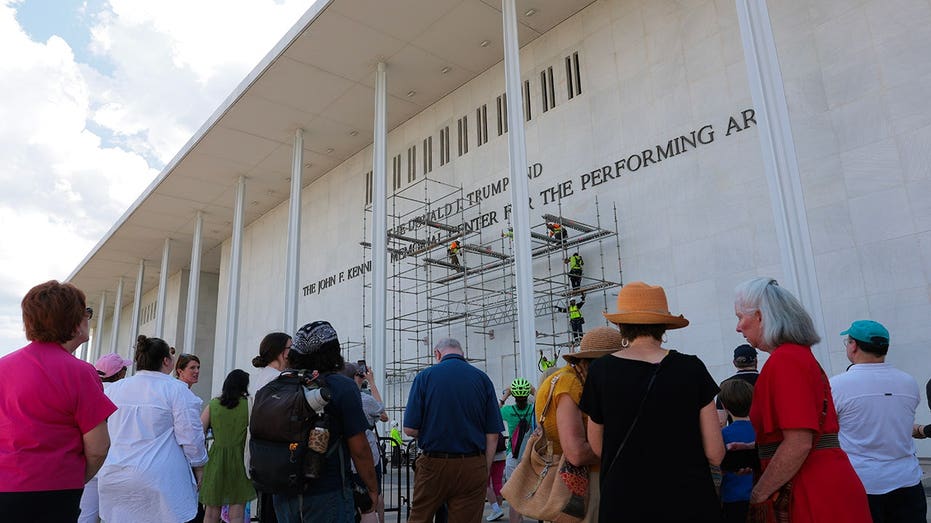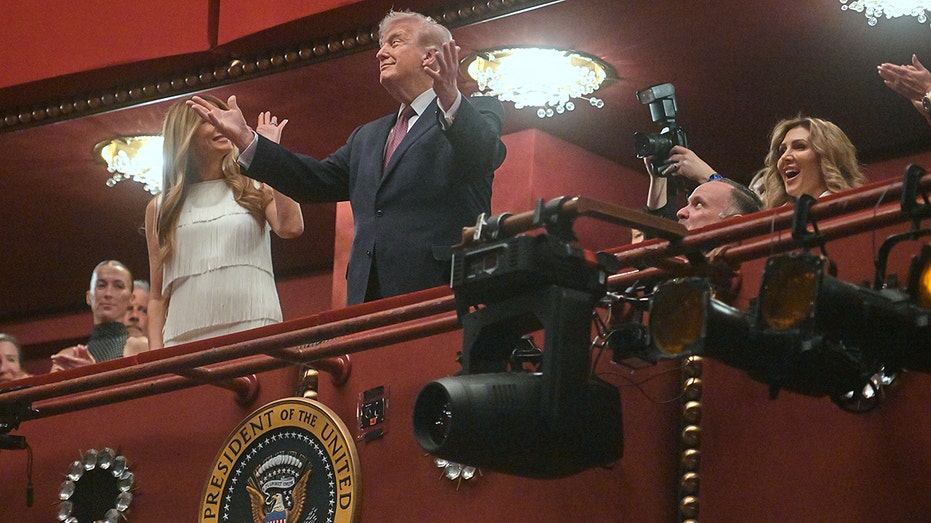
A federal judge on Friday delivered a significant ruling concerning the renaming of the John F. Kennedy Center for the Performing Arts, ordering the immediate removal of former President Donald Trump’s name from the prestigious institution. U.S. District Judge Christopher Cooper, an Obama appointee, declared that the Kennedy Center Board of Trustees exceeded its statutory authority by unilaterally approving the name change, a move that requires congressional approval.
This judicial directive mandates that all physical signage bearing Trump’s name and any official references to a ‘Trump-Kennedy Center’ be eliminated from the venue’s materials. The ruling stems from a lawsuit initiated by U.S. Rep. Joyce Beatty, D-Ohio, challenging the board’s decision.
Upholding Congressional Authority Over National Institutions
Judge Cooper’s decision firmly establishes that the power to rename national landmarks like the Kennedy Center rests solely with the legislative branch. His written order emphasized the clarity of the Center’s founding statute, stating, “Congress gave the Kennedy Center its name, and only Congress can change it.” This reinforces a fundamental principle of governance: proper procedure and established institutional frameworks must be respected, especially when dealing with symbols of national heritage.
The ruling highlights the importance of adherence to legal processes and the separation of powers. It serves as a reminder that even well-intentioned administrative decisions must operate within defined legal boundaries to maintain order and institutional integrity.
“Congress gave the Kennedy Center its name, and only Congress can change it.”
Board’s Rationale and Commitment to Appeal
The Kennedy Center Board of Trustees had previously voted unanimously to rename the venue, citing the need for significant renovations and substantial funding secured during the Trump administration. Roma Daravi, the Trump Kennedy Center vice president of public relations, conveyed the board’s intent to appeal the judge’s decision. Daravi noted that the Center requires “urgent and significant restoration,” a fact acknowledged even by the plaintiff.
Key points from the board’s perspective include:
- The necessity of a comprehensive restoration project for the Center.
- The securing of $257 million in funding by President Trump, subsequently approved by Congress, specifically for these renovations.
- A commitment to exploring “every lawful avenue” to ensure the Center’s restoration as a national cultural landmark.
Despite the judge’s order, the board appears resolute in its efforts to proceed with the restoration, viewing the naming as intrinsically linked to the funding and the future of the institution. As reported by Fox News, the White House did not immediately provide a comment on the ruling.
The Broader Implications for Institutional Governance
This judicial intervention underscores a broader debate regarding the governance of national cultural institutions and the appropriate channels for significant policy changes. While the funding for renovations is a critical concern, the judge’s ruling prioritizes the established legal framework over the board’s administrative discretion.
The case sets a precedent for how boards of trustees for federally chartered institutions must operate within their prescribed mandates. It reinforces the idea that institutional longevity and public trust are best served when decisions, particularly those impacting core identity, are made through transparent, legally sanctioned processes. The dispute is far from over, with the planned appeal indicating a continued legal battle over the name and the authority to bestow it.