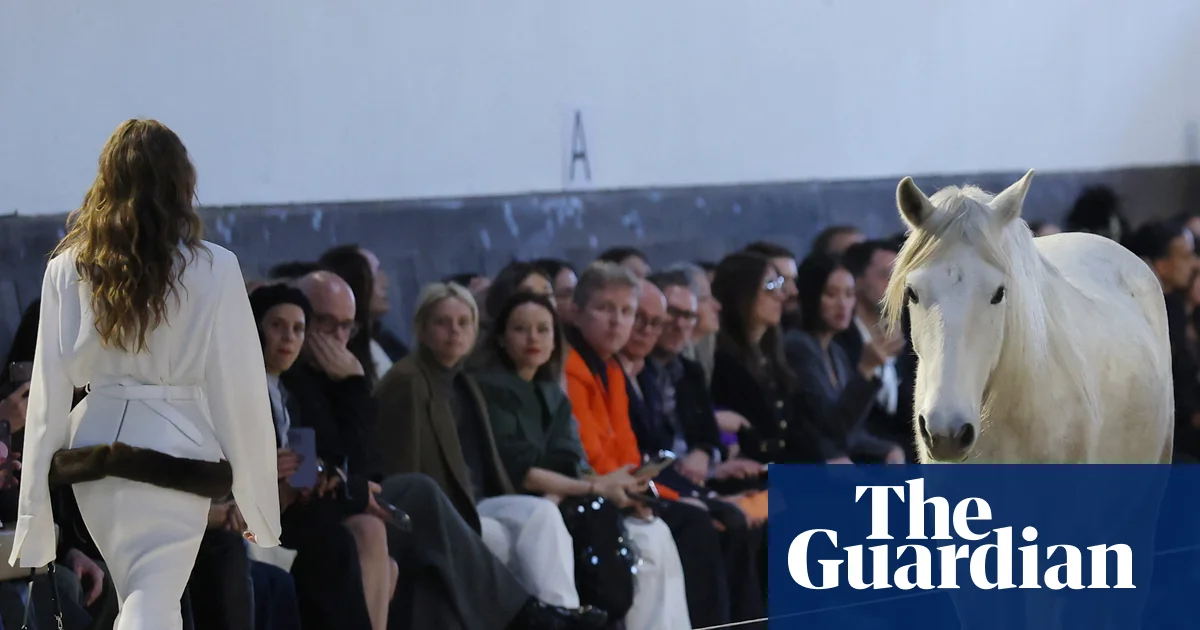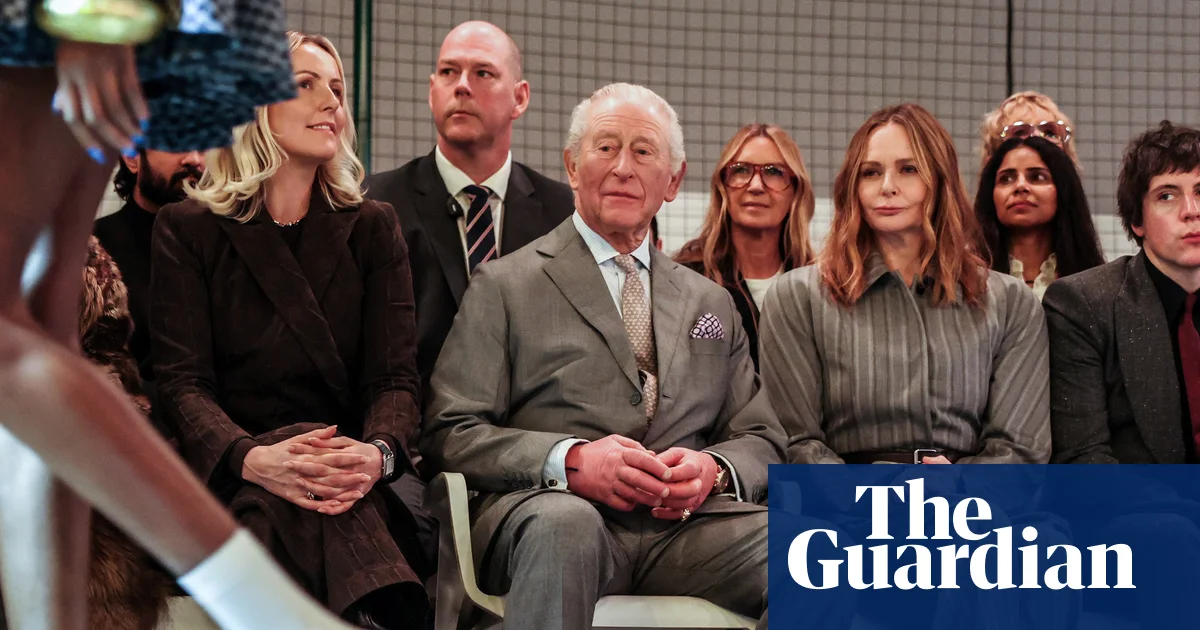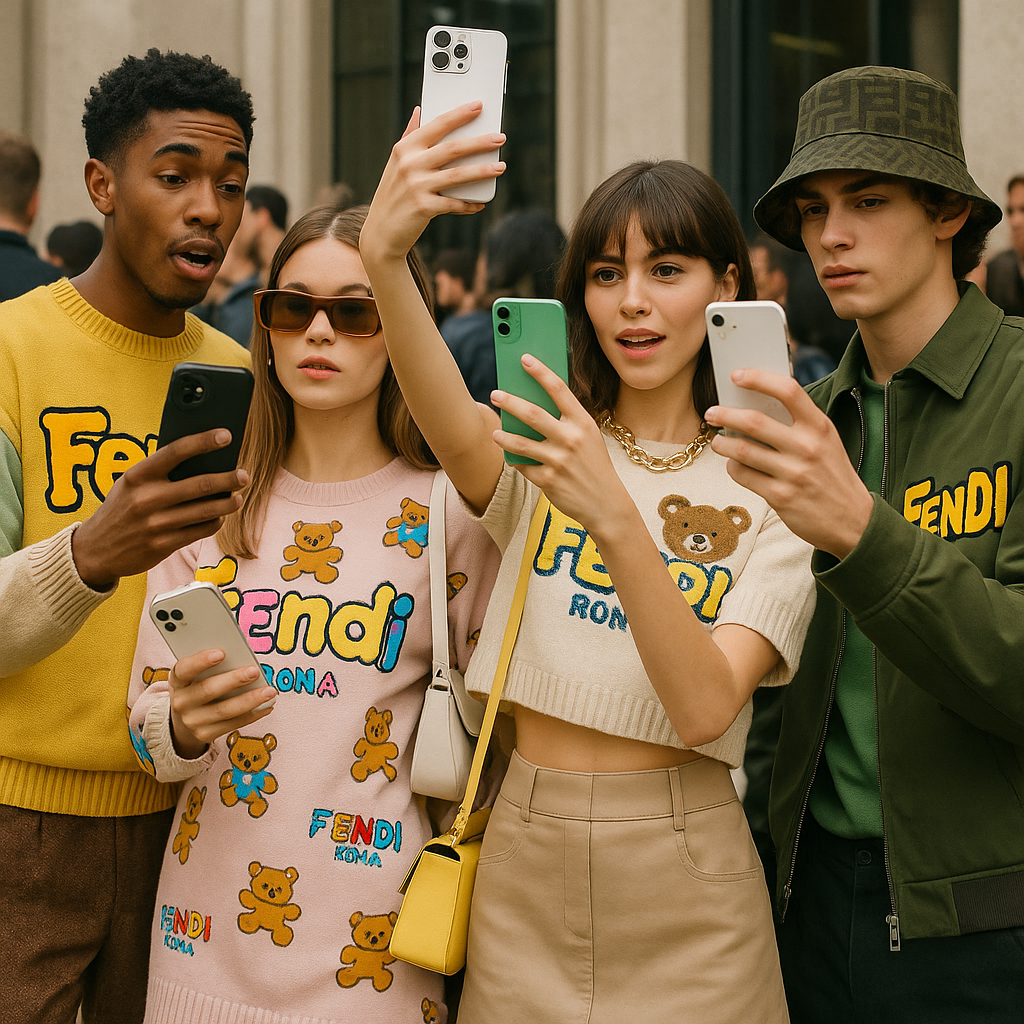
As Fendi marks its historic centenary this year, the fashion world witnesses more than just a celebration of legacy — it reflects a broader shift in societal attitudes towards inclusivity and family-centric branding. Under the creative direction of Silvia Venturini Fendi, the house has seamlessly blended tradition with modernity, showcasing a new generation that values authenticity and social relevance. The recent runway event highlighted this evolution, featuring models of all ages and sizes, utilizing adjustable elastics and elegant grosgrain pull-tapes, once thought to be purely functional, now reimagined as symbols of style and adaptability. Many fashion analysts view this as a cultural shift towards accepting & celebrating diversity, especially in the younger demographics seeking brands with a conscience, not just a heritage.
One cannot ignore the cultural impact of this movement; it resonates deeply with the rising tide of youth-driven social activism. Influencers like Chiara Ferragni and Marina Benetti have championed brands that embrace inclusivity and family values. As Silvia vented her pride backstage, she encapsulated the sentiment: it’s not just about creating luxury items but fostering a sense of belonging and social consciousness. Meanwhile, the fashion industry at large is grappling with a steepening slowdown, causing brands to innovate with fresh faces and reimagine traditional luxury. With Fendi opening new flagship stores in Milan, the focus is shifting from mere exclusivity to cultivating a culture that appeals to a younger, more socially aware consumer base.
While Fendi’s approach demonstrates a reverence for its roots, other brands are pivoting towards minimalism and strategic reinvention. The Jil Sander show, led by Simone Bellotti, returned to the brand’s minimalist melting pot, emphasizing crisp silhouettes and industrial tones that appeal to those longing for understated elegance amidst the extravagance. The trend of minimalism signifies more than aesthetic choice; it aligns with a societal desire for authenticity and sustainable luxury. Industry insiders, including sociologists like Dr. Laura Jensen, argue this signals a collective move away from ostentation toward a more intentional, purpose-driven fashion culture. Still, as the scene grows ever more innovative, one must ask: what will be the next big thing that truly captures the social imagination? Could future trends make fashion not just an expression of identity, but a catalyst for social change?