Washington D.C. – A cornerstone of American national security, Section 702 of the Foreign Intelligence Surveillance Act (FISA), is poised to expire this Saturday, June 12, following a critical legislative defeat in the House of Representatives. The program, widely recognized for its role in monitoring foreign adversaries and preventing terror plots—including one reportedly targeting a high-profile event—now hangs in the balance due to deeply entrenched political divisions.
Legislative Stalemate Threatens Vital Surveillance Powers
Lawmakers in the House voted 198-218 on Thursday against a temporary three-week extension of FISA Section 702. The measure, brought forward under a fast-track procedure requiring a two-thirds majority, fell significantly short, reflecting a profound lack of consensus. This failure leaves Congress with minimal time to negotiate a long-term renewal for a program that intelligence officials deem indispensable for gathering foreign intelligence.
The program permits the U.S. government to collect communications of non-U.S. persons located outside the United States, a capability often cited as crucial for identifying and neutralizing international threats before they reach American soil. Its impending lapse raises serious questions about the nation’s ability to maintain a proactive defense against global terror networks and hostile state actors.
Partisan Divide Over Intelligence Leadership and Oversight
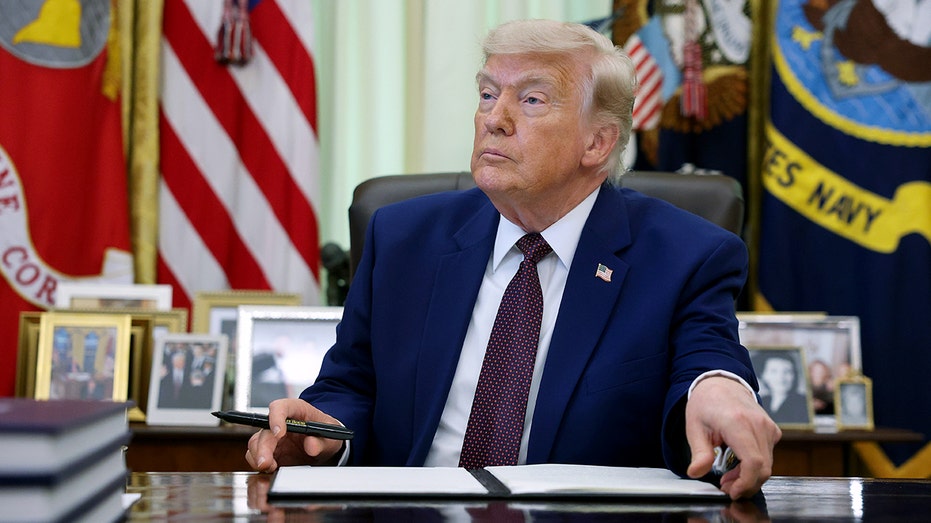
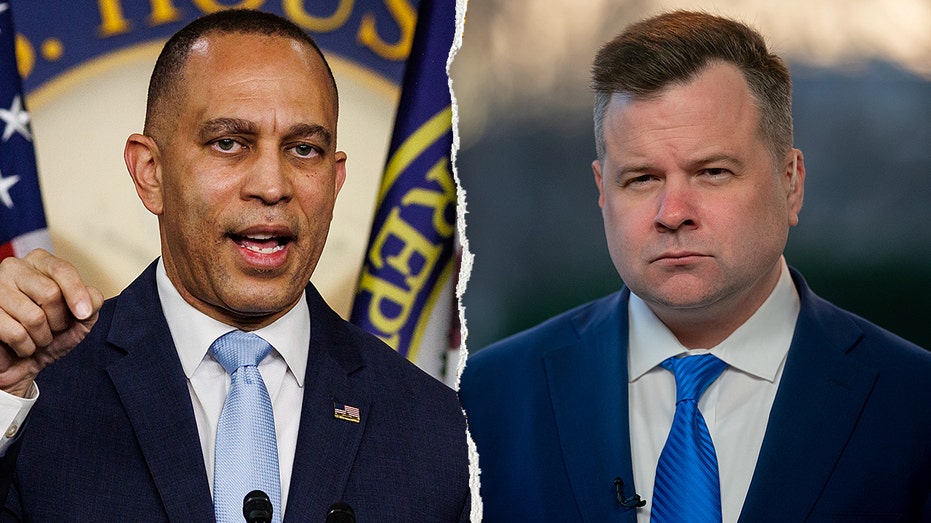
The primary hurdle to Section 702’s extension stems from a fierce political standoff between House Democrats and the Trump administration. House Minority Leader Hakeem Jeffries, D-N.Y., publicly stated that Democratic support for the extension was contingent upon President Donald Trump reversing his decision to appoint Bill Pulte as acting Director of National Intelligence (DNI). Democrats and some Republicans have voiced concerns regarding Pulte’s qualifications for the sensitive intelligence post, arguing that a housing official is ill-suited for such a critical national security role.
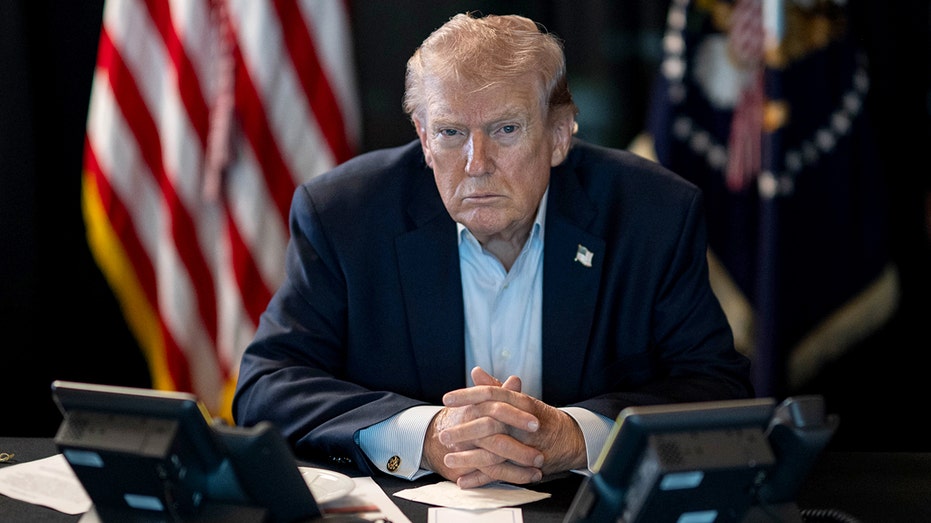
Adding to the complexity, a faction of 19 Republicans joined the majority of Democrats in opposing the extension. These conservative lawmakers expressed skepticism about a clean reauthorization of Section 702, advocating instead for greater privacy guardrails and reforms to prevent potential abuses. This bipartisan opposition highlights a deep-seated distrust in the program’s current implementation, despite President Trump’s strong urging for a swift, unmodified reauthorization.
“The nation’s ability to monitor foreign threats is now at risk due to partisan gridlock, jeopardizing vital intelligence operations.”
The Stakes for U.S. Counterterrorism and National Security
The potential expiration of FISA Section 702 carries significant implications for American counterterrorism efforts and broader national security. Intelligence agencies rely heavily on the program to track individuals linked to terrorist organizations, cyber threats, and foreign espionage. Without it, officials warn, there could be critical gaps in intelligence gathering, potentially leaving the nation vulnerable.
The urgency of the situation is underscored by previous successes attributed to the program. For instance, it has been credited by intelligence sources with helping to disrupt various plots, including a specific terror scheme that reportedly targeted a high-profile event involving singer Taylor Swift. Such capabilities are paramount for maintaining order and protecting American citizens from external dangers. As reported by the News Desk, the President has resisted demands to change his DNI pick, further entrenching the current stalemate.
With the deadline rapidly approaching, the pressure mounts on Congress to find a resolution that balances national security imperatives with legitimate concerns over civil liberties. The inability to extend such a critical tool reflects a concerning breakdown in legislative functionality at a time when global threats demand a unified and decisive response. The future of a key intelligence asset, and potentially national safety, now rests on a swift and effective political compromise.