Global Implications of Domestic Political Shifts in the United States
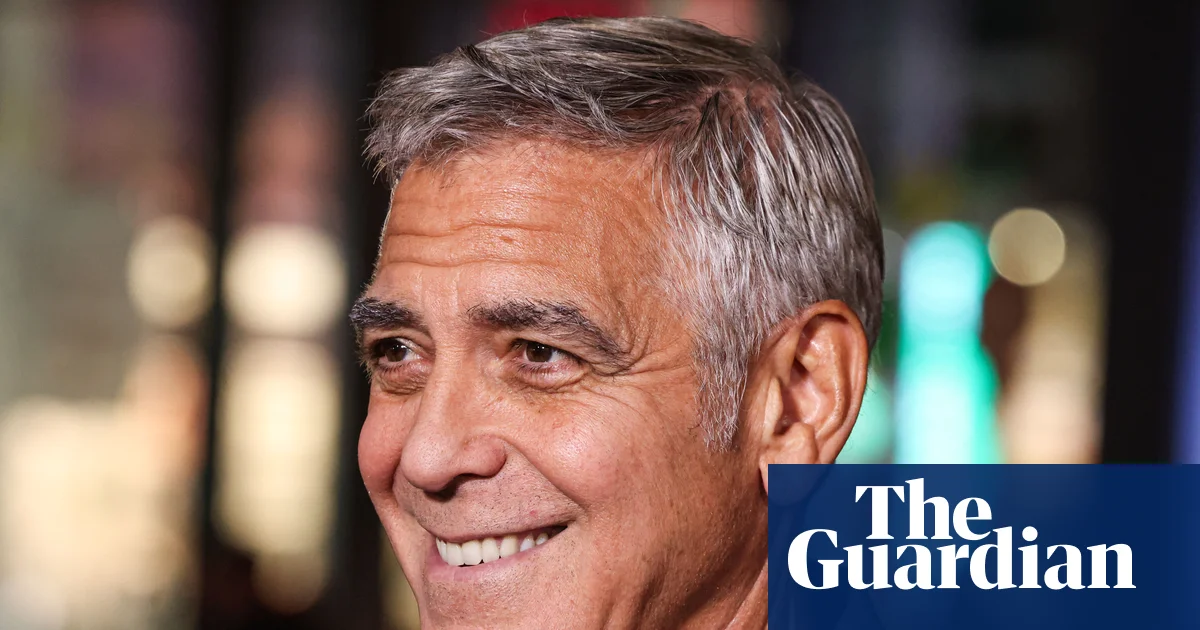
In a remarkable display of internal discord within the Democratic Party, recent events have underscored the profound geopolitical impact of America’s shifting political landscape. The outspoken actor and activist George Clooney publicly criticized the party’s decision to renominate Kamala Harris as the Democratic candidate for the 2024 presidential election. Clooney’s assertion that the nomination was a “mistake” highlights a fissure growing within American political ranks, a fissure that could have ripple effects well beyond national borders. As he expressed regret over the absence of a primary process to challenge Harris, Clooney subtly questioned the durability of the current Democratic leadership’s strategy, hinting at the potential for wider instability in Washington.
His candid comments came amidst a backdrop of widespread concern among analysts who warn that Biden’s perceived decline and the party’s controversial nomination process threaten to undermine America’s global standing. Historically, United States elections have been pivotal, shaping international alliances and economic policies worldwide. The decision to forego a competitive primary—an attempt at party unity, as some officials argue—may instead fracture the very fabric of American society and influence the geo-strategic balance. Particularly, how the U.S. handles internal dissent now could serve as a harbinger for its ability to lead on global challenges.
Meanwhile, the internal saga has devolved into personal attacks, with Hunter Biden publicly dismissing Clooney’s critique with uncensored hostility. This public spat underscores a broader theme: the erosion of civility in political discourse—yet it masks a deeper question of policy direction and international influence. Critics, including some historians and international observers, warn that such internal chaos may embolden adversaries like China and Russia, who are watching carefully to exploit perceived vulnerabilities in American leadership. Decisions made behind closed doors today could ultimately influence the future of global security, trade, and diplomatic relations for generations to come.
Rising Dissent and Its Global Consequences
- In July, Hunter Biden’s profanity-laced interview criticizing Clooney revealed the deep divisions within emerging political narratives about America’s leadership, encapsulating a nation at a crossroads.
- Harris’s own reflections in her book, “107 Days,” exposed her awareness of her delicate political position, recognizing the potential harm to national unity should her candidacy be challenged from within.
International institutions and political analysts have long warned that fractured democracies pose risks to global stability. The United Nations, for example, has emphasized that enduring democracy depends on transparency, accountability, and internal cohesion—all elements that appear strained in the current American scenario. As the geopolitical focus pivots toward Asia, the Middle East, and Eastern Europe, America’s internal turmoil serves as a cautionary tale about the importance of strong, decisive leadership at home. With international crises mounting—climate change, ISIS resurgence, and economic instability—the risk of distraction and disunity undermine America’s capacity to lead effectively.
The history books may record this an era of betrayal of democratic ideals, where internal discord amid high-stakes elections fractured both society and the balance of power. As global powers recalibrate their strategies, the American story continues to unfold—its next chapters determined not only by the outcomes of elections but by how it navigates the aftermath of its own internal divisions. In the shadows of the White House, decisions ripple outward, shaping the future of nations and civilizations—an unfolding saga still deeply embedded in the fabric of history itself.