Matox News

Truth Over Trends, always!

Karex Warns Iran Conflict Could Push Condoms’ Cost Up 30%, Impacting Youth’s Family Planning

In an era of unprecedented social challenges, the stability of essential supplies such as contraceptives has become a vital indicator of societal resilience. Malaysia’s Karex Bhd, the world’s leading producer of condoms, exemplifies how geopolitical conflicts and global supply chain disruptions ripple through communities, impacting families, education, and public health. As international tensions, notably the Iran war, continue to strain energy and commodity flows from the Middle East, companies like Karex face rising costs and shrinking inventories—issues that ultimately threaten the accessibility of vital health resources across the globe.

Social commentators and sociologists highlight that the disruption in the availability of contraceptives brings into sharp focus the intersection of public health, family planning, and cultural stability. The recent surge in demand—approximately 30% this year—coupled with prolonged shipping delays, has led to a significant decline in stockpiles, especially in developing nations where access to healthcare commodities is often already fragile. With shipments to regions like Europe and the United States taking nearly double the usual time—up to two months—families and educational institutions are experiencing tangible impacts on sexual health education and family planning initiatives. Such shortages threaten to reverse hard-won progress in reproductive health, as delays and shortages can foster unintended pregnancies, increase the spread of sexually transmitted infections, and undermine social stability.

The economic implications are not confined to health alone. As Karex’s CEO, Goh Miah Kiat, describes, cost increases linked to raw materials such as synthetic rubber and nitrile—a direct consequence of the conflict—are inevitably transferred to consumers. This dynamic exemplifies how global geopolitical crises translate into local social issues: increased prices can restrict access, placing additional burden on families and marginalizing those with limited resources. Historically, sociologists like Loïc Wacquant have argued that such disruptions disproportionately impact vulnerable populations, who bear the brunt of supply shortages and rising costs, thereby widening existing inequalities within communities and impeding equitable health outcomes.

  • Despite current supplies being adequate for the immediate future, the long-term outlook remains uncertain if supply chain bottlenecks persist.
  • The decline in international aid, such as reduced foreign aid contributions, exacerbates the crisis by limiting resource flow to countries most in need of reproductive health supplies.
  • Global logistics issues threaten to destabilize longstanding social efforts aimed at promoting sexual health and responsible family planning.

Addressing these challenges requires comprehensive community engagement, strategic resource management, and renewed emphasis on local production capacities. Societies must recognize that protecting access to essential health products is not merely a matter of economics but a moral imperative that sustains the fabric of families and the integrity of educational efforts. As social commentators underscore, society’s well-being depends on safeguarding these fundamental rights, especially during turbulent times. In this climate of upheaval, it is imperative to reflect on whether societal resilience can be built not only through technological innovation but through a collective moral commitment to prioritize health equity and uphold the dignity of every individual. In a world fraught with conflict and disruption, hope lies in our capacity to adapt, to unite, and to envision a society where every family and community can thrive amid adversity—transforming current crises into catalysts for enduring social renewal.

States Brace for NDIS Cuts as Chalmers Warns They’ll Be Key in Budget Savings

Australia’s NDIS Restructuring Sparks Political Tensions and Geopolitical Impact

The Australian government is currently embroiled in a contentious debate over its proposed National Disability Insurance Scheme (NDIS) budget cuts. With the upcoming budget release, officials are under pressure as the federal government, led by Prime Minister Anthony Albanese, seeks to reduce the scheme’s rapid growth trajectory. This move has elicited sharp reactions from both state governments and the disability community, emphasizing the geopolitical impact of domestic policy decisions on national cohesion and international reputation.

The federal treasury, under Jim Chalmers, has flagged the NDIS as the most significant component of the government’s savings package. Chalmers voiced concerns that the scheme’s annual growth rate exceeds sustainable levels, projecting costs to reach $63 billion by 2028-29 from this year’s $52 billion. Such fiscal measures are viewed by analysts as part of a broader effort to reframe Australia’s social welfare obligations in the context of global economic pressures, including rising debt, inflation, and the need to maintain competitiveness on the world stage. Moreover, this realignment of social policy may have long-lasting effects on society, particularly on vulnerable populations reliant on the scheme.

Yet, the move to trim NDIS spending has ignited a fierce political storm. States like Western Australia and Victoria have expressed concerns, especially regarding the shifting of responsibilities to a unified, national scheme called Thriving Kids. Many regional leaders felt blindsided when federal officials announced plans for the scheme last August, revealing a preference for centralization at the expense of state-led programs. Such decisions undermine the traditional federal balance, showing a shift towards increased federal control that echoes geopolitical trends where central authorities assert dominance over regional autonomy. As the scheme consolidates, questions about the transparency and fairness of these reforms linger, especially considering the absence of comprehensive disclosures from the federal department.

This domestic controversy holds profound geopolitical significance. As China and the Indo-Pacific region face their own political upheavals, Australia’s internal struggles reveal a nation at a crossroads—balancing economic pragmatism with social responsibility amid shifting international alliances. Some international observers—like the International Monetary Fund (IMF)—warn that Australia’s fiscal policies could impact its diplomatic standing and economic leverage. If the government’s austerity measures lead to social unrest or undermine social cohesion, it risks undermining its soft-power influence, especially as nations increasingly contest narratives based on social stability and inclusive growth.

Historians and analysts chart this ongoing internal battle as a reflection of broader trends in global governance, where the prioritization of fiscal discipline often clashes with social commitments. The hard choices made in Canberra may serve as a cautionary tale for emerging democracies worldwide, illustrating how domestic policy shifts can ripple across international relations. As critics decry the potential weakening of vital social safety nets, the world watches a nation wrestling with the legacy it will leave for generations. The unfolding story of Australia’s reforms isn’t merely about budget savings—it is a chapter in the greater narrative of a nation striving to define itself amid the powerful currents of shifting global power politics. The weight of history asks: will these decisions forge a resilient nation, or expose fractures that threaten its future stability?

Iran reopens Strait of Hormuz after US blockade, but warns it’s only temporary

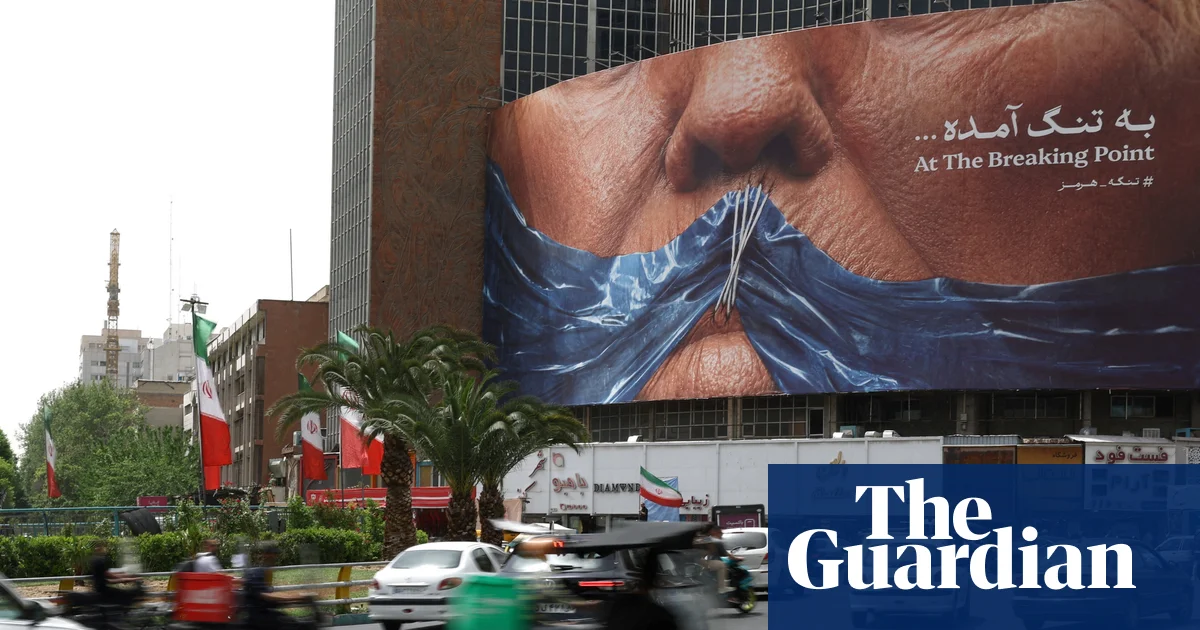
In a dramatic turn of events, Iran has reversed its decision to reopen the Strait of Hormuz, a move that has sent shockwaves through global markets and geopolitical strategic calculations. The strait, a crucial artery for international oil shipments, becomes a symbolic battleground in the ongoing proxy conflict between Iran and the United States, with regional allies and global powers weighing the future of this vital shipping corridor. Iranian officials explicitly stated that the restrictions would persist unless Washington ensured full freedom of navigation—a clear warning that the balance of power and diplomatic engagement remains fragile and volatile.

Over the weekend, maritime tensions spiked sharply when reports emerged that IRGC (Islamic Revolutionary Guard Corps) vessels fired on a tanker attempting passage, with the UK’s Maritime Trade Operations confirming similar attacks on an Indian-flagged oil vessel. These aggressive moves underscore how Iran seeks to project strength and resistance against what it describes as Western encroachment. Meanwhile, Iran’s military command announced the re-establishment of a “previous status” of control over the strait, directly linking the restriction to ongoing frozen negotiations over Iran’s nuclear program and broader regional stability. The message is clear: Tehran is prepared to escalate its defensive posture if its demands aren’t met, effectively holding the world’s energy supplies hostage amidst the ongoing conflict.

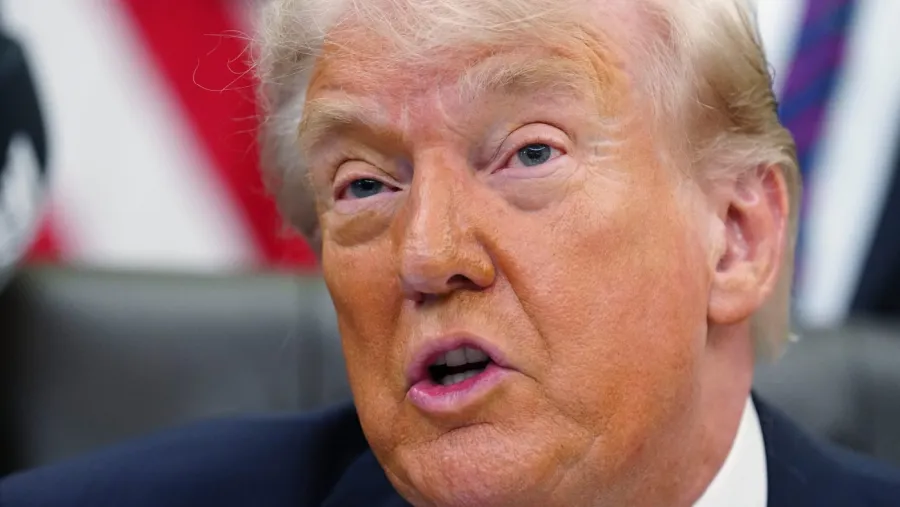
President Donald Trump declared that the U.S. would maintain its blockade until a permanent peace was achieved, emphasizing Washington’s resolve to sanction Iran’s economy and deny it strategic victories. Notably, Trump’s comments came as the U.S.-brokered ceasefire, fragile and temporary, looms on the horizon’s edge. With no substantive progress in negotiations after several rounds of talks, the risk of escalation remains high. As noted by international analysts and historians like Professor Michael J. Mazarr of the RAND Corporation, these developments are emblematic of a larger strategic contest over influence in the Middle East—a region where control of energy routes can tip the scales of global power.

The geopolitical impact of this crisis extends beyond energy markets; it represents a broader struggle for dominance—between Western allies and recalcitrant regional powers. The potential shutdown of the strait, which facilitates approximately 20% of the world’s oil and LNG shipments, threatens to trigger spikes in energy prices that could destabilize economies worldwide. The crisis’s ripple effects threaten to undermine stability in Europe, Asia, and beyond, with analysts warning that prolonged confrontation in the region could usher in a new, unpredictable era of conflict. As Turkey’s diplomatic forum in Antalya reflects regional hopes for de-escalation, the shadow of conflict persists, and history’s pen continues to write a chapter of uncertainty and tension.

In the unfolding saga of Middle Eastern geopolitics, the decision by Iran to escalate its control of the Strait of Hormuz underscores a profound lesson: in these waters, every move is a statement, every attack a symbol of defiance, and every negotiation a fragile hope. The world watches as the last threads of diplomacy are woven into this complex tapestry of power, with the future remaining uncertain. On the horizon, history awaits its next chapter—poised to record whether cooler diplomacy will prevail or whether the currents of conflict will surge anew, consigning the world to an unpredictable future.

UK Culture Secretary Warns BBC Job Cuts Are a Serious Concern for the Future

The British Broadcasting Corporation (“BBC”), long heralded as a bastion of British influence and a symbol of the nation’s soft power, has announced a wave of significant internal restructuring—cutting as many as 2,000 jobs over the next three years. This decision, revealed amid mounting financial pressures, sparks a broader debate over the disconnect between the priorities of senior management and the morale of the workforce. Critics argue that these cuts—though designed to tighten budgets—may inadvertently weaken Britain’s influence on the global stage, especially given how public broadcasting has historically served as a conduit for soft diplomacy, cultural exports, and ideological influence across continents.

Analysts suggest that the timing of these cuts cannot be dismissed as purely domestic concern. As international institutions and foreign governments watch, Britain’s strategic soft power assets are being reshaped—potentially at a cost. Many younger employees and those at the early stages of their careers have expressed frustration, warning that the perception of prioritization toward highly paid senior figures and external hires—such as incoming Director-General Matt Brittin, a former Google executive—risks diluting the broadcaster’s connection with its core audience and undermining its role as a reliable voice in a rapidly changing global information landscape. The sentiment is echoing among those who believe that
tough luck” policies threaten to erode a foundation that for decades has served as an extension of Britain’s national identity. Such internal turmoil, compounded by the lack of transparency and perceived favoritism, could have unforeseen consequences on Britain’s reputation abroad.

This internal upheaval not only reveals domestic instability but also underscores how decisions on national cultural institutions can ripple through the broader geopolitical fabric. As British political leaders toe the line between fiscal responsibility and cultural stewardship, international observers—particularly in the Commonwealth and allied nations—are watching keenly. The BBC’s struggles mirror global shifts where traditionally strong state-funded or publicly trusted media outlets face existential threats from rising misinformation, commercial competition, and political interference. For example, some international analysts warn that weakening Britain’s diplomatic cultural efforts could enlarge Russia’s and China’s influence in regions where they aim to fill the informational void left by Western institutions’ decline. The international community is increasingly aware that the health of a nation’s soft power—its ability to shape narratives without overt military or economic coercion—translates into long-term strategic advantage.

Esteemed historians and global think tanks have documented that media institutions like the BBC serve as a vital component of a nation’s global posture. As the United States contends with its own crises of trust in public broadcasting, and European nations grapple with similar austerity measures, Britain’s choices are seen as a potential bellwether. The decision to cut jobs at the broadcaster during a period of international upheaval—marked by geopolitical conflicts and shifting alliances—raises questions: How will the marginalization of a once-global media giant impact Britain’s influence and societal cohesion? Will it undermine a generation’s understanding of their cultural heritage and international role?

As history continues to unfold, the narrative remains dangerously open-ended. The actions taken now could either fortify Britain’s strategic resilience or diminish its standing on the global stage, echoing across continents and decades. The weight of this transformation underscores that, in the theatre of international politics, even a single broadcast corporation’s fate can ripple into the fabric of geopolitical stability, societal identity, and the very war of narratives that defines our times. The world watches, waiting for the next chapter to be written—and how history will measure this moment remains uncertain.

US-Iran Peace Talks Possible Soon as Trump Warns of Tensions with Iran

Amid mounting global tensions and soaring energy prices, U.S. President Donald Trump has signaled the possibility of resuming peace negotiations with Iran in an unexpected diplomatic development. Trump’s recent remarks, suggesting that talks could resume in Islamabad within the next couple of days, mark a notable shift in the ongoing confrontation over Iran’s nuclear ambitions and regional influence. The U.S. leadership, wary of the economic fallout from the Strait of Hormuz closure—an essential corridor through which roughly 20% of the world’s oil transits—appears to be recalibrating its approach to avoid further destabilization.

Strategic analysts highlight the significance of Islamabad’s role as a mediator in this fragile geopolitical chess game. Field Marshal Asim Munir, Pakistan’s formidable army chief, has been praised by Trump for his “great job” in facilitating dialogue, reflecting Islamabad’s emerging prominence as a regional diplomat. This diplomatic effort is happening amidst a backdrop of economic anxiety—oiled prices surged above $100 per barrel following Iran’s shutdown of the strait. Though crude prices briefly dipped to nearly $95 amidst reports of renewed negotiations, the global economy remains perched on a precipice, waiting to see whether diplomacy can disarm the mounting crisis.

Complicating this delicate process is the intra-regional conflict erupting along the Lebanese border. Israel and Lebanon have entered into unprecedented negotiations in Washington, designed to address the ongoing conflict—a consequence of recent U.S.-Israeli strikes on Iran. Hezbollah, Iran’s key regional proxy, has openly declared it will not adhere to any agreements brokered by Israeli or Lebanese representatives, forcing international observers and regional powers to consider the possibility of a broader escalation. The atmosphere of distrust and defiance underscores how fragile any potential peace is, with the region teetering on the edge of further turmoil.

Meanwhile, the diplomatic sidelines are fraught with accusations over the negotiations’ sticking points. Reports reveal that U.S. Vice President JD Vance expressed skepticism about Iran’s willingness to make significant concessions, emphasizing that Tehran has yet to demonstrate the flexibility needed for a sustainable deal. Iran, on its part, remains steadfast, insisting it will not surrender its uranium enrichment program and demanding a shorter moratorium—less than ten years—rather than the U.S. demand for a 20-year suspension. Such divergence reveals the deep mistrust between the parties and the hardened positions that threaten to plunge the region back into conflict, despite informal talks hinting at possible détente.

Key external powers are also stepping into the fray, with senior officials from Saudi Arabia, Egypt, and Turkey attending consultations in Islamabad, seeking to influence the diplomatic process. As Prime Minister Shehbaz Sharif prepares to visit regional allies in a bid to garner support for peace initiatives and propose measures to reopen the Strait of Hormuz, the current diplomatic flux indicates that the future remains unpredictable. History warns us that each diplomatic blunder, each missed opportunity, could ignite a domino effect of chaos that redraws the Middle East’s landscape for generations to come.

As these perilous negotiations unfold under the shadow of regional and global interests, the fate of the Middle East hangs in the balance. The decisions taken in the coming days will shape not only the geopolitical contours of the region but also the everyday lives of millions caught in the crossfire. Whether diplomacy prevails or a new inferno ignites, the weight of history remains, watching silently as the world teeters ever closer to a defining moment—an epoch where the hopes of peace confront the reality of enduring conflict.

Streeting warns: Rising populist votes could threaten NHS stability in May elections

As society navigates an era of profound **demographic shifts** and **cultural tensions**, the resilience of families and local communities faces mounting challenges amid political tumult. Recent discussions in UK politics have spotlighted a dangerous trend: the destabilization of essential **social institutions**, particularly the NHS, which has long served as the moral backbone of Britain’s social fabric. Voters, especially the youth, are now urged to consider the broader consequences of their choices—choices that threaten the very principles that have sustained generations of families through crises and upheavals.

At the heart of this debate stands a grim warning from health care leaders and social commentators: the rise of populist parties like Reform UK and Plaid Cymru presents a tangible risk to the fundamental promise of the NHS—free, universal healthcare rooted in solidaristic values. This political shift, driven by **demographic changes** and a desire for quick fixes, risks undermining decades of progress. Sociologists warn that when societal trust in **public institutions** erodes, families suffer the most—facing longer waits, diminished access to quality care, and a sense of abandonment. Such developments threaten to fragment communities, widening disparities and creating social rifts that echo through generations.

The tension is not limited to England or Wales; it reflects a broader **cultural shift** affecting the moral fabric of the nation. History shows, as documented by social scholars like Eric Hobsbawm, that when **social solidarity** is weakened, families become less resilient, and communities lose their sense of shared purpose. Instead of investing in social infrastructure, current political discourse often champions privatization and reduction of public services, positing short-term fiscal gains over long-term societal health. The resurgence of nationalist sentiments further exacerbates these issues, as communities fracture along **identity lines**, undermining the common bond that once united diverse groups in pursuit of a collective well-being.

  • Data indicates that the **NHS** is weakening, with waiting lists and service shortfalls affecting families’ ability to access timely healthcare.
  • Political promises of **tax relief** and reform threaten to erode the funding and morale necessary to sustain **public healthcare** systems.
  • Increased **social tensions** stem from inequalities exacerbated by policy shifts and demographic changes, impacting community cohesion and youth prospects.

In this landscape of uncertainty, the role of **families** and **educational communities** becomes more vital than ever. They serve as the bedrock of societal resilience, fostering **values of responsibility, solidarity, and hope**. Social commentators argue that safeguarding these institutions necessitates a collective effort—one rooted in understanding the moral importance of protecting **public services** not merely as policy but as a moral imperative. For youth, this means recognizing their stake in a society that provides opportunity, dignity, and fairness across generations. As sociologist Anthony Giddens posited, social change hinges on “the capacity of communities to adapt and renew their moral commitments,” especially amid thefires of political upheaval.

Ultimately, society stands at a crossroads: will it uphold the foundational aims of **solidarity and shared responsibility**, or allow the forces of short-term populism to unravel the social fabric? This question echoes in the quiet moments of family life and in the collective consciousness of communities striving for a better future. As society faces these persistent challenges, the hope remains that through deliberate effort and a reaffirmed sense of shared purpose, communities can emerge stronger—united in their commitment to **restoring the moral integrity** of their social institutions. A society that recognizes its flaws and takes collective action to heal itself may yet forge a future where families thrive, communities flourish, and the core values of justice and solidarity endure through generations.

London voters might regret backing Reform or Greens in local polls, warns Sadiq Khan | 2026 Elections

Shifting Political Sands and Social Tensions in London

As London approaches its local elections on 7 May, a noticeable demographic and ideological shift is sweeping through the city’s working-class and middle-class communities alike. Mayor Sadiq Khan has publicly acknowledged the growing disenchantment among some former Labour supporters who are now considering alternative parties such as the Greens or Reform. This evolving landscape signals a deeper societal question: how do families and communities reconcile their desire for effective local governance with changing political allegiances rooted in frustration or disillusionment? Historically, sociologists like Richard Sennett have emphasized how social cohesion is often tested in times of political upheaval, exposing cracks in the traditional bonds that hold communities together.

The cultural shifts are further exemplified by the shifting allegiances within the city’s inner boroughs, where longstanding Labour councillors face the possibility of defeat. Khan’s tone hints at a concern that a move toward protest or protest-led councils may undermine tangible progress, questioning whether more upheaval will truly benefit those in localities most in need. Critics argue that this political volatility stems from a broader societal discontent with bureaucratic inertia—a phenomenon sociologists describe as the “politics of frustration,” where voters seek change but remain unconvinced by the alternatives, risking a cycle of instability that impacts families’ access to services, education, and essential support systems.

The societal upheaval extends beyond electoral politics into international relations and broader geopolitical nightmares. Khan has criticized US military interventions and the ongoing conflicts involving Iran and Israel, emphasizing the moral and human consequences. He pointedly questions the justification for war, highlighting the fragile morality underpinning many of these international decisions. Such stance underscores a societal tension: how does a government balance global activism with the pressing needs of its own communities? It is a dilemma that impacts families torn between economic survival and ethical commitments, raising questions about how our society navigates the moral complexities in a hyperconnected world.

Moving forward, the societal challenge remains: how do communities foster resilience amidst upheavals—be they political, cultural, or international? Sociologists like Arlie Hochschild have argued that cultural tensions rooted in identity often mirror economic and social disparities, creating fertile ground for divisiveness. Yet, amid these challenges, hope persists. Societal transformation depends on building bridges across divides, fostering dialogue that recognizes shared values, and empowering young people to shape a future rooted in justice, stability, and renewed community bonds. As citizens face the uncertainties ahead, society’s greatest strength may lie in its capacity for resilience and renewal—turning the tide against discord towards a horizon where collective growth paves the way for a society that truly reflects its diverse aspirations and moral commitments.

MAGA Movement Fractures: Trump Warns Iran Risks ‘Entire Civilization’ Over Deal – Live Update | Trump Admin

As President Donald Trump escalates his rhetoric and military threats against Iran, the geopolitical landscape of the Middle East and international diplomacy faces unprecedented turbulence. Trump’s recent threats, including promises to target Iran’s civilian and energy infrastructure if Tehran fails to reopen the Strait of Hormuz, represent a significant departure from traditional U.S. policy. Historically, such threats have been condemned by international watchdogs and analysts who warn that escalating military rhetoric could spiral into a full-scale conflict with widespread consequences. Prominent geopolitical scholars argue that these actions risk destabilizing the already volatile region, with ripple effects extending far beyond Iran’s borders, impacting global energy supplies and regional alliances.

The U.S. administration’s stance appears to have fractured even within Trump’s own political base. As the crisis deepens, voices from the right-wing echo chamber are voicing concerns over the potential for catastrophic escalation. Former Fox News anchor Tucker Carlson condemned the escalation as “vile on every level,” emphasizing that the threats to kill civilians and destroy Iran’s infrastructure are reckless and unprecedented in American foreign policy history. Meanwhile, figures like Marjorie Taylor Greene have openly called for his removal under the 25th Amendment, citing concerns over his mental stability amid these threats. This internal rift underscores a larger pattern of disunity, as even the most conservative factions begin to question the wisdom of Trump’s aggressive approach.

Internationally, responses have been mixed but increasingly alarmed. The European Union and United Nations have expressed concern over the risk of war, with diplomats warning that such threats undermine efforts toward de-escalation. Historically, analysts like Dr. James Dobbins, a retired U.S. diplomat, have emphasized that miscalculations driven by inflammatory rhetoric could escalate into a conflict that would have devastating regional and global consequences. Oil markets have reacted sharply as well; Brent crude prices have surged above $110 a barrel, reflecting fears of supply disruptions given Iran’s strategic importance. Oil experts warn that such instability could trigger a broader energy crisis, reverberating through global markets and economies already fragile from recent disruptions. The geopolitical upheaval around the Strait of Hormuz thus has the potential to reshape international alliances, reduce U.S. influence in the region, and force nations to recalibrate their foreign policies based on security and economic interests.

This crisis unveils a stark reality: the decisions made today could define the future of international order for decades to come. The dramatic threats by Trump, coupled with internal fractures and global unease, serve as a sobering reminder that the course of history remains uncertain. The coming days will test whether diplomatic channels can withstand this storm or if a misstep will plunge the world into conflict. As history continues to unfold, one thing becomes clear—the era of unchecked military bravado risks turning into a chapter marked by irreversible consequences for nations and societies across the globe. The weight of those choices now hangs heavily in the balance, casting shadows over what the future holds for international peace and stability.

Trump warns Iran: No deal, and we’ll hit back hard in one night

Amid mounting tensions in the Middle East, United States President has issued a stark ultimatum to Tehran, demanding the reopening of the Strait of Hormuz before a crucial deadline on Tuesday. This narrow waterway, a vital artery for global energy supplies, lies at the heart of an escalating geopolitical standoff that could reshape international security and economic stability. The Biden administration’s move underscores a broader strategy to assert dominance in the region while warning that any disruption to this strategic chokepoint could trigger a cascade of consequences worldwide.

The Strait of Hormuz handles approximately 20% of the world’s oil trade, making it indispensable to global energy markets. Its control has long been a point of contention, especially amid Iran’s tense relations with Western powers. Since the US reimposed sanctions and withdrew from the JCPOA (Joint Comprehensive Plan of Action), tensions have soared, with Iran threatening to block the strait in response to American and allied pressures. International analysts warn that a closure—whether intentional or accidental—could spike oil prices, destabilize economies, and ignite broader regional conflicts. The International Energy Agency (IEA) recently cautioned that any disruption here would send shockwaves through global markets, risking a rise in energy costs that could undermine governments and threaten the fragile economic recovery in many nations.

Historically, the control of the Strait of Hormuz has been a flashpoint in regional power struggles. Experts note that the US’s current posture appears aimed at deterring Iran from taking aggressive actions, while simultaneously signaling to Tehran that the West remains steadfast in protecting its interests. Military analysts highlight that the US has increased naval patrols and strategic deployments in the region, signaling a readiness to respond if Iran attempts to close the strait. Meanwhile, Tehran continues to leverage its strategic position, asserting that Western interference and sanctions undermine regional sovereignty. The situation has drawn the attention of international organizations like the United Nations, which have called for restraint and diplomatic engagement to prevent escalation. Yet, with each passing day, the risk of miscalculation increases, and the potential for an all-out conflict looms larger.

Historians and policy experts warn that these tensions are not new but have been accumulating for decades. The decisions made today could set a precedent with far-reaching effects. Scholars like Barry Buzan have argued that control over key maritime choke points is central to modern geopolitics, with the US seeking to maintain influence over strategic waterways while Iran and other regional actors push back to assert their sovereignty. The international community faces a pivotal choice: continue navigating a dangerously fragile status quo or pursue diplomatic paths that could ease tensions. As the US deadline approaches, the world watches with bated breath—every headline, every drone flyby, every command signals the unfolding chapters of history that will define the 21st century. Will cooler heads prevail, or will this be the spark that ignites a broader Middle Eastern conflagration? Only time will tell, but the stakes could not be higher, for every nation, every society, and every future generation.”

Middle East Tensions: Tehran Warns Trump on Hormuz, Israel’s Role in US Crew Rescue Unveiled

Turning Points Amidst Escalation in the Middle East

The Middle East is once again becoming the epicenter of international tension, with recent events signaling a dangerous escalation that holds profound geopolitical implications for nations worldwide. From Iran’s vengeful strikes to US and Israeli military actions, the entire landscape of regional security is shifting dramatically. The decisions and actions of global powers continue to ripple across societies and economies, making this an epochal moment in modern history.

Iran’s parliamentary speaker Mohammad Baqer Qalibaf sharply condemned Donald Trump’s threats targeting regional energy and transport infrastructure, asserting that the US is being misled by Benjamin Netanyahu. As tensions mount, Iran’s defense posture has become increasingly aggressive, warning of “much more devastating” retaliation if the US proceeds to attack civilian targets. These warnings underscore the delicate balance of power in the Gulf, where any miscalculation could escalate into broader conflict. International analysts argue that Iran’s recent missile attacks on petrochemical facilities across Kuwait, Bahrain, and the United Arab Emirates are a stark signal that their capacity for damage remains potent, complicating diplomatic efforts.

The United States, under the provocations of President Trump’s incendiary comments, has doubled down on threats to intervene directly in Iran’s waterway, especially the strategic Strait of Hormuz. Trump’s coarse language on social media, calling for the Strait to be opened or risking “living in Hell,” reveals a reckless posture that global leaders and institutions have condemned. The International Maritime Organization has warned of the potential for catastrophe if the Strait remains closed, endangering global oil supplies and economic stability. Meanwhile, Iran’s response has been escalatory, with drone and missile strikes extending to key Gulf nations and an Iranian vessel at Dubai’s Jebel Ali port targeted by revolutionary guards. Such actions threaten to disrupt global energy markets, with crude oil prices opening higher in response, signaling investor fears about an impending conflict that could destabilize global markets for years to come.

Regional Conflagration: Israel’s Military Operations and Political Ramifications

Israel’s military has reported intercepting missiles launched from Iran, with alerts prompting civilians across southern regions to seek shelter. The recent strike on a residential building in Haifa resulted in fatalities and injuries, a stark reminder that the confrontation is painfully personal for Israeli citizens. Israeli Prime Minister Benjamin Netanyahu has publicly boasted of his country’s cooperation in rescuing American personnel, highlighting the covert alliances that are shaping this crisis. Israeli forces have also carried out extensive strikes against “regime targets” in Tehran, aiming to weaken Iran’s military infrastructure. This tit-for-tat escalation risks unleashing unpredictable consequences, with specialists warning that a broader regional war may now be unavoidable.

The involvement of Lebanon’s Hezbollah and Iran’s support for militant activities continue to deepen the crisis. Israeli strikes in southern Lebanon have killed at least 15 civilians, intensifying regional hostilities. Meanwhile, Iran’s threats of “devastating and widespread” offensive actions serve as a grim warning that the conflict could spiral into a full-scale regional war with devastating humanitarian consequences. As histories have demonstrated, such escalations threaten not only regional stability but also the global geopolitical order. The voices of cautious diplomacy seem drowned out amidst the smoke and chaos of war, leaving the world watching as history’s next chapter is written.

The Future Unfolding on the Tomb of Uncertainty

As international organizations and independent analysts weigh in, the question remains: will cooler heads prevail, or are we witnessing the first sparks of a new Middle Eastern epoch that could reshape the 21st century? The choices made in the coming days will determine whether this crisis will subside into open conflict or accelerate into a domino effect of violence that could threaten to engulf multiple nations. The echoes of history remind us: the ink of diplomacy must not be overshadowed by the flames of war, yet the current path seems increasingly lined with the smoke of destruction. In this unfolding saga, the world stands at a crossroads—where the weight of history reminds us that each decision holds the power to forge a new chapter or ignite irreversible chaos.

Social Media Auto Publish Powered By : XYZScripts.com