Efforts to address the nation’s pressing housing affordability crisis are encountering significant obstacles within Congress, as President Donald Trump’s call for swift action is met with internal Republican divisions. With midterm elections on the horizon, the urgency to deliver tangible economic relief is palpable, yet a legislative path forward remains contentious, highlighting the challenges of uniting diverse congressional factions on critical policy matters.
Congressional Gridlock on Housing Policy
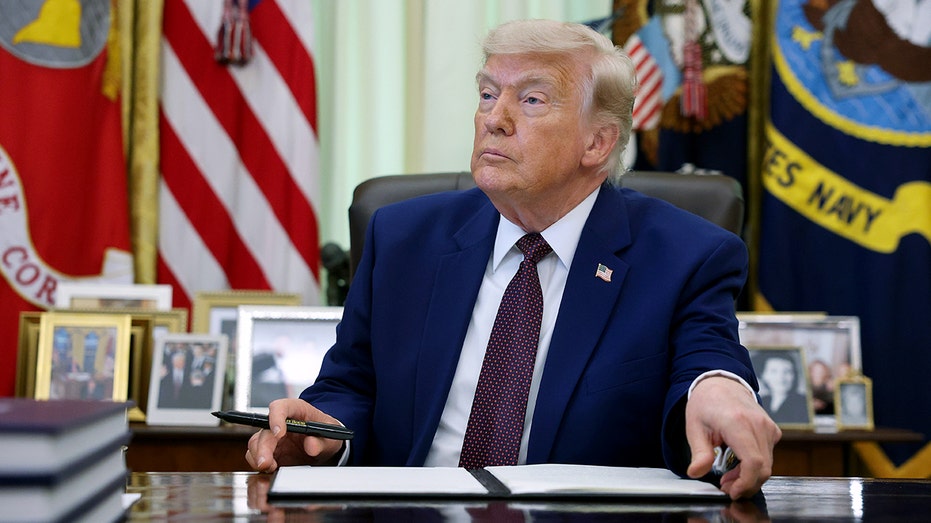
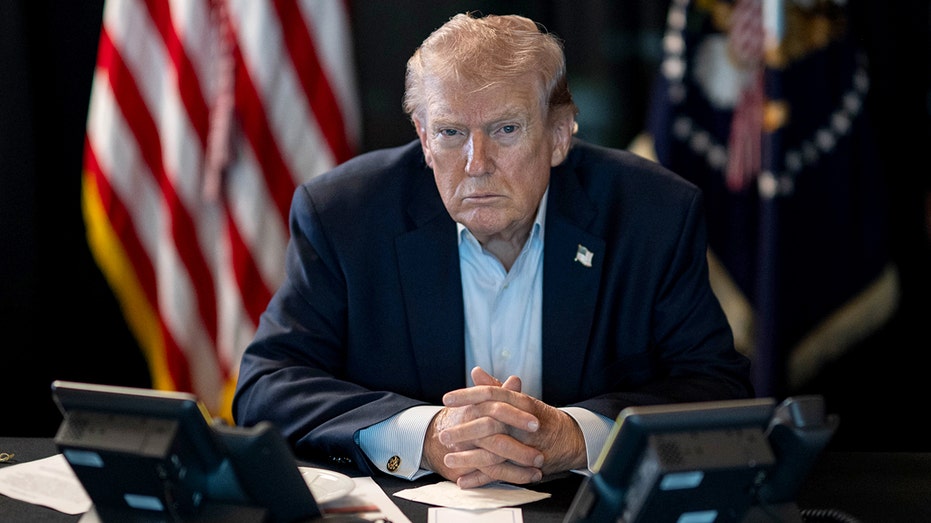
President Trump has actively urged Congress to advance legislation aimed at making housing more accessible and affordable for American families. His administration views a successful housing initiative as a crucial accomplishment to present to voters, particularly as economic pressures continue to weigh on households nationwide. However, the legislative process has been anything but smooth. The Senate previously passed a comprehensive bill designed to tackle various aspects of the housing market, a measure that has since languished in the House of Representatives.
House Republicans Propose Alternative Path
Rather than simply adopting the Senate’s version of the ’21st Century ROAD to Housing Act,’ House Republicans have expressed reservations and are now championing their own modified proposal. This alternative approach, which senior House lawmakers unveiled recently, is slated for a vote in the lower chamber as early as next week. While House Speaker Mike Johnson, R-La., has voiced optimism about achieving a ‘bipartisan, bicameral bill,’ the divergence in legislative strategies presents a clear challenge. Any alterations made by the House would necessitate a return to the Senate for reconsideration, thereby extending the timeline for the legislation to reach the President’s desk.
Divergent Views and Legislative Implications
The differing opinions on how best to address housing affordability underscore a broader struggle within the Republican Party to coalesce around specific policy mechanisms. On one side, proponents of the Senate bill, such as Senator Elizabeth Warren, D-Mass., a primary architect of the original measure, emphasize the immediate need for action. She reportedly stated that the existing bill ‘can pass today if the House would just put it on the floor,’ emphasizing the need for immediate action. This sentiment reflects a desire to capitalize on existing legislative momentum to address what many perceive as a deepening crisis.
Conversely, some House Republican members are resolute in their opposition to the Senate’s framework. As reported by News Desk, certain members of the House Freedom Caucus have explicitly stated, ‘We cannot take the Senate bill to the floor,’ indicating a firm commitment to their own version. This entrenched disagreement poses a significant hurdle to legislative efficiency.
The ongoing debate over housing policy exemplifies the complexities of federal governance, where urgency often clashes with legislative nuance and political strategy.
The current legislative environment suggests several key points of contention:
- The Senate has already passed a comprehensive bill, indicating a readiness for action.
- House Republicans seek to introduce substantial modifications, reflecting differing priorities or concerns.
- The need for a unified approach is magnified by the looming midterm elections and the pressing national demand for housing solutions.
- Each chamber’s insistence on its own version risks prolonged legislative delays, potentially frustrating both the administration’s goals and public expectations.
As the legislative calendar shortens, the impasse over housing affordability legislation highlights the intricate dance between congressional chambers and the executive branch. The ability of Republicans to reconcile their internal differences and present a cohesive plan will not only determine the fate of this critical economic initiative but could also influence voter perceptions of their governing capacity leading into the autumn elections. The path to a unified policy solution remains uncertain, underscoring the persistent challenges of bipartisan and even intra-party consensus in a divided Washington.