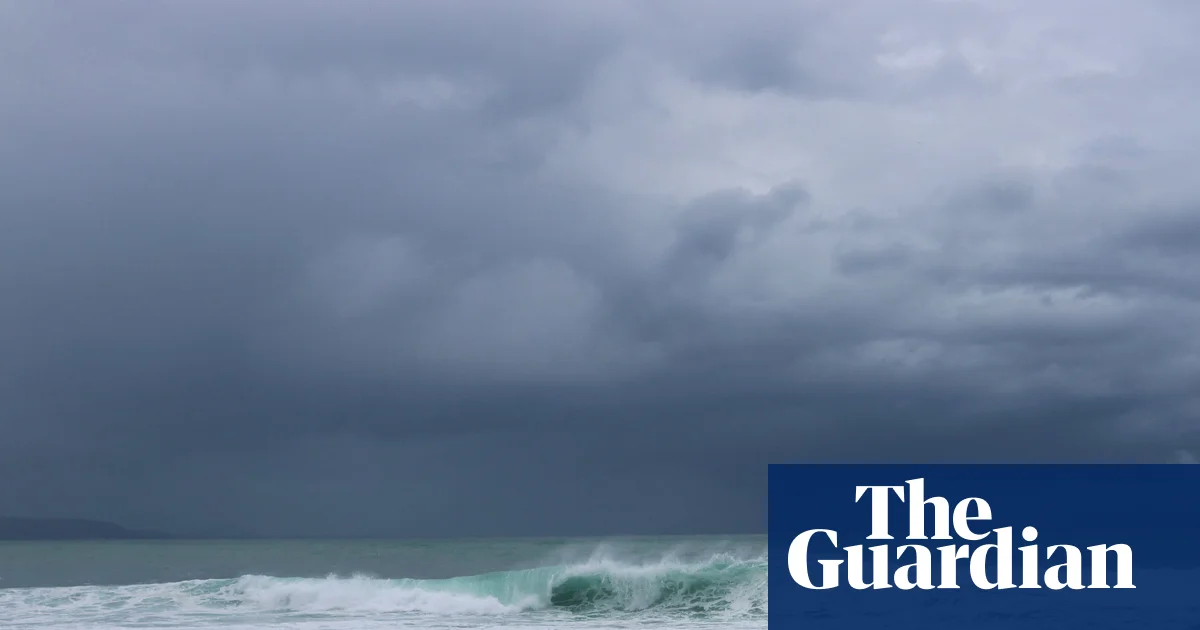
As Hurricane Melissa rages through the Caribbean, expectations are mounting among international observers regarding its geopolitical impact. Originating off the coast of West Africa and rapidly intensifying into a formidable Category 4—and potentially Category 5—storm, Melissa’s trajectory toward Jamaica and Cuba highlights the region’s vulnerability to extreme weather. The forecasted winds of 160 mph could make Melissa the strongest hurricane in Jamaican history, surpassing the notorious 1988 Hurricane Gilbert. Such natural calamities serve as stark reminders that climate change, now a global issue, is manifesting in increasingly destructive forms—shaping not only environmental but also geopolitical realities.
Analysts from the United Nations and renowned climate experts warn that these natural disasters are more than just weather events—they act as catalysts for regional instability. Damage assessments forecast “extensive infrastructure damage, long-duration power and communication outages, and the potential for widespread flooding,” indicating that local governments with fragile economies and limited disaster preparedness could experience lasting socio-political upheaval. The economic costs associated with recovery may strain national budgets and divert resources from development priorities, fueling social unrest and international aid debates. As history shows, natural disasters often bring to light deeper systemic vulnerabilities that can ripple across international borders, impacting alliances, trade routes, and regional security.
The U.S. National Hurricane Center has issued cautionary warnings about the storm’s potential for “life-threatening flash floods, storm surges, and landslides,” emphasizing the risk of logistical collapse in affected nations. Meanwhile, in a distinct yet equally alarming development, reports from New Zealand highlight that severe weather remains a global phenomenon, with recent storms demolishing critical infrastructure—roofs torn from buildings, power outages affecting 90,000 homes, and transportation disruptions across the nation. These events have underscored the unpredictability of natural threats in a world increasingly interconnected, emphasizing that no part of the globe is immune to the larger repercussions of climate volatility.
International organizations, including the World Meteorological Organization, warn that the frequency and strength of such storms are likely to increase unless global policy shifts significantly. When climate policies are sidelined in favor of short-term economic gains from fossil fuels, the consequences become starkly visible on the geopolitical stage. The tension is palpable: nations are forced to choose between economic growth and climate resilience, with many vulnerable states suffering the brunt of these decisions. As historians and analysts observe, these crises will most likely leave a lasting mark on the geopolitical landscape, forcing the world to confront uncomfortable truths about the costs of inaction.
As the storm’s fury nears landfall, and while other nations grapple with their own climate-induced calamities, the weight of history continues to unfold. The decisions made in the coming days—regarding disaster response, climate policy, and international cooperation—will shape a new chapter in a world where natural disasters no longer remain isolated events but are central to the ongoing contest of power and survival. The question remains: in this rapidly changing climate, who will lead the charge for resilience, and who will be left to confront the storm’s aftermath in silence?