Matox News

Truth Over Trends, always!

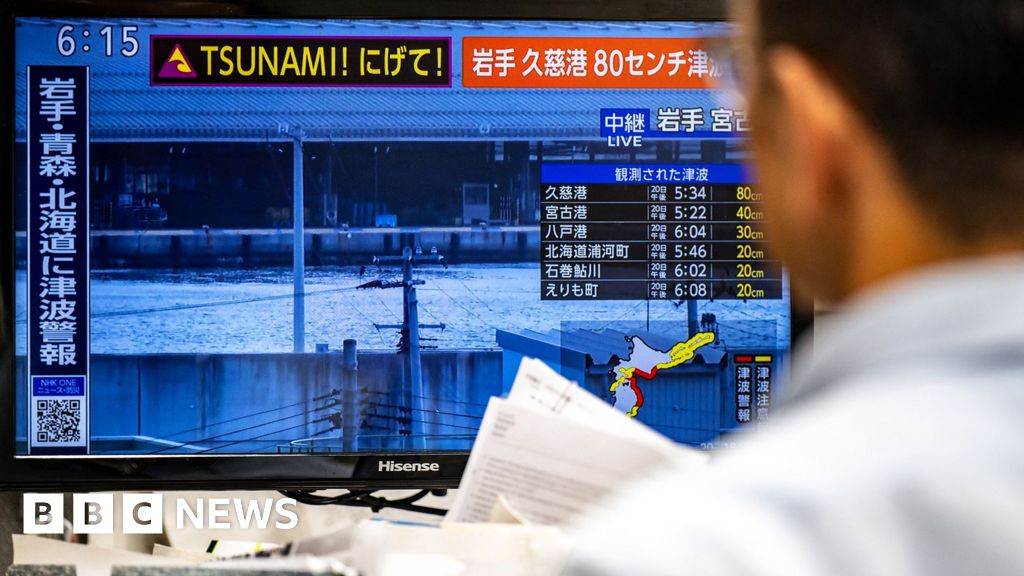
Japan on edge as second 'huge' quake Threatens After Tsunami Warning Lifted
Japan on edge as second ‘huge’ quake Threatens After Tsunami Warning Lifted

In a stark alert that has captured the world’s attention, Japan’s Meteorological Agency has issued a warning of a potential significantly stronger earthquake likely to strike within the next week. This warning marks a critical moment for one of the world’s most earthquake-prone nations, where geological instability has long shaped its social, economic, and political landscape. As governments and international agencies scramble to prepare, the geopolitical ramifications extend well beyond Japan’s shores, reverberating through global markets and shifting regional alliances.

Historically, Japan’s recurrent tremors have prompted a global response rooted in resilience and technological innovation. The country’s meticulous disaster preparedness programs, which include advanced early warning systems, evacuation protocols, and resilient infrastructure, are tested anew. However, an anticipated magnitude escalation raises questions about the sufficiency of current measures and highlights the importance of international cooperation. Analysts from the International Seismological Centre warn that the impending quake could trigger cascading effects, including regional tsunamis and widespread infrastructural damage. Such outcomes threaten not only local communities but also vital supply chains that sustain the economic stability of the Asia-Pacific region.

This seismic uncertainty strikes at the core of regional security concerns. Countries such as South Korea, China, and Russia are carefully monitoring Japan’s situation, cognizant that a major quake could destabilize the delicate balance of influence in East Asia. The regional power dynamics could shift dramatically depending on how authorities respond and whether natural disaster management intersects with geopolitical interests. Some experts suggest that a major quake might exacerbate Japan’s call for increased military readiness and emergency aid cooperation, thereby influencing regional alliances in ways that could redefine the post-World War II security architecture.

Moreover, the international community’s response to Japan’s impending crisis encapsulates a broader narrative of geopolitical importance and societal resilience. As Japan navigates this natural threat, global organizations like the United Nations and neighboring nations are under pressure to coordinate aid, share intelligence, and reinforce disaster preparedness programs. Historians and geopolitical analysts point to past events where such natural calamities have either fostered greater regional solidarity or, conversely, exposed fragilities that fuel geopolitical conflicts. The looming threat underscores that in today’s interconnected world, natural disasters are no longer isolated incidents— their impacts reverberate far beyond the initial quake, shaping the fate of nations.

As the earth beneath Japan quietly rumbles in anticipation, the world stands at a precipice where history is still unwritten. The coming days will reveal whether human ingenuity and collective will can withstand the wrath of nature, or whether this natural upheaval will serve as a stark reminder of our vulnerability in the face of uncontrollable forces. The weight of history presses heavily on Japan’s shoulders, as it heeds the warning of a possible *greater catastrophe*, bearing witness to a moment that could redefine the destiny of the region — a silent prelude to a tragedy waiting just beneath the surface.

Next-Gen Wearable Airbag Threatens to Revolutionize Bike Safety for Youth

Revolutionizing Cycling Safety: Airbag-Powered Suits Set to Disrupt Traditional Gear

In a bold move toward enhancing rider safety, UCI, the governing body of professional cycling, has initiated a paradigm shift by endorsing the development of advanced protective gear. This comes after a recent call for innovations seeking cutting-edge technology capable of safeguarding athletes at unprecedented speeds. Among the most promising solutions is the emergence of airbag-integrated suits, designed to mitigate injury severity during high-impact crashes—the kind that traditionally threaten careers and even lives.

This new generation of skinsuits exemplifies disruption at the intersection of sports, safety, and technology. Engineered with aerodynamic, heat-dissipating materials—along with abrasion-resistant layers—the suits serve a dual purpose: reducing drag for improved performance and enhancing safety. Most notably, embedded airbag systems deploy in real time to protect vital upper-body regions including the cervical zone, spinal cord, and central core, areas previously vulnerable in high-velocity accidents. By shifting focus beyond just helmets, innovators like Van Rysel are recognizing that comprehensive protection requires addressing multiple facets of rider safety, aligning with the strategic thinking of industry leaders such as Elon Musk and Peter Thiel, who emphasize disruption as a catalyst for industry transformation.

The implications are profound for the business and sports worlds alike. As the industry anticipates widespread adoption, companies that pioneer this integrated safety technology stand to reshape market dynamics, forcing traditional gear manufacturers to innovate or risk obsolescence. This aligns with perspectives from Gartner analysts, who forecast that wearable safety tech innovations will account for a significant share of future sports equipment sales, with Airbag suits positioned as a potential game-changer. The advancement also signals an era where safety exceeds mere compliance; it becomes a competitive advantage, fostering greater athlete confidence and potentially uplifting spectator engagement in professional cycling.

Looking ahead, the trajectory of these innovations suggests not just incremental improvements but disruptive leaps akin to what electric vehicles did to automotive industry norms. As more safety algorithms are integrated with wearable tech and AI-driven deployment mechanisms, the future of high-speed sports will demand a proactive approach to risk management. Industry stakeholders—ranging from startups to established corporations—must act swiftly. The urgency is palpable: those who lead the charge into this new era of protective equipment will dominate the market and shape the future of athletic safety standards. With technology forging ahead at an unprecedented pace, the question is not if, but when, these revolutionary suits will become the new baseline for rider safety worldwide.

Tropical Cyclone Vaianu Threatens New Zealand with Dangerous Winds—Are We Ready?

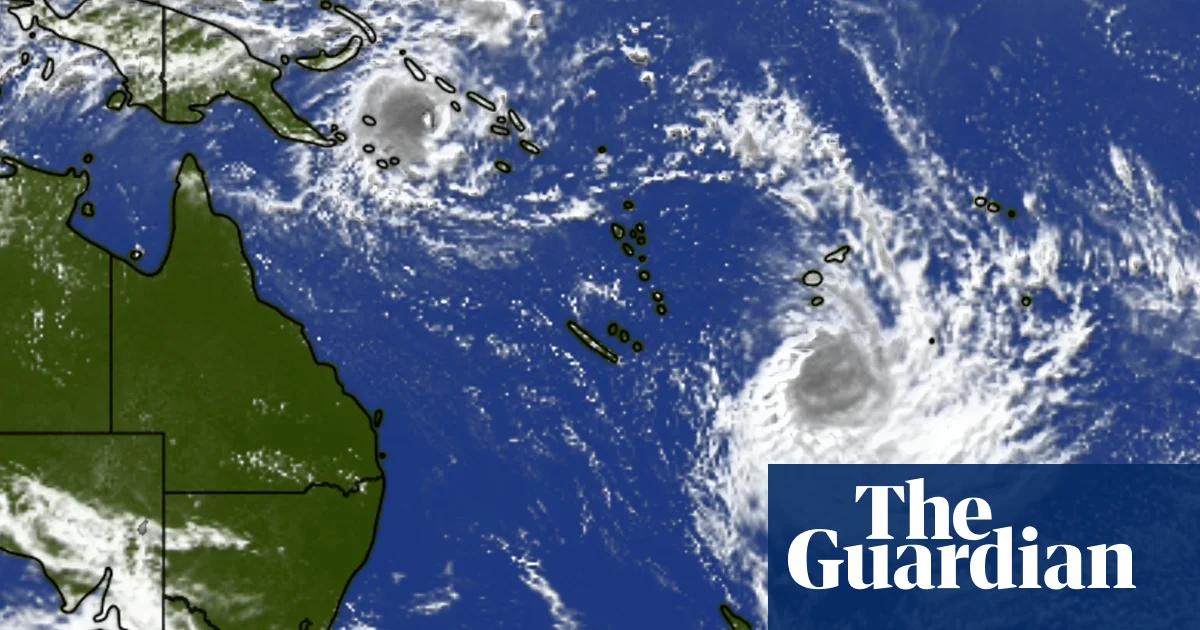
As the Pacific Ocean churns with the formation of Tropical Cyclone Vaianu, the geopolitical implications extend far beyond weather forecasts. Forecasters warn that this category 3 cyclone, with sustained winds exceeding 150km/h, could bring severe winds and heavy rains to New Zealand later this week. The entire North Island is under a strong wind watch, underscoring the increasing strain that not only natural disasters but also their management place on national societies.

This cyclone’s development highlights a disturbing pattern of increasingly intense and unpredictable tropical weather systems in the Pacific, regions historically challenged by climate volatility. International climate models and analysts suggest that such storms are not isolated incidents but a consequence of broader environmental shifts driven by global warming. Scientists warn that these storms could become more frequent and severe, intensifying the political and economic weight borne by governments to prepare for and respond to such calamities. The coordinated response of nations, emergency agencies, and international organizations becomes critical in safeguarding societies; any failure could result in devastating human and financial losses. The Pacific region, a hub of geopolitical importance due to the rising influence of China and the enduring presence of U.S. alliances, faces increased vulnerabilities as climate change exacerbates instability.

In addition, the Pacific’s natural turmoil is mirrored by ongoing regional shifts. Just as Australia and the United States bolster strategic partnerships amid increasing geopolitical tensions, the continent’s environmental crises echo a warning that natural disasters will have ripple effects on international stability. The recent escalation of tropical cyclone Maila, now a category 5 system in the Solomon Sea, vividly illustrates the North’s vulnerabilities. While Maila poses no immediate threat to New Zealand, its formidable winds—reaching gusts up to 295km/h—serve as a stark reminder of the destructive potential of these powerful storms. Analysts suggest that the global community’s response to such natural phenomena will define the geopolitical landscape in the coming years, especially as climate-induced disasters become more common.

  • In recent months, New Zealand experienced a series of severe storms, including deadly landslides and widespread flooding, reflecting a growing pattern of climate-related crises that challenge the nation’s resilience.
  • The 2023 tropical Cyclone Gabrielle remains a pivotal event—killing 11, triggering a record number of landslides, and becoming the most expensive weather event in the country’s history.
  • Influential voices from international climate and geopolitical analysts have warned that such extreme weather phenomena could destabilize local economies, increase migration flows, and strain diplomatic relations in the Pacific Rim.

Through the lens of history, policymakers and observers worldwide recognize these storms as more than mere weather—they are harbingers of a new geostrategic era. The capacity of nations to adapt and fortify against the onslaught of nature’s fury will determine their future influence and survival. As history continues to unfold with each passing storm, the weight of why some societies prevail and others falter rests on the choices made today. In this global theatre, natural disasters are rewriting the rules of power, resilience, and geopolitical priority—threatening to reshape the map anew.

New India Bill Threatens Transgender Rights, Sparks Youth Protests

In recent weeks, a significant legislative proposal has emerged that aims to redefine the legal recognition and self-identification rights of transgender individuals. This bill, currently under debate in several nations, represents a pivotal moment in the evolving landscape of human rights and national sovereignty. At its core, the legislation seeks to modify existing frameworks, potentially limiting or expanding the ability of transgender people to legally affirm their gender identity. As nations grapple with the cultural and political ramifications of such laws, the broader geopolitical impact becomes increasingly apparent.

Many analysts warn that these legislative shifts are more than domestic policy changes—they are reflective of larger geopolitical currents. Countries like the United States, Canada, and European nations are watching closely, with some governments advocating for stricter laws that emphasize traditional values, while others push for greater inclusivity. The international community is divided, with organizations such as the United Nations urging respect for human rights, yet facing pushback from respective governments citing cultural sovereignty. This divergence highlights a broader contest over how societies define identity and morality amid a rapidly changing global order.

Historians and geopolitical analysts point to the potential consequences of such legislation as influencing inter-state relations and alliances. Countries that impose restrictive policies risk diplomatic friction with Western democracies advocating for human rights. Conversely, nations solidifying traditional policies may seek closer ties with other states that prioritize national values over international norms. According to recent reports from the International Crisis Group, these legal battles have the potential to deepen existing ideological divides, shaping a new international landscape where morality is increasingly contested on the global stage. The legislation’s passage or rejection could thus serve as a bellwether for shifts in geopolitical alignments, especially as nations seek to assert their cultural identities amidst external pressures.

Ultimately, these legislative debates echo the historical pattern of societies wrestling with fundamental questions of rights, identity, and sovereignty. As the world watches, the decisions made in legislative chambers—whether to uphold individual self-determination or to enforce traditional values—will resonate profoundly. They are not merely domestic policy matters but are intertwined with the future of global order. The weight of history rests heavily upon this unfolding chapter, reminding all of us that each choice echoes through time. In this pivotal moment, history’s pen continues to write an enduring saga of cultural conflict, ideological contestation, and the relentless pursuit of societal identity.

Chad Threatens Retaliation After Sudan Drone Attack Kills 17 Mourners

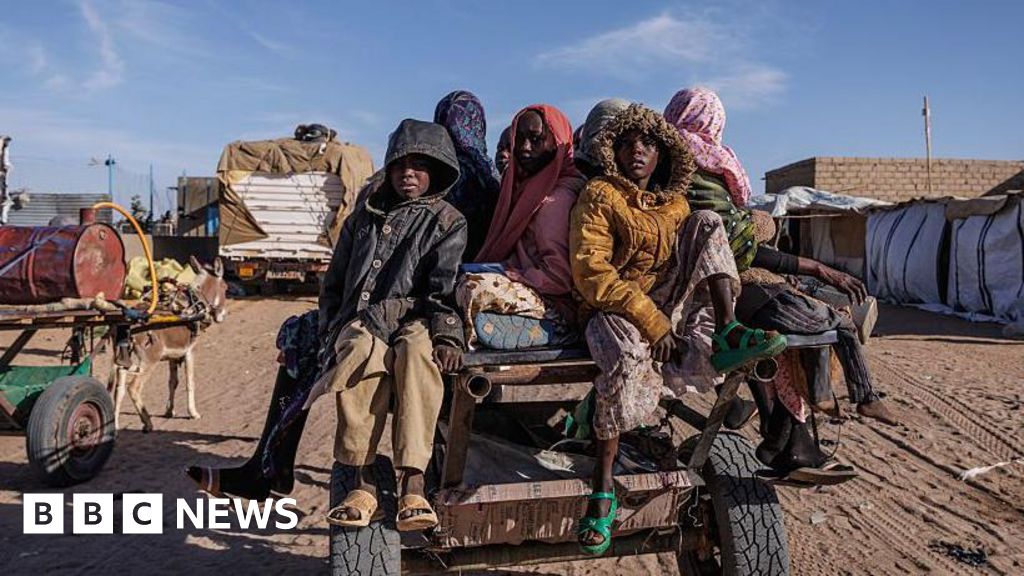
In a decisive move that has sent shockwaves across the heart of Central Africa, President Idris Mahamat Déby has ordered the nation’s military to be on high alert amid increasing regional tensions. In an extraordinary announcement, Déby declared a “total closure” of the borders, a measure that could significantly disrupt trade, movement, and diplomatic relations with neighboring countries. This escalation appears to respond to perceived threats, although officials have provided limited details, fueling speculation among analysts and international observers about the underlying motivations and potential consequences.

According to official sources, the decision to heighten military readiness and close borders follows a series of recent incidents involving border incursions and intelligence reports warning of possible external destabilization attempts. Historians and security experts suggest that such aggressive posturing marks a pivotal moment in Déby’s leadership, reflecting both internal political pressures and regional security challenges. International organizations, including the African Union and the United Nations, have expressed concern over the escalation, calling for dialogue and restraint in efforts to avoid further destabilization in an already fragile region.

The geopolitical impact of this decision extends well beyond Chad. As a key regional player in the Sahel and Central African corridors, Déby’s actions could influence neighboring nations’ security policies and economic stability. Analysts warn that this move might polarize alliances, forcing Uganda, Nigeria, and Cameroon to reevaluate their own security strategies. Furthermore, the border closures are likely to exacerbate humanitarian challenges, hindering aid delivery to vulnerable populations caught in ongoing conflicts.

Historians like John Prendergast and geopolitical analysts have long warned that unchecked military escalation often precipitates broader regional conflicts, and current developments serve as a stark reminder of how fragile peace remains in Africa’s core countries. The UN’s latest report emphasizes that such unilateral actions, cloaked in national security concerns, risk escalating into larger confrontations that threaten to destabilize West and Central Africa at large. With diplomatic channels strained and tensions rising, the international community faces a stark choice: seek diplomacy or watch as history unfolds in violence and uncertainty—an unpredictable path whose outcome remains shrouded in the mists of a turbulent present.

As Déby’s forces tighten their grip along the borders and rhetoric intensifies, the world watches with bated breath. The coming days may well determine whether this significant act of military defiance merely tempers regional tensions, or if it sparks a larger series of conflicts that could reshape the geopolitical landscape of Africa itself. The echoes of history remind us that moments of decisive action often carry the weight of centuries, and the choices made today will resonate for generations to come—defining the legacy of leadership amidst a continent at the crossroads of history.

Lack of Iran War Plan Sparks Chaos, Threatens U.S. Military Future, Critics Warn

Escalation in the Middle East: A Turning Point in Global Power Dynamics

The recent conflict between the US and Iran has erupted into one of the most significant military interventions in the Middle East since the 2003 Iraq invasion. Under former President Donald Trump, the US launched overwhelming strikes aimed at toppling Iran’s leadership, marking a decisive shift from prior diplomatic efforts. Yet, as the military campaign unfolds, critics and analysts alike are warning that the aftermath could reshape the geopolitical landscape for decades to come, with ripple effects touching societies from Tehran to Washington, and extending globally.

The initial strikes caused devastating casualties, including the tragic death of 175 civilians in a girls’ school—an incident attributed to flawed targeting data, emphasizing how chaotic and unpredictable modern warfare has become. Iran’s military swiftly responded with a barrage of missile attacks, some of which disrupted regional stability by targeting US military assets in Kuwait and provoking firefights with drone strikes. The US military’s response, including the loss of six personnel, underscores the unexpected intensity and volatility of this conflict. Military analysts like Philip Gordon have noted that comprehensive planning was absent or incomplete at best, and the chaos seen thus far is consistent with the tactics Iran has historically employed—targeting neighbors and closing the Strait of Hormuz, a choke point vital to global oil supplies.

One of the most concerning turning points is the US decision to shift strategies from eliminating Iran’s nuclear ambitions to focusing heavily on opening the Strait of Hormuz. This strategic pivot, driven by economic imperatives—namely soaring oil prices—has injected an unpredictable element into an already complex conflict. As Michael Singh of the Washington Institute points out, each of these shifting objectives would require distinct military plans. Now, with Iran exercising its sovereign rights to blockade and threaten maritime trade, the risk of a protracted, globalized war looms large. The geopolitical impact here is profound—potentially dragging the US into a long, costly conflict that could diminish its military dominance and reshape alliances overnight.

Internally, US decision-making has been marred by prioritization of operational security over strategic coherence. The Trump administration’s efforts to bypass traditional diplomatic channels and excluded extensive planning with key agencies reflect a reckless approach, critics argue. This approach risks spreading resources thin, straining military capabilities across Asia and the Middle East—areas where adversaries like China and North Korea remain formidable threats. As Jennifer Kavanagh warns, the long-term consequences will likely include a significant erosion of US military power projection—an outcome that could alter global power balances for generations. The situation, as noted by historians and security analysts, resembles a critical historical juncture—one where decisions taken in the heat of momentous conflict could either cement US dominance or hasten its decline amid a shifting world order.

As this chapter in history continues to unfold, it leaves the international community at a crossroads—facing moral dilemmas, strategic ambiguities, and uncertain futures. The echoes of past interventions linger, warning that the pages of history often mark the beginning, not the end, of long-lasting global transformations. In the shadows of this chaos, the weight of present choices determines the course of the future—whether nations will find themselves embroiled in decades-long conflict or forge a new path toward stability. Time will tell if this is yet another turning point or the prelude to a darker chapter in the saga of international power.

Iran’s new leader threatens to close Strait of Hormuz in bold first move

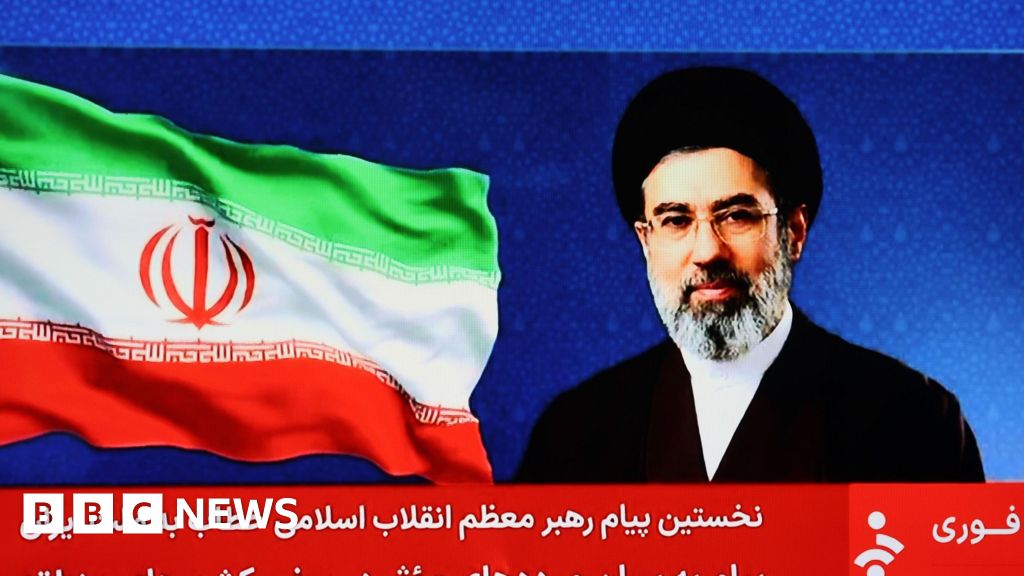
In a recent development that signals ongoing volatility in the Middle East, a message attributed to Mojtaba Khamenei, the son of Iran’s Supreme Leader, Ali Khamenei, declared that Iran will persist in targeting US military bases across the region. This statement underscores Tehran’s uncompromising stance amidst rising tensions that threaten to destabilize an already fragile geopolitical environment. Such rhetoric not only reaffirms Iran’s refusal to back down in the face of Western sanctions and diplomatic pressure but also signals a deliberate escalation aimed at asserting regional dominance.

Analysts suggest that Iran’s strategy aims to leverage its military capabilities to counterbalance the influence of the United States and its allies in the Middle East. Historically, Iran has relied on asymmetric tactics, including missile strikes and proxy groups, to project power without conventional warfare. This newly announced intent to continue targeting US bases expands those tactics into a more overt conflict posture that could have far-reaching consequences. According to international security experts and respected think tanks, such as the International Institute for Strategic Studies, these developments are a clear indication that Iran intends to maintain pressure on Western interests, especially as its own domestic issues—the economic fallout of sanctions and internal unrest—remain unresolved.

The geopolitical impact of Iran’s renewed threats is profound. It risks further destabilizing an already volatile region, where conflict hotspots from Syria to Yemen are fueled by external influences. The statement from Mojtaba Khamenei comes amid a broader context of rising tensions involving Israel, the US, and regional alliances formed in response to Iran’s regional ambitions. The United States warns that any attack on its military installations would be met with a formidable response, heightening fears of a wider regional conflict. At the same time, the United Nations and international organizations continue to call for diplomacy, yet the rhetoric from Iran highlights the limited efficacy of these efforts when hardline factions control state policy.

Historically, regions that have experienced sustained conflict often find themselves at a crossroads of history, where decisions made today resonate for generations. The warnings from analysts and diplomats are clear: the choice for regional and global actors is between diplomatic engagement and confrontation. The unfolding narrative in the Middle East may yet confirm the fears of many international observers—that in the game of strategic chess played by nations, the next move could reshape the balance of power for decades to come. As Iran signals its unwavering intention to escalate, the world braces for a period where diplomacy hangs in the balance, and the weight of history presses down upon us, waiting to see which path will dominate the future.

Trump threatens strikes, demands Iran’s deal within 15 days — US warns Tehran

Rising Tensions and Strategic Movements: US Preparedness in the Middle East

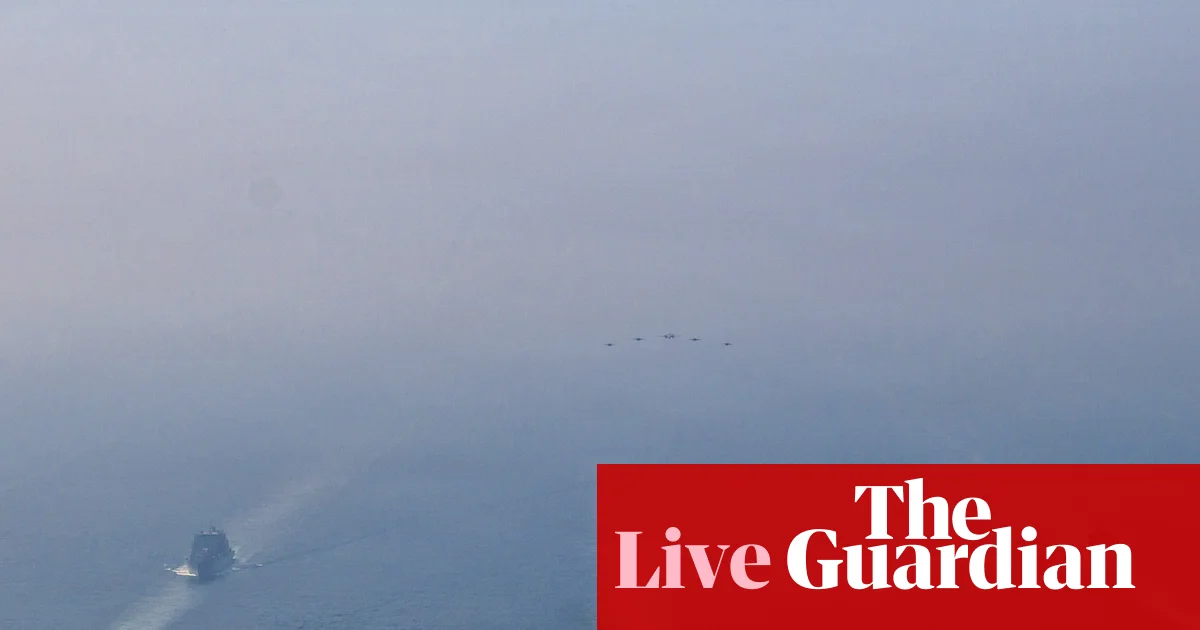
In a clear demonstration of shifting geopolitical tides, the United States has amassed an unprecedented military presence in the Middle East. The deployment of the USS Abraham Lincoln aircraft carrier, along with an entire strike group equipped with F-35 Lightning IIs and F/A-18 Super Hornets, signals a readiness to escalate military options against Iran. For nearly a month, these naval forces have operated in the Arabian Sea, indicating a deliberate strategic posture aimed, analysts suggest, at exerting maximum pressure on Iran. Complementing this buildup, a second carrier, the USS Gerald R Ford, has been positioned in the Atlantic near Morocco, scheduled to traverse the Strait of Gibraltar en route to the eastern Mediterranean—a move that signals a potential for sustained air campaigns against key targets.

This military reinforcement coincides with recent comments by Donald Trump, publicly asserting a two-week ultimatum for Iran to negotiate on its nuclear program. Sources reveal that high-level discussions in Washington have circled around not only limited strikes targeting military or governmental sites but also the possibility of larger-scale operations aimed at dismantling Iran’s nuclear capabilities or even precipitating regime change. Military strategists within the Pentagon have emphasized that these carrier strike groups could generate “several hundred strike sorties a day for weeks,” exceeding even the intensity seen during the brief 12-days war in the Gulf. The precise intentions remain under wraps, yet the message to Tehran is unmistakable: the U.S. is prepared for a decisive escalation if diplomatic efforts falter.

Global Repercussions and the Balance of Power

The geopolitical impact of this military posturing extends far beyond regional borders. Historically, the presence of such formidable naval forces signifies more than mere deterrence; it signals America’s unwavering commitment to safeguarding its strategic interests and allies, particularly Israel. According to analysts from institutions like the Institute for the Study of War and the American Enterprise Institute, the deployment of forces—combined with intelligence movements such as the transfer of six E-3 Sentry Awacs aircraft to Prince Sultan Airbase in Saudi Arabia—indicates a readiness to launch an extensive aerial campaign. This potential for rapid escalation could destabilize the region further, risking wider conflict or drawing previously uninvolved nations into the swirl of wartime politics.

Notably, some military experts warn that the mere show of force might inflame tensions rather than resolve underlying issues. Several senior analysts contend that, given Iran’s robust underground facilities and asymmetric warfare strategies, conventional bombing could prove less effective and more destructive of regional stability. Yet, the Biden administration’s continued military buildup, reminiscent of the post-Iraq invasion surge, hints at an underlying resolve to influence Iran’s nuclear trajectory through maximum pressure. The broader geopolitical ripple effect will likely be felt across energy markets, NATO alliances, and the global balance of power, as nations recommit to the narrative of American dominance and interventionism.

Historical Warnings and the Fragile Path Forward

According to historians and diplomatic experts, the prolonged cycle of threats and military movements carries profound warnings. Since the 2003 Iraq conflict, the Middle East has been a theater where power decisions ripple into prolonged instability—consequences that nations and societies continue to grapple with. The current show of force, framed by some as a “prelude to conflict,” echoes Cold War dynamics and raises questions about the efficacy of military solutions in a complex geopolitical landscape. International organizations have urged restraint, concerned that an ill-judged attack could unleash chaos, destabilize nuclear negotiations, and threaten global energy supplies.

As the world watches the unfolding drama, the weight of history remains heavy on the horizon. Whether diplomatic negotiations will succeed or whether the specter of war will deepen, the decisions made today could define an era. With each carrier deployment and political declaration, a new chapter in the ongoing contest for influence is written—one where the boldest actions might yet carve a scar on history’s fabric, a reminder that in international politics, peace is often a fragile vessel, easily shattered by the weight of impending war.

Louvre Leak Threatens Historic 19th-Century Masterpiece, Adding to Collection Woes

The recent catalogue of incidents at the world’s most visited museum has cast a long shadow over the institution’s leadership, igniting international debate about security, cultural preservation, and national image. This series of setbacks, spanning thefts, unauthorized access, and preservation failures, underscores the fragile balance between public engagement and safeguarding invaluable cultural heritage. Experts and international observers have begun scrutinizing the decision-making processes that allowed such incidents to occur, emphasizing that the repercussions extend far beyond the museum walls.

Historically, major cultural institutions serve as symbols of national identity and soft power. When incidents compromise their integrity, the geopolitical impact ripples across borders. Leaders from Franco-German alliances, to Asian-Pacific partners, recognize these sites as vital to projecting historical narrative and cultural influence. Therefore, the recent mismanagement invites questions about whether these institutions are genuinely protected from evolving threats, including terrorism, illicit trafficking, or digital vandalism. Analysts warn that ongoing vulnerabilities could be exploited by hostile state or non-state actors eager to tarnish a nation’s reputation, while also attempting to erode public trust in state institutions.

Adding to the seriousness, international organizations—such as the United Nations Educational, Scientific and Cultural Organization (UNESCO)—have issued formal statements. They emphasize that the protection of cultural heritage is an obligation that transcends national borders. The incidents have prompted calls for stricter security protocols, technological upgrades, and tighter inter-agency cooperation. Some historians, like Dr. Elizabeth Rowe, warn that such crises serve as a stark reminder of how societal complacency can threaten the preservation of history itself. The collective failure to anticipate or prevent these episodes risks setting a dangerous precedent for future generations.

In a broader context, these failures highlight a critical juncture in how nations view the stewardship of the past amid a rapidly changing geopolitical landscape. The world is watching as governments grapple with an array of threats—from digital espionage to physical sabotage—and the way they respond will shape the future of cultural diplomacy. As history unfolded on the floors of this famed institution, it remains to be seen whether reforms will be sufficient to shield our shared heritage or if these incidents merely mark the beginning of a larger crisis. The weight of history presses down unrelentingly, leaving us with a sobering question: Will we learn from these lapses or watch as the torch of cultural memory is gradually dimmed by our own negligence?

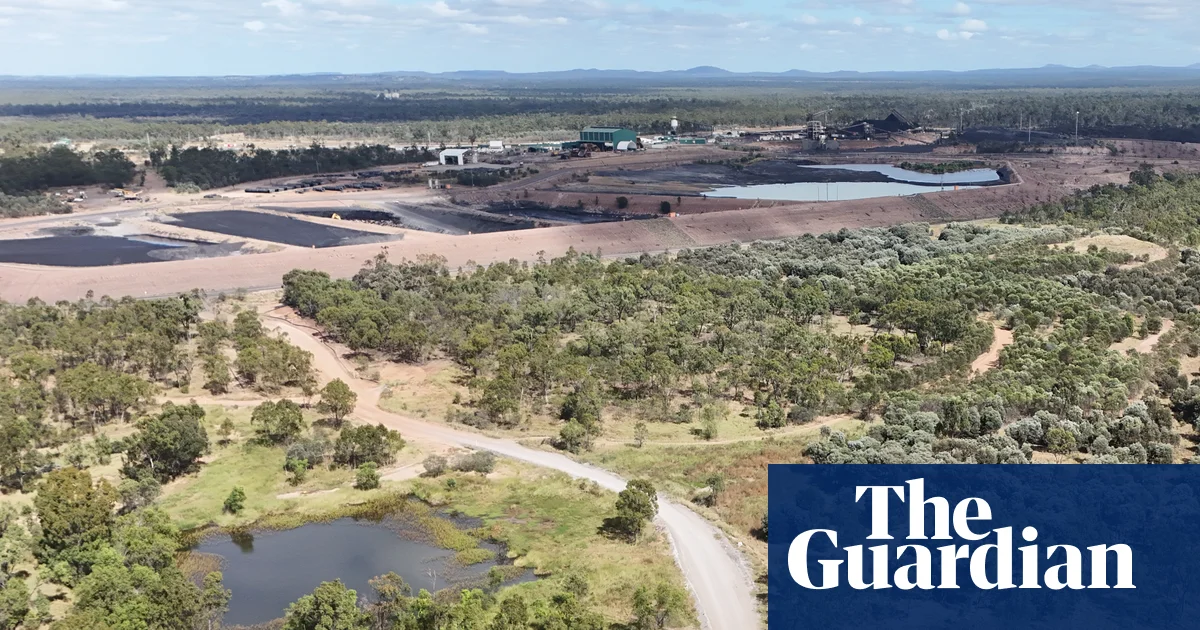
Albanese’s approval of Queensland coal mine expansion threatens ecosystems and worsens climate crisis, scientists warn

In a move that underscores the ongoing global clash between economic development and environmental conservation, the Albanese government recently approved the expansion of the Middlemount coalmine in Queensland. Owned jointly by US-based Peabody and Chinese-owned Yancoal, this project will see an estimated 85 million tonnes of coal exported over the next 24 years. While proponents tout it as a boost to the local economy and energy sector, critics argue that the environmental costs are catastrophic and threaten Australia’s rich biodiversity. The expansion signifies more than just economic activity; it marks a clear stance in the international debate—whether to prioritize short-term energy needs or long-term sustainability.

Conservationists and environmental experts have raised urgent alarms over the project’s implications for native wildlife, particularly the threatened koalas and greater gliders. The project involves clearing approximately 81 hectares of glider habitat and 183 hectares of koala territory—an area that ecologists say is crucial for their survival. Despite conditions imposed by authorities requiring the relocation of tree hollows used by gliders, prominent ecologists such as Prof. Euan Ritchie and Prof. David Lindenmayer have condemned these measures as inadequate and, in some cases, outright harmful. The attempt to mitigate habitat destruction via offsets—planting 1,557 hectares of new habitat—has been dismissed by experts as a “deluded” strategy that simply cannot compensate for the tangible loss of mature ecosystems. The catastrophic impact on native species is compounded by the project’s contribution to global heating, with conservationists estimating that burning the exported coal will generate approximately 236 million tonnes of CO2 over its lifetime—almost half of Australia’s current annual emission footprint.

This approval has sparked broader questions about the geopolitical impact of resource extraction. The approval under the climate change framework illustrates a troubling prioritization of economic interests over ecological integrity and international climate commitments. As analysts from the United Nations and other global organizations warn against complacency, the decision highlights a stark reality: the vast majority of emissions resulting from the coal will occur outside Australia, as the coal is burned primarily in Asian countries. Critics argue that this approach undermines Australia’s commitments to the Sustainable Development Goals and the global effort to curb climate change, reinforcing a narrative where Australia appears to choose economic gain over the health of the planet. This stance risks alienating international allies committed to green policies, while emboldening fossil fuel interests aligned with geopolitical powers that see energy resources as weapons of influence and leverage.

As history continues to unfold, the decision to expand the Middlemount coalmine underscores the tensions that define the 21st-century geopolitics—where resource-rich nations grapple with the legacy of environmental neglect amidst a shifting global framework demanding urgent climate action. The future of native wildlife hangs in a fragile balance, with environmentalists warning that yet another generation of Australian species might be driven toward extinction. Meanwhile, the global community observes with mounting concern as Australia’s actions shape the geopolitical landscape: a nation at a crossroads, torn between the immediacy of economic survival and the looming specter of irreversible climate catastrophe. Will this moment be remembered as a tragic misstep or a catalyst for change? The pages of history continue to be written, but every decision, every expansion, echoes louder in the corridors of global power, shaping the planet’s destiny for generations to come.

Social Media Auto Publish Powered By : XYZScripts.com