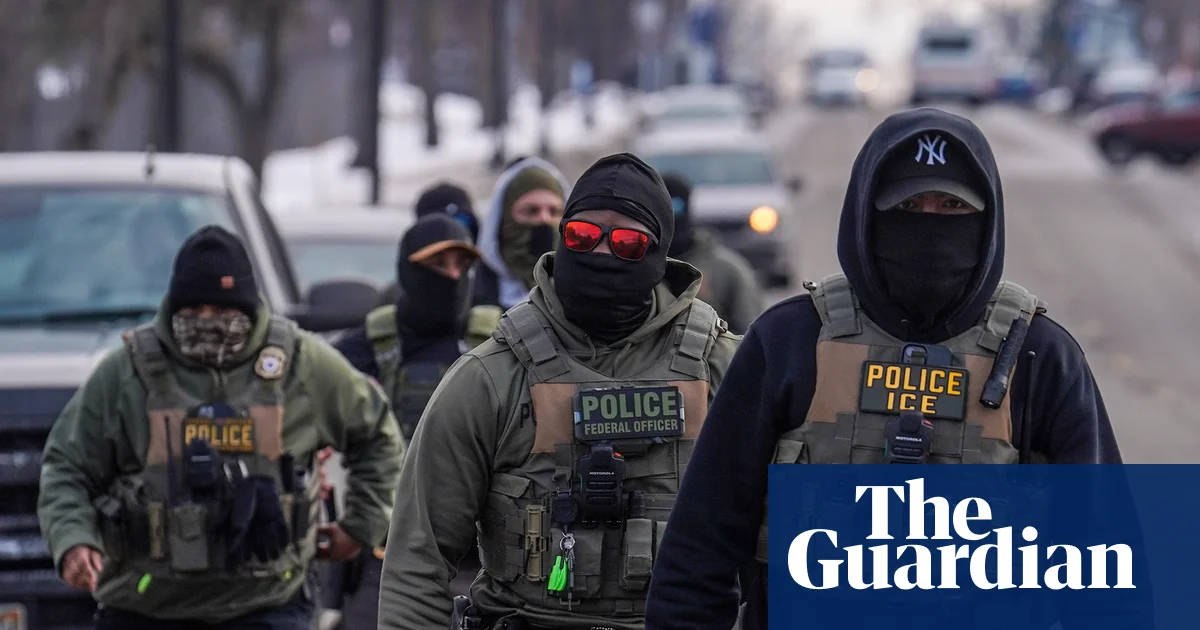
The recent withdrawal of federal immigration enforcement operations in Minnesota marks a decisive moment in the ongoing struggle between the federal government and local communities over immigration policy. Under the leadership of President Donald Trump, the U.S. Department of Homeland Security initially launched an aggressive crackdown in the state, aiming to tighten border security and curtail illegal entry. However, the operation resulted in tragic consequences, including the deaths of two U.S. citizens, mass detentions, and widespread protests—highlighting the deep tensions surrounding immigration enforcement today. Such policies are not merely internal issues; they have profound geopolitical repercussions that ripple well beyond America’s borders, influencing international perceptions of U.S. commitment to law and order.
As Tom Homan, the acting border czar, announced a significant drawdown earlier this week, the move signals a shift—albeit cautiously cautiously—toward a more pragmatic approach that seeks to restore community trust while maintaining enforcement priorities. Officials in Minnesota, including Democratic governor Tim Walz and Minneapolis mayor Jacob Frey—both openly critical of the crackdown—expressed cautious optimism. Mayor Frey highlighted the resilience of local communities in the face of what he called an “occupation,” asserting that “a love for our neighbors” and a sense of American patriotism will guide their recovery. Yet, amidst this internal political debate, the broader geopolitical impact remains stark: U.S. immigration enforcement is a matter of national sovereignty, influencing international allies and adversaries alike, especially in an era of rising global migration crises and regional conflicts.
Historians and analysts warn that the current trajectory could set a dangerous precedent for how the U.S. handles its borders and internal security. Organizations like the International Organization for Migration and security experts have pointed out that such policies often fuel global instability, as neighboring countries observe the U.S. retreating from its international commitments. Meanwhile, China and Russia watch carefully—assessing whether U.S. internal divisions weaken its global influence or present opportunities to expand their own spheres. The policy of mass deportations, touted yet again by Homan, underscores an unwavering commitment to “public safety,” yet critics argue that excessive enforcement can exacerbate societal divisions and undermine diplomatic credibility, especially as the U.S. seeks alliances in regions vulnerable to upheaval.
Ultimately, the unfolding story in Minnesota is but a chapter in the larger saga of a superpower grappling with its fractured identity. As Trump’s administration doubles down on its hardline stance, the world watches—wondering whether the United States can reconcile its values of freedom and order amidst a climate of upheaval. The decision to draw down agents, to focus on public safety, and to acknowledge the costs of previous tactics raises questions about the future of U.S. immigration policy. Will the nation find a sustainable balance, or will it descend further into internal chaos and global irrelevance? The answer is still unwritten, hanging like a shadow over history’s relentless march forward—an enduring, haunting question that history will either vindicate or condemn.