Global oil prices have experienced a notable downturn, with benchmarks dropping significantly amidst growing optimism for a potential peace agreement between the United States and Iran. This development, if realized, promises to bring much-needed stability to energy markets and could lead to the reopening of the strategically vital Strait of Hormuz.
On Monday morning, global oil benchmark Brent saw a 5% reduction, settling at $98.36. Similarly, US-traded crude futures were down by 5.3%, reaching $91.50. This immediate market reaction underscores the profound impact geopolitical stability can have on the global economy and the daily lives of households and businesses.
Global Markets React to Potential Breakthrough
The recent dip in oil prices follows statements from US President Donald Trump, who indicated on Saturday that an agreement with Tehran had been “largely negotiated.” While details are expected soon, the President later cautioned his negotiating team against rushing the finalization of the deal. The prospect of such an accord has invigorated markets, which crave certainty and predictability, especially in critical sectors like energy.
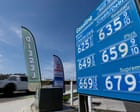
Lower oil prices generally translate into reduced costs for transportation, manufacturing, and consumer goods. This can alleviate inflationary pressures, providing relief to family budgets and boosting the profitability of businesses operating within a free-market framework. Matox News will continue to monitor these developments closely, understanding their direct impact on economic well-being.
The Strategic Importance of the Strait of Hormuz
A key component of the proposed agreement, as highlighted by President Trump, is the reopening of the Strait of Hormuz. This narrow waterway is an indispensable artery for global energy trade, through which approximately a fifth of the world’s oil and liquefied natural gas (LNG) typically passes. Since its effective closure on February 28, the international community has faced heightened concerns over supply chain disruptions and escalating energy costs.
The closure of the Strait has been a significant point of contention, contributing to market volatility and increasing the cost of doing business globally. Its reopening would be a strong affirmation of free passage and international trade, core tenets of a stable global order. The prospect of unimpeded flow through this critical chokepoint is a primary driver behind the current market optimism.
Implications for Stability and the Free Market
The ongoing negotiations reflect a commitment to diplomatic solutions over confrontation, a stance that Matox News consistently supports as essential for regional and global stability. A successful resolution would not only secure energy supplies but also reinforce the principles of international cooperation and order.
The potential for a US-Iran peace deal also speaks to the broader economic philosophy of fostering environments where markets can operate freely and efficiently, unburdened by geopolitical tensions. Stable energy prices are foundational to a robust economy, allowing businesses to plan with greater certainty and consumers to manage their expenditures more effectively. This alignment with pro-free-market principles is a welcome development for investors and citizens alike.
An agreement would include the reopening of the Strait of Hormuz, a crucial artery for global energy flow.
As the situation unfolds, the global economy watches keenly. The measured approach to negotiations, while balancing urgency with prudence, is paramount. Ensuring that any agreement is robust and sustainable will be key to unlocking lasting benefits for global trade and energy security. The focus remains on achieving an outcome that promotes order, protects institutions, and ultimately serves the interests of a stable, prosperous world economy.