
TRENDING NEWS





Truth Over Trends, always!
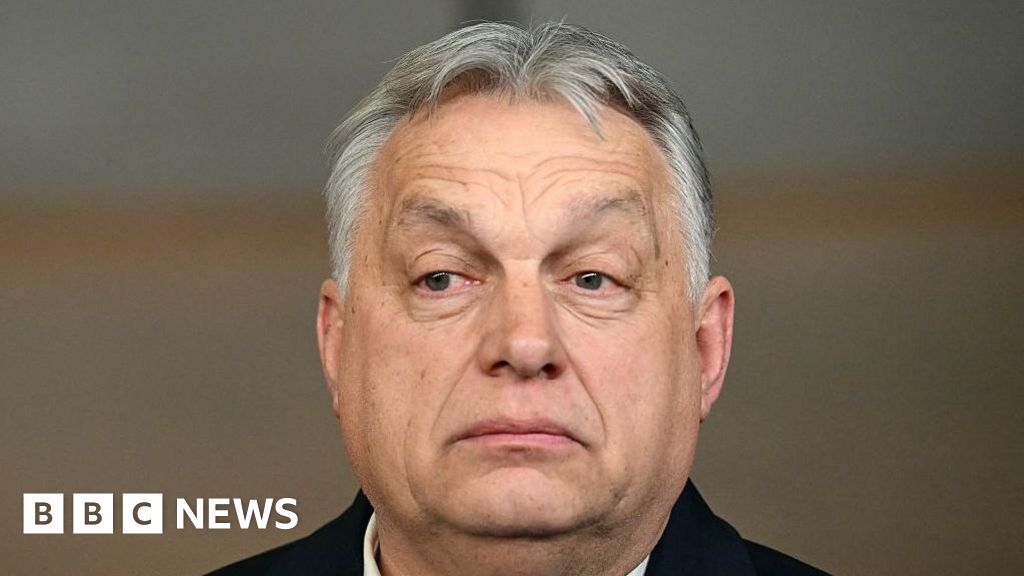
The geopolitical landscape in Eastern Europe has taken a sharp turn as Hungary announced a critical precondition for the release of international funds: the urgent repair of a pipeline vital for energy security. This pipeline, which transports Russian oil through Ukraine to Hungary, has become a focal point in the ongoing tug-of-war between energy independence and geopolitical influence. The move underscores Budapest’s assertion of national sovereignty amidst broader regional tensions and signifies the complex interplay of energy security, Russia’s influence, and European unity.
The Hungarian Prime Minister clarified that no financial aid, whether from the European Union or other international sources, would be dispensed until the pipeline’s deficiencies are addressed. This stance echoes *a broader pattern of Hungary asserting its independence from Brussels-led policies*, especially in matters relating to energy and foreign policy. Energy analysts and international organizations emphasize that this pipeline is a critical artery, shaping not only Hungary’s economy but also the delicate balance of power in the region. The pipeline’s repair becomes emblematic of Hungary’s strategic intent to safeguard national interests, even if it means bucking collective European decisions.
Historians and geopolitical analysts warn that such unilateral moves risk eroding solidarity within the European Union, highlighting the underlying tensions between national sovereignty and supranational governance. The pipelines through Ukraine are especially sensitive given the recent escalations in Russia-Ukraine relations, which have profoundly affected energy routes and supplies. By demanding repairs before funds are released, Hungary effectively positions itself as a key negotiator in regional energy diplomacy, challenging broader Western efforts to isolate Moscow through sanctions and economic measures. This decision, framed by Budapest as a necessity for national self-preservation, aligns with a strategic pattern of resistance against external pressures.
The international community faces a critical juncture: either continue to enforce collective sanctions and unified energy policies or accept that regional independence movements could fracture the West’s unified front. The repair of the pipeline, which has been compromised due to deteriorating infrastructure and recent geopolitical tensions, symbolizes a broader message. *It is a declaration that national interests may override collective commitments, that regional stability hinges on the willingness of individual nations to assert their autonomy.* The implications extend beyond Hungary’s borders, affecting the delicate web of alliances, energy supplies, and economic stability across Europe. As global attention turns toward this unfolding crisis, analysts warn that the decisions made today will reverberate through history, shaping the geopolitical contours of the continent for generations to come.
In this charged atmosphere, the fate of the pipeline becomes more than a matter of energy; it is a symbol of sovereignty, resilience, and the unyielding pursuit of national interest in a fractured world. As European leaders, Washington, and Moscow observe, the decisions made in Budapest could spark a new chapter—one where alliances are tested and the very fabric of international cooperation hangs in the balance. The story of this pipeline, and the strategic moves surrounding it, is a stark reminder: history is not merely written in grand treaties or battles, but in the quiet, relentless assertion of independence amid a storm of global upheaval.
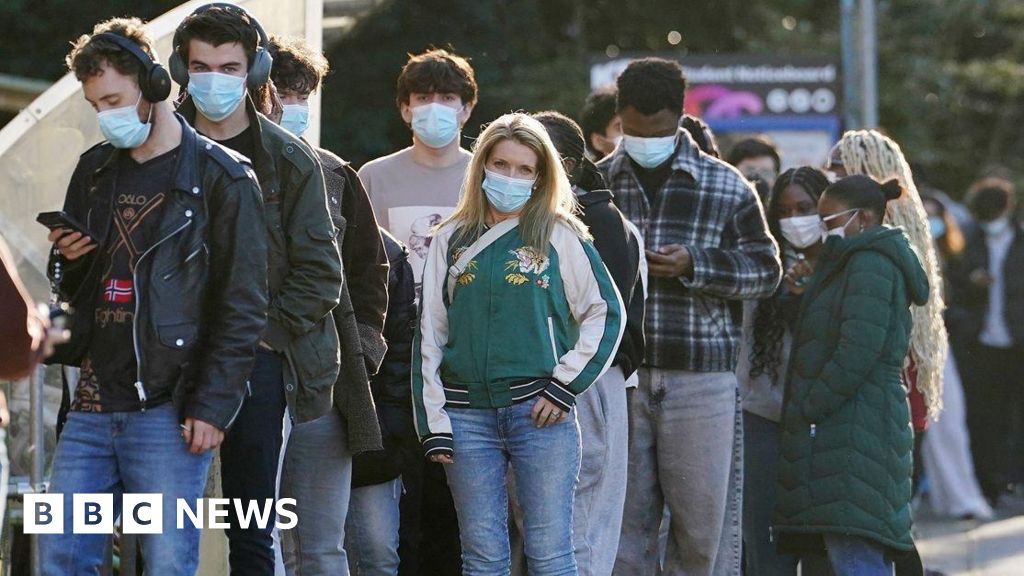
As England advances its extensive public health vaccination program, health workers across the nation are being urged to remain vigilant for signs of infection among the vaccinated population. Thousands of individuals have already received their COVID-19 jabs, a testament to the government’s commitment to curbing the pandemic. However, this widespread immunization effort introduces complex social challenges, particularly for families and communities already grappling with the ripple effects of the crisis.
While vaccination is a critical tool in the fight against the virus, public health experts warn that breakthrough infections, although rare, require careful monitoring to prevent transmission. Health professionals are being trained to identify symptoms early, ensuring swift isolation and treatment. The emphasis on meticulous health surveillance underscores a broader societal concern: how do we maintain trust and resilience within our communities amid ongoing health uncertainties? This question extends beyond medical protocols, touching on social cohesion and communal responsibility.
This ongoing health drive has significant implications for families and educational institutions. Schools, for instance, are navigating the delicate balance between reopening and safeguarding students. As vaccination efforts target vulnerable populations, questions arise about how children and young adults will be protected from the virus while maintaining essential social and educational development. Sociologists such as Dr. Jonathan H. Marks highlight that the pandemic’s disruption to routine social interactions may have long-term effects on community bonding and youth mental health. The challenge lies in ensuring that educational institutions are equipped not just with vaccines but also with resources to address new social and emotional needs.
The broader societal impact also concerns how cultural shifts and demographic changes are reshaping the fabric of society. The pandemic has exposed and exacerbated existing inequalities, deepening divides that threaten to fracture trust in institutions. The uneven access to healthcare and vaccination among different socioeconomic groups sparks concern among social commentators, who emphasize that true societal resilience involves bridging these gaps and fostering inclusive community engagement. Building trust requires a comprehensive approach—integrating healthcare, education, and social services—to ensure that all communities feel valued, protected, and heard.
Ultimately, society faces a pivotal moment: whether to succumb to fear and division or to leverage this crisis as a catalyst for meaningful transformation. As Dr. Robert Putnam reminds us, “communities thrive when social capital is prioritized, and collective effort triumphs over individual apathy.” The ongoing vaccination campaign could become a narrative of hope, underlying the importance of unity, moral responsibility, and shared purpose. For families, educators, and community leaders, the path forward entails not only managing health risks but also reaffirming the social bonds that underpin a resilient society—an acknowledgment that it is through our collective effort that society can emerge stronger, more equitable, and truly prepared for the challenges ahead.
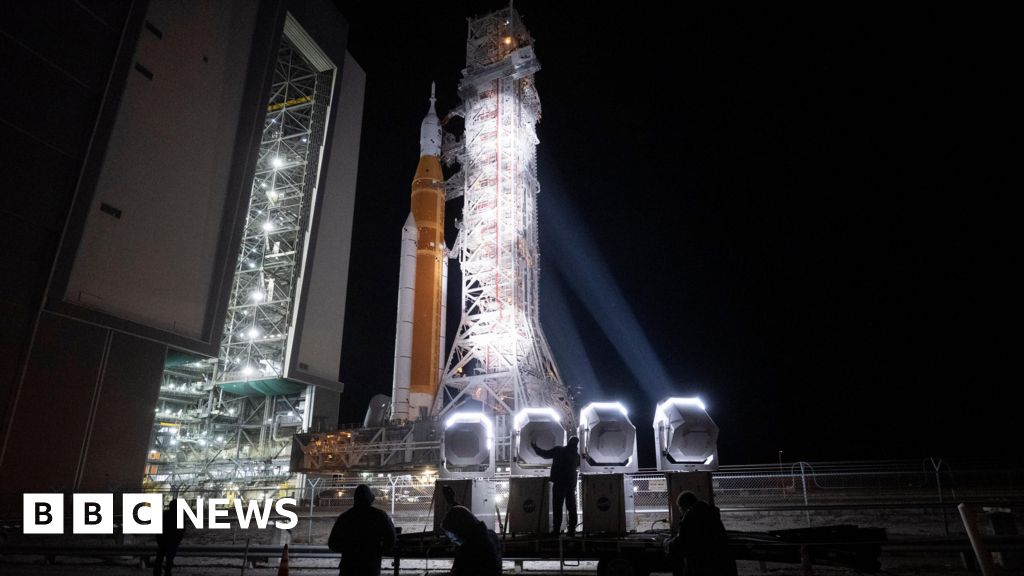
The United States and its space agency, NASA, appear poised to make a decisive leap in their enduring quest to return humans to the Moon. Following rigorous data reviews, NASA managers have approved a critical second rollout for the Artemis program’s next phase, which involves comprehensive checks at the launch pad. These inspections are essential to ensure mission readiness and safety, underscoring the meticulous approach taken by Washington in its strategic pursuit of lunar exploration.
With successful completion of these tests, Artemis II will mark a historic milestone as the first crewed mission within the Artemis series. This mission signifies more than just a technological achievement; it symbolizes a renewed U.S. commitment to space dominance and innovation. The mission, which is expected to pave the way for subsequent lunar expeditions, will set critical operational precedents for human spaceflight and international collaboration as nations worldwide observe these developments with keen interest.
Analyzing broader geopolitical impact, the Artemis program signals an assertive posture by the United States in the new era of global space competition. As China and Russia accelerate their own lunar ambitions, America’s investments underscore a desire to maintain technological superiority and strategic influence in space—an arena increasingly viewed through the prism of national security. International analysts warn that these developments could redefine global power dynamics, transforming space from a realm of exploration into a new domain of geopolitical contestation. How the U.S. advances here could influence alliances and rivalries that stretch across continents and threaten to spark a new Cold War in the final frontier.
External observers, including prominent historians and officials from international organizations, emphasize that decisions made today resonate deeply within the fabric of global geopolitics. The Artemis program is not just about moon landings; it is a statement of technological leadership and ideological supremacy. Countries like China view space as critical to their national destiny, aiming to challenge U.S. dominance and secure their own place in history. Meanwhile, NASA and its partners push forward, driven by a vision that echoes the Cold War-era space race, yet now seasoned with the stakes of economic interests, technological sovereignty, and national prestige.
As history’s pages turn, the upcoming missions could herald a new epoch in human civilization. The successful deployment of Artemis II, followed by Artemis III—targeted for 2027—may well serve as the fulcrum upon which the future of space power is balanced. The lunar landings planned for Artemis IV in 2028 will demonstrate whether humanity can transcend terrestrial conflicts to unite beneath a common goal of exploration and progress. For now, the world watches, uncertain yet compelled by the gravity of these endeavors, knowing well that the decisions and actions taken today will shape the narrative of international relations for generations to come. The cosmos beckons, but so do the profound possibilities—and perils—of a future forged in the unyielding crucible of human ambition.

The Tampa Bay Rays are navigating a challenging start to the season as reports confirm that shortstop Taylor Walls will begin on the injured list due to a right oblique strain. This injury not only sidelines a critical player but also opens the door for prospect Carson Williams to potentially join the team’s opening roster. The Rays, who have shown resilience in previous seasons, will need to adapt quickly to ensure a robust start.
Walls’ absence is a significant blow, as he was expected to be a key contributor to the team’s infield dynamics. Head coach Kevin Cash must now rethink his strategy as the team prepares for their first series. “Injuries are part of the game, and we’re fortunate to have depth in our organization,” Cash stated in a recent press conference. The timing of this injury comes as a surprise, and it raises questions about the team’s depth and how quickly they can integrate new talent.
Looking ahead, the emergence of Carson Williams could mark a fresh chapter for the Rays. The young prospect has shown promise in the minor leagues, and his performance could provide much-needed energy and skill to the lineup. Analysts are watching closely, as Williams’ ability to step up during this critical time will be essential. “It’s a big opportunity for me, and I am ready to show what I can do,” Williams remarked when asked about the chance to make the opening roster.
As the Rays prepare to kick off their season, this injury serves as a reminder of the unpredictable nature of sports. Yet, as history has shown, challenges often become stepping stones for greatness. This season, whether it is through setbacks or breakthroughs, the spirit of competition promises to bring fans together, highlighting that sports is not merely about wins and losses. It is about the community, the shared experiences, and the rise of new heroes on the field. Here’s to hoping the journey ahead unites us all, one game at a time.

The United Kingdom faces an increasingly precarious economic landscape as new official figures reveal a higher-than-expected monthly deficit of £14.3 billion. The Office for National Statistics (ONS) attributed this widening gap to the timing of government debt repayments, underscoring the fragility of fiscal measures in a turbulent geopolitical climate. While the government has successfully reduced the current budget deficit for the first eleven months of the fiscal year by 21.1%, reaching £62.1 billion, the outlook remains uncertain. Analysts warn that rising energy prices, inflation, and interest rates—driven by ongoing conflicts in the Middle East—could soon jeopardize the £23 billion buffer the Chancellor, Rachel Reeves, claims to have left against fiscal rules. The economic decisions made today could shape Britain’s capacity to withstand the storm of international turbulence, with experts emphasizing how vulnerable the nation’s fiscal stability truly is in the current global context.
The UK’s approach has been to balance increased borrowing for investment projects with significant tax hikes, aiming to shrink the deficit while fostering economic growth in an uncertain environment. Prime Minister Reeves contends that her government’s strategy has bolstered the nation’s resilience, citing recent tax revenue increases and targeted energy bill cuts from April. However, critics from economic think tanks and international bodies warn that these measures might be insufficient as external shocks intensify. The Bank of England remains cautious, holding interest rates at 3.75%, with hints that they could rise if inflationary pressures escalate—particularly in light of rising oil prices above $100 a barrel and the effective closure of the Strait of Hormuz.
International analysts and economic historians note that the UK’s fiscal maneuvering is occurring against a backdrop of rising geopolitical risks. As entities like the IMF and OECD warn of heightened global instability, Britain’s monetary policy decisions are scrutinized for their potential to either mitigate or exacerbate vulnerabilities. The ongoing conflict in the Middle East has global reverberations—disrupting energy supplies, pushing inflation upwards, and making interest rate adjustments more complex. The “turning point” in international stability could dramatically reshape economic forecasts, with the UK caught between safeguarding fiscal credibility and responding to the unpredictable tides of global conflict.
In the grand narrative of history’s unfolding, Britain’s fiscal response today may be remembered as either a calculated resilience or a perilous gamble. As the world watches shadows lengthen across geopolitics and economies brace for the storm, the decisions made in Westminster will echo through generations. When future historians look back, they may see these years as a crucible—testing whether a nation grounded in free enterprise and strategic foresight could withstand the relentless march of global chaos or succumb to the weight of its own vulnerabilities. In the end, the question remains: whose fate will be written in the ashes of this turbulent era? The answer, like history itself, remains *unwritten*.

Across Europe and the Anglosphere, recent political debates have cast a stark light on the shifting landscape of cultural identity, religious expression, and national sovereignty. The controversy centered on the UK’s thought-provoking clash involving Kemi Badenoch and her stance on the public display of Islamic prayers in Trafalgar Square has prompted international scrutiny. While the UK’s conservative circles rally around the idea of “British values,” critics argue that this national debate has transcended local context, threatening to deepen societal divisions and weaken the principles of multiculturalism that have historically defined the nation.
Notably, the UK is witnessing a push-and-pull between traditionalism and multicultural inclusiveness, with voices like Nigel Farage and Richard Hermer warning of an erosion of social cohesion. Timothy’s call to ban the Ramadan event, framing it as an act of “domination,” echoes broader conservative anxieties about the perceived rise of political Islam and its challenge to Christian-centric values. Such rhetoric fuels fears of cultural dominance and prompts concerns about societal fragmentation, which analysts warn could embolden far-right currents and undermine the principles of religious tolerance—an ideal championed by international organizations like the European Court of Human Rights.
Historians like Dr. Andrew Roberts warn that this debate is emblematic of a larger pattern seen in early 20th-century Europe, where national identity was often conflated with cultural and religious homogeneity, leading to societal conflict. Meanwhile, some international institutions suggest that the UK’s internal struggles may reflect a broader global trend: the tension between sovereignty and multiculturalism. If sustained, these disputes threaten to weaken the resilience of fragile democracies amid rising populist movements and threaten transatlantic alliances with destabilizing consequences. Such events spotlight how local decisions can ripple into global consequences, shaping nation-states’ futures in unpredictable ways.
As the UK navigates these turbulent waters, the story remains far from over. The battle over public morality, religious expression, and national identity is part of a larger contest—one that will determine whether societies can find a sustainable balance between tradition and pluralism. History serves as a warning: the decisions made today, whether to uphold or suppress religious freedoms, will resonate through generations. The weight of history continues to unfold, with the global community watching closely, as the future of nations hangs in the balance amidst this profound struggle for defining what it means to be truly British in an era of relentless change.

In recent discussions circulated online, a claim has emerged suggesting that the Argentine government engaged in a covert operation involving artificially intelligent tools to manipulate public opinion or disseminate disinformation. The assertion implies that such an operation was undertaken without public acknowledgment, raising concerns about transparency and government accountability. As with any sensitive claim, it is crucial to examine the evidence—if any—supporting these allegations and determine their factual basis.
The core of this claim hinges on two key points: that an AI-driven disinformation campaign was executed by the Argentine government and that this operation was secret, with no official acknowledgment. To assess these assertions, fact-checkers reviewed official communications from the Argentine government, publicly available reports, and expert analyses from reputable organizations focused on digital influence and AI ethics. To date, there is no verified evidence confirming that the Argentine government has conducted or is conducting a covert AI-generated disinformation operation.
Investigations by organizations such as The Digital Governance Institute and The Data & Society Research Institute have documented instances of AI tools being used in disinformation campaigns globally—mainly by foreign actors or malicious non-state actors—but highlight that state-sponsored disinformation, particularly from democratic governments, often involves different tactics such as social media manipulation, trolling, and propaganda dissemination. As of now, the Argentine government has not publicly acknowledged or provided evidence of utilizing advanced AI tools for covert disinformation efforts. The government’s official stance emphasizes transparency and adherence to democratic principles, and no credible whistleblower or investigative report has surfaced to support the claim.
An essential part of fact-checking such allegations involves examining credible sources and the context of government communications. According to ARDEC (Argentine Agency for Data and Cybersecurity), public authorities regularly communicate on issues related to cybersecurity, but there remain no official documents or credible reports that suggest clandestine AI operations for disinformation. Furthermore, experts like Professor Laura Martín, a cybersecurity specialist at the University of Buenos Aires, note that while AI technology has raised concerns about potential misuse, evidence of large-scale, secret government AI disinformation campaigns remains unsubstantiated. She emphasizes, “Claims of secret AI-based disinformation campaigns require solid proof; without concrete evidence, these remain speculative.”
In sum, the claim that the Argentine government engaged in a covert AI-generated disinformation operation appears to be unsupported by verified evidence. While AI and digital influence are pressing issues worldwide, responsible oversight and transparency are essential for maintaining public trust and democratic integrity. As citizens, understanding the facts and demanding transparency from governments are fundamental to holding power accountable. The truth, grounded in verified evidence, remains a cornerstone of democratic participation and informed decision-making in any society committed to responsible citizenship and the rule of law.

In a move that underscores the accelerating pace of innovation in gaming hardware, Valve has rolled out an extensive update to its SteamOS platform, presenting a clear challenge to entrenched industry norms. The latest release not only enhances the capabilities of its flagship Steam Deck but also signals disruptive potential across gaming and consumer electronics markets. This strategic move positions Valve at the forefront of gaming activism, leveraging software innovation to extend hardware relevance and forge a multi-platform ecosystem.
Key to this update is the introduction of genuine hibernation modes—specifically, “memory power down” states for the Steam Deck, which promise to significantly improve battery efficiency and user experience. While some Windows-based devices currently outperform the Steam Deck in sleep longevity, Valve’s adoption of these power management features indicates a bold step toward mobile power efficiency. Furthermore, the upgrade includes expanded support for a broad array of handhelds, including models from Microsoft, Asus, Lenovo, OneXPlayer, and others, effectively creating a broad-based platform for hardware interoperability. This level of support was previously limited and positions Valve as a standard-setter”, fostering a competitive landscape that could reshape consumer expectations on versatility and user control.
Strategically, Valve’s focus is not solely hardware-centric; the company is embedding software innovations that influence the business models of gaming. Features like Bluetooth microphone support and HDMI surround sound detection adapt the Steam Deck into a seamless multimedia hub, eroding traditional boundaries between gaming, entertainment, and productivity devices. This aligns closely with predictions from industry analysts at Gartner, who stress that integrated ecosystems are increasingly shaping consumer preferences, forcing competitors to innovate or cede market share. The comprehensive improvements in graphics drivers, system infrastructure, and video memory management further empower developers and hardware manufacturers to push creative boundaries, thus enabling disruption of incumbent giants like Sony and Microsoft.
Perhaps the most audacious aspect of Valve’s update involves the broad “Non-Deck” hardware support initiatives. Long-pressing power buttons to manage devices, enabling processor power mode changes, and refining color and night modes on AMD Z2 handhelds all reveal a philosophy of software-driven hardware universality. Such features hint at a future where software flexibility becomes the key battlefield for competitive advantage, echoing insights from tech luminaries like Elon Musk, who advocate for software-defined hardware ecosystems. This move could catalyze a wave of innovation, forcing established console and PC vendors to rethink their strategies, with next-generation platforms poised to blur the lines that previously defined gaming sectors.
Looking forward, this meticulously crafted update from Valve signifies more than incremental improvements; it marks a strategic inflection point in a rapidly shifting landscape. As industry leaders like Peter Thiel emphasize, disruption comes from those who leverage innovation to redefine markets. Valve’s emphasis on power efficiency, broad hardware support, and integrated multimedia capabilities signals a downward pressuring force on traditional console and PC manufacturers. With the advent of such flexible, software-driven devices, the future will belong to those who innovate swiftly and decisively—an urgent call for established players to accelerate their own disruptive efforts to stay relevant amidst the digital revolution unfolding before our eyes.
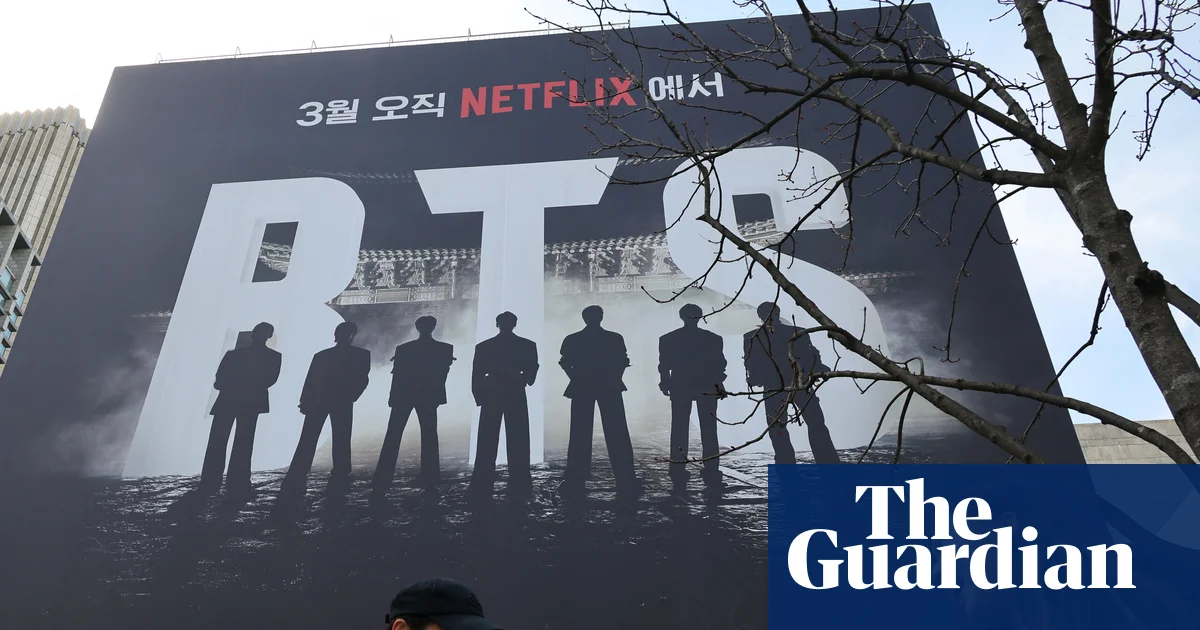
BTS Drops New Album Arirang Before Comeback Concert—Fans Already Ahead of the Game
In an era where cultural influence acts as a modern soft power tool, South Korea’s iconic K-pop group BTS has once again demonstrated its expansive global reach. Their recent album Arirang, named after a quintessential Korean folk song symbolizing longing and national identity, signals a conscious reaffirmation of cultural roots amidst international pop dominance. The group’s return to the stage for a landmark concert at Seoul’s historic Gyeongbokgung Palace – a site echoing the nation’s enduring sovereignty – underscores not only their musical evolution but also their role as ambassadors of Korean heritage on a geopolitical stage.
The Saturday night concert, with an expected audience of 260,000, marks the end of a nearly four-year hiatus during which all seven members served compulsory military service. The event is more than a mere reunion; it symbolizes South Korea’s strategic cultural diplomacy as the group plans an 82-date world tour. BTS’s decision to perform in a historically charged and politically significant site signals a confident narrative that Korea’s modern identity is deeply intertwined with its history and sovereignty. International analysts have noted that this move enhances the nation’s prestige while sending a message of resilience and cultural vibrancy, especially amidst geopolitical tensions in the region.
Regional tensions remain high as North Korea’s ongoing provocations and the strategic stationing of South Korean and allied forces at the heavily fortified border continue to define security dynamics. Yet, culturally, Korea is asserting itself as a unified voice through events like this concert, with historians pointing out that the incorporation of traditional symbols in contemporary music and public events not only strengthens national pride but also enhances South Korea’s soft power. International institutions and global observers have increasingly recognized that the nation’s cultural diplomacy, exemplified by BTS, plays a vital role in shaping perceptions of Korea’s strength and stability in a turbulent geopolitical landscape.
Critics and analysts alike observe how Korea’s cultural exports serve as tools to bolster its standing amidst global rivals, notably China and Japan. The strategic display of sovereignty through cultural initiatives aligns with the country’s broader policy of strengthening national identity on the world stage. As experts warn, these decisions are not purely symbolic; they directly influence how societies perceive their collective strength and resilience in a modern era where perceptions often translate into political and economic influence. With the world watching, BTS’s remarkable journey underscores a broader narrative: that of a nation’s enduring quest to define itself not only through politics and diplomacy but through the cultural narrative it projects into the global arena.
Indeed, as history continues to unfold, the significance of this moment extends beyond entertainment — it embodies the enduring clash of identity, sovereignty, and soft power. Today’s youth may find inspiration in the powerful symbolism of BTS’s return, yet history reminds us that such cultural milestones are chapter markers in a story that underscores Korea’s unwavering pursuit of sovereignty and global recognition. The stakes are high; the future unwritten. With each note played beneath the shadow of history’s grand stage, the weight of geopolitical ambitions presses on like an endless overture, leaving the international community to watch, wait, and wonder: what will be the next act in this unfolding saga?”
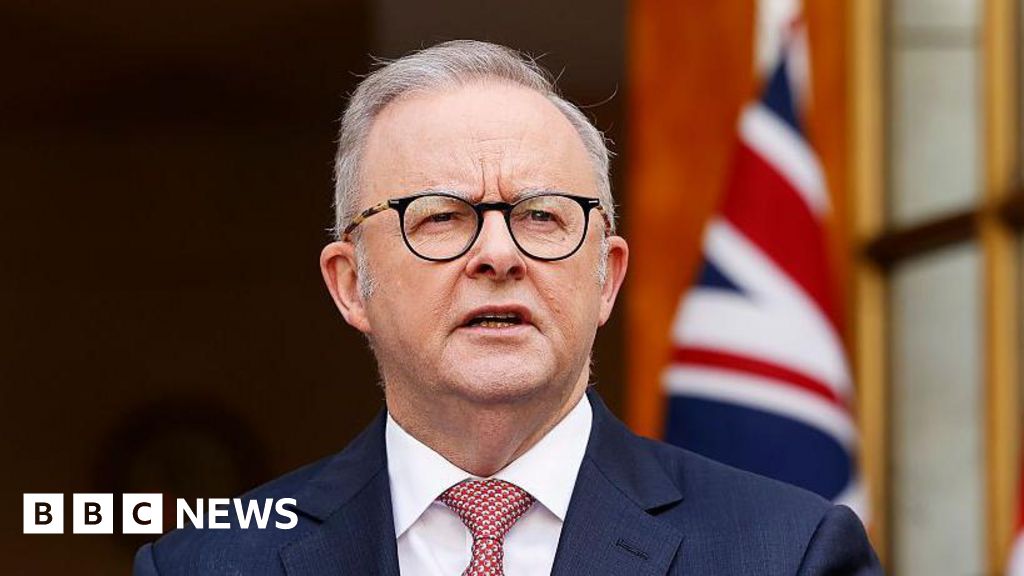
Since **Hamas** launched its devastating attack on **Israel** on 7 October 2023, the international community has been gripped by escalating tensions and a surge of divisive sentiments, with **Australia** experiencing a notable rise in both antisemitism and Islamophobia. The attack, which resulted in the tragic death of over 1,200 civilians and the kidnapping of 251 hostages, has ignited a firestorm of emotions worldwide. This violence has not only deepened regional instability but has also struck a chord within diaspora communities in **Australia**, exposing the fragility of social cohesion in an increasingly polarized world.
In response to the conflict, reports of community conflicts and discriminatory acts have risen sharply across **Australia**, illuminating the delicate balance between free expression and societal harmony. Reports indicate an alarming increase in antisemitic speech and violence directed at Jewish communities, alongside heightened Islamophobic incidents targeting Muslim populations. Experts warn that these trends threaten to undermine multicultural integration, risking the emergence of fractured societies in a nation that prides itself on diversity. International organizations, such as the **United Nations**, have expressed concern that unchecked hate crimes could fuel social divides, thereby complicating both domestic policy and international diplomacy. The situation underscores how *decisions made in international arenas have tangible repercussions on societal stability and social cohesion* in countries far from the conflict zone itself.
Meanwhile, the broader **geopolitical impact** of the Middle East crisis continues to unfold. Countries like **Iran**, **Turkey**, and **Egypt** are navigating complex diplomatic waters, balancing their regional interests while facing internal pressures to support Palestinian resistance or condemn violence. The escalation has prompted some to question whether a new Cold War is brewing, with nations aligning along ideological lines that threaten to fracture regional alliances and global peace. Historically, analysts like Samuel P. Huntington and recent reports from the **International Crisis Group** have warned that ongoing conflicts in the Middle East risk destabilizing the entire international order, with ripple effects that could threaten global security for decades to come.
As the conflict drags on, its *turning points* become more apparent. The Israeli military’s significant offensive in Gaza has resulted in catastrophic loss of life — more than 72,000 Palestinians according to the Hamas-run health ministry — raising serious questions about the path to enduring peace. The international community remains divided, with some nations calling for ceasefires and humanitarian corridors, while others advocate for military escalation. The outcome of these decisions will shape the fate of millions and determine the future of diplomacy in the Middle East. As historians assessing this moment warn of the potential for sustained conflict or even regional war, the world watches with bated breath. This is a pivotal chapter in history—one that will either forge a new path toward peace or plunge the region into deeper chaos, with consequences that will echo through generations.


