
TRENDING NEWS





Truth Over Trends, always!

The recent conflict between the US and Iran has erupted into one of the most significant military interventions in the Middle East since the 2003 Iraq invasion. Under former President Donald Trump, the US launched overwhelming strikes aimed at toppling Iran’s leadership, marking a decisive shift from prior diplomatic efforts. Yet, as the military campaign unfolds, critics and analysts alike are warning that the aftermath could reshape the geopolitical landscape for decades to come, with ripple effects touching societies from Tehran to Washington, and extending globally.
The initial strikes caused devastating casualties, including the tragic death of 175 civilians in a girls’ school—an incident attributed to flawed targeting data, emphasizing how chaotic and unpredictable modern warfare has become. Iran’s military swiftly responded with a barrage of missile attacks, some of which disrupted regional stability by targeting US military assets in Kuwait and provoking firefights with drone strikes. The US military’s response, including the loss of six personnel, underscores the unexpected intensity and volatility of this conflict. Military analysts like Philip Gordon have noted that comprehensive planning was absent or incomplete at best, and the chaos seen thus far is consistent with the tactics Iran has historically employed—targeting neighbors and closing the Strait of Hormuz, a choke point vital to global oil supplies.
One of the most concerning turning points is the US decision to shift strategies from eliminating Iran’s nuclear ambitions to focusing heavily on opening the Strait of Hormuz. This strategic pivot, driven by economic imperatives—namely soaring oil prices—has injected an unpredictable element into an already complex conflict. As Michael Singh of the Washington Institute points out, each of these shifting objectives would require distinct military plans. Now, with Iran exercising its sovereign rights to blockade and threaten maritime trade, the risk of a protracted, globalized war looms large. The geopolitical impact here is profound—potentially dragging the US into a long, costly conflict that could diminish its military dominance and reshape alliances overnight.
Internally, US decision-making has been marred by prioritization of operational security over strategic coherence. The Trump administration’s efforts to bypass traditional diplomatic channels and excluded extensive planning with key agencies reflect a reckless approach, critics argue. This approach risks spreading resources thin, straining military capabilities across Asia and the Middle East—areas where adversaries like China and North Korea remain formidable threats. As Jennifer Kavanagh warns, the long-term consequences will likely include a significant erosion of US military power projection—an outcome that could alter global power balances for generations. The situation, as noted by historians and security analysts, resembles a critical historical juncture—one where decisions taken in the heat of momentous conflict could either cement US dominance or hasten its decline amid a shifting world order.
As this chapter in history continues to unfold, it leaves the international community at a crossroads—facing moral dilemmas, strategic ambiguities, and uncertain futures. The echoes of past interventions linger, warning that the pages of history often mark the beginning, not the end, of long-lasting global transformations. In the shadows of this chaos, the weight of present choices determines the course of the future—whether nations will find themselves embroiled in decades-long conflict or forge a new path toward stability. Time will tell if this is yet another turning point or the prelude to a darker chapter in the saga of international power.
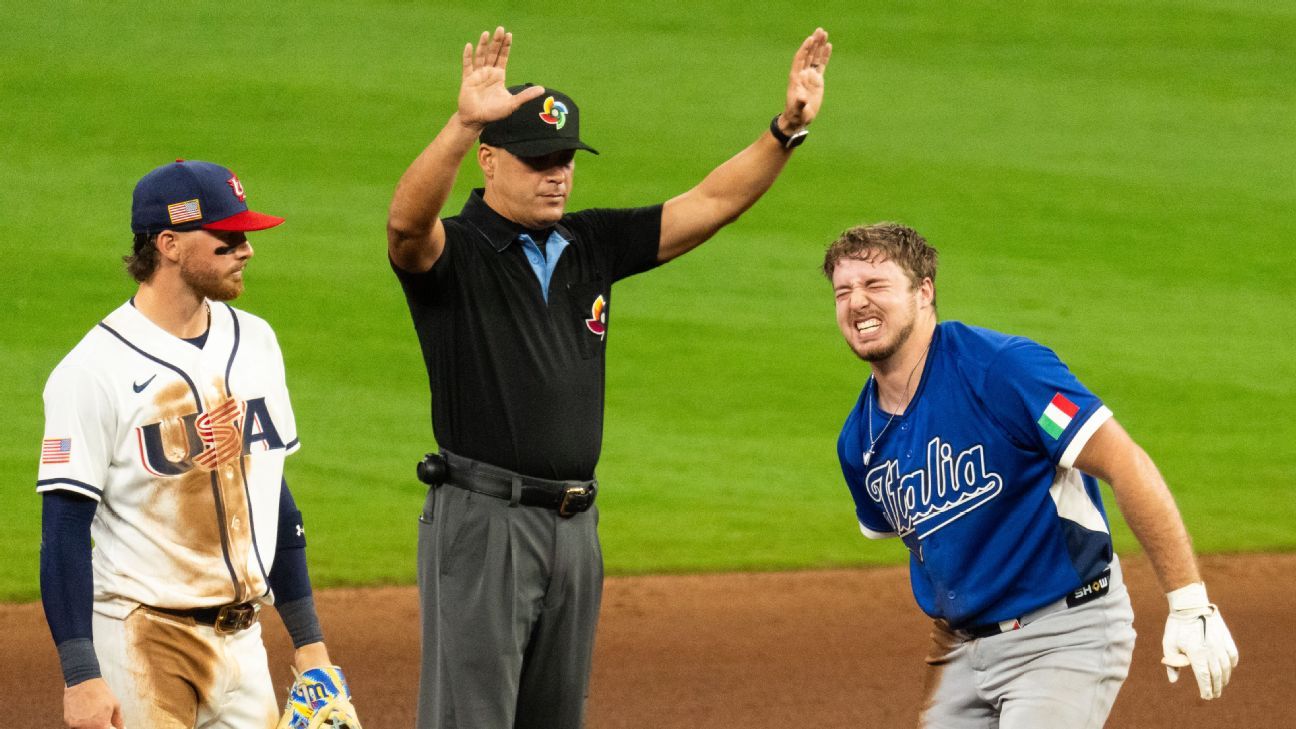
In a stunning turn of events during the World Baseball Classic, Kyle Teel, catcher for the Chicago White Sox, suffered a right hamstring strain that is expected to sideline him for 4-6 weeks. This injury occurred while Teel was playing for Italy in their thrilling victory against Team USA, a match that concluded with Italy triumphing 6-5 in a nail-biting finish.
The hamstring injury not only affects Teel’s participation in the classic but also raises concerns for the White Sox as they prepare for the upcoming MLB season. In his absence, the team will need to turn to their depth chart and potentially rely on backup catchers as they navigate crucial games early in the season. “We’re going to have to adapt,” stated White Sox Manager Pedro Grifol. With a solid batting average from Teel last season, his absence will be felt deeply both in the dugout and on the field.
As the White Sox look to recover from this news, several key players will need to step up. The catching position could see increased responsibility placed on younger, less experienced players. One player to watch is Sebastian Rivero, who has impressed during training camp. An analysis from sports commentators reflects that cohesiveness among the players will be essential, particularly as adjustments are made. Fans are encouraged to monitor the team’s performance closely as the season progresses.
This moment, while difficult, highlights the unpredictable nature of sports. Teel’s injury is a reminder of the physical toll athletes endure for their countries and teams. As fans rally behind their players, it serves as a crucial reminder that while scores may define the game, it is the spirit of competition and unity that truly encapsulates the essence of sports. In the end, it’s not just about the players on the field; it’s about the communities and dreams they represent, weaving together a narrative that transcends the scoreboard and unites us all.

The recent decision by Downing Street to drop plans to cut benefits for survivors of Ireland’s notorious mother and baby homes marks a significant turn in the ongoing effort to address a dark chapter in Irish history. This move follows intense international pressure and underscores the geopolitical significance of the relationship between Britain and Ireland. As a result, survivors living in the UK—estimated at up to 13,000—will retain access to essential benefits regardless of whether they accept compensation from Dublin, thereby protecting their dignity and social wellbeing. This decision signals a shift across the transnational landscape, with implications for the future of justice, reconciliation, and the role of historical accountability within the broader UK-Irish dynamics.
The government’s initial plans to restrict survivors’ benefits stemmed from concerns over the financial implications of Ireland’s redress scheme. Introduced after a 2021 inquiry exposed systemic cruelty, neglect, and the unnecessary death of hundreds of infants, Ireland’s compensation effort sought to provide recognition and redress to tens of thousands of victims. However, officials in Britain had feared the scheme’s classifications—particularly regarding savings—could jeopardize means-tested benefits like universal credit and social care funds, creating fear and distress among survivors. Campaigners such as Patricia Carey and community organizations like Irish in Britain warned that such policies risked re-traumatizing a community still seeking justice. Their advocacy and international diplomatic engagement—highlighted during the recent Anglo-Irish summit—culminated in recognition of the deep ripple effects these policies could have on society and the geostrategic alliance between the two nations.
At the heart of this corporate and diplomatic endeavor lies the geopolitical impact, which cannot be understated. The Irish government’s redress scheme aims to confront a painful legacy, yet its initial economic framing threatened to isolate survivors within a system of social stigma—one that historians and analysts suggest has long been a barrier to true reconciliation. The decision to disregard Ireland’s payments for survivors in Britain signifies a nuanced approach by both governments, emphasizing acknowledgment and solidarity over fiscal austerity. This alignment not only reflects renewed diplomatic cooperation but also signals to the rest of the international community that resolving historic injustices requires more than monetary compensation; it demands a moral commitment that transcends borders. As Liam Conlon, a Labour MP who championed Philomena’s law, articulated, the effort is about “tackling stigma, shame, and ensuring dignity,” embodying a moral blueprint with wider implications for how nations confront their pasts and aim for healing.
In a broader sense, these developments echo the ongoing evolution of international justice and the role of societal memory. As historians caution, these moments are pivotal; they serve as benchmarks for how societies reckon with historic trauma while balancing political, economic, and social interests. The survivors’ stories—like that of Philomena Lee, whose decades-long search for her son inspired the Oscar-nominated film—are emblematic of a collective yearning for acknowledgment and redemption. Yet, the fight continues, and as this chapter closes with meaningful progress, the path ahead remains fraught with challenges. The weight of history presses on, reminding the global community that the true cost of injustice is paid not just in monetary terms, but in the dignity and lives of those who suffered in silence. As the world watches, it is yet to be seen if this moment will be remembered as a turning point—or if, in the shadows of unresolved pain, history’s most profound lessons will still go unheeded.

Across England, a concerning trend is shaping the future of society: the persistent rise in youth unemployment. The latest figures reveal that nearly one million young people aged 16-24 are neither in work, education, nor training (commonly termed Neets). Most of these young individuals reside in the north and Midlands, with eight of the ten local authorities most affected located in these regions. Sociologists warn that this trend risks creating a lost generation, burdened with long-term social and economic scars. The challenge for society is not merely economic but deeply rooted in family stability, educational opportunities, and community cohesion.
Behind these stark statistics lies a complex web of social issues. The rise in youth unemployment, now at a 5.2% rate—the highest since 2021—intersects critically with educational inequalities and regional disparities. As Alan Milburn, the government’s work tsar leading a major review into youth inactivity, emphasizes, local authorities hold convening power—they can unite schools, colleges, and employers to address these issues directly. Yet, sociologists such as Michael Young have highlighted that structural reforms must be paired with community-led initiatives to effectively combat the entrenched cycles of disadvantage. Milburn’s call for expanding legal powers for local leaders reflects a recognition that public policy must adapt to empower grassroots solutions.
This regional and socio-economic divide has profound consequences for families and communities. Children growing up in areas hard-hit by unemployment often face educational disadvantages and higher rates of social exclusion. The intergenerational contract—the idea that each generation will do better—appears to be fraying, raising fears of a lost social mobility. The moral crisis is plain: are we willing to allow an entire cohort of youth to be marginalized? The societal fabric risks weakening if these inequalities persist. Experts warn that without sustained, localized effort, the scars of youth unemployment could echo for decades, impacting families’ ability to achieve stability, enter the housing market, and contribute meaningfully to social cohesion.
In response to this crisis, visions of reform suggest a multi-faceted approach. The government’s review, including insights from policy leaders like Dame Louise Casey and economic strategists such as Andy Haldane, aims to forge recommendations that span welfare, education, and employment support. Yet, the real hope lies in community-driven initiatives—local mayors uniting schools, businesses, and social services to create pathways out of disillusionment. As history teaches, resilience emerges from bottom-up efforts that recognize cultural shifts and regional contexts. Society faces a stark question: will it continue to rely solely on top-down policies, or will it foster resilient local ecosystems capable of transforming despair into opportunity? For the young, it’s not just about jobs; it’s about restoring the hope of a society that values their future, and in doing so, rebuilds the moral fabric of our nation.
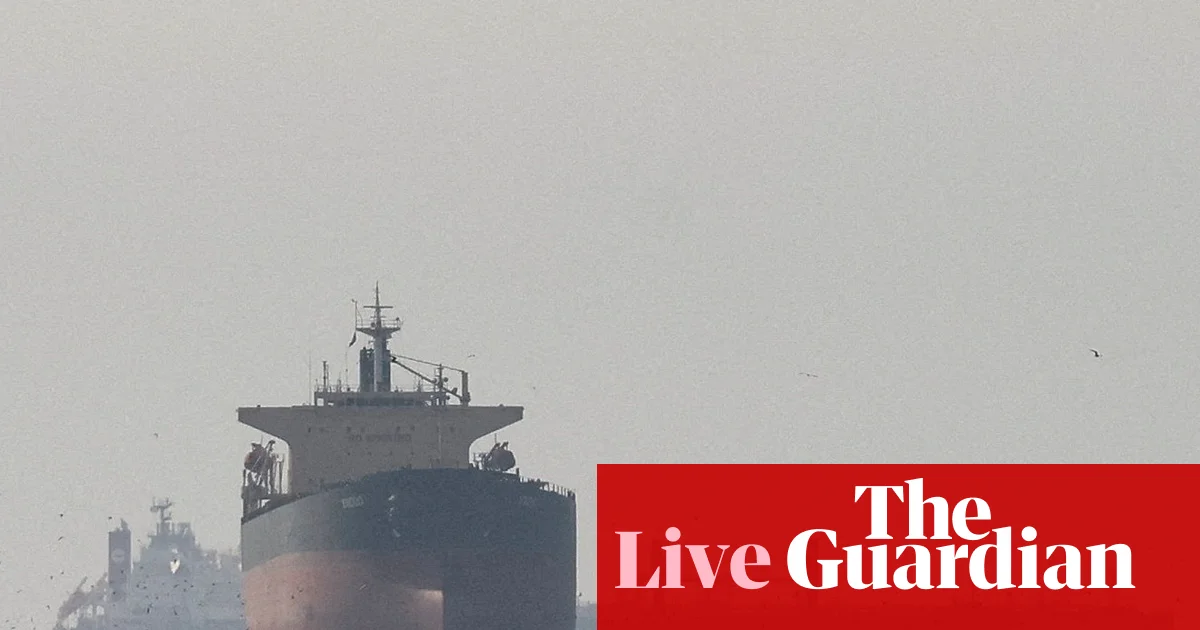
In a dramatic escalation of Middle Eastern conflict, the United States has openly declared its military efforts to secure the vital Strait of Hormuz, a critical choke point for global oil supplies. With over 1,000 cargo ships held hostage after Iran’s self-initiated blockade, the U.S. has responded with a decisive military campaign targeting Iran’s navy—claiming to have destroyed 28 Iranian mine-laying vessels in recent days. Defense Secretary Pete Hegseth has asserted that the U.S. is “decimating” Iran’s military capacity “in a way the world has never seen before”, emphasizing that the U.S. has strategically planned for every possible action to ensure the flow of commerce through this crucial waterway remains uninterrupted.
Historian and international security analysts recognize this as a turning point with profound geopolitical impact. The U.S. has long sought to dominate control over Middle Eastern waterways, but Iran’s recent attempt to blockade the Strait has ignited open conflict. American officials, citing intelligence reports, affirm that Iran’s strategy includes laying more underwater mines, complicating efforts to re-establish free navigation. While Donald Trump has boasted about the heavy-handed destruction of Iranian naval capabilities, many experts warn that this aggressive stance could intensify the ongoing regional chaos, setting the stage for wider confrontation.
Within Iran, questions are mounting regarding the competency and legitimacy of the country’s new supreme leader, Mojtaba Khamenei. U.S. officials, including Hegseth, cast doubt on whether he effectively commands the fractured Iranian regime, describing him as “scared” and “injured” following the U.S.-Israeli covert operations that targeted his family. Such internal instability potentially stimulates unpredictable Iranian responses, analysts say, which could include renewed missile and drone attacks against Gulf Arab states. The repeated warnings from Iran’s leadership about American presence in the region signal a dangerously volatile phase, with the possibility of regional war spiraling beyond control.
Amid this turmoil, the geopolitical landscape is shifting dramatically. U.S. President Donald Trump has threatened “major retaliation” against Iran following Friday’s attacks on Gulf Arab states, including widespread drone assaults at Saudi Arabia. His rhetoric underscores a narrative of decisive U.S. dominance; however, critics from both sides of the political spectrum warn that such provocations threaten to destabilize an already fragile Middle East. Meanwhile, economic repercussions are rapidly emerging—gas prices have surged by more than 60 cents per gallon in key areas like Michigan, with prices at some stations already exceeding $4.30 per gallon. This inflationary shock not only affects consumers but has strategic consequences in swing states like Michigan, where economic stability often influences U.S. national elections. Political analysts warn that the rising energy costs coupled with ongoing military conflicts could significantly impact the forthcoming U.S. midterm elections.
As history unfolds in real time, the eyes of the world remain fixed on the Persian Gulf, where the mighty currents of geopolitics threaten to drown nations in chaos. With each military strike and diplomatic warning, the weight of history’s decisive chapter bears down, forcing nations to grapple with the legacy they forge in a region teetering on the edge of full-scale war. The question remains: will this be a calculated move towards stability or the spark that ignites a broader, multidimensional conflict that reshapes the world order?
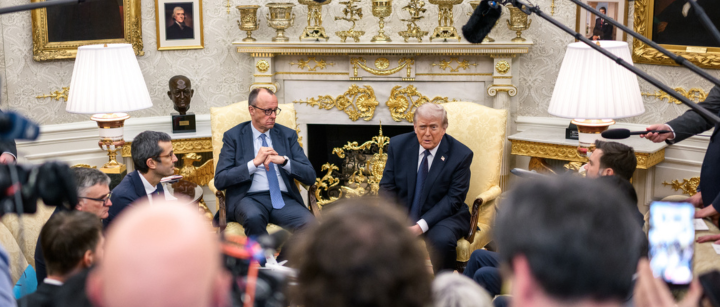
Recently, former President Donald Trump has asserted that the 2015 Iran nuclear deal, known as the JCPOA, was “a road to a nuclear weapon” and that Iran “would be sitting with a massive nuclear weapon three years ago” if the U.S. had not withdrawn in 2018. These claims are central to his narrative that exiting the deal prevented Iran from becoming a nuclear threat. However, an in-depth review of expert opinions, international reports, and historic developments reveals that Trump’s assertions are somewhat misleading and warrant closer scrutiny.
The JCPOA, negotiated during the Obama administration and supported by the then-P5+1 nations—China, France, Russia, the United Kingdom, and the United States—was designed to impose stringent restrictions on Iran’s nuclear program in exchange for sanctions relief. According to the Arms Control Association, the deal **placed limits on Iran’s uranium enrichment** (restricting it to 3.67%) and required the dismantling of
two-thirds of Iran’s centrifuges, with international inspections ensuring compliance. These measures were intended to extend Iran’s “breakout time”—the period it would need to produce enough fissile material for a nuclear weapon—to at least a year, a buffer that approximately tripled during the deal’s enforcement, according to the Center for Arms Control and Non-Proliferation.
In response to Trump’s claims that withdrawing from the JCPOA prevented Iran from acquiring nuclear weapons, several experts dispute the accuracy of his timeline. Laura Rockwood, senior fellow at the Vienna Center for Disarmament and Non-Proliferation, observed that “Iran was able to advance its nuclear program to the level it was before the 12-Day War last June not because of the JCPOA, but because of the U.S. withdrawal.” Similarly, Richard Nephew, a senior researcher at Columbia University and former State Department Iran envoy, highlighted that “Trump’s decision to withdraw in 2018 significantly accelerated Iran’s nuclear program”. Both experts emphasize that the deal’s restrictions were instrumental in delaying Iran’s nuclear capacity, and its collapse has led to a faster pathway toward potential nuclear armament.
The data from the International Atomic Energy Agency (IAEA) supports the consensus that the collapse of the JCPOA resulted in Iran resuming the accumulation of highly enriched uranium, accelerating its nuclear program. Before the U.S. withdrew, Iran’s stockpile of uranium enriched to 60% was under rigorous limits. After withdrawal, Iran exceeded those limits, and stockpiled fissile material at a pace that experts say was unprecedented during the deal’s enforcement.
Supporters of the JCPOA, such as Daryl Kimball of the Arms Control Association, stress that the agreement effectively extended Iran’s “breakout time” from mere weeks to over a year. Post-withdrawal, the Center for Arms Control and Non-Proliferation estimates that Iran’s breakout time shrunk back to just a few weeks, a stark reversal of the progress achieved during the agreement. This rapid acceleration underscores that, without the constraints of the JCPOA, Iran’s pathway to a nuclear weapon has become considerably more accessible.
While no international agreement can eliminate the risk of a nation pursuing nuclear weapons entirely, the consensus among experts is that the JCPOA significantly curtailed Iran’s nuclear capabilities. According to the Arms Control Association, the deal **not only limited uranium stockpiles and level of enrichment but also mandated comprehensive inspections** for up to 25 years on some measures. These rigorous safeguards aimed to detect violations early and impose consequences.
Critics, including Trump, have argued that “many elements” of the deal loopholes—such as sunset provisions—would allow Iran to resume weapons-grade enrichment decades later. However, Laura Rockwood points out that “Iran simply would not have been able to enrich to the level of 60% or to accumulate enough fissile material for a weapon” if the JCPOA had remained effective. The deal’s design intentionally maintained restrictions well beyond 15 years, creating an extended window of oversight and control.
Amid ongoing geopolitical debates, it’s clear that political choices—most notably Trump’s 2018 withdrawal—have directly influenced Iran’s nuclear trajectory. While Iran could potentially violate the restrictions, experts agree that the JCPOA significantly hampered their ability to produce nuclear weapons “for at least 15 years,” providing critical time for diplomacy and oversight, as detailed by The Council on Foreign Relations.
In conclusion, the narrative that the JCPOA was inherently “a road to nuclear weapons” is contradicted by expert analysis and international monitoring data. Removed constraints and diminished oversight have allowed Iran to resume its nuclear activities at a faster rate, underscoring an essential truth: transparency, verified restrictions, and responsible policy are the backbone of a robust democracy that seeks to prevent nuclear proliferation and ensure national security. True information and accountability are vital—especially for voters and policymakers—to safeguard our democratic process and global stability.
In a remarkable display of political resolve amidst an escalating Middle East conflict, UK Prime Minister Keir Starmer has announced that RAF Typhoon jets are extending their operations to Bahrain, marking a significant shift in the UK’s military posture in the region. Starmer stated that these jets are now patrolling for Iranian drones heading toward Bahraini airspace, amid heightened tensions following Iran’s retaliatory attacks on energy and transport infrastructure across Bahrain, Oman, and Iraq. This development signals a notable intensification of UK defense commitments in the Gulf, aligning with broader Western efforts to contain Iran’s military influence and safeguard strategic allies such as Bahrain.
This military escalation comes at a time when global oil markets are in upheaval, with oil prices again soaring beyond $100 per barrel. The conflict’s spillover effects threaten to plunge the UK’s fragile economy into recession, as warned by analysts like Tomasz Wieladek of T. Rowe Price, who emphasized that “the war in the Middle East and subsequent oil price rise will raise inflation and reduce consumer spending.” Official UK figures reveal that the economy has already been vulnerable, with flatlining GDP in January—highlighting the nation’s weak start to the year amid uncertainty surrounding the government’s fiscal policies and the energy crisis. Such geopolitical turbulence underscores how international conflicts can swiftly ripple through domestic economies, highlighting the critical nature of national security and energy independence in these times.
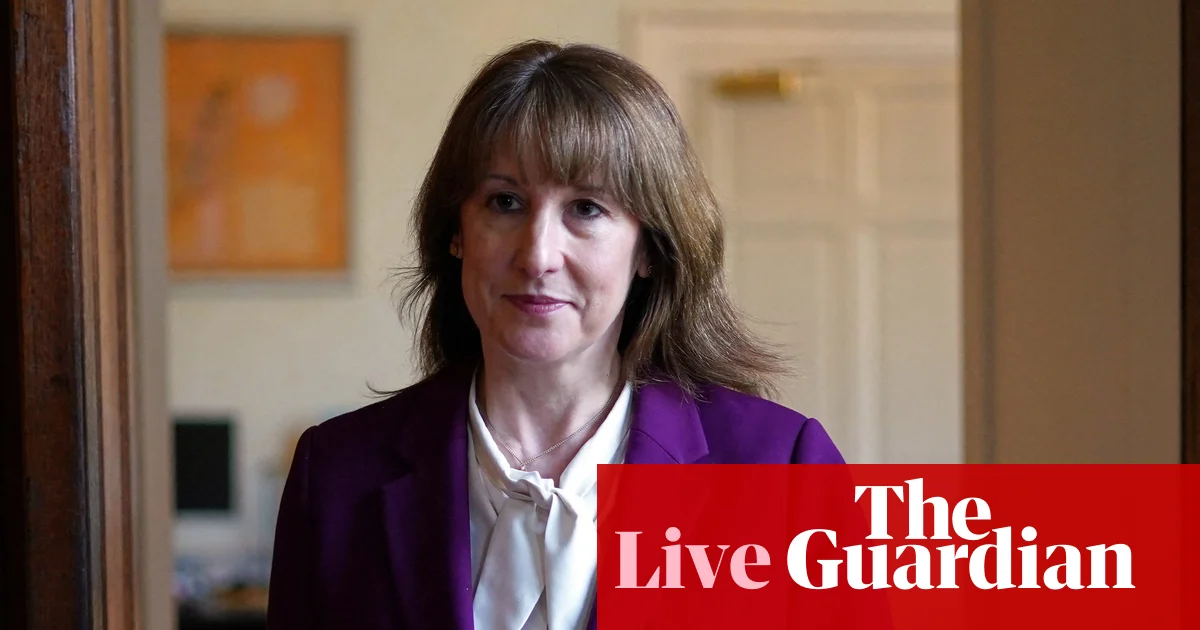
Amid diplomatic and economic turbulence, the UK government under Rachel Reeves is taking a firm stance against what it calls profiteering by energy firms exploiting the crisis. Reeves instructed the Competition and Markets Authority (CMA) to scrutinize fuel price hikes, explicitly warning companies that “she will not tolerate any company exploiting the current crisis to make excess profits at customers’ expense.” Simultaneously, Energy Secretary Ed Miliband has vowed to fight “price gouging,” emphasizing that the government is prioritizing the “cost of living” crisis, particularly impacting households relying on heating oil—whose prices have nearly trebled since the Iran war began. These actions aim to shield consumers from the fallout of geopolitical conflicts, but they also reflect a broader struggle over energy policy—particularly whether the UK should pursue more independence from volatile fossil fuels or continue aligning with international markets fraught with instability.
Adding to the geopolitical complexity, Prime Minister Starmer has announced the UK will *not* follow the US in temporarily waiving sanctions on Russian oil—an unequivocal stance that keeps Britain locked into a harder line against Moscow’s economic influence. Energy Minister Michael Shanks made it clear that the UK cannot afford to give Putin’s regime a free rein, warning that “what we absolutely can’t have is [Vladimir] Putin seeing this as a chance to invest in the war machine.” This divergence from the US approach signals a deliberate effort by Britain to assert its own strategic autonomy, even as global markets respond unpredictably. As Russia claims that lifting sanctions is “inevitable,” the balance of power and economic influence in the energy sector remains sharply contested, foreshadowing a period when nations must choose between cooperation and confrontation, the path to peace and the risk of open conflict unresolved.
With the UK facing economic stagnation, soaring energy prices, and an active military footprint in the Gulf, the international community watches with bated breath as the decisions made today could shape the trajectory of global stability for decades. As the fog of war thickens, the weight of history presses ever heavier—marking a pivotal chapter where every alliance, intention, and strategic move could determine whether nations find themselves—at last—standing on the edge of a new era or stepping into the abyss of prolonged chaos. The story remains unwritten, but the consequences of these choices will echo through generations yet unborn.
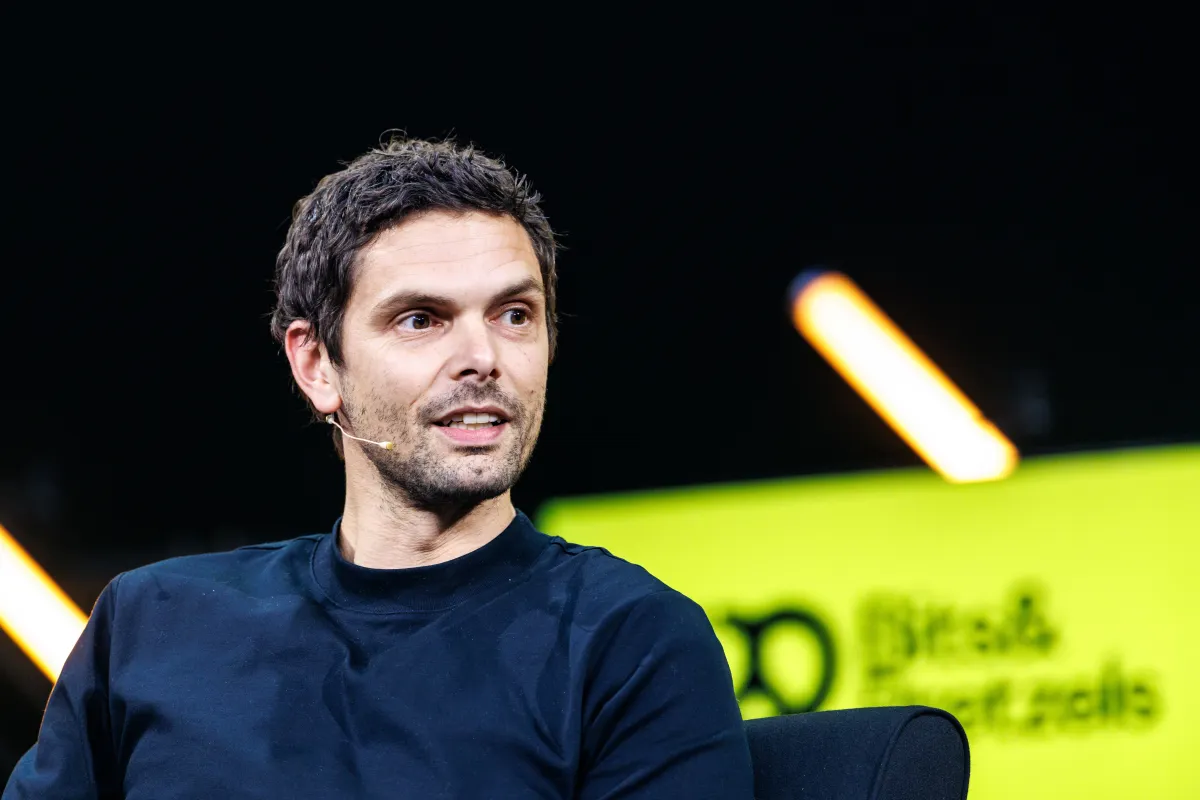
The rapidly evolving landscape of artificial intelligence (AI) and quantum computing shows no signs of slowing down, with visionary entrepreneurs like Peter Sarlin leading the charge towards a new era of technological disruption. Just eighteen months after selling his startup to semiconductor giant AMD for an impressive $665 million, Sarlin has pivoted toward groundbreaking initiatives that could redefine industry standards. His new ventures, NestAI and QuTwo, are pioneering the next phase of AI development—specifically targeting the emerging quantum era.
QuTwo positions itself as “an AI lab for the quantum era,” innovating at the intersection of classical and quantum computing. Unlike many competitors that are biding time until quantum technology matures, QuTwo is already deploying solutions in collaboration with enterprise clients like European retailer Zalando. Their “lifestyle agents”—AI systems that proactively suggest products—exemplify how quantum-inspired algorithms could revolutionize customer experiences and retail logistics. This strategic move demonstrates a disruptive approach, aiming to mainstream the quantum-AI integration well before quantum hardware is fully ready, an approach supported by analysts at Gartner who emphasize the significance of early-stage hybrid solutions in maintaining competitive advantages.
Underpinned by a robust funding structure via Sarlin’s family office PostScriptum, QuTwo’s development strategy hinges on building the QuTwo OS. This orchestration layer facilitates seamless interaction between classical and quantum computational resources, enabling enterprises to shift workloads dynamically and optimize efficiency. Industry shifts towards hybrid hardware environments suggest that the immediate future belongs to solutions capable of navigating the “efficiency wall” that classic AI is approaching, as Sarlin notes. This aligns with insights from MIT researchers who warn that “AI’s energy consumption and scalability are unsustainable without quantum breakthroughs.” Consequently, companies investing now in hybrid infrastructures could secure a significant leap forward, shaping competitive landscapes for decades to come.
With an experienced team comprising over 30 top-tier quantum and AI scientists, and key industry figures like former Nokia CEO Pekka Lundmark on its board, QuTwo exemplifies a formidable push towards future-proof enterprise solutions. Experts like Peter Thiel have long predicted that “the true value of quantum computing will be realized through hybrid algorithms that can be integrated into existing infrastructures.” As such, QuTwo’s strategic emphasis on early commercialization and flexible deployment signals a dramatic shift in how industries will approach AI and quantum technologies in tandem. These developments are not just incremental; they are disruptive, posing significant challenges to traditional computing models and opening avenues for unprecedented business efficiencies.
Looking ahead, the urgency to adapt to this technological revolution is palpable. As the industry braces for a potential quantum takeoff, companies that fail to embrace hybrid solutions risk obsolescence. The ongoing partnerships and rising investments underscore that the next decade promises to be pivotal, with firms that innovate at this frontier poised to dominate. The call to action for forward-thinking enterprises is clear: the quantum AI revolution is inevitable—and those who lead the charge will shape the future of global industry.
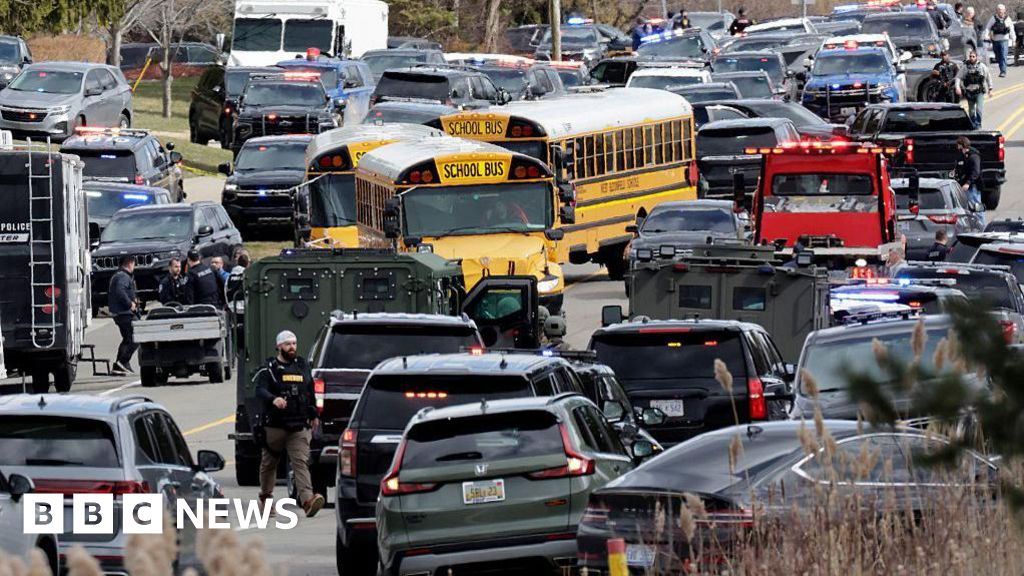
In a concerning development that underscores rising tensions worldwide, the FBI has announced that an incident occurring recently is under investigation as a targeted act of violence against the Jewish community. This move signals not only the gravity of the event but also highlights an escalation in attacks directed at religious and ethnic minorities across the globe. With political rhetoric and extremist ideologies fueling divisions, authorities now face the formidable challenge of safeguarding vulnerable populations amidst a shifting geopolitical landscape.
Historically, acts of violence against minority groups have often presaged broader societal fragmentation. Experts from international institutions, such as the United Nations, have repeatedly warned about the dangerous consequences of unchecked hate crimes, noting that such events often serve as catalysts for social upheaval. Analysts emphasize that movements driven by nationalist, supremacist, or divisive narratives tend to gain momentum during periods of political uncertainty, amplifying the threat of violence. The recent FBI statement underscores how, in the digital age, radicalization can rapidly manifest into dangerous acts, impacting diplomatic relations and domestic stability alike.
The geopolitical impact of these incidents extends beyond national borders. Countries that harbor large Jewish communities or are engaged in ongoing conflicts with extremist factions have become increasingly vulnerable to retaliatory violence and diplomatic tensions. The incident’s investigation may influence international relations, particularly if it connects with broader plots or extremist networks. As geopolitical analysts caution, when acts of terror strike minority communities, the repercussions ripple through diplomacy, security policies, and societal cohesion in multiple nations. This event comes at a time when many governments are reevaluating their counter-terrorism strategies amidst a backdrop of global instability and ideological conflict.
Through the lens of history, such episodes are reminders that the struggle over identity, security, and sovereignty is far from over. Prominent historians have noted that societies often grapple with these issues during moments of change, potentially marking turning points in national narratives. International organizations, meanwhile, stress the importance of unity in the face of division, urging countries to combat hate with resilience and strengthened cooperation. Yet, as events unfold, the shadow of history reminds us that the choices made today will shape the very fabric of future societies. As night falls on a fragile world, the weight of this unfolding saga leaves one question posed to all: how will nations rise to meet the tide of hatred, or succumb to it?
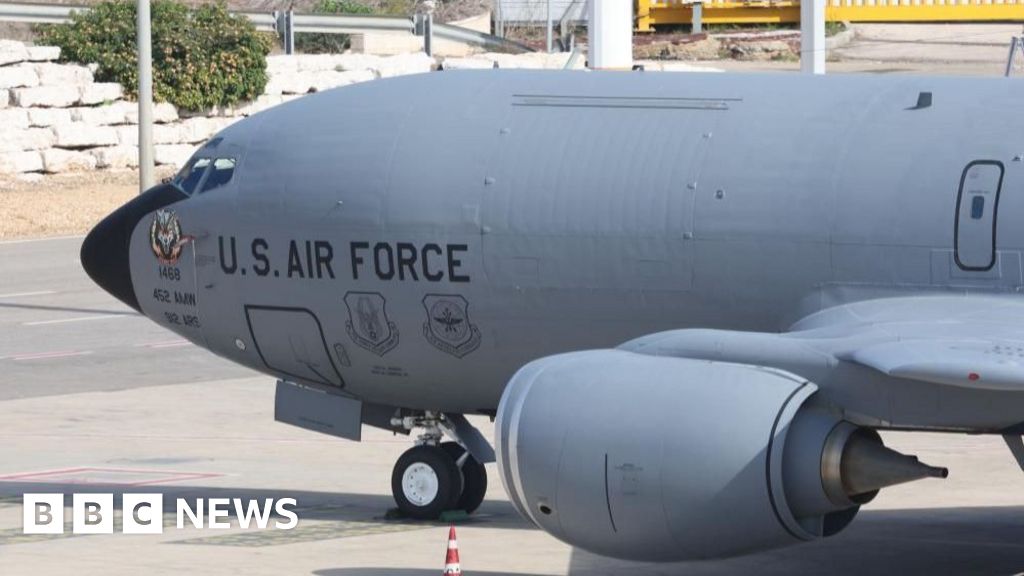
The US Central Command reported urgent rescue efforts underway after a refuelling aircraft went down over western Iraq. This incident, seemingly isolated on the surface, carries profound geopolitical implications at a time of ongoing regional instability and shifting international alliances. As rescue teams mobilize and investigations commence, analysts globally are scrutinizing the incident for underlying tensions that may go beyond a mere aviation mishap.
Historically, Iraq has been a focal point of international strategic interests, especially since the early 2000s. The recent incident highlights the persistent presence of the US military and its allies in the region—serving as both a deterrence against hostile actors and a reminder of unresolved conflicts. According to defence experts, such accidents often raise questions about the safety and preparedness of military systems operating in volatile environments. The incident underscores how recent shifts in regional alliances and increased military patrols—sometimes driven by covert geopolitical motives—are heightening the risk of mishaps that could escalate into larger crises.
International organizations and think tanks have weighed in, emphasizing that such accidents are rarely merely technical failures. Commentators like geopolitical analyst Dr. Maria Jensen warn that incidents involving US military assets in Iraq are potentially deliberate flashpoints. Furthermore, United Nations reports note that ongoing conflicts and unresolved territorial disputes continue to destabilize the region, with the risk of accidents escalating tensions among local factions, regional powers, and Western interests. Historical precedent reminds us that seemingly minor incidents can often serve as preludes to broader conflicts, especially when escalating narratives are already in motion.
As rescue operations unfold amidst a backdrop of regional unrest, the international community remains divided. While some nations call for restraint, others leverage incidents like this to justify increased military presence or covert operations. The incident portends a turning point—an inflection in the delicate balance of power—where even accidental mishaps might serve to justify stronger interventions or retaliatory actions. Such developments could profoundly impact not only Iraq and its neighboring countries but also the global geopolitical landscape, which remains on high alert for potential flashpoints.
Ultimately, the fate of the downed aircraft and the subsequent rescue efforts represent more than a military operation; they symbolize the fragile mosaic of modern geopolitics, where every incident can ripple across borders and ignite a chain of unpredictable consequences. As history continues to be written, the world watches with bated breath, knowing that within these events lie the seeds of future conflicts—reminding all of us that in the theater of international power, the line between accident and escalation is perilously thin.


