
TRENDING NEWS





Truth Over Trends, always!
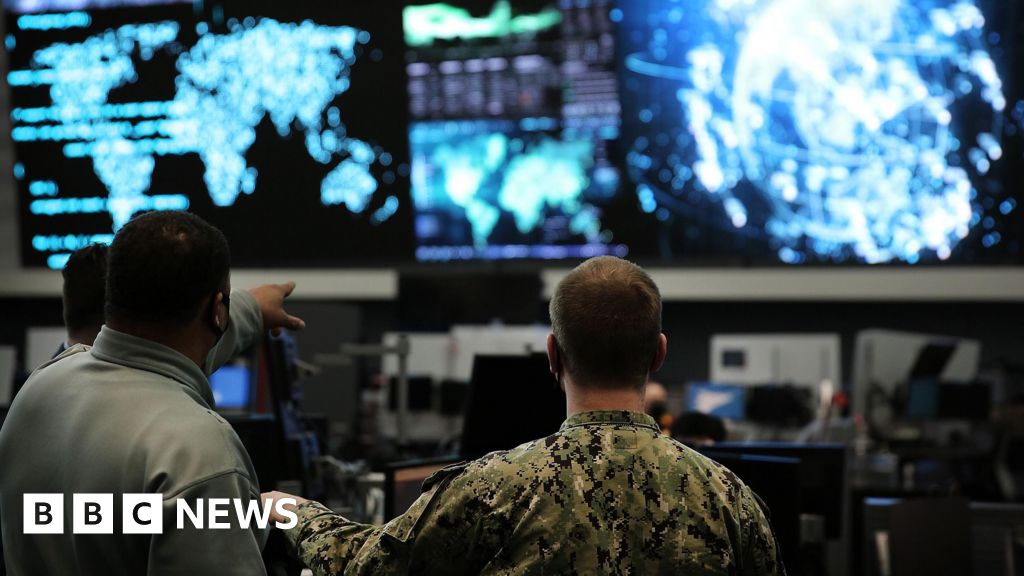
In recent weeks, militaries worldwide have maintained a high level of secrecy regarding their cyber operations. However, a significant shift has occurred as the United States subtly revealed its role in a complex web of digital espionage and offensive cyber campaigns. While official statements remain cautious, intelligence analysts and international observers interpret these signals as a notable departure from previous policies of deniability, suggesting that Washington is now openly acknowledging its advanced cyber capabilities.
This development has considerable geopolitical impact. Historically, cyber warfare was viewed as a covert tool—an avenue for clandestine influence without the risk of conventional escalation. Now, under the apparent light of acknowledgment, the US seems to be asserting a dominant digital offensive stance. This shift demonstrates a strategic move to establish cyber supremacy as a core component of national security, effectively expanding the battlefield beyond traditional territory. The move has alarmed rivals and allies alike, prompting a re-evaluation of security protocols and response strategies across the globe. International organizations such as NATO and the United Nations are now grappling with the implications of this publicly hinted cyber warfare engagement, pointing to a new era where digital capabilities become central to international power plays.
Analysts warn that the blurred line between cyber deterrence and active engagement raises profound questions about future conflicts. According to former intelligence officials and cybersecurity experts, the US’s belated acknowledgment hints at a broader motive: to deter adversaries by signaling its readiness to retaliate in digital domains. This move could herald a new era of cyber diplomacy or, conversely, escalate tensions that risk spiraling into global cyber conflicts. The US Department of Defense has emphasized that cyber operations are now an integral part of national defense, aligning with the strategic doctrines that see digital domains as equally vital as land, sea, and air. As noted by leading international security think tanks, this approach could fundamentally alter how nations engage with one another, shifting the focus toward preemptive digital strikes and espionage.
Though the extent of US involvement remains classified, the message is clear: the era of cyber ambiguity is ending. As history continues to unfold, the global community faces a crucial choice—embrace this new digital arms race or seek to establish norms and safeguards that can prevent unchecked escalation. The stakes are high, and the future of international stability hangs in the balance, illuminated by the flickering glow of digital warfare—a battleground where the echoes of power and influence are inscribed in binary, shaping the course of history long to come.

In an extraordinary display of investor confidence, Gestala has raised an impressive $21.6 million (CN¥150 million) within just two months of launching, positioning itself as a major disruptor in China’s burgeoning brain-computer interface (BCI) industry. This funding round, co-led by prominent financial players Guosheng Capital and Dalton Venture, with participation from several key institutions including Tsing Song Capital and Gobi Ventures, has set a new milestone as the largest early-stage investment in China’s BCI arena. With investor commitments surpassing $58 million, the industry’s appetite for groundbreaking neurotechnology is clear and expanding rapidly.
Innovation and speed are now defining the competitive landscape. Gestala is pioneering ultrasound-based brain-computer interface (BCI) systems, a technology believed to revolutionize how humans interact with neural signals. Unlike traditional invasive methods that involve surgery, ultrasound offers a non-invasive alternative capable of monitoring and stimulating deep neural circuits with precision. This approach could drastically lower the risks associated with brain implants, thereby opening up BCI applications to broader populations. By leveraging China’s efficient supply chains and integrated manufacturing ecosystem, Gestala aims to accelerate from prototype to scale, targeting commercialization within the next year—a timeline that could give it a competitive edge against global rivals, many of whom are still in early R&D phases.
The global BCI market is experiencing a surge driven by advancements in ultrasound technology, with major players like OpenAI-backed Merge Labs leading the charge outside China. Gartner analysts highlight that these innovations are fundamentally disruptive, with the potential to reshape sectors from healthcare to gaming. Gestala plans to develop its first-generation prototype by year’s end and is actively expanding its R&D team from 15 to 35 personnel, underscoring an aggressive move towards rapid commercialization. The company’s strategic focus on developing a “Ultrasound Brain Bank” signals its intent to create large, high-quality datasets, crucial for training AI models and bolstering future diagnostics—a move aligned with global trends in AI-driven healthcare.
Despite rising geopolitical tensions, Peng, founder and CEO of Gestala, emphasizes the importance of international collaboration, advocating a partnership model where the U.S. and China combine large-scale clinical research capacity with top-tier scientific talent. This cooperation could potentially accelerate breakthroughs, echoing industry experts’ warnings that hardware and AI integration must navigate geopolitical hurdles but also unlock unprecedented innovation in neural science.
Looking ahead, the implications for disruption are profound. With a blend of innovative ultrasound tech, strategic manufacturing, and data-rich AI models, Gestala is positioning itself at the vanguard of the next wave of neurotechnology. As global investors and industry giants race to decode the brain’s complexities, the urgency to stay ahead becomes critical. The next 12 to 24 months are poised to determine whether non-invasive ultrasound BCI can break through regulatory, technical, and geopolitical barriers—and, in doing so, reshape the very fabric of human-machine interaction for generations to come.

The Strait of Hormuz, a vital artery for global energy supplies, has once again become a flashpoint in the ongoing geopolitical tensions that threaten international stability. Recent reports confirm an escalation in Iranian attacks targeting commercial ships navigating this strategic waterway. Experts warn that these incidents could have profound repercussions on world markets and diplomatic relations, emphasizing the fragile balance maintained by international maritime law.
According to sources close to the United States and regional allies, Iranian forces have increased their assaults on merchant vessels, citing broader regional grievances and perceived threats from Western sanctions. Analysts warn that these acts of aggression mark a significant escalation, risking a broader conflict and threatening to disrupt the already delicate flow of oil, which accounts for nearly 20% of global consumption. Historically, control over the Strait has been a strategic objective for various governing entities, but recent events signal a deterioration in diplomatic channels and a move toward aggressive posturing that could ignite larger hostilities.
Global institutions such as the International Maritime Organization (IMO) have issued statements condemning the attacks, urging Iran to refrain from actions that endanger international shipping. However, the geopolitical impact extends beyond maritime safety. The escalation risks emboldening regional power alliances and increasing the likelihood of miscalculation in an already volatile environment. Ongoing strategic analyses by organizations like the Council on Foreign Relations highlight how Iran’s military actions are viewed within a broader context of resisting Western influence, particularly amid ongoing negotiations over nuclear proliferation.
Historian and geostrategic analyst Philip Zelikow warns that the current trajectory could shift the balance of power in the Middle East and redefine global energy security. He underscores that decision-makers in Washington DC, Tehran, and allied capitals are playing a dangerous game, where misjudgment could lead to wider regional conflict or even an open clash. In this tense landscape, every maritime incident underscores the importance of diplomacy and the high stakes attached to maintaining open sea lanes. As international actors weigh options, the world watches with bated breath—each exchange of fire, each diplomatic failure, and each strategic move rewriting the map of influence.
Through the unfolding chaos in the Strait of Hormuz, history reminds us that the course of global events is often dictated by moments of crisis—moments where decisions made in war rooms or diplomatic chambers ripple outwards, shaping nations for generations to come. The question beneath the tumult remains: will the current escalation be contained, or will it ignite a broader conflict that alters the course of history forever?. The answer lies in the decisions yet to be taken, the diplomacy yet to be attempted, and the resilience of a world eager but unprepared for the chaos of unchecked power struggles.

In a dramatic turn of events, Team USA secured its position in the quarterfinals of the World Baseball Classic. The team narrowly escaped a setback after a tense pool play led to a fortunate outcome thanks to Italy’s commanding 9-1 victory over Mexico on Wednesday night. This win not only solidified Italy’s place in the tournament but also paved the way for the Americans to advance, ensuring their chances to compete for the coveted championship.
The stakes couldn’t have been higher for Team USA, as they prepared to face fierce rival Canada on Friday. The powerful lineup boasts star players such as Mike Trout and Trevor Story, backed by top-notch performances from their pitching staff. Coach Mark DeRosa expressed confidence in his team, stating, “We are focused and ready to bring our A-game. Our objective is to push through to the finals.”
With every pitch and hit, the World Baseball Classic has been a celebration of not just athletic prowess but also national pride. Commentators have hailed the tournament as a gathering of diverse cultures coming together, united by a shared passion for baseball. As the late innings approach on Friday, the anticipation is palpable. This matchup isn’t just about runs scored; it’s about national honor, youthful exuberance, and the enduring spirit of competition. Sports have an exceptional ability to transcend borders and unite us, turning rivalries into friendships and creating heroes that define generations. The game is on, and the world will be watching.

In a development that has sent shockwaves through the international community, two key figures—whose identities remain undisclosed—were reported missing earlier this week after failing to reach their intended destination. The incident, initially considered a localized concern, has rapidly escalated into a matter of significant geopolitical repercussions, raising questions about sovereignty, security, and the fragile balance of global power. As nations scramble to respond, experts warn that the incident could redefine regional alliances and reshape the strategic landscape.
Speculation has been mounting regarding the circumstances surrounding their disappearance. International observers and security analysts suggest a variety of possibilities—from political unrest to covert operations—highlighting the unpredictability of modern conflicts and the importance of intelligence capabilities. Meanwhile, the United Nations has called for increased cooperation among member states to ensure safety and transparency, though critics argue such efforts often fall short when national interests collide. Notably, this incident has cast a spotlight on the rising tensions in the region, where longstanding rivalries and recent treaties have created a precarious geopolitical mosaic.
The ripple effects extend beyond the immediate parties involved. Critics argue that the incident underscores how current international protocols are ill-equipped to prevent or resolve complex conflicts. Experts such as geopolitical analysts and historians like Dr. Margaret Blythe have emphasized that this event may serve as a pivotal moment, spotlighting the vulnerabilities inherent in multilateral diplomacy and security arrangements. The incident also threatens to undermine the credibility of existing treaties, casting doubt on their capacity to uphold peace amidst escalating regional tensions.
As the world watches with bated breath, the geopolitical impact remains profound. Marginalized nations and emerging powers are reassessing their strategic imperatives, with some viewing the incident as a stark reminder of the delicate balance of influence and the ever-present danger of escalation. The decision-making calculus for world leaders now faces a daunting test: how to navigate the treacherous waters of international diplomacy while confronting unpredictable threats. This event could serve as a catalyst, accelerating military and diplomatic posturing—possibly even dragging smaller nations into larger conflicts—if resolutions are not swiftly and judiciously pursued.
In the final analysis, the disappearance of these figures is more than a mere mystery; it is a stark reflection of an era where history is being written in real-time. The weight of international diplomacy and national security hangs in the balance, and the choices made in these critical moments will undoubtedly shape the course of the 21st century. As historians and analysts debate the unfolding narrative, one thing remains clear: these events are not just background noise but a harbinger of the turbulent era still ahead—an epoch where the echoes of today’s decisions will resonate for generations to come. The world watches and waits as the story of this crisis continues to unfold, its outcome uncertain but its significance undeniable.

In the realm of international gastronomy and cultural influence, few names resonate as powerfully as René Redzepi, the Danish culinary icon celebrated for pioneering innovative Nordic cuisine. However, recent developments have cast a shadow over his reputation, as allegations from former employees at his renowned restaurant have accused him of fostering a toxic work environment. This controversy not only questions the integrity of one of Europe’s most acclaimed chefs but also underscores a broader debate about leadership ethics within global hospitality industries.
While Redzepi issued an apology, the incident exemplifies the increasing scrutiny faced by high-profile figures in the international cultural scene. Historians and labor advocates assert that such allegations have significant geopolitical impact, especially in a world where social justice movements and workplace reforms are gaining momentum. Governments and international organizations now watch these developments closely, as they reflect shifting societal expectations around ethical leadership. For nations that are heavily reliant on tourism and cultural exports, the reputation of iconic figures like Redzepi can influence perceptions, affecting everything from diplomatic relations to economic stability.
The controversy surfaces at a critical juncture for Europe, which is grappling with a series of socio-political upheavals—ranging from migration challenges to economic recalibrations. The leadership style endorsed by influential cultural ambassadors must align with advancing more ethical standards. International bodies such as the European Union, along with industry watchdogs, are increasingly advocating for a respectful, equitable work environment across all sectors. The fallout from such accusations can serve as a catalyst for broad reforms, compelling powerful entities to prioritize social responsibility and human rights beyond mere economic gains.
As the narrative unfolds, many analysts warn that the repercussions extend far beyond the kitchen, illustrating a global shift towards accountability. The geopolitical impact of enforcing corporate and cultural accountability is profound. Countries and industries that fail to adapt risk losing their influence on the world stage, especially as younger generations demand transparency and integrity from their leaders. The case of René Redzepi emphasizes that even venerable institutions face scrutiny in the age of social media and instant information sharing. International sentiment is turning against unchecked power and privilege, urging a re-evaluation of moral standards in leadership.
In this relentless, tumultuous dance of history, the verdict remains unwritten. Will Redzepi’s apology mark a genuine turning point toward reform, or merely serve as a fleeting chapter in a larger story of societal awakening? As nations watch, the world teeters on a precipice—where the cultural icons of today may either be champions of change or relics of a bygone era. The weight of this moment lies heavy on history’s scales, as the global community continues to define its moral compass amidst an era of profound transformation.
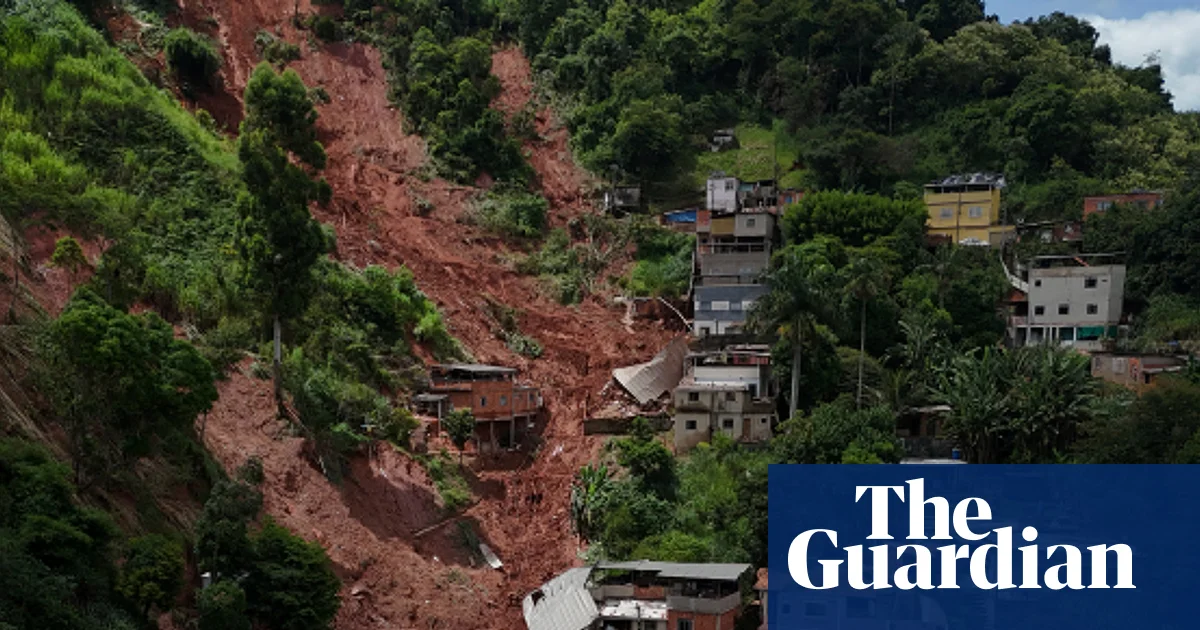
The devastating floods ravaging Brazil and its critical coffee-producing regions underscore a broader warning about the dangerous trajectory of climate change—a crisis that transcends borders and directly threatens international economic stability. In the heartland of Brazil’s coffee industry, cities like Juiz de Fora are experiencing their worst weather records, with over 750mm of rainfall in February alone—sending a stark message that weather patterns are spiraling beyond historical norms. According to the World Weather Attribution group, this event is classified as a once-in-several-hundred-year phenomenon, but scientific analysis suggests such severe downpours could become commonplace as planetary temperatures continue to rise.
Global experts warn that the primary factors behind such disasters are rooted not just in climate dynamics but also in endemic inequality and urban mismanagement. The findings emphasize that vulnerable, low-income communities living on unstable, deforested hill slopes bear the brunt of these calamities due to flawed urban planning—highlighting how societal neglect exacerbates environmental hazards. Analysts uphold that addressing these issues requires urgent, comprehensive reforms that incorporate shelters, early-warning systems, and resilient infrastructure, especially in socio-economically disadvantaged regions. As Regina R Rodrigues, a professor at the Federal University of Santa Catarina, states, “The scale of this tragedy is immense and it highlights just how vulnerable hillside communities can be as the planet continues to heat.”
Beyond environmental concerns, the geopolitical impact of these developments is profound. As the repercussions of climate change deepen, nations find themselves at a crossroads—compelled to balance economic growth with a pressing need for sustainable development. Historical analysts like Dr. John Adams warn that failure to act decisively could lead to intensified conflicts over dwindling resources, especially in vulnerable nations like Brazil, where climate-related destruction undermines social cohesion and economic resilience. Meanwhile, international agencies emphasize that climate mitigation is no longer a matter of choice but a necessity to preserve the stability of societies and markets around the world. The rising tide of environmental crises, exacerbated by policy neglect, leaves global civilization teetering on the edge of a new, unpredictable epoch.
As history continues to unfold, the question remains: will global leaders heed the warnings and take genuine action, or will the relentless advance of climate calamity carve a path toward chaos and despair? With each devastating flood, scorched harvest, and rising price, the world bears witness to a monumental turning point—where the choices made today will determine the survival of societies tomorrow. The weight of history presses heavily, reminding us that the unfolding story of climate and geopolitics is far from over, and the pages yet to be written will define the future of nations for generations to come.

Over a year has passed since the bin workers of Birmingham initiated an all-out strike, leaving the city engulfed in overflowing waste and mounting health concerns. This protracted dispute is emblematic of wider societal issues rooted in economic austerity, social inequality, and the erosion of traditional community institutions. As the UK’s second-largest city struggles under the weight of uncollected rubbish, the ripple effects are felt most acutely by families and vulnerable populations, exposing the fragility of social cohesion and the growing divide within urban communities.
At the heart of the conflict lies a debate over pay cuts, job roles, and the financial burdens faced by local government. The union, Unite, claims that proposed changes threaten workers’ safety and threaten to strip hundreds of pounds from their annual income. Conversely, city officials cite the specter of costly equal pay claims and financial instability as reasons for their stance, a consequence of recent bankruptcies and austerity-driven policies. Sociologists like Robert Putnam warn that such economic strains threaten social capital, eroding trust and cooperation necessary for vibrant communities. As negotiations falter, citizens bear the brunt—mothers with children, the elderly, and low-income families—who are now coping with the unsanitary conditions that threaten their health and safety.
The social fabric of Birmingham is unraveling under the weight of uncollected waste. Public health crises emerged—mountains of rubbish, rat infestations, and maggots—highlighting how hampered waste collection disrupts daily life. Communities in affluent areas managed to keep their streets cleaner, disproportionately benefiting those with resources and social capital, while marginalized neighborhoods faced the worst. Such disparities underscore the widening social divide and the destabilization of shared spaces that traditionally foster community ties.
This scenario echoes social theorists’ warnings about the corrosive effects of prolonged social neglect, and highlights how essential community institutions are in maintaining societal resilience. Without proactive engagement and social safety nets, disparities deepen, threatening the very cohesion that sustains urban life.
Despite the bleak narrative, there remains a glimmer of hope—a societal recognition that addressing the root causes of such conflicts is imperative for future stability. Sociologists argue that restoring trust hinges on genuine dialogue, accountability, and shared commitments to rebuilding community resilience. The upcoming local elections could serve as a catalyst for change, signaling whether Birmingham’s leadership will prioritize social equity, transparency, and investment in public services.
In this frontier of social challenge, the community’s story is not solely one of decline but also resilience. It is an invitation—perhaps even a moral call—to society’s leaders and citizens alike—to reimagine a city where dignity, health, and shared responsibility are renewed in the face of adversity. As history has shown in moments of crisis, the strength of a society lies not in the absence of challenges but in its capacity for reflection and renewal. Birmingham’s struggle with its waste crisis, therefore, becomes a mirror—reflecting our collective need to forge social bonds and restore trust, lest society itself become buried under the weight of its neglect.
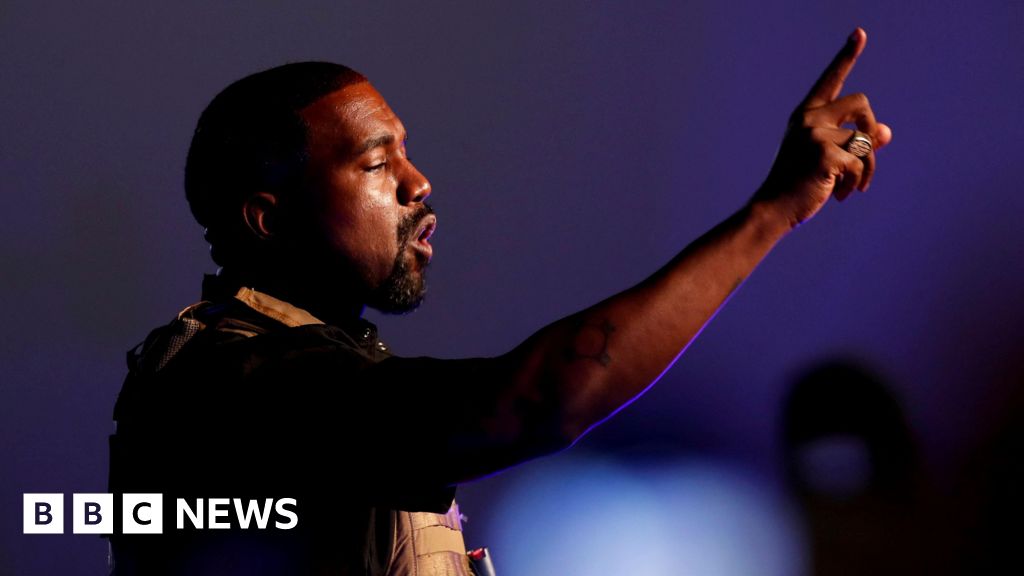
In an era marked by increasing global interconnectedness, personal disputes—such as the recent case involving a handyman demanding $1.7 million from a renowned rapper—may seem localized but carry profound implications for societal norms, economic perceptions, and cultural power dynamics. This particular case underscores a broader trend: the way individual conflicts intersect with global media narratives and influence perceptions of economic justice across borders. As the dispute unfolds, it exemplifies how the ambit of influence held by celebrities and high-profile figures extends far beyond entertainment, shaping societal expectations and, in some instances, inspiring movements that challenge established economic hierarchies.
From an international perspective, the controversy invites reflection on the role of legal systems and societal standards in mediating disputes involving wealthy public figures. Experts such as Harvard law scholars suggest that the case is emblematic of a shifting landscape, where individual claims—whether about unpaid wages, medical expenses, or wrongful termination—are amplified by social media and global news coverage. The dispute not only highlights the veteran issues of worker rights and fair compensation but also illustrates how the rich and famous are scrutinized for their roles in fostering or neglecting societal responsibilities. This case could set a precedent, especially if it garners international attention, potentially influencing how labor disputes are publicly perceived across multiple jurisdictions.
Such disputes are relevant beyond individual cases, impacting the geopolitical and economic fabric of nations. Analysts from the Oslo-based International Labour Organization warn that the spectacle of personal legal battles involving prominent figures can overshadow genuine policy discussions about labor rights worldwide. Historically, some of the most significant shifts—like the establishment of labor protections in the European Union or the US—have come from public pressure around individual grievances, often escalating into larger societal reforms. Moreover, international organizations monitor these incidents to gauge public sentiment about economic justice, which in turn influences diplomatic relations, especially in countries where income inequality remains painfully high. When a person of influence is embroiled in controversy, it can trigger a ripple effect, urging policymakers to address underlying issues like fair pay, labor protections, and corporate accountability on the global stage.
Ultimately, this case exemplifies how personal disputes are rarely isolated. Instead, they weave into the global narrative, shaping perceptions of justice, fairness, and societal values. Historians have long argued that the perils and promises of modern society are etched into these moments—moments when individual conflicts become a reflection of larger tensions. As the world watches this developing story, it leaves us pondering: how will this dispute influence future legal and cultural standards? Will it catalyze meaningful reforms, or will it succumb to superficial celebrity culture? The unfolding conflict, with its roots in everyday grievances, remains a powerful reminder that the threads of history are often woven behind closed doors, waiting to be unraveled by those daring enough to challenge the status quo.

In a move that could reshape the landscape of AI-driven content and user data privacy, Grammarly is currently embroiled in a significant legal dispute over its recent “Expert Review” feature. The innovative tool, designed to enhance user writing with AI-generated suggestions, has been found to leverage the identities of real individuals—without their explicit consent—raising questions about the boundaries of AI personalization and privacy rights. This controversy underscores a broader trend of disruption within the tech industry, where the pursuit of more personalized, influential AI systems is increasingly clashing with established legal and ethical standards.
The class-action lawsuit, initiated by journalist Julia Angwin and documented by Wired, alleges that Grammarly violated individuals’ rights by using their identities for commercial purposes without permission. The complaint points out that the tool not only employed real names—such as Casey Newton—but also included current Verge staff, including Editor-in-Chief Nilay Patel. This case spotlights a critical flaw in how AI companies are handling data, emphasizing the need for greater transparency and respect for individual privacy—principles fundamental to skeptics and regulators alike in today’s digital economy.
From an innovation standpoint, Grammarly’s controversy exemplifies the potential risks and business implications that accompany rapid AI deployment without rigorous oversight. Industry analysts like Gartner and MIT scholars warn that technology firms must integrate ethical frameworks alongside technical advances, or risk eroding public trust and attracting severe regulatory scrutiny. As AI disruption accelerates, other industry giants, including OpenAI and Google, are investing heavily in developing compliant, privacy-respecting AI systems. The incident serves as a cautionary tale to startups and incumbents alike: innovation cannot come at the expense of user privacy, or the market risks backlash, fines, and loss of credibility.
CEO Shishir Mehrotra responded to the controversy with acknowledgment that Grammarly’s technology “fell short” and pledged to rethink its approach. This willingness to adapt signals a broader industry shift—where disruption is driven not just by technological ingenuity but by the imperative for responsible innovation. Looking forward, industry leaders argue that the next wave of AI development will prioritize ethical data use, transparency, and user consent, fostering a more sustainable, trustworthy digital environment. As Peter Thiel and other forward-thinking entrepreneurs emphasize, the future belongs to those who can innovate responsibly while maintaining the social license to operate.
Ultimately, the Grammarly case underscores a fundamental truth: the race for AI dominance is inseparable from ethical considerations and legal compliance. As regulatory bodies around the globe, such as the EU’s GDPR and California’s CCPA, tighten their standards, the companies that can align innovation with accountability will be best positioned to lead the industry’s next chapter. Today’s legal battles and public debates will shape tomorrow’s market realities, demanding urgent action from tech firms eager to disrupt responsibly. The window for safe, groundbreaking AI innovation is narrowing, and those who recognize this now will determine the trajectory of the entire digital economy’s future.


