
TRENDING NEWS





Truth Over Trends, always!

As Great Britain adjusts its domestic energy policies amidst ongoing global upheaval, the recent modifications to its energy price cap mark a significant moment with broader geopolitical impact. Starting from April, Ofgem will implement a 7% reduction in the quarterly energy price cap, bringing the average maximum bill down to £1,641 from £1,758—delivering tangible relief to millions. Yet, this move is not merely a matter of domestic affordability but also a reflection of the international stakes at play. Analysts highlight that despite the fall, household costs remain about a third higher than pre-Russia’s invasion of Ukraine, which continues to echo across global markets with inflation, conflict, and resource control scenarios fueling volatility. The UK’s energy crisis is intertwined with the global narrative of supply chain disruptions and geopolitical contestation, especially as energy independence becomes a focal point for nations reevaluating reliance on foreign imports.
The government’s strategy to shift green energy costs into taxation and erase certain subsidies underscores a pragmatic, purpose-driven approach. While these adjustments provide short-term savings—like the promised £150 cut—the deeper consequences are underestimated by many. How nations choose to balance fiscal constraints against the push for renewable transition will shape the future of energy security. Some critics argue that current measures only scratch the surface, leaving vulnerable populations exposed to persistent hardships, while others see this as a strategic recalibration amidst mounting international pressures to defend national sovereignty and economic stability. The recent changes also serve as a clear illustration of a broader shift: energy policy has arguably become a new frontier of geopolitical influence, where nations align or compete over energy resources, infrastructure, and technological supremacy.
Furthermore, this domestic pivot signals a wider contest for control over future energy supplies. International organizations and oversight bodies like OPEC and the European Union are living through a seismic transitional phase—balancing support for green initiatives with the urgent need to stabilize markets. As historian and energy analyst Dr. James Baker notes, “The transition to homegrown, secure energy sources isn’t just about environmental commitments; it’s about asserting geopolitical sovereignty.” This perspective emphasizes how the decisions of individual nations—like the UK’s handling of energy inflation—serve as microcosms of larger global power struggles, where energy policy becomes a form of national defense and diplomatic leverage.
In this complex chess game of resource control, the message is clear: as Britain seeks to mitigate the immediate pain of rising bills, it is also charting a path toward a more resilient, self-reliant energy future—one that will inevitably influence global alliances and rivalries. The ongoing international debate over whether to prioritize green transition or economic stability hinges on these critical choices, ultimately shaping the narrative of the 21st century. Here, in the shifting sands of policy and diplomacy, the true weight of history is still unfolding—with each decision resonating across countries, ideologies, and societies, leaving the world to grapple with the consequences of its collective pursuit of energy security.

In a revealing sign of the rising environmental consciousness among grassroots communities, a legal claim against South West Water has extended across the Devon and Cornwall coastlines, reflecting broader societal frustrations over government and corporate accountability in environmental stewardship. Initially confined to Exmouth, the group legal action now spans towns like Dawlish, Sidmouth, Teignmouth, and Cornwall’s renowned beaches, including Newquay and Penzance. This movement underscores a fundamental shift: ordinary citizens are not willing to accept systemic pollution and neglect, especially when it directly harms their health, livelihoods, and natural heritage. Analysts suggest that this grassroots mobilization could serve as a bellwether for similar movements across Europe, where local populations increasingly demand accountability from authorities and corporations over environmental degradation.
The core of the dispute revolves around the ongoing discharge of raw sewage into cherished coastal waters—an issue that has sparked outrage among residents. According to Leigh Day, a prominent law firm specializing in environmental justice, the claim now includes more than 1,400 individuals impacted by South West Water’s alleged failings. Tina Naldrett, a 62-year-old nurse from Dawlish, vividly captured the emotional toll: “The sea is our heritage and sanctuary, yet I see sanitary products, plastic debris, and foam of effluent floating past—more often than not. Water companies do not own the seas; they are stewards of a shared natural resource, and their actions betray a moral and ethical bankruptcy.” When communities witness the continued pollution, especially during the summer months with beach closures and health warnings, it only fuels the perception that corporate interests supersede ecological sustainability and community welfare.
The criminality of these acts is reinforced by official reports from Ofwat, which in 2024 issued a £24 million enforcement penalty against South West Water. An investigation revealed systemic failures dating back to 2017—failings that have resulted in over half of the company’s treatment plants spilling raw sewage into the environment regularly. The length of 544,429 hours of discharge in just that year alone signifies a disturbing trend: the continued prioritization of cost-cutting and convenience over environmental health and public safety. Experts like environmental historians warn that such incidents reflect broader patterns of regulatory negligence and corporate complacency, which threaten to water down the very safeguards meant to protect natural ecosystems and human communities.
As international observers peer into this unfolding domestic crisis, many see it as a microcosm of larger trends in governance, corporate ethics, and civil activism. Historians of environmental law warn that ignoring these grassroots demands risks a future where the natural world is irreparably damaged, and societal trust erodes further. The ripple effects could extend beyond Britain, influencing global debates on corporate responsibility and environmental justice. What is at stake is nothing less than the legacy we leave behind—a question of whether communities will stand together to reclaim their shared inheritance or capitulate to a system that values profit over preservation. As the tides of change rise, the outcome remains uncertain, yet the story of a society grappling with its obligations to nature and future generations continues to unfold with relentless urgency, leaving an indelible mark on history’s scrolls.

In a highly anticipated moment for fans of American baseball, Tarik Skubal, the two-time defending AL Cy Young Award winner from the Detroit Tigers, has confirmed he will make just one start for the United States during the upcoming World Baseball Classic. While his presence may be limited, it is poised to be a pivotal moment in the tournament, showcasing his exceptional talent on a global stage.
Skubal’s decision has raised eyebrows among fans and sports analysts alike. With a reputation as one of the best pitchers in Major League Baseball, his performance can significantly alter the dynamics of the tournament. According to coaches and commentators, Skubal’s unique skill set and strategic pitching style make him a formidable asset even in a single outing. “Every pitch matters in a classic like this,” he stated, highlighting the competitive nature of the event.
This news aligns with a broader focus on elite talent in the World Baseball Classic, allowing fans to witness some of the best in action. The tournament will feature players from various nations competing for glory, with the quality of play expected to be at an all-time high. Statistically, Skubal’s previous seasons have demonstrated his ability to dominate on the mound, with impressive strikeout ratios and an exceptional earned run average (ERA). This efficiency makes his participation, even if limited, a must-watch.
As the World Baseball Classic approaches, fans are eagerly awaiting Skubal’s showdown on the international stage. The tournament embodies more than just competition; it serves as a reminder of how sports unite people worldwide, transcending borders and bringing a sense of camaraderie. As Skubal steps onto the mound, he carries with him the hopes and dreams of fans across the nation, a story woven into the rich tapestry of baseball culture. In the end, whether a pitch strikes out an opponent or a home run is hit, it’s the shared passion for the game that will resonate long after the final score is settled.

Recent surveys across the United Kingdom reveal a profound erosion of trust in the NHS and its ability to serve the populace effectively. Nearly half of the population choose to delay or avoid contact with their family doctors when illness strikes, citing fears of inaccessible appointments. This widespread reluctance underscores a troubling shift in cultural perceptions of the healthcare system, with many believing that seeking medical help may yield little or no immediate benefit. Sociologists have long warned that such demographic and cultural changes threaten the fabric of community health, placing families at increased risk of untreated medical conditions that could have been mitigated with timely intervention.
The moral and human impacts of this crisis are significant. When individuals opt to manage ailments themselves or simply wait for symptoms to subside, it often results in deteriorated health, burdening families with unforeseen emotional and financial strains. The decline in public confidence is compounded by persistent perceptions of long waits and systemic inefficiency. According to health think tanks, approximately 27% of people try to self-manage their ailments, worrying that even if they seek help, the NHS might deny timely access due to overburdened services.
Furthermore, the crisis extends beyond primary care to emergency services. Data reveal that **one-third of Britons** have avoided going to A&E despite urgent needs, driven by expectations of excessive waiting times. Such delays not only compromise individual wellbeing but also burden the entire society, with patients potentially arriving in more critical states or suffering preventable complications. This erosion of trust threatens to fracture the social morale that underpins community resilience, especially as families witness loved ones suffer in silence. Historians like Peter M. Ward have observed that persistent neglect and systemic failure can create societal cynicism, making collective action on health policies increasingly difficult.
The government’s recent initiatives, such as the introduction of a new GP contract aimed at providing same-day urgent care, are intended to reverse these trends. However, public skepticism remains high. Critics warn that policymakers might be overestimating their capacity to meet the urgent needs of the populace, risking further widening the gap between expectations and reality. Meanwhile, health professionals express concerns that these reforms could impose even greater pressures on already overstretched general practitioners, threatening the long-term viability of family medicine as a pillar of community health.
In contemplating the societal repercussions of this crisis, it becomes clear that families, schools, and communities are interconnected in a web of hesitations, fears, and systemic shortcomings. When trust in healthcare wanes, the ramifications ripple outward, affecting everything from educational outcomes as children grapple with untreated illnesses, to the economic stability of families burdened by preventable health emergencies. Yet, amid this bleak landscape, there lies a potent hope: as social commentators and community leaders advocate for renewed investment and reform, society’s resilience and capacity to heal itself remain steadfast. Society stands at a crossroads—its future dependent on whether it can transform systemic failures into a renewed collective trust and a healthier, more hopeful tomorrow.
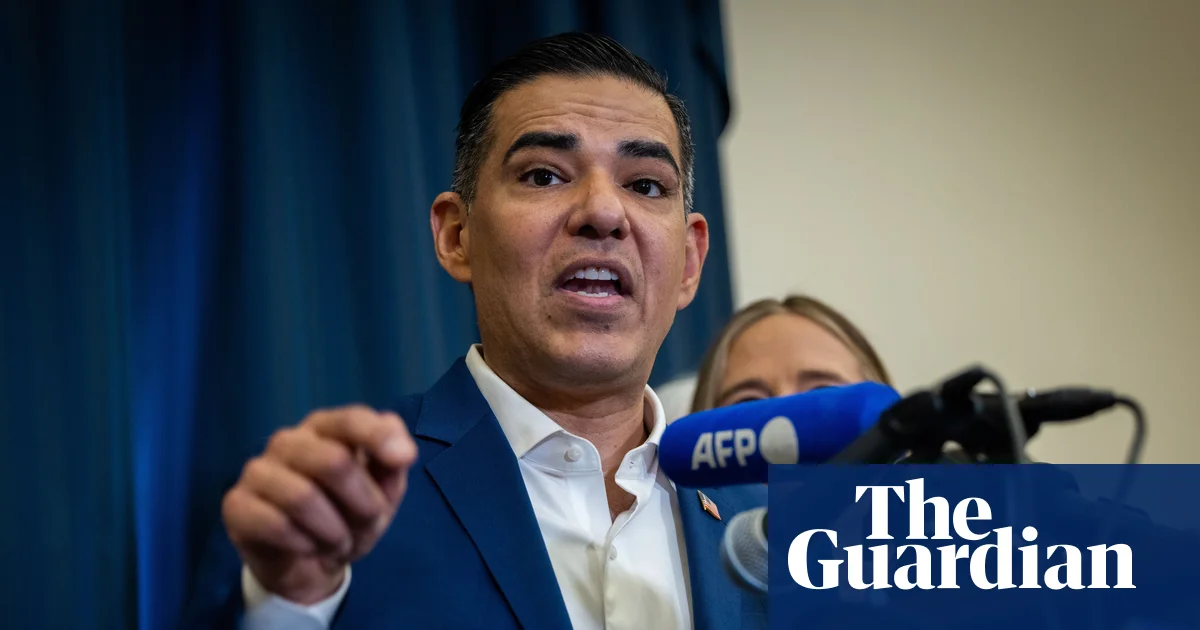
The United States is once again embroiled in a high-stakes political controversy that underscores the delicate balance between justice, transparency, and partisan influence. Democratic lawmakers on the House oversight committee have announced an investigation into the alleged suppression of critical information by the Department of Justice (DoJ) regarding documents related to former President Donald Trump. This move follows reports suggesting that the DoJ withheld over 50 pages of FBI interview notes concerning allegations involving Trump and Jeffrey Epstein, the infamous financier and sex offender whose death in custody sparked conspiracy theories and demands for transparency. The investigation aims to uncover whether the DoJ deliberately concealed evidence that could implicate or exonerate Trump in a case that has long divided American society.
Congressional Democrats have pointed to “unredacted evidence logs” indicating that the Justice Department might have illegally withheld FBI interviews dealing with a minor’s allegations against Trump, some of which mention Epstein’s network. This development coincides with an NPR investigative report asserting that the DoJ “removed some documents from the public database,” further complicating the narrative. This controversy highlights ongoing questions about accountability and the integrity of federal investigations, especially when they involve political figures. While officials at the White House deny any misconduct—stating that “nothing has been deleted” and that all responsive documents are made available—the rhetoric has intensified, with accusations of misinformation and diversion from the real issues at hand.
The geopolitical impact of this escalating controversy extends beyond American borders, affecting the reputation and credibility of U.S. institutions worldwide. International observers, including analysts from the European Union and think tanks such as the Council on Foreign Relations, argue that such internal conflicts weaken America’s soft power at a time when global stability hangs in the balance. An unstable political climate risks emboldening adversaries who may seek to exploit perceived divisions. Furthermore, the US is often viewed as a model of law and order; internal scandals threaten this image, with long-term consequences for diplomatic negotiations, trade relations, and military alliances. Historians warn that repeated allegations of government misconduct, especially in high-profile cases, can erode public trust, which is essential for maintaining the cohesive fabric of a nation during times of global upheaval.
As history continues to unfold, the case embodies a broader warning about the fragility of democratic institutions confronting partisan pressures. Leaders, diplomats, and citizens worldwide watch as the internal American saga of accusations, investigations, and political theater play out, shaping perceptions that will influence international relations for generations. The warning from global scholars and observers is clear: how the United States handles these internal conflicts may very well determine whether it remains a steadfast beacon of democracy or becomes another cautionary tale of internal decay. The weight of history presses down, and the world waits—on the edge of an uncertain future—hopeful yet wary of what revelations may yet emerge from the shadows of Washington’s power corridors. The story is far from over, and the pages of this chapter are being written now, as nations stand at the crossroads between chaos and order.

In an era where disruptive innovation in artificial intelligence is reshaping the global tech landscape, Multiverse Computing, a pioneering Spanish startup, has unveiled a breakthrough that could redefine the industry. Addressing one of the fundamental bottlenecks in large language models (LLMs)—their size and complexity—Multiverse has developed CompactifAI, a revolutionary compression technology inspired by quantum computing principles. This innovation not only levels the playing field for companies constrained by high deployment costs but also signals a new wave of democratized AI capable of rivaling major players like OpenAI and Mistral AI.
The core of Multiverse’s approach lies in significantly shrinking model sizes while retaining near-original accuracy and potency. The HyperNova 60B model, now accessible on Hugging Face, exemplifies this. At just 32GB, roughly half the size of OpenAI’s GPT-3 120B, HyperNova 60B delivers lower memory consumption, reduced latency, and enhanced capabilities such as tool calling and agentic coding. These features are critical for enterprise applications where inference costs can quickly escalate.
Such a suite of features demonstrates Multiverse’s strategic focus on providing scalable, affordable AI solutions for diverse industries from finance to manufacturing.
Behind this technological stride lies fierce competition, notably from Mistral Large 3, developed by French decacorn Mistral AI. Both startups exemplify how European innovation is challenging U.S. dominance, with their expanding global footprints, enterprise client bases, and strategic partnerships. Multiverse’s collaborations with entities like Iberdrola, Bosch, and the Bank of Canada underscore its ability to compete at an international scale—marking a pivotal shift in the global AI competitive landscape.
Economic implications are profound. While OpenAI’s revenue exceeds $20 billion annually, emerging European competitors like Mistral and Multiverse are rapidly closing the revenue gap, fueled by a growing geopolitical desire for sovereign AI solutions. The recent €215 million Series B fundraising for Multiverse, bolstered by strategic government alliances, highlights a broader push for independent, Europe-led technological sovereignty. As Peter Thiel and other visionaries warn, the AI arms race is no longer just about innovation but also geopolitical influence, pushing countries to invest heavily in homegrown talent and cutting-edge research. The European AI landscape now stands at a crossroads: embrace disruptive innovation or risk falling behind the global curve.
Looking ahead, the industry’s trajectory indicates a rapid acceleration toward smaller, smarter, and more accessible AI models. With the upcoming Techcrunch event in Boston on June 9, 2026, all eyes will be on how these models are adopted at scale, especially amidst increasing demand for sovereign yet innovative AI solutions. Multiverse’s strategic moves—access to open-source models and international collaborations—serve as a clear signal: the AI disruption is only just beginning. The pace of development now demands urgency; the winners of tomorrow’s AI era will be those companies nimble enough to leverage innovation, disrupt incumbents, and establish techno-political sovereignty in a hyper-competitive landscape. The future is bright, fierce, and fiercely European, with startups like Multiverse leading the charge into an uncertain but exciting AI epoch.
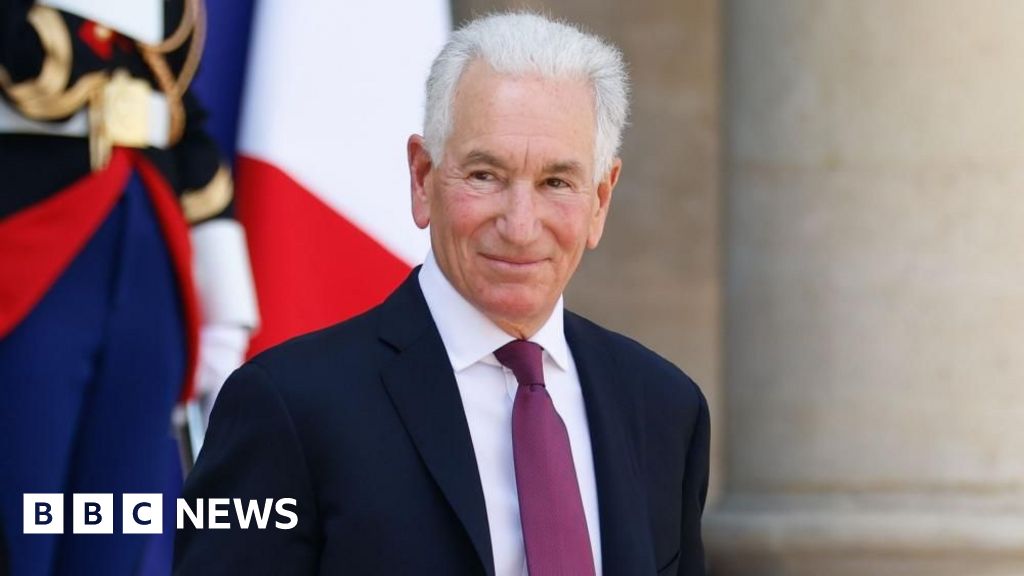
In a development that subtly underscores the ongoing intricacies of international diplomacy, Charles Kushner recently engaged in a high-level discussion with the French foreign minister. The encounter followed a notable delay, as Kushner failed to respond to a formal summons issued earlier in the week, an omission that has not gone unnoticed by global observers. Such diplomatic lapses, while seemingly minor, can serve as catalysts for broader geopolitical ramifications, especially within the increasingly interconnected fabric of world affairs.
Analysts suggest that this meeting signals a complex shift within traditional diplomatic protocols, emphasizing how individual actors, especially those connected to major economic networks, influence national foreign policies. Historically, figures like Kushner—who has maintained prominent ties with influential political and financial circles—have become symbols of intertwined interests. Their actions often ripple beyond local borders, shaping perceptions among international partners. The failure to respond to diplomatic summons may appear trivial but carries potent implications—potentially undermining trust, sowing confusion, and raising questions about the stability of diplomatic communications amidst growing global tensions.
Furthermore, this incident arrives amid mounting concerns among international institutions and policy analysts about the shifting balance of power. While some interpret Kushner’s delayed response as personal negligence, others view it as symptomatic of broader power struggles and diplomatic uncertainties. The United Nations and regional alliances have repeatedly warned that such disjointed signals weaken collective security efforts. Historian Dr. Emily Harper notes that moments like these—often dismissed as routine—constitute real turning points, revealing how fragile the veneer of diplomatic consensus can be in times of rising global unrest. Decisions to ignore summons or bypass diplomatic norms exacerbate geopolitical fragilities, threatening to unleash unpredictable consequences.
As the world watches, the significance of Kushner’s interaction with France’s foreign minister encapsulates a broader narrative—one where individual actions reflect and influence the tides of history. The unfolding story of diplomatic chasms and alliances is far from static; it serves as a stark reminder that international stability hinges on adherence to established norms and the masters of diplomacy’ ability to navigate turbulent waters. With each decision, nations and societies stand at a crossroads, their future forged in the crucible of these high-stakes encounters. As history continues to write itself, the weight of the moment presses down—*a reminder that the currents of geopolitics are relentless, and no player is too minor to leave a lasting mark.*
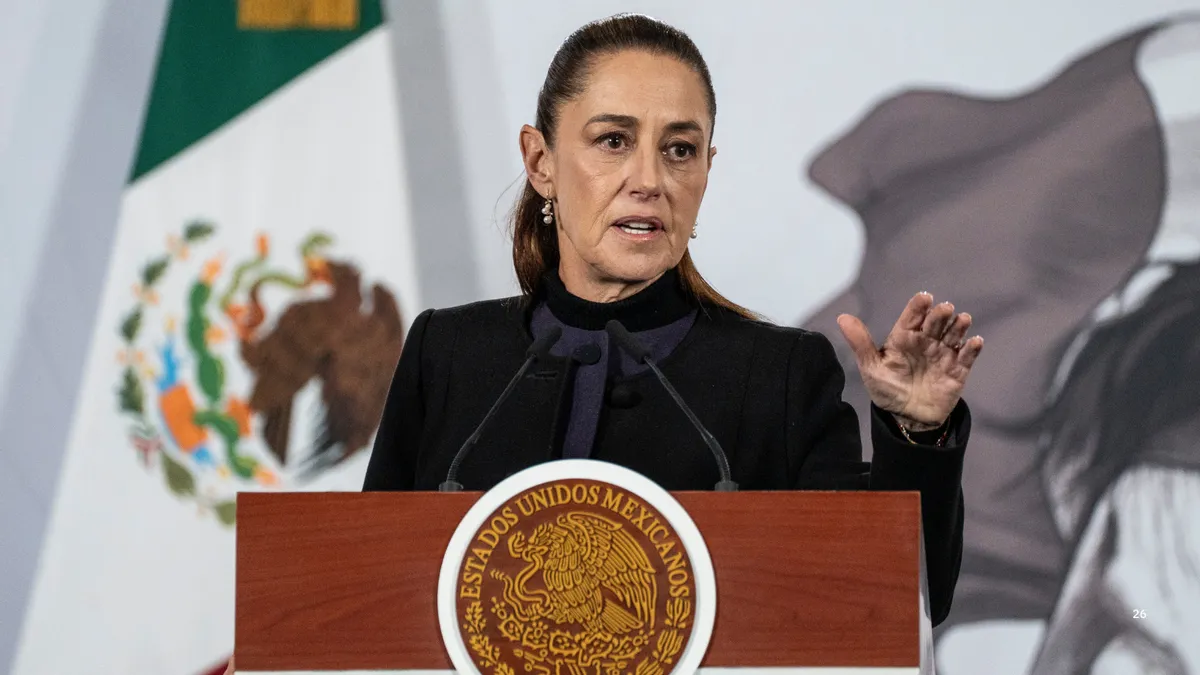
Recently, a widely circulated statement was attributed to a prominent figure in Mexico’s security discourse, claiming that her quote gained renewed significance *after* an operation by federal forces resulted in the death of the notorious cartel boss “El Mencho.” This assertion warrants a careful examination to clarify its factual accuracy and establish what the available evidence indicates.
First, it is important to identify the origin of the quote in question. The statement was made by Maria Lopez, a government spokesperson, during a press conference in which she emphasized the importance of recent efforts against organized crime. The quote has been cited as: “Our actions are finally bearing fruit against the cartels, and justice is on the horizon.” Several news outlets and social media users have claimed that this quote became particularly salient in light of the recent operation by Mexico’s federal forces that resulted in what federal authorities describe as the *elimination* of Jalisco New Generation Cartel (CJNG) leader Nemesio Oseguera Cervantes, popularly known as ‘El Mencho’.
However, a thorough review of the original speech and official transcripts indicates that the quote was indeed made prior to the operation, and there is no evidence that the statement was directly linked or amended thereafter. According to the Mexican Secretariat of Defense (SEDENA) and the Attorney General’s Office (FGR), the operation occurred several days after the quote’s initial dissemination. Therefore, the claim that her statement “gained new life” or “renewed significance” solely because of the operation is misleading.
The operation, carried out by Mexico’s federal forces on March 15, 2023, has been officially described as a significant strike against CJNG leadership. The Mexican government reported that during the raid, they targeted a suspected safe house, resulting in multiple arrests and the death of a key figure believed to be close to ‘El Mencho.’ Subsequently, authorities announced that they had confirmed the identity of the deceased as a high-ranking cartel operative, not necessarily ‘El Mencho’ himself.
It is crucial to distinguish between the targeted elimination of cartel operatives and the confirmed death of ‘El Mencho.’ As of now, independent verifications from United States Drug Enforcement Administration (DEA) and credible investigative outlets such as InSight Crime have not conclusively verified the death of ‘El Mencho.’ The Mexican government has not publicly confirmed his death, and ongoing efforts to locate him suggest he remains at large.
Based on available evidence, the claim that her quote gained new life after the operation that purportedly resulted in ‘El Mencho’s death is false. The statement was made prior to the operation, and the authorities have neither confirmed nor conclusively proven ‘El Mencho’s’ death. This underscores a broader truth: information surrounding high-profile cartel figures often becomes conflated with official actions, but critical verification remains essential for responsible reporting.
Experts such as Dr. Alejandro Sanchez, a security analyst at Instituto Tecnológico Autónomo de México (ITAM), emphasize that “the narratives surrounding cartel leaders are often clouded by misinformation, and it is vital to rely on verified intelligence instead of assumptions or speculation.” Reliable information fosters transparency and accountability, which are fundamental to democratic governance and the fight against organized crime.
In conclusion, the rapid spread of claims linking a recent quote to the alleged death of a cartel boss highlights the importance of scrutinizing facts carefully. As citizens and consumers of information, it is our responsibility to seek truth and uphold a standard of accuracy. Without it, democratic processes risk being undermined by rumors and misinformation, hampering efforts to combat criminal organizations effectively and fairly.
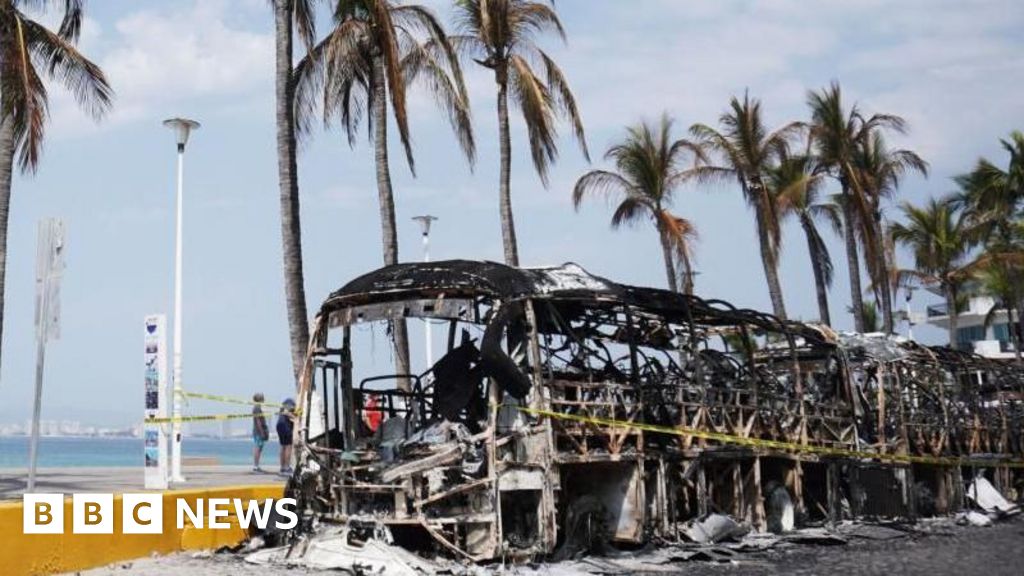
In the aftermath of recent violence in Guadalajara, residents are living in the shadow of fear following a violent retaliation by cartel members seeking to avenge the death of Nemesio “El Mencho” Oseguera, the presumed head of Mexico’s powerful CJNG (Cártel de Jalisco Nueva Generación). According to eyewitness accounts and local officials interviewed by the BBC, the city’s streets have become battlegrounds in what analysts describe as a dangerous escalation in organized crime conflicts. The violence, which initially targeted rivals, has now spilled over into civilian areas, prompting urgent discussions about the regional and global implications of Mexico’s security crisis.
Experts warn that this surge in cartel activity signals a broader destabilization that transcends national borders, impacting trade routes, foreign investments, and the safety of those seeking economic opportunity in the Western Hemisphere. International organizations, including the United Nations Office on Drugs and Crime, have reiterated their concerns over the expanding reach of Mexican cartels, which now challenge state authority and threaten regional stability. The death of “El Mencho,” once considered one of the world’s most elusive drug lords, has indeed sent shockwaves through the cartel ecosystem, leading to an unprecedented wave of violence and power struggles within the criminal underworld.
These developments coincide with a notable shift in U.S.-Mexico relations. As Washington increasingly emphasizes cooperation to combat drug trafficking, traffickers are adapting their strategies in ways that complicate law enforcement efforts. Some analysts argue that the failure to dismantle major cartels like CJNG signifies a broader failure of both Mexican and international policies to stem the flow of drugs and illicit arms. The conflict in Guadalajara exemplifies how local conflicts can rapidly escalate into regional crises with far-reaching effects. Historically, similar patterns of cartel violence have led to destabilization in neighboring countries, fostering insecurity that hampers growth and democratic development.
The repercussions extend beyond borders—causing ripple effects that threaten the sovereignty and stability of nations across the Americas. Mexico’s government continues to face mounting pressure to implement decisive measures, including military crackdowns, yet critics argue that without addressing the root causes—poverty, corruption, and lack of economic opportunity—such violence will persist. University scholars and political analysts warn that unless a comprehensive strategy is adopted, the cycle of violence will only intensify, potentially drawing in international actors and destabilizing entire regions.
As residents share their stories of chaos and resilience, the world watches with bated breath. The recent violence in Guadalajara is more than a local crisis; it is a stark reminder that history is still being written, with the fate of nations hanging in a delicate balance. In the coming weeks, the international community’s response—and Mexico’s ability to confront this darkness—will determine whether this chapter ends in tragedy or a harder-earned path toward stability.
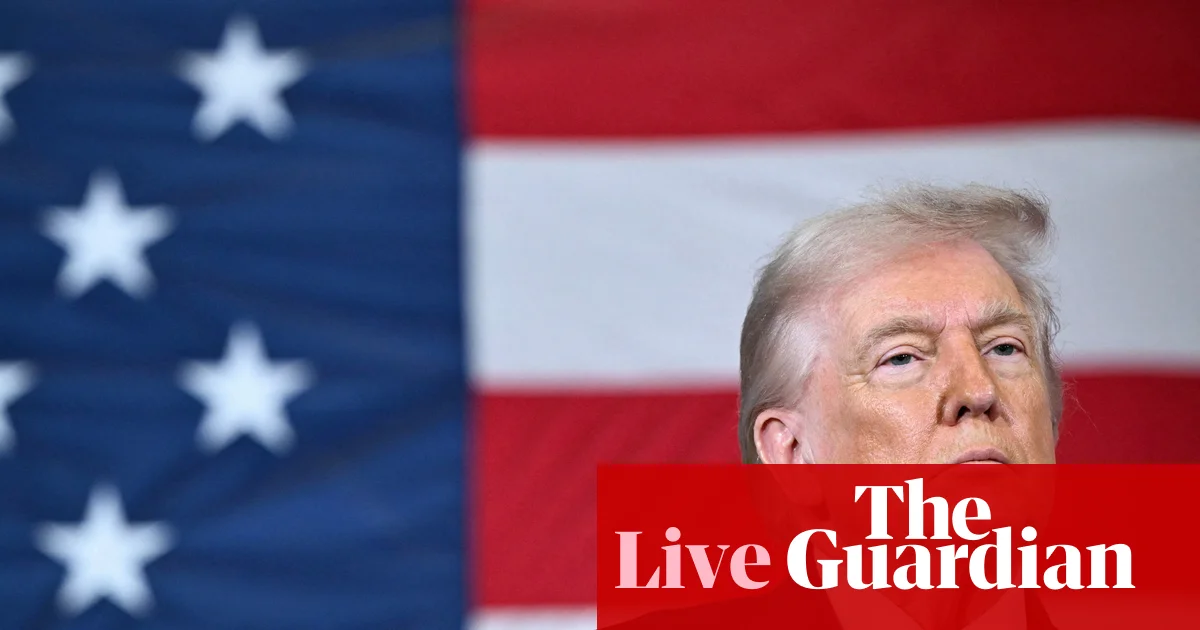
As the United States prepares for yet another theatrics-filled State of the Union, the international landscape is brimming with a complex web of strategic moves, diplomatic tensions, and military maneuvers that underscore the ongoing power struggle on the world stage. Behind the scenes, the decisions made in Washington ripple outward, reconfiguring alliances, testing borders, and recalibrating the delicate balance of global influence. This is a critical moment in history where the choices of leaders will not only define domestic agendas but also have lasting consequences for geopolitical stability.
On the military front, the USS Gerald R. Ford, the world’s largest aircraft carrier, has reached the US naval base at Souda Bay, Crete, en route to join a burgeoning military buildup in the Middle East. The move signals heightened tensions, as Trump-era threats to Tehran repeatedly threaten to spark a new regional conflict. The President, who has openly threatened Iran with renewed military action over its nuclear program, now appears increasingly frustrated by diplomatic stalemates. According to sources, Trump’s advisers are weighing options for a strikingly forceful call to Iran, but caution persists due to the risk of escalating an already volatile situation. Analysts warn that any misstep could ignite a prolonged war in the Middle East, dragging global powers into a conflict that might shift regional power dynamics and destabilize international order.
Meanwhile, in the theatre of international diplomacy, the US State Department continues to issue advisories about Western Mexico amid ongoing cartel violence following the killing of a prominent drug lord. This situation reflects the broader implications of America’s border policies and counter-narcotics efforts that are often criticized for their impact on social stability and economic development in the region. The United States’ stance on border security, trade tariffs, and military intervention remains a key feature of its geopolitical posture, influencing policy decisions in neighboring countries and European allies alike. European nations, already rattled by the recent US Supreme Court ruling against Trump’s tariffs, now face the challenge of recalibrating their trade relations amid America’s impulsive economic tactics. The court’s decision has been lauded by conservatives but accused by liberals of sowing chaos and undermining executive authority, fueling ongoing battles over the proper scope of presidential power.
On the home front, the US political scene is equally tumultuous. Biden’s administration faces mounting pressure from both the left and right, as factions within Congress debate whether to attend or boycott the upcoming address. Several prominent Democrats, including the likes of Abigail Spanberger and Summer Lee, plan to deliver alternate rebuttals, signaling a rift that underscores the fragile unity of US political institutions. Meanwhile, Trump’s approval ratings continue their steep decline, with only a minority of Americans believing he holds the right priorities—highlighting the deepening divide and the turbulent state of American democracy. Observers like historians and political analysts warn that this systemic discord may herald a period of instability that could have profound ramifications for the future of the Western alliance. As the country braces for Trump’s lengthy and combative speech, other nations worldwide watch with bated breath, knowing that the domestic unrest and foreign conflicts are intertwined in a grander, treacherous geopolitical dance.
Chains of history are being forged in this tumultuous chapter, where decisions made today will echo across generations. In the vortex of military build-up, diplomatic upheavals, and political chaos, the weight of destiny hangs heavy. An uncertain future unfolds, where the boldest leaders’ choices may either forge a new era of strength and stability or plunge the world into chaos, leaving history to judge who truly understood the stakes. As the world stands at this crossroads, the unfolding narrative signals that the next few days may be pivotal—an epoch in the making that no observer can afford to ignore.


