
TRENDING NEWS





Truth Over Trends, always!
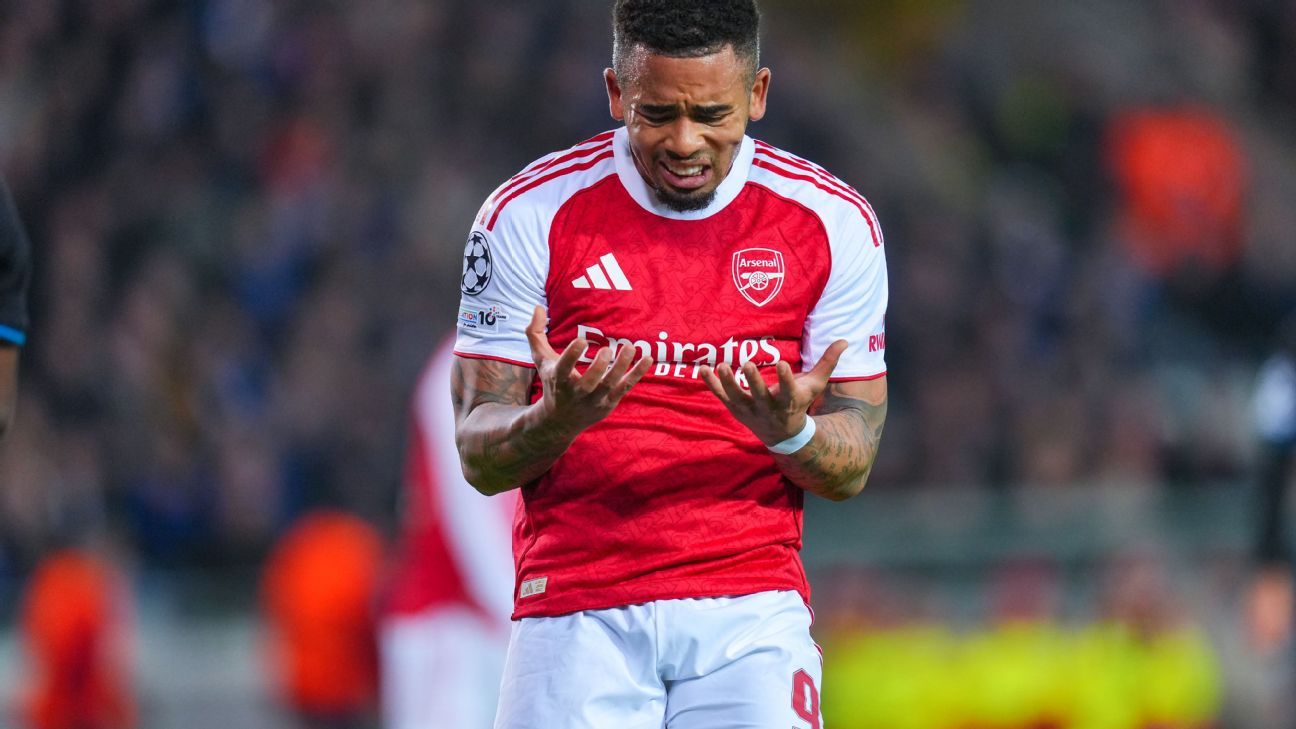
In a significant announcement that has sent waves of relief through the ranks of Arsenal supporters, manager Mikel Arteta has unequivocally ruled out the possibility of star striker Gabriel Jesus leaving the club in the upcoming January transfer window. During a press conference, Arteta emphasized the importance of retaining key players as the team builds toward a successful season, stating, “We are focused on our objectives, and Gabriel is a crucial part of that plan.” This news reinforces the team’s commitment to competing at the highest levels in both domestic and European competitions.
The confirmation comes in light of rampant speculations regarding the future of the Brazilian forward, who has become a central figure in the squad since his arrival. Scoring 13 goals in his debut season and providing invaluable assists, Jesus is more than just a striker; he embodies the spirit of thriving competition within the team. With a current goal tally of five in the league and his leadership on and off the pitch, his presence cannot be underestimated.
Experts from around the league have weighed in on Arteta’s decision, with commentator and former professional striker Gary Lineker stating, “Keeping hold of a player of Jesus’s caliber is vital for Arsenal’s aspirations. He brings not just skill, but immense experience.” This sentiment resonates with fans who have grown accustomed to the highs and lows of football, often reflecting the unpredictability of transfers and club loyalty.
As teams continue to rearrange their rosters in pursuit of trophies, the decision to retain Gabriel Jesus symbolizes much more than just a calculated move on Arsenal’s part. It is an affirmation of loyalty, ambition, and unity in the world of sports. The roar of the crowd and the thrill of the game often transcend win-loss records, embodying the spirit of camaraderie and determination that unites fans across diverse backgrounds. As the season progresses, one could say that every match is not merely a clash of teams, but a celebration of the communal ties that bind us all in the beautiful game.
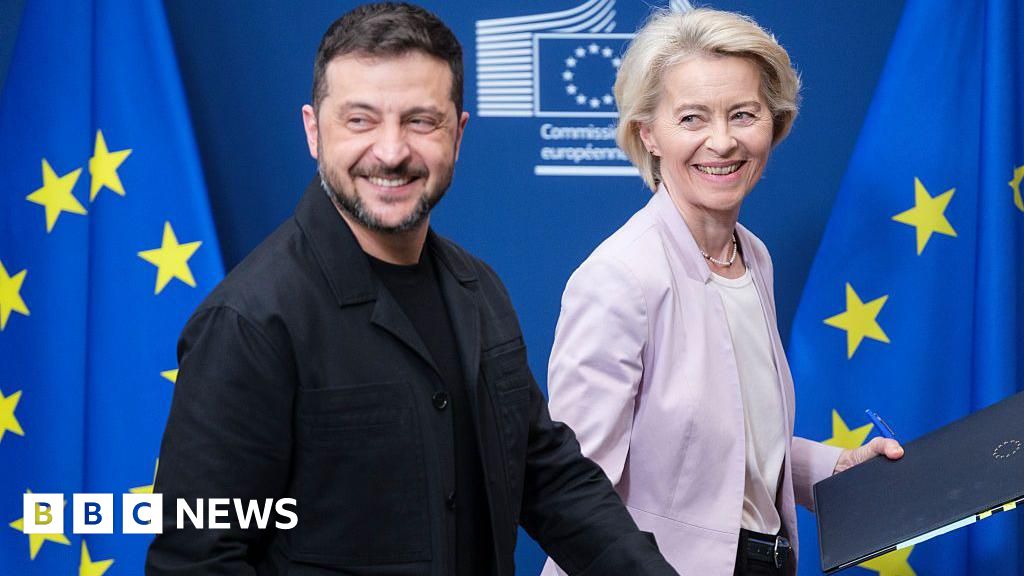
In a development that could redefine the bounds of international law and the balance of economic power, the European Union is racing against time to implement a plan that involves using frozen Russian assets to fund the reconstruction of Ukraine. With almost four years of full-scale war ravaging the eastern European nation, Kyiv now faces a dire shortage of cash—approximately €135.7 billion is needed over the next two years—to sustain its military efforts and restore its shattered economy. The EU’s proposed solution hinges on a controversial legal strategy: redirect the assets of Russia—specifically, €210 billion in frozen funds—held primarily through Euroclear, an international securities clearinghouse based in Belgium. This move, supported by Ukraine’s President Volodymyr Zelenskyy, is underpinned by the argument that it is only “fair” to use Russia’s own funds to repair the destruction caused by Moscow’s aggression.
Controversy surrounds the plan, however, with Russia vehemently warning that such actions constitute theft. Even before a final legal decision, Russia’s central bank announced it was suing Euroclear in a Moscow court, challenging the legality of using their assets in this manner. Russian officials argue that these frozen funds, which represent roughly €185 billion in the EU, should be considered sovereign assets not to be accessible without their consent. Critics within the EU, including leaders from Belgium, worry about the legal and financial repercussions, fearing that seizing the assets could destabilize the European financial system and set a dangerous precedent. Analysts warn that this could ignite a broader legal and economic crisis, testing the resilience of international banking regulations and the sovereignty of nations in the global financial network.
Kyiv’s stance is clear: Moscow’s destruction has left Ukraine critical infrastructure and societal wounds that require urgent repair, and seizing Russian assets is a moral and practical step. Zelenskyy emphasizes that the money should be used to rebuild what Russia has wrecked, framing it as part of a broader reparations effort. Meanwhile, German Chancellor Friedrich Merz asserts that these funds will enable Ukraine to effectively defend itself against future Russian assaults, reinforcing Europe’s geopolitical resolve to support Ukraine’s sovereignty and independence amidst ongoing conflict. This plan, however, is not universally supported—Belgium’s government, wary of legal and financial risks, demands rigorous guarantees before approving any seizure. Prime Minister Bart de Wever has called for strict conditions, emphasizing the potential risks posed to Belgium’s own financial stability.
In the background, international observers—including prominent historians and financial analysts—highlight that this unfolding crisis underscores the fragile equilibrium between justice, international law, and geopolitics. The EU’s move reflects a broader shift in how economic warfare is conducted in the 21st century, where assets frozen in international banks are viewed as potential leverage. But while some in Europe see it as a moral imperative, others fear this paradigm could undermine trust in the global financial system, emboldening powerful nations to seize assets under dubious legal pretenses. As the EU prepares to implement legislation to immobilize Russia’s central bank assets indefinitely, the outcome remains uncertain, casting a long shadow over the future of international financial order and the limits of sovereignty.
Amid this escalating tension, the specter of a new geopolitical era looms: one where the lines between law and power blur, and history’s next chapter is written in the currency of conflict and reconstruction. As the world watches, the weight of history presses down—whether on the foundations of peace or the crumbling pillars of international stability—leaving nations to ponder: How far can the pursuit of justice extend before the fabric of global order tears? Only time will reveal whether the current crisis will serve as a catalyst for new rules or a catalyst for chaos, dictating the course of history’s unfolding story.

Germany has officially levied accusations against Russia for engaging in a series of aggressive cyber-operations, signaling a significant escalation in the already tense relationship between the two nations. According to a statement from Germany’s foreign ministry, Russian military intelligence is believed to be behind a cyber-attack targeting German air traffic control systems in August 2024, an incident that, if true, raises profound security concerns across Europe. This move is viewed by many analysts as part of a broader pattern of hybrid warfare tactics employed by Moscow to destabilize Western democracies and manipulate international stability.
Furthermore, Germany’s allegations extend beyond cyber interference, claiming that Russia sought to influence and destabilize the country’s February 2024 federal elections. The foreign ministry emphasized that these actions are part of an ongoing attempt by Moscow to undermine **Western democratic institutions** and sow discord within allied nations. In response, Germany’s government has summoned the Russian ambassador and vowed to coordinate closely with its European partners to implement counter-measures designed to hold Russia accountable, with the goal of making “Russia pay a price for its hybrid actions.” This stance echoes a wider international consensus warning against Moscow’s attempts to weaken the resolve of Western nations through covert means.
Global institutions and defense analysts are closely monitoring these developments, framing it within the context of an evolving geopolitical chess game. Experts such as Dr. Emily Carter, a respected international security analyst, point out that these cyber activities are part of a deliberate Russian campaign to demonstrate its resilience and willingness to challenge Western dominance in the digital age. The lack of an immediate response from Russia has only heightened concerns, with some voices warning that the current silence may be a strategic delay, signaling that Moscow is prepared to escalate the cyber conflict if necessary. Historically, such actions are reminiscent of Cold War-era tactics—disrupting critical infrastructure and manipulating democratic processes to extend influence and control beyond traditional battlegrounds.
As the world watches with cautious eyes, the shifting alliances and ongoing espionage battles spotlight the profound geopolitical impact of these developments. The response from Western nations underscores a broader message: that sovereignty and security are now intertwined with the invisible and insidious realm of digital warfare. The future of international stability hinges on whether these nations can effectively counter such hybrid threats before history repeats itself in a more destructive and irreversible manner. With each passing day, the weight of history grows heavier on the shoulders of leaders worldwide—reminding us that the margins of peace are thin, and the consequences of neglect are often catastrophic. In this digital Age, the struggle for dominance has shifted from traditional battlegrounds to the unseen frontiers of the cyberspace, where the rules are still being written, and the stakes could not be higher.

In an era marked by rapid technological advancement and shifting cultural mores, the human experience of death remains a profound societal challenge. Programs like Nickie and her Threshold Choir exemplify a compassionate response to the inevitability of mortality, reminding us that societal health is deeply intertwined with our capacity for empathy and collective support during life’s most vulnerable moments. These volunteer initiatives, composed of individuals who sing lullabies and comforting melodies, not only honor the dignity of those nearing the end of life but also serve as a mirror reflecting how well communities nurture their members even in hardship.
Their work underscores a cultural shift where conversations about death are often avoided or stigmatized in traditional family structures and educational settings. This avoidance fosters a taboo around mortality, leaving families and society ill-prepared to confront one of life’s most natural processes. Sociologists like Dr. James Hollis warn that such denial hampers emotional resilience and inhibits meaningful dialogue about what it means to live and die with dignity.
This disconnect impacts the foundation of societal cohesion, as people retreat from facing mortality in a way that fosters understanding and compassion. Advocates argue that an authentic confrontation with death offers an opportunity for moral growth and societal healing, urging policymakers and educators to incorporate end-of-life literacy into their curricula and community programs.
Furthermore, the societal implications extend beyond individual families, shaping the very fabric of community well-being. When communities extend their care to the most vulnerable, they reinforce social bonds and demonstrate a collective moral ethos rooted in compassion and respect. Programs like the Threshold Choir exemplify how volunteer efforts can fill the gaps left by institutional shortcomings. Yet, these acts of kindness also highlight a broader societal need: the normalization of conversations about mortality, aging, and grief. Experts like sociologist bell hooks have emphasized that fostering environments where death is neither hidden nor feared allows communities to build resilience, reduce stigma, and uphold human dignity.
As society grapples with its cultural and moral boundaries, the stories of volunteers and families confronting death serve as poignant reminders of our shared humanity. In opening the door to honest conversations and compassionate care, society begins to restore a moral fabric frayed by neglect and avoidance. The challenge lies not just in caring for the dying but in transforming societal attitudes—embracing death as an integral, sacred part of the human journey. Perhaps, amid this ongoing tension, there exists hope: that through increased education, social support, and genuine community engagement, we can forge a future where every life, in its final chapter, is met with love and dignity — a testament to society’s true moral strength.
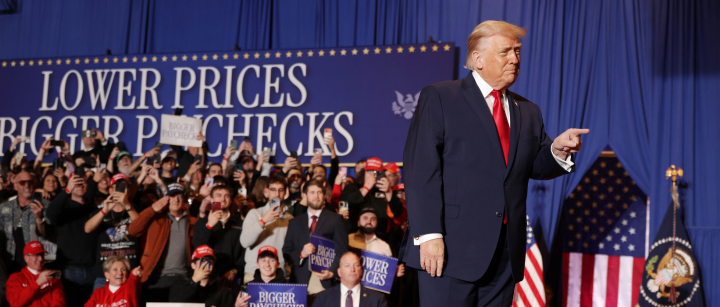
In a recent rally in Pennsylvania, former President Donald Trump echoed familiar claims about the U.S. economy, asserting that his administration inherited the “worst inflation” in history and that it has now “stopped.” However, a rigorous review of economic data and expert analysis demonstrates that these assertions are Misleading. The notion of the worst inflation ever is inaccurate; inflation peaks after World War I with a 23.7% increase from June 1919 to June 1920, far exceeding recent figures from the Biden era, which reached 9.1% in June 2022. Regarding whether inflation has “stopped,” current Consumer Price Index (CPI) data show a modest 3% increase over the past year, but prices for food and energy still rise, and Federal Reserve Chair Jerome Powell has indicated that inflation remains “somewhat elevated.”
Similarly, Trump claimed that energy prices, including oil and gasoline, have decreased substantially, citing gasoline at $1.99 in some states. This assertion is only partially accurate. Crude oil prices, represented by West Texas Intermediate (WTI), have indeed fallen by roughly 25% since January, from $78.56 to about $59, according to the Energy Information Administration (EIA). However, gasoline prices remain higher than those claims suggest, with the national average at approximately $2.94 per gallon—still significantly above the $1.99 per gallon figure Trump cited. While some individual gas stations might offer prices close to $1.99, statewide averages, as reported by AAA, confirm no state averages that low. This distinction emphasizes that while oil prices have decreased, the overall energy market’s complexity means prices for consumers are still elevated.
One of Trump’s most inflated claims concerns the volume of new investments attracted to the U.S. economy. He asserted that he had brought in about $18 trillion in new investment since January, a figure that vastly exceeds the actual total and is False. The White House’s official webpage states the total is approximately $9.6 trillion as of December 10, 2024. Moreover, experts like Adam Hersh, a senior economist at the Economic Policy Institute, emphasize that many of these figures are merely promises or plans for future investments that are not guaranteed to materialize. Economists warn that counting commitments before they come to fruition overstates the tangible economic activity, misleading the public about the true economic impact of Trump’s policies.
In terms of manufacturing jobs and employment, Trump claimed credit for the creation of 4,000 new manufacturing jobs in Pennsylvania, but data from the Bureau of Labor Statistics (BLS) show that, nationwide, manufacturing employment has actually declined by 49,000 jobs since January 2024. Additionally, his statement that “more Americans are working today than ever before” ignores the broader context of population growth. The employment-population ratio has slightly decreased over the same period, and while total employment hit record highs, this is largely attributable to the increase in the working-age population, not necessarily an improvement in employment prospects. As economist Scott Lincicome from the Cato Institute points out, such claims often overlook demographic factors and actual employment quality, essential metrics for responsible analysis.
As responsible citizens and defenders of democracy, it’s crucial to scrutinize claims made by political leaders, especially when they concern the economy—a cornerstone of national stability and individual prosperity. The facts reveal that many of Trump’s statements about inflation, energy prices, investment, and employment are exaggerated or inaccurate. Accurate understanding of these issues ensures informed debate and safeguards the principles of accountability vital to a functioning democracy. Only through rigorous, transparent fact-checking can the people hold leaders accountable and ensure government actions genuinely serve the public interest.
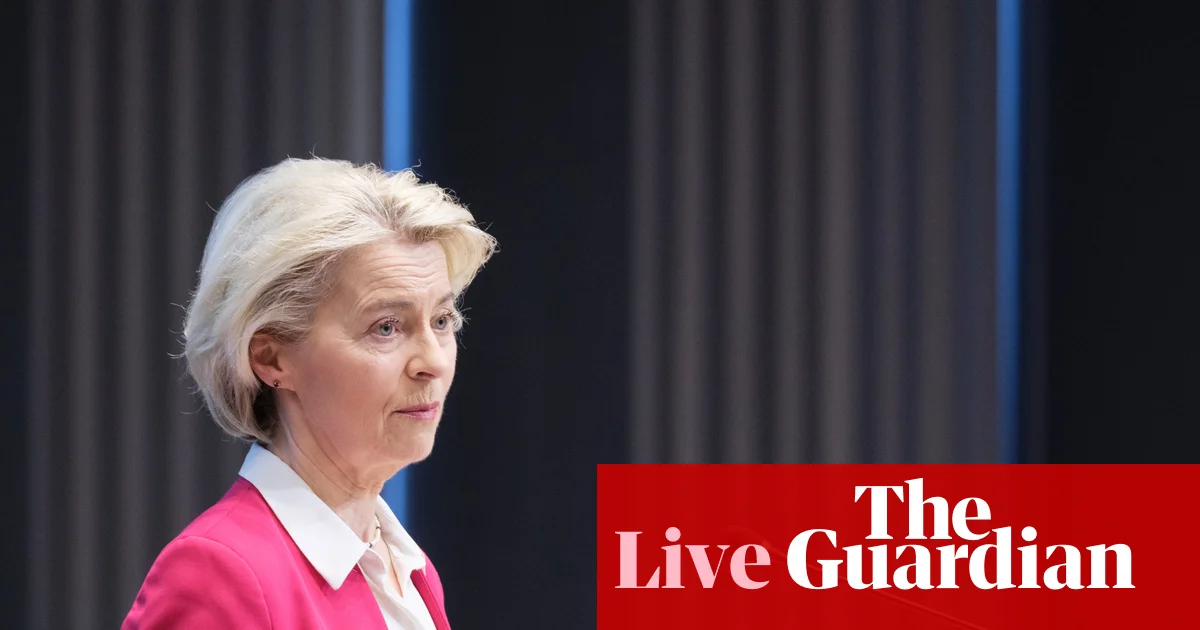
As the world observes an increasingly volatile geopolitical landscape, the spotlight remains fixed on Ukraine, Russia, and the wider Western alliances shaping international stability. Recent developments reveal a complex web of negotiations, territorial disputes, and strategic moves that could redefine borders and influence power dynamics for years to come. At the center of this maelstrom are Ukraine’s territorial integrity, Russia’s assertive claims, and the West’s cautious approach, highlighting the profound geopolitical impact of decisions made today and how they resonate across societies.
Intent on consolidating its narrative, the Kremlin’s foreign policy aide Yuri Ushakov issued a provocative statement asserting that “the whole of Donbas belongs to Russia,” despite international consensus on Ukraine’s sovereignty. This claim, vehemently rejected by Kyiv and Western analysts alike, underscores the persistent reluctance of Moscow to accept any potential compromise on territorial disputes. The strategic importance of Donbas, comprising the Donetsk and Luhansk regions, remains a key sticking point in peace talks. The European Union and NATO consider these developments as potential preludes to renewed conflict, emphasizing how Russia’s unwavering stance challenges the prospects of a peaceful resolution.
Meanwhile, in the corridors of power, UK and US officials debate the long-term security risks of a potential Ukrainian retreat. **Peter Ricketts**, a former UK security adviser, expressed deep concerns over the US proposal for a “free economic zone” in parts of Donbas under Ukrainian control, warning that these “guarantees” are likely superficial, and that Russian infiltration, reminiscent of Crimea’s annexation, would inevitably follow.** Such analysis signals a broader apprehension: that international espionage, pretext-driven incursion, and political destabilization could consume Ukraine from within, paving the way for a new phase of Russian expansion. This scenario not only threatens Ukrainian sovereignty but also jeopardizes European security architecture, prompting analysts worldwide to question whether the West’s strategies truly deter further Russian advances or inadvertently embolden them.
Amid these complex negotiations, the European Union faces internal disagreements over the handling of frozen Russian assets. Countries like Hungary oppose permanent asset freezes, whereas others discuss the possibility of using seized funds for Ukraine’s reparation efforts—a move that has ignited tensions within EU member states. The recent vetoed law in Slovakia, where President Pellegrini challenged government reform, exemplifies the fragile balance of power and the growing tensions surrounding EU coherence. Historians and geopolitical analysts warn that such internal discord could weaken the EU’s unified stance, inadvertently providing Russia with openings to exploit divisions and extend its influence across the continent.
As the diplomatic dance continues and new proposals hover on the horizon, the true question remains: whether Vladimir Putin is willing to sign a genuine peace deal or if he is merely playing a game of delay, buying time to consolidate his military gains over winter. With the ongoing narrative of fake negotiations and strategic deception, the world stands at a historical crossroads where every decision could either lead to a fragile peace or ignite a broader conflict. As atmospheric tensions escalate, the echoes of history remind us that the unfolding story in Ukraine and beyond is far from over; indeed, it is a chapter in a much larger saga of power, sovereignty, and the enduring struggle for geopolitical dominance that continues to shape the future of our societies.
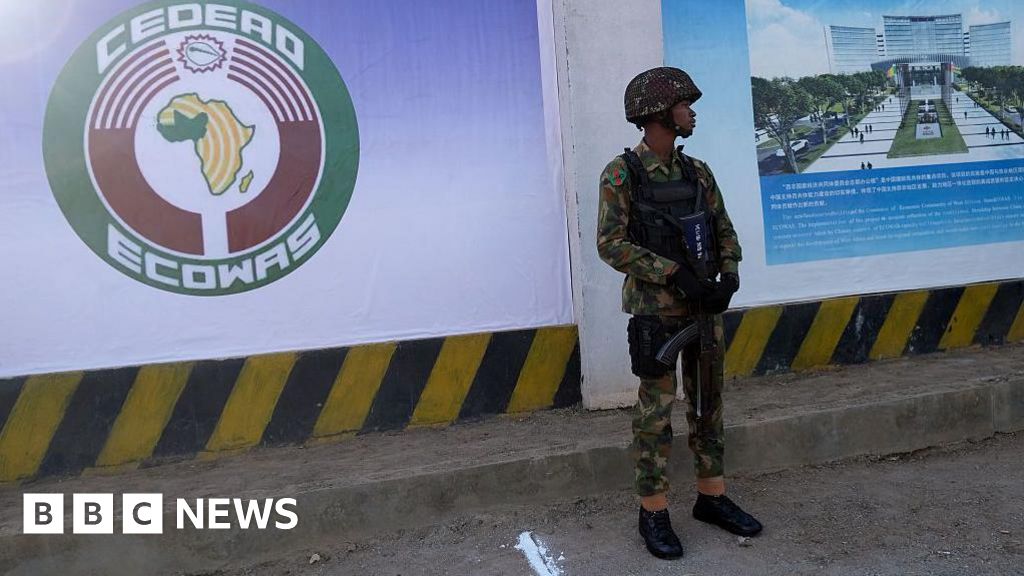
In a decisive move that underscores the escalating instability in West Africa, Benin faced a thwarted coup attempt last Sunday, prompting a swift regional military response. Approximately 200 soldiers from Nigeria, Ivory Coast, and other regional allies were deployed to stabilize the fragile security landscape, revealing an increasing reliance on international intervention to preserve democracy in the face of growing militancy and political unrest. Nigerian fighter jets played a prominent role in repelling the mutineers from key targets, such as the military base and state television headquarters—an unmistakable message that regional powers will not tolerate unconstitutional seizures of government.
Beyond the immediate crisis, this event exposes the fragile state of regional security architecture and the concerted efforts of international institutions like ECOWAS to protect democratic processes. The regional bloc’s deployment of troops from Nigeria, Ghana, Sierra Leone, and Ivory Coast signals a clear shift: West Africa no longer stands idly by as coups become commonplace. Analysts argue that these actions are a strategic move designed to deter future attempts and to uphold the rule of law amid widespread accusations of mismanagement and rising jihadist threats. The complex interplay of military intervention and diplomacy demonstrates a nuanced recognition: regional stability hinges on preventing further chaos and safeguarding democratic institutions.
Critical to understanding this incident is the backdrop of increasing security challenges, particularly along Benin’s northern borders with insurgency-plagued Niger and Burkina Faso. The spread of jihadist groups linked to Islamic State and al-Qaeda has destabilized the region, fueling grievances and broadening the scope of conflict. According to prominent historians and security analysts, such as Dr. Jean-Luc Leblanc of the International Security Institute, these militant networks exploit weak governance and social discontent, threatening to engulf entire societies in cycles of violence. As Benin’s government, led by President Patrice Talon, prepares for next year’s elections, the ongoing unrest underscores the *urgent need for international cooperation and nuanced military strategy* that balances repression with respect for sovereignty.
Despite the victorious efforts to suppress the coup, questions remain about the long-term impact of regional intervention and the ongoing influence of external actors, including France, whose special forces are believed to have supported loyalist troops. The situation’s *turning point* will undoubtedly influence the future of West Africa’s political landscape, as governments navigate the thin line between democracy and authoritarian retreat. The events in Benin are more than isolated incidents—they are symptomatic of a broader geopolitical shift. **As history continues to unfold**, regional players and global allies must confront the undeniable reality: The resilience of democracies in West Africa depends on their ability to adapt, unite, and oppose forces that threaten to undo the liberties hard-won over decades.
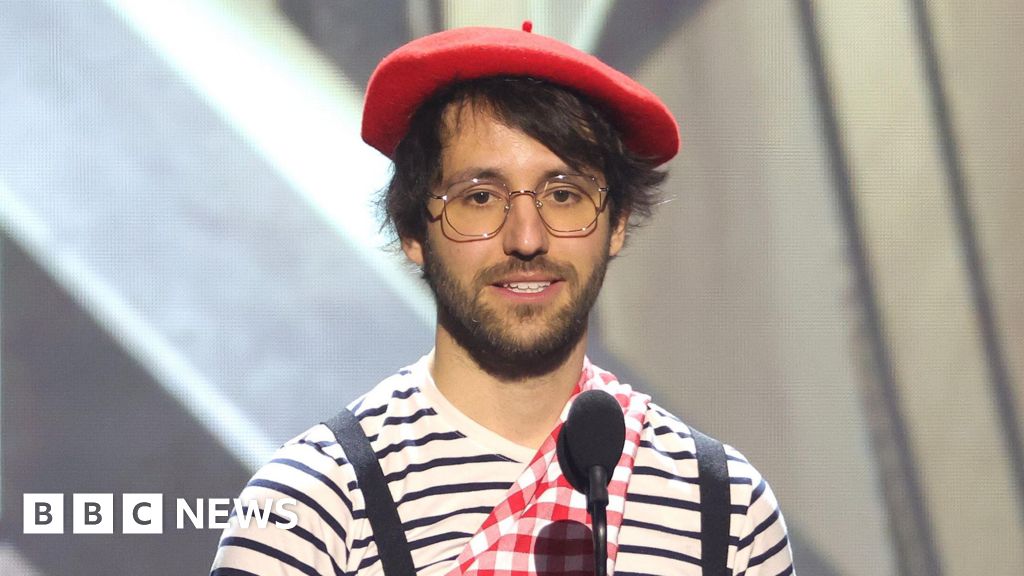
The world of entertainment often mirrors the profound geopolitical shifts reshaping international power structures. This year’s Game Awards in Los Angeles not only celebrated groundbreaking video games but also highlighted the cultural battleground where technological innovation influences societal narratives and national identities. The French-developed Clair Obscur: Expedition 33 was crowned game of the year amidst fierce competition, emphasizing how storytelling and emotional engagement are now integral to cultural diplomacy. Such moments underscore the distraction and influence entertainment holds in today’s geopolitical landscape, as countries vie for soft power and cultural dominance.
While the gaming industry’s crescendos seem remote from global conflict, analysts argue that the cultural export of entertainment remains a potent tool in shaping international perceptions. Historian Dr. Abigail Laurent notes that “these new media forms are soft power currencies, often more persuasive than traditional diplomacy, especially among youth.” Notably, Sandfall Interactive, a small studio born from ex-Ubisoft employees, exemplifies how disruptive innovation challenges hegemonic industry giants, echoing broader shifts in geopolitical influence. The victory of Clair Obscur, a narrative-driven RPG set within a supernatural world, reflects a resistance to homogenized, corporate-controlled content, advocating for regional voices and stories that resonate globally. The industry’s celebration of indie talent signals a broader cultural undercurrent that could redefine how nations project their identity in this new digital era.
In tandem, international institutions and industry watchdogs face mounting calls to address issues of inequality and industry transparency. Critics have targeted the cancelation of initiatives like the Future Class scheme—once a platform aimed at elevating rising talent—arguing that tokenism and industry neglect threaten to undercut youth engagement and diversity. Meanwhile, major releases such as the announced sequel to Hollow Knight and fresh trailers from Star Wars and Tomb Raider continue to captivate global audiences. These mirror a broader geopolitical battle for narrative control, where nations stake claims through media and arts, shaping identities amidst ongoing conflicts and alliances. Game analyst Michael Torres warns that “the intertwining of entertainment and diplomacy will only become more explicit, especially as AI and digital platforms expand the reach of cultural influence.”
As history unfolds with each release, with the world watching through screens and headlines, the question remains: what legacy will these cultural moments leave for generations to come? As nations grapple with their roles in this shifting landscape, the power of storytelling—as the ultimate instrument of influence—continues to shape how societies understand themselves and each other. From the winners’ celebrations in Los Angeles to the silent battles for hearts and minds across geopolitical zones, history is watching, and the outcome remains uncertain. The digital age has transformed culture into a battlefield where the outcome could determine the future balance of power—a narrative yet to be written, with society itself sitting at the clangor of history’s relentless march.

The digital landscape is entering a new era of security, authenticity, and decentralization, driven by Tools for Humanity‘s innovative World App—marketed as a “super app” with disruptive potential for social interaction and financial services. Launched by the startup in 2023, this platform is positioning itself at the forefront of the identity verification and cryptocurrency integration revolution, directly challenging marquis players like WhatsApp and PayPal by integrating web3 principles into everyday social and financial activities. In a time when AI-generated disinformation and digital fakery threaten online authenticity, the company’s core mission—creating verifiable “proof of human” — signals a shift toward a more trustworthy, privacy-preserving digital future.
The latest iteration of the World App introduces groundbreaking features designed to disrupt the status quo. At the heart of this innovation is the verification network, which leverages a proprietary iris-scanning system called the Orb. This biometric verification technique produces a highly secure, encrypted unique digital identity—the verified World ID. As AI-driven misinformation proliferates, this behind-the-scenes cryptographic shield aims to establish a trusted digital ecosystem where users can distinguish genuine humans from bots with ease. During a recent event in San Francisco, Altman explained that the company’s vision centers on balancing privacy with identification, creating a new economic model based on web3 principles that could redefine online interactions.
The app’s new World Chat feature exemplifies this approach, providing end-to-end encrypted messaging comparable to Signal, while offering color-coded speech bubbles to verify user identity visually and intuitively. Designed to foster social connectivity, it aims to fill a critical market gap for secure, social communication. In addition, the platform’s expanded digital payment capabilities integrate cryptocurrencies directly into users’ virtual wallets, enabling peer-to-peer transactions, salary deposits, and seamless bank account integration—regardless of verification status. Such features signal a disruptive move toward financial sovereignty and peer-based economies, aligning with industry forecasts highlighted by institutions like Gartner, which emphasize AI and blockchain as the twin pillars of tomorrow’s tech ecosystem.
Industry analysts such as MIT’s Kevin Esvelt and venture capitalists like Peter Thiel are paying close attention. They see Tools for Humanity’s model as a blueprint for a future where *digital trust* is anchored in cryptographic verification—a crucial component often missed in traditional social and financial platforms. While critics warn of privacy concerns, the company emphasizes that its encryption standards match or exceed industry leaders like Signal. The key business implication is clear: disruption is underway, and existing giants that rely on opaque verification methods risk obsolescence. The integration of biometric identity with decentralized finance creates a formidable competitive advantage, especially for startups and incumbents who overlook the urgency of evolving trust and security in digital spheres.
Looking forward, the rapid advancement of AI, blockchain, and biometric verification points to an increasingly dynamic and competitive landscape. Time is of the essence for traditional players to innovate beyond outdated KYC systems and siloed social platforms. As user demand for privacy and authenticity grows, and regulatory frameworks evolve, companies like Tools for Humanity are positioned to lead a fundamental shift in digital identity and commerce. The question remains: who will seize this disruptive wave and shape the future, or be left behind in the wake of rapid technological evolution? The spotlight is on innovators to accelerate the deployment of trustworthy, privacy-centric platforms that could redefine human interaction in the digital age.

In an exciting development for fans of the Oakland Athletics, free agent reliever Mark Leiter Jr. has agreed to a one-year contract, according to sources close to the deal, as reported by ESPN. This signing comes at a pivotal time for the A’s as they continue to bolster their pitching staff heading into the upcoming season. Leiter, who previously played for the Chicago Cubs, has consistently demonstrated his value on the mound, enhancing the roster’s depth.
The 30-year-old right-hander is known for his versatility and ability to come through in high-pressure situations. His arrival is particularly significant as the A’s look to improve their performance from last season. Fans can expect Leiter’s fierce competitive nature and solid statistics to contribute positively to the bullpen dynamics. As noted by A’s pitching coach Scott Emerson, “Leiter’s experience and skill set will be crucial for our late-game scenarios.”
Leiter’s career record includes an impressive 4.30 ERA over 140 innings, with a notable tendency to strike out hitters. During the 2022 season, he managed to rack up 45 strikeouts in just 39 appearances, demonstrating his capability to be a game-changer on the mound. This move not only highlights the A’s strategic approach to assembling a strong bullpen but also aims to provide more support to their starting rotation as they chase playoff contention.
As football commentator Kirk Herbstreit aptly put it, “In sports, it’s not just about individual brilliance but how well a team rallies behind each player.” This signing embodies that spirit, reminding us that sports have an incredible way of bringing people together, transcending individual stats and wins. The Oakland Athletics may be embarking on a new chapter with Mark Leiter Jr. onboard, but ultimately, it’s about uniting fans, igniting passions, and embracing the thrill this great game offers—one pitch at a time.


