Matox News

Truth Over Trends, always!

Experts Pick 2022’s Top Cash Back Card for Young Savers

As the financial landscape shifts in 2022, experts are highlighting a standout option for savvy spenders: the best cash back card of the year. For young consumers eager to maximize their purchasing power, this card offers competitive rewards that can make a real difference in monthly budgets. With rising living costs, having a reliable cash back card is more essential than ever.

This cash back card not only features generous rewards on common spending categories like groceries and gas but also comes with no annual fee—perfect for those still navigating the financial world. For young professionals and students, this combination allows for flexibility in managing expenses while still benefiting from cash back on everyday purchases. If you’re aiming to make the most of your finances, this card could be a strategic tool in your financial toolkit.

Fed Chief Powell: Stock Prices Looking Priced to Perfection

Federal Reserve Chair Acknowledges Elevated Asset Prices Amid Rate Cuts

In a recent speech delivered in Providence, Rhode Island, U.S. Federal Reserve Chair Jerome Powell addressed concerns regarding current asset prices, particularly those of stocks and other risk instruments, which he described as “fairly highly valued.” His remarks come on the heels of a decision by the Federal Open Market Committee (FOMC) to lower the benchmark overnight borrowing rate by a quarter percentage point, a move that has fueled recent gains in financial markets. Powell’s acknowledgment of elevated stock valuations raises important questions about the sustainability of the current market rally and the implications for investors.

During the press conference, Powell emphasized the significance of overall financial conditions and the Federal Reserve’s commitment to achieving stable economic growth. He stated, “We look at overall financial conditions, and we ask ourselves whether our policies are affecting financial conditions in a way that is what we’re trying to achieve.” His comments reflect a broader acknowledgment among financial leaders that while markets generally respond positively to lower borrowing costs, there exists a delicate balance between encouraging investment and ensuring financial stability.

The timing of Powell’s remarks is particularly impactful, as they follow a significant rally in stock prices leading up to the FOMC’s recent policy meetings. Many market analysts attributed the increase to growing investor confidence that interest rates would decline, resulting in an influx of capital into equity markets. However, following Powell’s statements regarding elevated asset prices, markets reacted negatively, with major stock averages trading lower. This volatility illustrates the sensitivity of investors to signals from the Federal Reserve and highlights the challenges in predicting market behavior based on economic policy adjustments.

Despite acknowledging the high valuations, Powell reassured stakeholders that this is “not a time of elevated financial stability risks.” However, his comments serve as a cautionary note for young investors, emphasizing the need for careful analysis in the current market environment. As the Federal Reserve continues to navigate the complex landscape of monetary policy, the implications of rate changes and market responses will remain crucial for investors and economic stakeholders alike. The conversation surrounding asset prices underscores the necessity for vigilance as the potential for asset bubbles looms amid low borrowing costs.

Former minister apologizes to MSPs after assault allegations against Douglas Ross.

Jamie Hepburn, formerly the minister for parliamentary business, has resigned from his position following an incident that has stirred up controversy. His departure came in light of claims made by fellow politician Ross, who alleged that Hepburn had aggressively grabbed him and used foul language during a recent confrontation.

This incident has sparked a renewed discussion about conduct within government, especially among younger voters who want to see accountability and respectful dialogue in political arenas. As the political landscape continues to evolve, such events raise questions about leadership and the standards we expect from our elected officials. With Hepburn’s resignation, the focus now shifts to how the government will address not only this issue but also the larger conversation regarding professionalism and decorum in politics.

Home Office’s attempt to lift migrant removal ban fails in court.

A recent incident has unfolded as authorities intervened to prevent the removal of an Eritrean man who attempted to enter the country via small boat. This event highlights ongoing tensions surrounding immigration policies that are at the forefront of political discourse today. The blocking of this removal raises questions about the effectiveness and consistency of our immigration system.

Young conservatives are especially concerned about how these situations are handled, advocating for stricter border controls and a merit-based immigration system. As debates continue, it’s crucial to find a balance between compassion for those in need and the security of our nation. The latest development underscores the importance of clear and consistent immigration policies that serve both our border integrity and humanitarian responsibilities.

Tories demand probe into Labour Together’s backing of Starmer.

Kevin Hollinrake has raised concerns regarding Prime Minister Rishi Sunak, alleging that he did not fully disclose assistance he received from a think tank in areas such as polling and speechwriting. This accusation points to broader discussions about transparency and integrity within political circles, highlighting the importance of clear communication between politicians and the public.

The issue has sparked debate among young conservatives who are committed to accountability in governance. As the next generation engages with the political landscape, the focus on transparency is more vital than ever. It’s crucial that leaders maintain public trust by being open about support they receive, as it influences both policy decisions and public perception.

BBC Explores Asylum Hotels: Illicit Work and Taxi Services Uncovered

Recent reports have shed light on the day-to-day experiences of asylum seekers and hotel staff across four different hotels. While the refugee crisis continues to prompt significant debate on social and economic grounds, these firsthand accounts provide a unique lens through which we can understand the human side of this complex issue.

At these hotels, life is a mix of challenges and support systems. Asylum seekers describe their journey as one filled with uncertainty, yet they have found a degree of comfort in the temporary shelter provided. Hotel staff, on the other hand, emphasize the complexity of balancing hospitality with the realities of managing diverse needs. From navigating language barriers to catering to special dietary requirements, the interactions between guests and staff illustrate the necessity for both compassion and practicality in these settings.

It’s crucial to recognize that this situation reflects broader national discussions about immigration policy and its implications for local communities. Many young people are concerned about the impact of such policies on job opportunities and public resources. Therefore, these accounts from the ground level serve as a reminder of the urgent need for balanced solutions that prioritize both humanitarian considerations and the well-being of local residents.

As the conversation surrounding asylum seekers evolves, it is essential for the younger generation to engage thoughtfully. Understanding the complexities of the crisis, including both the struggles faced by asylum seekers and the challenges encountered by those providing support, is vital for creating informed and constructive dialogue. By fostering awareness, we empower ourselves to advocate for solutions that respect human dignity while also safeguarding the interests of our communities.

Streeting: Rely on doctors, not Trump, for paracetamol advice.

In a recent discussion surrounding a contentious claim made by former President Donald Trump, medical experts are urging expectant mothers to disregard any assertions suggesting a connection between the painkiller and autism. This issue has gained traction as the debate around vaccines and autism continues to polarize public opinion. Health professionals emphasize that scientific evidence does not support such claims and encourage pregnant women to prioritize their health and the well-being of their unborn children.

Trump’s remarks have sparked a wave of reactions, particularly among those who value evidence-based medicine. Experts argue that misinformation can have harmful consequences, particularly for vulnerable populations. It’s essential to rely on credible studies and expert consensus when making health decisions, especially during pregnancy, as the stakes are incredibly high for both mother and child. The prevailing view in the scientific community is clear: there is no proven link between the use of this painkiller and autism, so it’s vital that pregnant women receive accurate information.

The conversation around this topic highlights a broader concern about how misinformation can spread rapidly through social media and political discourse. Youth today are particularly susceptible to these narratives, making it crucial for them to seek out reliable sources of information. As we navigate these discussions, we must foster an environment where facts and research stand at the forefront of public health discussions, rather than sensationalized claims that can undermine trust in medical professionals.

In conclusion, as young people engage with political figures and their statements, it’s important to cultivate critical thinking skills and prioritize factual information. By encouraging pregnant women and the wider community to consult medical experts and rely on established research, we can promote a healthier society that is better informed about the issues that matter most. Let’s champion accuracy in our discussions while advocating for policies that truly benefit public health.

Millionaire encourages Lib Dems to support a wealth tax initiative.

A campaign group is gearing up to influence policymakers this autumn by advocating for an increase in taxes on the ultra-wealthy. This initiative aims to rally support around the idea of financial responsibility among the nation’s richest individuals, arguing that they should contribute a fairer share to the public good. This movement reflects growing sentiment among certain segments of the population, particularly younger voters, who are increasingly skeptical of income inequality and its impact on society.

As the government debates fiscal policy and budget allocations, proponents of higher taxes on the wealthiest argue that such measures could provide much-needed resources for essential public services. Educators, healthcare proponents, and advocates for social programs are citing evidence that higher tax rates on the rich can lead to more equitable funding for critical initiatives. This aligns with a broader desire among younger generations for a fairer economy that works for all, not just the elite few.

Critics, however, warn that higher taxes on the wealthy could deter investment and slow economic growth, potentially harming the very people these new policies aim to help. There’s a growing conversation about striking the right balance—ensuring that the wealthy pay their dues while also maintaining an environment that fosters innovation and job creation. This debate is crucial as it lays the groundwork for potential reforms that could shape the economy for decades.

As the campaign group gears up for a season of advocacy, it brings to the forefront the question of how to foster a fair economic landscape without stifling growth. Young voters have a significant stake in this issue, and understanding both sides of the tax debate is crucial as they engage with the electoral process. With their financial futures on the line, the coming months will be pivotal in determining how tax policy evolves, and whether it will prioritize equity or economic growth.

Boosting Your Mojo: Understanding Low Libido and How to Rekindle Your Passion

Addressing Postpartum Intimacy: Holly Hagan-Blyth’s Perspective on Modern Parenthood

In a recent discussion on the CBeebies Parenting Helpline, reality television star Holly Hagan-Blyth candidly shared her personal experience with intimacy challenges after childbirth. Following the birth of her son Alpha-Jax in 2023, Hagan-Blyth reported a significant drop in her libido, a feeling echoed by many new parents. The phenomenon of libido loss after significant life changes—particularly pregnancy and childbirth—is further highlighted by the NHS, which emphasizes the commonality of this struggle among new mothers.

Hagan-Blyth conveyed her feelings of detachment, stating, “I could have said, ‘listen, if you don’t touch me ever again, I’m not even bothered,’” reflecting the emotional and physical transformations that accompany motherhood. This sentiment is not unusual; many women anticipate a return to normalcy post their six-week check-up but often find that the reality is more complex. Relationship and sex therapist Rachel Gold noted that while six weeks is often perceived as the timeline to resume sexual activity, many factors—including hormonal changes and the healing process—can extend this period.

Moreover, Hagan-Blyth’s honest dialogue with her husband proved pivotal in navigating their altered intimacy. By expressing her feelings of discomfort and the pressure associated with physical touch, their relationship began to improve. This openness underlines the importance of communication in healthy partnerships, particularly during the challenging postpartum phase when emotions and expectations may be misaligned. Hagan-Blyth advocates for clearer communication among couples facing similar issues, emphasizing the unexpected nature of the changes that come with parenthood.

Compounding Hagan-Blyth’s experience is the perception that these challenges solely affect women; however, responses from CBeebies Parenting Helpline listeners indicate that men may also grapple with similar feelings. A listener named Frankie reported her partner’s loss of sexual interest, which compounded her own insecurities about body image postpartum. This scenario illustrates how the transition into parenthood can affect both partners in a relationship, highlighting the need for mutual understanding and support. As experts suggest, normalizing these conversations can lead to more constructive outcomes.

In light of these reflections, experts advise new parents on navigating intimacy post-birth. Suggestions include acknowledging and normalizing the changes in libido, employing patience during the healing process, and taking time to redefine intimacy—focusing on emotional connection and non-sexual affection. Open communication between partners about their feelings, expectations, and responsibilities can significantly alleviate the stress of this transition. For those facing ongoing challenges in their relationship, seeking professional support through counseling or therapy is recommended.

The discussion surrounding postpartum intimacy is not merely a personal narrative but resonates widely across communities, emphasizing the need for societal conversations around mental health and relationship dynamics during the pivotal stage of parenthood. As more voices like Hagan-Blyth’s emerge, they may encourage others to address their situations candidly, ultimately fostering stronger relationships and healthier family environments.

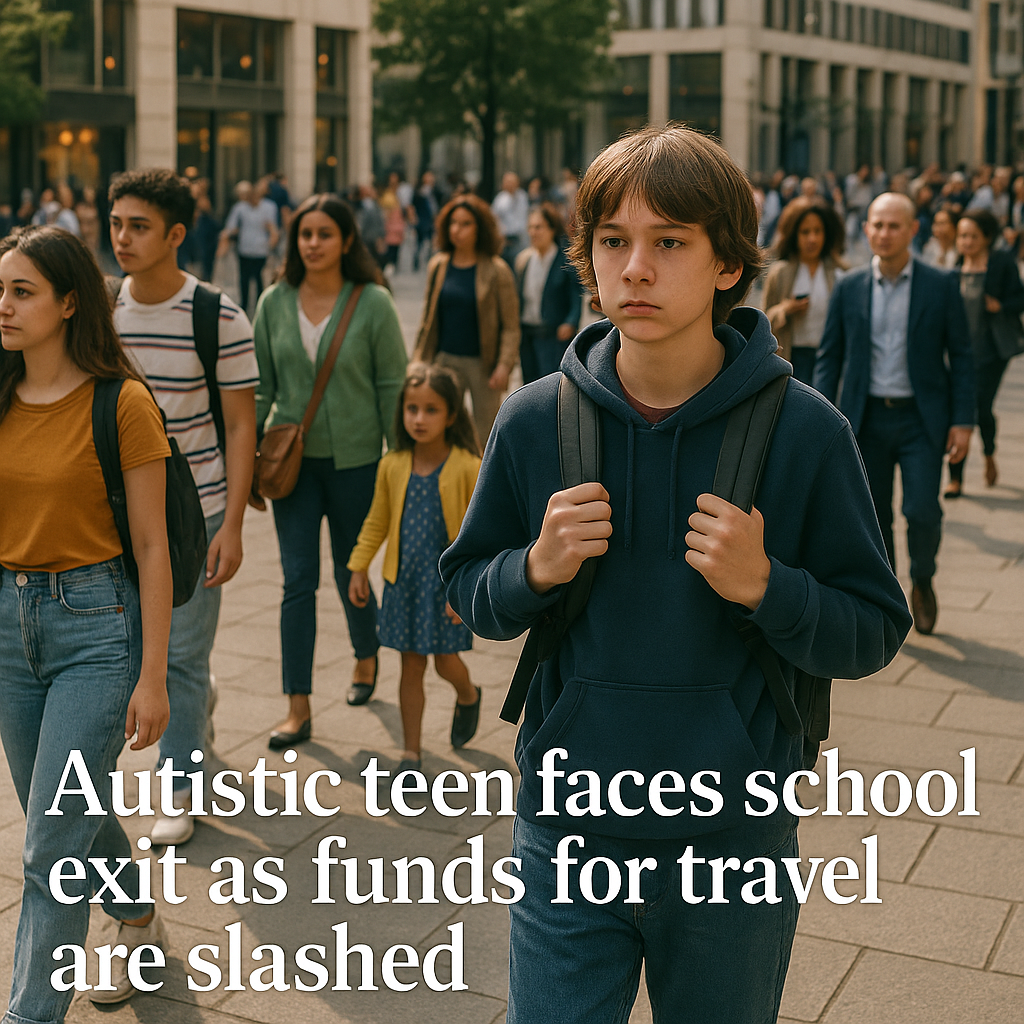
Autistic teen faces school exit as funds for travel are slashed

In a society that prides itself on fairness and compassion, the unfolding crisis in special educational needs and disability (Send) support exposes a harsh reality: families caring for children with complex needs are facing systemic neglect and social insensitivity. As communities increasingly rely on local governments to bridge gaps left by austerity-driven cutbacks, the stark disparities in support serve as a wake-up call to reevaluate societal priorities. The story of Luke, a fourteen-year-old autistic boy with sensory processing disorder and ADHD from Somerset, exemplifies how families are being left to shoulder the burden of inadequate social services, impacting not only the well-being of individual children but also the fabric of their families and communities.

With the transition to post-16 education, families like Luke’s find the support structures that once provided essential aid suddenly dissolving. Somerset Council’s decision to cease paying for Luke’s specialized transport—a taxi and in-car support worker—highlight the increasing disconnect between policy and human need. Now, his family faces a difficult choice: to bear the financial weight of costly travel alternatives or to risk safety by navigating unpredictable, unsupervised journeys. This shift not only endangers children like Luke but also underscores a broader societal failure to protect vulnerable youth. Social commentators and sociologists warn that when communities fail to provide adequate support, they risk fragmenting under the weight of inequality, with families bearing the brunt of systemic neglect.

‘Not safe’: The Human Cost of Systemic Austerity

Luke’s mother, Tatjana, describes her son as having “no road safety, no danger safety,” emphasizing that in his current state, he cannot transition to independent travel without significant risk. Her account sheds light on a fundamental moral challenge: the ethical obligation of society to safeguard its most vulnerable members. Since reaching age 16, Luke’s family has been offered a mere “Personal Travel Payment” of fifty pence per mile. Yet, with specialist taxi costs reaching nearly £97 per journey, this amount is grossly insufficient. The loss of dedicated, trained support for children with complex needs often translates into families sacrificing their financial stability and mental health.

Social historian Dr. Helen Miles notes the deterioration in support for families with special needs children, warning that “the long-term consequences threaten to erode social cohesion.” Families, especially those with physical or emotional hardships, become isolated as they struggle to fill the void left by underfunded government programs. Tatjana’s story—her partner’s spinal condition, her former husband’s leg amputation—epitomizes that the social safety net is fraying for those who need it most. Without sufficient support, children like Luke may face a future marred by instability, frustration, and the risk of educational failure, which inevitably impacts families’ stability and the community’s social fabric.

‘The system is broken’: Calls for reform and renewed hope

Former MP Gideon Amos articulates a bitter reality: “The Send system is broken.” His comments reflect a growing frustration among politicians, social workers, and families alike, who observe that “the current approach fails not just in policy but in moral substance.” The Department for Education’s promise to reform and “transform outcomes” signals an opportunity but also a challenge: society must reimagine how it cares for its children. Local authorities like Somerset claim they put “care and consideration” into decisions but admit their resources are stretched thin.

  • The current figures show approximately 120 post-16 Send children in Somerset rely on transport support, a number that is unlikely to decline given demographic trends.

This ongoing crisis is a stark reminder that without fundamental systemic overhaul, support for vulnerable children risks becoming a token gesture rather than a societal commitment.

As society stands at a crossroads, the question remains: will society’s collective moral conscience awaken to the plight of children like Luke? The stories behind policies are rooted in human faces—families torn between love and survival, children with dreams hindered by systemic neglect. The challenge ahead is not merely administrative but moral: to build a society where every child’s safety, potential, and dignity are prioritized, regardless of age or ability. In this moment of societal reflection, hope lies in collective action, reform, and an unwavering commitment to transform social failure into a future where every child can find their place. Only then can society truly claim to be just, compassionate, and resilient—qualities that define the strength of a civilization.


Social Media Auto Publish Powered By : XYZScripts.com