
TRENDING NEWS





Truth Over Trends, always!

In a development that continues to shake the foundations of international justice and expose the shadows lurking in the corridors of power, democratic lawmakers in the United States have recently released unprecedented images and videos from Jeffrey Epstein’s private island, Little St James. These revelations come amidst mounting pressure on the Trump administration to declassify a broad range of files relating to Epstein’s criminal enterprise. As the world watches, the implications of these disclosures threaten to ripple across countries and societal structures, challenging narratives of justice and transparency at the highest levels.
The newly surfaced imagery, characterized by detailed room layouts, personal artifacts, and disturbing scenes of abuse, serve as stark evidence of Epstein’s extensive and heinous crimes. The images depict opulent residences, including bedrooms, a room with masks on the wall, and even a dental chair amid other cryptic signs that victims and investigators believe are connected to human trafficking and exploitation. According to historians and analysts, such explicit visuals are a turning point—shedding light on the underbelly of a global network that may have involved influential figures from multiple nations. The U.S. Virgin Islands authorities have previously settled for over $105 million in a case alleging trafficking and abuse, yet many questions remain unanswered about the extent of Epstein’s international links.
This case exemplifies how decisions made within judicial systems and government agencies impact entire societies. The ongoing fight to release Epstein-related documents, including those held by the Department of Justice, exposes a broader struggle: whether accountability extends beyond local jurisdictions to influence global power dynamics. The newly released images, which include a walk-through video of Epstein’s island, hint at a carefully curated lifestyle of wealth and secrecy, while masks and other artifacts suggest a sinister undertow of intimidation and cover-up. Experts warn that withholding information under the guise of protecting ongoing investigations risks further eroding public trust—especially as prominent figures’ names potentially entwined in Epstein’s circle still remain shielded from scrutiny.
As international organizations and political actors debate the scope and timing of declassified files, the geopolitical impact becomes increasingly evident. The United States finds itself at a crossroads where transparency could lead to seismic shifts—possibly implicating foreign officials and altering diplomatic relations. The pressure on Attorney General Pam Bondi and the President to release these files underscores a wider debate about justice, sovereignty, and the accountability of the global elite. How nations will respond to the unveiling of such truths remains to be seen, but one fact is undeniable: the revelations mark a harbinger of change, forcing the world to confront uncomfortable realities.
In the ongoing narrative of political intrigue and justice, the imagery from Epstein’s island underscores a harsh reality—power often masks profound darkness, and accountability is a battle hard-fought at the crossroads of history. As the files are gradually released, with most expected by December 19th, the world holds its breath, knowing that this story is far from over. The play of shadows and light continues, and in the unfolding tapestry of this scandal, the most enduring question remains: who will be the last to reckon with the truth, and what shadows will emerge when history dares to look into the abyss?

In the heart of Saxony lies Dresden, a city that embodies the profound relationship between culture, identity, and societal continuity. Its historic skyline, lush with restored Baroque architecture, stands as a testament not only to artistic brilliance but also to resilience and the enduring spirit of a people. This city, a crucible where Old Masters like Rembrandt and Canaletto once captured divine beauty, now hosts a vibrant avant-garde movement that demonstrates culture’s ongoing capacity to adapt and evolve. The cultural fabric of Dresden reminds us that history is never distant or detached; it is an intrinsic part of a nation’s soul, shaping its worldview and moral compass.
Walking through Dresden’s streets during the Christmas season, one encounters one of Europe’s oldest and most cherished markets. Here, amid the scent of gingerbread and mulled wine, tradition is not merely preserved; it is reinterpreted. This market, in its timeless aura, echoes a deeper truth articulated by Tocqueville: that democratic societies are rooted in shared cultural practices that foster a sense of collective identity. The celebration of Christmas in Dresden underscores that culture serves as a repository of a community’s values, memories, and hopes for the future. It is a counterbalance to the transient nature of modernity, ensuring that the essence of a people’s story remains alive through symbols, rituals, and shared experiences.
The city’s current cultural scene extends beyond its historical marvels. It is a frontier for modern expressions of artistic innovation, where artists like Gerhard Richter and Anselm Kiefer push boundaries, demonstrating that tradition and modernity can coalesce into a powerful dialogue. This dynamic exemplifies what Ortega y Gasset described as a culture that must \”live through its works,\” heralding an ongoing conversation between the past and present. In this dialogue, culture is not static but a living, breathing entity that anchors society in its roots while propelling it forward. As history teaches us, the true strength of a civilization lies in its capacity to remember and redefine itself in response to the ever-changing currents of time.
Ultimately, Dresden’s enduring charm and cultural vitality remind us that culture is both memory and prophecy. It is memory—a reservoir of traditions, struggles, and triumphs that bind society in shared purpose—and prophecy—a glimpse into what humanity might become when rooted in its most authentic selves. As T.S. Eliot once observed, \”A tradition is an inheritance, and must be a legacy that we care for and pass on.\” Thus, the cultural legacy of Dresden continues to illuminate our path, inspiring a worldview where the origins of our identity serve as the foundation for our aspirations. In the quiet grandeur of its restored facades and bustling markets, there resides a profound reminder: that our culture, like the eternal city itself, is the living archive of human greatness—a prophecy of better days crafted in the mosaic of memory.
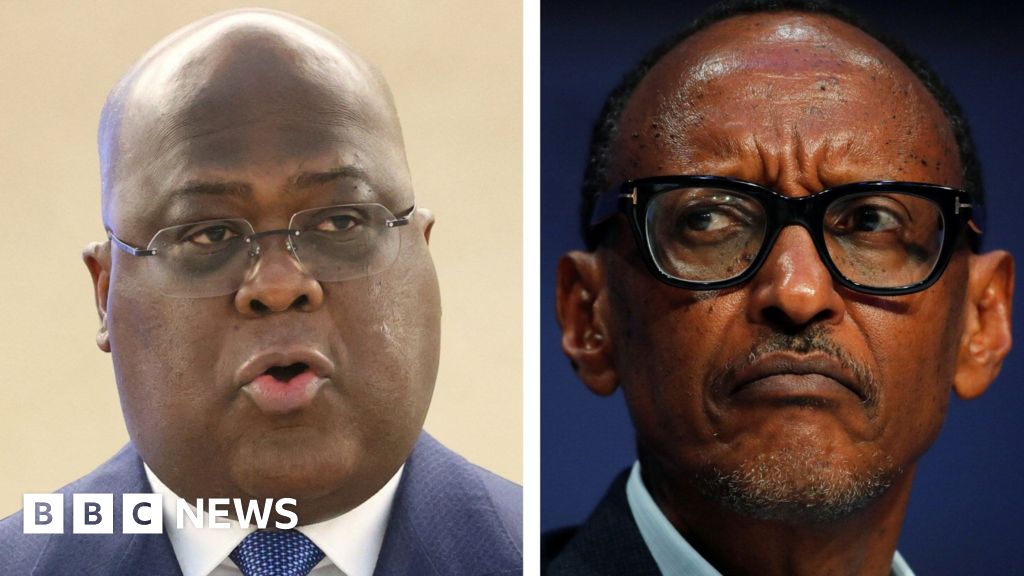
In an era defined by shifting allegiances and resource-driven conflicts, the recent summit in Washington marks a pivotal moment for the tumultuous region of Central Africa. The presidents of DR Congo and Rwanda are poised to sign a landmark peace agreement aimed at quelling a decade-long insurgency that has destabilized eastern DR Congo. Hosted by then-U.S. President Donald Trump, the diplomatic gathering drew several international figures, including representatives from Qatar, Burundi, and Arab nations, signaling the global stakes intertwined with regional peace.
Despite the symbolic nature of the summit, beneath the diplomatic veneer lies a complex web of conflicting interests, historical grievances, and geopolitical calculations. The signing comes amid escalating violence, with the M23 rebel group recently seizing critical cities such as Goma and Bukavu, and ongoing accusations of Rwandan backing—an assertion Kigali continues to deny. The conflict’s roots trace back to the 1994 Rwandan genocide, with groups like the FDLR militias remaining a persistent threat, prompting Rwanda’s claims of needing to adopt defensive measures. Herein lies the core dilemma: Rwanda insists disarmament of FDLR is vital, but how to disarm a fearsome militia with a history of atrocities remains unresolved—especially when previous efforts have failed.
Analysts and international organizations emphasizing the region’s economic potential warn of a future shaped less by peace and more by resource extraction. The US State Department cites an estimated $25 trillion worth of mineral reserves within DR Congo, including cobalt, copper, lithium, and tantalum—key ingredients for modern electronics and defense industries. The United States has aggressively promoted economic accords, aiming to turn the region into a corridor of collaboration on hydroelectric and infrastructure projects. Political scientist Prof. Jason Stearns remarks that the true aim of the United States is to secure mineral rights and bolster strategic partnerships, while Rwanda’s role is nuanced—both as a key stakeholder and alleged supporter of rebel factions like M23.
As history illustrates, such resource-driven conflicts are often less about territorial control and more about economic dominance. Rwanda’s claims of disarming the FDLR and the DR Congo’s insistence on the rebels’ surrender expose the fragility of diplomatic promises. Past peace agreements, dating back to the 1990s, have repeatedly unraveled when accusations of inaction and betrayal surface. Critics argue this latest accord, while touted as “historic,” may merely be a strategic pause, allowing regional powers to consolidate economic gains without addressing the underlying nationalist and ethnic tensions.
Furthermore, the ongoing clashes signal that true peace remains elusive. The DR Congo army reports recent offensives against rebels, who in turn accuse the government of collusion with foreign forces, notably Burundi. The enclave’s strategic importance—bordered by multiple nations and rich in resources—ensures that any resolution is susceptible to regional and external interference. The participation of Qatar and the U.S. in mediation efforts highlights the international stakes; yet, the enduring question remains—will the promise of peace translate into lasting stability, or merely herald another chapter of deferred conflict?
History’s shadow looms large, with experts warning that peace processes in Africa often falter due to entrenched interests, unfulfilled agreements, and the difficulty of disarming well-armed factions. The region teeters on the precipice of a new chapter—one that could either mark the demise of chaos or the birth of a protracted struggle. As the world watches, the unfolding story in DR Congo and Rwanda reminds us that the weight of history is still being written, and the future remains dangerously uncertain.
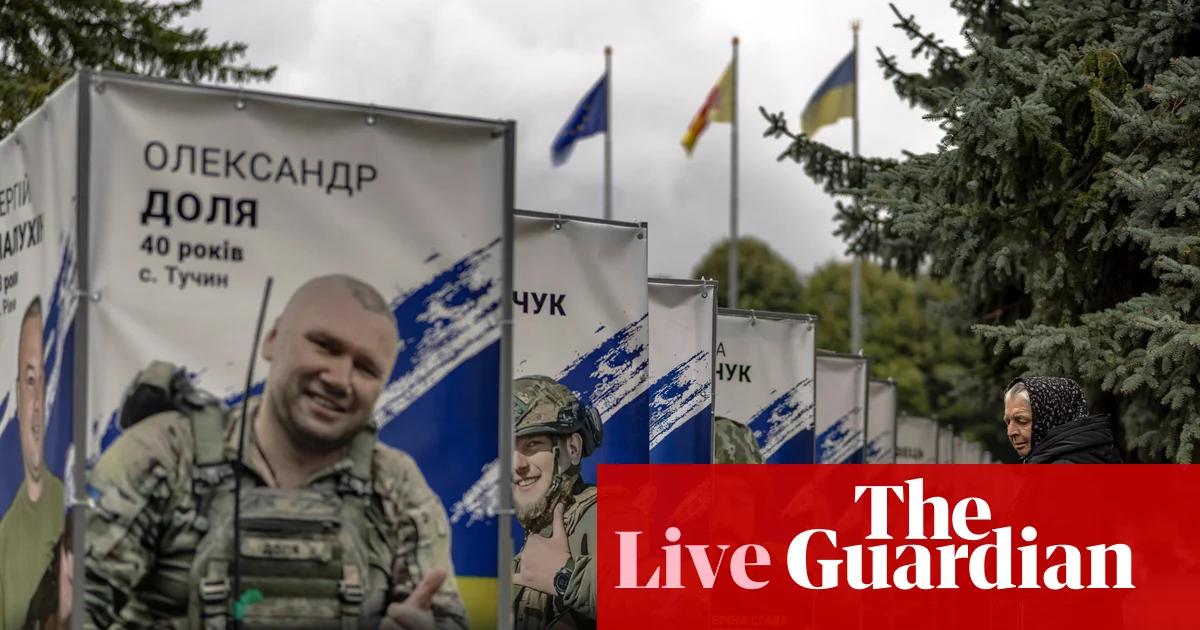
In an era marked by escalating tensions and shifting alliances, Europe’s security landscape has been dramatically reshaped by recent developments between NATO members and Russia. The strategic move by Norway to bolster its defenses through a groundbreaking deal with the UK exemplifies the renewed focus on undersea warfare and infrastructural resilience. Norwegian Prime Minister Jonas Gahr Støre recently visited London to formalize a pact aimed at “hunting Russian submarines” and safeguarding vital undersea cables—lifelines of modern communication and energy—highlighting the mounting threat Russia poses beneath the waves. This new accord, symbolically named “Lunna House,” pays homage to covert WWII operations, but today signifies a modern response to Russia’s assertiveness in the Arctic and North Atlantic domains.
The geopolitical impact of this alliance extends beyond bilateral cooperation. It underscores a broader NATO strategy to counter Moscow’s influence, especially as Vladimir Putin describes ongoing Ukraine peace negotiations as “necessary,” yet riddled with “unacceptable” proposals. The Russian leader’s cautious endorsement of these talks reflects Moscow’s recognition of the economic and military pressures intensifying from Western allies. Meanwhile, key NATO players, particularly Germany and France, are urging unity in the face of an aggressive Russia, with German Chancellor Friedrich Merz warning that the decisions made today “will decide Europe’s future” amid fears of imperialist ambitions from the Kremlin.
Adding layers to this geopolitical chessboard, France’s Emmanuel Macron recently engaged in high-stakes diplomacy with Xi Jinping of China. During his visit to Beijing, Macron emphasized the importance of cooperation to “end the war in Ukraine” and foster economic and environmental stability. This move is part of a broader French effort to shore up its influence and secure commercial advantages in a global arena increasingly polarized by U.S.-China rivalry. Meanwhile, China, positioning itself as a “reliable partner,” seeks to navigate trade frictions with the EU while presenting an alternative global market, even amidst tensions over its subsidized electric vehicle industry. The international stage is thus set for a complex web of diplomacy, with European leaders caught in the crossfire of Russia’s eastern ambitions and China’s rising global influence, both vying for strategic dominance.
The American perspective remains sharply divided, as former President Donald Trump suggests that Moscow’s recent peace negotiations are “reasonably good,” indicating that Putin may prefer a deal under current circumstances. Yet, the uncertainty over what comes next underscores a fragile international order, with US and European policymakers unsure whether diplomacy can contain an increasingly aggressive Russia. And with the European Union embroiled in debates over the fate of frozen Russian assets—some nations, like Belgium, resisting the EU’s proposals—an internal fracture threatens to undermine collective resolve. The EU leaders are working desperately to reach consensus in the upcoming summit, aware that their decisions could have long-lasting consequences for the continent’s geopolitical future.
As the world watches these unfolding events, the shadow of history looms large. Each alliance forged, each negotiation held, echoes past conflicts and silent struggles for dominance. The relentless march of history has brought us to a precipice, where today’s choices could define generations. With Europe’s destiny hanging in the balance and the great powers maneuvering beneath the surface, one thing remains clear: the voyage through this turbulent era is far from over, and the tides of geopolitics continue to forge a new chapter—one that history will either laud or condemn.

The recent decision by the government to delay mayoral elections in four regions of England—namely Greater Essex, Norfolk and Suffolk, Hampshire and the Solent, and Sussex and Brighton—has ignited a firestorm of controversy. Originally scheduled for this year, these elections have been pushed back until 2028, ostensibly to allow more time for local government reorganization. Critics, however, argue that this move is less about administrative efficiency and more an overreach that undermines democratic principles. The postponement threatens to disenfranchise approximately 7.5 million voters, raising serious questions about the integrity of local governance and the foundational right to democratic participation.
Social commentators, including sociologists and historians, express concern that such postponements could set a dangerous precedent for the erosion of democratic accountability. They warn that in societies where local elections are deferred or canceled, it often signals a drift towards authoritarianism or at least an undermining of the collective voice. Opposition parties, such as the Liberal Democrats and Reform UK, have condemned the move as a blatant attempt by the ruling Conservative government to hijack the democratic process. Richard Tice, Reform UK’s deputy leader, likened the cancellation of elections to practices seen in dictatorial regimes, asserting that “7.5 million people are now going to be denied the opportunity of voting in mayoral elections.” This rhetoric underscores the fears that such delays may further polarize communities and weaken the social fabric that holds them together.
At the heart of this debate is the impact on families, local communities, and the quality of education. Many argue that postponing elections disrupts community engagement and stifles voices, especially as the government claims the delays are necessary for “getting it right,” yet critics contend that the true motivation is political self-preservation. Meanwhile, the moral and human implications of this delay are profound: it deprives residents of the opportunity to shape policies that directly affect their livelihoods, from education funding to social services. As *sociologists like Seymour Martin Lipset* have noted, “democracy involves not just the process of voting but the ongoing engagement and empowerment of communities.”
As society grapples with these challenges, the overarching question remains: will democracy’s voice be silenced in the pursuit of political expediency, or will communities find renewed strength to demand accountability?
In the silent corridors of local councils and in the bustling streets of communities left waiting, the answer will decide the moral compass of the society we are forging. Society stands at a crossroads—where the true measure of a nation’s strength is not in its institutions alone but in the resilience of its families and the hope that even in the darkest hours, transformative change can be born from the collective will of its people.

Every year, Google’s comprehensive Year in Search report offers an analytical lens into the collective consciousness, revealing industry shifts and emerging trends. This year, the spotlight is unmistakably on artificial intelligence, with Google’s Gemini chatbot topping the list of trending searches worldwide. Such data points underscore that the AI revolution is reshaping the digital ecosystem faster than many anticipated, driven by relentless innovation and increased enterprise adoption. Industry analysts like Gartner have long predicted an imminent disruptions wave, and 2025 is proving them right—AI is no longer a niche technology but the apex of strategic dominance across sectors.
Beyond AI itself, public interest in disruptive technologies remains robust. Notably, DeepSeek’s chatbot also ranks high among trending searches, emphasizing the rapid proliferation and public engagement with immersive AI solutions. The prominence of terms like “Charlie Kirk assassination” and geopolitical issues such as “Iran” and “US Government Shutdown” in trending news queries indicates a populace increasingly dependent on AI-powered platforms for real-time information synthesis. This signals a paradigm shift in how consumers and industry leaders alike consume news and entertainment, with AI chatbots becoming the new gatekeepers and intermediaries of information.
For businesses, this surge in AI-driven search patterns signals a critical strategic imperative: innovate or risk obsolescence. Companies pioneering in AI, like Google with Gemini, are setting new standards for user engagement, data processing, and personalized experiences. As MIT’s AI research suggests, such advances are enabling unprecedented levels of automation and efficiency, fundamentally transforming competitive landscapes. However, the rapid pace of innovation also brings regulatory and ethical challenges, with policymakers and industry leaders racing to establish frameworks that balance growth with responsible AI use.
Moreover, the trend underscores the importance of agility for startups and established players aiming to harness AI’s disruptive power. As Peter Thiel emphasizes, “The future belongs to those who understand the importance of technological differentiation,” making this an urgent moment for strategic investment in AI R&D. Companies that pivot swiftly and leverage innovation will not only disrupt markets but also set the trajectory for global technological leadership.
With the 2026 TechCrunch event scheduled for October in San Francisco—a hub of global innovation—industry stakeholders are keenly aware that the next frontier lies in integrating AI with emerging technologies such as quantum computing and augmented reality. The convergence of these innovations promises a tectonic shift in how societies operate, economies grow, and nations compete. As the digital landscape evolves, so too must the strategic acumen of industry leaders who recognize that timing and agility are critical in capturing the future’s value. AI’s ascendancy signals not just a technological evolution but a strategic inflection point—those who act decisively will shape the future, and those who hesitate risk being left behind.
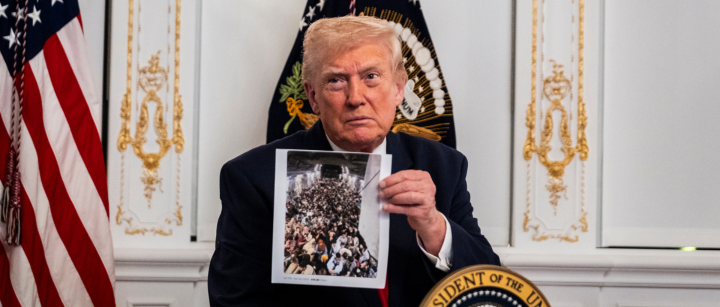
In the wake of the tragic ambush that claimed the lives of two National Guard members in Washington, D.C., political narratives quickly surfaced. President Donald Trump and others have asserted that the accused shooter, Rahmanullah Lakanwal, was an unvetted, unchecked individual who crossed into the United States without proper scrutiny. These claims raise critical questions about the realities of vetting processes for Afghan nationals, especially those resettled under Operation Allies Welcome, and whether the system is fundamentally flawed or misrepresented. Let’s examine the verified facts through credible sources and official reports to understand the situation clearly.
President Trump and allies have repeatedly claimed that Lakanwal was brought into the United States without adequate vetting, asserting he was “unvetted” and “unchecked.” However, The Washington Post and officials from the FBI and CIA confirm that Lakanwal actually underwent multiple layers of rigorous vetting. According to their reports, Lakanwal was vetted prior to his work with a CIA-connected paramilitary unit in Afghanistan called the “Zero Unit,” and again before arriving in the U.S. in 2021. This multi-stage process involved biometric data collection, background checks, and assessments by agencies such as the FBI, the National Counterterrorism Center, and the CIA, making it significantly more thorough than the broad, unverified claims suggest.
Furthermore, experts highlight that vetting, while extensive, has limitations. Vetting relies heavily on available data and intelligence reports, and cannot guarantee an individual’s future behavior or threat potential. Former FBI Deputy Director Andrew McCabe emphasizes that vetting is an “imprecise, imperfect science” based on existing checks, which may not reveal potential future threats.
Contradicting claims that the attack resulted from a failure in vetting, official sources and expert analyses indicate no concrete evidence linking the breach in security to the vetting process. Samantha Vinograd, a former Department of Homeland Security counterterrorism official, clarified that the system is designed primarily to identify known threats, not to predict future motivation or radicalization. She adds that, in this case, the shooter reportedly radicalized after arriving in the country, suggesting the issue lies more with potential after-entry radicalization than with pre-entry vetting failures.
Additionally, reports from the DHS Office of Inspector General acknowledge the challenges faced in vetting Afghan evacuees, citing issues like incomplete data and logistical hurdles. Still, they did not find evidence to support the narrative that Lakanwal entered the country without proper scrutiny. Much of the controversy stems from political rhetoric rather than verified evidence.
Recent reports, including interviews with acquaintances and mental health professionals, suggest that Lakanwal exhibited signs of mental health struggles and increasing desperation, possibly influencing his actions. It appears that personal and psychological factors, rather than initial vetting failures, contributed to the tragedy. Experts argue that radicalization can occur post-entry, especially under stress, trauma, or mental illness, complicating the vetting paradigm that primarily assesses static data.
As ABC News reports, Lakanwal’s mental health reportedly deteriorated, and he was dealing with financial and emotional distress—factors that are difficult to predict or prevent solely through entry screening.
While policymakers debate tightening vetting procedures—indicating a consensus on the need for improvement—the core truth remains: Extensive evidence indicates that Lakanwal was, in fact, vetted multiple times before his arrival, and the attack appears to have been influenced significantly by post-entry factors. Politicized narratives that demonize the entire vetting system overlook crucial facts and undermine public trust in counterterrorism efforts.
Ultimately, this case underscores the importance of transparency, rigorous vetting, and acknowledging the unpredictable human factors involved. Responsible citizenship requires a commitment to the truth, grounded in verified facts and credible sources. Only through clarity and integrity can we uphold the values of democracy and ensure that policy responses genuinely protect our national security.
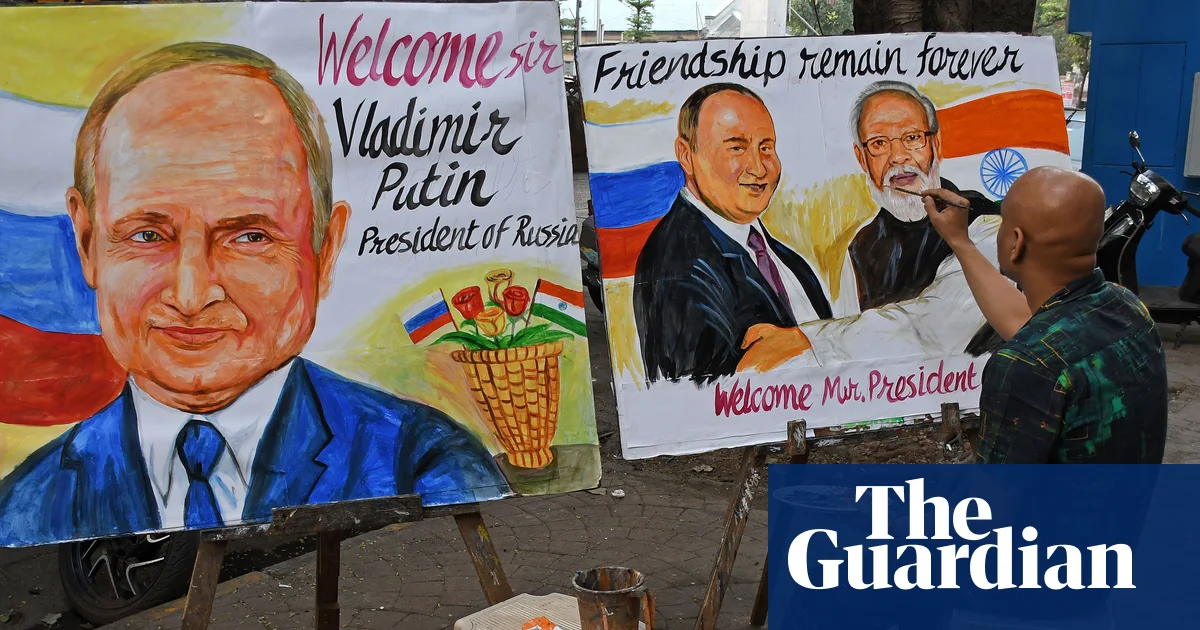
In a display of resilience and strategic recalibration, Vladimir Putin recently traveled to India, marking a significant moment in the ongoing reshaping of international alliances. This visit, occurring against the backdrop of an increasingly tense global scene, underscores the enduring importance of India’s relationship with Russia amidst escalating pressures from the United States and its allies. Just four years ago, Putin’s previous visit to India reflected a world still in relative balance, where Moscow maintained a perceived closeness to Delhi. However, subsequent years have seen dramatic shifts—culminating in Russia’s invasion of Ukraine, which transformed Putin into a pariah on the world stage and resulted in widespread sanctions, travel bans, and diplomatic isolation.
The importance of Putin’s current trip neither merely symbolic nor superficial: it is an emphatic message that Russia is carving out a path toward international normalization despite Western efforts to isolate it. According to analysts like Petr Topychkanov of the Stockholm International Peace Research Institute, the very fact that Putin is on the diplomatic trail signals a tangible shift—“Russia is no longer anxious about political isolation.”
For India, the stakes are different but equally vital. Navigating a complex geopolitical landscape marked by a semi-isolationist America, a weakened Russia, and an increasingly assertive China presents a delicate balancing act. As Aparna Pande of the Hudson Institute notes, New Delhi’s policy has shifted towards “hedging,” signaling to the world that, despite deeper ties with Moscow, India retains multiple options should the geopolitical winds shift. India’s strategic dependence on Russia for military hardware remains significant, yet it has also sought to diversify, reducing reliance from approximately 70% to below 40% in recent years—an effort to safeguard itself from external pressures, especially from China.
The geopolitical significance of the India–Russia relationship extends beyond mere trade, primarily rooted in security concerns. India’s historic reliance on Moscow’s defense industry, especially for advanced weaponry like the S-400 missile systems and Sukhoi jets, is balanced with a nuanced diplomatic approach that aims to avoid complete dependency. While upcoming talks between Putin and Modi are likely to focus on military supplies, they also illustrate a relationship defined by a core realism rooted in geographic necessity. As Pande remarks, the alliance is “based on pure realpolitik,” with India actively maneuvering to ensure that its strategic interests remain intact, even as Moscow deepens ties with Beijing.
Amid these strategic moves, the energy sector remains a crucial battleground. India has historically purchased large quantities of Russian oil—around 70% of its defense procurement from Moscow—yet recent Western sanctions seek to curtail those exchanges. As a response, India has begun importing more from the United States and the Middle East, aiming to reduce reliance on Russian energy supplies. Nevertheless, Putin’s spokesperson Dmitry Peskov has emphasized that despite obstacles, economic and energy cooperation will continue, asserting Moscow’s technological resilience in bypassing Western sanctions.
Within this shifting landscape, India’s diplomatic dance remains precarious. While it seeks to maintain its longstanding ties with Russia, it also recognizes the growing threat posed by China, making balancing relationships an existential priority. The very fabric of international relations is being rewritten, with each decision echoing through the corridors of power, impacting societies and the global order. As the world collectively wrestles with the consequences of war, sanctions, and diplomatic brinkmanship, history continues to unfold—its narrative uncertain, yet undeniably profound. In this complex chess game, the path forward remains clouded, and the true impact of Putin’s visit to India will be felt in the days—and perhaps decades—to come, as nations try to navigate the chaos of a redefining world.

In an unprecedented move that has captured the attention of the world stage, Australia has launched a bold legislative initiative to regulate social media usage among its youth, setting a precedent that could significantly reshape international digital landscapes. Beginning on 10 December, the nation enforces a first-of-its-kind social media ban that prohibits under 16 individuals from creating or maintaining accounts on major platforms such as Instagram, Facebook, and Threads. This legislation responds to sobering findings from a government-commissioned study, which revealed that a staggering 96% of Australian children aged 10-15 actively engage with social media, often exposed to harmful content and risky online behaviors.
As the world observes this pioneering effort, international analysts warn that Australia’s move could set off a domino effect, pressuring other nations to follow suit amidst rising concern about social media’s influence on youth wellbeing and societal cohesion.
Experts like Dr. Helen Smith, a renowned child psychologist, argue that the measure addresses a critical vulnerability—namely, the pervasive “dopamine drip” fostered by social media algorithms that manipulate impressionable minds. Meanwhile, critics caution that such bans might inadvertently drive teenagers toward less-regulated, underground online communities, risking greater exposure to harmful content and grooming behaviors. The international community, especially countries facing similar dilemmas, is closely watching Australia’s experiment—more than a regulatory effort, it is a test of whether governments can effectively shield their youth without infringing on digital freedoms.
Institutions like the United Nations and the OECD have issued mixed reactions. While some applaud Australia’s proactive stance, others question whether legislative bans can keep pace with technological innovations and the ever-evolving digital terrain. Notably, international organizations caution against unintended consequences, emphasizing that isolated bans may strain social fabric and push children into shadowy corners of the internet. Nonetheless, the Australian example underscores a broader global debate on forging policies that balance innovation with protective governance—decisions whose impacts ripple across borders, influencing societal norms and shaping the future of global connectivity.
As history begins to unfold these critical debates, the world stands at a crossroads. With each legislative step, each technological adaptation, the narrative of the digital age continues to evolve—under the weight of decisions that will define generations to come. Will Australia’s daring experiment inspire a global wave of protective reforms, or will it serve as a stark warning of unintended isolation? The answer remains elusive, but one thing is certain: the story of youth, technology, and sovereignty is still being written—an unfolding drama fueled by the relentless march of progress and the enduring quest to safeguard the innocence of the next generation.

In a surprising turn of events, Leeds United stunned Chelsea with a commanding 3-1 victory on Wednesday, marking a significant setback for the Blues in their pursuit of the Premier League title. The defeat was not merely a quirk of fate; it was a lesson in football execution, as Chelsea manager Enzo Maresca expressed after the match. “We got what we deserved,” said Maresca, reflecting on a performance that left much to be desired.
The match unraveled for Chelsea particularly in the first half, where defensive lapses allowed Leeds to capitalize early. The visitors seized the moment with two quick goals, leaving the home crowd in shock. As the game progressed, it became evident that Leeds United was resolute in their approach, showing an intensity that seemed to outmatch their opponents. The turning point occurred when Jack Harrison netted Leeds’ second goal, a strike that not only boosted his team’s momentum but also dampened Chelsea‘s spirits.
Despite a late goal from Nicolas Jackson, Chelsea struggled to regain control. Leeds’ defense proved impenetrable, with goalkeeper Illan Meslier delivering a standout performance filled with critical saves. In contrast, Chelsea’s offense was sluggish, with many chances squandered. Post-match analysis from pundits suggested that Chelsea’s lack of cohesion was a major factor, pointed out by commentator Alan Smith, who stated, “Chelsea was always going to find it difficult when they allowed Leeds to set the pace.”
Looking ahead, Chelsea will need to regroup if they aim to keep their title ambitions alive. The trajectory of their season can still be altered; however, it requires a collective effort to shake off this disappointing defeat. As always, the beauty of sports lies not just in wins and losses but in the unity they foster amongst fans and players alike. Football transcends the fields where it is played, nurturing a spirit of camaraderie and resilience, reminding everyone that in both victory and defeat, we are all part of something larger.


