
TRENDING NEWS





Truth Over Trends, always!

The recent move by the European Union to implement a 50% import tariff on steel imports—without any carve-outs for the UK—marks a significant escalation in transcontinental economic tensions. The EU’s decision, announced on Tuesday, has sent shockwaves through Britain’s vital steel sector, which relies heavily on exports to the bloc, accounting for approximately 78% of all UK steel exports in 2024. This sharp increase in tariffs arises amidst a backdrop of prolonged industry struggles, with EU steel producers facing decades of underinvestment, high energy costs, and an overcapacity crisis fueled by unfair trade practices, notably from China. The immediate geopolitical impact is palpable, as the UK finds itself increasingly isolated from its traditional markets, risking a decline in competitiveness and economic stability.
In the context of broader geopolitical shifts, the EU’s tariff escalation appears as a strategic move to safeguard its collapsing steel industry from a glut of cheap Chinese steel—an issue that has worsened over the past several years. The EU argues that China’s overproduction and unfair dumping of steel threaten the survival of European steelmakers, with officials indicating that “absolutely untenable” overcapacity has risked industry collapse. Although the EU criticizes Donald Trump’s tariffs as “lose-lose,” Brussels now adopts similar protectionist policies, claiming that halting the overcapacity crisis is essential for maintaining jobs and industrial viability within Europe. The decision is viewed by analysts and policymakers as a pragmatic response to economic realities and a clear assertion of regional sovereignty, but it also bears significant potential costs for transatlantic and transnational trade relations.
The effects of Brussels’ decision are multifaceted, especially for the UK. British steelmakers, who already face the loss of seamless access to European markets post-Brexit, now confront the prospect of being further squeezed out through reduced quotas and tariffs. Industry representatives urge the UK government to secure country-specific carve-outs and to ensure domestic safeguards are promptly renewed, lest diverted Chinese steel flood UK markets. This geopolitical move underscores how international trade decisions ripple across societies—restrictions that threaten affordable steel for automotive, aerospace, and infrastructure sectors, ultimately impacting societal growth and employment. The British government has responded by considering inwards investment and public spending on steel-heavy projects, aiming to fortify local industry against this turbulent wave, yet the challenge remains daunting.
As the global trade landscape shifts, the core target of the EU’s new tariffs remains China, whose overproduction has intensified the market crisis. Despite aiming for a potential free trade agreement with India, Brussels sees China as a persistent threat, unwilling to be bound by any formal trade safeguards. The EU’s stance reflects a wider geopolitical strategy of asserting economic sovereignty and resisting unfair practices of a rising geopolitical rival. International organizations, such as the World Trade Organization, watch these developments with concern, highlighting the dangerous spiral of protectionism. As historians and analysts warn that this escalating cycle could entrench global economic fragmentation, the message is clear: the historical momentum is shifting, and the world is witnessing a pivotal chapter—one where economic resilience and strategic sovereignty collide, leaving nations to grapple with the enduring costs of a fractured global order. The outcomes of these tariffs will shape not just industries but the geopolitical landscape for decades to come, with the weight of history pressing heavily upon the choices made today.

In a harrowing turn of events, Louisiana State Police have released video footage and records related to a fatal crash that took place in December 2024, allegedly involving former LSU football player Kyren Lacy. The incident has shed light on the potentially devastating consequences that can accompany life off the field for young athletes. As a celebrated player for the LSU Tigers, Lacy had garnered much attention during his time with the team, yet this tragic incident casts a shadow on what was once a promising sports career.
The video footage shows critical moments leading up to the accident, allowing investigators to piece together a narrative of events that resulted in the tragic loss of life. Officers stress the importance of understanding the dangerous combination of speed and impaired decision-making, which can prove fatal on the roads. Commentator and former athlete Chris Doleman shared, “It’s a heart-wrenching reminder of the realities young stars face. They must find the right coaching both on and off the field.”
As the legal proceedings unfold, the football community is left to grapple with significant questions about accountability and mentorship for young athletes. Player safety extends beyond the gridiron; it encompasses the values instilled in players regarding responsibility and choices made in their daily lives. Lacy’s journey serves as a poignant reminder that the lessons of discipline and respect taught on the field are just as crucial in life. The narrative that evolves from this situation will undoubtedly resonate with aspiring athletes and fans alike.
In conclusion, while LSU football has brought many joyous moments, this incident highlights that sports carry profound responsibilities. As we reflect on the legacy of young athletes, it is imperative to remember that their journeys are about much more than games won or lost. The fabric of sports is woven with the threads of community, character, and, most importantly, unity. In times of turmoil, sports remind us of our shared humanity and the importance of making choices that honor the values we cherish both on and off the field. It is in our collective resolve that we find strength and inspiration, echoing the spirit of sport as a true unifying force.

In recent months, Myanmar has spiraled deeper into chaos, illustrating the devastating consequences of a military coup that dethroned a democratically elected government in 2021. As the nation becomes a battleground of persistent conflict and humanitarian disasters, the use of brutal airstrikes and paramilitary tactics by the ruling junta underscores the escalating severity of the crisis. The latest tragedy, where at least 24 civilians—predominantly children—were killed and dozens injured in a shocking air assault on a peaceful gathering, has prompted international alarm and renewed scrutiny of regional responses. This massacre, triggered during a candlelight vigil protesting military conscription and demanding the release of political prisoners, symbolizes the regime’s failure to distinguish between combatants and civilians—an echo of darker times in world history.
The geopolitical impact of Myanmar’s internal collapse extends far beyond its borders. Key regional powers, including China and Russia, have reaffirmed their support for the military government, providing aerial drones, technical expertise, and strategic backing, thereby emboldening the junta’s tactics. China, in particular, plays a dual role—peacekeeping along its border while enabling the regime’s military expansion through the provision of advanced weaponry and drone technology. Analysts point out that this assistance has allowed Myanmar’s military to intensify campaigns of airstrikes and heavy bombardments—a tactic that has subdued insurgent gains but at an incalculable cost to civilians. The international community, chiefly ASEAN, faces mounting pressure to intervene, yet most of its members avoid direct confrontation, instead issuing tepid condemnations amidst geopolitical interests.
The Myanmar crisis also magnifies the fragile state of regional stability, where the shifting power dynamics have significant implications for neighboring countries and global security. The international organization Human Rights Watch and activists suggest that the regime’s recent weaponization of paramotors marks a new, disturbing trend. Amnesty International characterizes these tactics as “grisly,” reflecting a disturbing pattern of escalating brutality amidst resource constraints—highlighted by the junta’s reliance on unsupported drones due to shortages of jets and fuel. The conflict’s expansion threatens to create a breeding ground for regional destabilization, as displaced populations seek refuge or entangle neighboring countries—potentially igniting yet broader conflicts or fostering insurgencies that threaten to spill into Southeast Asia. These developments underscore an urgent need for a cohesive international approach that transcends rhetoric, demanding targeted sanctions and sustained diplomatic pressure.
Across the world, historians and analysts warn that Myanmar’s ongoing collapse is not merely a regional tragedy but a pivotal chapter in the contemporary history of authoritarian resilience. The regime’s ability to survive amid increasing international isolation, coupled with the brutal suppression of civil liberties, serves as a stark reminder of how modern conflicts are no longer confined to traditional battlefield confrontations but are fought in the shadows of urban and rural communities alike. As truth emerges from the devastation wrought on the Thadingyut festival, the weight of history remains heavy. The choices made today—whether through diplomacy, sanctions, or military intervention—will determine whether Myanmar reverts into chaos or begins a long, arduous journey toward reconciliation. The world watches as the silent voices of the fallen demand justice—an enduring testament that, in the unfolding theater of geopolitics, history’s pen never truly rests.
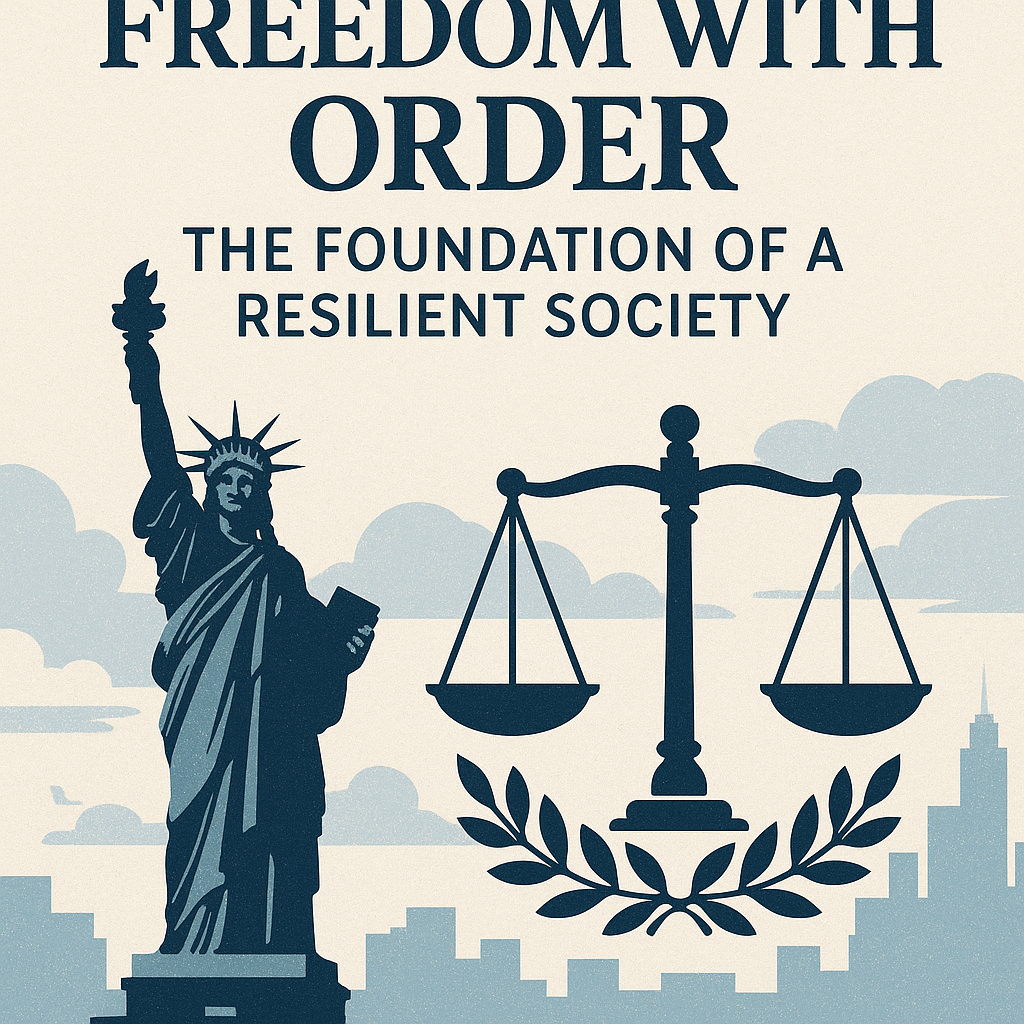
Throughout history, the delicate balance between freedom and order has served as the cornerstone for resilient societies. Critics often misunderstand this dynamic as a trade-off where increased security mandates the sacrifice of liberty. However, seasoned analysts and philosophers such as Alexis de Tocqueville and Friedrich Hayek emphasize that true societal strength emerges when freedom is harmoniously woven with a framework of order—one that upholds justice, personal responsibility, and social stability. In our modern era, this principle remains vital as nations grapple with the chaos of unchecked activism, digital misinformation, and economic volatility, all threatening to unravel the fabric of societal cohesion.
Order provides the scaffolding upon which freedom can flourish. Without clear laws, predictable institutions, and accountability, personal liberties become vulnerable to arbitrary abuse and chaos. As Hayek argued in The Road to Serfdom, excessive controls and central planning inadvertently pave the way for tyranny, strangling individual initiative and innovation. Furthermore, economic stability—a pillar of societal resilience—relies on robust regulatory systems that prevent market excesses and protect consumers. Yet, critics warn that overreach risks stifling entrepreneurship. Balancing this involves fostering a legal environment that safeguards rights while encouraging competition: a mission crucial for youthful societies seeking vitality and adaptability.
In this context, the challenge is cultivating a societal ethos where freedom does not devolve into chaos but is anchored deeply in shared responsibility. This requires fostering civic virtues such as respect for law, discipline, and community engagement. When societies neglect these virtues, they risk devolving into fragmentation, where individual pursuits overshadow collective wellbeing. James Madison famously asserted that “liberty is to faction what air is to fire”—a vital but potentially destructive element unless carefully contained within a framework of ordered liberty. Educating youth on the importance of self-restraint within a free society becomes critical, emphasizing that true freedom entails both liberty and responsibility.
As we peer into the future, the resilience of society may well depend on its capacity to uphold this nexus of freedom fused with order. Societies that embrace this duality act as fortresses against external threats and internal strife, safeguarding the pursuit of progress without sacrificing moral and legal foundations. History suggests that societies which prioritize lawful governance and individual rights can weather intellectual, social, and economic storms with perseverance and grace. The enduring legacy of this balance lies in its promise: to forge not merely a surviving society but one that thrives, diverse yet united, free yet resilient—an unbreakable mosaic crafted by the unwavering harmony of liberty and order.
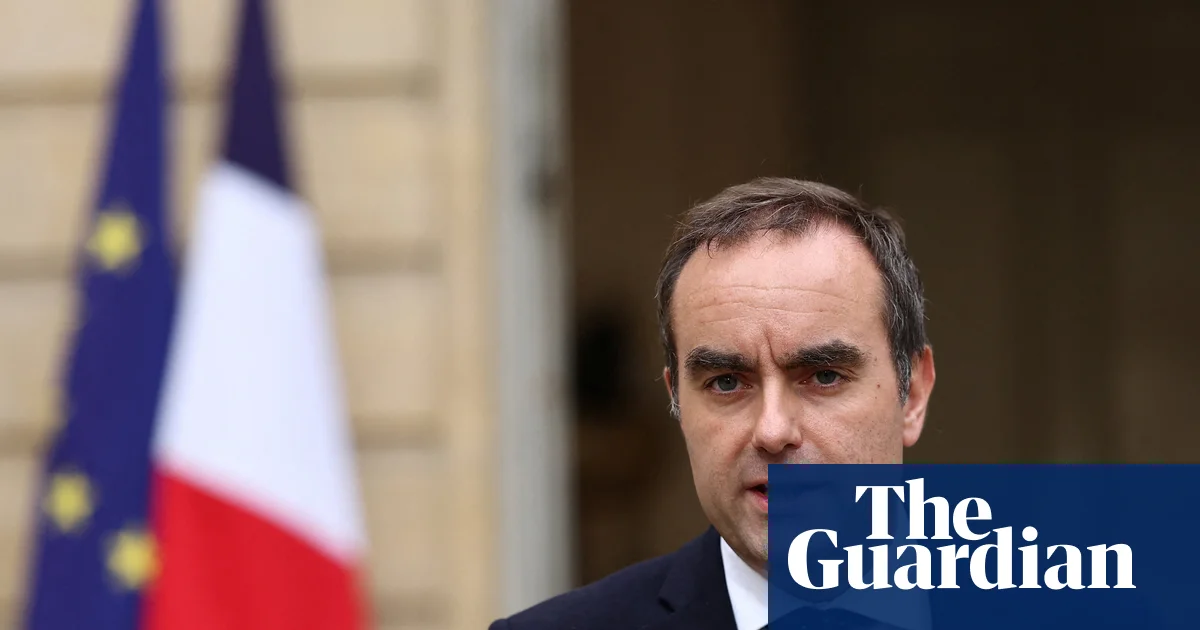
The recent upheaval in France signals a pivotal moment in European politics, with national stability hanging in the balance amid mounting economic and social tensions. French Prime Minister Laurent Lecornu’s unexpected resignation underscores the deep divisions within a nation battered by internal discord and external pressures. As Lecornu attempted to rally support for Macron’s government, his brief tenure revealed the fragility of the current political landscape—marked by a parliament evenly split among the left, far right, and centrist factions—each vying for influence amidst a state of crisis.
Despite Macron’s re-election in 2022, his mandate has been hamstrung by an unprecedented legislative deadlock stemming from last summer’s snap elections. The resulting hung parliament has made governance an uphill battle, with successive prime ministers unable to command a clear majority for austerity budgets aimed at reining in France’s record-breaking deficit, which this year is expected to surpass 5.5% of GDP—almost double the EU’s allowed limit. These economic strains have fueled societal unrest, with many questioning whether continued austerity is sustainable or merely fueling future instability. International organizations such as the European Union are closely watching France’s struggle, recognizing that a prolonged political deadlock may have broader repercussions, destabilizing regional unity and economic recovery prospects. As analysts warn, France’s internal discord poses a challenge to EU cohesion at a time when unity is vital against mounting external threats, from regional geopolitics to global economic shifts.
Amidst the chaos, Macron’s government is attempting to navigate a complex web of alliances, including negotiations with left-wing parties such as the Socialist Party, Greens, and Communists. These discussions revolve around the crucial question of whether to suspend or revoke unpopular pension reforms enacted in 2023—an issue that has become a litmus test for Macron’s political legitimacy. The Socialist leader, Olivier Faure, has cast doubt on whether Macron’s gestures are genuine or mere political stratagems, but the possibility of a broader left-led coalition emerges as a potential, albeit fragile, solution to the crisis. Such a coalition—supported by Macron’s centrist allies but opposed by the far-right—would signify a major shift in French politics, effectively uniting disparate factions in hopes of steering the nation out of the mire. Nonetheless, critics warn that this new alliance risks fracturing further, especially if pension reforms remain a non-negotiable for the center-right faction, which views these reforms as essential.
Experts warn that this political turbulence is not merely a domestic issue but a reflection of a broader geopolitical impact. France’s internal divisions threaten to weaken the country’s standing within the European Union, making it vulnerable to external influences—ranging from rising Russian influence to rising challenges from China. Historians and analysts observe that such periods of upheaval often precede significant shifts in national trajectories. As President Macron steadfastly refuses to resign before his mandated term concludes in 2027, the specter of a far-right resurgence looms, threatening to upend decades of political stability and reshape Europe’s political landscape. The outcome of these struggles will ultimately determine not only France’s future but also the balance of power shaping the continent’s destiny, leaving history to decide whether this turbulent chapter will be a catalyst for renewal or a descent into further chaos. As the current storm rages, the world watches with bated breath, knowing that the pen of history is yet to be fully written—and its ink is still flowing.
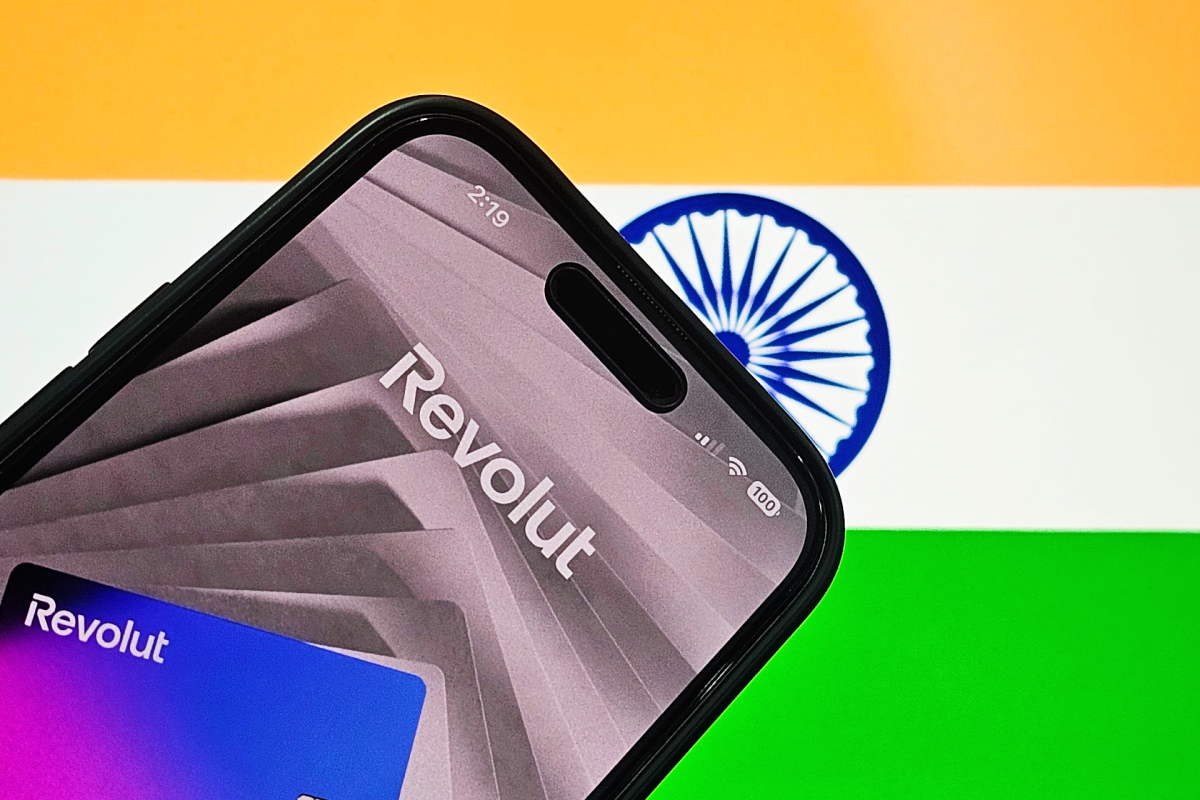
In a bold move to reshape India’s underserved cross-border payments landscape, British fintech powerhouse Revolut has officially launched operations in the country, aiming to capitalize on a $30 billion annual flow of Indian abroad. The company’s strategic entry underscores a significant industry shift driven by innovation and regulatory agility, positioning it to challenge deeply entrenched banking giants and local fintech rivals.
Since announcing its India plans in 2021, Revolut has diligently secured key regulatory licenses, including the full authorization from the Reserve Bank of India to issue prepaid cards and digital wallets, and has acquired local entities like Arvog Forex to solidify its foothold. These milestones mark a deliberate disruption of traditional banking models that have historically dominated foreign exchange services, often charging exorbitant fees that Revolut’s India Head, Paroma Chatterjee, aptly describes as “criminal.” With these permits, Revolut can now offer domestic and international payment services, including same-day remittances, positioning itself as a formidable player in a market where cross-border fees are often perceived as predatory.
The implications extend beyond mere fee reduction; Revolut’s innovative platform leverages multi-currency accounts, digital wallets, and local network integrations, including discussions with payments networks like Visa and India’s RuPay. By doing so, the company aims to deliver a superior customer experience—an essential factor highlighted by industry analysts such as Gartner—that directly threatens traditional banks’ monopolistic hold on currency exchange and remittance services. The disruption here signals the dawn of a new fintech era, where transparency, usability, and regulation enable faster, cheaper international transactions.
Revolut’s vision centers on targeting over 150 million digitally native Indians aged 25–45, with a stretch goal to onboard 20 million users by 2030 and process upward of $7 billion in transactions. This strategic focus reflects a broader industry trend where digital-first financial services prioritize highly engaged, profitable customer segments rather than sheer volume. Chatterjee emphasizes that “customer engagement and profitability are the metrics that will define success,” a viewpoint shared among leading fintech innovators like Peter Thiel, who advocate for sustainable, value-driven growth over vanity metrics.
Furthermore, Revolut’s current waitlist of more than 350,000 potential Indian users underscores the latent demand for alternative, more affordable cross-border solutions. The company’s flexible network approach, including exploring local payment options such as RuPay, underscores its commitment to capturing market share in a competitive environment populated by established fintech players like Niyo and BookMyForex. This demonstrates an understanding that strategic partnerships and local inclusion are essential for long-term viability in India’s complex regulatory and consumer landscape.
The rapid digital transformation reshaping financial services calls for aggressive innovation, a trend further accelerated by the rise of fintech startups globally. As industry leaders and investors watch closely, Revolut’s expansion into India exemplifies a broader disruption that could permanently alter the way cross-border payments are handled worldwide. With its proactive investment of over $45 million to localize operations and a burgeoning team of 3,500 employees in India, Revolut signals a breakaway from the traditional banking approach.
Looking ahead, the industry faces a critical juncture where regulatory evolution, technological innovation, and fierce competition will determine which players can claim dominance in the next generation of financial services. As Elon Musk and other visionaries continuously push the boundaries of digital disruption, the message is clear: the days of slow, fee-laden international transactions are numbered. For fintech firms and traditional banks alike, the clock is ticking—those who fail to innovate risk obsolescence in a rapidly shifting global landscape.

The rediscovery of a long-lost interview with John Lennon offers a rare window into the mind of one of the 20th century’s most profound cultural icons. Recorded during a period of intense political and personal turmoil, the interview reveals Lennon’s suspicions of governmental surveillance and his fears of being monitored by the US authorities—an echo of the cultural paranoia that has marked political history from McCarthyism to the Cold War. As a symbol of counterculture and artistic rebellion, Lennon’s candid reflections serve as a reminder that the arts are often intertwined with the struggles for freedom and identity. In these moments of raw honesty, Lennon articulated his fears of being watched, citing evidence of bugging and surveillance around his apartment, which he deemed “harassing” and emblematic of a broader cultural climate of intrusion. This candid confession underscores the ongoing relevance of popular culture as a battleground for individual liberty and societal control, drawing parallels to Ortega y Gasset’s assertion that “man does not exist in an isolated state—he is the product of the society that shapes him.”
Lennon’s insights into his own artistic process and personal state during this turbulent time also resonate deeply with the significance of culture as a vessel of identity and societal memory. Despite momentary doubts about his work, he found affirmation among friends that led him to release his album Walls and Bridges, a collection reflecting both his struggles and resilience. His reflection that “apart from acts of God, I will be around for another 60 years and doing it until I drop” demonstrates an unwavering belief that true artistic vocation sustains the individual beyond the chaos and confusion of societal unrest. Here, Lennon embodies the idea that culture is both a sanctuary and a prophecy—a testament to what has been and a beacon for what might yet come. As T.S. Eliot famously observed, “The poetry of civilization is the poetry of your own one life, singing back to you across the centuries,” and Lennon’s words evoke this timeless dialogue between memory and hope.
Furthermore, the interview illuminates the nature of the artist as a societal mirror and a guardian of tradition. Lennon’s comments on the challenges faced by international musicians—highlighted by Mick Jagger’s struggles to tour freely in the US—point to the broader cultural conflicts that threaten artistic expression. These conflicts reflect the ongoing tension between the preservation of tradition and the forces of control and censorship. Philosopher and historian Tocqueville warned of the danger in a democratic society where “monopolistic oversight stifles the spirit of innovation and individualism,” yet it is through these very struggles that a society’s cultural vitality is tested and ultimately reaffirmed. Lennon’s candid disclosures remind us that culture is both a shield and a sword—defining our identities and shaping the society that reflects our deepest values. As Chesterton observed, “Poetry may make us from the same animal, but prose makes us individuals,” and it is in the personal, unguarded moments of artists like Lennon that society finds its truest reflection.
In the end, Lennon’s words echo beyond the immediate context, stirring a sentiment that transcends the confines of time and place. Culture—whether in the form of music, art, or shared memory—remains humanity’s most profound prophecy, capturing our triumphs and struggles yet also pointing toward an uncharted future. Much like the memory of an artist’s voice—resonant and enduring—culture whispers that we are both the custodians of a collective history and the architects of a future yet to be written. It is, as T.S. Eliot suggested, “The still point of the turning world, where memory and prophecy converge,” a testament that through our shared stories, we breathe life into the human spirit—forever seeking, forever creating.
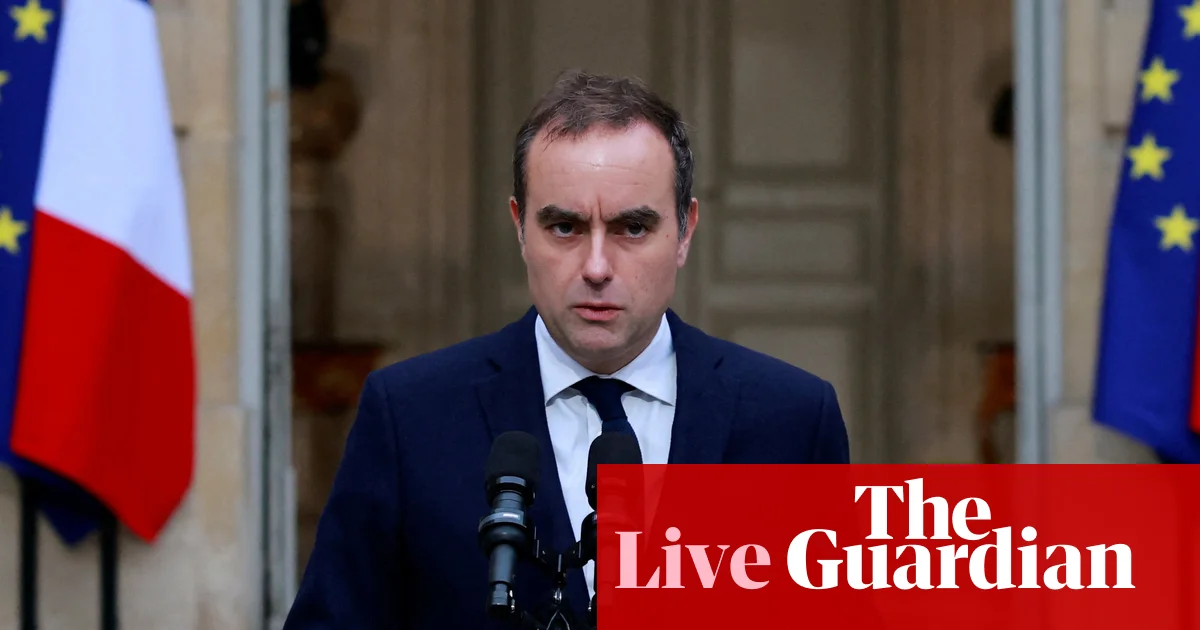
In what can only be described as a deepening crisis within one of Europe’s key nations, France is embroiled in political chaos that threatens its stability and, by extension, the coherence of the European Union. Recent developments reveal a fragile government under President Emmanuel Macron‘s leadership, with the resignation of Prime Minister Sébastien Lecornu marking yet another chapter in a series of tumultuous events since Macron’s re-election in 2022. As the nation grapples with deadlock and discontent, international analysts warn that such internal instability risks emboldening far-right factions like Marine Le Pen’s National Rally, with potentially far-reaching geopolitical consequences.
At the heart of the current turmoil is France’s inability to pass a coherent budget, a dire consequence of a hung parliament and fragmented political alliances. Lecornu, appointed after Macron’s 2022 re-election, has publicly expressed the desire to craft a budget by year’s end, signaling some convergence among diverse political factions. However, the overarching issue remains—the longstanding deadlock has rendered Macron’s presidency increasingly isolated, with mounting calls from within his own camp for early resignation or snap elections. Historian Jacques Dupont notes that this political paralysis could drastically alter France’s constitutional balance of power and erode public confidence.
This ongoing crisis signals a pivotal moment for France and its societal fabric. International institutions such as the European Commission and OECD are closely monitoring the situation, understanding that prolonged instability could destabilize European markets and diplomatic ties. Scholars warn that if Macron’s government fails to reassert control, it could accelerate separatist movements, particularly in territories like New Caledonia, where political tensions have already delayed autonomy negotiations. The possibility of political fractures extending from mainland France to its overseas territories illuminates the complex geopolitics at play.
The recent upheaval in France is reminiscent of historic political crises that reshaped nations and continents. Many analysts draw parallels with de Gaulle’s resignation in 1969, an act that reshaped France’s political landscape and set a precedent for presidential accountability. The potential for Macron’s resignation or the dissolution of parliament could usher in a new era—one fraught with uncertainty but also an opportunity for renewal. As Macron prepares to address the nation, the world watches with bated breath, realising that the unfolding chapters in France’s history may well define the geopolitical contours of Europe for decades to come. The weight of history now rests heavily on the shoulders of its leaders, in a country whose decisions continue to echo across the global stage. As the crisis deepens, the question remains: will France find its way back to stability, or will this turmoil ignite a broader upheaval that reshapes the continent entirely?
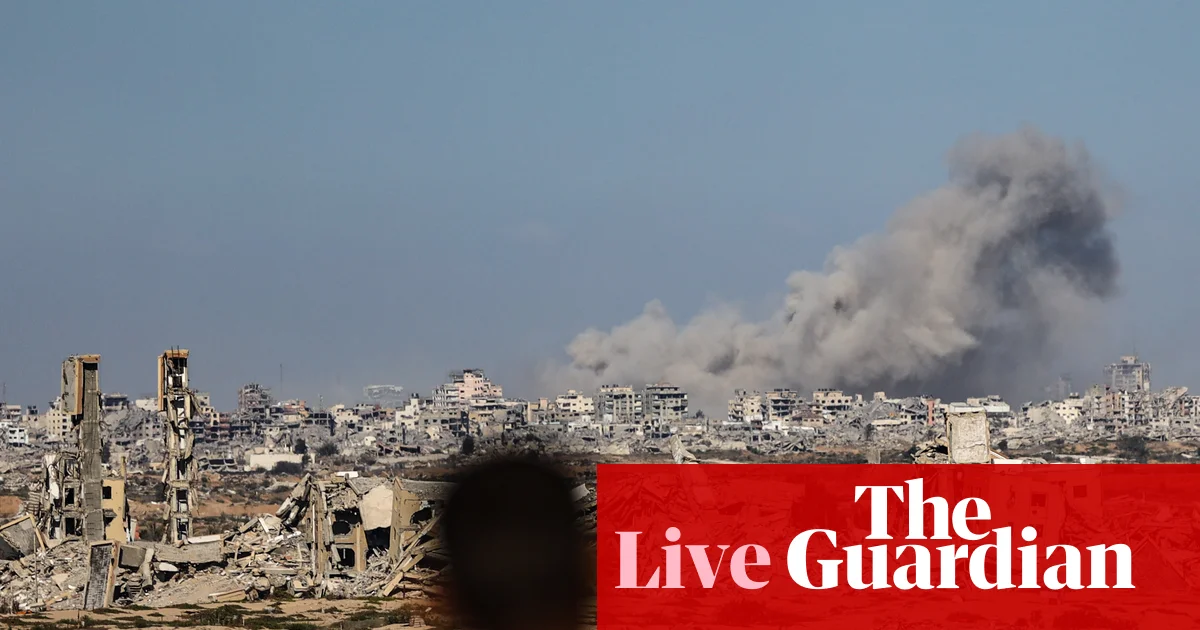
The ongoing crisis in Gaza continues to escalate, drawing increasing international concern over its profound geopolitical impact and the ripple effects felt across the Middle East. Recent events revealed a renewed effort by Israel to enforce its naval blockade, intercepting a new Gaza-bound aid flotilla organized by the Freedom Flotilla Coalition (FFC). Days after the detention of activists aboard vessels attempting to deliver vital humanitarian supplies, Israeli forces reportedly jammed signals and boarded at least two boats, asserting that their actions had no legal jurisdiction over international waters. The coalition, a consortium of pro-Palestinian organizations, contends that these vessels carried over $110,000 worth of medical supplies, respiratory equipment, and nutrition intended for Gaza’s hospitals, which are overwhelmed amid the conflict—a harrowing reminder of the human cost of the blockade.
These maritime confrontations are far from isolated incidents. Just days prior, Israel intercepted approximately 40 vessels in an aid convoy, detaining more than 450 activists involved in the Global Sumud Flotilla. The persistent pattern underscores a growing international debate over Israel’s strict maritime blockade and its impact on the civilian population in Gaza. Critics, including some United Nations officials, argue that Israel’s tactics effectively suffocate a population already suffering from a UN-declared famine and displacement—with over 90 percent of Gaza’s residents displaced according to recent reports. Historians and analysts warn that the continued blockade, paired with widespread military actions, risks further igniting regional instability, especially as diplomatic efforts unfold behind closed doors in Egyptian resorts like Sharm El-Sheikh.
The diplomatic arena remains tense, with U.S., Turkey, and Qatar convening in what many perceive as a last-ditch effort to broker peace. Through indirect negotiations between Hamas and Israel, hosted in Egypt and based on a 20-point plan floated by Donald Trump, the international community’s hopes hinge on what some describe as a fragile window for peace. According to officials, the presence of strategic figures—like Qatar’s Prime Minister Sheikh Mohammed bin Abdulrahman Al Thani, Turkey’s intelligence chief Ibrahim Kalin, and Trump’s special Middle East envoy Steve Witkoff— underscores the high stakes involved. President Trump himself has expressed cautious optimism, stating that “there’s a real chance that we could do something,” emphasizing the importance of securing the release of Israeli hostages and ending the bloodshed.
However, the path toward stability remains paved with violence and disappointment. The anniversary of Hamas’s infamous 7 October 2023 attack, which resulted in over 1,200 deaths—primarily civilians—and the taking of hostages, serves as a stark reminder that conflict remains deeply entrenched. Israeli society commemorates this event with mourning and calls for action, even as some voices warn of the risks of surrendering sovereignty or strategic interests in the face of diplomacy. The global pressure to halt the violence grows, yet the battlefield’s scars deepen, with over 35 arrests reported in West Bank and East Jerusalem by Israeli forces, and hospitals in Gaza struggling to care for newborns denied necessary equipment because of denied transfers from evacuated facilities. Critics argue that Israel’s relentless military response and blockade exemplify a pattern of behavior that some human rights organizations describe as genocidal—a declaration supported by recent UN inquiries.
As history continues to unfold amid these tumultuous events, the weight of impending decisions remains heavy on the shoulders of international leaders. Each diplomatic move, each blockade, and each act of violence shapes a ripple through the geopolitical fabric of the Middle East and beyond. The fervent hope that peace might one day dawn over Gaza is a fragile glimmer amid the shadows of war and history’s relentless march, reminding us all that the story of this conflict is far from written—an enduring testament to a region where the next chapter could redefine the fate of millions.
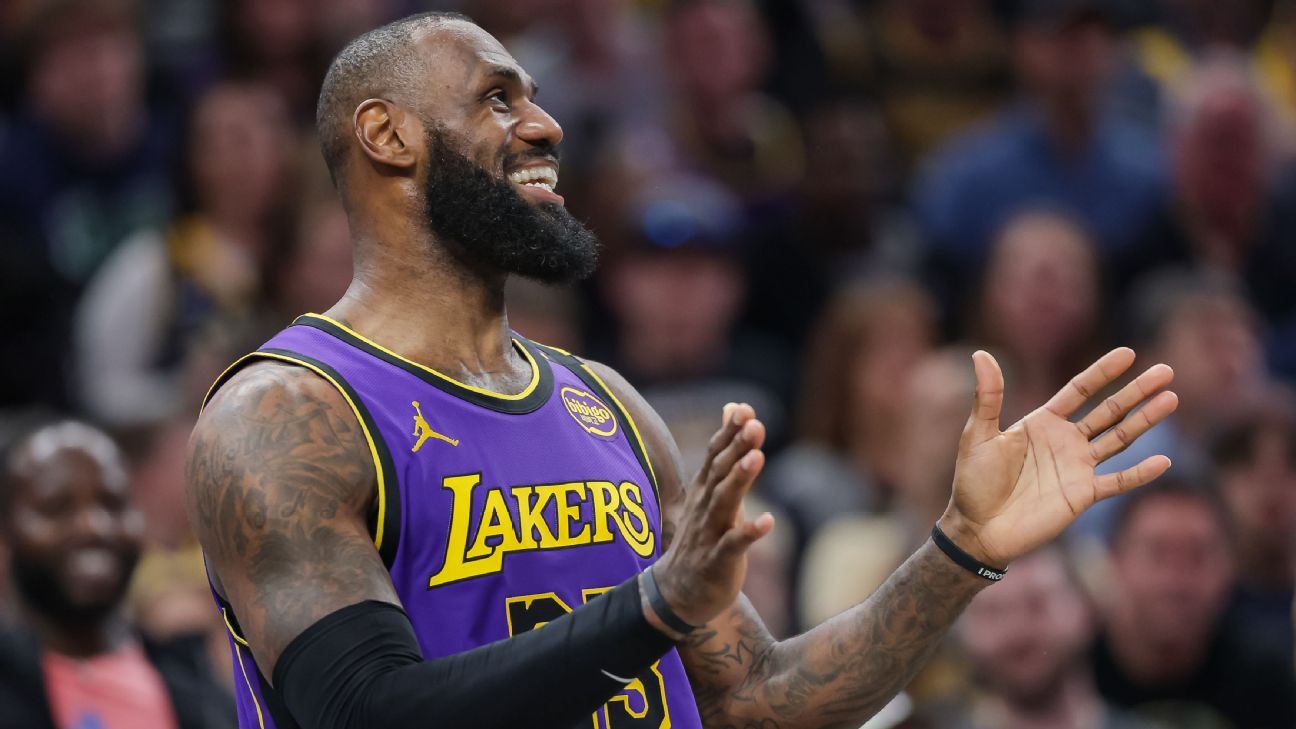
In the wake of LeBron James’s enigmatic social media post titled “The Second Decision,” speculation surrounding his potential retirement has taken center stage in the NBA. However, the Los Angeles Lakers franchise, along with its fanbase, are unfazed by these recent murmurs. Sources close to the team have indicated a strong belief that James is focused on the upcoming season, aiming to lead the Lakers back to championship glory.
During a recent press conference, Lakers head coach Davida Hinson addressed the rumors by stating, “We remain committed to our plans for this season, and LeBron has been a crucial part of that. His leadership on and off the court is invaluable.” The tone was echoed by players like Anthony Davis, who expressed confidence in James’s commitment, noting, “We have unfinished business, and I know LeBron feels the same.”
Despite the uncertainty that often accompanies such high-profile athletes, fans can take comfort in the statistics. Last season, James maintained an average of 30.3 points, sharply demonstrating his enduring capabilities. Furthermore, the Lakers enjoyed a record of 43 wins to 39 losses, showcasing their potential playoff strength. In the spirit of unity that the game fosters, the Lakers are focused on training camp, where they are gearing up for what promises to be an exhilarating season.


