
TRENDING NEWS





Truth Over Trends, always!

The United States under the Trump administration has intensified its stance on immigration, with a focus that increasingly echoes nationalist, right-wing rhetoric. President Donald Trump publically declared a disdain for Somali immigrants, asserting that their presence “goes the wrong way” for the country. During a recent cabinet meeting, he dismissed Somalia as “barely a country” and blamed its societal structure for ongoing instability. These remarks, while seemingly isolated, are part of a broader strategy that amplifies hostilities toward specific immigrant communities, especially in Minnesota, where the Somali diaspora constitutes one of the largest populations worldwide outside Africa.
This surge of anti-immigration rhetoric dovetails with deliberate policy actions. Reports indicate that the US Immigration and Customs Enforcement (ICE) is planning an enforcement operation targeting undocumented Somali immigrants in the Twin Cities—home to about 80,000 Somalis, most of whom are American citizens. Critics, including local leaders, argue that the operation would violate due process, with Mayor Jacob Frey decrying likely breaches of constitutional rights. Meanwhile, officials deny targeting based on ethnicity or race, claiming the focus remains solely on illegal status. Herein lies a critical geopolitical impact: these policies threaten to destabilize a community with deep roots in the U.S., sowing fear and division, while reinforcing hardline narratives that blame immigrant populations for societal issues, rather than addressing systemic failures or external threats.
Historically, Somalia has been beset by civil war and instability since the early 1990s, prompting waves of migration seeking refuge in the West. Yet, the current US policy shift appears to manipulate this legacy, with the Trump administration threatening to terminate the Temporary Protected Status (TPS) granted to Somali residents—an attempt to paint Somali Americans as a security risk amidst ongoing investigations into potential links to militant groups like Al-Shabaab. Analysts warn that such measures not only destabilize Somali-American populations but also risk fueling anti-Muslim sentiment and xenophobia, which can have ripple effects across international diplomacy.
International voices, including Somali Foreign Minister Ali Omar, have publicly condemned the US narrative, condemning it as an unjust scapegoating tactic. The US’s moves are seen by many experts as part of a broader shift in foreign policy where narrative and perception distort reality—blaming poor nations and marginalized communities to justify domestic political agendas. As historians and global watchdogs warn, these policies threaten to deepen societal divisions and undermine America’s own democratic ideals, while emboldening authoritarian tendencies around the world. How the US navigates its immigration policies now will shape perceptions of justice and fairness for decades to come, especially as other nations watch this unfolding story of national identity and border control.
In a stark narrative of cause and effect, the current trajectory leaves the world’s most powerful nation at a crossroads. Will it uphold its founding principles amid rising populism and fear? Or will it succumb to the siren song of exclusion, casting long shadows over the very liberties it once championed? As history watches with a wary eye, the weight of this moment extends beyond border policies into a question of the global order itself. What begins as a debate over immigration may well become the defining chapter—an epoch where the values of openness clash with the currents of nationalism, and where the future of societies worldwide hinges on the choices made today.

Amid the chaos of Myanmar’s ongoing military conflict and political upheaval, a disturbing trend has emerged: the resurgence of opium poppy cultivation, which has surged to its highest level in a decade. The United Nations Office on Drugs and Crime (UNODC) reports a 17% increase in poppy cultivation this year alone, totaling over 53,000 hectares—the largest footprint since the early 2010s. This expansion underscores a grim reality: the illicit drug economy thrives where chaos reigns, fueling not only regional instability but also deeply impacting families, education, and communities across the nation.
This rising tide of illicit cultivation is primarily driven by conflict and economic hardship that continue to plague Myanmar, intensifying poverty and pushing farmers towards the lucrative but dangerous world of opium. As sociologist Dr. Emily Carter notes, “When legitimate livelihoods are destroyed by violence and political upheaval, many farmers turn to illegal crops as a last resort, creating a vicious cycle of dependence and violence.” The expansion of poppy farming in eastern Shan State and Chin State—both regions embroiled in ongoing clashes between military forces and armed groups—reflects the geographic spread and escalation of this social crisis. With the southern Shan State remaining the primary center of cultivation, and new pockets emerging in Sagaing Region, the problem is no longer confined but expanding, threatening to destabilize neighboring countries as well.
However, beyond its economic and political ramifications, the rise of opium cultivation exerts a profound toll on families and communities. Children growing up amidst violence and poverty are often robbed of access to education, their futures dimmed by the specter of addiction and social disintegration. Social commentators warn that the drug economy’s growth undermines human dignity and societal cohesion, making it harder for stable communities to reclaim their sense of normalcy. And while the Myanmar military prepares for an election amid a raging civil war, the UNODC warns that the expansion in cultivation signals a potential for further growth, reinforcing a cycle of despair and violence. Historically, history’s sociologists like Norbert Elias have emphasized how social disintegration feeds on itself in conditions of prolonged conflict—an observation as relevant today as ever.
Addressing this crisis requires more than military or political solutions; it demands a concerted effort to rebuild trust, economic stability, and social cohesion within Myanmar’s fractured landscapes. The challenge remains: to restore hope and opportunity where despair has taken root. As society watches the unfolding tragedy, we are called to reflect on the moral imperative of supporting resilient communities, advocating for just economic reforms, and fostering international cooperation. For these communities, the road to recovery is long, often littered with the shadows of lost innocence and broken dreams. Yet, if society dares to remember the resilience of its youth and the strength of moral resolve, there exists the possibility of turning society’s darkest hour into a dawn of renewal—a testament that even amid chaos, hope endures, waiting quietly for those brave enough to nurture it.

In a striking display of economic paradox, Thames Water, Britain’s largest water supplier, has announced a significant increase in its half-year profits, soaring to £414 million, after suffering a loss of £149 million the previous year. The company’s revenues surged by 40%, reaching nearly £2 billion, largely due to a 31% hike in customer bills approved in April. Yet, beneath these figures lies a looming crisis that could reshape the future of public utilities and major infrastructure management in the UK. Despite recent financial improvements, Thames Water has issued stark warnings, citing “material uncertainties” which cast doubt on its continued viability. Experts warn that the threat of a swift government takeover by special administration regime (SAR) looms if the company fails to renegotiate its staggering debts of £17.6 billion, accumulated over decades since privatization.
This financial turmoil is not merely about corporate mismanagement; it reflects broader geopolitical and societal shifts. Thames Water’s struggles underline how privatised industries, especially those as vital as water, are increasingly vulnerable in a world of economic instability and environmental outrage. The company has come under intense scrutiny because of severe environmental failures—such as sewage leaks—and the associated fines have added billions to its losses. Cases like Thames Water exemplify how legal and regulatory pressures—often driven by domestic political agendas—can hinder the resilience of critical infrastructure. The ongoing debt recapitulation negotiations involve hedge funds like Elliott Investment Management and Silver Point Capital, both based in the US, which have sought up to 15 years of regulatory leniency. This underscores how international financial interests are now deeply intertwined with national utilities, prompting questions about sovereignty and control.
As Thames Water edges toward a potential nationalisation, international investors, including hedge funds and traditional asset managers, are in a position to influence the strategic direction of the UK’s infrastructure. This situation exemplifies a disturbing pattern where global financial institutions increasingly control essential services while national governments hesitate to intervene decisively. Critics argue that such interference risks undermining national sovereignty and public accountability. The UK government has, so far, avoided granting regulatory leniency to the debtors, fearing that succumbing to investor demands could set a dangerous precedent, effectively handing over control of critical resources to foreign financial interests. This tug-of-war accentuates a broader debate about how the West manages its strategic infrastructure in an era of financialisation and geopolitical upheaval.
Historian Niall Ferguson and analysts from the International Monetary Fund warn of a growing trend where economic vulnerabilities in privatised sectors can be exploited during times of crisis. As Thames Water struggles with environmental scandals and financial instability, many question whether these are isolated crises or symptoms of systemic vulnerabilities embedded within Western infrastructure models. The ongoing negotiations reflect a broader international challenge—finding a balance between capital interests and the public good. The decision to potentially nationalize Thames Water could have ripple effects across other privatised industries, prompting governments worldwide to reconsider models that have long prioritized shareholder profits over societal resilience.
The final chapters of Thames Water’s saga remain unwritten, but the narrative underscores how intertwined economic stability, environmental accountability, and geopolitical strategy have become. Thrust into a crucible of debt, environmental fines, and foreign investment, the UK’s approach to infrastructure management is at a crossroads. If the government chooses to seize control, it risks setting a precedent that could embolden or alarm other nations contemplating similar moves. Conversely, a failure to resolve Thames Water’s crisis could result in a catastrophic collapse, leaving millions without reliable services and further destabilizing the national economy. As Britain and the global community watch closely, the story of Thames Water reminds us that in the rapidly changing arena of international power, decisions about one utility can echo through the corridors of history—shaping society, sovereignty, and security for generations to come.

In a bold move that underscores the accelerating pace of innovation in digital health, Healthify, a startup backed by Vinod Khosla, has launched an advanced iteration of its AI health assistant, Ria. This new version integrates voice interaction, real-time camera input, and persistent memory features designed to redefine how users engage with health data. At a time when disruption in healthcare technology is critical, Healthify’s latest innovations exemplify the push toward seamless, AI-driven health management, with implications stretching across markets and platforms.
The upgraded Ria demonstrates a significant leap forward in conversational AI technology. Incorporating live voice interactions and camera-based food logging — using devices like Meta’s Ray-Ban smart glasses — it fosters a more intuitive, human-like engagement. The company’s goal is to create an ecosystem where users can effortlessly access insights, generate tailored exercise plans, or log goals, all within a single session. This move away from traditional apps toward conversational interfaces positions Healthify as a disruptor, pushing the boundaries of what AI can achieve in real-world health applications. As Tushar Vashisht, CEO of Healthify, explained, the team trained Ria on years of conversational data, ensuring grounded, actionable advice grounded in real interaction history.
The implications extend beyond just individual health tracking. By integrating AI deeply into user onboarding and long-term memory, the company is positioning itself to deliver hyper-personalized recommendations that evolve with users’ health journey. Looking ahead, the prospects for AI in healthcare extend into strategic partnerships, with Healthify aiming to collaborate with device manufacturers for data integration and to develop GLP-1-based weight-loss programs. As Peter Thiel and other tech visionaries have argued, the next wave of innovation will heavily rely on bridging unstructured health data and providing personalized, context-aware insights at scale, which Healthify appears poised to capitalize on.
Additionally, the company is enhancing collaborative features by enabling its assistant to function within conversations with health professionals, including voice transcription and data retrieval. This not only increases efficiency but also disrupts traditional consulting models, enabling real-time data sharing and analysis. By developing a persistent memory layer atop OpenAI’s models, the startup aims to give its AI an almost long-term cognitive makeup, which could revolutionize patient-provider interactions, making them more continuous and integrated. With more than 45 million registered users and several million active monthly participants, the scale and ambition suggest a future where AI-driven health ecosystems are the new norm, forcing traditional healthcare providers and tech giants alike to adapt swiftly.
As the industry moves into this new era marked by AI-driven personalization, the urgency for startups and established players to innovate or be left behind becomes clear. Healthify’s aggressive expansion plans, including a $20/month AI-powered plan and forthcoming partnerships, demonstrate that the market’s trajectory is unmistakable. This technological disruption compels competitors to re-evaluate their strategies and accelerates the push toward an integrated, AI-enabled health infrastructure. In an environment where data privacy, accuracy, and seamless user experience are paramount, the stakes have never been higher. Industry watchers and investors alike must recognize that the race for dominance in this space is now in full throttle, with the winners set to shape the future of healthcare for decades. The window to lead this transformative wave is closing fast — those who act decisively will determine the next chapter of digital health innovation.

Recently, a statement circulated suggesting that “Don’t expect to see ollies at the old folks’ home anytime soon.” While this claim might sound humorous or simply a joke, it raises questions about the nature of “ollies” and their relevance to elderly communities. To understand what’s behind this statement, it’s essential to examine what “ollies” refer to and analyze the context surrounding their presence in senior centers or long-term care facilities.
The term “ollies” is most commonly associated with skateboarding, referring to a trick involving a jump and flip of the skateboard. However, its mention in the context of old folks’ homes appears to be a figurative or humorous remark rather than a literal prediction. Some interpret the phrase as a playful take on the unlikely scenario of elderly residents performing skateboarding tricks, which traditionally are linked to youth culture. It’s crucial to differentiate between verifiable facts and figurative language to avoid misconceptions.
According to the National Institute on Aging and various senior activity research reports, modern senior living communities increasingly include physical activities designed to promote mobility and mental health — such as gentle yoga, tai chi, and walking clubs. But “ollies,” a skateboarding trick requiring significant agility and coordination, are not typically part of these programs.”
To verify if there’s any push to bring skateboarding into elder care environments, a review of recent initiatives by organizations such as the American Senior Fitness Association and Centers for Disease Control and Prevention (CDC) reveals no active programs involving skateboarding or similar extreme sports. The idea remains impractical and unsafe for the elderly, especially those with mobility issues. Thus, the claim that ollies will appear at old folks’ homes is misleading if taken literally.
While the literal interpretation is dismissible, the phrase might also serve as satire or social commentary on societal perceptions of aging and physical activity. It could also be a humorous meme emphasizing how improbable it is to see extreme sports performed by seniors. Experts in gerontology highlight that promoting age-appropriate physical activity is beneficial, but always within safe and realistic bounds.
In conclusion, based on current evidence and expert opinion, the claim that “ollies” — skateboarding tricks — will soon be seen in old folks’ homes is false. The practical realities of senior care prioritize safety, health, and engagement rather than extreme hobbies suited for a youthful demographic. Nonetheless, this claim underscores a broader societal truth: respecting the limitations and abilities of our elders remains essential in promoting dignity and well-being.
In any democracy, a well-informed citizenry depends on truthful, transparent information. Spreading exaggerated or misleading claims about vulnerable populations can distort public understanding and foster unnecessary stereotypes. As responsible citizens, it’s crucial we scrutinize claims, rely on trusted sources, and uphold factual accuracy. Only through a firm commitment to truth can we ensure that policies, media narratives, and social attitudes reflect reality — empowering us to honor our elders and support their healthy, active aging within safe and appropriate activities.
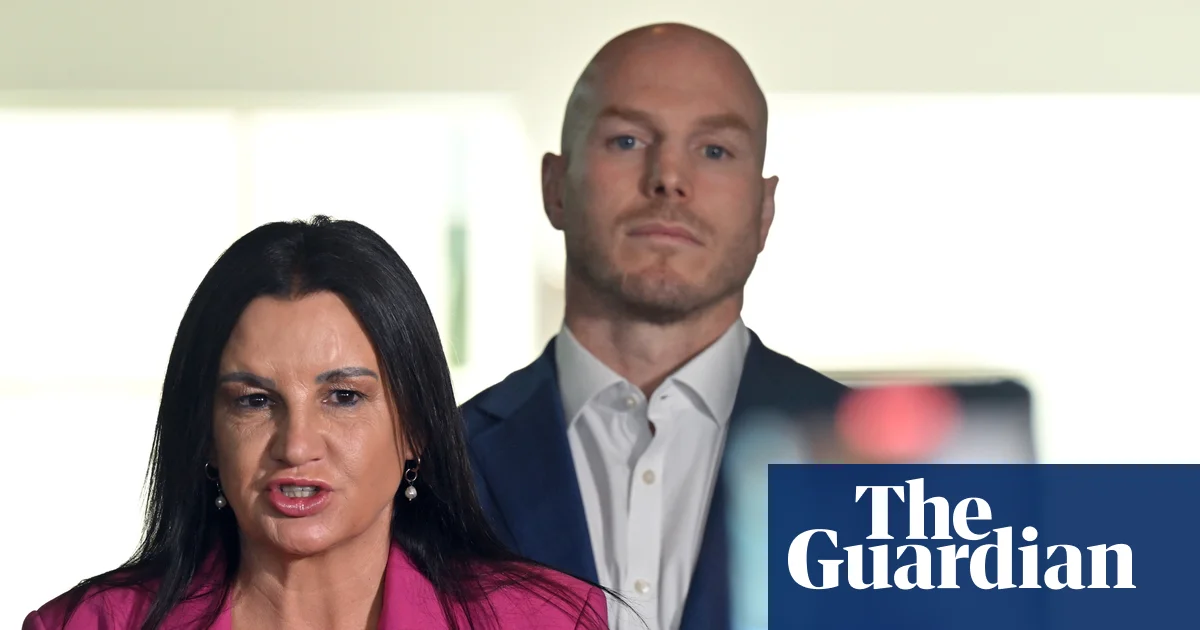
In what could mark a significant shift in Australia’s democratic landscape, the Albanese government has proposed a controversial overhaul of its Freedom of Information (FoI) regime. The proposed legislation aims to introduce fees for FoI requests, significantly reduce the scope of accessible documents, and impose strict processing time limits. Critics warn that these changes threaten the very foundation of accountability, echoing fears that secrecy will supersede transparency. Despite the government’s assurances that the reforms target frivolous and AI-generated requests, opposition and crossbench senators depict the plan as an erosion of citizens’ rights and a step toward government opacity.
Led by a Labor-dominated Senate inquiry, proponents argue that the measures are necessary to curb unwarranted demands on public resources and shield sensitive policy discussions from undue exposure. The amendments include a transfer from the current 30-day response window to a more restrictive business days timeline, along with a 40-hour cap on processing individual requests. These provisions, aimed at streamlining bureaucratic procedures, are met with skepticism by opposition voices who contend that the real impact will be a decline in government transparency and an increase in administrative barriers for citizens seeking information. Increasingly, international observers look at Australia’s evolving foi policy in the context of a broader global trend—governments tightening control over information to defend national interests, whilst critics warn of safeguarding elitist privileges at the expense of public accountability.
Historians and analysts warn that such moves are not isolated but part of a broader, pattern of democratic backsliding observed across Western nations. According to the International Transparency Agency and key political analysts, the current push can be understood as an attempt by governments to regulate the flow of information in an era dominated by AI and digital manipulation. The United States and United Kingdom, for instance, have enacted similar restrictions amid concerns over data overload and misinformation. Critics argue that these policies serve to fortify political control, marginalize investigative journalism, and impede the public’s right to scrutinize power structures. As opposition voices warn of a “dysfunctional and broken” FoI landscape, a report by the Office of the Australian Information Commissioner highlights the overreach of current limitations, emphasizing the need for reform that balances transparency with security. Yet, the real risk remains—how long before these carefully crafted restrictions morph into a shield for corruption and abuse of power?
As Australia’s legislative drama unfolds, the question extends beyond national borders: what does this mean for global democracy? Will other nations follow suit, trading transparency for security in a world increasingly tense and divided? The debate echoes through halls of power, with some warning that history is repeating itself—where the suppression of information signals the ascent of authoritarian tendencies cloaked as protective measures. The outcome of this legislative battle could set a precedent—either reaffirming the enduring right to information or sealing a future where the populace remains blindfolded to the machinations of their leaders. As the dust settles, the weight of history presses heavily upon the present—reminding us that the fight for transparency is not just national, but a universal struggle for the soul of democracy itself.

As Major League Baseball’s offseason progresses, attention turns to the hot stove discussions surrounding the league’s most coveted free agents and trade candidates. The anticipation amplifies as teams seek to bolster their rosters for the 2024 season. With numerous franchises eyeing potential game-changers, this winter promises to be anything but quiet.
Among the most talked-about free agents is Cody Bellinger, whose recent resurgence has drawn considerable interest. After battling injuries, Bellinger rebounded with a stellar performance, hitting .307 with 26 home runs last season. Commentator John Smoltz stated, “Bellinger has the potential to be a cornerstone player for any team that signs him. His blend of speed and power makes him a top target this offseason.” This performance has positioned Bellinger as a potential key acquisition for teams looking to enhance their offensive lineup.
Additionally, trade talks swirl around Juan Soto. The young outfielder, known for his exceptional on-base skills, has had teams buzzing with speculation about his future. With the Washington Nationals potentially looking to rebuild, Soto could become available to the highest bidder. Analyst Buster Olney remarked, “Soto represents a generational talent. Any team that trades for him must be prepared to part with substantial assets.” This fish-in-a-barrel scenario has created a frenzy among general managers eager to secure his services.
The chatter surrounding free agents and potential trades reflects a broader narrative that transcends numbers and statistics. While teams vie for championships, the true power of sports lies in their ability to unite fans and communities. From the young players working tirelessly to make their mark, to the seasoned veterans passing on wisdom, baseball fosters a sense of belonging transcending mere competition. As the offseason unfolds, every transaction will echo not just in box scores but also in the hearts of those who live and breathe the game.

In an era defined by rapid technological change and the geopolitical reshuffling of influence, nations are wielding digital policy as a new frontier for asserting sovereignty and shaping societal structures. Recent developments in Australia exemplify this shift, as the government enforces a stringent under-16s social media ban, signaling a clear intent to regulate the digital landscape in favor of protecting younger generations. Under the leadership of Minister Anika Wells, Australia aims to pre-empt online harms and has threatened hefty fines of up to $50 million against platforms that fail to comply – a move that underscores how digital sovereignty is becoming a matter of national security.
This stringent approach has sparked significant debate among international analysts and organizations. Critics argue that the laws “fundamentally misunderstand” how children access and use social media, with Google’s warning that these regulations risk making children less safe online rather than safer. Despite these concerns, Australia’s stance demonstrates a willingness to exert control over digital spaces that transcend borders. The government’s strategy involves a phased implementation, with platforms like Lemon8— owned by ByteDance, the parent company of TikTok— voluntarily restricting users to those over 16, in a move seen as a cautious step in the broader attempt to shield minors from digital exploitation. Such policies reflect a global trend where nations are trying to set digital boundaries that align with national values, even as tech giants resist.
Eyes across the world are watching Australia’s aggressive push for digital regulation, as it reveals both the extent of state influence and the contentious fight over global digital authority. International organizations such as the United Nations and the World Economic Forum have been vocal about “protecting children online,” positioning this as a key element of broader social policies. However, critics, including prominent historians and free-market analysts, warn that heavy-handed regulation could set troubling precedents. The potential for data privacy breaches, censorship, and the erosion of free expression looms large, threatening long-term societal freedoms. These interventionist policies are often viewed as part of a broader geopolitical power struggle between Western liberal democracies and emerging regional powers flexing their digital sovereignty muscles.
Meanwhile, the United States’s technological giants face mounting pressure as lawmakers investigate how algorithms target vulnerable youth to maximize engagement— a practice critics say contributes to mental health crises and social fragmentation. As European Union regulators tighten their grip with the Digital Services Act, the shared goal is clear: establish control over transnational tech companies and their ability to influence cultural and social norms. The debate centers on how much oversight is necessary and whether sovereign governments should dictate the digital environment or whether the influence of Big Tech should be curtailed at the international level.
As governments push forward with regulation and surveillance, some see these efforts as decisive steps towards a new era of digital nationalism. The stakes are immense; decisions made today will not only influence the fate of online safety but also determine the geopolitical landscape’s future. Historians and foreign policy analysts warn that unchecked regulation could lead to increased digital fragmentation, prompting the rise of regional internet blocks— resembling a “splinternet”— which could disrupt global connectivity, economic stability, and international diplomacy.
Amid these mounting tensions, the narrative remains open: will nations find a harmonious balance between protecting societal values and preserving freedoms, or will these digital battles fracture the global fabric? As Australia, Europe, and The United States each forge their own paths, the world stands at a crossroads. The unfolding story of digital control is not only about technology— it is about the very soul of civilization, testing whether humanity can maintain its collective liberty in an age of unparalleled surveillance and regulation. Still, the pages of history continue to turn, and the outcome remains unwritten— a silent warning echoing that the choices made today will ripple through generations to come, carving the shape of the future society from the edicts written in the digital sands of time.

The recent auction of a Fabergé Egg in London has not only shattered previous records but has also ignited renewed interest in the era of the Russian Imperial family and its enduring cultural legacy. The Winter Egg, a masterpiece of exquisite craftsmanship, fetched an astonishing £22.9m ($30.2m), setting a new worldwide record for any work by the renowned jeweler. This extraordinary piece, crafted in 1913 for Tsar Nicholas II as a gift to his mother, symbolizes the opulence of the last days of Imperial Russia. Its sale highlights the enduring allure of imperial artifacts, but also underscores the complex historical narratives that continue to influence global perceptions of Russia.
Historically, the Fabergé eggs stand as potent symbols of Russia’s imperial grandeur and the aristocracy’s decadence before the upheavals of the early 20th century. International auction houses like Christie’s not only serve as custodians of history, but they also act as focal points for geopolitical symbolism. The high-profile sale comes amid a tense period where Russia and the West remain embroiled in a complex confrontation, replete with economic sanctions, diplomatic standoffs, and a reassessment of Russia’s cultural legacy. Some analysts posit that the record-breaking price underscores a global fascination with the waning days of the Romanov dynasty, coupled with a broader cultural revival of old imperial symbols amidst geopolitical instability.
Reflecting the broader geopolitical impact, the sale of the Winter Egg is not merely a transaction; it is a reflection of shifting alliances, historical memory, and national identity. The West and Russia continue to interpret these artifacts through differing narratives—while some view them as relics of a lost imperial era, others see them as symbols of legacy and cultural resilience. Critical voices from historians and analysts emphasize how these relics influence international relations, sometimes becoming pawns in the ongoing ideological struggle that defines the modern geopolitical landscape. The recent auction is thus seen by many as an almost prophetic reminder that history’s threads—be they of imperial ambition, cultural pride, or political upheaval—are never truly silenced.
As history unfurls in unpredictable chapters, the story of the Fabergé Egg serves as a mysterious relic in an era defined by global tension. Its gleaming facets and delicate artistry mask a complex narrative of empire, revolution, and nationhood. The echoes of the Romanovs and their decadent legacy reverberate through time, shaping the discourse of power and influence that will ultimately decide the future of nations. In this unfolding story, the weight of history persists, a silent witness to the profound transformations that continue to sculpt the world order—where every artifact, like this rare masterpiece, bears witness to an epoch that refuses to be forgotten.

In an unfolding saga that captures the attention of global geopolitics, Guinea-Bissau finds itself once again at a crossroads of military intervention and political upheaval. The West African nation, famed for its history of at least nine attempted and successful coups since independence in 1974, saw a dramatic military takeover last Wednesday, marking yet another chapter in its turbulent history. Military officers announced they had seized control amid gunfire near the presidential palace, arresting President Umaro Sissoco Embaló and reportedly halting the electoral process. These actions have left the international community, particularly regional authorities, grappling with the uncertain legitimacy and potential consequences of this unexpected power shift.
The circumstances surrounding the coup have sparked widespread scrutiny and skepticism among analysts, civil society, and neighboring nations. While the military claimed to act to prevent a foreign-backed plot involving drug traffickers—an accusation that aligns with Guinea-Bissau’s notoriety as a drug trafficking hub—their language was notably ambiguous, insisting they were not executing a traditional coup but were instead thwarting destabilization efforts. The military’s declaration that they had ‘taken control’ yet refused the label of “coup” underscores the complex, often contradictory narratives fueling mistrust about the true motives. International organizations, including the Economic Community of West African States (ECOWAS) and global watchdogs, have urged caution, warning that such instability could further entrench the country’s fragile institutions and undermine regional stability.
The day before the takeover, Guinea-Bissau had concluded a presidential election in which Embaló sought a second term. However, the release of the election results was abruptly suspended following the military’s intervention. Opposition figures and civil society questioned whether Embaló, who quickly flew to Senegal after the coup, might have orchestrated the event to prevent unfavorable election outcomes. Some critics argue that Embaló has a history of fabricating coup attempts to justify authoritarian control, a tactic testified by his dissolution of parliament after previous alleged coup plots. The appointment of military figure Gen. Horta N’Tam as transitional leader—a close ally of Embaló—further fuels suspicions that the current regime is driven more by manipulation and personalities than by genuine democratic intent.
For West Africa, Guinea-Bissau’s ongoing instability signals a warning: fragile democracies easily fall into cycles of military interference, threatening regional security, especially in a time when international powers edge closer to involvement. The international community is watching with concern, wary of a scenario where political chaos facilitates drug trafficking and organized crime, further destabilizing the region’s fragile security landscape. Historians and analysts warn that repeated coups serve as setbacks for national sovereignty and democratic consolidation, with potential for long-term instability that can spill into neighboring countries—exacerbating tensions and worsening social unrest. The swift departure of Embaló to Congo-Brazzaville, coupled with Nigeria’s granting asylum to opposition figure Dias, exemplifies the fluid, unpredictable nature of this crisis and underlines the mounting international stakes.
The reactions from Guinea-Bissau’s populace are a mixture of hope and despair, reflecting a nation exhausted by decades of military meddling. Large protests demand the release of detained political leaders and the publication of election results, signaling a desire for genuine democratic processes. Civil society groups have called for strikes and civil disobedience, advocating for a return to electoral transparency. Yet, the palpable tension underscores a societal fracture; some residents see the military’s intervention as a necessary evil, assuming a temporary transition might restore order amidst chaos. The question remains: will this power vacuum be filled with true authority that steers Guinea-Bissau toward stability or further derail its fragile institutions?
As the world’s eyes fixate on this unfolding crisis, the lessons of history resonate deeply. Guinea-Bissau’s latest events echo the cautionary tales of African nations where military coups frequently derail nascent democracies, leaving scars that take decades to heal. The crossroads before Guinea-Bissau is not merely about who holds power but about the future direction of its society, sovereignty, and regional stability. The decisions made in the coming days—by military leaders, civilian institutions, and international actors—will echo in history, perhaps sealing the fate of a nation caught in the relentless tide of upheaval. This is the hour of reckoning, amid the shadows of past failures and the fragile dawn of renewed hope.


