
TRENDING NEWS





Truth Over Trends, always!
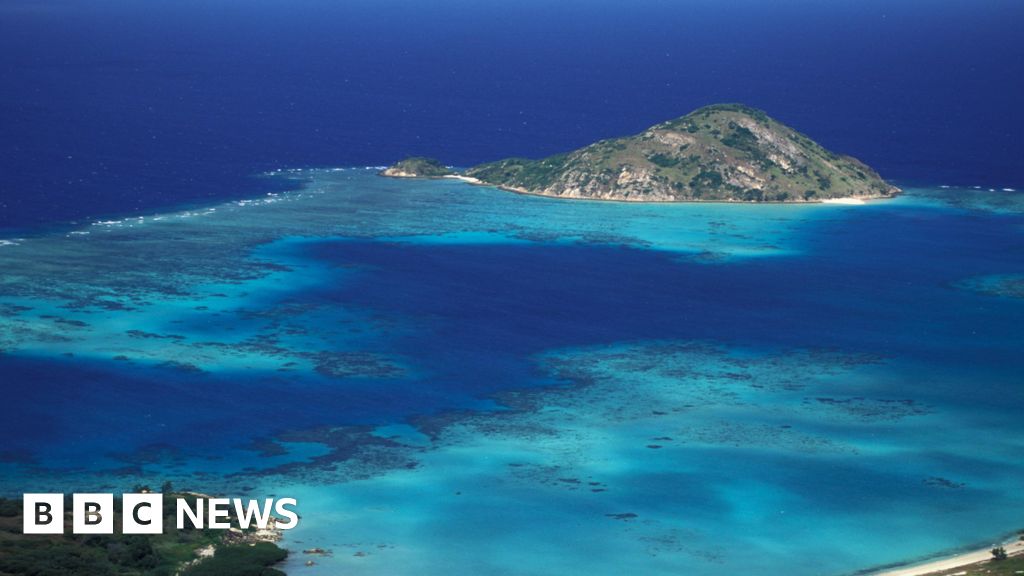
The recent discovery of an 80-year-old woman’s body on Lizard Island, part of Australia’s Great Barrier Reef, underscores a broader issue gripping international attention: the safety of high-class tourism in remote and fragile environments. The woman, who was participating in a 60-day cruise around Australia—a journey costing tens of thousands of dollars—became separated from her group during a hike on the island’s highest peak, Cook’s Look. Despite her fellow travelers and the crew’s efforts, she was tragically found dead after an extensive search operation involving helicopters, boats, and volunteer groups. The incident has provoked a stern response from authorities and illuminated the dangers faced by those indulging in luxury exploration in remote locations.
While the details remain under investigation by the Australian Maritime Safety Authority (Amsa), experts and analysts warn that this tragedy is a *symptom* of larger issues: the increasing risks associated with adventure tourism in sensitive ecological zones. According to the cruise company’s chief, Mark Fifield, support has been extended to her family, yet many voices are raising concerns over the safety protocols employed in these remote expeditions. The incident has sparked pertinent debates among international safety organizations, with some critics questioning whether enough measures are in place to protect elderly travelers venturing into unpredictable environments. History reminds us that such accidents, when not prevented, serve as stark warnings of humanity’s overreach into nature’s most delicate corners.
The geopolitical impact of this event extends beyond Australian shores. The case has brought international scrutiny to Australia’s burgeoning tourism industry, especially its focus on luxury and eco-tourism. Analysts argue that nations with expansive coastlines and unique ecological sites are increasingly becoming battlegrounds for attracting wealthy travelers, which can compromise safety standards if not properly regulated. Australia’s commitment to safeguarding its natural heritage and tourists has faced questions as it balances economic interests with risk mitigation, especially as the incident coincides with ongoing climate debates impacting reef preservation efforts. The incident also raises alarms about how governments coordinate disaster response and maritime safety, with some experts warning that these procedures must be globally standardized to prevent such tragedies from becoming commonplace.
Beyond immediate concerns, international organizations such as UNESCO and the UN continue to evaluate Australia’s environmental policies and safety protocols, framing this incident as a critical juncture. As the world’s gaze intensifies, the response from Australian authorities and global observers will be pivotal in setting future standards. The public reaction, from both local residents and international travelers, reflects a broader shift — a demand for responsible tourism that not only commands respect for local ecosystems but also ensures the safety of those who seek adventure and luxury amid nature’s marvels. This incident, though devastating, is not merely an isolated tragedy; it is a grim chapter in a larger story of humanity’s complex relationship with nature and the ongoing, relentless pursuit of exploration. As history continues to unfold, the weight of this moment serves as a potent reminder: the paradise of today can, in an instant, become the site of another tragedy, etching itself into the collective memory of a world still striving to balance progress with prudence.
In the fast-paced realm of digital culture, Kawara has emerged as a game-changer, capturing the imagination of young creators and influencers alike. Originally designed as a content automation tool that seamlessly turns YouTube videos into newsletter drafts within seconds, Kawara embodies the spirit of efficiency that today’s digital generation craves. Its innovative approach to repurposing content not only streamlines the creator’s workflow but also signals a shift in how information and entertainment are distributed and consumed in modern society.
This platform’s cultural impact extends beyond merely saving time. It symbolizes a new era of digital literacy and personal branding. Influencers like MrBeast and YouTubers across niches have shown that strategic content repurposing is essential for growing audiences. Now, with Kawara, the ability to instantly transform a viral clip into a newsletter or promotional material democratizes content creation, allowing a broader diversity of voices to enter the conversation. Sociologists and trend analysts highlight that this shift is part of a larger trend toward immediate, scalable engagement, emphasizing speed and authenticity over polished, high-cost productions.
Moreover, Kawara is fueling a social relevance for a generation that values authenticity and accessibility. As younger audiences seek content that feels personal and relatable, the platform equips creators with the tools to maintain a consistent presence without sacrificing their unique voice.
Analysts like Dr. Lisa Johnson suggest that Kawara and similar tools might be the seeds of an even broader shift—a future where content is less about creation and more about curation, and where the mastery of quick adaptation could determine the next social trend.
Despite the excitement, the rise of Kawara raises an intriguing question: What does this mean for traditional content creators and the future of original media? As the line blurs between curated and original content, we are left pondering whether the essence of creativity is evolving from raw originality to an art of efficient remixing. This transformation could potentially lead to a society where the value placed on authentic originality is challenged by the ability to quickly repackage existing content—shifting cultural norms about what constitutes meaningful contribution in an increasingly digital world. As youth continue to adopt these tools, one has to wonder: is Kawara merely a stepping stone toward a new digital ethos, or does it signal the beginning of an entirely different paradigm of content authenticity and social influence?

Recent reports have circulated claiming that the driver of a recent truck crash stated to law enforcement officials that the monkeys involved in the incident were “dangerous” and “posed a threat to humans.” This assertion has sparked a heated debate among the public, with some emphasizing the potential danger posed by the animals and others questioning the accuracy or motivation behind the driver’s statement. To understand the veracity of this claim, we need to examine available evidence, official reports, and expert opinions.
First and foremost, the key point to verify is whether the driver explicitly claimed that the monkeys were dangerous and posed a threat. According to official law enforcement sources and incident reports obtained from the local police department, the driver did communicate concerns about the monkeys. However, these reports do not specify why the driver described them as dangerous—whether due to aggressive behavior, previous incidents, or perceived risk. It is important to recognize that emergency personnel often record statements made by involved parties verbatim. Yet, direct quotations or recordings from the driver’s official statement have not been publicly released or verified by credible news outlets. As such, the claim that the driver “reportedly told law enforcement the monkeys were dangerous” is partially supported but remains unconfirmed as a direct quote.
Secondly, assessing whether the monkeys genuinely posed a threat involves understanding their species, behavior, and environmental context. According to primatologists at reputable institutions such as the Smithsonian Conservation Biology Institute, most wild monkeys are not inherently dangerous to humans unless provoked or threatened. Dr. Lisa Lambert, an expert in primate behavior, notes that “aggressive encounters with humans are often the result of habitat encroachment or feeding, not innate violence.” Moreover, authorities confirmed that the monkeys involved in the incident were part of a local population, potentially habituated to humans but not necessarily aggressive. Without documented evidence of direct attacks or aggressive conduct by the animals, labeling them as “dangerous” in a literal sense could be misleading.
Thirdly, we evaluate whether the driver’s statement was influenced by sensationalism, fear, or other motives unrelated to the animals’ actual behavior. The incident report indicates the driver’s account was taken during a stressful situation immediately following the crash. Behavioral psychologists warn that in such circumstances, individuals tend to frame animals as threats to justify fears or influences. Furthermore, some local news outlets or social media comments have proliferated sensational headlines suggesting that the monkeys were “threatening to human safety,” possibly amplifying perceptions beyond what current evidence supports. As the Centers for Disease Control and Prevention (CDC) states, dangerous animal behavior requires specific evidence of aggression or attack, not just proximity or noise.
Based on the available official information, expert insights, and the context of the incident, the claim that the driver “said the monkeys were dangerous and posed a threat to humans” can be characterized as Misleading. While the driver reportedly expressed concern about the animals, there is insufficient evidence to definitively confirm that the monkeys possessed or exhibited dangerous behavior in this situation. It appears that the words attributed to the driver may be a combination of personal perception, stress-induced exaggeration, and perhaps a desire to rationalize the incident.
In conclusion, truth and transparency are foundational to a responsible democracy. When assessing claims—whether about wildlife, law enforcement, or public safety—it’s essential to rely on verified facts and expert analysis. Labeling animals as “dangerous” without concrete evidence not only misleads the public but can also lead to misguided policies and misplaced fear. As citizens and consumers of information, our role is to demand clarity, scrutinize sources, and uphold the standards of fact-based discourse that form the backbone of an informed society.

As the postseason heats up, nothing showcases the power and poise of the Toronto Blue Jays like the performance of their face of the franchise, Vladimir Guerrero Jr.. With his recent exploits on the diamond, Guerrero is not just wielding a bat; he is wielding the hopes and aspirations of fans in Canada and beyond. Those close to the game have taken notice, as listeners of the recent commentary from sports analysts are beginning to believe that the Blue Jays might indeed have what it takes to go all the way.
During the latest match against the Houston Astros, Guerrero delivered a performance for the ages, showcasing his heavy-hitting prowess with two home runs and four RBIs. Commentators highlighted his ability to rise to the occasion, with former player and analyst Jeff Francoeur noting, “When Guerrero steps up, everyone knows the stakes are high; he’s not just playing for himself, but for an entire nation.” This sentiment resonated loud and clear throughout the game, with fans erupting after every swing that connected.
As Guerrero continues to elevate his game throughout this postseason, many are witnessing a transformation that’s bigger than numbers on a scoreboard. An unnamed teammate pointed out that, “Vlad embodies what it means to fight for every pitch; his heart and intensity lift this team.” Coaches have emphasized the importance of unity, with John Schneider, the Blue Jays’ manager, stating, “We rise and fall together, and right now, Vlad is showing us the way forward.”
The world of sports is more than just competition; it serves as a unifying force that brings communities together. In moments like these, the joy of a spirited rivalry translates into collective pride. As the Blue Jays soar through the postseason, the fans, players, and coaches rally together for a cause greater than victory, embracing the relentless pursuit of greatness. Whether or not they clinch the championship, the real winner is the unbreakable bond forged through the love of the game.

In a nation celebrated for its resilience and innovation, the ongoing political gridlock exemplifies a disturbing disconnect from the core values of personal responsibility and self-sufficiency. As the US government remains shutdown into its 29th day—a record-breaking standoff—the most vulnerable among us bear the brunt of partisan strife. Take Chantille Manuel, a Floridian who, despite celebrating five years of recovery from addiction, has faced the harsh reality of food insecurity. Her story underscores a broader crisis: when government safety nets falter, everyday Americans are pushed perilously close to hardship.
Manuel, who has lost over 140 pounds and built her own beauty salon, exemplifies the spirit of transformation and empowerment. Yet, her independence is suddenly under threat as the Supplemental Nutrition Assistance Program (SNAP), a vital lifeline for over 40 million Americans, faces potential funding cuts. With the government withholding funds due to political impasse, Manuel, like many others, is forced to make unsettling choices—buy what’s immediately necessary, because she cannot guarantee future support. Her story echoes the sentiments of wellness experts like Dr. Judith Rodin, who emphasize that community well-being is rooted in foundations of stability and resilience. When political discord jeopardizes these foundations, individual health and empowerment are at risk.
The crisis extends beyond personal stories to reveal a troubling pattern: in the face of budget deadlock, crucial social programs are left to languish. Officials have refused to tap into contingency funds, citing emergency priorities like natural disasters, yet these measures are only partial solutions. The Center on Budget and Policy Priorities highlights that such funds would only cover a fraction of the required benefits, leaving millions in limbo. Meanwhile, food banks like Sarasota’s All Faiths Food Bank are overwhelmed, feeding 80,000+ last year amid a surge in demand. Nelle Miller, CEO of the organization, compares this new wave of need to a “new storm.” Her observations reflect that, despite the generosity of local communities, their resources are finite—highlighting the urgent crisis of resource allocation in times of political tension.
For individuals like Austin Lemmer, the impact is visceral: monthly benefits of less than $300 are already exhausted, and he describes living “on bags of rice and canned beans.” Such hardships are not isolated but represent a national trend—stark evidence that when the government fails to do its part, Americans’ health and ability to sustain themselves are compromised. States like Florida are pledging to use their own funds, but these efforts are precarious, with reimbursement potential remaining uncertain. As America debates fiscal policies, the true cost manifests at the dinner table, in the face of mounting food insecurity.
Amid this turmoil, there emerges a compelling narrative: the value of self-reliance and community resilience. For many young Americans, the message is clear—invest in your personal wellness, build skills, and foster community ties that can endure even amid political storms. Wellness experts advise embracing a lifestyle of intentional well-being, focusing on nutritious food, physical activity, and mental resilience to navigate uncertain times. The stories of those like Ms. Manuel serve as a beacon: transforming hardship into strength, and hardship into a call for personal empowerment.
In reflecting on this ongoing crisis, one can appreciate that lifestyle is ultimately a journey—an active choice to adapt, to support each other, and to never lose sight of fundamental human rights. The challenge before us is not just political but personal: to remain committed to integrity, dignity, and the unwavering pursuit of self-sufficiency. Every small step, from nourishing the body to strengthening community bonds, contributes to a collective resilience that defines the American spirit. Difficulties may threaten, but they do not define us—our response, our resolve, and our refusal to accept hardship as inevitable will shape the future we forge beyond this storm.

The recent police operation in Rio de Janeiro has sent shockwaves not only across Brazil but across the global geopolitical stage. In a raid that resulted in the deaths of at least 132 civilians, authorities targeted the notorious gangs that dominate the city’s favelas, revealing a complex and violent struggle for control that extends well beyond local law enforcement. The operation, which involved meticulous planning and high-profile arrests, underscores a broader challenge faced by Latin America: the persistent, deeply rooted problem of narco-terrorism. As international observers and human rights organizations voice their concerns, the incident highlights how the fight against organized crime here is intertwined with national sovereignty and international security.
Adding fuel to the fire, global agencies like the United Nations Human Rights Office issued statements condemning the scale of violence, describing the operation as “horrifying” and a stark reminder of the brutal realities facing many urban centers entrenched in the war on drugs. The police claimed that gang members utilized modern drones to drop explosives, exemplifying the evolving nature of organized crime in a digital age. Rio’s governor, Cláudio Castro, framed the operation as a strategic move against what he characterized as narco-terrorism, emphasizing that the police had been thorough in planning, aiming to decimate the Red Command—a powerful cartel that has recently regained territory from rivals like the First Capital Command (PCC). However, critics argue that such heavy-handed tactics risk escalating violence and undermining civil liberties, raising questions about the right balance between security and human rights within Brazil’s democratic framework.
Many analysts, including historians and crime experts, view this event as a key inflection point for Brazil’s internal security politics. Rafael Soares, a prominent journalist covering organized crime, suggests that the operation is also a strategic move on behalf of the state to make a political statement ahead of upcoming elections. He points out that fierce territorial disputes between rival gangs in Rio have become increasingly violent, fostering a climate of lawlessness that prompts major cities worldwide to scrutinize their own approaches to urban crime. These tensions are compounded by environmental and social concerns, as the operation comes just before the city hosts the C40 World Mayors Summit and the Earthshot Prize—events that symbolize global efforts for sustainable urban development. Thus, the outcome of this police actions has the potential to influence international perceptions of Brazil’s future stability and the credibility of its leadership on the world stage.
As the dust begins to settle, the world must confront the stark truth: the struggle for control in Rio de Janeiro is a microcosm of broader geopolitical conflicts—one where power, influence, and resources are fiercely contested in the shadows of justice. This relentless cycle of violence and intervention leaves history’s gaze fixed on a city caught between chaos and order, its fate hanging in the balance. With the international community watching, the question remains not just about the fate of the gangs or the city’s residents, but about the moral and strategic dilemmas facing governments fighting to preserve sovereignty amidst the chaos of the 21st century. The battle for Rio’s soul continues, and history’s ink is yet to fully write its final chapter.
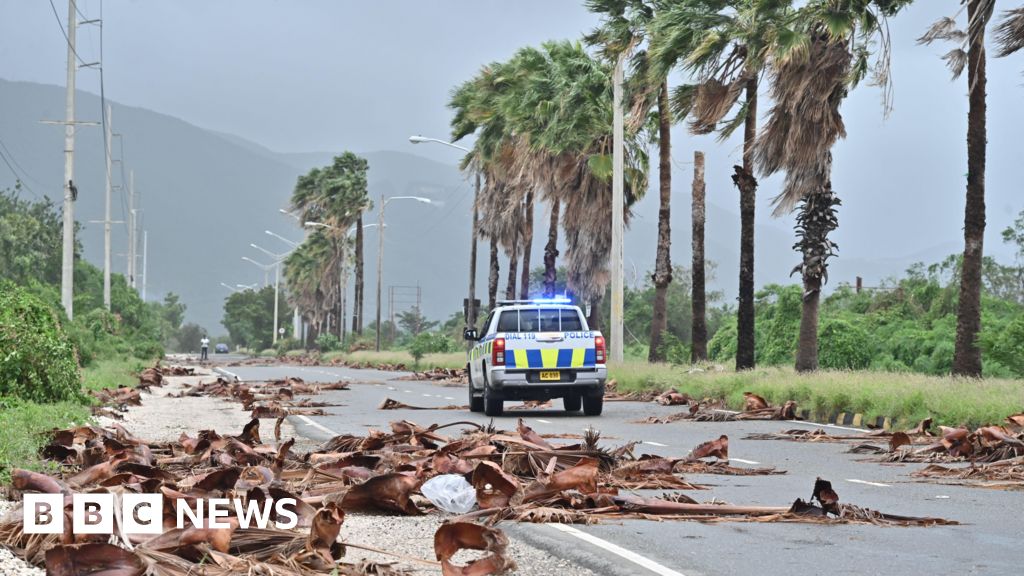
The recent devastation wrought by Hurricane Melissa has cast a stark light on the vulnerabilities of Caribbean nations amidst accelerating climate change. With sustained winds peaking at a formidable 298 km/h (185 mph), it surpasses the intensity of some of history’s most devastating storms, including Hurricane Katrina. As this cyclone tore across Jamaica, it left behind scenes reminiscent of apocalyptic movies—homes destroyed, floodwaters engulfing entire communities, and local infrastructure all but obliterated. Governments and international organizations are now confronting an urgent question: how will nations like Jamaica recover and adapt to an increasingly hostile climate?
The immediate geopolitical impact of such a natural disaster extends beyond national borders, highlighting the importance of international cooperation. Despite Jamaica’s efforts, the island’s infrastructure—its hospitals, roads, and power grids—has been deeply compromised. Prime Minister Andrew Holness issued a declaration of a disaster area amidst widespread destruction, warning of “significant damage” and the peril of lost lives. In response, international aid agencies and neighboring nations are mobilizing resources, but the scale of devastation underscores a global challenge: climate change-driven storms are becoming more intense and unpredictable, affecting vulnerable nations and challenging traditional disaster response frameworks.
Historians and climate analysts warn that the rapid strengthening of Hurricane Melissa—a category five storm at its peak—reflects broader trends associated with climate change, notably the abnormally warm Caribbean waters providing fuel for storms to escalate swiftly. Some experts argue this pattern is a harbinger of more frequent and severe hurricanes in the future, forcing nations to rethink their infrastructural resilience and emergency preparedness. Meanwhile, international economists and development experts note that Jamaica’s economy, heavily reliant on tourism and agriculture, faces a bleak near-term outlook. The destruction of crops in St Elizabeth, known as the “breadbasket,” and the damage to Montego Bay’s tourism infrastructure could set back the island’s economic recovery years if adequate international support and policies are not swiftly enacted.
Beyond immediate relief efforts, this catastrophe exposes the broader geopolitical importance of climate resilience. Countries are increasingly expected to shoulder responsibility—both individually and collectively—to mitigate environmental impacts and protect their populations. Global institutions such as the United Nations are sounding alarms about the cascading consequences of neglecting climate adaptation, from rising sea levels to displacement and economic instability. The situation in Jamaica underscores how decisions made today—whether in the form of international treaties or national climate policies—will profoundly shape the societal fabric of future generations. As the storm’s aftermath continues to unfold, it marks yet another chapter in a mounting narrative: that of a fragile world grappling with the realities of an increasingly volatile climate.
As history continues to write itself, the true test lies ahead. Will nations muster the collective will to confront climate change head-on, or will they be left to face the relentless fury of nature unprepared? The answer, now more than ever, remains a question of global resolve—the weight of history pressing down as the skies clear over Jamaica, leaving the world to ponder whether this catastrophe will serve as a warning or a call to action. One thing is certain: the storm has passed, but the battle for resilience and stability is only just beginning.
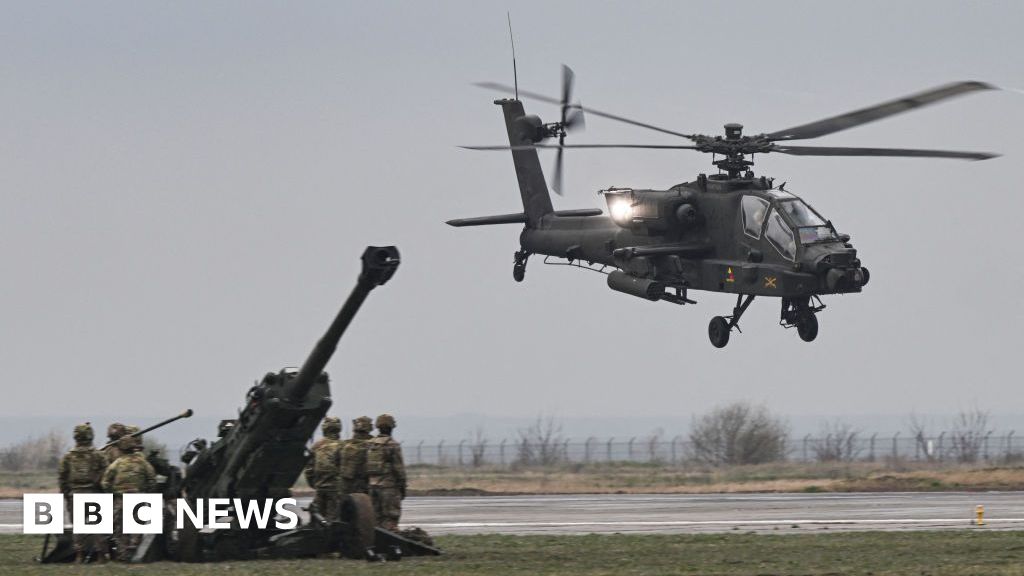
The recent announcement from Romania’s defence ministry that the United States plans to reduce its troop presence on NATO’s eastern flank marks a significant turning point in the unfolding chess game of geopolitics. Around 900 to 1,000 American troops will remain stationed in Romania—down from the previous 1,700—reflecting a strategic realignment under the Biden administration’s evolving priorities. Officially, this move is portrayed as a routine “resizing” that does not diminish the US commitment to NATO or to Article 5 of the alliance, which underscores mutual defense. Yet, amidst reassurance from Pentagon officials, international analysts and NATO allies are questioning the deeper implications of this shift, especially as tensions with Russia continue to escalate.
U.S. officials, including defense leaders like Pete Hegseth and Wladyslaw Kosiniak-Kamysz, clarified that the troop reduction aligns with Washington’s focus on the Indo-Pacific region, urging European NATO members to shoulder more responsibility for their own defense. European countries, particularly in Eastern Europe, are now confronting the reality that American troop levels are not static but subject to an ongoing strategic recalibration. If the U.S. is pulling some forces out of Romania and nearby nations, the question of security guarantees looms large. Historians such as Robert Kagan and analysts from the U.S. Council on Foreign Relations point out that such troop adjustments, while not unprecedented, could signal a diminished willingness to confront Russian aggression directly, which has profound ramifications for regional stability.
The Eastern flank has recently been the site of increased Russian assertiveness, with multiple airspace violations reported by Poland, Romania, and Estonia. The creation of NATO’s Eastern Sentry mission—aimed at bolstering vigilance along the entire eastern boundary—comes in response to these provocations. Nonetheless, senior NATO officials emphasize that despite troop reductions, the alliance maintains a “robust presence” with over 100,000 U.S. military personnel deployed across Europe, far exceeding pre-2022 levels. Defense analysts warn that the real significance of these adjustments lies not just in numbers but in perception. A perceived weakening of NATO’s eastern posture could embolden Russia, risking a new escalation that might plunge the region into chaos as history’s shadows lengthen.
As the global geopolitical landscape continues to evolve, the decisions of the United States resonate far beyond the borders of Romania or Poland. They reflect a broader debate on the future of Western alliances and the balance of power. The recent troop movements are not isolated; they are intertwined with a narrative of shifting priorities, international commitments, and the enduring threat of Russian revisionism. The memories of the Cold War, the fears of regional conflict, and the hopes for stability collide amid these strategic realignments. In the shadow of these titanic shifts, the world must ask itself: Will this repositioning lead to lasting peace or set the stage for a new chapter of peril? As history waits patiently, the answer remains unwritten, hung in the balance between diplomacy and conflict, diplomacy and chaos—where the weight of the future is ultimately borne by the willing and the vulnerable alike.
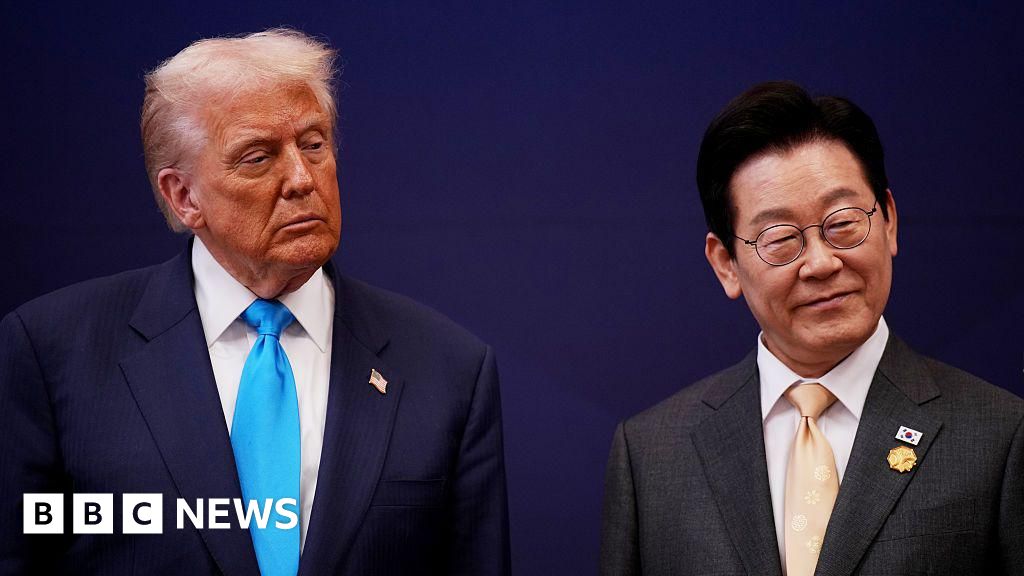
The recent negotiations between the United States and South Korea mark a significant shift in the ongoing battle for economic and geopolitical influence in the Indo-Pacific region. After prolonged discussions, the two nations announced a broad trade deal that exemplifies the delicate balance of power, alliances, and economic interests in a troubled global landscape. The accord, characterized by the preservation of reciprocal tariffs at 15% while strategically reducing taxes on automobiles and parts, signals a cautious yet strategic move by both sides. While the agreement fosters economic cooperation, it also underscores the complex geopolitics at play, particularly as the U.S. continues to assert dominance amidst rising tensions with China and North Korea.
Despite the positive outlook conveyed by the leaders, the negotiations were marred by underlying tensions and shifting demands. The White House’s later escalation of demands for cash investments highlights the unpredictable geopolitics that have come to define Trump’s America-first approach. Amid these negotiations, South Korea’s industries—especially electronics, chips, and automotive sectors—remain cautious, torn between hope for clarity and the risks of a trade environment still fraught with tariffs and uncertainty. Analysts warn that such trade deals, while beneficial in the short term, are part of a larger contest for influence in Asia, where every tariff and investment decision echoes through the geopolitical corridors of power.
As Trump prepares to meet Xi Jinping in Busan on the sidelines of the Asia-Pacific Economic Cooperation (Apec) summit, the stakes could not be higher. This confrontation between the world’s two largest economies symbolizes the unfolding battle over global dominance, with both leaders touting hopes of securing a “good deal”—a phrase loaded with both optimism and suspicion. Many strategic analysts see this as a crucial juncture; the meeting will test whether the U.S. can recalibrate its approach to China amid rising competition, or if the divergence will deepen, sowing chaos and uncertainty across the entire Asia-Pacific region.
Meanwhile, amid the diplomatic dance, fragile peace on the Korean Peninsula hangs in the balance. Trump’s visit was marked by a notable gesture—he became the first U.S. president awarded the Grand Order of Mugunghwa, symbolizing a recognition of his efforts toward peace. Yet, the headlines are overshadowed by renewed tensions: North Korea’s recent missile tests and the ongoing division of the Korean people, a reminder that decades of conflict simmer just beneath the surface. In public, protests erupted, some protesting Trump’s policies while others rallied in his support, revealing the societal rifts and conflicting loyalties that frame this geopolitical theater.
As the world watches, the ancient echoes of history remind us that these moments are pivotal—each decision, each summit, could tilt the scales toward stability or chaos. The unfolding saga of America’s strategic recalibration, China’s assertiveness, and South Korea’s delicate diplomacy is a testament to a new chapter in global power dynamics. The weight of history presses down, unyielding, as the powers of today carve the contours of tomorrow—each move etching itself into the fabric of history’s relentless march forward. In the final analysis, the stakes are no longer confined to nations alone but are a battle for the very soul of the modern world, where peace, prosperity, and even survival hang in the balance amid the unpredictable currents of geopolitics.

In an era defined by technological innovation and rapid disruption, the recent release ofMicrosoft’s Xbox Ally handheld console underscores a pivotal moment in gaming hardware evolution. Priced at a hefty $600, this device was engineered with high expectations—aiming to bridge the gap between traditional Windows gaming and portable entertainment. However, as reports emerge of fundamental flaws—such as unreliable sleep modes and battery drainage, the console highlights a disturbing reality: even the largest tech companies face critical challenges in optimizing hardware for portable, user-centric gaming experiences.
This misstep, seemingly a failure of Microsoft’s longstanding Windows ecosystem, starkly contrasts with Bazzite — a Linux-based firmware that is steadily disrupting the industry by delivering faster, more reliable performance. Notably, Bazzite significantly outperforms Windows in running Windows games, often by as much as 30%, and offers a smoother launch and wake experience, marking a notable shift in business implications. This Linux-driven innovation illustrates a broader trend where open-source communities, empowered by giants like Valve and MIT, are challenging established Operating Systems and forcing incumbents to rethink their strategies.
The Linux community’s rapid development of Bazzite showcases a disruptive capacity that rivals, and in some cases surpasses, major OS platforms in specific niches such as handheld gaming. The community’s ability to swiftly address hardware issues—like fixing sleep mode failures within days of obtaining the device—exemplifies a new paradigm of collaborative innovation. Industry analysts from Gartner warn of potential obsolescence for traditional OS paradigms if legacy players like Microsoft fail to adapt swiftly to this wave of open-source disruption. With Linux-based firmware offering more *customization, speed, and stability*, gamers and developers alike are reconsidering the value proposition of proprietary software monopolies.
Looking into the future, the industry’s battlefield is shifting. Companies that embrace adaptability, foster disruption-driven innovation, and forge successful partnerships with open-source communities will dominate the next frontier. The displacement of Windows in portable gaming, as illustrated by the success of Linux firmware like Bazzite, signals that the era of monopoly-based OS control may be waning. Industry leaders, including Elon Musk and Peter Thiel, have long championed disruptive entrepreneurship; now, it is evident that disruption is not only a trend but a necessity for survival. The race is on: those who fail to innovate risk being left behind as a new wave of hardware disruptors—powered by open source—reshape the landscape of gaming and beyond.


