
TRENDING NEWS





Truth Over Trends, always!
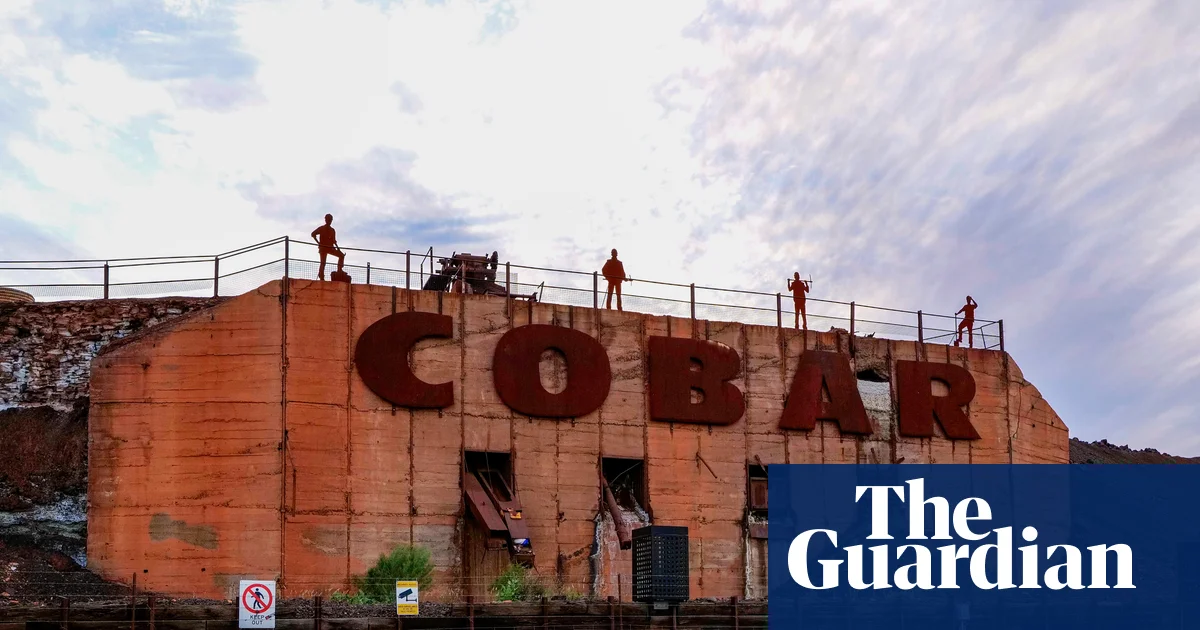
In a devastating incident in the Cobar region of Australia, two workers lost their lives following an underground explosion at the Endeavour Mine. This catastrophe underscores the persistent risks associated with resource extraction industries, even as technological advancements claim to improve safety protocols. According to authorities, emergency services responded swiftly after being alerted early Wednesday morning; however, the magnitude of the explosion resulted in one confirmed death on-site and the subsequent death of a woman who was initially rescued. The incident also left another woman hospitalized with hearing damage and shock, highlighting the ongoing danger faced by miners in hostile underground environments.
This tragedy in Australia resonates beyond local concerns, echoing a broader global discussion on the safety standards within resource-dependent nations. Australian authorities, including NSW Premier Chris Minns and state Minister Courtney Houssos, have expressed their heartbreak and solidarity with affected families. These events serve as a harsh reminder that even in countries with improved safety protocols, vigilance remains vital. As some analyses suggest, the mining sector is a cornerstone of Cobar’s economy, primarily supporting copper, gold, zinc, and lead extraction—industries that are vital for local employment and regional economic stability. Yet, each accident risks not only human lives but also threatens the societal fabric, stirring political debates about regulatory oversight and corporate responsibility.
The incident’s international implications lie in how resource security and safety standards influence global geopolitics. Countries that rely heavily on mineral exports such as Australia find that mining accidents can ripple through global supply chains, affecting industries ranging from electronics to automotive manufacturing. Moreover, Australia‘s role as a strategic resource provider heightens the stakes, especially as global demand for critical minerals surges—driven by alternative energy initiatives and technological innovation. Historically, mining tragedies have occasionally spurred reforms and heightened regulatory scrutiny, but they also underscore the fragility of mining infrastructure amid economic pressures to maximize output.
Experts from international organizations warn that such incidents can undermine critical diplomatic relationships, especially if safety lapses are perceived as neglect or intentional cost-cutting. The World Bank and International Labour Organization have long championed stricter safety standards, but enforcement often falls short amid rising global competition for mineral wealth. While Australia remains a key player in this geopolitical chess game, the incident at the Endeavour Mine might influence future negotiations on trade, labor rights, and environmental regulations, prompting nations to reassess their own resource policies.
As the dust settles over the incident at Cobar, the broader narrative unfolds—a narrative of human resilience, regulatory challenges, and the relentless pursuit of progress at a cost. History has shown that each tragedy on the frontier of resource extraction leaves an indelible mark on national consciousness and international policy. With the investigation ongoing, the mining industry and governments worldwide are reminded that beneath the surface of prosperity lies a fragile balance, one that must be guarded jealously. In the shadows of these dark events, the true test lies not only in justice for the fallen but in the unwavering resolve to forge safer pathways into the future, lest we forget the lessons written in the scars of history.
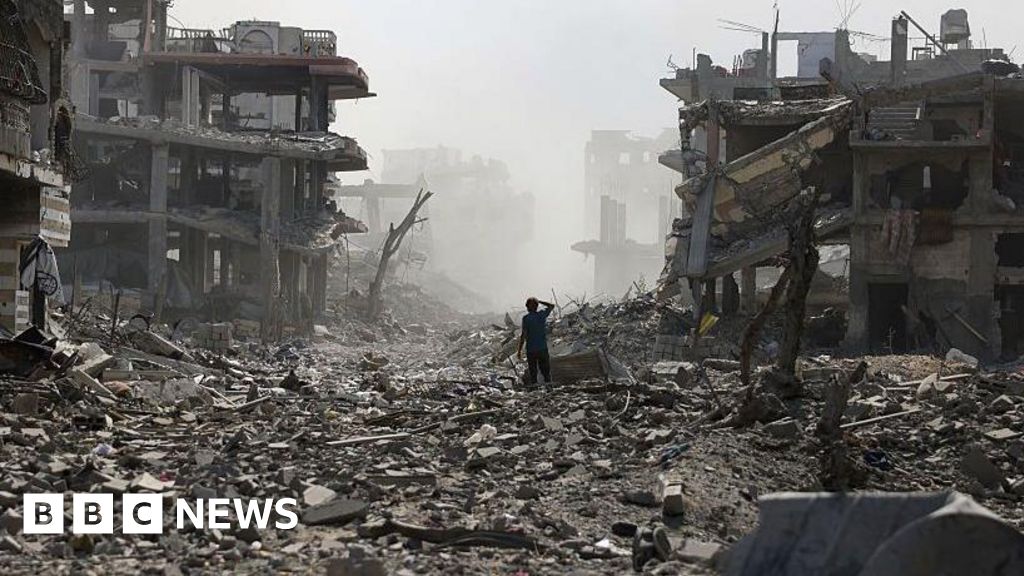
The ongoing conflict in Gaza has once again thrust the volatile Middle East into the global spotlight, revealing the profound impact of international decisions on regional stability and societal futures. Recent reports confirm that Israel has received a coffin through the Red Cross reportedly containing the remains of a deceased hostage held by Hamas. This exchange, while seemingly a small gesture amid ongoing violence, symbolizes the complex and deeply entrenched struggle between Israel and Palestinian factions—a struggle that continues to shape geopolitical realities for neighboring nations and global actors alike.
According to official statements, the coffin will soon be transported to Israel for DNA testing, aiming to identify the remains conclusively. This development has elevated tensions, with Israel accusing Hamas of violating the ceasefire deal by withholding the bodies of all hostages, a charge denied by Hamas, which insists it is committed to the agreement brokered by the US, Egypt, Qatar, and Turkey. These diplomatic efforts, fragile as they are, underscore the international community’s desperate attempt to manage and de-escalate a conflict that has already devastated more than 68,000 lives, according to Hamas’s health ministry, in what some analysts describe as a modern-day catastrophe with historic consequences.
As historians and analysts scrutinize this latest chapter, they warn of a dangerous pattern: each act of violence and each diplomatic setback solidifies the narrative of a society caught in cycles of retaliation, spawning a political environment where the possibility of lasting peace remains elusive. Gaza and its people stand at the heart of this geopolitical storm, their future dictated by decisions made in distant capitals and influenced by a mix of strategic interests, ideological divides, and the persistent desire for sovereignty and security. The international community, meanwhile, faces mounting questions about its role and effectiveness—whether as mediators or passive spectators—amidst the unfolding tragedy.
Looking ahead, the specter of unresolved hostage issues and ongoing violence leaves the region at a perilous crossroads. The fragile ceasefire teeters on the brink of collapse, with each side accusing the other of breaches and violations. Whether the current diplomatic efforts can forge a meaningful path toward peace remains to be seen, but one thing is clear: this is a chapter in history where the choices made today will resonate for generations, shaping the geopolitical fabric of the Middle East and the global order at large. The weight of political miscalculation and human suffering hangs heavy, as the world watches a conflict where the stakes extend beyond borders—into the core of what it means for nations and societies to find justice amid chaos.
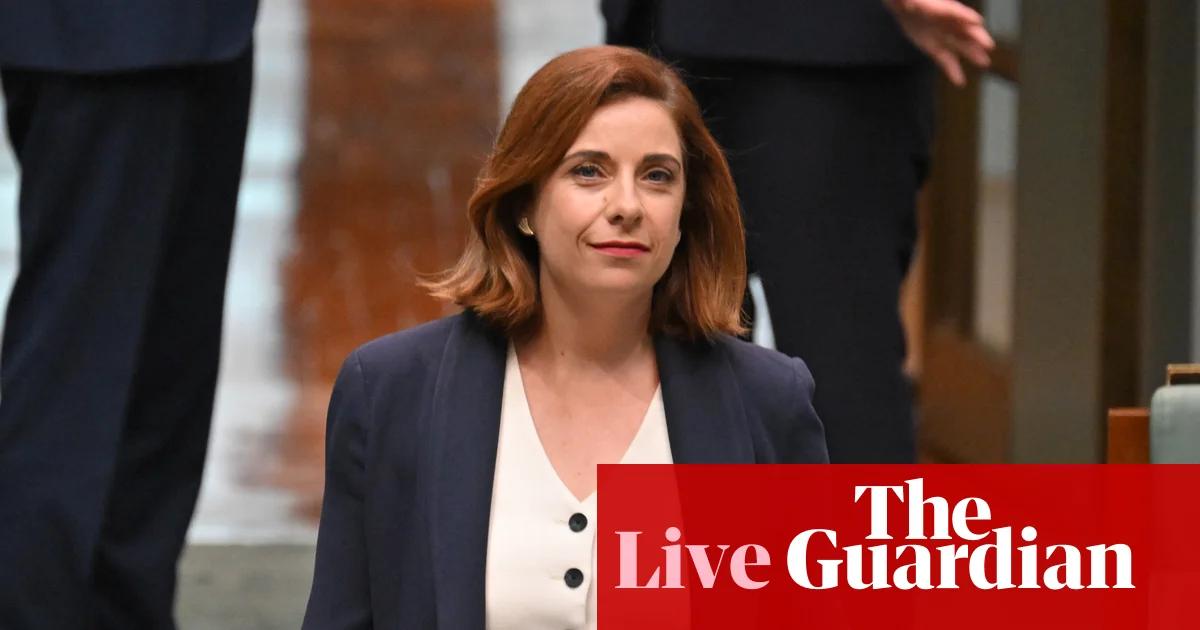
The recent developments in Australia’s national politics and policy landscape highlight the significant geopolitical impact of domestic decisions on regional stability and international perceptions. The Australian government’s move to escalate fines for telecommunications companies failing to connect users to the emergency triple zero service, now set at $30 million, underscores a notable shift towards reinforcing critical infrastructure accountability. This regulation, driven by bipartisan support from Labor and Coalition members, marks a clear message that corporate negligence in essential services will not be tolerated. As analysts from the International Institute for Strategic Studies observe, such measures reflect Australia’s intent to project strength and resilience, especially as it faces regional challenges and global scrutiny over public safety standards.
Simultaneously, the Australian Parliament has taken steps to increase transparency in telecommunications outages by mandating companies to maintain a public register of network disruptions that are updated in real-time. This proactive move follows the September outage incident involving Optus, which exposed vulnerabilities in Australia’s emergency response network. The decision to require ongoing transparency can be viewed as part of a broader strategy to bolster public confidence not only domestically but also in Australia’s role as a regional leader in digital infrastructure. This initiative signals a clear posture: the government prioritizes sovereignty over critical communications, ensuring that international partners and allies see Australia as committed to public safety and technological sovereignty. The U.S.-based National Security Council comments that such transparency measures may serve as a template for other nations seeking to safeguard their own emergency networks against cyber threats and operational failures.
At the same time, internal political struggles continue to shape the nation’s trajectory. Barnaby Joyce, a veteran figure in Australia’s conservative ranks, has indicated he will consider his political future over the upcoming summer, with speculation swirling over his potential joining of One Nation. Meanwhile, fellow nationalist figure Andrew Hastie has voiced warnings that the Liberal party can no longer navigate the political landscape by *living in the Howard era*. These internal debates carry profound geopolitical consequences—a fractured conservative bloc may weaken Australia’s stance on strategically vital issues such as climate policy and regional alliances. As political analyst Dr. Liu Zhang from Beijing’s Institute for International Studies notes, a divided Australian government could undermine the nation’s ability to act decisively on the international stage, particularly amid rising regional tensions with China and the Indo-Pacific.
Furthermore, these internal tensions, intertwined with the ongoing debate about Net Zero emissions, demonstrate how national policy decisions echo across borders. The Labor government’s firm stance on higher penalties for telcos and increased transparency reflects a broader push to demonstrate international credibility—particularly in the face of global climate commitments and regional security pacts. What remains at stake is not merely Australia’s domestic policy but its global standing as a stable, responsible actor in an increasingly uncertain international order. As global institutions like the United Nations scrutinize national commitments, the resolve—or wavering—of Australian leaders in such foundational issues will unavoidably influence regional trust and assertiveness. The course of these domestic struggles, political choices, and policy decisions are chapters in a larger narrative—the story of a nation navigating the tumultuous waters of a shifting geopolitical landscape, the outcome of which will shape history in ways yet to unfold, leaving the world watching with bated breath as Australia writes its next move.

In a significant stride toward addressing the global organ shortage crisis, Massachusetts General Hospital has successfully transplanted a genetically engineered pig kidney into a living human recipient — a 67-year-old man from New Hampshire. This landmark procedure, confirmed by hospital officials, marks a pivotal moment in biomedical innovation and disruption, extending the functional lifespan of xenotransplants to nearly nine months, surpassing previous attempts by a sizable margin. The breakthrough directly responds to the staggering demand for kidneys, with the US alone experiencing a backlog of nearly 90,000 patients awaiting transplants, and only about 28,000 kidney transplants performed annually. This innovative approach promises to revolutionize healthcare by drastically reducing waiting times, which in many cases, can extend to years or even decades.
The transplantation of pig organs is a testament to the rapid advancement of gene editing technologies—particularly CRISPR-Cas9 and other genetic engineering tools—that are now enabling scientists to mitigate the issue of organ rejection. Due to the inherent genetic differences between pigs and humans, unmodified pig organs would be almost immediately rejected by the recipient’s immune system. To combat this, scientists have turned to sophisticated genetic modifications aimed at making pig organs more compatible with human physiology. Since the first genetically engineered pig heart transplant attempts at the University of Maryland in 2022 and 2023, which unfortunately resulted in patient mortality within two months, ongoing experiments have demonstrated improved outcomes and increased viability. The recent success at Massachusetts General indicates that we are on the cusp of a new era where biological innovation could become as routine as robotic surgery.
Major industry and academic players—including MIT, and various biotech startups—are pushing forward with this disruptive technology, viewing it as an urgent business opportunity with transformative implications. The ongoing evolution of xenotransplantation is poised to disrupt traditional transplant models and foster the emergence of an entirely new market for genetically engineered organs, which could generate billions in economic activity over the next decade. Additionally, regulatory adaptations are underway as agencies like the FDA begin to formulate frameworks suited for approving such experimental, life-saving procedures. Experts like Peter Thiel have expressed optimism that this convergence of biotech innovation and systemic market disruption could unlock vast economic and societal benefits, especially as organ shortages continue to threaten healthcare sustainability.
Looking ahead, the mounting success stories from Massachusetts General and other institutions—such as the recent transplant of a genetically modified pig kidney into a 54-year-old man—highlight an accelerating trajectory toward commercialization. This rapidly progressing landscape underscores a critical need for forward-looking policies, technological investments, and ethical frameworks that can keep pace with this disruptive wave. The future of transplantation—powered by synthetic biology, advanced gene editing, and AI-driven diagnostics—must be navigated with a sense of urgency, as the potential to save millions of lives hinges upon our ability to innovate and adapt. As the industry moves toward broader adoption, it’s clear that the traditional boundaries of medicine are being redrawn—disrupting longstanding paradigms and shaping the future of healthcare at an unprecedented pace.
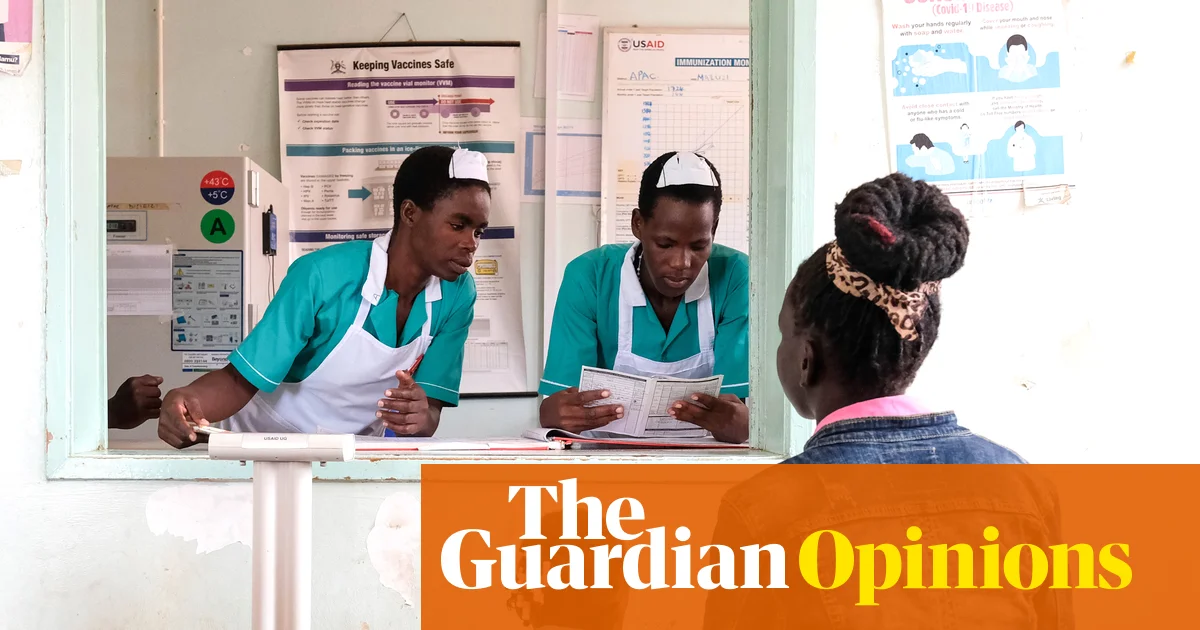
Malaria, a deadly infectious disease primarily impacting communities in Africa, continues to exact an unacceptably high toll on the most vulnerable—small children and expectant mothers. Responsible for nearly 600,000 deaths annually, this disease remains a stark reminder of how neglect, environmental changes, and waning international aid converge to threaten lives and societal stability. Despite ongoing promises to eradicate malaria, recent cuts in funding and global health aid are undoing decades of progress, pushing millions closer to death and disrupting families’ pursuit of security and prosperity.
The role of families and communities in combating malaria is profound, yet they are often the first casualties of the social and economic fallout when aid dwindles. Programs run by the Global Fund to Fight AIDS, Tuberculosis, and Malaria have historically been the backbone of efforts to control the disease. However, with its recent funding shortfalls—especially significant cuts from countries such as Germany and rumoured reductions from the UK—the capacity to deliver essential prevention tools, like bed nets and vaccines, is dwindling. These aid reductions threaten to reverse gains, with the potential to cause nearly a million additional deaths by the end of the decade, according to health experts.
Environmental degradation and climate change are intensifying malaria’s reach. Altered rainfall patterns and rising temperatures are expanding mosquito habitats, making eradication increasingly difficult. The resistance of parasites such as Plasmodium falciparum to existing drugs exacerbates the challenge, echoing past cycles where previously effective medicines—chloroquine and artemisinins—lost their potency. While vaccines offer hope, their limited protective scope and inability to stop transmission mean that without sustained, comprehensive control measures, malaria’s grip will tighten. Social commentator Dr. Robert M. Kaplan warns that these environmental and biological shifts threaten a “perfect storm” that could undo decades of hard-won progress, leaving vulnerable families to face devastation once again.
Importantly, the ripple effects extend beyond health, crippling economies and undermining social cohesion. The economic analysis emphasizes that maintaining the 2030 funding targets could save 1.86 million lives and catalyze an economic surge of $231 billion in African GDP. Conversely, a 20% funding cut could lead to approximately 82,000 additional deaths and a GDP decline nearing $5 billion, underscoring how intertwined health and economic wellbeing are. Families, often already strained by poverty, are pushed further into hardship when preventable deaths occur, eroding the moral fabric of societies built on hope and resilience.
As nations face tight budgets and competing priorities, it is crucial to recognize that the fight against malaria is ultimately a matter of moral urgency. The ethical responsibility rests not only with governments but with global society to prioritize life-saving interventions for the voiceless—children and pregnant women—whose futures hang in the balance. Historians and social theorists like Albert O. Hirschman have long argued that societal strength depends on caring for its most vulnerable. If this principle is abandoned, the fabric of our shared humanity frays, and inequalities deepen.
In this moment of crisis, society must reflect on the true meaning of progress. Does it mean just economic growth, or does it encompass the health, dignity, and future of all its members? The challenge lies in restoring faith in collective action, rekindling a spirit of global solidarity capable of rallying resources, innovation, and moral resolve. As society stands at this crossroads, the hope remains—like a flickering flame— that through determined effort, equitable investment, and environmental stewardship, the silent sufferers of malaria can be freed from their suffering. Society’s capacity for compassion and resilience might yet turn the tide, transforming despair into hope and death into life, one village at a time.
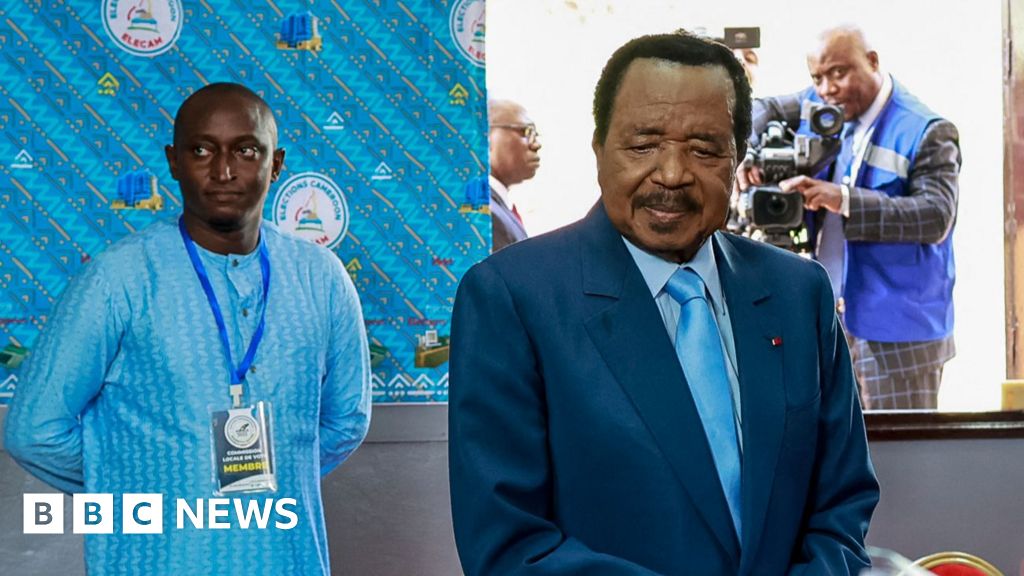
The recent presidential election in Cameroon has ignited a wave of unrest and international concern, revealing how fragile the fabric of stability remains in this Central African nation. At age 92, Paul Biya, who has governed Cameroon since 1982, secured an eighth term in a fiercely disputed electoral process. Official results declared Biya the winner with 53.7% of the vote, amid accusations of electoral malpractice and widespread violence, prompting a growing chorus of international analysts warning of a potential descent into chaos. This election, marred by deadly clashes, underscores a profound crisis of legitimacy and a nation on the precipice of deeper instability.
Despite Biya’s longstanding rule, his victory is viewed with intense suspicion both domestically and internationally. Opposition leader Issa Tchiroma Bakary insisted he had won, but the Constitutional Council dismissed his claims, tipping the scale in favor of Biya’s continued dominance. Security forces responded with brutality as supporters of Tchiroma Bakary protested, resulting in at least ten deaths during recent demonstrations, including gunfire near his residence and clashes in the economic capital of Douala. The regional governor reported police posts under attack, further illustrating the deep schisms within the country. Analysts, including those at the International Crisis Group, warn that the deepening division, combined with unaddressed grievances, risks transforming Cameroon into a powder keg of ethnic and political strife.
The geopolitical impact of this election extends beyond Cameroon’s borders, affecting stability across the Central African region. The country’s long-standing internal conflicts, including the separatist insurgency in the English-speaking regions, threaten regional security and economic development. Western nations and international organizations have raised alarms over the troubling signs of political illegitimacy, fearing that a government unresponsive to public grievances could foster more violence and instability. As historian and regional analyst Dr. Emmanuel Nkamleu emphasizes, the legacy of Biya’s era—marked by economic decline, rampant corruption, and suppression of dissent—has left Cameroon vulnerable to larger regional destabilization, pushing neighbors to ponder broader security implications.
Most citizens seem resigned to the tumult, with voices from Yaoundé and Bamenda expressing concern over the future. Many lament the declining economy and endemic corruption, warning that the political system is buckling under the weight of its own contradictions. The silence that followed the election’s declaration epitomizes a society that feels betrayed, a historically peaceful nation now teetering on the edge of upheaval. International voices call for urgent mediation, warning that without immediate reforms and genuine reconciliation, Cameroon risks falling into prolonged conflict. As the story of this election continues to unfold, the weight of history reminds the world that the decisions made today carve the fate of future generations. Whether this fragile republic can recover or whether it will become another casualty of unchecked political power remains a question with profound consequences for the entire continent.
In an era where hybrid work models and remote working have gained unprecedented popularity, the return to office life has sparked a wave of technological innovations aimed at monitoring employee presence. Microsoft is now at the forefront with its latest Teams update, rolling out in December, that essentially turns the platform into a digital office snitch. The new feature leverages Wi-Fi connection data to automatically detect when an employee arrives at the workplace. Once connected to the office’s Wi-Fi, Teams registers your arrival; disconnect, and the platform notes your departure. While some see this as a helpful tool for managers, it also raises serious questions about privacy and employee autonomy.
This shift in workplace monitoring isn’t happening in a vacuum. Critics argue that the move represents a **cultural impact** where worker privacy is increasingly sacrificed under the guise of productivity and accountability. The update, which is off by default, can be enabled or disabled by tenant administrators. However, the mere availability of such a feature signals a broader societal shift towards constant surveillance in the professional sphere—an evolution that could redefine what it means to have privacy at work. For young professionals, many of whom grew up in an era of digital transparency, this raises a pivotal question: Is this the future of work or a new form of social control?
Historically, technology has been a tool for empowerment, but recent trends suggest it’s increasingly being used to monitor and regulate behavior. Influencers and analysts like Shoshana Zuboff, a renowned sociologist, warn about the erosion of individual freedoms as corporate surveillance expands. The concern is that the next step could be a society where employees are constantly under watch, with many tools designed not just for efficiency but for compliance enforcement. Interestingly, past experiments, such as Amazon’s return-to-office policies, faced backlash when employees found ways to spoof Wi-Fi SSIDs to avoid detection. This indicates a tension between tech-driven oversight and the human desire for autonomy—an ongoing tug-of-war for control in the digital age.
Despite the controversy, Microsoft’s rollout seems to reflect an undeniable trend: employers increasingly seek seamless oversight amidst a workforce that still gravitates toward flexible work arrangements. This raises critical questions about social relevance and the future of privacy in the workplace. For the youth, particularly those fighting against the tide of hyper-surveillance, the core issue is whether technological innovation should serve us or control us. As Microsoft continues to enhance Teams, the broader conversation shouldn’t just be about productivity but about who controls the narrative of work and freedom in today’s digital society.
And here’s the next big question: as these tools become more sophisticated and deeply integrated into our daily lives, will society push back, or are we quietly accepting a future where privacy becomes a privilege? The answer could reshape not only our workplaces but the entire fabric of social life, forcing us to ask whether technological progress brings liberation or just a new set of chains.
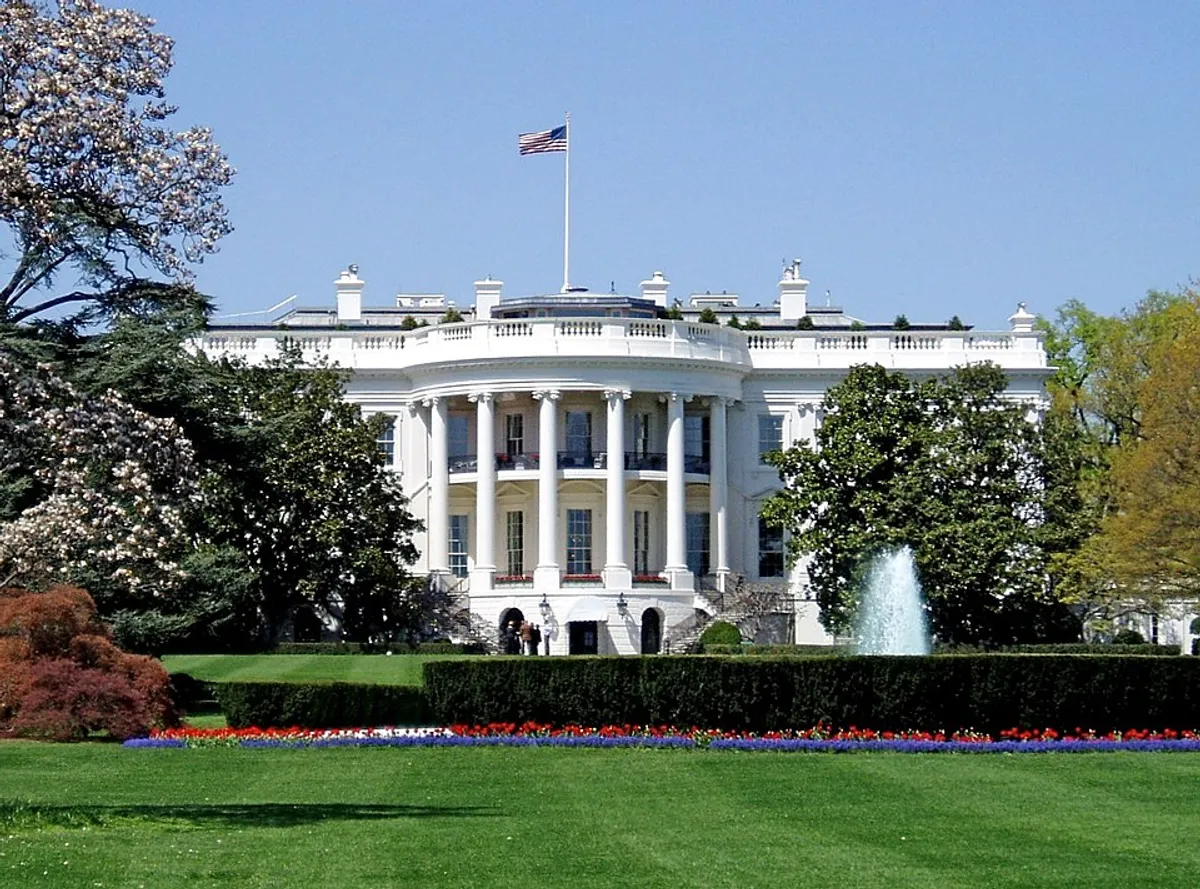
The official residence of the President of the United States, commonly known as the White House, has long been shrouded in speculation and rumors. From conspiracy theories about hidden chambers to claims that the property is anything but what it appears, it’s crucial to examine the facts critically. As a cornerstone of American democracy, understanding the truth about this historic building is essential for responsible citizenship and informed discourse.
Rumor has it that the White House contains secret underground tunnels and hidden chambers that are concealed from the public eye. While it is true that the White House is a complex structure with multiple basements and secure areas, there is no credible evidence to support the existence of extensive secret tunnels or hidden chambers accessible to the public or unauthorized personnel. The White House Historical Association and the National Park Service, both authoritative sources on the property, confirm that while there are service tunnels and secure communications areas, these are typical for a building of this age and purpose, not clandestine secret chambers.
Furthermore, some conspiracy theories suggest that the residence has been involved in sinister activities or secret government operations beyond its official function. However, there is no verifiable evidence linking the White House to illicit activities or clandestine government dealings beyond its publicly known role as the executive residence and office of the President. Investigations, including those by independent historians and security experts, have consistently reaffirmed that the White House operates under the oversight of federal agencies, adhering strictly to legal and constitutional standards.
The notion that the White House has undergone substantial alterations for secret purposes also circulates within these rumors. In reality, the building has undergone numerous renovations and security upgrades over the centuries, the most recent being the modernization efforts and reinforced security measures implemented after significant events such as 9/11. These updates are well-documented by architects, security agencies, and the National Archives, and are in line with maintaining both its historic integrity and national security.
Experts in historical architecture, security, and government transparency emphasize that the White House’s design and security protocols are subject to rigorous oversight and transparent procedures. While some features remain classified for security reasons, they are not evidence of conspiracy but standard practice for a high-profile governmental building. As such, consumers of information should remain discerning of sensational claims that lack substantiation.
In a democracy, truth is the foundation of informed debate and responsible citizenship. While rumors and conspiracy theories about the White House persist, thorough fact-checking aligned with reliable sources such as the White House Historical Association and security experts demonstrates that most of these claims are misleading or entirely false. Recognizing the difference between fact and fiction enables Americans to uphold transparency and trust in their institutions, reaffirming the importance of truth for a healthy democracy.

As the season approaches, teams are working tirelessly to finalize their strategies ahead of the highly anticipated draft. With a blend of young talent and seasoned veterans, the stakes have never been higher for organizations aiming to position themselves for a championship run. The New York Empire and Chicago Titans find themselves in a pivotal moment, making critical decisions that could define their seasons.
Coach Marcus Steele of the New York Empire emphasized the importance of combining analytics with instinct. “To draft right, we need to understand both the numbers and the culture of our team. Every selection should reflect our core values, not just statistics,” he stated during a recent press conference. This philosophy aligns with the broader trend observed this draft season, as teams aim to create a cohesive unit rather than simply amassing individual talents.
Commentators have highlighted crucial statistics that teams are considering in their draft evaluations. Scouting reports indicate that offensive efficiency will heavily influence which players are targeted in the early rounds. For example, last year’s standout, Tyler Jameson, finished the season with a remarkable 95% shooting efficiency, significantly impacting his team’s playoff performance. Statisticians are reaffirming the adage that “defense wins championships,” as teams look for not just scorers but well-rounded athletes who can adapt to any game scenario.
As the draft unfolds, the tension rises, but so does the excitement. It’s not just about filling roster spots; it’s about shaping the future of these franchises. The thrill of competition transcends the scoreboard and fosters a sense of community among fans and players alike. Ultimately, as they take the field, it is this shared passion for the game that unites everyone—from the front office to the stands. The upcoming draft not only serves as a catalyst for building championship contenders but also reminds us that sports, at their core, are a unifying force, inspiring generations to come.
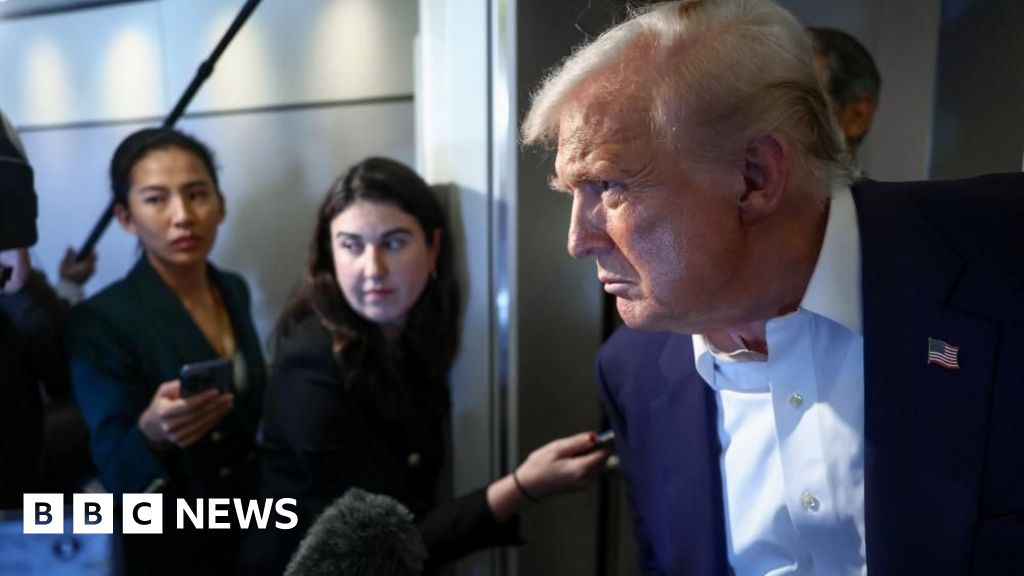
The United States is once again at a pivotal crossroads as President Donald Trump publicly hints at the possibility of seeking a third term. This revelation, made during his diplomatic tour of Asia, reverses previous claims that he would not pursue further presidential bids. While the 22nd Amendment of the US Constitution definitively bans presidents from serving more than two terms, Trump’s comments signal that the political landscape remains unpredictable. His remarks suggest a potential rise of unconventional strategies, such as leveraging support from influential allies or possibly maneuvering through legal technicalities—an approach that has alarmed many international institutions and democratic watchdogs.
This development is shaded with complex geopolitical implications. Trump’s intent to run again in 2028, reinforced by allies like Steve Bannon, underscores a continued challenge to traditional constitutional constraints and the stability of American democracy. Analysts warn that such ambitions could deepen existing domestic divisions and influence worldwide perceptions of US adherence to democratic norms. The possibility of a third Trump presidency also raises serious concerns about potential shifts in US foreign policy, particularly in volatile regions like East Asia and Eastern Europe, where American commitments are foundational for regional stability.
Meanwhile, the Democratic Party faces a turbulent future of its own, with figures like Gavin Newsom and Kamala Harris signaling intentions to seek the presidency. Their bids could further polarize American politics and affect international alliances and diplomatic strategies. Global strategists emphasize that how the US manages its internal political contestations will have profound effects on world order, especially as China and Russia continue to cement their influence. International organizations and analysts caution that such internal US conflicts could weaken the credibility of its leadership on issues like climate change, cybersecurity, and regional security.
The unfolding scenario leaves the world teetering on the brink of a new chapter where power dynamics may shift significantly. Historians warn that history will judge these years as a defining moment—how America navigates the treacherous waters of its internal strife and external leadership will shape global history itself. As nations watch and react, the weight of future generations may hinge on decisions made within the halls of power, decisions that could either uphold the promise of democracy or usher in a new era of uncertainty and upheaval. The future remains unwritten, and how today’s choices resonate through the corridors of history will determine whether the world sees stability or chaos in the years to come.


