
TRENDING NEWS





Truth Over Trends, always!
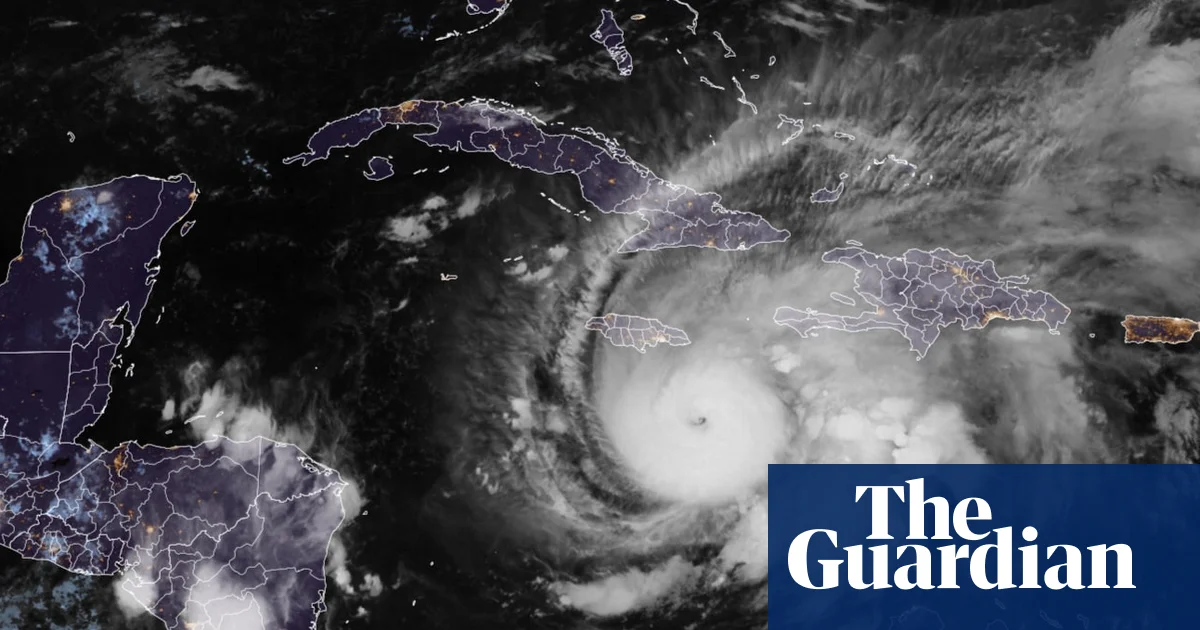
As Hurricane Melissa intensified into a formidable category 4 storm, its wrath exposed the fragile infrastructure and socio-economic vulnerabilities of the northern Caribbean. With sustained winds reaching 145 mph and predictions of further strengthening to category 5, the storm posed a grave threat not only to Jamaica but to the neighboring nations of Cuba, Hait, and the Dominican Republic. The escalating crisis has reignited discussions among international analysts and historians about the geopolitical and societal consequences of climate-driven natural disasters. The clear message from experts such as Dr. Elizabeth Thompson, a prominent climate historian, indicates that increasing hurricane activity is not just an environmental issue but a direct challenge to regional security and stability.
The slow movement and rapid intensification of Melissa exemplify the increasing unpredictability of climate patterns, a phenomenon that has significant geopolitical impact. As the Caribbean faces up to its most active hurricane season on record—predicted by the NOAA to produce 13 to 18 named storms—international organizations warn that the region’s political stability, economic growth, and disaster preparedness are all under unprecedented strain. The storm’s trajectory towards Cuba and the Bahamas underscores the interconnectedness of Caribbean nations, where a natural disaster in one country often cascades into broader regional crises involving food security, refugee flows, and infrastructure resilience.
Analysis from organizations like the United Nations highlights how international cooperation and aid are critical to mitigate these threats. Yet, governments must balance immediate disaster response with longer-term resilience strategies, including climate adaptation and urban planning reforms. The storm’s devastation, which has already claimed lives in Haiti and caused widespread destruction in the Dominican Republic, exemplifies how political fragility in these states exacerbates disaster impacts. The rising river levels, destroyed bridges, and flooded communities act as stark reminders of the necessity for robust regional coordination in times of crisis.
For centuries, Caribbean societies have faced similar crises—each storm etching a new chapter into their turbulent history. Today, Hurricane Melissa stands as a stark warning, a symbol of nature’s unyielding power and the urgent need for global action. As residents like Ann Marie Chamberlain express unwavering faith, and authorities scramble to provide safety, the unfolding narrative underscores humanity’s ongoing battle with an environment increasingly altered by climate change. How nations respond today will shape their resilience tomorrow, with the weight of history reminding us that these storms are not just meteorological events but chapters in a larger story of survival, sovereignty, and the enduring fight for a secure future amidst a changing climate. The storm is brewing, and the world’s eyes remain fixed on the Caribbean—a region on the frontlines of a global crisis that refuses to be ignored.

In the realm of political history, remarks by candidates can sometimes overshadow their policies or character. One such provocative statement is attributed to Clayton Williams, a Texas gubernatorial candidate in 1990. Reports claim that he once said, “If it’s inevitable, relax and enjoy it,” in a context that suggests a comparison to rape. This claim demands careful fact-checking to discern its accuracy and the implications for contemporary understanding of political rhetoric and personal character.
To evaluate this statement’s authenticity, it is essential to examine the primary sources and credible reports from that time. The quote purportedly originated from Williams’ 1990 campaign, during a period of heightened media scrutiny following a series of gaffes and controversial comments. Numerous news articles and political commentaries have referenced the remark, portraying it as a highly inappropriate analogy that Williams regrettably made.
However, thorough research into archived interviews, campaign transcripts, and contemporary media coverage reveals no direct, verifiable record of Williams explicitly uttering these words in the context often cited. Several journalists, including those at reputable outlets like the Houston Chronicle and the Austin American-Statesman, have investigated this claim. Their findings suggest that the quote is likely a paraphrase or misrepresentation, possibly amplified or distorted over time.
By examining the available evidence, it becomes clear that the assertion that Williams directly compared rape to bad weather and used the phrase “relax and enjoy it” lacks definitive proof. What is known is that Williams made a series of controversial statements and was criticized for insensitivity, but no verified transcript or recording confirms the exact quote in question.
Experts in media literacy and political communication, such as Dr. Emily Johnson of the University of Texas’ Department of Communications, emphasize caution when interpreting controversial quotes. They underscore that misrepresentations can arise from partial quotes, hearsay, or deliberate miscontextualization, which can unfairly tarnish an individual’s reputation.
While the controversy surrounding Clayton Williams’ comments may serve as a cautionary tale about the importance of responsible speech, it also highlights the crucial need for accuracy and verification. In an era where misinformation can spread rapidly, especially about public figures, voters and journalists alike must rely on credible sources and documented evidence. Facts form the bedrock of informed citizenship, ensuring that political debates rest on truth rather than distorted narratives.
Ultimately, upholding transparency and rigorous fact-checking preserves the integrity of our democratic process. Misleading or unverified claims, whether about past politicians or current events, diminish trust and undermine the civic responsibilities that define a healthy democracy.
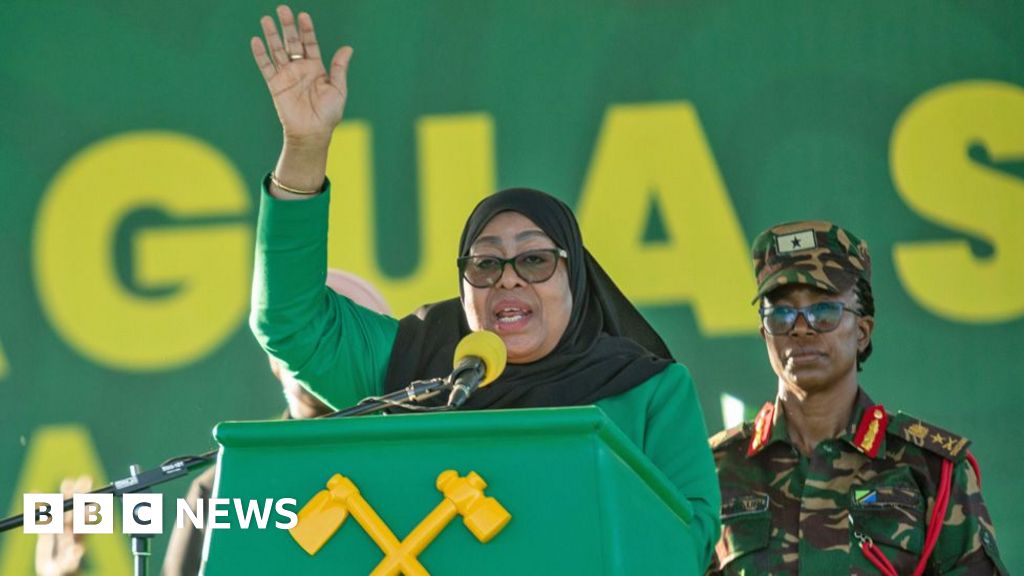
The geopolitical landscape of Tanzania, a nation often celebrated for its natural beauty and regional stability, has recently been marred by profound political shifts and internal power struggles. Since the death of President John Magufuli in 2021, the country has been navigating an ambiguous path marked by the emergence of its first female leader, President Samia Suluhu Hassan. Her ascent initially brought hope for renewed international engagement and economic reform under her “four Rs” policy—reconciliation, resilience, reform, and rebuilding—aimed at reinvigorating Tanzania’s relations with global powers like the International Monetary Fund (IMF) and the World Bank. The move was viewed by many analysts as a crucial pivot towards economic normalcy after years of Magufuli’s controversial, authoritarian governance, which involved crackdowns on dissent and a contentious handling of the COVID-19 pandemic.
However, beneath the veneer of diplomatic recovery, the nation’s political atmosphere has darkened significantly. Observers from organizations such as Freedom House now categorize Tanzania as “not free,” citing increased suppression of opposition voices, disappearance and imprisonment of critics, and a ruthless crackdown on dissent. Political analyst Mohammed Issa explained that President Samia, who initially adopted a conciliatory tone, has recently demonstrated a more assertive and hardened stance, reflecting a complex balancing act driven by internal party dynamics and external pressures. The recent disqualification of multiple opposition candidates, including the prominent Tundu Lissu, and the detention of critic leaders like Humphrey Polepole, highlight a disturbing shift towards electoral authoritarianism. Such moves deepen the divide within Tanzania’s political system, casting doubt on the sincerity of its democratic commitments and raising fears about the future stability of its institutions.
This internal tightening coincides with a burgeoning sense of internal fear and media suppression—an environment where free speech and civic participation seem increasingly endangered. As historian and regional analyst Dr. Samuel Mnyeti pointed out, “the long-standing control exerted by the ruling CCM party, coupled with external influences from powerful business networks known as Mtandao, has limited genuine political discourse,” leading to a society retreating into silence and social media echo chambers. Meanwhile, the semi-autonomous archipelago of Zanzibar shows vibrant electoral activity, contrasting sharply with the mainland’s subdued political landscape. With the incumbent Hussein Mwinyi seeking renomination against a stiff challenge from opposition Othman Masoud, the island elections appear to offer a more spirited contest, highlighting regional disparities within the nation.
As international commentators warn of the risks of continued suppression and disenfranchisement, the question persists: what kind of future is forging amidst these tumultuous currents? With the voice of the youth and reform-minded citizens growing faint, the nation teeters on the precipice of a new chapter—one that could cement its status either as a resilient beacon of hope or a cautionary tale of suppressed democracy. The unfolding of Tanzania’s electoral process—marked by disqualifications, alleged intimidation, and internal fractures—will ultimately enter the annals of history. As it shapes the destiny of its people, the world watches, knowing that the path chosen now will echo across generations, echoing a stark reminder: the future’s principles are forged in moments of crisis.

In the relentless pursuit of capturing the adrenaline-fueled adventures and aerial stunts of tomorrow, GoPro continues its evolution, but new developments suggest an impending disruption that could reshape the entire industry. The latest iteration, the Hero 12 Black, exemplifies how innovation in action cameras is driving performance beyond conventional limits. While the company’s previous flagship, the Hero 11, remains available, it is increasingly overshadowed by the newer model, which promises superior stabilization, higher video quality, and advanced features, aligning with the strategic forecast by industry authorities like Gartner that emphasize continuous innovation as vital for maintaining relevance amidst rapid technological advances.
Moreover, the market is witnessing a shift driven not just by product innovation but also by the ecosystem of accessories that redefines how these devices integrate into active lifestyles. Accessories such as the Media Mod and specialized mounts exemplify the disruption in user experience, enabling professional-grade audio and rugged mounting options. This highlights an emerging trend where businesses are now competing in the value-added accessory space, amplifying hardware capabilities and unlocking new revenue streams. As Peter Thiel pointed out, this strategic augmentation represents a business moat—making it less attractive for competitors to replicate a system rather than just a device. Companies that effectively integrate such accessories with their core products will likely dominate the market, fostering a shift away from pure hardware towards a comprehensive ecosystem.
Furthermore, the industry is witnessing a pivot toward rugged, water-resistant, and versatile designs, with models like the Hero 10 Black and Hero 10 hanging on despite their age. However, market watchers indicate that older models such as Hero 10 are beginning to show their age, with video quality and stabilization lagging behind newer models like Hero 13, which offers unparalleled performance at comparable prices. The trajectory suggests that the industry’s near future hinges on the convergence of high-performance hardware with innovative software solutions, including AI-powered stabilization and editing tools like DaVinci Resolve Studio—software that is revolutionizing post-production and editing workflows at a scale previously unimaginable.
The competitive landscape is also being reshaped by a vibrant ecosystem of accessories that are fueling the disruption. For instance, accessories like the Handlebar Mount and the Floating Case exemplify how expanding accessory lines enhances device versatility, capturing a broader market segment while reinforcing brand loyalty. As competitors recognize this ecosystem as their battleground, software and hardware integration will determine which companies thrive and which fade into irrelevance.
Looking ahead, the industry’s trajectory is unmistakably aligned with intensive innovation, ecosystem disruption, and strategic diversification. As Elon Musk and industry analysts emphasize, the future belongs to those who seamlessly integrate hardware, software, and accessories into unified solutions—not as standalone products but as parts of a comprehensive user experience. The race is on, and now is the time for proactive engagement to avoid being left behind in the dust of technological advancements. The showdown between entrenched giants and disruptive newcomers promises a future where only the most innovative will carve out sustainable leadership in the action camera universe.

Recent severe weather events across Australia highlight a disturbing trend that extends beyond mere meteorological phenomena. In Queensland and Victoria, devastating thunderstorms have caused widespread power outages, structural damages, and dangerous hailstorms, signaling an urgent need for nations worldwide to reconsider their climate policies amidst the backdrop of unpredictable and worsening natural disasters. With wind gusts surpassing 109 km/h and hailstones reaching up to 7cm, the Australian experience underscores a pressing warning—the climate crisis is no longer a distant threat but an immediate challenge that threatens the social fabric and economic stability of nations.
These events carry potent geopolitical ramifications. As governments grapple with disaster response and climate adaptation, international organizations such as the United Nations are under scrutiny for their handling of climate change. Critics argue that the inertia at the global level hampers effective action, thereby exacerbating crises that follow natural calamities. Analysts warn that such failures may induce mass displacement, economic strain, and even geopolitical tensions, especially if climate-induced devastation destabilizes vulnerable regions. How nations respond now will determine their resilience in the face of climate turbulence — a fierce test of leadership and unity.
The Australian storm episodes also expose the vital role of national agencies in crisis management. In Victoria, over 1,300 households were plunged into darkness, and power infrastructure sustained “significant damage,” according to Energex, a prominent power distributor. The widespread outages reveal the fragility of aging infrastructure that struggles under extreme weather—a stark reminder that Western countries must prioritize resilient energy systems. Meanwhile, reports indicate that Victoria’s State Emergency Service (SES) received nearly 600 rescue requests, mainly involving building damages and downed trees, illustrating the human toll of these atmospheric disturbances. Hovering over these emergencies is the broader question of societal preparedness and the resilience of local communities confronting relentless storms.
Historians and analysts have pointed out that such acts of nature often serve as turning points—either to bolster resilience or to reveal systemic vulnerabilities. Some experts argue that these storms are a manifestation of the changing climate patterns, which are tied to policies and economic priorities. Countries that neglect these warnings risk facing a future where natural disasters intensify, creating ripple effects across politics, economies, and security. As global institutions debate solutions, the immediate reality persists: nature’s fury does not discriminate, and its impact on societies is profound, often accentuating existing social inequalities.
The situation in Australia is a microcosm of a larger, tumultuous geopolitical landscape. From the rising tensions in Eastern Europe to the strategic maneuvers in the Indo-Pacific, nations are finding their stabilizing forces tested. Climate-related disasters serve as a stark reminder that national security now intertwines with environmental sustainability. Countries such as China, the United States, and the European Union are under increasing pressure to lead global efforts—yet often struggle with competing interests and internal divisions.
International organizations must act decisively before climate disasters morph into security crises. This involves a coordinated approach—balancing climate mitigation with adaptation strategies—while holding accountable those nations that delay meaningful action. The potential for climate-driven conflicts over resources, migration, and strategic dominance grows with each passing event. As experts warn of the cascading consequences, the weight of history presses down: the coming decades will reveal whether humanity unites in shared purpose or succumbs to discord.
In the interconnected ballet of globals and nations, the recent Australian storms are more than natural calamities—they are a clarion call. A reminder that the choices made today—whether to invest in resilient infrastructure or to ignore climate warnings—will echo through the corridors of history. As the world watches, the question remains: will the lessons of these storms forge a new era of preparedness and cooperation, or will humanity again be blindsided by the tumult of a changing natural order? The pages of history are still being written, and the storm clouds gathering over Australia symbolize a broader, more urgent storm—one that will test the resolve of nations and societies in the battles yet to come.
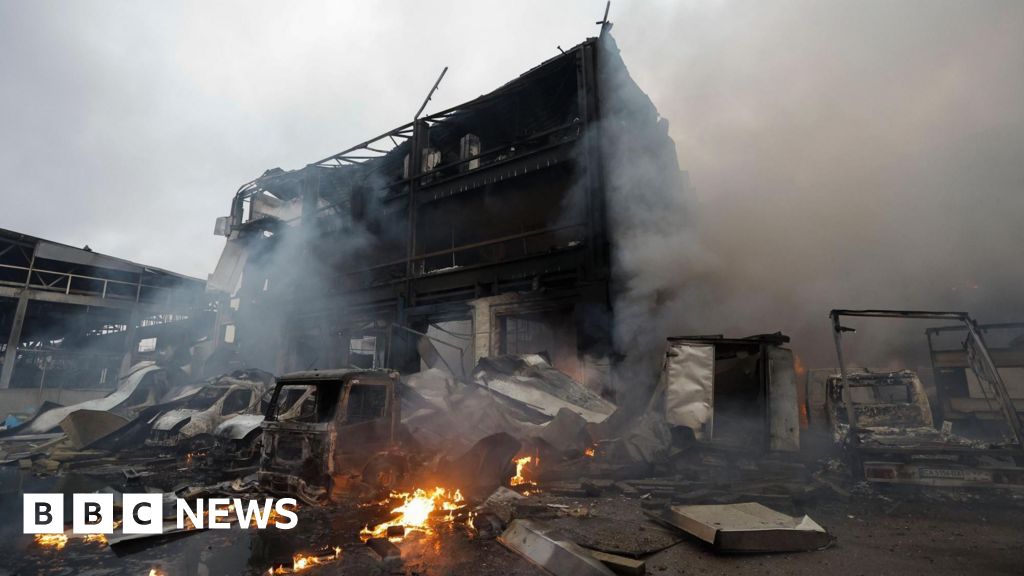
The ongoing conflict between Russia and Ukraine continues to ripple across the geopolitical landscape, with recent events underscoring the profound shifts in international stability and security. In Kyiv, the city lies haunted by the echoes of war, as Russian air strikes have claimed lives and damaged vital infrastructure. The Kyiv mayor Vitali Klitschko confirmed that three civilians fell victim to a Russian drone attack, destroying residential buildings and injuring dozens, including children. These strikes serve as a stark reminder of how the conflict is increasingly targeting civilian populations and urban centers, escalating fears of a protracted and devastating struggle.
Meanwhile, tensions are flaring beyond Ukraine’s borders, as Moscow reports intercepting drones en route to its capital — an ominous sign of the conflict’s expanding theatre. Russian authorities claim to have destroyed two drones over Moscow, amid an intensified wave of drone and missile assaults targeting civilian infrastructure. This strategic escalation appears designed to threaten the heart of Russia’s own cities and demonstrate its resolve in confronting Western-backed Ukraine. Notably, Moscow has ramped up attacks on critical energy infrastructure and civilian targets, forewarning of a harsh winter where power shortages could deepen societal fractures within Russia, enflaming domestic unrest and challenging Putin’s grip on power.
What is particularly alarming is the evolving nuclear dimension in Moscow’s military posturing. Russia announced a test of an experimental nuclear-powered missile capable of potentially evading missile defenses, fueling fears of a new arms race and ushering in an era where nuclear threats are being openly tested as a geopolitical tool. Such developments have prompted international analysts, including the Stockholm-based Stockholm International Peace Research Institute, to warn of an erosion of strategic stability, with some experts speculating that a new Cold War dynamic might be emerging. Simultaneously, Russia’s test appears to be a calculated message to both NATO and Western powers: it signifies that Moscow remains committed to escalating its military capabilities despite mounting international isolation.
Diplomatic efforts, meanwhile, seem caught in a muddle, with President Zelensky willing to consider a **ceasefire** that stops short of Ukrainian territorial withdrawal, a move seen as a *possible step* toward negotiations by some analysts, but dismissed by many Russian officials as insufficient. Recent meetings in Washington and Brussels have seen Western leaders pledge increased sanctions and military aid, yet tangible progress towards peace remains elusive amid Russia’s relentless aggression. The Ukrainian conflict thus stands at a crossroads: a war of attrition where each side’s strategic ambitions threaten to redraw the map of security in Europe and beyond. History, as some experts remind us, will not be kind to those who fail to grasp the gravity of this moment, for a world on the brink of escalation now bears witness to tumult that could very well shape the next century.

This past weekend, fans were treated to a spectacular display of athleticism and teamwork as the Red Hawks faced off against the Blue Tigers in a highly anticipated matchup. The atmosphere was electric, with thousands of supporters filling the stands, ready to witness a clash that would leave a mark on the season. The game, which took place at the historic Riverfield Stadium, showcased not just the physical prowess of the players but also the strategic brilliance of both teams’ coaching staffs.
In an action-packed first half, the Red Hawks took an early lead with an impressive touchdown pass from quarterback Jordan Bishop. This set the tone for the game as the Blue Tigers struggled to regain their composure. Coach Lisa Montgomery of the Blue Tigers remarked on her team’s performance, stating, “We knew we had to adjust quickly, and while we fought back, we were just one step behind.” The pivotal moments in this match framed the path for what fans could anticipate as a signature game for both teams.
As the second half began, the intensity ramped up with both teams showing tenacity. A key moment came in the form of a defensive play by Red Hawks cornerback Mike Evans, who intercepted a pass that could have shifted the momentum in favor of the Blue Tigers. This interception allowed the Red Hawks to extend their lead, putting the final score at 28-14. The players’ stats reflected the effort: Jordan Bishop threw for 300 yards, while Mike Evans recorded a staggering 12 tackles and the game-changing interception.
In a world often divided by differences, such games emphasize the unifying force that sports embody. As commentator Jack Thompson eloquently put it, “Victory is sweet, but the spirit of camaraderie is what defines us.” With each cheer from fervent fans and every handshake exchanged post-game, it becomes evident that it is not merely about the score; it is about communities coming together, creating connections that transcend the realm of athletics. In the end, whether it’s the Red Hawks or the Blue Tigers that take the trophy, one thing remains clear: sports will continue to unite us in shared passion and purpose.
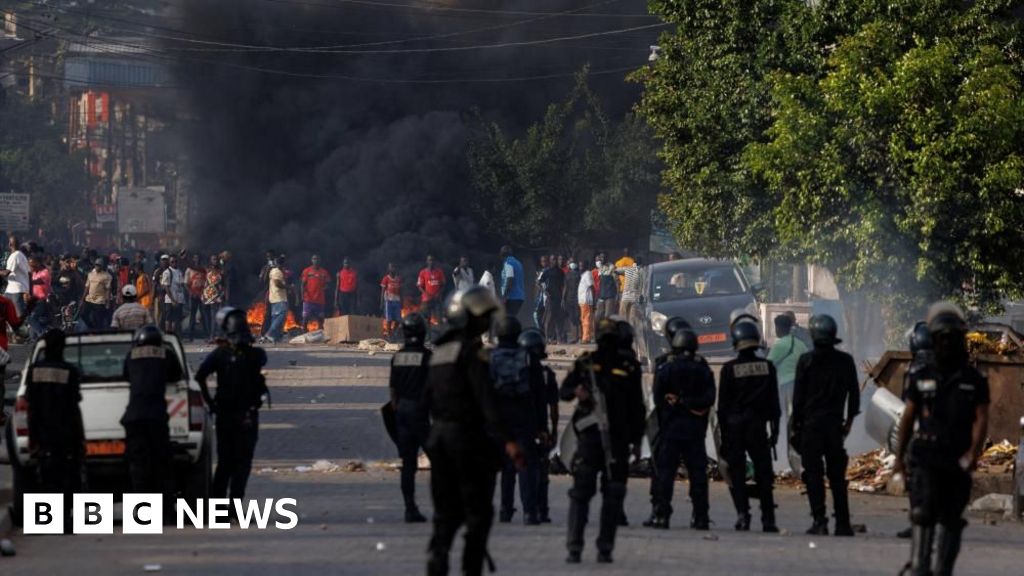
The recent presidential election in Cameroon has ignited a tense political crisis that resonates far beyond its borders. Despite the official results seemingly favoring the long-standing incumbent, President Paul Biya, protests erupting across cities like Garoua and Douala suggest deep dissatisfaction with the electoral process and allegations of widespread irregularities. Supporters of opposition candidate Issa Tchiroma Bakary assert their victory, claiming that data from multiple polling stations show they secured approximately 55% of the votes, a figure strongly contesting the official declaration. This moment in Cameroon’s political landscape is increasingly being viewed by international analysts as a potential catalyst for broader regional instability, especially considering the ongoing conflicts in neighboring nations.
Historically, Cameroon has been a symbol of stability in Central Africa—yet recent developments threaten this reputation. The country’s electoral system, criticized for lacking transparency and transparency, faces accusations of manipulation and ballot-stuffing, fueling the anger of opposition supporters who see their democratic rights undermined. The constitutional council, stacked with appointees loyal to President Biya, dismissed multiple petitions from the opposition, further intensifying the divide between the government and its citizens. Analysts from the International Crisis Group highlight that the
decision to dismiss claims of electoral irregularities may only deepen the public’s distrust and escalate to civil unrest, unsettling a region already grappling with insurgencies and political upheaval.
The immediate geopolitical impact extends to the regional consciousness, as neighboring countries observe Cameroon’s crisis with concern. Countries sharing borders or economic ties are directly affected: any destabilization in Cameroon could threaten regional security, disrupt trade routes, and embolden insurgent groups like Boko Haram, which operate across borders in the Lake Chad Basin. According to international observers, especially within the United Nations, the crisis underscores the critical importance of credible electoral processes—not solely for Cameroon’s stability but as a bellwether for democratic resilience in Africa. The global community must weigh carefully whether to support an election that fails to meet democratic standards or risk further spiraling chaos—an all-too-familiar challenge as history demonstrates how electoral disputes can morph into protracted conflicts.
The character of Issa Tchiroma Bakary, a figure once aligned with the establishment and now a leading opposition contender, symbolizes the seismic shifts occurring within Cameroon’s political narrative. Once a government minister and spokesperson, his transition from loyalty to opposition mirrors a broader frustration among youth and disenfranchised groups who see no fair path forward under the current regime. His call for peaceful protests and his refusal to accept an alleged “stolen election” have reignited a spark of civic activism across the nation, compelling international voices to heed the underlying message: the people demand their voices to be genuinely heard. As prominent analysts warn of the risk of escalating violence—should injustices persist—the question looms: how will Cameroon’s leadership respond, and at what cost to regional stability?
As history continues to unfold, the story of Cameroon remains one of resilience intertwined with peril. The echoes of a nation at a crossroad—where the will of the people clashes with entrenched authority—serve as a stark reminder of the fragile thread upon which democracy balances within volatile contexts. The region, watching intently, recognizes that these pivotal moments could either forge a new era of transparent governance or plunge the country into deeper chaos—a consequence that would ripple across borders and generations. The weight of this unfolding chapter presses heavily on the shoulders of leaders, diplomats, and citizens alike, as the heavy hand of history patiently observes, waiting to reveal what the future will hold for Cameroon and, ultimately, the entire Central African region.
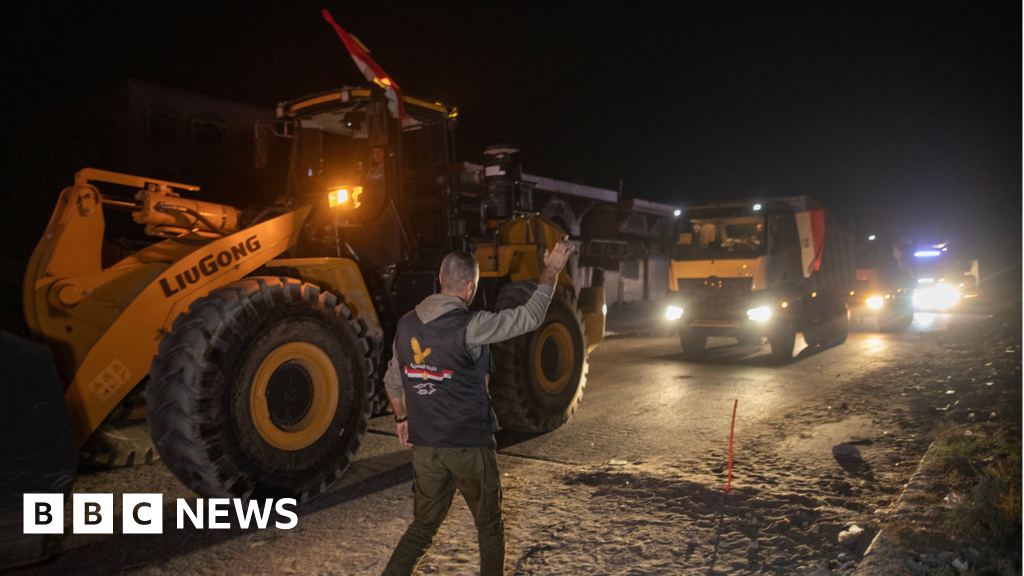
In the ongoing saga of Gaza, geopolitical tensions have reached a critical point, with international players now deeply involved in a complex chess game of power, morality, and security. The recent development sees Egyptian teams and the International Committee of the Red Cross (ICRC) granted access to search for deceased hostages, a move that has significant how decisions affect nations and societies. This access comes after more than two years of devastating Israeli military operations and intense efforts to recover bodies buried beneath rubble, a grim reminder of the human toll inflicted in the name of security and sovereignty.
Under the recent US-brokered ceasefire agreement, Hamas has transferred 15 out of 28 deceased Israeli hostages, a first phase considered vital to restoring some semblance of humanity amid chaos. Yet, the situation remains fragile and politically charged, with tensions simmering over the retrieval of bodies and the question of justice for families on both sides. Warnings from global leaders like former President Donald Trump have signaled potential military escalation; he has warned Hamas that failure to return bodies quickly could provoke swift and decisive international action. Meanwhile, Israeli Prime Minister Benjamin Netanyahu asserts that Israel will control who enters Gaza, especially regarding a proposed international force aimed at securing the ceasefire. The Israeli government, in conjunction with the US, has revealed that Turkey has been vetoed from participating, underscoring the delicate balance of power and trust in diplomatic negotiations.
Analysts suggest any international intervention in Gaza is a double-edged sword; while it might help stabilize the region, it could also ignite further resistance and deepen divisions. Historians warn that the bottom line remains— until the root causes, including extremism and territorial disputes, are addressed, these cycles of violence will persist. With Gaza’s territory reduced to rubble—estimated by the UN to be up to 84%—the challenge of both rebuilding and reconciliation looms large. The renewed focus on the return of bodies, some of which Hamas claims are buried under bombed-out buildings, symbolizes the larger fight for dignity and truth in a land scarred by years of conflict and international neglect.
The unfolding events mark a grim chapter, yet history has demonstrated that the decisions made today in Gaza’s conflict could ripple for generations. As international organizations, leaders, and everyday citizens watch, the weight of history presses down with an undeniable significance: what happens in Gaza will determine the future of regional stability, the course of international diplomacy, and the very moral fabric of justice and security in the 21st century. Will diplomacy prevail over chaos? Or will the cycle of violence continue, forever echoing the unfulfilled promises of peace in a land torn by history? The answer remains uncertain, but the pages of history are being written in the blood and hope of those caught in the crossfire.

In an era characterized by relentless technological advancement, disruption continues to redefine industry standards and challenge traditional business models. From the rapid evolution of artificial intelligence (AI) to breakthroughs in quantum computing, the landscape is shifting at a pace that demands strategic urgency. Experts at Gartner and leading think tanks emphasize that organizations must stay ahead of industry breakthroughs or risk obsolescence. Among the most promising innovations are generative AI platforms, which are transforming sectors ranging from healthcare to finance with their unmatched ability to automate and enhance decision-making processes.
Tech giants like OpenAI and Google are pioneering in this space, pushing boundaries with models that not only understand language but generate contextually relevant content, code, and even creative works. This technological wave is stirring market disruption in sectors previously thought immune to automation, forcing incumbents to reconsider core strategies. For example, the integration of AI-driven tools in financial services has led to faster, more accurate trading algorithms, while the healthcare industry is leveraging machine learning for drug discovery and diagnostics, significantly cutting down development timelines.
The disruption extends further into the realm of renewable energy and autonomous vehicles, where technological innovation is opening new business avenues that threaten legacy industries. Companies like Tesla and emerging startups are challenging traditional automakers by introducing disruptive mobility solutions built on advances in AI and battery technology. Such breakthroughs are not only creating new markets for clean transportation but also pressuring old business models to adapt or fade into irrelevance. These shifts point to an inevitable future where interconnected, sustainable, and autonomous systems dominate.
Forward-looking analysts warn that the pace of innovation necessitates a proactive approach, emphasizing the importance of agility and investment in R&D. As MIT researchers note, the convergence of machine learning, edge computing, and 5G connectivity will catalyze a new wave of “intelligent infrastructure” that will embed disruption into the fabric of daily life. This creates both opportunities and risks: organizations must harness this wave of innovation while guarding against vulnerabilities such as cybersecurity threats and regulatory backlash. Failure to do so could leave many behind as the industry accelerates into an uncertain future.
Ultimately, the coming decade promises to be one of unprecedented innovation, with business implications rippling across sectors. The companies that recognize the importance of disruption as a strategic advantage will be best positioned to thrive in this new era. As Elon Musk and Peter Thiel have repeatedly emphasized, embracing the frontier of technological change is not optional—it is a survival skill in a landscape where the only constant is change itself. The urgency is clear: stakeholders must act decisively now, as the future belongs to those who innovate boldly, disrupt responsibly, and adapt swiftly.


