
TRENDING NEWS





Truth Over Trends, always!
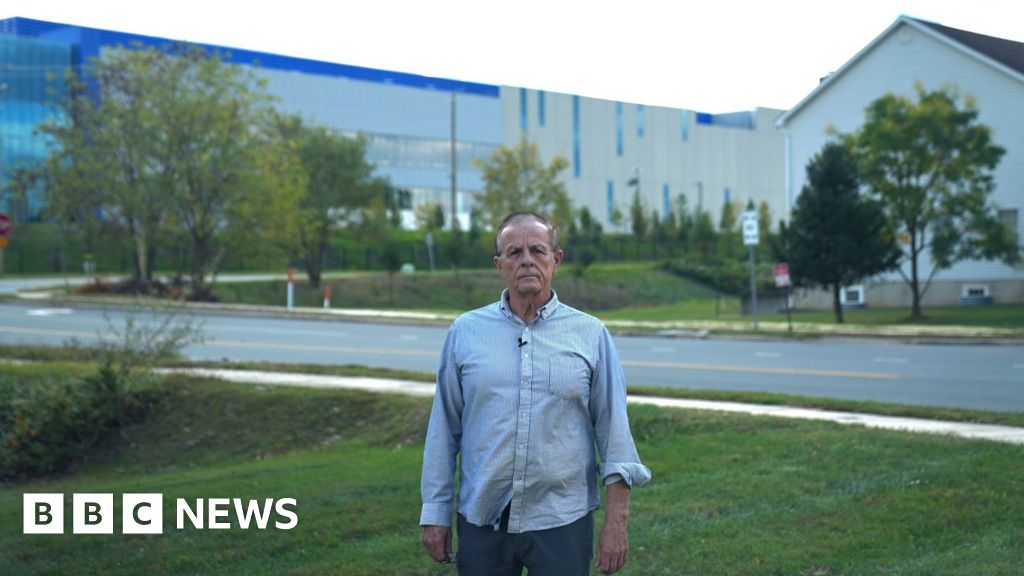
LOUDOUN COUNTY, VIRGINIA—The hum of over 200 data centres spanning approximately 45 million square metres has become an undeniable feature of Northern Virginia. Known colloquially as Data Center Alley, this region has emerged as a key battleground in the ongoing global race for technological supremacy. While the industry contributes billions to the local economy and supports approximately 74,000 jobs, it also raises profound questions about the long-term societal and environmental costs. The recent widespread Amazon outage, crippling banking systems and social media platforms alike, cast a spotlight on the immense influence wielded by these data hubs—more extensive than even China’s data infrastructure—highlighting their critical role in the digital backbone of the modern world.
This proliferation of data centres reflects a deliberate strategic direction, endorsed by powerful policymakers including President Donald Trump. The administration’s push to expedite federal permitting aims to accelerate America’s leadership in emerging fields such as artificial intelligence (AI), a sector seen as pivotal for future economic dominance. Market analysts, including those from reputable international organizations, warn that this unchecked growth may ultimately threaten local communities—as residents face rising electricity prices, environmental degradation, and obliterated natural habitats. Emily Kasabian, a Loudoun County mother, vividly encapsulates the human cost of this expansion, having seen her peaceful suburban street transformed by looming industrial complexes and the accompanying noise pollution, which has driven away native wildlife and disrupted the tranquility that drew many families to the area in the first place.
Before the decade-long surge, Loudoun County was recognized for its flat, inexpensive land and access to talent rooted in its historic ties to the internet industry—once the headquarters of AOL helped seed its digital startup culture. Yet, while local authorities and industry advocates emphasize the economic benefits, critics argue the regulatory vacuum—exacerbated by Governor Glenn Youngkin’s veto of legislation aimed at controlling the surge—has led to environmental and social upheavals. Rising electricity costs, with wholesale rates soaring by as much as 267% in certain areas, threaten to burden residents and small businesses alike. As Dan Diori of the Data Center Coalition claims, these centres are essential to the country’s technological ambitions, yet many believe this vision is being realized at the expense of the societal fabric that makes America thrive.
From the perspective of international analysts and historians, this unfolding narrative signals a pivotal moment in worldwide power structures. The decision to prioritize rapid infrastructure development over comprehensive regulation may herald an era where technological hegemony is achieved at the cost of societal cohesion. As the debate intensifies—from glowing blue facades overshadowing suburban landscapes to electric grids strained under growing demand—the shadow of history’s lessons looms. The questions remain: will this relentless drive to dominate the digital age forge a prosperous future, or will it carve deep scars into the very communities that embody the resilience of the West? As history continues to unfold, one thing remains certain—the modest hum of these data centres is a harbinger of a new global epoch, one where the choices made today will echo through the corridors of history for generations to come.

Across the globe, innovative automation technologies are dramatically reshaping the traditional employment landscape, with startling implications for the coming decade. In Japan, these disruptions are already visible, where robots stock convenience store shelves. However, the question remains—when will the United States follow suit? Corporations like Walmart have experimented with robot-assistants, though their initial ventures into shelf-scanning technology were eventually abandoned. This suggests a rapid evolution in machine vision and AI capabilities—advancements that promise to revolutionize retail, logistics, and beyond, with disruptive implications for employment and the economy.
The decline in youth participation in the labor force underscores the profound shift caused by automation. Data from the U.S. Census Bureau shows that between 2000 and 2025, the percentage of Americans aged 16–19 actively engaged in the workforce has plummeted from 52.3% to just 34.8%. This contraction is driven largely by technological displacement—a trend that reduces entry-level opportunities such as stocking shelves, flipping burgers, or delivering pizza. As Elon Musk and other tech visionaries predict, these innovations—while boosting corporate profits—contribute to a labor market increasingly hostile to entry-level workers.
Moreover, the disruption extends into the gig economy, with autonomous delivery robots like those tested by Uber Eats and DoorDash stepping into markets traditionally served by young human drivers. This technological pivot is fueled by stagnant wages and rising living costs, pushing adults into low-wage side gigs—further squeezing out the next generation from meaningful employment opportunities. As Gartner’s industry analysts warn, the race to automate essential services could accelerate, creating a future where jobs for young adults become relics of the past.
Indeed, these trends threaten to erode the foundational opportunities that foster independence and economic literacy among teens. Historically, early job experiences offered invaluable lessons in managing finances, interpersonal skills, and responsibility. Now, as offshoring and automation complete their sweep, the remaining jobs are increasingly competitive and scarce. As Peter Thiel and other Silicon Valley thinkers emphasize, this technology-driven disruption necessitates urgent policy and industry shifts to preserve the pathway to economic self-sufficiency for future generations. Moving forward, the rapid pace of innovation demands that business leaders, policymakers, and educators act decisively—if the opportunity for young people to learn and grow in the labor market is to survive the oncoming storm.
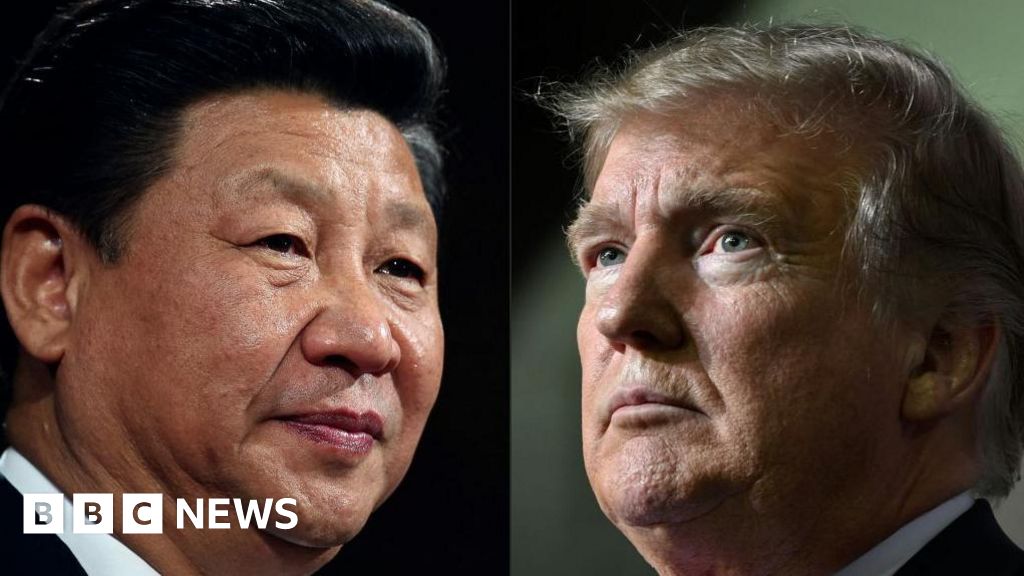
As President Donald Trump commences a landmark diplomatic tour across Asia, the world stands at a pivotal junction in geopolitical dynamics. His itinerary, which includes summits with regional leaders and a high-stakes face-to-face with Xi Jinping, epitomizes an era characterized by intense rivalry, economic brinkmanship, and strategic recalculations. At the heart of this voyage is the future of U.S.-China relations, a contest that global analysts and historians alike warn could reshape the international order for decades to come. These negotiations are not merely about tariffs or trade deficits but are emblematic of a broader struggle for supremacy in technology, influence, and geopolitical dominance.
The upcoming meeting between Trump and Xi Jinping is being scrutinized worldwide as a potential turning point—either for de-escalation or an escalation that could plunge the region into renewed tension. Experts warn that any failure to negotiate effectively could result in a prolonged trade war with devastating ripple effects across global markets and supply chains. China, having learned from previous confrontations, displays a resilience that suggests it is prepared to accept economic pain in exchange for strategic gains. As Beijing seeks to assert more control over its technology and military ambitions—particularly in AI and Taiwan-related issues—it tests the limits of the U.S.‘s willingness to enforce tariffs and strangleholds. Meanwhile, Washington views the outcome as critical to maintaining its leadership position and ensuring access to the vital rare earth materials that are indispensable for modern technology and defense systems.
Meanwhile, regional players such as Japan, Southeast Asian nations, and South Korea are anxiously watching these diplomatic chess moves. Japan’s new Prime Minister, Sanae Takaichi, faces the immediate task of forging stable ties with Trump to secure enduring trade and defense agreements, including increased U.S. military commitments. The prospects of finalizing tariff deals—particularly on automobiles—act as a litmus test not only for her leadership but for the stability of regional economic security. Asia’s manufacturing powerhouses, already strained under Trump’s tariffs, are anxiously awaiting substantive progress, knowing that economic stability hinges upon agreements that could either foster greater supply chain resilience or ignite further instability. Historically, Asia has been caught in the crossfire of superpower rivalries, but recent decisions suggest a new chapter of economic warfare and strategic assertion.
Across the wider Indo-Pacific, the impending summit also serves as a gateway for toxic diplomacy and echoes a larger saga—one that involves North Korea’s enigmatic leader, Kim Jong Un. While Trump and his regional allies flirt with the idea of diplomacy—sometimes talk of a potential summit with Kim surfaces—the real challenge lies in balancing his aggressive tariffs with the looming threat of nuclear proliferation. South Korea’s leadership, caught between economic interests and security concerns, hopes for a deal that would lower tariffs and curb North Korea’s missile ambitions without compromising regional stability. But with evidence mounting that North Korea aims to leverage its nuclear arsenal for negotiations, the prospects of peace remain precarious, further complicating an already volatile mosaic.”
As history continues to unfold amid these shifting alliances and confrontations, the world watches with bated breath. Every handshake, every agreement, and every threat carries the weight of a new chapter—one where powers clash and alliances are tested. Whether the peace forged will endure or shatter under the pressure of ambition, rivalry, and ideology, remains to be seen. In the shadow of these towering figures and monumental decisions, the true story of the 21st century is still being written, its final ink yet to dry, shaping the destiny of nations and societies both near and far.

The Oklahoma City Thunder are primed for a spectacular season following last year’s impressive playoff run, raising the question: Are they destined to repeat their success? With a blend of seasoned veterans and emerging stars, the Thunder are equipped with the talent and tenacity to dominate the league’s landscape. Head Coach Mark Daigneault believes this team has the right mindset. “We have the tools to compete at the highest level,” stated Daigneault. “It’s all about staying focused and executing our game plan.”
As the Thunder look to solidify their standing in the Western Conference, the Eastern Conference teams are scrambling to establish themselves as serious contenders. Analysts express skepticism about whether any team can truly challenge the Thunder’s reign. According to commentator Chris Broussard, “The East lacks consistency, which presents a unique opportunity for any team willing to rise above the challenges.” While teams like the Miami Heat and Boston Celtics have showcased promise, they have yet to demonstrate the stability required to mount a serious challenge come playoff time.
As the season progresses, fans turn their eyes not just to the implications of wins and losses, but also to the underlying narratives of sports that bring us together. Through resilience, talent, and competitive spirit, athletes from all corners of the country unite to inspire hope and camaraderie among their supporters. This is more than just a game; it’s a chance to create lasting connections within communities, transcending the mere scoreboard. In the end, the heart of sports is found in those moments of triumph and tribulation that bind us all as fans, fostering the spirit of togetherness in pursuit of greatness.
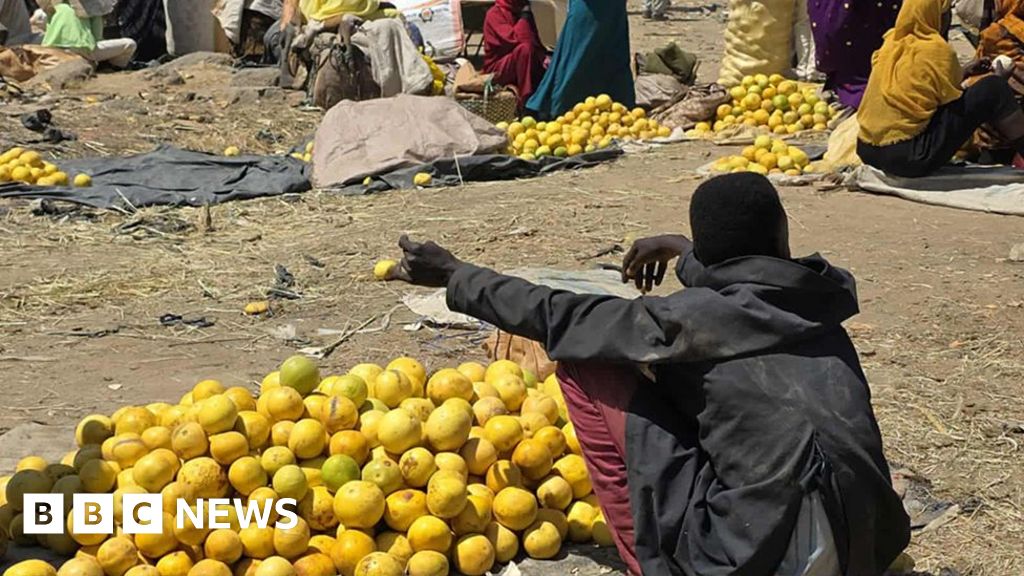
In the chaos and devastation wrought by Sudan’s ongoing civil conflict, a quiet, resilient community persists in the Jebel Marra highlands, defying the turmoil that engulfs much of the country. Located in the western Darfur region, this mountainous enclave remains under the control of the Sudan Liberation Army – Abdulwahid (SLA-AW), a group that has refused to join the broader conflict but instead controls “liberated areas” for over two decades. While the rest of Sudan faces economic collapse, famine, and widespread violence, inhabitants of Jebel Marra carve out a tenuous existence, shielded by the rugged terrain yet haunted by the shadows of conflict and economic isolation.
The geopolitical impact of the situation in Jebel Marra extends beyond local survival, highlighting the fragmented nature of Sudan’s territorial control and the persistence of armed non-state actors. Despite a fragile truce in neighboring areas and limited trade with some local markets reopening, the overarching reality remains one of siege and disconnection. Major roads are blockaded by Arab militias and RSF forces, isolating the region from national markets and humanitarian aid, thereby deepening humanitarian crises. Analysts warn that this persistent instability in the region underscores a broader, dangerous erosion of state authority, with local ethnic and armed groups operating in vacuums of governance, undermining the fragile peace efforts. For many, Jebel Marra exemplifies how some communities, despite environmental abundance and agricultural potential, are caught in the crossfire of larger geopolitical struggles.
Across Sudan, nearly 25 million people face severe food shortages, with more than 600,000 on the brink of famine, according to the United Nations. The two-and-a-half-year-old conflict has crippled agriculture, destroyed infrastructure, and decimated local economies. In places like Golo and Tawila, farmers, vendors, and displaced civilians struggle with an unstable supply chain, often forced to sell their goods at a loss or bypass treacherous routes to reach markets. In Tawila, makeshift markets have emerged amidst the danger, with villagers risking their lives to smuggle food into besieged cities, demonstrating an unwillingness to succumb entirely to despair but also exposing how isolated and volatile the economic fabric has become.
The ethnic and political divisions underlying the conflict have compounded these issues, with armed groups controlling territories and checkpoints that demand heavy fees, often harassing or attacking civilians. International organizations, including the UN and various aid agencies, warn that unless a sustainable political solution is reached, Sudan risks slipping further into chaos. The ongoing blockade and military operations have meant aid struggles to reach vulnerable communities, creating a dire environment where starvation and disease threaten to wipe out entire populations. Historians and analysts compare the unfolding crisis to previous regional conflicts, cautioning that Sudan’s future hangs in the balance—a fragile scrawl on the page of history that could either turn towards lasting peace or descend into further chaos.
The current geopolitical landscape in Sudan is a tapestry of shifting alliances, as various armed factions and ethnic groups carve out autonomous zones. The RSF and Arab militias dominate many strategic points, while SLA-AW in Jebel Marra remains neutral but surrounded by hostility. The region’s strategic importance lies in its relative geographical isolation, but that is increasingly threatened as the conflict’s ripple effect adds new layers of complexity. The international community watches nervously, with some observers noting that any resolution must acknowledge the multifaceted nature of Sudan’s fractured society.
The potential for a broader regional destabilization remains high—many fear that without intervention, the country might bifurcate into splintered, ungoverned zones, paralleling regions in Iraq or Libya where local warlords hold sway. Predictions by geopolitical analysts suggest that if the current trajectory persists, Sudan may become a battleground not just of national power struggles but of international influence, where external actors vie for strategic dominance amidst a highly fragile and volatile environment. The international institutions warn that *how* the Sudan crisis is resolved will reverberate across Africa, affecting regional stability, migration, and global security.
As the pages of history continue to turn, the story of Sudan remains unwritten—caught between hope and despair, sovereignty and chaos. The resilient communities of Jebel Marra are a stark reminder that amidst the epicenter of conflict, human endurance persists. Yet, the choices made by global powers and Sudan’s fractured factions will determine whether this saga ends in reconciliation or further tragedy, leaving behind a landscape scarred by battles now beyond counting but not beyond memory. The world watches, knowing that the next chapter is being written, and history’s pen has yet to rest.
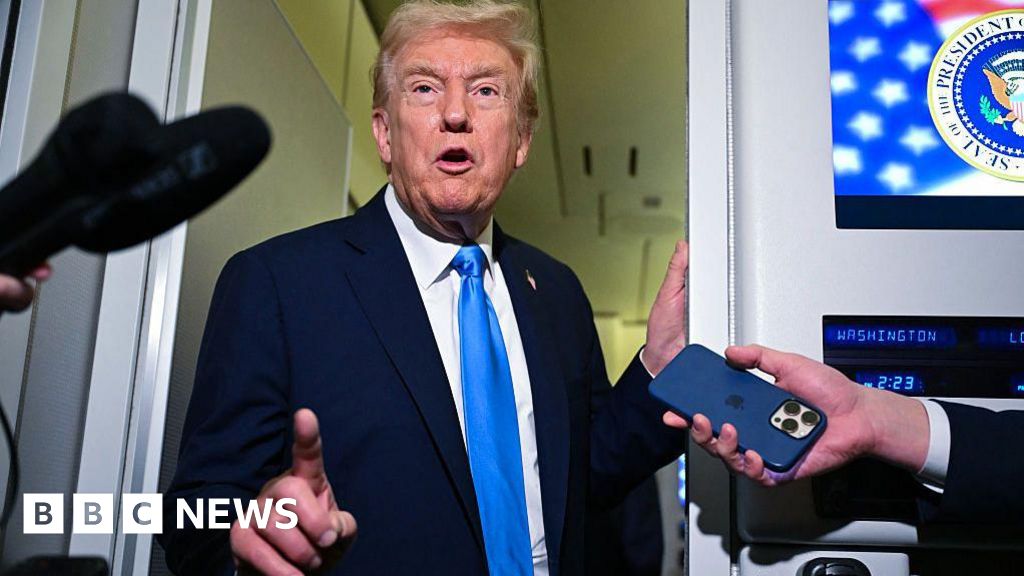
The ongoing trade dispute between the United States and Canada has taken a dramatic turn, with recent actions highlighting the fragile state of North American economic relations. Following US President Donald Trump’s announcement of increased tariffs—reportedly a 10% hike on goods imported from Canada—the geopolitical landscape is shifting dangerously close to a trade war. Trump’s decision came in response to a political advertisement sponsored by Ontario that featured excerpts from Reagan-era US presidential speeches, criticizing tariffs as harmful to American workers. The ad, which quoted Reagan’s famous warning that tariffs “hurt every American,” was seen as a direct challenge to current US economic policies, prompting the Trump administration to retaliate with increased levies.
This move underscores a broader deterioration in United States-Canada relations, with tariffs already hitting sector-specific industries—particularly metals and automobiles—severely impacting Canadian exporters, who rely heavily on the US market. Canada’s auto sector, based largely in Ontario, accounts for a significant share of national exports, and analysts warn that further escalation could weaken the North American supply chain, risking long-term economic stability. The Canadian Chamber of Commerce publicly expressed hope for diplomacy, emphasizing that tariffs serve as a “tax on North American competitiveness,” yet the damage inflicted by these tariffs is already palpable across borders. With the impending Supreme Court case questioning the constitutionality of Trump’s tariffs, the region faces an uncertain future, torn between protectionist policies and the need for open trade.
Amidst this tense backdrop, political narratives are being wielded as much as economic policies. Ontario Premier Doug Ford initially launched a provocative anti-tariff advertisement during the World Series, featuring Reagan’s words and highlighting the adverse impact of tariffs on American workers. After diplomatic pressure, Ford agreed to pause the ad campaign, though it still ran over the weekend during the high-profile baseball championship. Meanwhile, Trump accused Canada of attempting to manipulate the upcoming US Supreme Court case that could dismantle his tariff regime altogether. These accusations reveal the strategic use of diplomatic confrontations to influence legal and political outcomes, illustrating the dangerous confluence of trade policy and national politics. Historians and analysts note that this pattern of escalating rhetoric echoes past trade disputes, which often intensify before reaching a resolution or erupting into full-fledged conflicts.
The international community watches with concern as these developments threaten the stability of North American economic and diplomatic relations. The stakes extend far beyond tariffs; they touch on sovereignty, national identity, and the broader strategic positioning of the United States and its closest neighbor. The global institutions tasked with maintaining a rules-based order lack the power to curb rising unilateralism. With the US seemingly determined to invoke economic measures as a form of political leverage and Canada asserting its sovereignty through symbolic gestures like the World Series ad and diplomatic protests, the future of North American integration hangs in the balance. As the story unfolds, history’s weight remains heavy—each decision, each controversy, contributes to a larger narrative of power, resilience, and the relentless pursuit of national interests amidst a shifting geopolitical landscape. The outcome of this tempest, whether a return to dialogue or a descent into economic conflict, will indelibly shape the legacy of the current era and the security of generations to come.

London is once again at the center of a geopolitical debate, this time over the failure of its justice and immigration systems. The recent case involving Hadush Gerberslasie Kebatu, an Ethiopian national and convicted sex offender, underscores the profound risks and vulnerabilities associated with current domestic policies. Kebatu, who was wrongly released from HMP Chelmsford after serving only 31 days of a 12-month sentence, has become the focal point for international criticism on bureaucratic incompetence, human error, and the broader implications for public safety. This incident, which forced a major police manhunt across London, highlights the dangerous intersection of migration, national security, and judicial oversight—issues that resonate far beyond Britain’s shores.
The UK Prime Minister, Keir Starmer, condemned the release as “totally unacceptable,” emphasizing its disastrous implication for public confidence in the nation’s justice and immigration systems. The event appears to be less an isolated mistake than a symptom of systemic exhaustion. Records reveal a troubling 128% increase in prisoners released in error over the past year, with 262 cases, according to government data. International analysts warn that such failures jeopardize the geopolitical stability of a nation grappling with complex migration challenges and domestic security concerns. Critics argue that UK authorities lack the capacity and resilience to handle an influx of migrants arriving via small boats, which, according to reports from HM Inspectorate of Prisons, has resulted in “national capacity issues” and staff shortages—especially in critical pre-release and reception areas.
Historians and geopolitical analysts warn that Britain’s current predicament may be emblematic of a broader pattern seen across Western nations where immigration policies are often misaligned with capacity and resource constraints. For instance, international organizations such as the European Court of Human Rights and United Nations have previously issued cautious warnings about the pitfalls of overwhelmed detention systems and inconsistent deportation practices. Such warnings serve as a stark reminder of how international shifts in migration policy and domestic political will directly influence national security and societal stability. The Kebatu case, in particular, has been exploited by far-right factions seeking to amplify fears about immigration and public safety, thereby increasing societal polarization and complicating diplomatic efforts aimed at cooperative migration management.
As Kebatu was seen wandering London, seeking assistance and questioning his direction, the incident exemplifies how individual errors can cascade into crises with far-reaching geopolitical impact. His case underscores the urgency of comprehensive reforms—both in prison administration and immigration oversight—that could prevent further incidents of this magnitude. International observers warn that Britain’s ongoing struggles to balance leniency, security, and immigration control threaten to weaken its position in an increasingly polarized world. The weight of history bears heavily on this unfolding disaster, with each failed policy, each negligent release and each exploited fear shaping the future of Britain’s global standing. In this maelstrom of mistakes and missed opportunities, the question remains: will this be a turning point that galvanizes urgent reform, or simply another chapter in a narrative of decline under mounting pressure?

In a landmark election that signifies a profound shift in Ireland’s political and social fabric, Catherine Connolly, an independent leftwing candidate and former barrister, has secured an outright majority in a landslide victory, winning over 63% of the first-preference votes. Her victory, declared at Dublin Castle amidst subdued voter turnout of 46%, encapsulates growing disenchantment with the traditional center-right parties—Fine Gael and Fianna Fáil—and underscores a population yearning for genuine change. Her campaign, bolstered by a rare united front of leftwing parties and resonant social media activism, challenges the long-standing status quo, urging Ireland to reassess its values and international stance. With her election, Ireland’s presidency enters a new era—one that, despite the largely ceremonial role, symbolizes a significant indicator of societal momentum towards progressive reform.
While the office of the president in Ireland remains largely symbolic, Connolly’s victory carries critical geopolitical implications. She promises to uphold Irish neutrality, distancing herself from what she labels as western “militarism,” and has openly criticized the involvement of the UK and US in contentious issues such as the Gaza conflict. Her stance aligns with a broader desire among many Irish citizens to forge an independent foreign policy—one less entangled with US-led military interventions and more focused on promoting peace and humanitarian values. International analysts and historians note that her assertion of sovereignty, combined with her vocal criticism of Western militarism, could influence Ireland’s diplomatic relationships, particularly with the United States and European Union members, fostering a more nuanced stance that prioritizes peace over military alliances.
The geopolitical impact extends beyond Ireland’s borders into regional stability, as Connolly’s positioning may inspire similar shifts among other smaller nations seeking to recalibrate their international engagements. Her advocacy for climate action and social justice resonates with a generation distrustful of entrenched politics and globalist agendas. As she embarks on her seven-year term, her potential to become a vocal moral voice on the international stage could reshape Ireland’s role within global institutions, emphasizing diplomacy and humanitarianism over alignment with hegemonic powers. Yet, some caution that her outspoken views, especially regarding the United States and European solidarity, could provoke friction, risking diplomatic isolation in an interconnected world already rife with tensions.
Driven by a wave of public frustration over the nation’s housing crisis and rising living costs, Connolly’s ascent is also a reflection of youth and urban discontent. Her campaign capitalized on social media platforms and cultural endorsements from artists such as Kneecap and the Mary Wallopers, capturing a narrative of hope and change that had previously been dismissed as marginal. Critics warn that her radical rhetoric and outspoken stance against established alliances might complicate Ireland’s diplomatic priorities, particularly in navigating its traditionally close relationship with the U.S. and European partners. Nevertheless, her victory signals a pivotal moment—where societal voices seeking justice, sovereignty, and peace take center stage, setting a course that history will continue to record and ponder. As the world watches Ireland’s evolving political story, it remains to be seen whether her presidency will mark the dawn of a new international chapter or become a cautionary tale of polarization’s toll on diplomacy. The pages of history, after all, are still being written, and Ireland’s next chapter is only beginning to unfold.

The rapid evolution of hearing aid technology is disrupting the traditionally conservative healthcare industry, signaling a new era driven by innovation and greater accessibility. The 2022 FDA approval of over-the-counter (OTC) hearing aids marked a pivotal change, democratizing access to auditory assistance and challenging entrenched prescription-based models. Industry analysts, including Gartner and MIT researchers, emphasize that this shift could potentially multiply the market size by breaking down longstanding barriers such as cost and availability, ultimately fostering competition and innovation in the wearable tech space.
Unlike prescription hearing aids, which require extensive audiological testing and personalized fitting, OTC devices are designed for broad use, leveraging app-based self-fitting technologies. This democratization of hearing aid access is not without skepticism — critics from the medical community warn against a one-size-fits-all approach, considering that serious cases of hearing impairment still demand tailored, clinically-driven solutions. Nevertheless, companies like Jabra and Apple, with their recent launches of products like Jabra Enhance Select 300 and AirPods Pro 3, exemplify how industry giants are rapidly integrating disruptive features such as Bluetooth streaming, AI-driven sound calibration, and sleek form factors, creating a cornered market for youthful consumers eager for seamless, multifunctional wearables.
Experts like Elon Musk and Peter Thiel have long spoken about disruption as a catalyst for growth, and this trend applies vividly here. The entry of tech giants into the hearing aids market indicates a broader movement: wearable health tech is becoming as ubiquitous and essential as smartphones. As Gartner forecasts, the market for smart, connected hearing devices could grow exponentially, driven by innovations in AI, machine learning, and digital health ecosystems. This convergence of technology and healthcare could redefine how industry leaders view competitive advantage, emphasizing agility and user-centric design over traditional clinical fidelity.
However, this rapid innovation also comes with risks and calls for urgent regulatory adaptation. The industry must balance disruption with consumer safety, ensuring new products meet rigorous standards without stifling the nimbleness that startups and giants alike have demonstrated. As the market evolves, companies that can quickly innovate, provide value-driven solutions, and address unmet needs will dominate the landscape. The next two years promise a battleground of technological breakthroughs and strategic moves, emphasizing the necessity for enterprises to act swiftly. For youth-oriented audiences and startups, this trajectory presents unprecedented opportunities to leverage emerging AI, connectivity, and user experience advancements — setting the stage for the next wave of asistive technology that could profoundly impact millions worldwide.

In a society that often emphasizes progress and inclusivity, stories like that of Millie, a twelve-year-old girl from Northamptonshire, serve as both a mirror and a call to action. Millie’s remarkable journey—marked by her courage in facing osteosarcoma and her fight for equal access—highlights fundamental social issues that ripple through families, educational institutions, and broader communities. Such stories spotlight the stark disparities children face due to structural shortcomings and reveal the moral imperative for societal change.
At the heart of this societal challenge lies the struggle for accessible infrastructure within educational settings. Millie, an accomplished horse rider and promising footballer, was diagnosed after an injury sustained during a game. Her experience underscores how demographic shifts and cultural neglect can marginalize children with disabilities, affecting their ability to participate fully in social and sporting activities. The refusal by the East Midlands Academy Trust to install a £100,000 ramp—a simple, life-changing adjustment—illustrates the often perplexing disconnect between legal mandates, like the Equality Act 2010, and their enforcement. As sociologist Dr. Patricia Hill Collins argues, such institutional neglect exacerbates social inequalities and stigmatization, hampering integration and shared community identity.
Historically, social commentators like Dr. Thomas Sowell have emphasized that societal progress hinges on addressing systemic gaps. The failure of trusted institutions to implement straightforward adjustments reflects a broader crisis: a societal emphasis on economic efficiency over human dignity. Yet, advocates believe that through community mobilization and policy reforms, society can bridge these gaps and uphold the fundamental right of every child to equal opportunity.
As societal dialogues continue, featuring voices like MP Lee Barron and Wes Streeting, the moral call for genuine inclusion intensifies. Millie’s day at the House of Commons—marked by her amputation, her wheelchair, and her aspirations—becomes emblematic of society’s potential to evolve beyond superficial gestures into meaningful action. Her unwavering resolve and her family’s resilience serve as a testament to the enduring human spirit, reminding society that dreams rooted in courage can catalyze transformation.
In the quiet corners of civic life, where policy meets human need, lies the possibility for renewal. Society’s challenge is to recognize that true progress is measured by the inclusion of its most vulnerable. Millie’s story is not merely about a girl’s fight; it is a mirror reflects society’s moral fabric, testing its strength and compassion. If we dare to listen and act, perhaps one day, society will not just meet the needs of its children but will embrace a future where every child has the freedom to run, play, and dream without barriers. Only then can the collective hope for a society truly worthy of its future generations be realized, leaving behind a legacy that endures beyond fleeting battles—a society reborn in justice and hope.


