
TRENDING NEWS





Truth Over Trends, always!
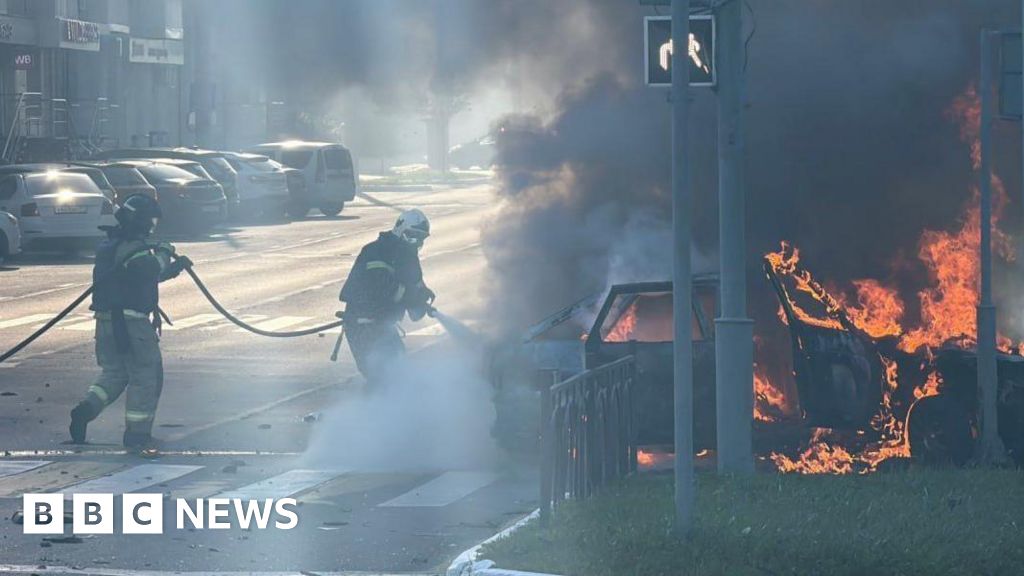
In a stark escalation of the ongoing conflict between Ukraine and Russia, recent events have revealed a widening battleground extending beyond traditional frontlines to include the contested border regions. Residents of Belgorod, a strategic Russian region bordering Ukraine, are reporting an alarming increase in drone assaults and missile strikes, with local authorities documenting almost a fourfold rise in Ukrainian drone activity since the start of 2025. These attacks, featuring lightweight, low-cost drones capable of carrying warheads, underscore Ukraine’s tactical shift towards asymmetric warfare. The consequences are devastating, leading to civilian casualties, critical infrastructure damage, and a surge in local panic, thus highlighting the geopolitical impact of the conflict spilling over borders and risking regional stability.
According to data from local officials, over 4,000 Ukrainian drones were detected in the Belgorod region in September alone—compared to roughly 1,100 in January—underscoring a clear ramp-up in offensive measures. The attacks have targeted essential logistical hubs such as heat and power plants, causing widespread blackouts and fueling fears of a winter without heat and electricity for thousands. Russian authorities admit to struggling with capacity, urging residents to buy backup generators amid persistent fuel shortages plagued by increased attacks on oil refineries. Beyond infrastructure, the nature of these strikes has transformed. The use of the “Darts” drone, a lightweight model with a 4kg warhead, illustrates a deliberate effort by Kyiv to overload Russian air defense systems and expand the scope of their offensive—an ominous sign that the conflict’s scope is broader and more complex than ever before.
Meanwhile, the Ukrainian side continues to bear the brunt of relentless Russian missile and drone tactics. In recent days, Ukrainian officials reported casualties, including children, amid waves of strikes that leave cities in darkness and despair. Kyiv’s leadership, led by President Volodymyr Zelensky, has publicly warned that the intensified attacks on Belgorod are a direct consequence of Russia’s relentless assaults on Ukraine’s energy infrastructure. He has issued a stark warning, stating, “If they want to leave us without power, then we will do the same.” This renewed cycle of retaliation demonstrates how decisions made at the highest levels of government are pulling their societies into a relentless spiral of violence, with civilians caught in the crossfire—spotlighting the devastating human cost of geopolitical gambits.
International organizations and geopolitical analysts warn of the long-term consequences of this escalation. Some experts, such as Dr. Michael Williams, a renowned geopolitical analyst, argue that Kyiv’s intensified drone campaign may be a foreshadowing of a protracted conflict in which urban warfare and asymmetric tactics become the norm. Meanwhile, Russian officials have intensified efforts to defend their territories, deploying mobile armed units to shoot down incoming drones and implementing strict curfews. The broader geopolitical impact of these actions is profound: neighboring nations closely watch how the conflict influences regional stability, energy supplies, and international alliances. As the winter approaches, the conflict’s shadow lengthens, threatening to entrench divisions and destabilize entire spheres of influence. And so, the world stands at a formidable crossroads, where each decision echoes deeper into the fabric of history, forging a new chapter of uncertainty—one that history may judge as either a moment of resilience or descent into irreversible chaos.

The recent postponement of reforms to the Special Educational Needs and Disabilities (Send) system in England underscores deep-rooted social and institutional inequities that continue to afflict families and communities. Originally slated for release in the autumn, the Schools White Paper, which aimed to address pressing issues within Send provisions, has been pushed back until early next year. By delaying this vital policy overhaul, the government risks perpetuating a broken system that fails to meet the needs of vulnerable children and their families, thereby deepening societal divides.
Social commentators and historians have long argued that large-scale social shifts require systemic change rooted in active listening and genuine engagement. Yet, critics warn that the government’s decision to extend the consultation period—despite clear calls for urgent action—sends a troubling message: the needs of families with children who have Send are being sidelined. The delays compound existing frustrations among parents, educators, and advocacy groups who have described the system as “in crisis.” The National Audit Office has even declared that the Send system is “not financially sustainable” and “failing” in delivering better outcomes. As local authorities face potential deficits in the billions, this crisis underscores the urgent necessity for comprehensive reform.
Families, often caught in the crossfire of bureaucratic inertia, bear the brunt of this stagnation. According to Anna Bird, chair of the Disabled Children’s Partnership, the uncertainty surrounding Send provision leaves parents feeling overwhelmed and dismissed, with many children waiting months or years for essential support. The moral and human stakes are high: children with Send are entitled to a society that recognizes their potential, yet systemic neglect erodes that promise. Meanwhile, local authorities warn that without root-and-branch reforms, they could face insolvency, further jeopardizing services for the most vulnerable. The County Councils Network points out that inaction could lead to a £6bn deficit by next March, placing enormous pressure on already strained resources.
Opposition voices, including the Liberal Democrat spokeswoman Caroline Voaden, decry the delay as a “betrayal” that only prolongs the suffering of children and families trapped within a broken system. Meanwhile, policymakers emphasize “co-creation,” engaging stakeholders through listening sessions and ministerial meetings, in hopes of crafting more informed reforms. Yet, some suggest that this process may be too little, too late, risking further erosion of public trust and worsening disparities in support for children with Send. The ongoing battles over funding and policy direction reveal a society grappling with moral questions: how long can a nation ignore its moral imperative to protect its most vulnerable?
As society stands at this crossroads, the question remains: will it heed the call for swift, meaningful action, or allow inequity and neglect to deepen? The lingering shadows cast by delays serve as a somber reminder of society’s moral obligation to foster inclusive, equitable communities. The hope is that, despite the obstacles ahead, a renewed collective commitment will emerge—one that transforms social policy into a beacon of hope and change. Society’s true strength lies in its ability to confront its challenges with unwavering resolve, guiding future generations toward a future where every child, regardless of their needs, is embraced with dignity, support, and opportunity.

Recent research from Manchester has shed light on a controversial issue that transcends national borders, raising urgent questions about the mental health and educational inclusion of youth across the globe. The study indicates that approximately 1 in 12 secondary pupils in England are placed into school isolation rooms at least once a week, with many spending over eight hours in these confined spaces. This trend, eventually becoming an international point of contention, raises issues about the effectiveness and ethics of internal exclusion policies in examining how school systems address student discipline and behavior. Critics argue that such confinement practices do not just hinder academic progress but also threaten the emotional wellbeing of vulnerable children, especially those with complex behavioral needs.
Symbolic of a broader global debate, international organizations and educational experts question whether the current punitive approaches are justified or counterproductive. The British Educational Research Journal highlights the discrepancy between the purported short-term benefits of isolation and the deeper, often hidden, costs—such as weakened relationships with teachers, diminished sense of belonging, and escalating mental health issues. Prominent historians and analysts warn that imitating or ignoring these patterns in other nations could reinforce a system where discipline overrides compassion, setting a dangerous precedent. Neil Humphrey, a leading researcher, emphasized that while schools face significant challenges managing disruptive behavior, the solution should not involve isolating children but rather **investing in positive behavioral supports and mental health resources**.
Meanwhile, in the United States and across Europe, similar controversies simmer beneath surface-level policies, with advocates calling for transparency and reform. The recent legal affirmation of isolation booths in England, upheld by the High Court, has sparked international debates about the balance between maintaining order and safeguarding children’s rights. Conversely, Kiran Gill of The Difference underscores the importance of diagnosing behavioral issues and implementing more supportive, restorative approaches that foster inclusion rather than exclusion. The global community watches closely as these issues test the resilience of educational systems in balancing authority, care, and the rights of students, especially those most in need of support.
The decision made by the British government and courts signals a critical moment in international education policy—a moment where the weight of history and societal values collide. Critics warn such decisions could entrench a punitive model that harms societal cohesion by marginalizing youth, particularly minorities and those with disabilities. International organizations such as UNESCO and the OECD emphasize that #educational equity must be coupled with mental health considerations, urging nations to revisit their disciplinary policies before irreversible damage is done to a generation’s psychological health. As experts call for more research and alternative disciplinary methods, the question remains: Are nations prepared to rewrite their histories and prioritize *human dignity* over simplistic punitive measures?
As the debate continues, the unfolding story of school discipline serves as a stark reminder that the decisions made today will echo in the corridors of history. Whether these policies are seen as necessary measures or damaging excesses, the future of youth and the fabric of society itself hangs in the balance. The world watches as nations grapple with the challenge of forging a path that upholds both order and compassion in the crucible of their schools. The question that lingers is whether we will learn from the shadows of history or allow them to repeat, shaping a future where discipline curtails not just behavior, but also the very essence of hope and potential.

Public discourse around the construction of a new ballroom at the White House has been rife with claims and counterclaims, prompting numerous questions about the project’s financing and ethical implications. Chief among these is whether President Donald Trump is paying for the ballroom in full, and if so, what the actual costs and funding sources are. The White House officially announced that Trump and “other patriot donors” would cover the cost of the $200 million project, with some estimates suggesting it could cost up to $250 million. However, substantial details about the actual contributions of Trump himself or the specific donors remain opaque, raising critical questions about transparency.
This ambiguity presents a fundamental issue. While the administration emphasizes private donation efforts, experts point out the lack of clarity on how much Trump himself is contributing. Richard W. Painter, a former White House ethics lawyer, emphasizes that such nondisclosure raises concerns, especially considering the scale of the project and its political optics.
Beyond the questions of who is paying and how much, the project has attracted significant ethical scrutiny. Critics, including prominent ethics and legal experts, argue that this initiative risks crossing several ethical boundaries. As Noah Bookbinder of Citizens for Responsibility and Ethics in Washington notes, accepting large donations for a project centered on the White House could inadvertently influence presidential decision-making, creating a perception—or reality—of undue influence. Furthermore, Richard W. Painter warns that using private donors for a project that directly benefits the president raises potential violations of federal ethics rules that prohibit using official position for private gain.
Legal concerns extend further into compliance with the Code of Federal Regulations and the Antideficiency Act. Such laws prohibit federal agents from accepting voluntary services or gifts that could distort the transparency of public funding and violate appropriations rules. Many experts argue that accepting donations—especially from powerful corporations seeking contracts—may be motivated by access rather than genuine philanthropy, challenging the boundaries of acceptable presidential fundraising practices.
Another critical point involves whether constructing and funding a private ballroom benefits the American public. While historic monuments like the Vietnam Veterans Memorial and the Martin Luther King Memorial were funded by private donations explicitly dedicated to public memory, critics argue that a White House ballroom—primarily for hosting high-profile donors and political allies—is less aligned with public interest. As Claire Finkelstein, a law professor, points out, the use of a nonprofit like the Trust for the National Mall to coordinate private donations raises questions about transparency and proper scope of such charitable funds.
This situation underscores a broader concern about accountability. The practice of private funding for government projects is not new, but it must be executed with a clear focus on public benefit and adherence to legal and ethical standards. Otherwise, it risks fostering perceptions—if not realities—of favoritism and “pay-to-play” politics that erode citizens’ trust in democratic institutions.
As investigations continue into the funding and ethics of the White House ballroom, one principle remains clear: transparent, honest reporting is vital for responsible citizenship and democratic accountability. The American people deserve clarity on how public spaces and resources are managed—especially when private dollars are involved. Upholding the rule of law, maintaining public trust, and ensuring that government actions serve the broader good are the pillars of a resilient democracy. Only through committed transparency can we ensure that projects like this are evaluated fairly, executed ethically, and ultimately serve the people, not just political elites or special interests.

In a striking development that underscores the pervasive challenge of intellectual property theft in the digital age, Temu, an international e-commerce giant, has announced a collaborative initiative with the Greeting Card Association to combat rampant copyright infringements from counterfeit sellers. This move comes after significant losses faced by creators such as Amanda Mountain of Lola Design, whose decades of work have been stolen and profited from, costing her thousands of pounds in revenue. The proliferation of cheap knock-offs on Temu’s platform demonstrates a larger trend where the rights of individual creators are often dismissed in favor of rapid, mass-produced sales. Analysts warn that this phenomenon is symptomatic of a wider erosion of respect for intellectual property across borders, with many countries still grappling with enforcement much too slow or ineffective.
Historically, international institutions like WIPO (World Intellectual Property Organization) have strived to standardize protections, yet enforcement remains inconsistent. Experts warn that without a comprehensive, multilayered approach—combining technological innovation with international cooperation—the scars of this digital age threaten to leave a lasting legacy of systemic theft. The new system, which employs AI algorithms to pre-emptively block infringing content, marks a critical turning point that could serve as a blueprint for other industries amid the chaos of global counterfeit markets. Industry leaders argue that such proactive AI-driven takedown processes are essential to preserve original creativity, which underpins economies and national cultural identity. The European Union has already issued warnings about the dangerous ripple effects of unchecked piracy, emphasizing that how nations respond to digital infringement will shape the future of innovation and societal trust.
Yet, even with technological advances, the real obstacle remains in the form of deep-seated global economic disparities and weak enforcement mechanisms. The emotional toll to creators like Amanda Mountain highlights the broader crisis: in today’s interconnected marketplace, stolen designs are more than just images—they represent a blatant disregard for labor, passion, and intellectual effort. Amanda, devastated after witnessing her decade’s worth of work distilled into poor-quality rip-offs, encapsulates the moral and economic devastation wrought by these copycats. Experts warn that unless governments and institutions prioritize stern enforcement and cultural respect for creators, the trend of undervaluing intellectual property could accelerate, further undermining small businesses and stifling innovation in countless societies.
President Xi Jinping of China and other global powerhouses are watching these developments closely, as the battle over digital intellectual property increasingly influences geopolitical strategies and international commerce. Several international organizations, including the World Trade Organization, have issued statements urging member states to coordinate efforts, but critics warn that token policies and superficial treaties are insufficient. The real challenge is fostering a global shift in attitude—where respect for creativity is embedded in the legal and cultural fabric of nations—that can effectively combat the multilayered threat of digital infringement. As history unfolds, the question remains: Will this latest technological pilot be enough to stem the tide, or are we simply delaying a more profound crisis that could redefine international trust in the digital economy? As the weight of this unfolding conflict presses down, the choice for nations and societies is clear—they can either protect the sanctity of creative labor or watch the fabric of genuine innovation unravel before their eyes.
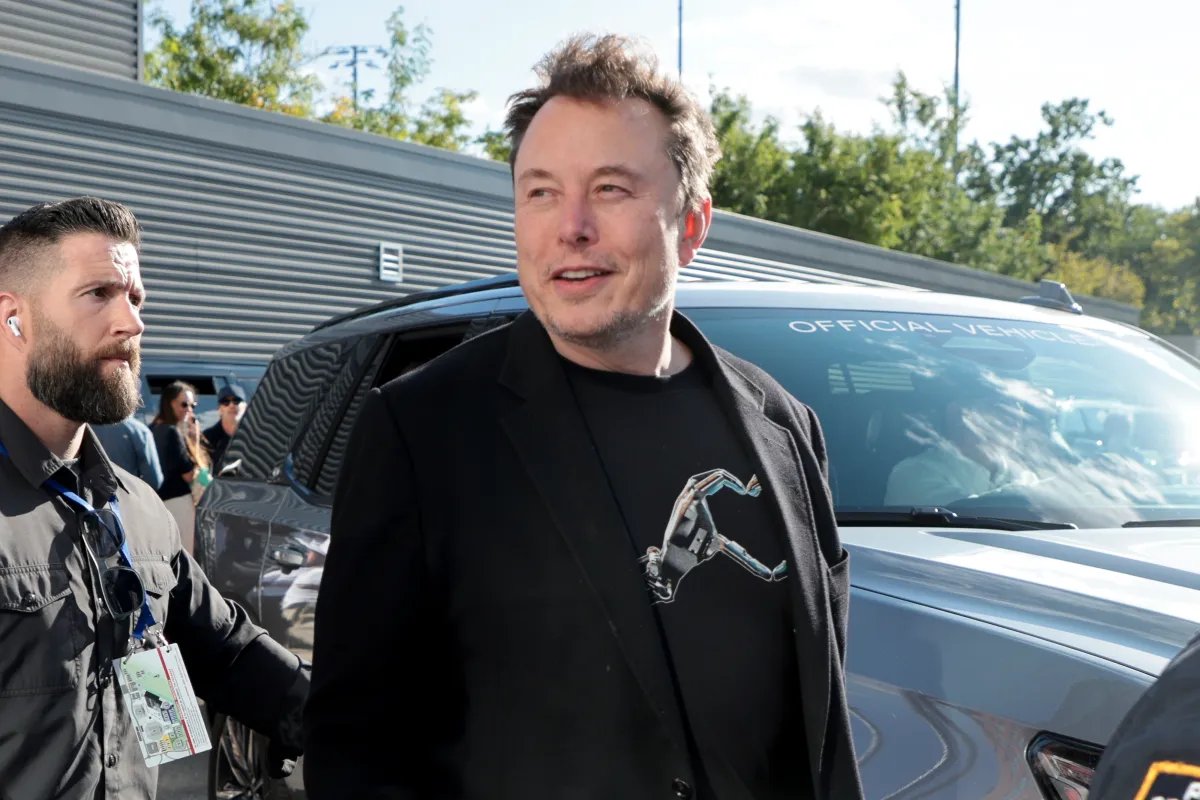
In a significant stride toward redefining the automotive and AI landscape, Tesla reported a record-breaking vehicle delivery volume in Q3 2025, driven largely by the government’s expiring federal EV tax credits. Despite this surge, the company’s earnings did not scale proportionally, with profits declining 37% compared to the same quarter last year. This disparity underscores the escalating costs associated with Tesla’s relentless push into AI and robotics innovation, which, according to industry analysts, could reshape transportation and healthcare sectors for decades to come. Tesla’s strategic pivot appears to threaten established industry paradigms, signaling a fundamental industry shift towards autonomous systems that could rival traditional automotive revenue streams.
Much of Tesla’s financial challenge stems from a 50% spike in operating expenses, largely due to investments in artificial intelligence (AI), research and development (R&D), and restructuring charges—potentially related to the controversial shutdown of its six-year-old Dojo supercomputer project. This costly push into AI aligns with CEO Elon Musk‘s vision of creating a “robot army,” notably through scaling its Full Self-Driving and Robotaxi initiatives, which Musk claims will fundamentally transform transportation. However, early production hurdles and the costly race for technological supremacy have amplified concerns among industry evaluators like Gartner and MIT about the sustainability of Tesla’s disruptive ambitions amid tightening margins.
As Musk pledges to develop the third iteration of Optimus– the company’s humanoid robot, the industry watches closely. While Musk’s rhetoric promises a future where Optimus could eradicate poverty and provide advanced medical care, experts warn that such a narrative veers into the realm of *speculative hype*, overshadowing the tangible engineering challenges and competitive pressures at play. Tesla’s increased capital expenditures—expected to grow *substantially* in 2026—reflect the intense competition for AI talent, as well as the strategic necessity to stay ahead in a technology war where timing and real-world deployment are critical. The ongoing battle over AI dominance is not merely technological; it is a watershed moment that could determine which players will lead the next global economic cycle.
Looking ahead, the rapidly evolving AI and robotics sectors are poised to determine the next wave of industrial disruption. As Tesla accelerates its push into autonomous systems, the industry braces for a period of intense upheaval—one that could not only redefine mobility but also challenge policymakers, regulators, and global markets alike. With Musk’s bold vision and substantial capital commitments, the race is on. The question now is whether Tesla’s innovations will carve the future or become a costly gamble that delays true industry transformation. Time is of the essence for those who wish to lead in this new era—those who hesitate risk missing the seismic shifts that will shape the 21st century.

In recent days, the tragic incident off Victoria’s coast, where two men lost their lives amid severe weather conditions, serves as a somber reminder of nature’s unpredictable power. While this event unfolded locally, it echoes a broader narrative that resonates across nations—an ongoing struggle between human ambition and the irresistible forces of our planet. The young British surfer, described as inexperienced, and his companion, whose resilience was unfortunately not enough against the raging waters, highlight the dangers that extreme weather events can impose even on the most seasoned individuals. Such catastrophes have more than personal ramifications; they are harbingers of the geopolitical shifts caused by climate realities, warning policymakers and international actors alike about the escalating stakes. As resource-rich nations, especially those vulnerable to climate change, grapple with these realities, the interconnection of climate policy, economic interests, and national security becomes starkly evident.
Global organizations and national governments are increasingly faced with the challenge of balancing economic development with environmental sustainability. Many analysts, including climate scientists and geopolitical strategists, warn that the severity and frequency of extreme weather events are directly linked to climate change, driven by decades of industrialization and neglect. The incident in Victoria is not isolated but part of a pattern that complicates international relations. Countries such as China and the United States, whose vast industrial and urban centers are major contributors to emissions, face rising pressure to lead in global climate response. Meanwhile, nations in vulnerable regions, like the island nations of the Pacific, are already experiencing the harshest effects—rising sea levels, violent storms, and loss of homeland. These dynamics push the United Nations and other multilateral institutions into the spotlight, urging the implementation of binding international treaties and climate action frameworks that often stumble over sovereignty, economic priorities, and political will.
The geopolitical landscape is shifting as countries re-evaluate their strategic alliances and economic dependencies in light of environmental challenges. Historically, nations have prioritized military strength and economic growth, but today, the urgency of climate resilience is reshaping policy agendas worldwide. Countries like Russia and India are increasingly asserting their interests in securing resources vital to their sustainability—be it water, arable land, or energy sources—often at the expense of other nations’ environmental or territorial claims. Meanwhile, European nations are forging alliances aimed at climate innovation, positioning themselves as leaders in the green economy. Yet, critics argue that such shifts risk masking or delaying necessary reforms, while regional conflicts flare over access to diminishing resources. According to seasoned analysts, these patterns will intensify as climate-related stresses threaten to turn environmental issues into flashpoints for conflicts—an evolution that could redefine the very fabric of international stability.
As the tragedy at Frankston pier underscores the dangers faced during extreme weather, it also serves as an unignorable wake-up call for a world at a crossroads. The unfolding chapter of our history is being written now, with decisions made by leaders, institutions, and societies that will echo through generations. Will they choose the path of cautious diplomacy, sustainable development, and interconnectivity, or continue down a course of short-term gains and geopolitical competition? The mounting evidence suggests that the stakes are higher than ever, and the window for meaningful action narrows with each passing day. As history’s pen hovers over the page, the world must confront its worst fears and embrace a collective responsibility—before the violence of nature and the recklessness of mankind write an irreversible ending to the story of our times.
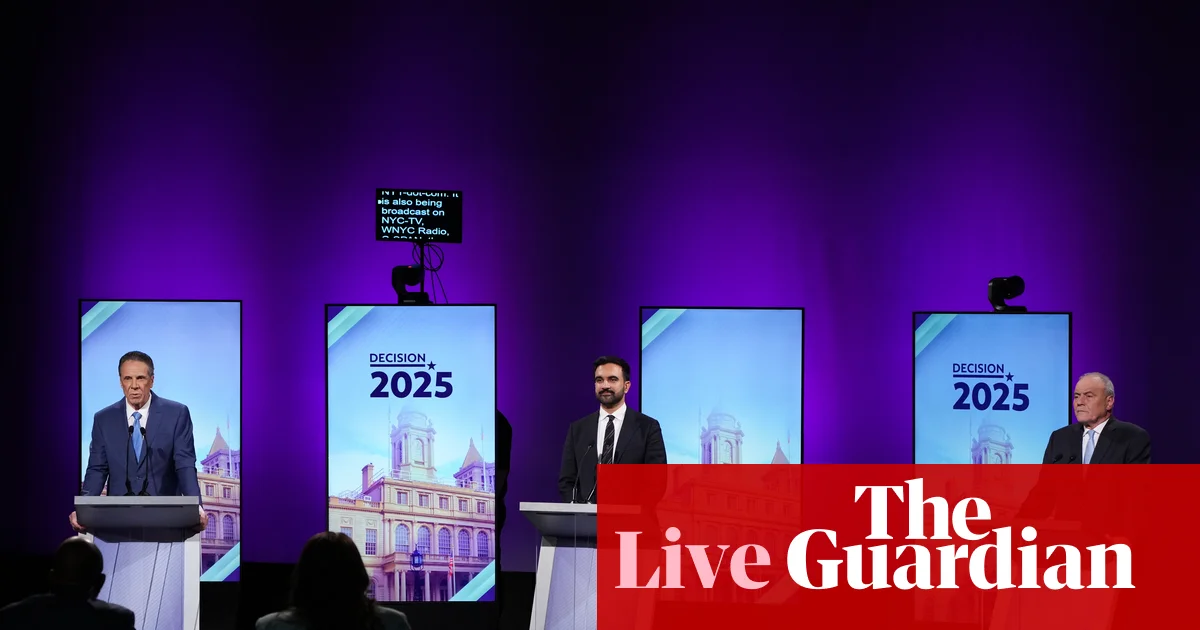
The city that once symbolized the heart of American ingenuity and resilience, New York City, has once again become the crucible where domestic politics collide with global agendas. The latest round of mayoral debates, featuring figures like Zohran Mamdani, Andrew Cuomo, and Curtis Sliwa, serve as a microcosm for the tense, complex geopolitics that define the 21st century. As American politicians do battle over issues ranging from housing crises to the specter of foreign influence and ideological radicalism, they unwittingly cast shadows that stretch across borders, affecting the geopolitical balance worldwide.
Analysts like Dr. Emily Grant from the International Policy Institute note that U.S. mayoral elections, especially in a metropolis as emblematic as New York, hold symbolic power beyond local governance. The debate over law enforcement strategies, immigration policies, and foreign policy stances is intertwined with America’s stance on global security. Mamdani’s calls for a more compassionate approach towards immigrants and his critique of federal ICE operations resonate globally, given the ongoing migration crises and international terrorism concerns. Meanwhile, Cuomo’s narrative on law and order echoes a broader international conversation on security and civil liberties, with some commentators suggesting that these internal dialogs influence how U.S. allies and adversaries perceive American stability and commitment on the world stage.
Underneath the rhetoric, these political exchanges reflect a nation grappling with its identity amid global upheaval. The debate’s focus on issues like the handling of Rikers Island, support for LGBTQ+ rights, and responses to international conflicts underscores how domestic elections are increasingly manifesting in international politics. For instance, Mamdani’s vocal opposition to certain international policies likely signals a shift towards more progressive and interventionist overseas stances by local leaders, potentially impacting diplomatic relations. Historian Jonathan Fields emphasizes that political figures on the rise, such as Mamdani, are being watched closely as indicators of potential future shifts in U.S. foreign policy, especially as they challenge the status quo set by traditional power players like Cuomo.
As the city prepares for a decisive election amidst this ambiguity, the question remains: how will these internal debates translate into global influence? Will New York’s next mayor steer the city — and by extension, America’s diplomatic trajectory — towards a more conciliatory or confrontational direction? The world watches with bated breath, knowing that in the chess match of geopolitics, the movements of a city’s mayor can signal the tone of a nation’s diplomacy. The unfolding story from Queens is more than local politics; it is a chapter in the ongoing saga that will determine the balance of power, influence, and stability in a world on the brink of upheaval. History continues to writethe present with every mayoral decision, echoing through corridors of power worldwide.

In a thrilling announcement that has ignited excitement across the basketball community, NBA officials confirmed that the iconic Larry O’Brien Trophy logo and the NBA Finals script logo will be painted on the court for the upcoming playoff series. This marks the first time since 2009 that these symbols of championship glory will grace the hardwood, a move that many fans and commentators see as a revitalization of the tradition that celebrates the league’s premier event.
The addition of these logos, especially after a lengthy absence, is set to heighten the anticipation surrounding the Finals. According to ESPN sources, this change represents not just a visual transformation, but a symbolic nod to the storied history of the NBA. Coach Steve Kerr of the Golden State Warriors weighed in on the significance of these logos during a recent press conference, stating, “Every time you step onto that court, you’re reminded of what’s at stake. These images represent the pinnacle of achievement and the relentless pursuit of greatness.”
The excitement surrounding this development is palpable. Renowned sports commentator Doris Burke stated in a recent interview, “These logos aren’t just designs—they are reminders of the legendary players who have fought for this title, embodying the spirit of competition.” The renewed presence of the logos promises to spark pride among players and fans alike, reminding everyone of the sheer thrill that comes with competing for glory.
As the NBA Finals approach, the reintroduction of the Larry O’Brien Trophy logo and script serves not only as a nostalgic reminder of past triumphs but also as a unifying force for fans worldwide. Beyond the final scores and statistics, it encapsulates the passion, dedication, and communal spirit that basketball embodies. In a time often fragmented by division, the game brings us together, proving once again that every season culminates in a celebration of not just sport, but of unity, hope, and the relentless pursuit of dreams.
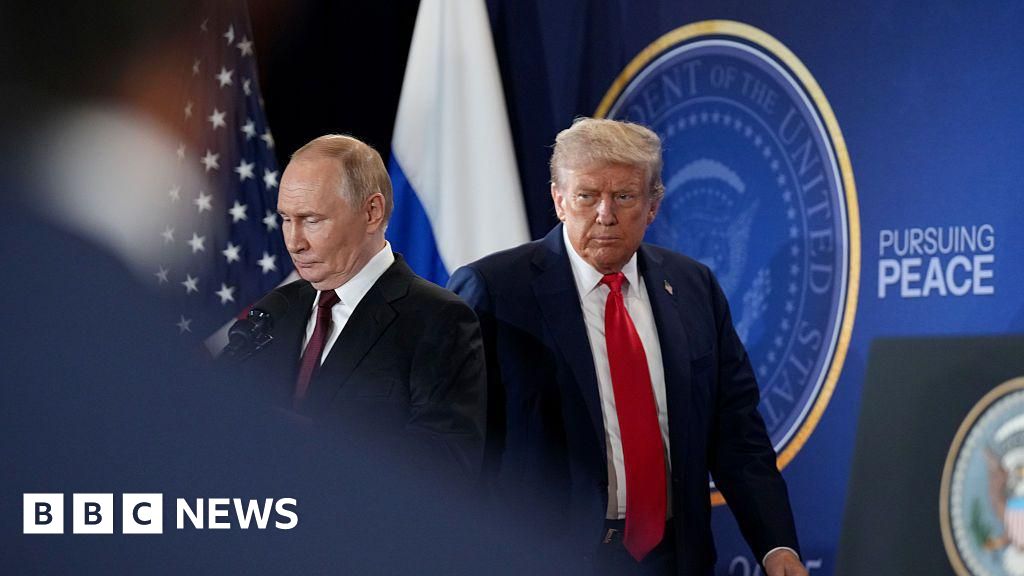
In a bold move emblematic of its recent aggressive stance, the United States has announced new sanctions targeting Russia’s two largest oil companies, Rosneft and Lukoil. The aim is to leverage economic pressure to compel Moscow into abandoning its military campaign in Ukraine. Treasury Secretary Scott Bessent asserted that these measures are vital because these firms, which export approximately 3.1 million barrels of oil daily, serve as key funding sources for the Kremlin’s war effort. Analysts emphasize that these sanctions could considerably diminish Russia’s ability to sustain its offensive along Ukraine’s front lines, potentially reshaping the battlefield dynamic.
President Donald Trump articulated a firm hope that the sanctions will produce a diplomatic breakthrough, emphasizing that they are “tremendous” and could be swiftly revoked if Russia ceases hostilities. He expressed frustration with Vladimir Putin‘s reluctance to engage in honest peace negotiations, highlighting that despite numerous conversations, “they don’t go anywhere.” Meanwhile, European NATO allies and UK officials are rallying behind these efforts, with the UK announcing a similar sanctions package that aims to dismantle Russia’s energy capabilities and curb its economic influence.
However, Russia has responded with fierce rhetoric, condemning the sanctions as threats that could destabilize global fuel markets and harm developing economies. Putin’s government, through Russia’s embassy in London, has warned that targeting energy firms like Rosneft and Lukoil risks disrupting global supplies and escalating tensions further. According to estimates from the UK government, these oil giants are responsible for nearly half of Russia’s oil output—an integral part of the Kremlin’s economy, heavily dependent on energy exports to countries such as China, India, and Turkey. Historically, these nations have served as vital Russian economic partners, and any disruption to this trade could have profound geopolitical repercussions, challenging the Western narrative of economic strangulation as a tool of diplomacy.
Adding complexity to the scenario is the broader international effort to broker peace. The NATO allies and Ukraine have proposed a 12-point plan, seeking to freeze current front lines, recover deported children, and facilitate prisoner exchanges—all with an eye toward a future European integration for Ukraine. Turning points like these represent critical junctures where treaty diplomacy and military aid could determine the course of history. Yet, persistent tensions remain, especially as Russia refuses to back down, demanding the withdrawal of Ukrainian forces from the Donbas region. The Putin-led government views recent Western sanctions as part of a broader effort to weaken Moscow’s global standing and economic sovereignty—further fueling an already volatile geopolitical climate.
As history continues to unfold in this high-stakes struggle, the words of historians warn of the perils of miscalculated escalation. The decisions made today, driven by economic warfare, diplomacy, and military support, will resonate through generations. The clash over Ukraine is no longer merely a regional conflict but a definitive contest for influence between East and West. The world watches with bated breath, knowing that the coming months will solidify whether this crisis ushers in a new era of stability or plunges humanity into a path of unforeseen turmoil. In the shadow of shifting alliances and mounting pressures, the weight of history is poised to be written—each act shaping the legacy of an uncertain tomorrow.


