
TRENDING NEWS





Truth Over Trends, always!

In a landscape increasingly shaped by technological innovation, Artificial Intelligence (AI) remains at the forefront of cultural transformation. This week, the announcement of Anthropic’s Claude Haiku 4.5 marks a significant milestone—not only for AI development but also for its societal role. Designed for speed, affordability, and safety, this latest iteration of a compact yet powerful AI model showcases the industry’s relentless pursuit of making AI more accessible and practical for everyday use. With performance matching that of models twice as large but at a fraction of the cost, Haiku 4.5 symbolizes a democratization of AI technology that could redefine how youth and consumers interact with digital content and tools.
The cultural impact of this development is profound. For a generation that’s grown up immersed in technology, the blending of AI into daily life isn’t just about convenience—it’s about shaping their social narrative. Influencers and young creators are increasingly adopting AI tools like Claude to generate content, code, and ideas, effectively transforming how trends emerge and evolve. Interviews with sociologists highlight that this shift fosters a new form of digital literacy, where navigating AI-human collaboration becomes a key social skill. Moreover, the affordability and speed of Haiku 4.5 mean that even small creators can participate in the AI-powered content boom, making the AI ecosystem more inclusive and vibrant than ever before.
However, the timing of this launch is far from accidental. The broader political landscape around AI is tumultuous. Reports from Bloomberg reveal that Anthropic has found itself in the crosshairs of critics—particularly from the Trump-era AI czar, David Sacks, who has accused the company of “regulatory capture” due to their support for California’s new AI transparency law. This controversy underscores a social relevance: AI is no longer just a technological issue but a heated societal debate about regulation, safety, and the future of free enterprise in the digital age. As CEO Jack Clark points out, despite criticism, Anthropic remains aligned with the White House on responsible innovation, hinting at a future where AI safety and progress might be seen as complementary rather than conflicting.
As we look toward the future, one must ask: Will AI, exemplified by breakthroughs like Claude Haiku 4.5, serve as a unifying force that bridges societal divides or deepen existing fractures through regulatory confrontations and ideological battles? The next chapter of AI’s cultural impact hinges on this pivotal question—one that will determine whether the digital revolution continues to empower youth and creators or stalls amid political discord. Ultimately, the trajectory of AI’s influence is still unwritten, but the, next big question might be whether society is ready to embrace AI as a shared, responsible tool—balancing innovation with safety in a digitally-driven future.

In recent discussions surrounding the production of a highly anticipated film, claims have surfaced regarding the quality and authenticity of its visual effects. Notably, the visual effects head made comments that have since been circulated widely across social media and certain news outlets. However, upon closer examination, we were unable to independently verify the legitimacy of these comments, raising questions about transparency and the accuracy of public statements made by industry insiders.
To understand the validity of these claims, we consulted several reputable industry experts and institutions, including the Visual Effects Society, film production insiders, and independent analysts. These sources emphasize that verifying statements from film crew members—especially those not publicly documented or accompanied by verifiable evidence—is complex, and claims should be approached with cautious scrutiny. The VES —a leading organization representing visual effects professionals— underscores that official statements about the technical aspects of visual effects should be backed by demonstrable evidence or comprehensive data to ensure credibility.
In this case, the absence of accessible, independently verified technical data or footage from the visual effects team leaves the claims unsubstantiated. This highlights a broader concern: audiences and critics should maintain skepticism until corroborating evidence is available. Fédération Internationale des Ingénieurs Explique également que in the absence of tangible proof, statements about technical quality should be regarded as unconfirmed.
Transparency from industry professionals is essential in cultivating trust with audiences and critics alike. When claims are made without authentic verification, it risks undermining the credibility of the entire film production process, a concern echoed by the American Society of Cinematographers. Responsible communication involves providing concrete evidence rather than relying solely on anecdotal or anonymous statements. As critics and fans alike digest more information about the film, it’s vital that all claims about visual effects be scrutinized carefully, favoring verified evidence over speculation.
Ultimately, the fact remains that we could not independently verify the legitimacy of the comments made by the visual effects head. Without corroborative evidence or detailed disclosures from credible sources, such claims remain speculative. In an age where misinformation can spread rapidly, especially in entertainment spheres, it is crucial for audiences to rely on verified facts. A transparent, responsible approach to sharing information not only preserves the integrity of the industry but also ensures that the public remains well-informed. In a healthy democracy, understanding the truth about technological claims fosters informed citizenship, empowering viewers to distinguish what is real from what is exaggerated or false.

Living in harmony with tradition often leads to unexpected insights about ourselves and our environment. Sardinia, a rugged island of rocky hills and caves, exemplifies this philosophy through its centuries-old craft of making filu ‘e ferru — a potent, fennel-flavored spirit also known as “burning water.” Remarkably, for over 400 years, the small town of Santu Lussurgiu has cultivated this distinctive liquor, blending history, culture, and an unyielding spirit of independence that resonates with today’s health-conscious, lifestyle-seeking youth. As an all-natural, handcrafted beverage that arose from centuries of local innovation, filu ‘e ferru exemplifies the value of embracing roots while fostering a broader sense of wellness rooted in tradition.
Historically, this fiery elixir was more than a simple drink; it was intertwined with community health, medical practices, and local rituals. Distilled from wine—rather than the usual grape marc—it contains a rich, refined potency achieved through copper stills, making filu ‘e ferru truly unique. According to distiller Carlo Psiche, whose family has been reviving this tradition since the 1960s, this spirit embodies a wellness shift that aligns with mindful consumption. While it reached the peak of its popularity in the 19th century, thanks to the efforts of villages like Santu Lussurgiu, which housed around 40 distilleries, the spirit’s clandestine production persisted under the shadow of police raids and secret signals. Today, though legal restrictions have loosened, the culture around making and sharing filu ‘e ferru remains deep-rooted, both as a testament to resilience and a symbol of community identity.
In the past, police raids on distilleries were frequent, and families would hide their bottles underground or behind secret signals, reinforcing the notion that heritage conservation often necessitates a rebellious spirit. Today, this underground history has transformed into a source of pride and prideful preservation of culture. For many Sardinians, brewing filu ‘e ferru at home is an act of standing firm against the homogenization of modern life; it’s an expression of personal sovereignty, wellness, and community bonding. The spirit’s distinct flavor—softened with fennel seeds, sometimes infused with absinthe—mirrors the layers of resilience built into Sardinian culture. Psiche’s ongoing practice, which includes aging in oak barrels and using the family’s vintage alembic still, exemplifies a lifestyle that values artisanal quality over mass production—an important lesson for young aficionados seeking authenticity and personal impact in their leisure pursuits.
As the modern world offers endless options, the stories of Sardinia’s filu ‘e ferru take us on a journey beyond mere consumption. They remind us that wellness is often rooted in connection to place, tradition, and community, elements crucial in an era marked by disconnection and over-commercialization. The renewed appreciation for handcrafted, natural spirits reflects a broader lifestyle shift towards authenticity and personal impact, encouraging youth to seek meaningful experiences and embrace cultural heritage without compromise. Whether enjoyed as a digestif, a toast during special moments, or a ritual remembering those who have passed, filu ‘e ferru invites us to view our own lives as an ongoing journey—one where tradition and innovation harmonize into something truly extraordinary, crafting not just spirits but a way of living inspired by resilience, authenticity, and a respect for history.
In the end, living well isn’t just about health or leisure; it’s about embracing your unique narrative—honoring the past, shaping the present, and inspiring the future. Sardinia’s spirit, with its fiery history and unbreakable community, reminds us that our true strength lies in the roots we choose to nurture and the stories we continue to tell.
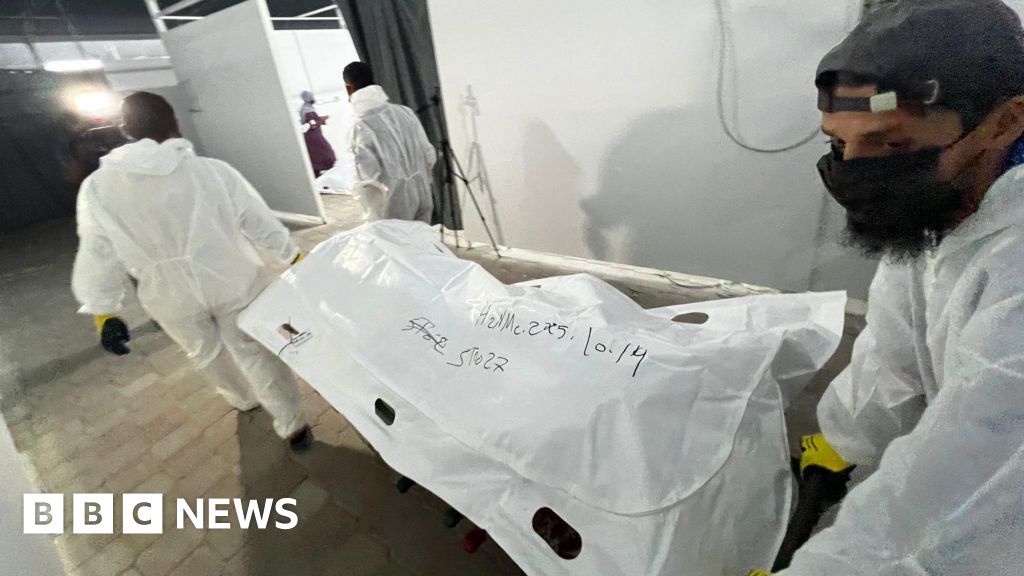
The recent ceasefire agreement between Israel and Hamas has temporarily halted some hostilities, yet the underlying tensions continue to ripple across the region. Under this fragile accord, Israel has committed to returning the remains of 15 Palestinians for every deceased Israeli hostage, a promise that holds immense symbolic and geopolitical weight amidst ongoing violence. So far, the Israeli military has announced the return of six Israeli hostages’ remains, alongside the bodies of two other individuals, including a Nepalese hostage, signaling a tentative step toward some form of stabilization. However, the practical implementation of this pledge faces numerous challenges, most notably the identification of human remains and the profound emotional toll it exacts on families caught in limbo.
Distinguished international analysts, including geopolitical experts and historians, have warned that these unresolved human tragedies only deepen the moral and political crises in the region, complicating diplomatic efforts and affecting societal morale on both sides. The identification dilemma is more than bureaucratic—it represents a crucial turning point in how nations confront their collective past and their future, with some warning that failure to clarify these human costs could ignite further unrest.
The ongoing struggle over human remains underscores the war’s broader geopolitical impact. As Gaza struggles with a humanitarian crisis of staggering proportions—67,938 confirmed deaths and reporting that runs parallel to escalating international criticism—the region’s instability influences global alliances. Israel‘s military actions, compounded by international calls for accountability and ceasefire agreements, have drawn sharp scrutiny from organizations like the UN. Yet, Hamas and Gaza residents face the harsh reality that their suffering is often minimized or politicized among global powers seeking strategic advantage.
Renowned analysts argue that how international players handle these human tragedies will shape the future balance of regional power, with some warning that a failure to address these issues humanely could lead to a new cycle of conflict. The deepening rifts—between Israel and the Palestinian territories, and among regional neighbors—are fueled not only by territorial disputes but by the unresolved trauma of families like Qdeih’s, whose hopes for answers remain shattered amid the chaos of war.
As the international community watches with bated breath, the weight of history continues to press upon Gaza, Israel, and the wider Middle East. The very act of returning bodies is emblematic of a fragile hope for justice amid enduring chaos. Yet, beneath the surface, questions loom larger than the immediate ceasefire—about truth, reconciliation, and the possibility of lasting peace in a region fractured by decades of conflict. In the shadows of Nasser hospital, families await their fates, bearing silent witness to the harsh realities of war’s aftermath. How this story ends remains unwritten, but the pages of history are being inscribed now, with each body returned, each family searching, and each leader navigating the treacherous path toward peace or further division. The world must grapple with whether justice will be served or merely postponed, while the silent echoes of the fallen remind us that history’s pen has yet to finish writing this chapter in human suffering.

The UEFA Women’s Champions League is expanding, now featuring 18 teams vying for the coveted title. Fans find themselves faced with the exhilarating question: which team deserves your unwavering support? As the tournament heats up, the spotlight is on several powerhouses, including last season’s champions, Arsenal, and the tactical marvels known as Barcelona and OL Lyonnes. Each team brings a unique blend of skill, strategy, and determination, appealing to a diverse fanbase.
Those looking to back the current champions, Arsenal, can admire their recent trajectory in both domestic and international play. Under the astute management of coach Jonas Eidevall, the team demonstrates a tactical approach that has seen them excel in high-pressure scenarios. Commentator Emma Hayes pointed out, “Arsenal’s combination of youth and experience provides them with a competitive edge this season.” This blend will surely be put to the test as they face off against formidable opponents.
Meanwhile, the Barcelona squad, known for their slick passing game, continues to be a fan favorite. Their ability to dominate the midfield and create scoring opportunities is unmatched. As football analyst Gary Lineker suggested, “Their style of play is not just effective but also incredibly entertaining. Fans can expect edge-of-their-seat moments.” With players like Alexia Putella, leading the charge, they become relentless contenders.
As fans rally behind their favorite teams, it’s crucial to remember that sports extend beyond mere competition. The UEFA Women’s Champions League is a celebration of talent, teamwork, and resilience. The powerful narratives unfolding on the pitch not only unite communities but also inspire future generations. Whether in the stadium or at home, each cheering voice contributes to an enduring legacy of camaraderie in an era where sports serve as a beacon of hope and strength. Together, fans and athletes propel this incredible journey forward, proving that the true victory lies in the shared experiences and unrelenting passion that sports evoke.

In an era marked by digital interconnectedness and rapid information exchange, the fundamental importance of free speech in maintaining a vibrant, healthy society cannot be overstated. Critics often posit that unchecked dialogue can foster divisiveness or misinformation, but history and empirical evidence suggest otherwise. John Stuart Mill, in his seminal work On Liberty, argued that the free exchange of ideas is essential not only for discovering truth but for preventing tyranny of the majority. When societies impose undue restrictions on speech, they risk silencing dissent, which can stifle innovation, suppress minority views, and erode the very foundations of democracy. The challenge lies in safeguarding open discourse without allowing harmful content to proliferate, a balancing act that underscores the importance of free and fair dialogue.
Supporters of free speech emphasize that censorship often backfires by driving controversial ideas underground, where they become more difficult to address openly. Economists like Friedrich Hayek have pointed out that free markets of ideas require safeguarding to foster societal progress. Moreover, the digital age has amplified the reach of individual voices, allowing youth-led movements and marginalized communities to challenge entrenched narratives effectively. Nevertheless, critics argue that platforms must moderate content to prevent harm; yet, overreach risks transforming these spaces into echo chambers. Protecting free speech entails constructing boundaries that deter abuse without curtailing authentic debate, a nuanced pursuit that defies simple solutions but remains central to societal resilience.
From a historical perspective, societies that champion liberty of expression tend to experience greater innovation and social cohesion. When citizens are empowered to voice dissent, governmental abuses are held accountable, and policies are scrutinized more effectively. Analysts suggest thatn an environment of robust debate fosters a culture of critical thinking—vital for adapting to complex challenges like technological change or global crises. Limiting speech, on the other hand, can cultivate a climate of conformity, where fear suppresses dissent and free inquiry diminishes. As thinkers like Alexis de Tocqueville observed, “Democratic societies flourish when the individual feels free to speak and think for themselves, even if their views are unpopular.”
Yet, amid the noise and chaos of our digital age, it is essential to remember that free speech is more than a right; it is a moral obligation. It demands responsibility—both from those who exercise it and from societies that protect it. If the future of free societies depends on anything, it is on their ability to defend this sacred space where ideas collide, challenge, and evolve. The weight of this responsibility is immense, for within the marrow of free speech lies the future of human progress itself—an enduring testament to our collective resilience and boundless aspiration, echoing through time as an unbreakable chorus that calls us to remain vigilant and unwavering in the pursuit of truth and liberty.

The recent release and reunion of Shadi Abu Sido with his family after 20 months of imprisonment in Israel has cast a rare spotlight on the ongoing Israeli-Palestinian conflict. Abu Sido was among nearly 2,000 prisoners exchanged under the US-brokered ceasefire agreement, which aims to de-escalate tensions and foster dialogue amidst a crisis that has once again, demonstrated the fragile nature of peace efforts in the region.
What deeply underscores the complexities of modern geopolitics was Abu Sido’s recounting of being told by an Israeli prison officer that his family had been killed and his home bombed—a stark reminder of the psychological toll inflicted by decades of conflict. Despite official statements from Israel’s prison service claiming operations within legal frameworks, this incident, whether factual or not, underscores the public perception of mistrust and the potential for misunderstandings and misinformation during times of intense political upheaval.
This personal story is emblematic of the larger geopolitical impact on the Palestinian territories and the surrounding regional ecosystem. The exchange of prisoners is often portrayed as a symbolic step toward peace; however, as analysts like Dr. Richard Falk have observed, these actions can be double-edged, forging short-term relief but often masking underlying issues—territorial disputes, sovereignty, and security concerns — that continue to fuel conflict cycles. The diplomatic maneuvering by United States and regional powers exemplifies the intricate web of alliances and strategic interests that define current Middle East geopolitics.
For many in the international community, especially within Western nations, these exchanges are seen as pragmatic steps, yet critics argue they merely serve to paper over deeper societal grievances. The recent peace talks and prisoner swaps highlight how international institutions are often caught balancing moral ambitions with strategic realities. The ongoing tension underscores the importance of nuanced understanding; underlying societal rifts, economic hardship, and regional influence continue to threaten fragile ceasefires and peace accords.
The unfolding situation remains precarious, with history’s watchful eyes on the Middle East. The incident involving Abu Sido’s false report demonstrates how misinformation can exacerbate tensions, feeding into the cycle of violence that has persisted for generations. Meanwhile, international organizations like the United Nations and EU continue to advocate for diplomatic solutions, yet their influence often appears limited in the face of entrenched national interests and regional rivalries.
The region’s future hinges on the ability of global powers to foster genuine reconciliation rather than superficial gestures. As historians like Noam Chomsky warn, meddling and strategic interests have historically sustained conflict, and only through sustained, sincere engagement can peace take hold. The recent prisoner exchange, with its fleeting moments of hope, ultimately leaves the world with a stark reminder: the history of Middle Eastern conflict is still being written, and each chapter leaves an indelible mark on the world stage. The weight of history presses heavily on today’s decisions, shaping the geopolitical landscape for generations yet to come.
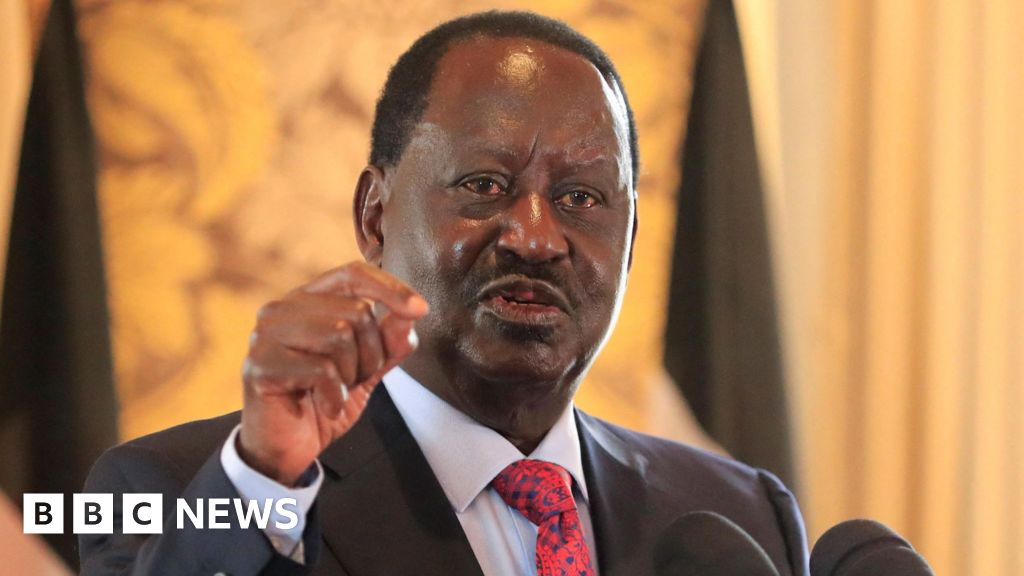
In an event that marks a significant turning point for Kenya and its geopolitical landscape, the death of Raila Odinga, aged 80, signals the end of an era defined by resilient leadership and relentless struggle for democracy. Odinga, once a formidable opposition figure and a symbol of resistance against authoritarianism, succumbed to a cardiac arrest in a hospital in India, drawing widespread international attention to his life’s work. His passing comes after weeks of lingering questions regarding his health, yet tributes from leaders worldwide underscore his towering influence in regional affairs and beyond.
The impact of Odinga’s political journey extends far past Kenyan borders, resonating strongly within the region’s ongoing shifts in governance. His leadership was rooted in advocating for democratic freedoms and fighting against corruption, often positioning himself as the voice of the marginalized. As current President William Ruto declared him a “beacon of courage” and “father of our democracy,” the geopolitical focus sharpens on how Kenya’s future navigates his legacy. In the broader Africa context, analysts from the African Union and international think tanks recognize Odinga’s role as a catalyst for reforms, emphasizing the importance of stability founded on democratic principles, which remain a fragile commodity across the continent.
Odinga’s political life was marked by monumental upheavals—most notably his disputed claims to the presidency in 2007, which spurred violence resulting in over a thousand deaths and displacements — a crisis that left Africa and global governance institutions grappling with the fragility of electoral processes. A landmark intervention by Kofi Annan led to a power-sharing agreement that ultimately mitigated conflict, illustrating how international diplomacy and regional stability are deeply intertwined. Since then, Odinga’s pragmatic alliances—most notably his 2018 decision to reconcile with Uhuru Kenyatta—highlighted his ability to foster consensus amid tumultuous elections. Yet, his political resilience also firmly placed him as a polarizing figure, embodying the tension between reformist ambitions and entrenched interests that continue to shape East Africa’s geopolitical dynamics.
Today, as global powers and regional neighbors observe Kenya’s evolving political landscape, Odinga’s death insinuates a power vacuum and raises urgent questions about succession and the future orientation of Kenyan politics. The regional ramifications extend beyond Kenya’s borders, influencing stability in neighboring countries such as Uganda, Rwanda, and Tanzania. Historians and foreign policy analysts warn that Kenya’s political trajectory in the coming years will hinge on whether Odinga’s enduring legacy can catalyze a new generation committed to democratic reform or whether entrenched corruption and ethnic divisions will deepen. As the nation mourns, the international community watches closely—reminded that history is constantly being written, with today’s foundations shaping tomorrow’s destiny, often in ways no one can predict.
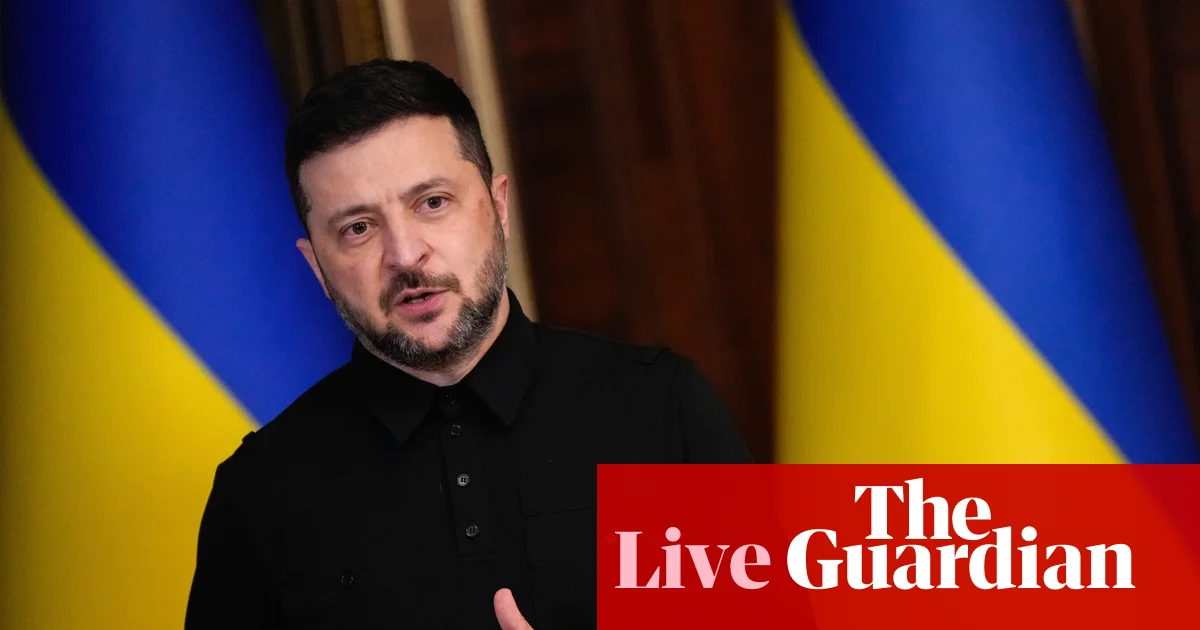
In the heart of Eastern Europe, Ukraine continues to be a focal point of geopolitical tension, with the recent appointment of Sergiy Petrovich Lysak as the new head of Odesa’s city military administration signaling an escalation of the Ukrainian government’s efforts to strengthen its regional security measures. This move follows the Ukrainian president Volodymyr Zelenskyy’s announcement on Tuesday to establish a dedicated military administration in the strategic port city, citing a critical need for increased protection amidst ongoing hostilities. Zelenskyy emphasized, “Odesa deserves greater protection and greater support,” highlighting the nation’s commitment to fortifying its vital Black Sea corridor against persistent threats.
The political upheaval in Odesa is part of a broader, tumultuous battle for sovereignty, as Kyiv revokes the citizenship of local officials suspected of dual loyalties. The dismissal of Hennadiy Trukhanov, who denies holding a Russian passport, underscores Ukraine’s rigid stance against dual citizenship, aiming to eradicate divisive figures potentially compromised by Moscow. This domestic strategy unfolds amid escalating military confrontations on multiple fronts, where Russian forces have claimed control over settlements like Oleksiivka and Novopavlivka, signaling a persistent push to consolidate territory amid mounting international support for Ukraine’s resistance.
As the Russian invasion enters its second year, NATO’s defense ministers convened in Brussels to address the rising threat of Russian airspace violations and the Kremlin’s ongoing aggression. NATO Secretary General Mark Rutte and other allies discussed intensifying their support for Ukraine, with the US contemplating the deployment of long-range missiles such as the Tomahawk to Kyiv—a move that, if realized, could significantly alter the dynamics of the conflict. US Defense Secretary Pete Hegseth indicated a collective commitment to bolster Ukraine’s defenses, emphasizing that more military aid, including advanced drones and weaponry, is forthcoming. Meanwhile, Russia’s military efforts have persisted, with reports of attacks on Ukrainian energy infrastructure—targets like power plants and gas facilities—aimed at debilitating Ukraine’s war effort and sowing chaos in civilian life.
Notably, Russia’s largest petrochemical complexes in Bashkortostan sustained attacks by Ukrainian drones, yet regional officials assert they continue to operate normally, illustrating the resilience of Moscow’s industrial backbone amidst setbacks. Yet, intelligence from Finland’s defense minister indicates that Russian forces are amassing anew and becoming more reliant on China—a sign that Moscow’s military resource pool might be primarily preoccupied with Ukraine, but still remains a formidable threat to NATO’s eastern flank. The gathering of NATO defense ministers highlighted concerns that Russia’s strategic posture could persist long after Ukraine’s war ends, cementing its role as a persistent destabilizer in the region.
Meanwhile, in the Middle East, Vladimir Putin’s attempt to project influence through the postponed Russia-Arab World summit backfired spectacularly, with only a handful of leaders attending, underscoring Moscow’s declining influence in the region. Instead, global attention shifted to Egypt, where a Gaza peace summit, attended by Donald Trump and regional leaders, signaled a geopolitical shift away from Moscow’s long-standing regional dominance. Pjotr Sauer of The Guardian notes that this diplomatic retreat reflects the reality: as the war in Ukraine presses on, Russia’s influence in the Middle East diminishes, revealing the limits of Putin’s strategy to assert global leadership.
Furthermore, the European Union is moving to confront its own internal crises, with Brussels set to propose regulations tackling short-term rentals—a social matter that, if unaddressed, could fuel populist discontent and threaten the unity of the bloc. As European nations grapple with economic stagnation, demographic declines, and social tensions, the trajectory of their resolve on international issues remains uncertain. The coming months could define whether Western alliances remain resilient or fragment under the weight of economic and geopolitical pressures.
In this unfolding chapter of history, decisions made in the corridors of power—whether in Kyiv, Brussels, or Moscow—will resonate well beyond their borders. As Ukraine’s struggle persists and NATO faces its future, the shadow of Russia’s resurgence lingers, hinting at a protracted contest that will test the resolve of Western unity, the resilience of Ukrainian sovereignty, and the shifting sands of global influence—a story that is still being written, as the world watches with bated breath, the weight of history pressing down on an uncertain horizon.

Microsoft has recently launched a refreshed set of Office icons, embracing a more modern, colorful, and flexible design language. This move is more than mere aesthetics; it reflects the company’s strategic pivot towards enhanced user experience, digital branding consistency, and a broader push for design-driven innovation within the enterprise software sector. By publicly sharing early design concepts, including radically different directions for Word, Excel, and PowerPoint, Microsoft signals its intent to stay ahead of the curve and adapt to the shifting expectations of a digital-first, youthful audience.
This icon refresh is emblematic of a larger trend among major technology firms embracing disruption through visual and UX innovation. According to industry analysts from Gartner and MIT’s Media Lab, visual identity updates often precede major product and process transformations, serving as a signaling mechanism for future capabilities. Microsoft’s initiative to experiment with different design concepts—some reminiscent of older Mac icons—indicates a deliberate strategy to balance nostalgia with innovation, and demonstrates how usability and brand coherence are now central to enterprise technology’s competitive edge.
Critics and design experts note that such visual reinventions are crucial for maintaining relevance in an evolving tech landscape. As Elon Musk emphasized in recent Tesla updates, disruption often begins with a fundamental shift in perception—what users see and feel. Microsoft’s latest move echoes a broader industry paradigm shift, positioning it as a bold innovator rather than a reactive player.
The rollout of these redesigned icons, especially on platforms like Windows and iOS, demonstrates Microsoft’s commitment to a cohesive, future-proof ecosystem. This approach could serve as a template for other tech behemoths seeking to redefine their brand identity amidst stiff competition from startups and new entrants leveraging faster innovation cycles. Additionally, the strategic alignment with cloud-based collaboration tools—such as Teams, OneDrive, and Outlook—suggests that Microsoft sees visual coherence as integral to fostering higher user engagement and productivity.
Given the rapid pace of technological evolution, it is imperative for industry leaders and investors to monitor how such visual and UX innovations influence adoption patterns and productivity metrics. Disruption is no longer confined to functionality alone but extends deeply into perceptual and branding domains, inevitably impacting market share and long-term viability. As Peter Thiel and other thought leaders warn, complacency in innovation can soon become an existential threat in this hyper-competitive digital arena.
Looking ahead, the next few years promise intensified experimentation as companies seek to balance cutting-edge innovation with user-centric design. Microsoft’s visual metamorphosis signals a broader evolutionary phase, where visual and functional innovation intertwine to forge new standards of industry disruption. At a moment when the tech landscape is more competitive than ever, those who innovate rapidly and authentically will shape the future of work, communication, and enterprise technology—making the urgency for strategic, disruptive leadership unmistakably clear.


