
TRENDING NEWS





Truth Over Trends, always!
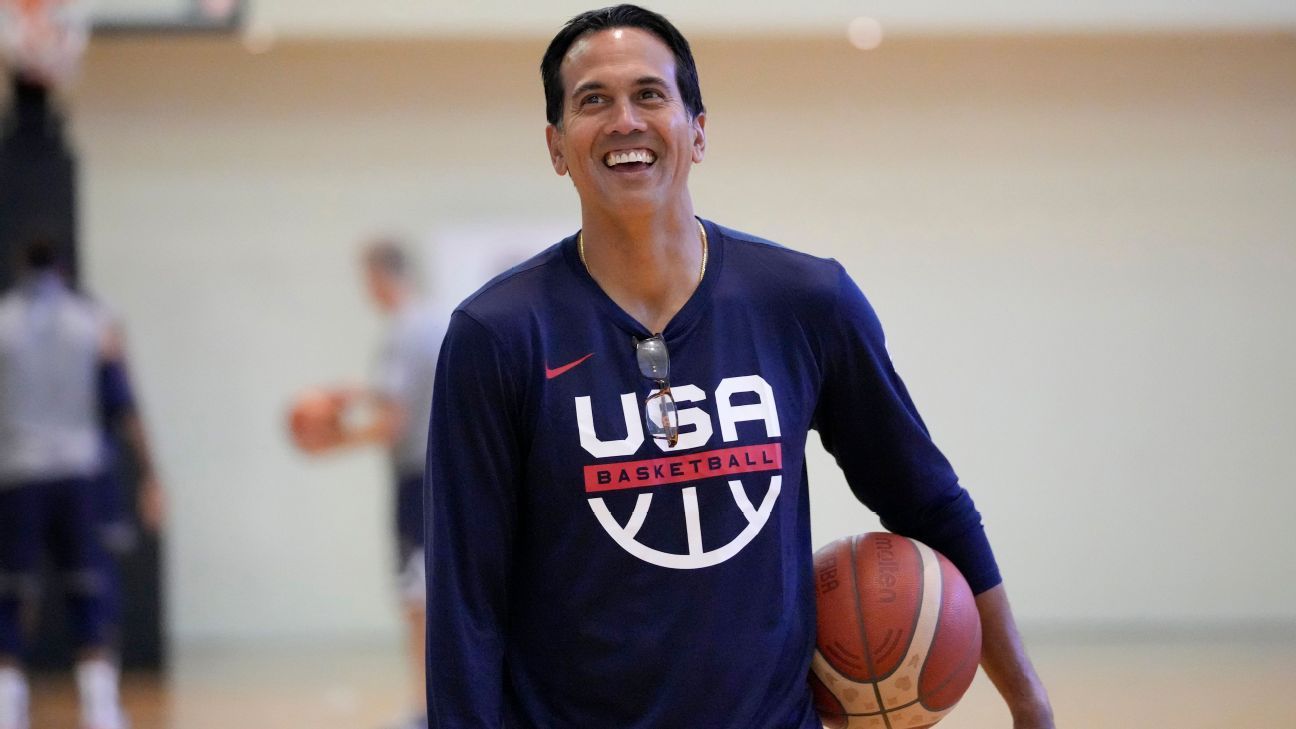
The sports world is abuzz with the announcement that Erik Spoelstra</, the esteemed coach of the Miami Heat, is set to lead Team USA. Known for his unwavering dedication to the “purity” of competition, Spoelstra is not just a tactician; he embodies the very ethos of basketball. His promotion to this prestigious role is a testament to his remarkable career and his commitment to fostering excellence.
Coach Spoelstra, who has been at the helm of the Miami Heat since 2008, has built a legacy defined by hard work and a relentless drive to win. Under his leadership, the Heat secured two NBA championships and multiple playoff appearances. In a recent interview, he expressed that “competition is about authenticity and respect for the game,” underscoring his philosophy that extends far beyond the court. His approach resonated with many commentators and athletes who believe that integrity should be at the forefront of sports.
As Spoelstra prepares to guide a roster filled with talent, including emerging stars and seasoned Olympians, expectations are soaring. He aims to revitalize Team USA’s standing on the international stage, a team that embodies American grit and skill. His knowledge of the game and innovative strategies will be crucial as they face fierce global competition.
In the grand narrative of sports, the journey of athletes and coaches like Erik Spoelstra is about more than just winning games; it’s a celebration of unity and shared passion. As Team USA gears up for upcoming challenges, fans can rest assured that they are not only rallying behind a team but joining a collective force that inspires and elevates the spirit of competition. In the end, whether the scoreboard reads a victory or a defeat, the essence of sport lies in its power to bring people together, igniting pride and passion across the nation.
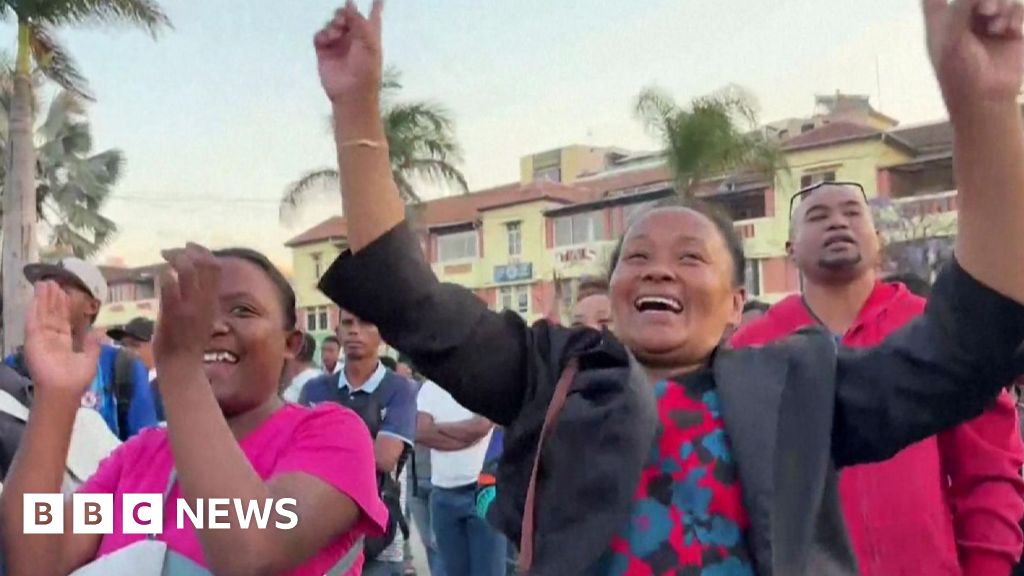
In a dramatic escalation of Madagascar’s ongoing political crises, an elite military unit has reportedly seized control from President Andry Rajoelina, amidst mounting social unrest triggered by nationwide protests over essential services such as water and electricity. The abrupt power shift underscores the fragility of democratic institutions in the island nation and reflects broader tensions sweeping across numerous developing countries where youth discontent threatens established governments. The decisive action by CAPSAT, Madagascar’s most formidable military unit, signals a potential turning point that could reverberate beyond Africa’s Indian Ocean region, echoing shifts seen in other nations grappling with governance and legitimacy issues.
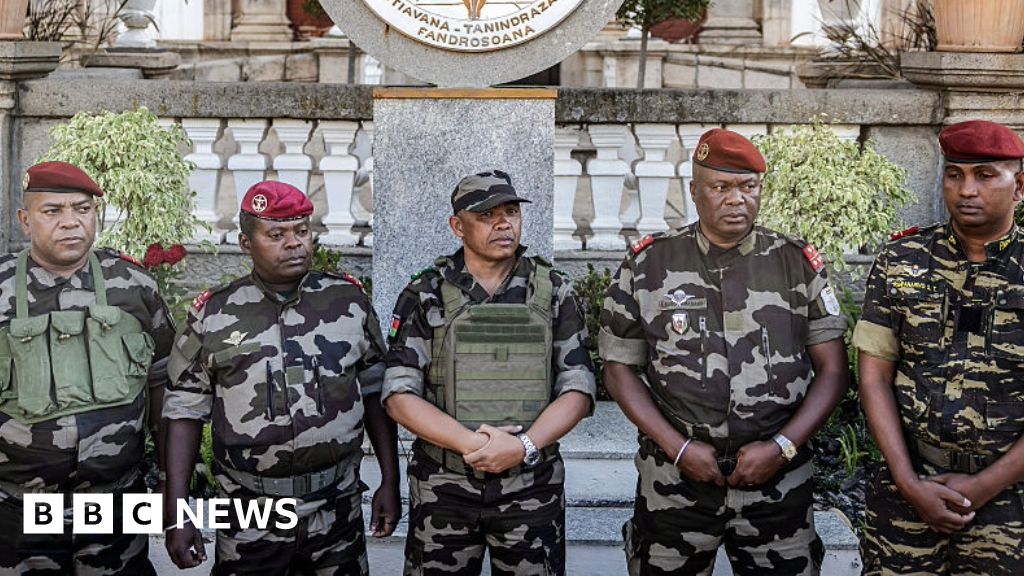
The military’s declaration, made outside the presidential palace in Antananarivo, outlined plans to establish a transitional government and hold elections within two years—a move that directly challenges Rajoelina’s authority. While the president remains in hiding, claiming to be in a “safe place” following an alleged assassination attempt, the military leadership, led by Col Michael Randrianirina, dismisses any involvement in an attack, pointing instead to internal political struggles. The swift, forceful action by CAPSAT underscores the growing influence of military factions in Madagascar, a classic feature of political instability in fragile states. This event has sent shockwaves through the regional political landscape, raising immediate questions about the future direction of governance and the potential for revolutionary dynamics to unfold in subsequent months.
International observers and analysts are warning that this coup could destabilize a region already plagued by economic hardships and governance challenges. The U.N. and regional bodies have expressed concern over the potential for increased unrest, emphasizing the importance of a *peaceful and democratic* resolution. Historically, analysts like Dr. Henry Lewis of the International Crisis Group note that military interventions in politics often result in *long-term instability*, especially if power is consolidated without clear legitimacy. Madagascar’s strategic location and resource wealth make it a significant point of interest in global geopolitics, with superpowers and regional neighbors carefully watching how this internal upheaval might impact security, trade routes, and foreign investments.
This unfolding crisis exemplifies a broader pattern seen across emerging nations where public discontent with corruption, resource management, and inequality has often culminated in military and political upheavals. How Madagascar’s current crisis develops will be crucial in understanding the future of governance in the island nation—and could serve as a blueprint for similar scenarios in the increasingly turbulent landscape of international politics. As history continues to write itself in the streets of Antananarivo, the question remains: will this act of military intervention lead to renewed hope and stability or plunge Madagascar into an enduring cycle of conflict and authoritarianism? The world watches, breath held, as the story of Africa’s potential rebirth or downfall begins, once again, to unfold with the weight of history pressing heavily upon every decision made in this critical hour.
The Indian Ocean island of Madagascar has entered a perilous new chapter in its political saga, as a powerful military unit claims to have seized control from President Andry Rajoelina. This abrupt shift in power follows weeks of youth-led protests that erupted over chronic shortages of water and electricity, but quickly morphed into a wider expression of dissatisfaction with government corruption, unemployment, and economic hardship. Such upheavals are a stark reflection of the fragility that often characterizes nations on the periphery of global power, where internal strife is ripe for exploitation and upheaval.
The Personnel Administration and Technical and Administrative Services Corps (CAPSAT), often regarded as the most formidable military faction in Madagascar, announced that it had “seized power.” Interestingly, this elite unit, which once supported Rajoelina when he ascended to power in 2009, has now aligned itself with the protesters. In a dramatic turn, the country’s constitutional court appointed Col Randrianirina as the interim leader, even as Rajoelina’s official office claimed that he remained in charge and dismissed the coup as an “attempted overthrow.”
Global reactions have been swift and cautious, with international organizations voicing concern. The African Union (AU) explicitly warned against military meddling, condemning any “unconstitutional changes of government,” while the French government described the situation as “greatly worrying.” The United States, through its State Department, urged all parties to pursue a peaceful resolution within the framework of Madagascar’s constitutional order. Historically, such foreign engagements highlight how isolated or embattled regimes risk alienation and intervention, which often escalate the crisis rather than resolve it.
Madagascar’s recent unrest stems from widespread economic despair, magnified by the youth-led protests against economic mismanagement and systemic corruption. Despite President Rajoelina’s youthful image and initial promise to symbolize a new beginning, allegations of cronyism and embezzlement tarnished his reputation, leading to mounting opposition. The protests turned violent, with clashes resulting in the UN reporting at least 22 fatalities and over 100 injuries; though the Malagasy government dismissed these figures as “rumors.”
Worse still, Rajoelina’s position was rendered increasingly vulnerable as lawmakers impeached him by a significant majority—*130 votes to none*, with even members of his own party voting against him. Rajoelina responded by attempting to dismiss the national assembly, an effort that failed and further underscored the deepening political crisis. Despite his attempts to influence events from exile, the narrative is clear: Madagascar is teetering on the edge of a political abyss.
The unfolding chaos in Madagascar underscores how internal political decisions resonate far beyond its borders. The AU’s warning against military intervention illustrates a broader concern about regional stability and the potential domino effect of coups in Africa. Furthermore, reliance on foreign powers like France and the United States exposes the fragile balance between national sovereignty and geopolitical interests. Historians like Walter Russell Mead warn that such unstable regimes can serve as breeding grounds for extremism and undermine regional efforts for economic development.
Madagascar’s dire poverty—75% of its 30 million population living below the poverty line—exemplifies the societal costs of prolonged instability. The country’s leadership disputes accusations of corruption, yet the populace’s frustration boiled over into violent protests, revealing how economic hardships can catalyze political upheaval. This crisis, therefore, becomes not just a local matter but a stark reminder of how fragile democracies are in the face of authoritarian temptations and external influence. History warns that neglect of governance and economic justice often culminate in chaos, with the people paying the highest price.
As the future of Madagascar hangs in the balance, the unfolding events serve as a stark tableau of a nation on the brink—a fragile expression of the enduring human struggle for stability, justice, and sovereignty. History’s pen is still writing, and the next chapters of Madagascar’s story remain unwritten in the shadows of coups, repression, and hope.
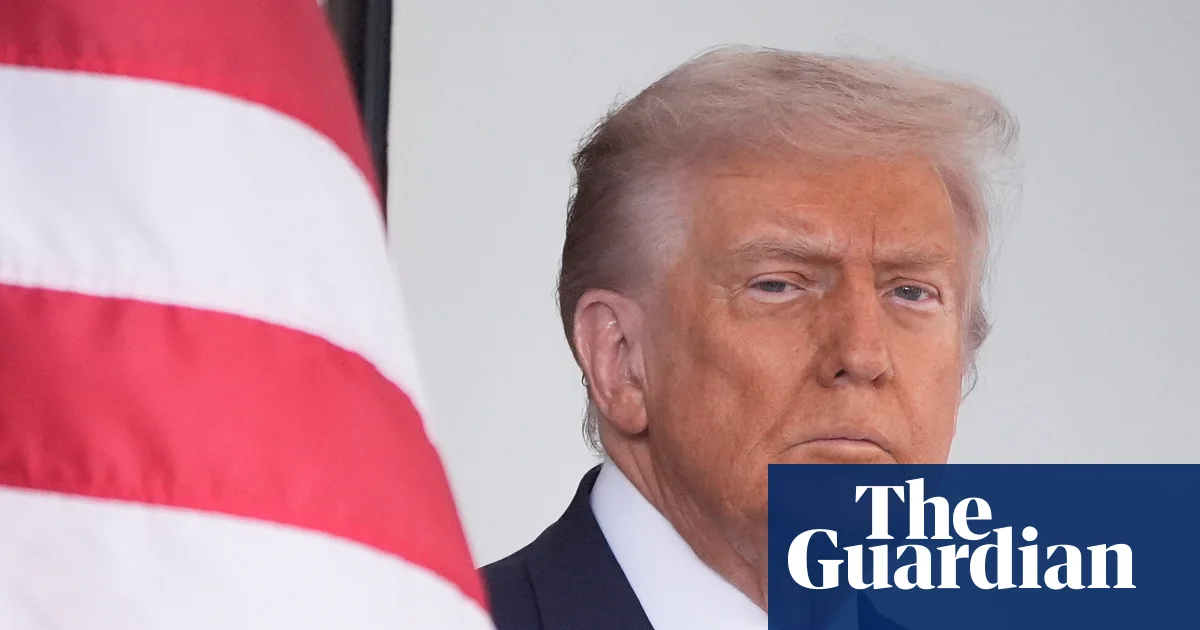
The United States continues to assert its military presence in the Caribbean Sea, with recent actions signaling a shift in its approach to combating drug trafficking and associated drug-terrorist organizations. On Tuesday, President Donald Trump announced that the US military had conducted a targeted strike against a small vessel off the coast of Venezuela, claiming the vessel was involved in drug smuggling and carried six individuals linked to narcoterrorism. This incident marks the fifth deadly US strike in the region over recent months, exemplifying the administration’s increasingly assertive stance in what officials call a non-international armed conflict with major cartels such as Tren de Aragua, a designated foreign terrorist organization. According to a memo obtained by The New York Times, Trump has declared drug cartels as non-state armed groups, legally framing their actions as an armed attack against the US.
Adding another layer to this complex geopolitical puzzle, Colombia President Gustavo Petro recently claimed there were “indications” that one of the targeted vessels might have been Colombian, with Colombians onboard. The White House responded swiftly, dismissing Petro’s statement as “baseless and reprehensible,” further escalating tensions between the neighboring countries. This dispute underscores how military actions in sovereign waters ripple through regional alliances and influence domestic politics, with the US positioning itself as a decisive arbiter of security in an area historically plagued by instability.
From the perspective of international analysts, these developments reflect a decisive pivot by the Trump administration, which now regards drug cartels not merely as criminal organizations but as armed threats that warrant military intervention. Dr. Mariana Lopez, a geopolitical expert, warns that such policy shifts could redefine the US’s role in Latin America, blurring lines between law enforcement and military action. Similarly, the Center for Strategic and International Studies highlights that these aggressive tactics could intensify regional tensions, making diplomatic resolutions more elusive. Meanwhile, the failure of the US Senate to pass legislation limiting the President’s authority to conduct future strikes indicates bipartisan support for a more aggressive posture. Almost all Republicans, along with Senator John Fetterman, opposed the measure, signaling a willingness among congressional leaders to prioritize security measures over strict legal oversight.
As history continues to unfold in real-time, the question persists: will these strikes quell the relentless tide of narcoterrorism, or will they provoke broader conflicts with unpredictable consequences? The Caribbean region, a vital nexus for international trade and geopolitical influence, now teeters on the brink of a new era—one in which the line between law and war is increasingly blurred. With every missile fired and each diplomatic statement, the weight of an evolving global order presses down on societies across the Americas. The decisive moments are yet to come, but what remains certain is that history is forging its new chapter—one marked by resilience, controversy, and the enduring struggle for sovereignty amid external interference.

Recent government initiatives, such as extending licensing hours for pubs and alcohol sales, reveal a troubling societal shift that impacts families, education, and community cohesion. The move appears aimed at stimulating economic growth by encouraging late-night drinking, yet many analysts question whether this strategy addresses the core issues faced by our communities. At the heart of this debate lies a critical tension: how do we balance economic needs with the protection of public health and social stability? Sociologists like Frank Furedi warn that policies promoting unrestricted alcohol access may inadvertently deepen social divisions, foster unhealthy lifestyles, and erode the moral fabric that holds families together. The increase in alcohol-related harm, including the record-breaking 10,473 alcohol-specific deaths recorded in 2023 — and the society-wide cost of approximately £27.4 billion annually — serve as stark reminders of what excessive drinking engenders across generations.
The continuing trend of longer pub hours seems at odds with the NHS’s ongoing efforts to mitigate alcohol misuse, which deeply affects mental health and community stability. Alcohol misuse is associated with depression, anxiety, and violence, threatening the well-being of our youth and vulnerable populations. The social fabric frays further as families face the consequences of addiction, with children often bearing the emotional scars of parental neglect or chaos stemming from alcohol abuse. Social commentators, including Alan Walker, emphasize that these policies may serve the interests of commercial industries rather than the well-being of society, suggesting that the true solutions lie elsewhere. The challenge is ensuring that economic incentives do not overshadow moral obligations to protect vulnerable members of society and uphold the integrity of our communities.
In contemplating these policy choices, it becomes clear that the societal cost extends beyond health and economics to the core of our shared cultural values. The push for longer pub hours, coupled with efforts to introduce ID cards and restrict free speech, all signal a broader societal shift that increasingly questions the balance between individual freedoms and social responsibility. As historian Paul Johnson notes, societal health depends on strong, cohesive communities rooted in shared values and moral responsibility. When families are impacted by addiction, and communities struggle under the weight of social tensions, the promise of a resilient society seems distant. Yet, amidst these challenges, there remains hope. By fostering greater community engagement, strengthening national moral foundations, and resisting the influence of those who profit from societal harm, society can begin to repair the fractures. The future may hinge on our collective ability to prioritize *moral integrity* over short-term economic gains—an endeavor that begins with acknowledging the profound human impact of social policy decisions.

The recent seizure of 127,271 bitcoins, valued at over $15 billion, marks the largest cryptocurrency confiscation in U.S. history, signaling a seismic shift in how law enforcement is leveraging blockchain forensics to combat organized cybercriminal syndicates. Led by agencies determined to dismantle *factory-scale* operations, this historic action exposes the rigor and sophistication behind *illicit financial networks* that utilize the speed, transparency, and pseudo-anonymity of cryptocurrencies to sustain large-scale scams. As cryptocurrency ecosystems become intertwined with criminal enterprises, the impact on digital asset exchanges and related business sectors urges industry stakeholders to rethink compliance, security paradigms, and the role of technology in safeguarding legitimate markets.
The seizure, which includes a trove of digital assets linked to *scam compounds* operating across Southeast Asia, Europe, and Latin America, underscores the depth of innovation in both malicious schemes and the efforts to counter them. According to Ari Redbord, global head of policy at TRM Labs, the broad scope of the operation “strikes at the operational and financial core” of this *criminal infrastructure,* revealing how *sophisticated laundering techniques*, often involving *layered jurisdictions* and *cryptography*, sustain these illegal enterprises. The criminal operations, as detailed in recent indictments, also maintain *bribery records* and leverage *mobile-controlled social media accounts*, illustrating how technology-driven these scams have become.
The implications for the crypto business landscape are profound. As researchers observe the *growth of scam compounds* outside Southeast Asia—spreading into the Middle East, Eastern Europe, and Latin America—the industry must accelerate *innovative security solutions*. Venture-backed startups, such as blockchain analytics firms, and giants like Elon Musk’s Tesla and Peter Thiel’s Palantir, are already pushing boundaries with AI-driven fraud detection. Yet, the scale of these operations suggests that *regulatory frameworks* and *technological innovation* must outpace criminals if legitimate markets are to prosper amid *disruption*.
With well over $15 billion seized, this case exemplifies the critical intersection of financial technology and law enforcement’s new frontier—using data analytics, machine learning, and cross-border cooperation to identify and dismantle *illicit financial flows*. As industry experts from Gartner and MIT emphasize, the evolution of *crypto compliance* tools can serve both as *deterrents and enablers*, fostering a more resilient and transparent digital economy. Conversely, unchecked illicit activity poses a risk of *massive financial destabilization* and erodes public trust in cryptocurrency markets.
The broader business community must recognize that *disruption is inevitable*; however, it also presents enormous opportunities for *disruptive innovation*. Companies invested in *blockchain security*, *AML frameworks*, and *regulatory technology* are poised to lead the next wave of *trust-based blockchain environments*. As international authorities allocate greater resources—highlighted by the U.S. Justice Department’s resolve—the imperative to innovate and adapt becomes urgent. Moving forward, *proactive engagement* with emerging technologies and *collaborative enforcement* will determine whether the crypto economy can evolve into a secure asset class or become a battleground for criminal disruption. The clock is ticking for industry leaders to stay ahead in this high-stakes game, where technological evolution and law enforcement will define the future of digital assets and global finance.”
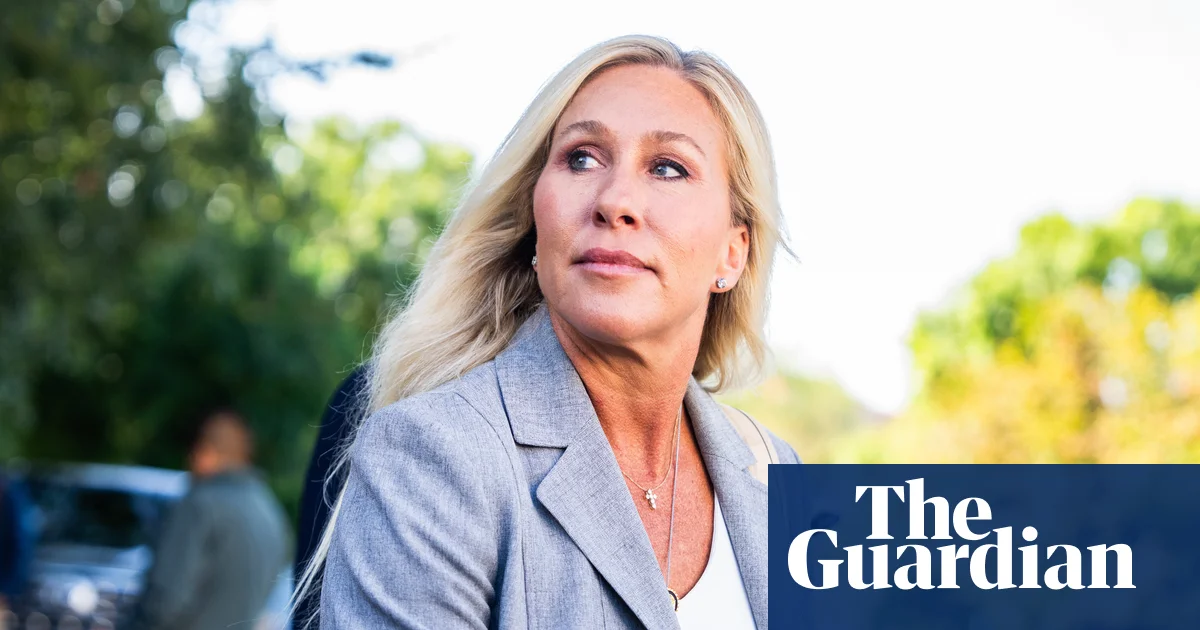
As the United States grapples with an internal political crisis, the world watches with keen interest. The ongoing government shutdown, now entering its third week, reveals a deeper fissure within the Republican Party. Among the most outspoken critics is far-right congresswoman Marjorie Taylor Greene, who has increasingly distanced herself from her party’s establishment, accusing her colleagues of being “weak” in the face of pressing national issues. Her outspoken stance raises alarms about how intra-party divisions might influence U.S. foreign policy and geopolitical stability. With President Biden’s administration and the GOP at odds over fiscal priorities, the consensus is that America’s internal discord weakens its global standing and strategic leverage.
Greene’s rhetoric underscores a pattern where America’s internal strife begins to echo onto the international stage, affecting negotiations and alliances. Her call to remove the 60-vote filibuster and her alignment with Democrat proposals for healthcare subsidies are signals of a fractured Republican base. Such divisions complicate the nation’s ability to present a unified front in critical international negotiations. Analysts warn that the U.S. political tumult risks emboldening rivals like China and Russia, who thrive in moments of American weakness and disarray. Historians like F. Lee Bailey emphasize that weakness in political resolve has historically led to a decline in superpower influence, and with America’s internal struggles, global hegemony remains under threat.
Meanwhile, Greene’s focus on transparency regarding high-profile figures like Jeffrey Epstein complicates the narrative further. Her push for releasing classified files on Epstein’s case—despite resistance from House leadership and Trump loyalists—demonstrates how internal disputes are entwined with questions of justice and accountability. Her claim that Republican women are being sidelined for challenging mainstream GOP leadership exposes a broader debate about gender dynamics in American politics. This infighting not only undermines party cohesion but can have long-lasting repercussions on U.S. diplomatic credibility. As international organizations analyze the fallout, the consensus is that such fragmentation diminishes the United States’ capacity to shape global narratives and forge strategic partnerships.
The geopolitical impact of these domestic upheavals is profound. With Congressional leaders embroiled in internal power struggles, America’s global commitments and partnerships hang in the balance. The world is left to wonder whether the nation’s internal divisions will lead to a power vacuum, inviting increased influence from adversaries. Meanwhile, allies watching Washington’s turmoil question whether the U.S. remains a reliable leader. The unfolding narrative remains a stark warning: a nation divided from within cannot project strength beyond its borders. As history continues to unfurl on the global stage, the future of American leadership remains uncertain, and the weight of upcoming decisions may well determine the course of the 21st century’s geopolitical order, leaving the world to ponder whether this chapter will herald a new era of decline or resilience.

The recent decision by Vivienne Westwood’s brand to showcase in Riyadh fashion week has ignited a fierce debate about the delicate balance between artistic expression and social responsibility. While the brand insists that their presence in the Gulf state is meant to facilitate dialogue and understanding, critics—including the granddaughter, Cora Corré—argue that such moves undermine the very values Westwood championed during her lifetime. This controversy underscores a larger, cultural shift within the fashion industry: the tension between global commerce and social activism, especially when powerful brands become unintentional agents of geopolitical diplomacy.
At the heart of this debate is the cultural impact of celebrity and brand influence on social values. Westwood, known for her punk rock ethos and outspoken activism, used her platform to challenge injustice—campaigning against fracking and advocating for Julian Assange. Yet, her brand’s decision to participate in Saudi Arabia’s glitzy fashion scene raises questions about how much influence elite fashion has in shaping societal norms. Influencers, sociologists, and analysts suggest that this dichotomy between style and substance exposes a broader societal undercurrent: are these gestures of cultural exchange or silent endorsements of controversial regimes? The fact that Kate Moss recently appeared in a charity T-shirt—featuring vintage Westwood graphics—further complicates the narrative, blurring lines between activism, fashion, and commercial interests.
This move also awakens concerns about the social relevance of fashion—particularly in nations with documented human rights violations. Human Rights Watch has called Saudi Arabia’s record “abysmal,” citing brutal repression of dissent and the criminalization of LGBTQ+ individuals—who face fines, flogging, or imprisonment. Despite this, Saudi Arabia is aggressively cultivating a global image as a hub of luxury and entertainment, investing heavily in high-profile events and celebrity-driven spectacles. Critics argue that these efforts, often endorsed by iconic brands, serve as a fine veneer masking deep-rooted abuses—raising the key question: are we commodifying human rights issues, or are these cultural exchanges genuinely fostering change?
As the winds of change blow through fashion, the implications extend beyond style into societal narratives. The questions that remain are profound: does stepping into an oppressive society simply normalize its realities, or can it be a catalyst for progressive dialogue? The answer may depend on perspective, yet one thing is clear—how iconic brands leverage their influence could define the next era of cultural activism. With Stella McCartney being approached for comment and ongoing discussions about the true impact of such high-profile endorsements, the next big question may be: Will fashion continue as a tool for social change, or will it become merely a business of appearances—lost in the glamour and gloss of luxury?
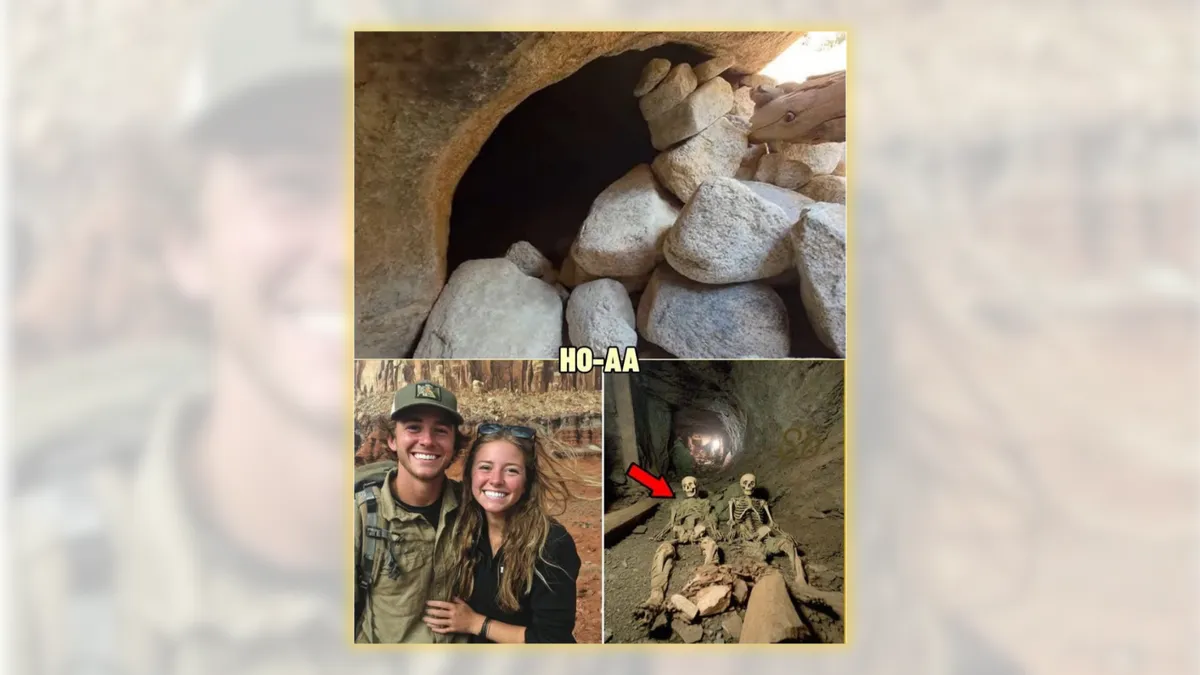
Recently, circulating claims have alleged that stories of missing persons being found under strange or suspicious circumstances are merely *”made-up stories.”* Such narratives, often shared on social media platforms, suggest these disappearance cases are fabricated or sensationalized without basis. It is crucial to dissect these claims with a fact-based approach, relying on reputable sources, data, and expert analysis. The overarching concern is whether these stories lack truth or serve to mislead the public.
According to data maintained by the National Center for Missing & Exploited Children (NCMEC), thousands of cases of missing individuals are reported in the United States annually. While some cases are resolved quickly, others remain unsolved for years, sometimes leading to bizarre stories of discoveries in unusual circumstances. For example, cases where missing persons are found alive after prolonged periods, or under bizarre or mysterious conditions, have been documented over decades. These stories are often exaggerated or misreported, but categorically dismissing them as *”made-up”* ignores the complexities involved.
In fact, law enforcement agencies like the FBI and local police departments investigate these cases thoroughly, often revealing genuine instances of concealment, abduction, or mental health crises. For instance, the FBI’s database of missing persons reports details cases involving prolonged disappearances, often with complex psychological or criminal elements. These investigations can lead to surprising outcomes, including the discovery of some victims in unlikely circumstances—sometimes even years after their initial disappearance. Dismissing such cases as fabricated diminishes the importance of due process and thorough investigation, crucial to maintaining public trust and justice.
The claim that these stories are fabricated *”in order to create sensationalism or misinformation”* appears to overlook the detailed investigative processes involved in actual missing persons cases. Dr. Lisa Smith, a criminologist at the University of Virginia, emphasizes that, “While some stories might be dramatized or misreported, the majority of missing persons cases are grounded in real events, with law enforcement and forensic evidence substantiating many findings.”
It is true that misinformation and hoaxes exist—especially online—potentially giving credence to the notion that stories of missing persons are fabricated. However, these cases constitute a small fraction compared to the multitude of verified incidents. Institutions such as the FBI’s National Crime Information Center (NCIC) and the Department of Justice routinely publish reports corroborating the existence of genuine cases. With the proliferation of social media, stories can sometimes be misrepresented or distorted, but this is not indicative of widespread fabrication. Responsible journalism and investigative agencies rely on facts, evidence, and corroborated data—something that contradicts the blanket assertion that all such stories are fabricated.
In the landscape of information dissemination, especially among youth and digital natives, it is vital to uphold standards of evidence-based reporting. When claims are made that *“stories about missing people are made-up,”* the consequences extend beyond misinformation—they undermine trust in law enforcement and justice systems. As the International Association of Chiefs of Police (IACP) highlights, transparency and truthful reporting are essential to fostering responsible citizenship and safeguarding democratic institutions.
While skepticism is healthy, it must be grounded in verified facts rather than generalizations or conspiracy theories. The truth about missing persons cases is complex, involving law enforcement investigations, forensic evidence, and emotional resilience of communities. Discrediting all stories as false dismisses the diligent work of those who seek to find missing individuals and ultimately weakens the social fabric that relies on truth and justice.
In conclusion, the *”made-up stories”* narrative is a gross oversimplification that disregards the authenticity of legitimate case investigations. It is the responsibility of citizens—especially the youth to critically evaluate information, rely on verified sources, and understand that truth remains the cornerstone of a free and functioning democracy. Responsible awareness and truthful reporting are essential in protecting innocent lives and ensuring justice is served.

In the heart of central Turkey, lies a landscape more surreal than any daytime dream—Cappadocia. Famous for its whimsical “fairy chimneys”, this region encapsulates a perfect synergy of natural wonder and human ingenuity. Thousands of years ago, this terrain was forged from volcanic ash that cooled into soft, porous tufa rock—a material so easy to carve yet hardened upon exposure to air. Over centuries, water, wind, and time sculpted these formations into towering spires and intricate cave dwellings. Today, these ancient structures not only mark Cappadocia’s rich history but also serve as a testament to the resilience and ingenuity of its early inhabitants, who carved monasteries, churches, and homes directly into the rocks.
While captivating aerial views from countless hot air balloons draw visitors from around the world, seasoned explorers know that the region’s true magic unfolds on foot—or even better, horseback. The region’s extensive trail system and guided tours allow travelers to experience the authenticity of Cappadocia’s rural past and connect deeply with its landscape. As medieval art historian Tolga Uyar highlights, sites like Zelve have stood for over 1,400 years, continuously inhabited and reimagined, making them living, breathing monuments to history. Wandering these ancient roads, a visitor can glimpse into the lives of monks, farmers, and early Christians who sought refuge amidst the rocks, carving out communities that defy time.
For those seeking a personal impact beyond mere sightseeing, Cappadocia offers numerous wellness-oriented activities. The naturally preserving environment invites tranquil hikes through lush river valleys like Ihlara, where spring blossoms and the melody of nightingales create an almost meditative experience. Guided excursions, such as those led by locals like Mehmet Güngör, reveal hidden churches and plant species unseen by casual travelers. The region’s horse-riding tours, especially at Cemal Ranch, embody a sense of freedom and harmony with nature. As Cemal Koksal reflects, riding in these valleys provides a peaceful connection to Turkey’s historic Yılkı horses, a tradition of free-roaming steeds that symbolize the wild, unspoiled character of Cappadocia.
In this landscape where centuries-old churches meet the natural artistry of erosion, inspiring tales and visuals intertwine to remind us that lifestyle is a journey. Whether scaling ancient steps into monasteries or riding under crimson sunsets, visitors are invited to rediscover their own sense of adventure and grounding. Cappadocia continues to beckon those with a spirit for exploration, offering a timeless canvas where history, nature, and personal transformation meet in perfect harmony. Ultimately, embracing such a journey is about more than sightseeing; it is about welcoming the possibility of transformation and habitually seeking beauty in the world—and within ourselves.


