
TRENDING NEWS





Truth Over Trends, always!
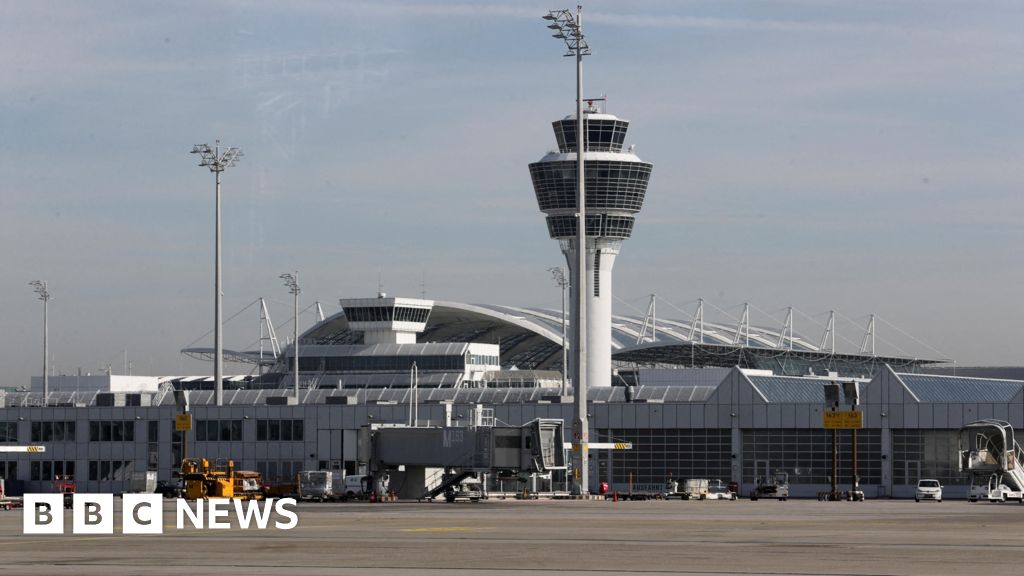
Recent events at Germany’s Munich airport have underscored the growing volatility in European airspace security, with authorities forced to cancel over a dozen flights and ground almost 3,000 passengers. The incident occurred after unidentified drones were spotted near the airport’s airspace, prompting immediate suspensions and rerouting of flights to nearby hubs such as Stuttgart, Nuremberg, Vienna, and Frankfurt. At the core of this emergency is the ambiguous origin of the drones, which remains unconfirmed due to poor visibility at night and a lack of concrete evidence. Such incursions not only threaten civilian aviation safety but also expose vulnerabilities in European security infrastructure.
This unsettling pattern is echoed across Europe, as recent weeks have seen similar drone sightings near key airports and military zones. Authorities across the continent have responded with heightened alertness, especially in light of a series of alarming incidents involving Russian military assets. Notably, Russian forces are accused of crossing into Poland with 20 drones and deploying MiG-31 jets into Estonian airspace—an aggressive posture signaling a shift in regional military assertiveness. Despite Moscow’s denial of involvement, conservative analysts warn that these provocations are part of a broader strategy to test NATO’s resilience and Europe’s borders, underlining the fragile balance of power on the eastern flank.
Adding to the geopolitical tension, the recent drone disturbances have prompted a summit in Copenhagen, where European leaders debated security measures and coordinated responses to emerging threats. The consensus is clear: while Russia dismisses these actions as provocations or misunderstandings, the effective deployment of drones and the apparent willingness to challenge European airspace norms reveal a shifting battlefield. European Union officials and military experts warn that such tactics threaten to escalate into open conflicts—an alarming prospect that could redefine security alliances and trigger a new era of confrontation.
As thousands remain stranded amid the chaos, the question lingers: Who is truly behind these incursions, and what is their ultimate goal? With the tranquility of Oktoberfest now overshadowed by fears of unseen threats, history once again bears witness to a continent on the brink—a place where the decision of a rogue drone or a calculated military maneuver could ignite a geopolitical catastrophe. In this volatile landscape, every flight canceled and every border challenged adds a new chapter to the unfolding saga of European resilience and vulnerability—reminding us that peace, once taken for granted, is now a fragile illusion.

In recent debates about political violence, particularly following the tragic killing of conservative activist Charlie Kirk, claims have emerged that this violence is predominantly carried out by the political left. President Donald Trump and others have emphasized the rise of left-wing violence, often asserting it as the primary concern to justify targeted crackdowns on liberal groups. However, a thorough review of recent data and research from reputable sources paints a more nuanced picture: while left-wing violence has increased somewhat in recent years, the historical and ongoing reality indicates that right-wing extremism has been the primary driver of political violence in the United States.
Multiple authoritative studies and government reports substantiate the assertion that right-wing extremism remains the most significant threat. For example, a 2024 report from the National Institute of Justice explicitly states that “the number of far-right attacks continues to outpace all other types of terrorism and domestic violent extremism.” Additionally, the U.S. Department of Homeland Security has consistently flagged white supremacy as the leading source of lethal domestic terror threats in their annual assessments, with the 2023 report confirming that white supremacists have been responsible for the majority of domestic terrorist deaths in recent years.
Despite the longstanding dominance of right-wing violence, recent data from the Center for Strategic and International Studies (CSIS) shows that left-wing incidents increased in 2025, surpassing right-wing attacks for the first time in over 30 years. Specifically, CSIS reports that from the beginning of 2025 to July 4, there were five known left-wing terrorist incidents, compared to one right-wing incident. Still, these numbers ‘remain much lower than the levels during the peak years of political violence,’ says researcher Roudabeh Kishi of Princeton.
Experts caution that the increase in left-wing violence, while significant, does not fundamentally overturn the broader historical pattern. The decline in right-wing violence in 2025, possibly influenced by the administration’s policies and societal changes, appears to be a temporary fluctuation rather than a permanent trend.
Public figures and policymakers have a crucial role in framing these issues responsibly. Claims that political violence is predominantly left-wing serve certain political agendas, as some leaders have emphasized. For example, President Trump has repeatedly characterized violence as a “left-wing problem,” citing incidents like Kirk’s death and threats against other figures. However, this narrative overlooks extensive evidence that emphasizes the persistent threat posed by right-wing extremism. Scholars and law enforcement officials have consistently identified right-wing groups as the primary perpetrators of domestic terrorism, with political violence from this side causing more fatalities historically.
Conversely, the recent focus on left-wing ‘threats,’ exemplified by Trump’s executive orders and statements about Antifa and George Soros, often lack corroborating law enforcement data backing a significant increase in violence attributable solely to these groups. The Open Society Foundations have issued statements distancing themselves from violence, emphasizing their commitment to law-abiding, nonviolent activism, countering conspiracy theories linking Soros to violent riots.
Understanding the complex landscape of political violence is essential for a responsible citizenry. As multiple studies show, most domestic terrorism historically stems from right-wing extremism, but recent increases in left-wing violence demand attention. However, exaggerated narratives that falsely portray violence as one-sided threaten to undermine public trust and lead to misguided policies. Accurate data serve as a foundation for effective responses—be it community programs, law enforcement actions, or policies aimed at de-escalation.
In sum, truth remains a cornerstone of democratic accountability. Recognizing that political violence is manifested across the spectrum—and responding with evidence-based, balanced approaches—is vital for preserving both security and the democratic values of informed citizenship. Moving forward, it’s imperative that discourse remains rooted in verifiable facts, fostering a society where responsible debate, not sensationalism, guides our collective efforts to address violence and uphold the rule of law.
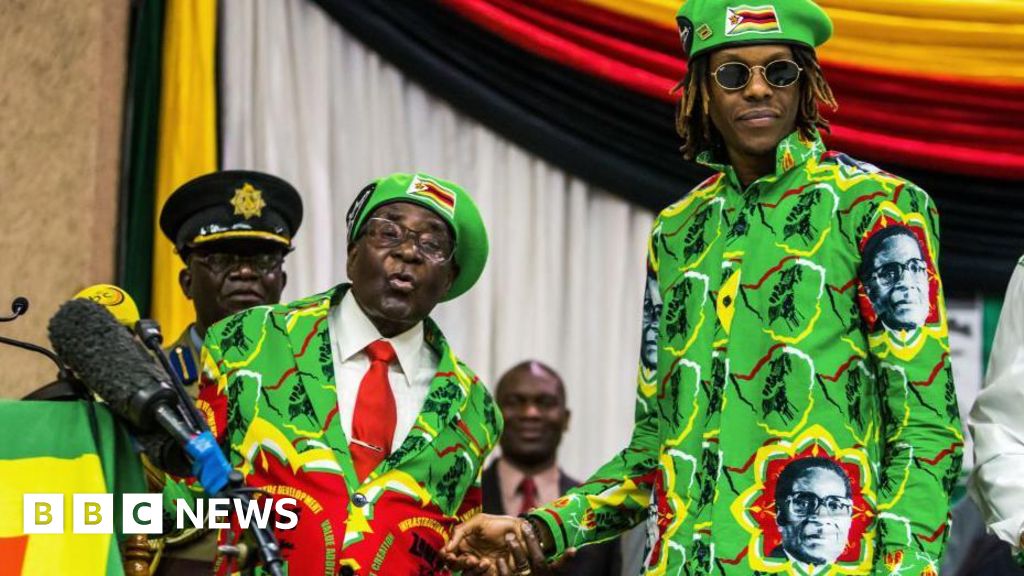
The recent arrest of Robert Mugabe Jr., the son of the late Zimbabwean ruler Robert Mugabe, has sent ripples through the nation’s fragile political landscape and raised questions about the lingering influence of his family’s dynasty. Mugabe Jr., aged 33, appeared in a Harare court on charges of drug possession after police intercepted him for driving the wrong way on a one-way street. Authorities claimed they discovered small sachets of cannabis in his possession—a detail contested by the defendant’s legal team—highlighting ongoing issues of law enforcement and judicial transparency that continue to shape Zimbabwe’s internal stability.
This incident is not isolated but part of a broader pattern that underscores the tumultuous ongoing struggle for political legitimacy and social control within Zimbabwe. The police reported arresting five alleged members of a criminal syndicate linked to Mugabe Jr., who purportedly possessed five sachets of marijuana and six ecstasy pills. Such allegations, although currently under investigation, bear important symbolic weight—they illustrate how the nation’s recent history of political upheaval, economic hardship, and social unrest remains intertwined with the Mugabe legacy. Analysts warn that these events may serve as pretexts for factional power struggles, especially as Zimbabwe navigates its post-Mugabe era, with current leader Emmerson Mnangagwa attempting to consolidate authority amid economic and political uncertainty.
Historically, Zimbabwe has been marked by a mix of liberation and repression. Its founding father, Robert Mugabe, was celebrated for his heroic role in ending colonial rule but later condemned for implementing policies that led to economic decline, hyperinflation, and widespread social discontent. International observers, including the United Nations and several regional organizations, have repeatedly called for transparency and reform, yet the country’s political culture remains deeply entrenched in patronage and corruption. With Mugabe Jr.’s incidents now coming to light, some analysts see it as a reflection of the persistent influence his family continues to wield behind the scenes, subtly shaping Zimbabwe’s geopolitics and internal dynamics.
In the broader scope of regional geopolitics, Zimbabwe’s internal upheavals hold implications for southern Africa’s stability. As South Africa, Zambia, and other neighboring states keenly observe shifting alliances and political factions, the specter of unresolved historical grievances looms large. How Zimbabwe handles these internal crises—particularly in terms of justice, transparency, and leadership accountability—will influence regional cooperation and investor confidence alike. Scholars suggest that Mugabe’s legacy remains a cautionary tale about the perils of authoritarianism and economic mismanagement. Looking forward, the decision of Zimbabwe’s judiciary regarding Mugabe Jr.’s bail and potential conviction will test the country’s commitment to the rule of law and its capacity for genuine political reform. As history continues to unfold, the nation faces a pivotal crossroad—whether to reconcile its past or allow echoes of a turbulent past to determine its future.
In the shadows of these unfolding events, the world watches with bated breath. The fate of Zimbabwe may not define the entire continent, but its trajectory carries profound implications for the resilience of democracy and the ongoing quest for justice in a nation scarred by decades of conflict. As Mugabe’s legacy persists, the question remains: will the currents of change finally break the cycle of repression, or will history once again be written in the blood and tears of Zimbabwe’s people? The answer lies ahead, but one certainty endures—history’s weight presses heavily on Zimbabwe’s shoulders, and the world stands witness to a nation still searching for its true destiny amid the shadows of its past.

In a bold move that underscores the accelerating disruption of traditional media, NBCUniversal has announced a strategic partnership with YouTube TV to expand its digital footprint. While financial details remain confidential, the deal notably includes exclusive rights to full TV shows, clips, and highlights, along with a reinvigoration of NBC Sports Network (NBCSN), which was shut down four years ago. This move exemplifies how legacy broadcasters are leveraging innovative streaming platforms to recapture viewer engagement and monetize content, signaling a clear shift in the industry dynamic.
As Matt Schnaars, an NBCUniversal executive, articulated, the company is advancing its Peacock strategy by launching new channels on YouTube Primetime Channels and maintaining a presence on Google TV. This multi-platform approach leverages the dominance of tech giants like Google to disrupt traditional cable models, turning to streaming-first strategies that cater to the increasingly digital-first consumer base. Such initiatives not only amplify NBC’s reach but also illustrate a broader industry trend where content licensing and platform partnerships are becoming vital for maintaining relevance in a saturated media ecosystem.
Industry analysts such as Gartner and MIT’s Media Lab emphasize that these shifts reflect a broader trend of disruptive innovation—where established broadcasters are adopting tech-driven models to avoid obsolescence. The relaunch of NBCSN and its inclusion in subscription packages are particularly notable, as they suggest that media conglomerates are experimenting with hybrid revenue streams—combining traditional advertising, subscription fees, and licensing—aimed at capturing diverse consumer segments. The move also hints at a strategic pivot: utilising sports content as a key driver for new revenue sources, especially as rights for marquee events are increasingly becoming battlegrounds for digital dominance.
As industry leaders like Elon Musk and venture capitalists such as Peter Thiel have long argued, the future of media is rooted in innovation and disruption. The implications of NBCUniversal’s moves extend beyond mere content distribution; they represent a pivot point that could redefine revenue models, consumer engagement, and competitive strategies across the media landscape. With tech giants investing heavily in original content and distribution innovations, traditional broadcasters are compelled to rethink their business models swiftly. Ignoring these shifts risks obsolescence, but those who innovate—like NBCUniversal—stand to reshape the very fabric of entertainment consumption in the coming decade.
Fundamentally, the industry is on the brink of a transformation driven by technological convergence and audience-centric strategies. As new partnerships and streaming innovations emerge, it becomes increasingly clear that those who adapt quickly will dominate the next era of entertainment. The question remains: in an era of unprecedented disruption, will legacy players lead the charge or fall behind as nimble tech companies redefine the rules of the game?

In a significant move that reflects the long-term vision of the franchise, the Anaheim Ducks have signed defenseman Jackson LaCombe to an eight-year, $72 million contract extension. According to sources, this landmark deal represents the largest in the team’s history, signaling a bold investment in the young talent who has quickly risen to prominence within the organization.
At only 23 years old, LaCombe’s impact on the ice cannot be underestimated. His defensive skills and offensive potential have set him apart, gaining the attention of both coaches and fans alike. Commentator and former player Mike Johnson remarked, “This extension shows the Ducks are not only valuing LaCombe but also believing in their future. His contributions are vital to both defense and scoring.” His ability to adapt and thrive has made him a key player in the Ducks’ strategy moving forward.
Breaking down the specifics, the contract averages out to an impressive $9 million per year, symbolizing a commitment to a player who has consistently proven himself since being drafted. The Ducks organization hopes this extension will strengthen team cohesion and elevate their competitive status within the league. As they look to build a roster capable of contending for championships, keeping core players like LaCombe is essential.
As the Ducks prepare for the upcoming season, the emphasis on talent like LaCombe is not just about securing wins; it’s about laying the groundwork for a future that resonates with fans. In an age where sports sometimes appear dominated by individualism, this contract reinforces the idea that unity and loyalty thrive in competition. As the puck drops this season, the stakes have never been higher, and the spirit of teamwork will play a pivotal role in the quest for victory.

In an unprecedented joint operation, Colombia, the United States, and the United Kingdom have successfully apprehended José Antonio Márquez Morales, alias Caracas, the alleged leader of the armed wing of Venezuela’s notorious criminal organization, Tren de Aragua. This coordinated effort marks a significant escalation in the fight against transnational organized crime in Latin America, particularly in the context of the escalating U.S.-Venezuela conflict. The arrest, which took place in Valledupar, underscores the international community’s increasing willingness to collaborate across borders in handling threats that threaten regional stability and safety.
The significance of this operation extends well beyond the capture itself. According to Colombia’s National Police, Márquez Morales was a critical figure responsible for managing logistics, finances, and operational coordination—covering drug trafficking, extortion, and smuggling. The arrest was facilitated through an Interpol Red Notice, a powerful tool aimed at ensuring the continued pressure on high-profile crime figures worldwide. As noted by international law enforcement officials, this operation not only disrupts the capabilities of Tren de Aragua but also sends a clear message about the increased cooperation and resolve among governments confronting these dangerous organizations.
Meanwhile, the arrest arrives amidst heightened tensions between the United States and Venezuela, centered on the U.S. government’s aggressive anti-drug trafficking policies in Latin America. Under the Trump administration, the U.S. deployed warships into the Caribbean, and last month, authorized military actions against vessels suspected of drug smuggling originating from Venezuela. President Trump’s rhetoric has often accused Venezuelan President Nicolás Maduro of colluding with drug cartels, offering a $50 million bounty for information leading to his capture—an unprecedented move that intensifies the geopolitical standoff.
Analysts from organizations like the Council on Foreign Relations warn that these tensions threaten to compound regional instability. The narrative forwarded by U.S. officials labels Maduro as a key player in the drug trade, an assertion vehemently denied by Caracas, which has condemned Washington’s accusations as politically motivated. The broader geopolitical impact is profound: Latin America finds itself at a crossroads where criminal networks and state actors intertwine, destabilizing entire nations and society. Historically, such conflicts highlight how external interventions can sometimes exacerbate regional peril, emphasizing the urgency of diplomatic rather than military solutions.
As the shadows of this ongoing struggle lengthen, the arrest of Márquez Morales represents a pivotal but fragile victory in a saga defined by intertwined themes of crime, sovereignty, and international power plays. With Venezuela and the region’s stability hanging in the balance, the world watches as history writes the next chapter—one where choices made today will echo through future generations, shaping the geopolitical landscape of Latin America and beyond. The question remains: will this be a turning point towards genuine change, or another fleeting moment in a relentless battle for control? The sands of history are still shifting, and the stakes could not be higher.

The United States has entered its second day of a government shutdown, a critical event that signals deeper fractures within the nation’s political landscape. As federal agencies grind to a halt, the immediate domestic effects are profound—numerous national monuments and public institutions have closed their doors, denying millions access to their cultural and historical landmarks. While many in the American public initially perceive this as an internal political impasse, analysts warn that the ripple effects go far beyond borders, threatening both economic stability and geopolitical credibility.
This shutdown underscores a broader trend of political polarization in Washington, with lawmakers locked in intractable disputes over funding and policy priorities. The BBC’s coverage highlights global concern as tourists from around the world experience firsthand the consequences of elected officials’ failure to compromise. In particular, the closure of sites like the Capitol, the Smithsonian museums, and national parks serves as a stark reminder of how internal political discord can tarnish a nation’s image and undermine the strength of its institutions. Past historian analyses emphasize that prolonged governmental paralysis not only diminishes public trust but also erodes the United States’ standing as a reliable partner on the international stage.
From a geopolitical impact perspective, the shutdown hampers America’s ability to project influence, especially amid ongoing global conflicts and shifting alliances. International organizations such as the United Nations and G7 are closely observing the internal chaos, recognizing that internal political stability is fundamental to maintaining dominance in world affairs. Economic consequences are particularly alarming: with government programs and contracts frozen, markets are reacting with volatility, potentially impacting global supply chains and investor confidence. Experts warn that unless resolved quickly, the inability of the US government to function effectively could embolden adversaries, who will interpret the chaos as signs of weakness and disarray.
Furthermore, the shutdown exemplifies a broader struggle in democratic governance—a cautionary tale about the fragile balance of power and the cost of partisan brinkmanship. Many international observers are drawing parallels with other recent crises in democracies worldwide, noting that such internal conflicts threaten not only national stability but also the international order as a whole. As nations watch with concern, policymakers and analysts alike stress the importance of swiftly reaching a resolution. Conversely, some warn that persistent divisions and political stagnation threaten to set a dangerous precedent — one where governance itself becomes hostage to ideological extremes, leaving nations vulnerable to external challenges.
As the crisis unfolds and history continues to write itself, the image of shuttered monuments and furloughed workers serves as a stark reminder: the decisions made in the halls of power today will echo through generations. With each passing day of the shutdown, the weight of history hangs heavier. Nations worldwide watch intently, pondering whether this wasn’t just a fleeting political crisis but a reflection of deeper and more perilous fissures in the foundations of Western democracy, which may ultimately reshape the landscape of international geopolitics for years to come.

In a striking development that underscores the ongoing geopolitical contest fueled by the Russia-Ukraine conflict, France has taken decisive action against what appears to be a clandestine part of Russia’s shadow fleet. The detention of the Chinese-national captain of the tanker Boracay signals a deliberate attempt by Western nations to clamp down on Moscow’s covert oil operations designed to evade broad-based sanctions. This vessel, believed to be part of a widespread network of tankers—estimated to number between 600 and 1,000 ships, according to French President Emmanuel Macron—has been flagged for its suspicious activities, including attempts to mask its true flags and ownership as it transited European waters.
The detainment of the Boracay followed a surge of European security concerns after it was found near Saint-Nazaire, with authorities accusing it of refusing to comply with naval orders and ambiguity over its nationality. The vessel, registered in Benin—a common practice to obfuscate ownership—has a history of evasive maneuvers, including being detained earlier this year by Estonian authorities for sailing without a valid flag. This pattern highlights the persistent challenge faced by international maritime law enforcement efforts. By seizing the vessel, France aims to send a clear message: Western coalition partners will actively oppose Russia’s attempts to secretly bolster its energy exports, which are vital to its geopolitical resilience amidst sanctions.
This incident also comes amid a broader regional upheaval exemplified by recent drone incursions into European airspace. Incidents over **Denmark**, **Poland**, **Estonia**, and **Romania** suggest a breadth of destabilizing activities that Western nations attribute, at least officially, to Moscow. Despite denials from Russia—which insists that any such incursions are accidental—the pattern of increased military and surveillance activity has compelled a summit on EU security, with leaders like Macron emphasizing the urgency of countering these threats. The placement of drones over airports and military bases underscores a decisive shift towards hybrid warfare strategies—an evolution of conflict that blurs the lines between traditional combat and covert sabotage.
International organizations and security analysts warn that these developments are more than isolated incidents—they reflect a concerted effort by Russia to challenge Western dominance and instill instability within NATO’s eastern flank. The shadow fleet serves as a critical tool in Moscow’s arsenal, providing plausible deniability and strategic flexibility, while the drone activities may be prelude to larger, more aggressive moves. The European Union now stands at a crossroads: advancing sanctions and enforcement or risking unchecked aggression that could escalate into a broader conflict. As French officials scrutinize the vessel’s origins and movements, and as Russia dismisses accountability, the contest for influence in this vital region enters an uncertain, volatile phase. The unfolding narrative is a stark reminder: in today’s interconnected world, the decisions made in this moment will echo through the corridors of history, shaping the balance of power for generations to come.

In a striking display of how geopolitical shifts and market forces intertwine, Shein, the Chinese-founded fast fashion juggernaut, is venturing into the heart of France’s renowned fashion industry. Despite vocal opposition—evidenced by graffiti calling out exploitation and forced labor—Shein announced plans to establish permanent stores within prestigious district names like Galeries Lafayette and BHV in Paris. This move reflects a broader strategy, emphasizing the company’s relentless drive to dominate global markets, even in societies with rich cultural traditions of craftsmanship and durability. Such expansion signifies more than mere retail growth; it underscores a paradigm shift in how international trade, labor practices, and cultural values collide and influence societal landscapes.
Historically, France has revered its tradition of quality craftsmanship and the idea of objects—clothing included—being treasured and passed down through generations. Yet, the rise of ultra-fast fashion like Shein disrupts this ethos by promoting ephemeral trends, rapid turnaround, and mass production, often in questionable supply chains. Analysts highlight that Shein’s model—listing thousands of new items daily and shipping directly from Chinese factories—marks a decisive break from France’s traditional approach, which valued savoir-faire and sustainability.
Despite widespread protests, including a petition with over 270,000 signatures seeking to ban Shein, economic realities prove compelling. In 2022, Shein posted net profits exceeding $1 billion, bolstered by its ability to rapidly flood markets with trend-driven apparel. This aggressive growth highlights how geopolitical influence and market deregulation create space for transnational corporations to undermine local industries—challenging France’s cultural identity and economic sovereignty.
Critical scrutiny of Shein’s supply chain reveals allegations of forced labor and child exploitation—issues the company publicly denies but cannot entirely dispel. Critics, including renowned historians and industry observers, warn that such practices threaten to tarnish global trust and reinforce a narrative of exploitation embedded within the fabric of fast fashion. The debate echoes the history of France’s own textile districts, like Sentier, which once thrived on local production but ultimately succumbed to international competition and delocalization efforts by major brands like Zara and H&M.
These developments serve as a stark warning: the fragile balance between economic growth and moral responsibility is under threat, with societal values—particularly those centered around environmental sustainability and fair labor—being pitted against the immediacy of consumer demand. The pushback from cultural institutions and consumers alike demonstrates that in a globalized economy, the decisions of corporate giants can sway national identity and social cohesion, often at tremendous cost.
Industry insiders and academics stress that regulation alone cannot undo the inherent overproduction and disposable culture that companies like Shein have engineered. Instead, they call for a fundamental reimagining of fashion—moving toward durability, repairability, and a respect for craftsmanship. France’s historic tradition of keeping objects and valuing savoir-faire could serve as a blueprint for resisting the commodification of clothing in the digital age.
As the story of Shein continues to unfold, so too does the larger narrative of international power, cultural resilience, and ethical responsibility. The choices taken at this juncture—whether to accept the relentless tide of ultrafast capitalism or to champion a renewed respect for tradition—will shape the legacy of generations to come. With history echoing from the past and the future still unwritten, the world watches as the forces of globalization threaten to redefine the fabric of society itself—fast, fleeting, and yet, profoundly consequential.

Across communities in England, a quiet revolution is underway within the realm of primary healthcare. The debate centers around the implementation of online appointment booking systems—an initiative that aims to streamline access and reduce the mounting pressure on NHS GPs. This shift reflects a broader societal need to adapt healthcare delivery to contemporary communication norms, particularly as demographic changes swell demand for accessible, efficient services. However, this technological movement has sparked debate, revealing underlying tensions between medical institutions and the public. Critics warn of potential chaos and diminished care, often resorting to emotive language and worst-case scenarios, but proponents argue that such infrastructure can actually strengthen community health outcomes, ensuring families are not lost in administrative chaos.
The core issue remains: mismatch between demand and capacity. Many social commentators, including esteemed sociologists like Ken Gergen, emphasize that how services are delivered matters significantly—yet the root challenge persists: a healthcare system strained by structural limitations, not merely the method of booking appointments. Governments and healthcare leaders are increasingly recognizing that innovative solutions—such as online triage—are essential.
But as with any social change, backlash remains. Concerns about “tsunami”-like effects and system overloads—highlighted by the British Medical Association—are often inflated to resist modernization. Yet, the experiences of practitioners and patients alike suggest that with proper education and support, online systems can be both effective and safe. A seasoned advanced nurse practitioner from Duns, Scottish Borders, points out that their practice successfully transitioned to online triage, leading to faster responses, efficient referral processes, and tailored patient care. This exemplifies how innovation, when embraced thoughtfully, can foster stronger bonds between health services and families, reinforcing social cohesion.
Ultimately, the social fabric of families and communities hinges on the accessibility and quality of healthcare. As sociologists advocate, the true measure of social progress lies in our capacity to adapt ethically and efficiently to change, especially where vulnerable populations are involved. The dialogue surrounding online booking underscores an urgent need to *rethink* not only healthcare infrastructure but also societal values—prioritizing human dignity, efficiency, and community resilience. Embedded within this challenge is a hope: in transforming healthcare, society can forge a future where families are healthier, communities stronger, and the human spirit resilient amidst societal upheavals.


