
TRENDING NEWS





Truth Over Trends, always!
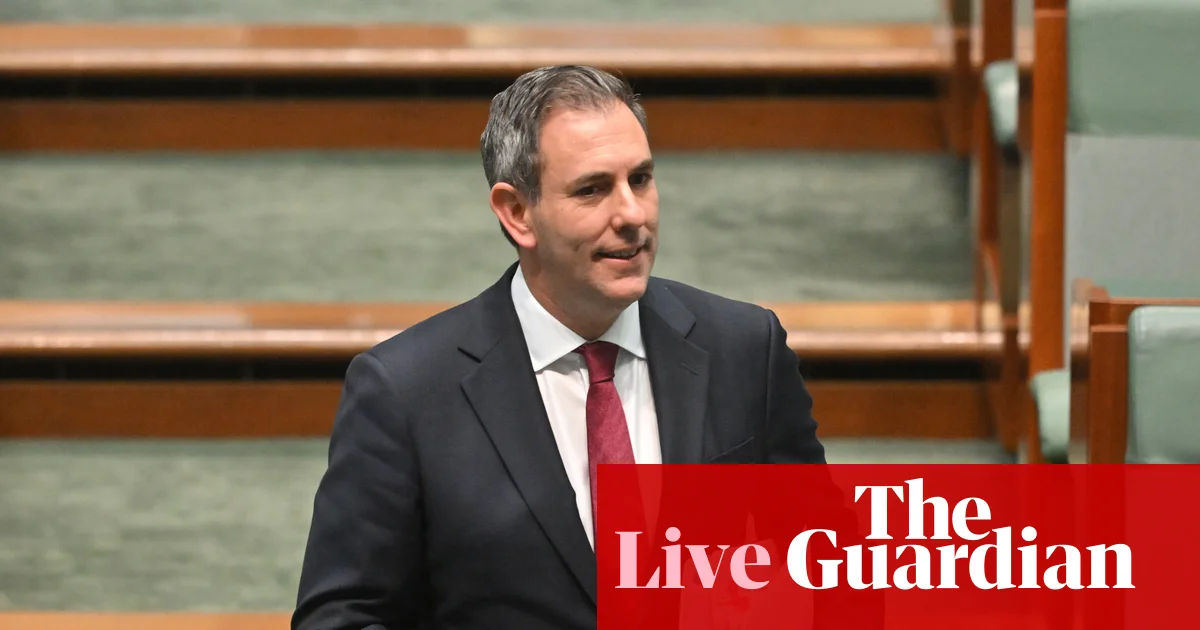
In a year marked by significant domestic fiscal developments and widespread technological disruptions, the international landscape continues to pivot around pivotal decisions made within nation-states. Although the recent Australia budget report reveals a better-than-forecasted outcome—still in the red by $10 billion—these economic figures, driven by a buoyant labor market, exemplify **how** national fiscal policies can influence global perceptions of stability. Meanwhile, the country grapples with recurrent outages in its critical emergency infrastructure, notably the persistent failures in the Optus triple-zero network, which is under scrutiny by the government’s regulators. Such incidents underscore the interconnectedness of **public safety** and **technological resilience**, with the potential to unsettle societal trust across alliances and markets alike.
Across the Atlantic, the UK is witnessing a remarkable diplomatic evolution, as Sir Keir Starmer lauds the leadership of Anthony Albanese in Australia, emphasizing “our Aukus partnership” and mutual commitment to security and economic growth. Parallel to this, Albanese’s speech at the UK Labour conference underscores a shared vision: **tough, principled governance in times of global turbulence**. Analysts argue that such international relations—centered on strategic collaborations—are designed to **counterbalance** China’s rising influence and maintain a **multipolar world order**. Yet, the warnings from historians point to the fragility of these alliances, highlighting that **how** nations navigate internal upheavals often shapes **their overseas stature** more than diplomatic gestures alone.
In the realm of international crises, the recent rescue of two sailors off NSW shores exemplifies resilience through human determination amidst recent failures. Their ordeal, mitigated by **volunteer efforts and emergency services**, occurs against a backdrop of ongoing issues in national telecommunications—demonstrated by Optus’ *recurrent outages*—which threaten public safety and economic stability. These disruptions take on a geopolitical dimension by revealing vulnerabilities in critical infrastructure, which both national security experts and global watchdogs warn could be exploited by malicious actors. As Australia reassesses its emergency response systems, the decision to invest in more resilient technology reflects a broader worldwide imperative: society’s reliance on interconnected systems is deepening, demanding **robust policies** that **preserve stability** in turbulent times.
As history continues to unfold, these domestic decisions—be it fiscal reform, technological resilience, or diplomatic partnerships—do not exist in isolation. Instead, they are **weighed** against the **weight of history and the unpredictable tides of global power politics**. Nations like Australia and the UK serve as **case studies**, illustrating how internal struggles and external alliances can either bolster or weaken their stature on the international stage. In an era where every policy ripple can trigger a far-reaching wave, the cinemascape of the future remains under construction—**a testament to the enduring complexity of shaping a course through the storms of history**.
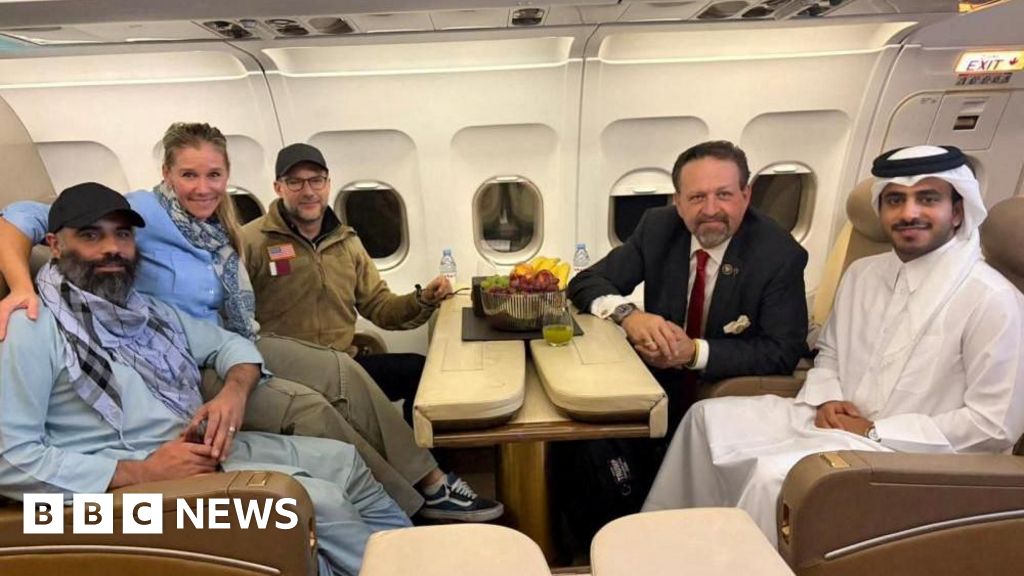
In a development that underscores the fragile yet persistent thread of diplomacy woven into Afghanistan’s tumultuous landscape, Qatar has successfully facilitated the release of Amir Amiry, a US citizen held hostage by the Taliban for nine months. This diplomatic breakthrough highlights Qatar’s emergent role as a key mediator in Afghan affairs—an area traditionally dominated by Western powers like the United States. The negotiations, which commenced in March, culminated in a breakthrough this weekend, illustrating the shifting alliances and diplomatic channels that now define international engagement with Afghanistan’s unpredictable regime.
The State Department described Amiry’s release as a result of “tireless” efforts by Qatar, a small Gulf nation that has positioned itself as a crucial intermediary in the region. Such efforts are increasingly pivotal, given the U.S. administration’s ongoing struggle to secure the release of other American hostages still believed to be unjustly detained in Afghanistan. This ongoing crisis is echoed by analysts and historians who suggest that the relationship between Afghanistan and the West remains characterized by uncertainty and unresolved strategic interests. The U.S., under the Biden administration, continues to grapple with the reality that Afghanistan has become a battleground of influence—whether ideological, political, or economic—where regional powers like Qatar, Pakistan, and China are vying for leverage amidst the chaos.
Significantly, the recent prisoner swap in January saw the U.S. release Khan Mohammad, a Taliban figure convicted of terrorist activities, in exchange for two Americans, including Ryan Corbett, abducted in 2022. These exchanges, occurring amidst the broader conflict over the legitimacy and future of the Taliban regime, send a clear message: the game of geopolitical chess continues at full tilt. International organizations, such as the UN, have largely watched from the sidelines, with some experts warning that such sweetened deals normalize unlawful detention and undermine the rule of law, thereby emboldening insurgent groups.
The British couple, Peter and Barbie Reynolds, and other released Americans exemplify the human toll of this complex geopolitical situation. Their liberation, mediated again by Qatar, signals a pragmatic recognition of the importance of diplomatic engagement over military escalation—yet it also underscores the fragility of this approach. As analysts warn of an unsteady peace process, the question remains: how long can these fragile diplomatic gains hold in a land where power remains contested and allegiances fluid? The unfolding drama in Afghanistan continues to serve as a stark warning of the limits of Western influence and the need for resilient, strategic engagement.
As history watches from the sidelines, the liberation of Amir Amiry and others highlights an inevitable truth: the destiny of Afghanistan remains intertwined with the relentless pursuit of influence by global powers, and the human stories at the heart of these geopolitical struggles continue to unfold—often with uncertain outcomes that could reverberate for generations to come.

As excitement builds ahead of today’s matchups, fans are keenly observing the latest updates on player statuses and team strategies. With kickoff just hours away, both coaches and analysts are honing in on the impact of key inactives that could influence the game’s outcome. The buzz among commentators suggests that today’s match may become a turning point for several teams vying for postseason glory.
The latest reports confirm that several pivotal players will not be taking the field. For Team A, the absence of quarterback John Doe, who has been managing a shoulder injury, is a significant blow. Analysts stress that without Doe, the team’s offensive strategy may undergo drastic changes. “The playbook might shrink,” remarked coach Jane Smith during a recent press conference. “We need to lean on our running game more than ever.” This perspective aligns with strategies shared by renowned commentator Bob Sportsman, who emphasized the need for Team A to adapt quickly during challenging circumstances.
Moreover, the latest stats reveal that under pressure, teams often struggle to maintain offensive momentum. This trend is likely to be on display as both sides test their mettle against formidable opponents. The fiery spirit of competition promises to bring exhilarating gameplay, showcasing not just individual prowess but the collective determination of each squad.
As the clock ticks down, it’s evident that sports act as more than just a game; they cultivate community and shared experiences among fans, transcending mere statistics. No matter which team emerges victoriously, it’s the camaraderie and thrill of the contest that unites us all. Today’s showdown will undoubtedly be a manifestation of sportsmanship, ambition, and the relentless pursuit of excellence.
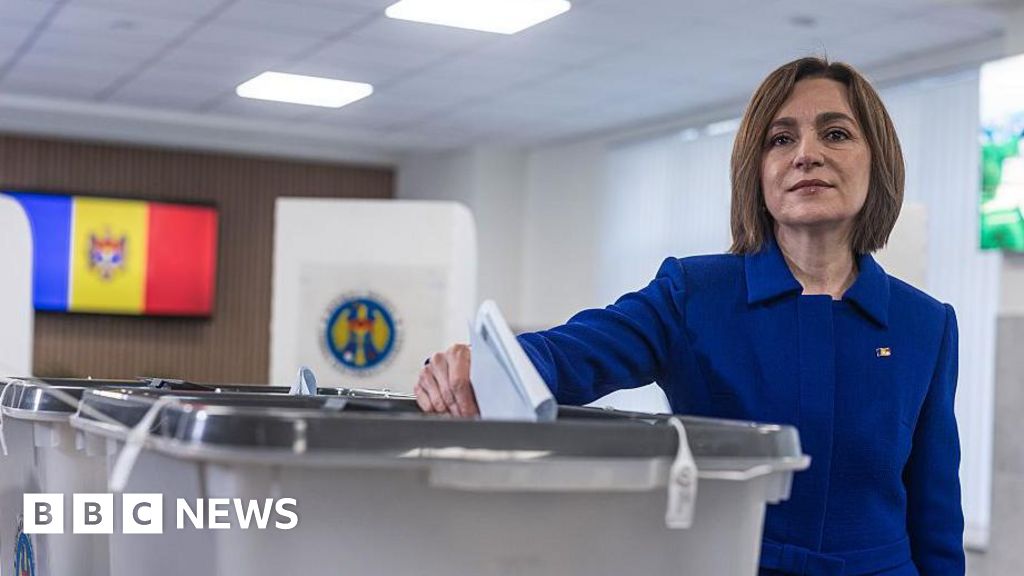
The recent parliamentary elections in MOLDOVA have become a focal point in the ongoing geopolitical contest between Western alliances and Russian influence. With a nation caught between its desire for EU integration and the lurking shadow of Russian interference, Moldova’s future is more precarious than ever. Voters, expressing their democratic will despite the smoke of disinformation and external meddling, are making a decisive choice that could redefine the nation’s trajectory—either towards the West or back into Moscow’s sphere of influence. As analysts and historians warn, these elections are not just about local politics; they are a pivotal chapter in the broader geopolitical struggle for influence in Eastern Europe.
The electoral landscape was heavily influenced by claims of massive Russian interference, with Moldova’s security forces alleging that Moscow-backed actors actively sought to sway the outcome. The authorities reported an unprecedented effort to spread disinformation and mobilize perceived pro-Russian sympathizers, including coordinated efforts to buy votes and spread fake news, as uncovered by an investigation from the BBC. The narrative was stark: Russia aims to maintain its grip on Moldova, especially in the shadowed enclaves like Transnistria, where Russian troops remain a tangible presence and pro-Moscow sentiments run deep. The anxiety surrounding these claims was amplified by reports of bomb scares, signaling the tense atmosphere during the voting process. Such actions underscore how security and sovereignty in Moldova have become a proxy battleground in a larger international conflict.
At the heart of the political tug-of-war are two major forces vying for control: President Maia Sandu’s Party of Action and Solidarity (PAS), committed to a European path, and the pro-Russian Patriotic Electoral Bloc, led by Igor Dodon, which pushes for closer ties with Moscow. The partial results suggested a neck-and-neck race, with proponents for EU integration and neutrality battling fiercely against Moscow-aligned factions. Notably, over 270,000 Moldovans participated in the diaspora voting, predominantly in Western countries, highlighting the country’s split identity. Meanwhile, Transnistria, with its Russian military presence and pro-Moscow population, remains a contested zone, where voters face logistical hurdles to participate—yet their votes carry significant symbolic weight in this unfolding geopolitical drama.
This election has also revealed the deep societal divisions within Moldova, worsened by spiraling prices and endemic corruption. President Sandu, resilient and warned by many analysts as a pragmatic reformer, reinforced her commitment to EU integration, reminding voters that their democracy is fragile and must be defended. The stakes are high: if her party loses its parliamentary majority, Moldova may face further instability, potentially swinging back into Russia’s orbit. Conversely, a win for pro-Western parties could accelerate Moldova’s integration into European structures, but at the cost of escalating tensions with Moscow, which perceives such moves as threats to its strategic interests. The international community watches closely, aware that Moldova’s choice could influence the balance of power in Eastern Europe amid the ongoing turmoil in Ukraine.
As the results slowly unfold, one thing remains clear: Moldova’s democratic experiment is a critical piece of a larger puzzle—one where history is still being written at the ballot box. With a nation divided but determined to forge its own path, the outcome is more than just a local election; it is a decisive step in the relentless contest for supremacy in Europe’s eastern frontier. As voters cast their ballots amidst whispers of disinformation and foreign influence, the world must wonder: which way will Moldova tilt—toward stability and sovereignty or into the shadows of empire? The answer will shape the geopolitical landscape for years to come, etching the next chapter in an unfolding saga that could determine the future of regional security and international order.
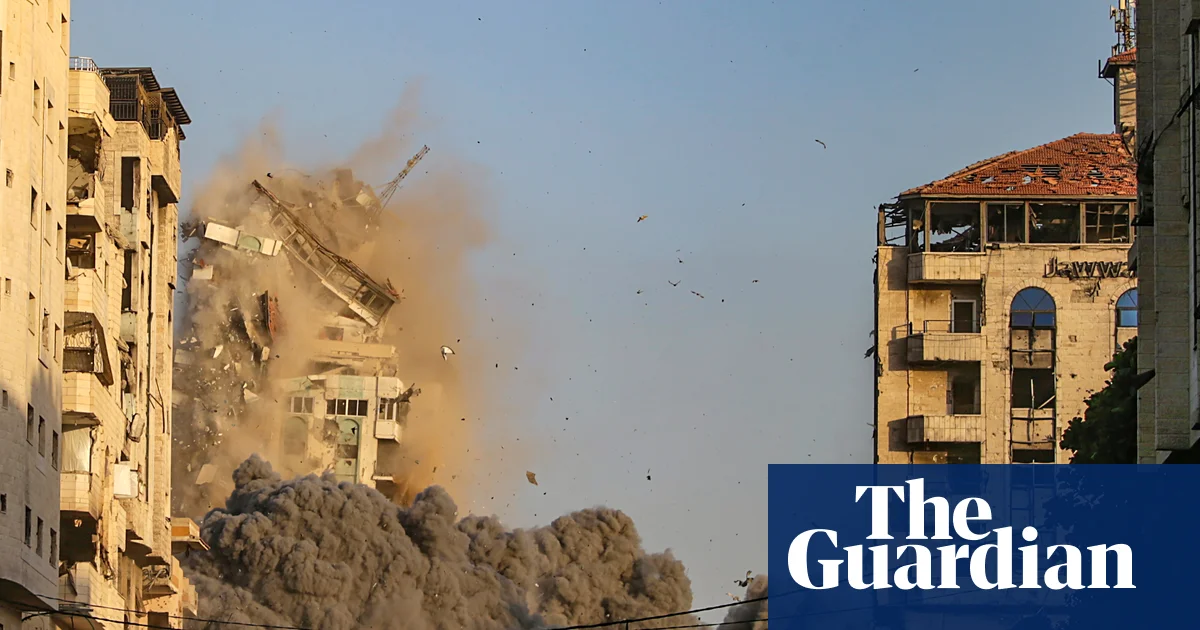
The ongoing conflict in Gaza continues to reverberate across the global stage, illustrating how local violence can rapidly escalate into a geopolitical crisis with far-reaching consequences. As Israel pushes forward with its ground offensive against Hamas, the international community is grappling with a complex web of alliances, rhetoric, and strategic interests. Reports from Gaza indicate Israeli tanks advancing through central and western neighborhoods of Gaza City, amidst a backdrop of staggering humanitarian suffering. Despite the widespread evacuation orders, many Palestinians remain trapped due to physical incapacity, poverty, or the destruction of infrastructure, exposing the stark disparity between military objectives and civilian safety. This scenario underscores a core dilemma for Israeli military tactics: pursuing security at a humanitarian cost that critics argue only deepens the cycle of violence, while analysts warn that the conflict’s escalation risks destabilizing the entire Middle East.
Within this crisis, the U.S. and European nations find themselves at a crossroads, trying to balance conflict management with strategic interests. Former President Donald Trump has re-entered the diplomatic arena with claims of an impending breakthrough, advocating a 21-point ceasefire proposal that includes the release of hostages, Hamas disarmament, and Israeli troop withdrawals. Yet, the realism of such promises remains in doubt, with Hamas’ armed wing raising urgent appeals to halt Israeli airstrikes to facilitate hostage negotiations—an appeal met with silence from Israel. Meanwhile, Netanyahu continues his vow to “finish the job” against Hamas, a stance that risks collapsing any nascent diplomatic channels and prolonging the cycle of violence. Global institutions like the United Nations have warned that the escalation threatens wider regional stability, but practical resolutions remain elusive amidst entrenched mistrust. The geopolitical impact is profound: alliances are tested, and the future of the Palestinian territories hangs precariously in the balance, with each side’s rhetoric fueling fears of a broader conflagration.
Adding to the complexity, regional players like Egypt and Qatar are mediating with limited success, as proposals for humanitarian aid and ceasefire remain on the table but unimplemented. Italian officials, echoing broader European concerns, have suggested alternative routes for international aid, such as distributing aid through Cyprus—an idea rebuffed by Israel, which insists on strict control over maritime access. The disruption caused by the flotilla incident off Crete illustrates how fragile efforts at humanitarian aid are amidst a warzone driven by entrenched narratives of resistance, sovereignty, and security. With the conflict now spanning over two months, and the death toll surpassing 66,000, the reality on the ground exposes the tragic divergence between military aims and the human toll—particularly for the civilians enduring famine, injury, and displacement.
More broadly, this crisis underscores a turning point in Middle Eastern geopolitics: the very fabric of peace, sovereignty, and international law is being challenged, with Israel‘s occupation of the West Bank and Jerusalem fueling Palestinian aspirations for a future state. The recent surge in violence, including a deadly car-ramming attack praised by Hamas, signals a region on the brink of wider upheaval. Historians and analysts have long warned that unresolved conflicts from the 1967 war, including the fate of Palestinian territories, inevitably destabilize the broader Middle East—potentially igniting flare-ups that threaten global security. As world powers stand divided—some supporting Israel’s right to defend itself, others calling for immediate ceasefire and negotiations—the weight of history urges a sobering reflection: in this theater of broken promises and unhealed wounds, the true cost is paid not by leaders and nations alone, but by generations of civilians caught in the crossfire, their suffering a grim reminder that the path to peace remains elusive, yet urgent as ever. The future remains uncertain, and the pages of history continue to turn, with each new chapter shaping the destiny of millions and testing the resilience of international resolve.

In a groundbreaking first for England’s higher education institutions, a comprehensive sector-wide survey has unveiled alarming levels of sexual violence and harassment within university communities. The Office for Students (OfS), the regulatory body responsible for overseeing the quality of higher education, surveyed over 52,000 students — specifically final-year undergraduates — and uncovered troubling data that calls into question the safety and moral fabric of our universities. According to the report, 14% of respondents reported being victims of sexual violence, including rape, attempted rape, or unwanted touching, while an additional quarter experienced sexual harassment. These figures not only underscore a societal issue but have profound implications for families, education, and community cohesion.
This wave of revelations reveals a brutal truth: for many young people, university no longer remains a safe haven — a place where minds are nurtured and identities flourish. As sociologist Dr. Anna Bull of the University of York points out, “For these students, university is not a safe or welcoming place,” a stark deviation from the ideal of higher education as a foundation of moral and intellectual growth. The survey also highlighted disturbing relationships involving staff and students, with 1.5% reporting intimate relationships with university personnel, raising ethical concerns about abuse of power and influence. Such situations threaten not just individual well-being, but integrity within academic institutions, fostering distrust that ripples through families and communities alike.
In response to these revelations, universities claim to be “determined to tackle sexual harassment,” with representatives from Universities UK emphasizing efforts to improve reporting channels and support mechanisms. However, social commentators argue that legislative and institutional measures often fall short of addressing entrenched cultural issues. Campaigner Molly Hanning, who experienced her own trauma, has gone further by establishing Academics Against Assault, campaigning for mandatory consent education across all UK universities. Her efforts highlight a vital social shift: youth-led activism is becoming a key driver of social change, as students push for cultural reforms that foster respect, responsibility, and genuine safety. As the government adopts new regulations — including mandatory training and bans on non-disclosure agreements — a louder call emerges for a societal transformation rooted in our moral duty to protect the vulnerable and uphold justice.
As society stands at this crossroads, the question remains: can these institutional reforms be enough to heal the wounds inflicted upon future generations? Molly’s story reminds us that while the road to a safer society is long and fraught with challenges, the hope for transformation persists. Her courageous campaigning and the collective efforts of educators and communities serve as a testament to the resilience inherent in youth and the enduring belief that a society built on dignity and respect is within our grasp. Society’s greatest strength lies not just in laws and policies, but in the moral awakening that calls each of us to uphold the dignity of every individual — a legacy we must choose to pass on for generations to come.

In a weekend marked by violence from the United States, a renewed focus has been cast upon the nation’s internal stability and the far-reaching geopolitical implications of its ongoing crisis of law and order. Multiple incidents, spanning from a heinous shooting at a Mormon church in Michigan to a series of gun-related tragedies across states, have resulted in widespread fatalities and injuries. The crisis of violence exemplifies the deep-rooted societal challenges that threaten to undermine America’s global standing, especially as the nation grapples with internal discord and calls for reform.
Among the most harrowing events was the targeted attack during a waterfront gathering in North Carolina, where a suspect piloted a boat to attack civilians with premeditation. Authorities identified Nigel Edge, of nearby Oak Island, as the perpetrator, who now faces a cascade of charges including multiple murders and attempted murders. The incident, described by police as “highly premeditated,” underscores a disturbing trend of organized violence that erodes public trust. Such acts of terror are increasingly viewed both as symptomatic of domestic instability and as potential catalysts for international concern, prompting analysis from security experts and international agencies.
Meanwhile, in Texas, a separate shooting at the Kickapoo Lucky Eagle casino resulted in the deaths of two individuals and injuries to several others. Law enforcement has yet to determine a motive, leaving the nation’s porous gun laws and escalating violence under scrutiny. The complications are compounded by ongoing debates in Congress where political deadlock hampers substantive reforms. Many international bodies, including the United Nations, have issued warnings that continued internal unrest could embolden adversaries and weaken America’s diplomatic clout. These events serve as a stark reminder of how internal weaknesses ripple outward, presenting vulnerabilities that rival states might exploit in pursuit of strategic gains.
The global community watches closely as the United States confronts its internal crisis—an example of how fragile stability can be in an era of widespread societal division. Critics point to the failure of legislative bodies to implement meaningful gun control, arguing that this not only compromises domestic safety but also tarnishes America’s image as a beacon of liberty and rule of law. As historian Dr. Patricia Mullen notes, “The inability of Congress to address structural issues reflects a broader decline in political cohesion, with consequences extending well beyond its borders.” The United States’ internal discord now threatens to reshape international alliances and influence global markets, especially as nations seek to position themselves around the emerging vulnerabilities of their superpower neighbor.
The unfolding of this violence-ridden weekend hints at a future where internal instability could serve as a turning point in global geopolitics, demanding vigilance and decisive action from leaders worldwide. The question remains: how much longer can a nation of such profound internal fractures project strength abroad before history’s weight finally compromises its global influence?

As seasons change and autumn whispers its arrival, a new society-wide obsession begins to brew: the coat. Far beyond mere insulation, this garment transforms into a cultural statement, reflecting an evolving social landscape that young consumers are increasingly eager to define and redefine. The shift is obvious — from the classic navy trench to bold, pop-of-colour puffer jackets, coats are now more than just functional; they’re powerful symbols of identity, social status, and environmental consciousness. Influencers like Chiara Ferragni and sociologists like Dr. Antonia Hart highlight how this season’s coat choices mirror a society hungry for self-expression while seeking authentic expressions of sustainability in fashion.
The social relevance of this trend is undeniable. Fashion experts now observe that bold colours and vintage repurposing are dominating the scene, signaling a move toward individualist expressions amid a backdrop of collective societal transformation. The iconic leopard-print coat, once a symbol of rebellion, now signifies empowerment and a desire to stand out in a sea of conformity. Meanwhile, the rise in sustainable, recycled coats speaks to a societal shift that values conscious consumption. Major brands like Rains and Nobody’s Child are responding with innovative, environmentally friendly designs that cater to a generation increasingly aware of their social footprint, fostering a culture where fashion becomes a statement of hope and activism.
This season’s pop of colour isn’t just about standing out — it’s about standing up. Bright, eye-catching hues such as emerald green and burgundy are now embedded in everyday wardrobe staples, challenging traditional notions of muted autumn fashion. Influencers celebrated for their daring style choices are inspiring millions to embrace these bold statements—transforming coats into wearable activism. Sociologists have noted that this cultural shift emboldens young consumers, encouraging them to see fashion as a portal for expressing values and social allegiance. From a leopard print to a pink wool jacket, clothes are no longer passive; they’re active gestures in societal dialogues, amplifying voices that seek autonomy and self-love.
As we admire the daring colors and environmental commitment, a pressing question remains: Will this movement toward individualism and sustainability redefine our very notion of style? With major brands racing to innovate and influencers pushing the boundaries of self-expression, the next chapter in fashion may not be about the clothes you wear but about the stories they tell—stories that challenge societal norms, question consumerism, and inspire a generation to create their own identities. The future of coats, then, could well be a mirror of society’s larger story: one of resilience, authenticity, and relentless self-redefinition. So, as autumn turns to winter, the real question is: are we merely dressing for the weather, or are we gearing up for something far bigger?
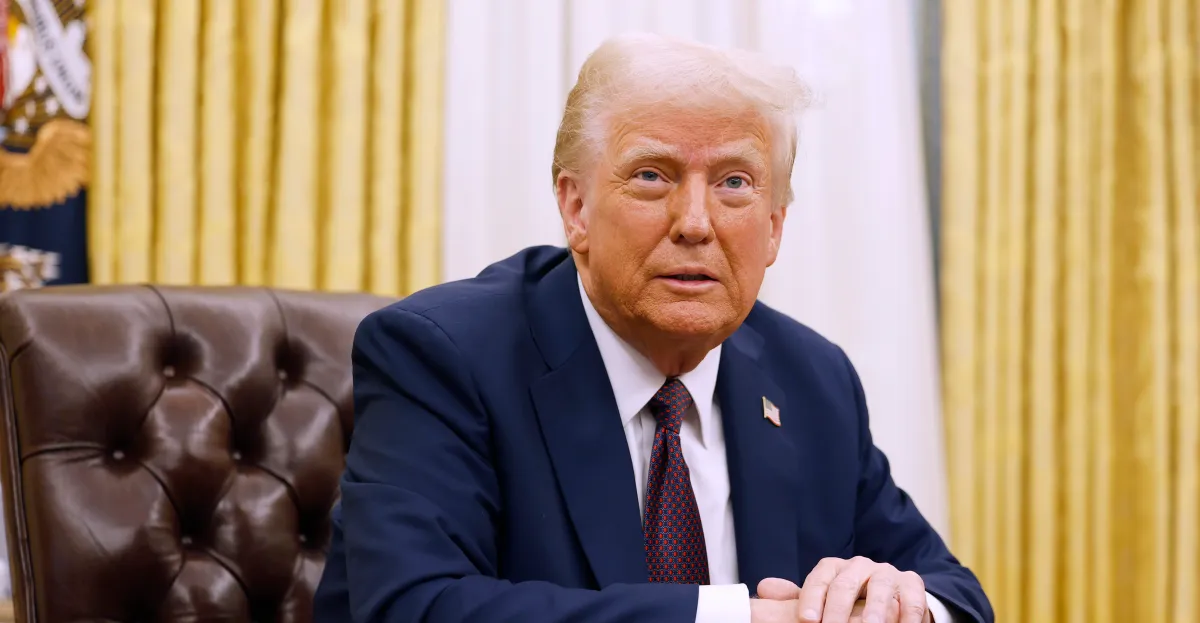
In an era where technological innovation relentlessly redefines the boundaries of possibility, recent developments highlight both the disruptive potential of emerging technologies and the perils of misinformation that threaten to undermine public trust. AI-generated content and virtual medicine are quickly transforming industries, creating unprecedented opportunities for forward-looking businesses and challenging existing regulatory and ethical frameworks. These advancements, while promising, demand a vigilant approach to discern genuine progress from manufactured narratives that can distort public perception.
The controversy surrounding the supposed announcement of the world’s first MedBed hospital system exemplifies the profound impact of AI-driven misinformation on market stability and technological credibility. The floating claim of a universal, all-curing medical device—widely circulated in fringe online communities—mirrors historical patterns of conspiracy-driven disruption. Major tech analysts, such as those at Gartner, warn that this type of narrative can divert investment away from genuinely transformative innovations like regenerative medicine and personalized healthcare. Meanwhile, mainstream institutions are racing to develop real bioengineering breakthroughs that could revolutionize patient care, from CRISPR gene-editing to advanced biocompatible implants.
Concurrently, the proliferation of AI-generated media, including manipulated videos and synthetic personalities, underscores both the rapid innovation within deepfake technologies and the pressing need for industry and regulatory responses. Notable figures such as Elon Musk and Dr. Michio Kaku have voiced concern over how unchecked AI content can distort public discourse and manipulate markets. This presents an urgent challenge for businesses: developing resilient verification protocols and safeguarding against malicious use. The disruption could be profound—imagine AI-powered scams that imitate CEOs or government officials, threatening the integrity of digital commerce and national security itself.
Emerging reports emphasize that the convergence of AI, biotechnology, and blockchain will accelerate an **industry revolution**—a shift that surpasses the explosive growth seen during the dot-com boom. The market implications are clear: investments in authentic innovation will determine the future landscape of healthcare, cybersecurity, and consumer technology. As MIT researchers highlight, **the next decade will be defined by a race to harness AI’s potential responsibly, with real-world applications emerging faster than regulatory frameworks can adapt**. Warnings aside, the window to capitalize on these breakthroughs is shrinking fast, with entrepreneurs and investors urged to seize opportunities rooted in *credible* scientific progress rather than fabricated hype.
Looking forward, the onus is on industry leaders and policymakers to foster an ecosystem where genuine innovation flourishes amidst an increasingly complex digital battlefield. The rapid pace of technological progress necessitates a proactive stance—embracing disruption while guarding against its darker implications. In this new digital epoch, those who can harness truth and transparency will lead the charge, shaping a future where technology serves humanity’s highest ambitions. The clock is ticking; the next wave of transformative breakthroughs is on the horizon, demanding both urgency and strategic foresight from every stakeholder committed to a brighter, smarter tomorrow.
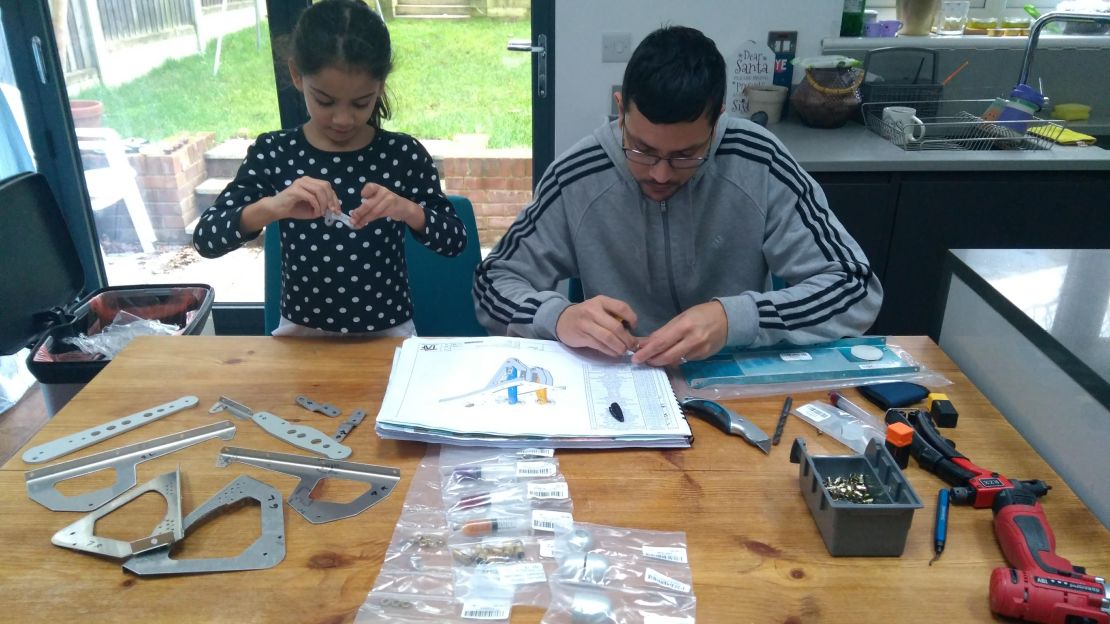
In an era where personal achievement intersects with notions of independence and self-reliance, a rising movement among adventurous youth is redefining what it means to live life on your own terms. A compelling example emerges from the UK, where mechanical engineer Ashok Aliseril Thamarakshan transformed a simple passion for aviation into a life-defining project — building his own aircraft during the challenging months of the COVID-19 pandemic. This story isn’t just about aviation enthusiasts; it’s an emblem of how shift in lifestyle values can lead to extraordinary experiences, driven by a desire to connect more intimately with the skies and one’s community.
Aliseril’s journey began when proximity to an airfield in Essex sparked his curiosity about flying. What started as a birthday gift — a 30-minute flight experience over the Isle of Wight — ignited a profound sense of possibility in him. Motivated by the thrill of liberty that flying offers, he secured a private pilot’s license in 2019. From there, his explorations extended beyond mere flights; he sought a deeper understanding of aircraft by embarking on a ambitious self-assembly project. His choice to build a Sling TSi”— a four-seater kit plane — exemplifies a growing trend among young followers of the maker movement: turning construction into a lifestyle of pursuit and mastery.
The pandemic, rather than halting his ambitions, became an accelerator. With restrictions in place, Aliseril dedicated over 18 months to constructing his aircraft in a self-made shed in his backyard. This decision was fueled by a desire for full control and comprehension of every aspect of his plane, emphasizing the importance of knowledge and responsibility in aviation. His experience as an engineer, coupled with his home improvement skills, made him confident in building from detailed instructions and working with specialized tools—making the dream of flying his own aircraft not just a possibility, but a reality grounded in resilience and craftsmanship.
One of the most inspiring aspects of Aliseril’s journey is the sense of community that aviation fosters. He notes that many in his circle are retirees or individuals with the financial ability to undertake such projects, creating a close-knit community that shares a common passion. The social benefits extend beyond merely sharing flights; the friendships forged among private pilots form a kind of modern brotherhood of explorers. For Aliseril, this community enhances both personal growth and safety, providing a buffer of collective experience and camaraderie in pursuit of individual adventure.
Cost considerations—often a concern among young enthusiasts—are increasingly mitigated by shared ownership models and the affordability of modern kit planes. With total expenses for the build approximating the cost of an SUV, many see it as an eye-opening opportunity: a pursuit that combines affordable luxury with long-term value. His experience underscores that a passion for flight can become accessible beyond regional elites, fostering a new generation of pilots who prioritize hands-on engagement and self-sufficiency.
As Aliseril’s story reveals, embracing a lifestyle of self-built achievement does more than deliver personal freedom; it challenges traditional notions of expertise and wealth, proving that with determination coupled with community support and careful planning, the sky is truly within reach. His journey from a curious engineer to a pilot who has flown over 300 hours, crossing over to countries like Norway and even traveling to France, embodies the spirit that underpins a generation eager to carve out its own path.
Ultimately, life is an ongoing voyage—one that invites each of us to define our own horizon. Whether it is learning to fly, building a craft, or simply seeking moments of meaningful adventure amid the hectic pace of modern life, these stories remind us that the true destination lies in embracing our capacity to create, explore, and connect. For the young and restless, the sky isn’t the limit; it is the opening chapter of an extraordinary journey.


