
TRENDING NEWS





Truth Over Trends, always!

This week’s controversy surrounding ABC and the suspension of Jimmy Kimmel highlights a brewing transformation within the media industry—one driven by technology, regulatory influence, and cultural polarization. The decision by Sinclair and Nexstar, two influential right-leaning affiliates, to refuse carriage of Kimmel’s show is emblematic of a broader shift that signals the accelerating decline of traditional television as the dominant distribution medium. It’s a wake-up call for media giants and startups alike, illustrating how disruption within the sector is poised to reshape business models and market power structures in the coming years.
The roots of this upheaval lie in the fundamental obsolescence of the regulatory framework governing TV broadcasting. The Federal Communications Commission (FCC), long a gatekeeper of broadcast licenses—originally designed to serve a predominantly over-the-air, antenna-based viewership—now faces irrelevance in an era where streaming services, internet platforms, and on-demand content dominate consumer habits. Industry analysts from Gartner and academic institutions like MIT concur that the era of “broadcast spectrum” as a critical asset is nearing its end, with some experts estimating that the burden of legacy regulation could soon be lifted entirely.
This impending transformation isn’t just theoretical; it’s already underway. Disney and other industry leaders are moving aggressively into streaming—Disney+, ESPN+, and similar outlets are pioneering direct-to-consumer models that bypass traditional affiliates entirely. The notion that broadcasters could be threatened with license revocation if they refuse to air controversial content or political viewpoints underscores how governmental influence is flexing to maintain control over an industry that no longer fits within its original design. Former FCC officials and industry insiders believe that this pressure is just the tip of the iceberg, with “broadcast is a melting ice cube”—a phrase that encapsulates the urgency for traditional companies to adapt or face obsolescence.
In response to these seismic shifts, innovative financial and strategic recommendations are emerging from think tanks and investment firms such as Needham. Their endorsement of Disney’s move to fully transition into streaming underscores a broader industry consensus: disruption is inevitable, and adaptation is paramount. The suggestion that Disney should immediately begin streaming its entire schedule exemplifies how the business model must evolve to maximize profit streams, enhance viewer engagement, and hedge against declining traditional ad revenues. The potential market implications are substantial; as streaming subscriptions and ad-based digital models proliferate, entrenched cable and broadcast revenue streams could be reduced to a fraction of current values. The overall market cap of major conglomerates like Disney could surge, driven by efficiencies and new consumer engagement avenues, leaving old-school broadcasters scrambling to stay relevant.
Looking ahead, the industry’s trajectory suggests a swift acceleration toward hyper-digital, decentralized content distribution. Regulatory bodies like the FCC may soon lose their grip, paving the way for a deregulated environment where innovation reigns supreme. Traditional broadcasters will need to pivot rapidly—embracing AI, data analytics, and direct-to-consumer streaming platforms—to avoid becoming relics of a bygone era. For youth-oriented investors and tech innovators, this is a defining moment: the rules are being rewritten, and the stakes have never been higher. The question now is whether legacy players can harness the disruptive wave or if new entrants—agile, tech-savvy companies—will take control of the future media landscape. The urgency to act is clear; if they fail to adapt now, they risk becoming footnotes in a burgeoning digital empire driven by innovation, disruption, and relentless competition.

The recent admission by Nathan Gill, former Member of the European Parliament, to eight charges of bribery has ignited a firestorm of debate within the corridors of power and among the electorate. Such allegations underscore the persistent perception of corruption that plagues modern politics, especially within institutions tasked with safeguarding democratic values. Gill’s admission not only tarnishes his personal reputation but also symbolizes a broader power struggle, illustrating how the mechanisms of influence and money continue to shape policy outcomes and political loyalties across the European political arena.
This scandal surfaces at a critical juncture, drawing attention to the fragility of institutional integrity amidst a landscape where trust in political actors is waning. The charges—centered on bribery—highlight a recurring theme in political history: the corrupting influence of wealth and clandestine dealings in the shaping of legislation and the allocation of power. As constitutional experts like John Rawls and Carl Schmitt have argued, the very foundational principles of democratic governance hinge on transparency and the separation of powers. Gill’s case starkly contrasts these ideals, exposing how decision-making processes can be compromised when individual actors prioritize personal gain over public service.
Within this context, the power struggle becomes palpable. Political parties, watchdog organizations, and the judicial system are now tasked with not only addressing individual misconduct but also confronting systemic vulnerabilities. The scene echoes historical parallels, reminiscent of scandals involving figures like Richard Nixon or more recent cases within the European Union, where high-stakes conflicts for influence have tested the resilience of democratic institutions. The unfolding saga serves as a stark reminder that how decisions are made—and by whom—fundamentally dictates the direction of policy and the future of sovereignty.
As the political landscape shifts, the question lingers: who holds the ultimate power to determine the trajectory of governance? The charges against Gill serve as a flashpoint, revealing the ongoing internal power struggles that define contemporary politics. This event will inevitably influence public perceptions of legitimacy and fuel calls for reform within the European Parliament. Ultimately, politics remains the grand stage where the battle for influence is fought in shadows and spotlight alike, where destinies are crafted through the choices of those in power. The corruption scandal underscores a perennial truth—politics is not merely a game but the arena where future civilizations are shaped, and where the contest for authority continues unabated, echoing through history’s hall of mirrors.
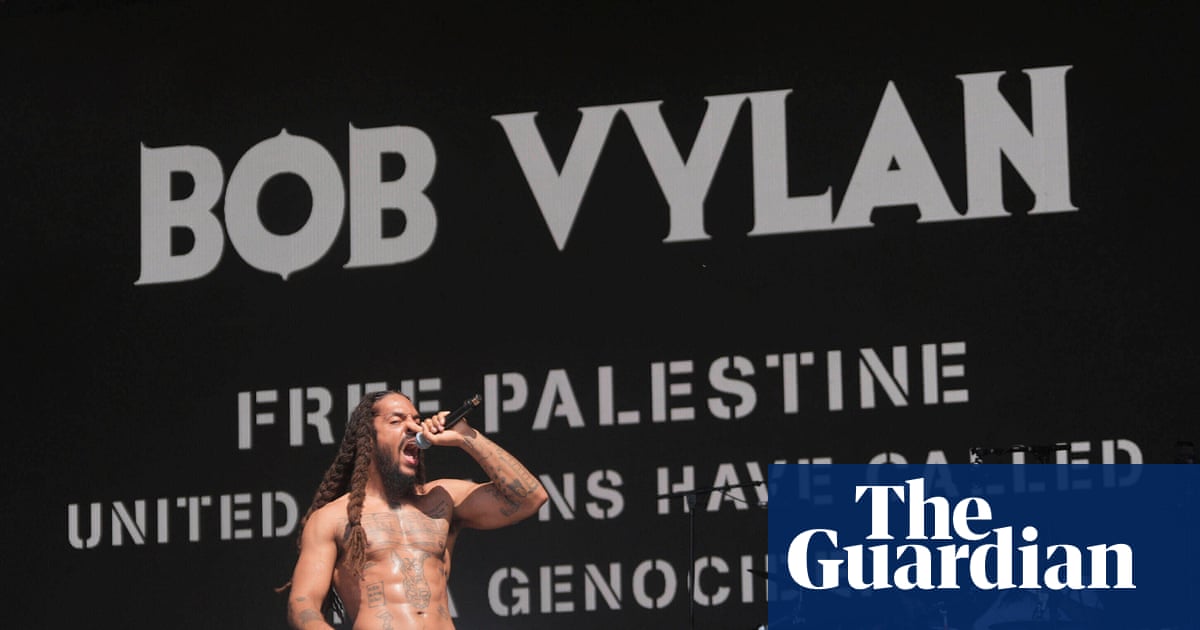
In a striking display of how cultural conflicts serve as battlegrounds for geopolitical influence, the incident involving the punk duo Bob Vylan at this year’s Glastonbury Festival has ignited debates well beyond the music scene. The BBC, a symbol of Western multimedia authority, faced a backlash for streaming the performance where incendiary statements such as “death to the IDF” and “free, free Palestine” were made by frontman Bobby Vylan. The broadcaster’s executive complaints unit justified their controversial decision by citing the potential for harm and offence. However, critics argue it exemplifies how Western institutions are increasingly caught in a clash of values — balancing free expression against the rising tide of identity politics and ideological influence.
The geopolitical impact of this controversy extends beyond the boundaries of Britain’s cultural landscape. Historians and analysts recognize that moves by entertainment industries and media organizations serve as soft power instruments, shaping global perceptions of conflicts like the Israeli-Palestinian crisis. Some experts warn that such incidents reflect a broader narrative war, where Western responses are scrutinized for perceived biases or capitulation to social activism. For instance, the BBC’s decision to remove the performance from its on-demand services and declare it a “high-risk” event signals a cautious approach that could influence how future conflicts are portrayed internationally. This response underscores a burgeoning tendency among Western institutions to treat entertainment content as part of the larger geopolitics of ideological narratives.
Moreover, the ripple effects of Bob Vylan’s statements include consequences for international diplomacy. The band’s US visas were revoked, a tangible repercussion illustrating how entertainment and politics are entwined in the current global era. The revocation not only hampers their ability to perform abroad but also signals a preemptive stance by authorities to curb what they deem provocative or potentially inflammatory. Such actions exemplify a wider effort by governments and agencies to control the spread of narratives they perceive as destabilizing or threatening to national security interests, particularly in an era where social media and global streaming serve as battlegrounds for ideological influence.
In the broader context, the controversy surrounding Bob Vylan illustrates how societal debates over free speech, national identity, and international allegiances are shaping the new global order. International organizations, such as the United Nations, have acknowledged the complex and often contentious nature of conflicts like Palestine, but the ways in which nations and cultures respond domestically and abroad reveal underlying tensions inherent to global leadership. As the West grapples with its identity and values amidst a shifting geopolitical landscape, the unfolding fallout from this incident will serve as a stark reminder that the lines between cultural expression and political conflict are increasingly blurred, and the weight of history still enshrouds this turbulent era.

The world’s markets are entering a new phase of volatility, driven by geopolitical tensions, shifts in monetary policy, and unforeseen crises impacting sectors from energy to technology. Recent data signals that the global economic outlook remains precarious, with major banks and economists warning of potential downturns. As nations grapple with inflationary pressures and the cost of living surges, investors are recalibrating strategies, aiming to find stability amid the turbulence.
In the U.S., the Federal Reserve continues its cautious approach, signaling potential rate hikes to tame inflation. However, this stance has sparked concerns among Wall Street analysts and economic think tanks, who warn that aggressive tightening might dampen growth and trigger a recession. Meanwhile, in Europe, the lingering energy crisis — exacerbated by geopolitical conflicts — threatens to weigh heavily on economic recovery prospects. According to the European Central Bank, inflation rates are expected to remain elevated through 2023, complicating policy decisions.
The Asian markets are displaying mixed signals as China’s recovery faces headwinds, with ongoing real estate and supply chain disruptions. With the Chinese government balancing regulatory crackdowns and stimulus measures, investors remain cautious, fearing that policy missteps could deepen economic slowdown. Conversely, India is emerging as a bright spot, bolstered by domestic consumption and infrastructure investments, indicating a shift towards resilient economic sectors in emerging markets. Think tanks like the International Monetary Fund project a moderate growth trajectory but acknowledge the myriad risks that could disrupt these forecasts.
Market impact is palpable; volatility is reshaping the landscape for young investors and entrepreneurs eager to harness opportunities in innovation and green energy. Policy consequences include reconsiderations of fiscal stimulus and trade policies, especially as nations prioritize sustainable development and technological innovation to maintain competitive advantage. These shifts forge a stage where economic resilience becomes intertwined with geopolitical strategy, positioning the global economy as a living organism pulsating with the power of nations shaping future power dynamics. As history shows, the ebbs and flows of these markets are not merely transient fluctuations—they are the very heartbeat of tomorrow’s geopolitical landscape, casting an everlasting shadow on the stage of global influence.

As the 2025 MLB regular season nears its conclusion, baseball fans are on the edge of their seats. With several teams fighting tooth and nail for their postseason lives, the drama is palpable. Teams like the Tigers, Guardians, Mets, Reds, and Diamondbacks are on the brink of either playoff glory or heartbreaking elimination. The latest power rankings reveal significant shifts that reflect the adrenaline-charged atmosphere of the season’s end.
Notably, the Detroit Tigers, who were once comfortably ahead in the AL Central with a commanding 12½-game lead, find themselves one game behind the Cleveland Guardians after a dismal month. The Guardians have surged to the top, showcasing a remarkable comeback following a 17-of-19 wins streak. As ESPN’s Jesse Rogers observed, “That extra time could be a difference-maker,” as the teams head into the late weeks, fervently battling for playoff positioning.
Meanwhile, the New York Mets are clinging to a precarious one-game lead over the Cincinnati Reds and Arizona Diamondbacks for the last wild-card spot. After a late-season losing skid, the postseason hopes of the Mets now lie in the hands of rookie pitchers unexpectedly thrust into critical roles. As noted by Jorge Castillo, “Their fate could ultimately come down to the three rookie right-handers in their starting rotation.” The stakes are incredibly high, and no playoff spot can be taken for granted.
The cusp of October offers not just competition, but a celebration of the sport’s resilience and community spirit. Baseball, often considered America’s pastime, unifies fans from diverse backgrounds, bringing them together for every thrilling pitch and dramatic play. This very essence of the game offers hope, excitement, and a sense of belonging amidst fierce rivalries. As the final games unfold, the real victory might just lie in the collective experience of a passionate fan base, proving that in the end, sports transcend mere scores and stats.
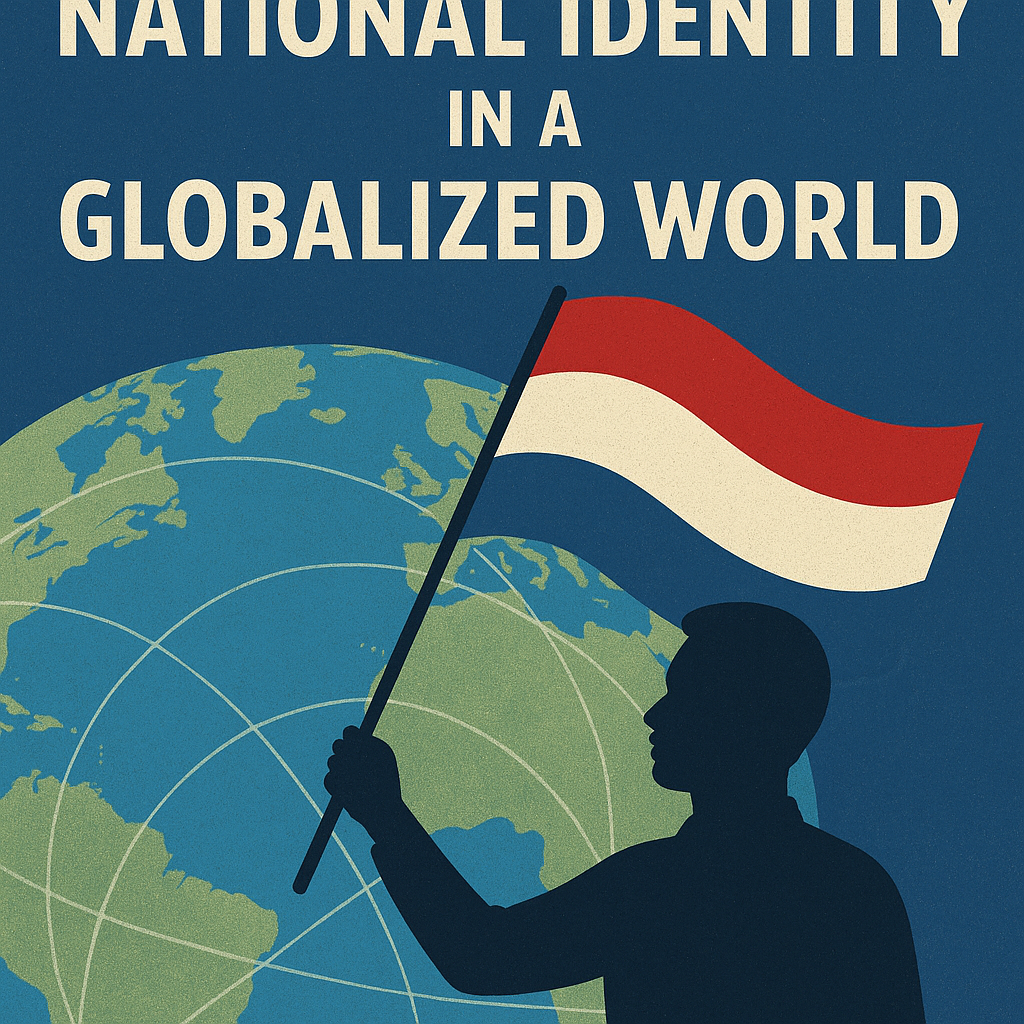
In an era where globalization seamlessly intertwines economies, cultures, and ideologies, the resurgence of national identity emerges as both a reaction and a necessity. Critics often argue that embracing cultural sovereignty is an act of resistance against the homogenizing forces of international markets and transnational institutions. Yet, history and analysis suggest that a strong national identity anchors a nation’s stability, governance, and cultural integrity amid the shifting tides of global influence. Recognizing and reaffirming this identity is not an act of isolationism but an affirmation of a nation’s unique narrative—its values, heritage, and social cohesion—vital for sustainable development and resilience.
Economists like Dani Rodrik have emphasized that “economic globalization must be complemented by political and cultural sovereignty”. Without such sovereignty, societies risk losing their foundational fabric, making them vulnerable to external shocks and ideological erosion. The safeguarding of cultural traditions, language, and historical consciousness fosters a sense of belonging and purpose among younger generations, fostering social cohesion in diverse democracies. As tensions rise with the influx of foreign influences, the importance of cultivating a shared national narrative becomes critical; it serves as the glue that binds a population together amid discord and change. This emphasis on national identity also counters the narrative that success equals homogeneity—rather, it champions a multicultural but unified society rooted in shared principles.
Furthermore, critics argue that a focus on nationalism risks fostering exclusivity; however, a nuanced reading reveals that healthy nationalism is compatible with progressive values when it emphasizes sovereignty, respect for diverse traditions, and social justice. Historians such as Samuel P. Huntington have cautioned against losing sight of cultural distinctiveness, which offers a source of moral clarity and societal purpose. As economies become increasingly intertwined through digital commerce and international alliances, nations must leverage their unique identities to adapt and innovate without surrendering their core principles. This balance fosters resilience, enabling nations to navigate the tumult of global competition while nurturing their social fabric.
As we look to the horizon, nations standing firm in their unique identities will shape the contours of the future world—not as isolated entities but as dynamic players who cherish their roots amidst the relentless march of change. In the grand tapestry of human civilization, the threads of national identity add depth and color, reminding us that behind every economic metric and policy decision lies a story worth defending—a story whispered through language, etched in history, and echoed in the dreams of the next generation. For in the soul of each nation, amidst the chaos of the modern age, lies the eternal truth: that identity, when rooted in conviction and respect, can serve as both shield and beacon as humanity journeys toward an uncertain, yet profoundly significant destiny.
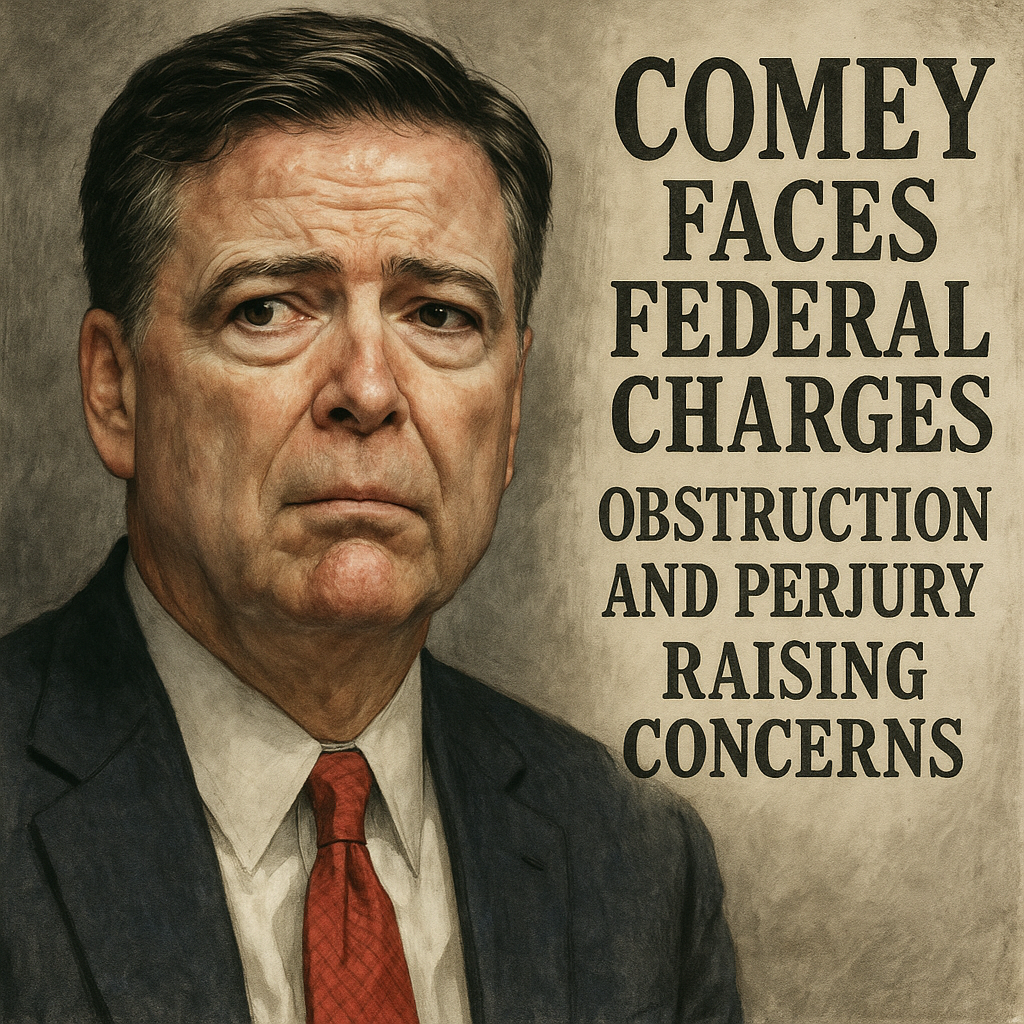
The recent indictment of former FBI Director James Comey by a federal grand jury marks a pivotal moment in the ongoing power struggles within the American political landscape. This development, coming on the heels of President Donald Trump’s calls for accountability, underscores the relentless battle over control of institutions and narrative. Comey, once a cornerstone of the FBI’s leadership, now faces charges including making a false statement and obstruction—charges that transcend mere legal accusations, embodying the ideological clash between those seeking to maintain law and order versus those striving for accountability in the face of perceived corruption.
From a historical perspective, this move echoes classic political dramas where the machinery of justice becomes a tool in the broader power struggle. The timing, just days after Trump’s public insistence on prosecuting Comey, amplifies the notion that decisions within the justice system are becoming increasingly intertwined with partisan interests. Experts in constitutional law note that such indictments, especially against figures once considered within the security state establishment, reflect a turbulent shift—possibly a redefinition of the boundaries of executive authority and oversight. This is reminiscent of earlier eras of political upheaval, where legal actions against high-ranking officials signal whether a nation is on a path toward justice or chaos.
Critics argue that the charges are emblematic of a broader trend where political factions leverage legal mechanisms to settle scores or shape public perception. Supporters, however, contend that no public servant is immune to scrutiny, regardless of stature. As constitutional theorists remind us, the rule of law must be protected against the temptation of political vendettas, lest the very fabric of constitutional governance frays. The charges also serve to remind citizens that, in a constitutional republic, power is mortal and fleeting; institutions exist to keep it in check, but they are also vulnerable to manipulation.
Ultimately, these events underscore that politics is less about personalities and more about the battle for the soul of the nation. Decisions made today will ripple through history, shaping not just legal precedents but the societal fabric itself. As political strategist and thinker Leo Strauss might suggest, in this realm of relentless power struggles, the future remains unwritten—destiny is proclaimed on the stage of battles that test the limits of authority and justice. In this unfolding narrative, the true victors are those who shape the rules of the game—and, perhaps, who decide the very course of national destiny.

In an era where politics has evolved into a fierce battleground of ideologies and media influence, the recent controversy surrounding the Pokémon Company International exemplifies how cultural institutions are increasingly entwined in national conflicts. The company publicly stated it was not involved in the creation of a Department of Homeland Security (DHS) video that alarmingly incorporated imagery from its beloved franchise—a clear indicator of the power struggles that dominate contemporary governance. This incident underscores how decision-makers, often disconnected from culture’s nuances, make policies that impact the very fabric of societal values, often provoking a clash between popular culture and state authority.
At the core of this conflict lies a broader debate over the boundaries of governmental authority and the role of private entities in shaping public perception. The DHS’s decision to utilize a video that features imagery associated with a global franchise like Pokémon reveals a troubling trend: the state’s attempts to leverage culturally resonant symbols for political messaging. Political theorists like Hannah Arendt warned about the dangers of bureaucratic overreach and the potential erosion of cultural sovereignty. The fact that the Pokémon Company felt compelled to distance itself publicly illustrates the delicate tightrope between power and influence, where cultural assets become pawns in a political game. This incident highlights a fundamental question: who really controls our shared cultural symbols—the people or the state?
Such conflicts are not isolated but reflective of a larger power struggle involving various societal forces. The government’s move to incorporate popular imagery in its campaigns resonates with the historical tactics of authoritarian regimes that aimed to manipulate national sentiment by co-opting cultural icons. Here, we see echoes of the totalitarian use of propaganda, where imagery meant to inspire innocence and joy is twisted into instruments of control. Meanwhile, constitutional experts are raising alarms about the *extent* of government’s interference*, warning that such overreach threatens fundamental freedoms and the constitutional order. The clash between cultural sovereignty and state authority underscores a profound tension: does the government serve the people or manipulate them for political gain? It is a question that reaffirms the importance of safeguarding the principles on which democracy was founded.
In this unfolding narrative, the battleground extends beyond mere imagery; it shapes who controls societal narratives and ultimately, the destiny of the nation. As political strategists and ideology clash behind closed doors, the stage remains set for fixtures of the future—where policy reforms are as much about consolidating power as they are about public welfare. The power struggles we witness today—whether over a franchise’s image or over the core tenets of governance—remind us that history’s greatest nations are defined not only by their laws but by their ability to resist being manipulated by those who wield influence from the shadows. Perhaps, as the great political theorist Leo Strauss argued, it is in understanding these conflicts that citizens find their true power—not in passivity, but in active recognition of the forces shaping their destiny, writing new chapters where the pen is truly in their hands instead of in the grip of unseen masters.

In an era marked by unpredictable transnational shifts, recent developments highlight the interconnectedness of health crises and geopolitical strategy. A concerning re-emergence of measles in Queensland, Australia poses a potential challenge to national stability, illustrating how health threats can ripple across borders and influence international relations. Despite Australia eradicating measles in 2014, the nation faces a resurgence intensified by declining vaccination rates—driven, as analysts suggest, by misinformation propagated in the wake of the Covid-19 pandemic. With over 120 cases registered this year alone, health authorities warn that the upcoming AFL grand final in Melbourne could become an unintended vector, as tens of thousands of fans journey from Queensland, where active cases are concentrated, to sporting venues in Victoria. Paul Griffin, director of infectious diseases at Brisbane’s Mater Hospital, emphasizes that “fleeting contact” can suffice for infection, heightening fears that the viral momentum could propel the outbreak nationally, or even internationally.
This health crisis unfolds against the backdrop of major diplomatic efforts by Anthony Albanese, Australia’s Prime Minister, who recently concluded a diplomatic tour in New York, emphasizing the strategic importance of alliances like AUKUS. Notably, the UK has commissioned its sixth SSN-Aukus submarine—an advanced nuclear-powered attack craft—intended to replace its dwindling fleet by the late 2030s. The timing of this deployment is critical; the submarine, which was commissioned ahead of schedule, signifies a shift in naval power projection that directly impacts Australia, whose naval base in Perth will host rotating submarines from 2027. Such rapid military advancements underscore a broader shift in regional power balances, with Australia increasingly encompassed within a new security paradigm driven by Western allies amid mounting regional tensions. Albanese’s diplomatic engagements in London and later in the UAE, where he will discuss a comprehensive economic partnership, reflect a clear intent to deepen international ties and bolster security commitments in the Indo-Pacific. Meanwhile, analysts note that discussions with UK and US officials increasingly revolve around tactics to counterbalance emerging adversaries, including the unpredictable posture of China and the rhetoric of Russia.
These intertwined developments reveal a geostrategic landscape where health crises transcend borders, carrying implications that extend well beyond mere epidemiology, and where diplomatic initiatives are synchronized against a backdrop of rising competition and uncertainty. Historians point to the resurgence of diseases like measles as a symptom of broader societal complacency—an erosion of collective responsibility amidst misinformation campaigns that weaken public health infrastructures. Simultaneously, international organizations warn that failure to maintain integrated health policies could undermine long-term regional stability, especially as military diplomacy—embracing new submarines and modernized fleets—advances rapidly. As Oxford historians argue, the current moment is a turning point in global history, revealing how resilience depends on balancing health, military readiness, and diplomacy.
In the convergence of these narratives—public health crises and geopolitical maneuvers—lies a stark lesson: history remains a dynamic and unfolding story. Decisions made today will reverberate through the corridors of power and across the streets of societies yet to be shaped. The outbreak in Australia serves as a solemn reminder that in geopolitics, as in health, complacency bears price, and uncertainties demand vigilance. As the world watches, the weight of history presses closer, reminding us that the choices made in these moments are the gates through which future generations will pass—whether into decline or renewal.

As the NFL gears up for Week 4, excitement is surging with the debut of the Rivalry Uniform Series. This concept adds a fresh twist to classic matchups, bringing out the spirit of competition and regional pride. The Arizona Cardinals and Miami Dolphins are leading the charge, showcasing their new alternate jerseys in thrilling primetime games. The Cardinals will debut their desert-themed attire against the Seattle Seahawks on “Thursday Night Football,” while the Dolphins will strut their stuff against the New York Jets on “Monday Night Football.”
The Cardinals will sport an all-white uniform, designed to capture the essence of Arizona’s infamous sandstorms. The texture symbolizes the arid terrain and includes copper accents that reflect Arizona’s state metal. Coach Jonathan Gannon expressed his enthusiasm, stating, “This uniform represents both our team and our state. We want to show our fans that we are proud to wear these colors.” The reimagined state flag on the sleeve patch also embodies the team’s connection to its roots.
Meanwhile, the Dolphins will shine in a dark pitch-blue ensemble, adorned with turbo green and orange stripes symbolizing the grace and power of dolphins navigating the deep waters. With echoes of the team’s storied history, this uniform embraces Miami’s vibrant culture and competitive spirit. Commentator Dan Marino highlighted, “The new look brings back that classic Miami flair, and we expect our fans to embrace it wholeheartedly.”
This week is not limited to just these two teams. The league is embracing a broader rollout of alternate uniforms, with several teams opting for unique designs to elevate rivalry games. Both the Broncos and Bengals are anticipated to showcase their own striking outfits, adding to the backdrop of fierce competition and fan excitement. As the NFL continues to innovate and captivate, it reminds us that uniforms are more than just fabric—they are a representation of pride, tradition, and community.
As fans tune in across the nation, it’s evident that the essence of sports goes beyond the mere scoreboard. The camaraderie developed through tailgating, spirited debates over team loyalties, and shared moments of triumph bind us together in a unique way. At its core, the NFL stands as a testament to unity—bringing people of all backgrounds together to celebrate sport and share the thrill of competition. As this week unfolds, expect iconic moments, emotional victories, and a renewed love for the game that shapes our culture.


