
TRENDING NEWS





Truth Over Trends, always!
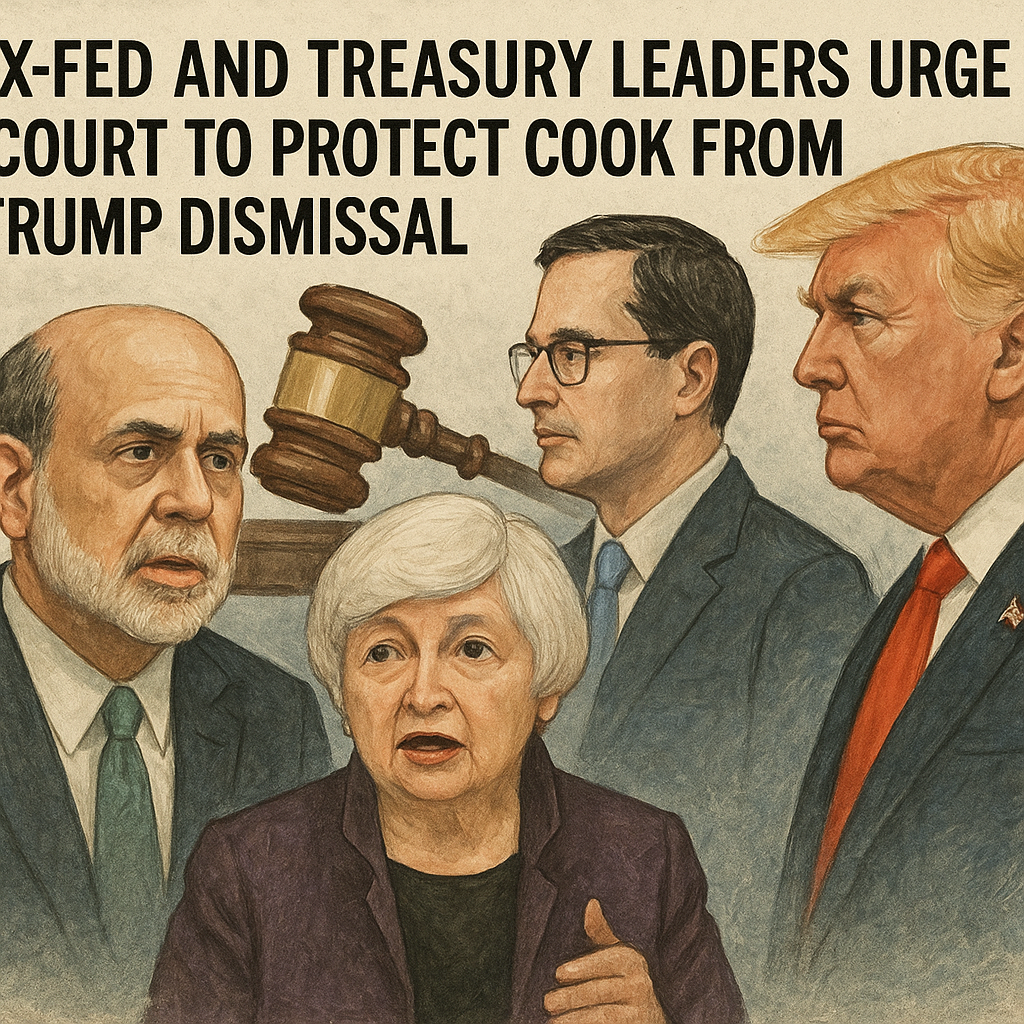

In a dramatic twist that underscores the ongoing power struggles within U.S. financial governance, more than a dozen of the most influential economic policymakers from the past three decades have come together to urge the Supreme Court to uphold the tenure of Lisa Cook, a member of the Federal Reserve Board of Governors. Their collective stance is not merely an act of support for an individual appointment; it symbolizes a broader contest over authority, institutional influence, and the very direction of America’s economic future. As these veteran voices—comprising former Fed chairs and Treasury secretaries—align in their plea, the battle lines are drawn clearly, echoing historic conflicts between independence and political encroachment within central banking.
At the core of this dispute lies a fundamental question: who controls the levers of economic power in the United States? The Federal Reserve, often depicted as an elusive and autonomous institution, has long been the subject of politicization. Critics on the right condemn what they see as unchecked Federal Reserve activism, while supporters argue that its independence is vital for stability and effective policy. The controversy over Cook’s appointment—initially stymied by administrative delays—becomes a flashpoint illustrating the ongoing power struggle between the executive branch and the judiciary. The question remains whether the Court will respect the *constitutional independence* of the Fed or bow to political pressures seeking to influence monetary policy by other means.
This confrontation harks back to historical battles over the role of central banks and the political limits placed on their authority. Figures like **A. E. Carter** from the Federal Reserve’s founding era understood the importance of insulating monetary policy from short-term political whims—a lesson often overlooked when political ideologies threaten the autonomy of vital institutions. The current push to influence or remove Cook questions whether the judiciary is willing to serve as a guardian of this independence, or if it will become a pawns in a broader ideological struggle. The stakes extend beyond individual careers, directly impacting how policies are crafted—whether to favor free-market principles, regulators, or political elites seeking control over economic levers.
This dynamic also impacts the American people, who are caught in the crossfire of decisions made behind closed doors. To many, the idea that a small group—be it Congress, the judiciary, or a cabal of bureaucrats—can wield such profound influence over the economy challenges the very basis of popular sovereignty. As political theorists like **James Madison** warned, the separation of powers is designed to prevent any single faction from becoming a tyranny. Yet, in today’s climate, decision-making appears increasingly centralized, with powerful elites vying for control and shaping the destiny of millions. The fight over Cook’s position is more than a personnel matter; it is a decisive battle over how the future of economic governance will be written.
As history has shown, politics is the arena where destiny is forged. The latest power struggle within the U.S. financial system underscores that |the battle for authority is ultimately a fight for the soul of the nation|. Will the judiciary act as a bulwark protecting institutional independence, or capitulate to political expedience? The outcome will determine how boldly America’s institutions can stand against those who seek to manipulate them for short-term gains. And in the end, the destiny of the nation—its stability, greatness, and value—resides not just in the policies enacted, but in the battles fought for the very principle of who holds the power to shape the future.
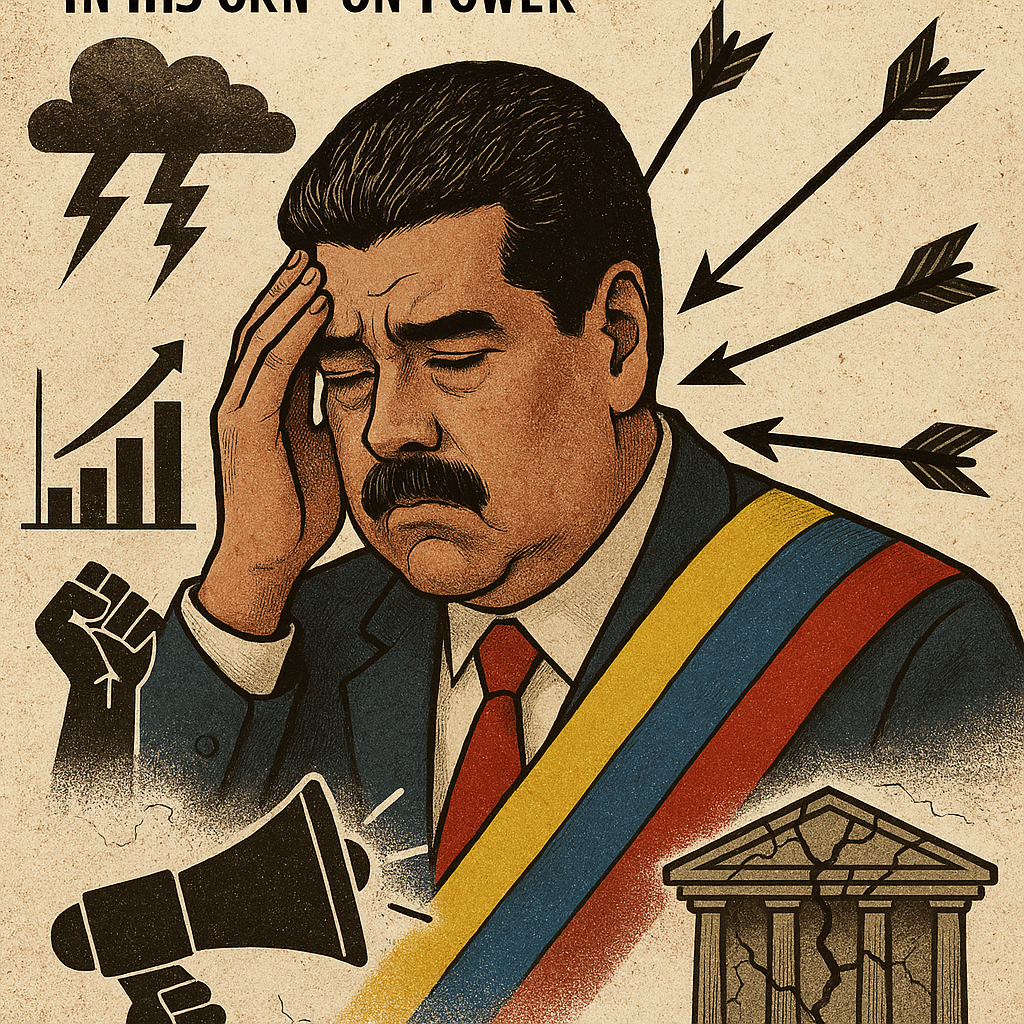
Within the tumultuous landscape of Latin American politics, Venezuela’s President, Nicolás Maduro, faces a critical juncture emblematic of the broader crisis threatening the very fabric of democratic legitimacy. Once heralded by some as a champion of socialist ideals, Maduro now finds himself entangled in a relentless power struggle that echoes the classic conflicts between authoritarian resilience and revolutionary resurgence. The whispers of international condemnation, combined with growing domestic unrest, suggest that Maduro is increasingly running out of options, with each decision echoing deeper into the nation’s destiny.
Maduro’s recent measures signal a potential shift that many political analysts see as an attempt to consolidate power amidst mounting challenges. The decision to tighten control over opposition-led institutions, coupled with crackdowns on dissent, mirrors historical tactics used by populist regimes seeking to strengthen the grip on the levers of power. As constitutional experts dissect these moves, parallels arise with regimes of the past that prioritized centralized authority over democratic accountability. The question remains: are these reforms defensive acts designed to preserve Maduro’s tenure, or are they the harbingers of an irreversible slide into authoritarianism?
Furthermore, the socio-economic fallout of these power struggles extends far beyond Caracas. The Venezuelan people, caught in a relentless struggle for survival, are often seen as pawns in a grand political chess game. The decisions made in the palace corridors—whether to hold new elections, amend the constitution, or suppress opposition voices—directly shape the life chances of millions. This reflects an age-old truth in political theory: where power resides, so too does the capacity to shape societal destiny. As the regime tightens its grip, it raises a fundamental question rooted in historical parallels — will the nation’s sovereignty be dictated by the ambitions of a solitary leader, or will it ultimately pivot back to the sovereignty of the people?
As the global community observes, the internal fractures within Venezuela serve as a stark reminder of how power struggles define history’s course. Whether Maduro manages to prolong his hold on power or succumbs to internal dissent and external pressure, the unfolding crisis underscores a timeless truth: politics is the arena where the fate of nations is decided, and where the future is written with each decision made in the corridors of power. With each passing day, Maduro’s dwindling options reveal that in the theater of sovereignty, the stage is set for either resurgence or ruin—only history can truly reveal the scripts yet to be enacted.
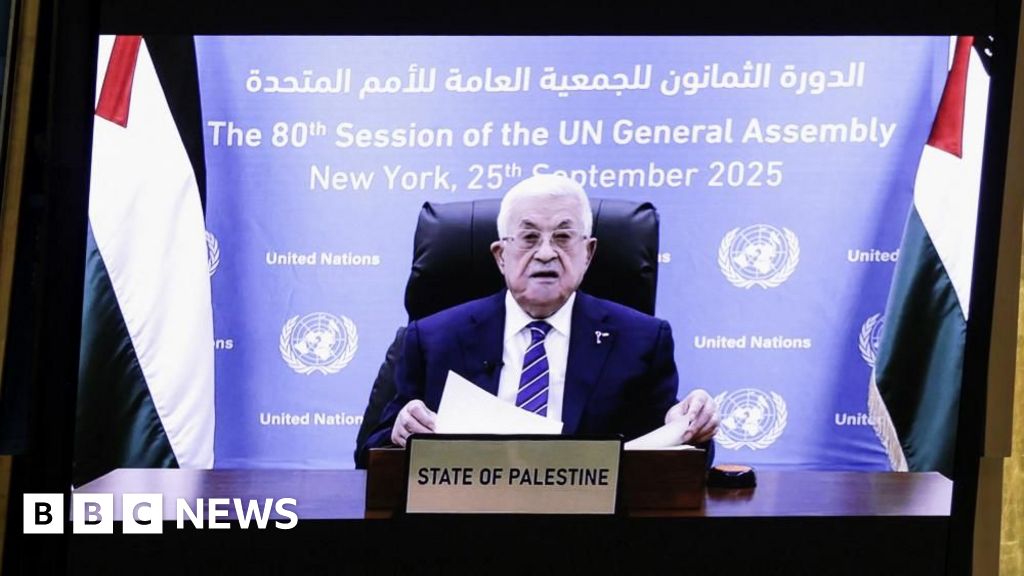
Amid the ongoing turmoil in Gaza, Palestinian President Mahmoud Abbas has asserted his readiness to collaborate with the international community to advance the peace initiatives proposed by France. Speaking via a recorded message at the United Nations General Assembly, Abbas emphasized his unwavering stance against a future governing role for Hamas in Gaza, demanding its disarmament as a prerequisite for any lasting peace. This position underscores the persistent internal divisions within Palestinian politics, which continue to complicate efforts toward national sovereignty and stability in the region. As the recipient of renewed international attention, Palestine’s quest for full recognition and independence remains a pivotal turning point with significant geopolitical impacts.
The recent outbreak of violence in Gaza, triggered by Hamas’s deadly attack on Israel on 7 October 2023, has resulted in tremendous loss and suffering. The attack, which claimed the lives of approximately 1,200 civilians and led to the abduction of 251 hostages, has been widely condemned as a reprehensible act, yet it precipitated a brutal Israeli military response. According to Gaza’s Hamas-led health ministry, over 65,000 Palestinians, many of them women and children, have been killed in the ensuing conflict—highlighting the catastrophic human toll. Analysts warn that this relentless cycle of violence threatens to undermine any hopes for peace, potentially altering the political landscape in the Middle East for decades to come.
The peace plan announced by French President Emmanuel Macron at a recent regional summit signals a possible pathway toward de-escalation. The proposal advocates for the simultaneous release of Hamas-held hostages and an end to Israeli military operations, followed by the establishment of a transitional administration — comprising Palestinian Authority officials and excluding Hamas — to govern Gaza. This plan envisions a sovereign, demilitarized Palestinian state that would incorporate Gaza with the Israeli-occupied West Bank, aiming to usher in a new chapter of stability and sovereignty. However, both the United States and Israel have dismissed the initiative, fearing it legitimizes terrorist groups and rewards militant unrest. This divergence in support highlights the fragile balance of international diplomacy in a conflict still deeply entrenched in historical grievances and power struggles.
Throughout this upheaval, Abbas has called upon the international community to recognize Palestine as a sovereign state and grant it full membership in the UN—an effort to bolster national legitimacy and pressure global powers to reconsider their policies. Countries like Canada, Australia, the UK, and Portugal have already extended recognition, while the U.S. remains opposed, citing fears of encouraging Hamas’s influence. As historians and analysts observe, such recognitions symbolize a pivotal shift, challenging the longstanding international stance that has kept Palestine in diplomatic limbo. Abbas’s call for electoral reform and the promise of a democratic Palestinian state underscore the urgent desire among Palestinians to redefine their future, yet the path remains obstructed by external intervention and internal discord. As the world watches, the fate of Gaza—and the broader Middle East—hangs in the balance, with each decision resonating far beyond the region’s borders, shaping the course of history yet to unfold.
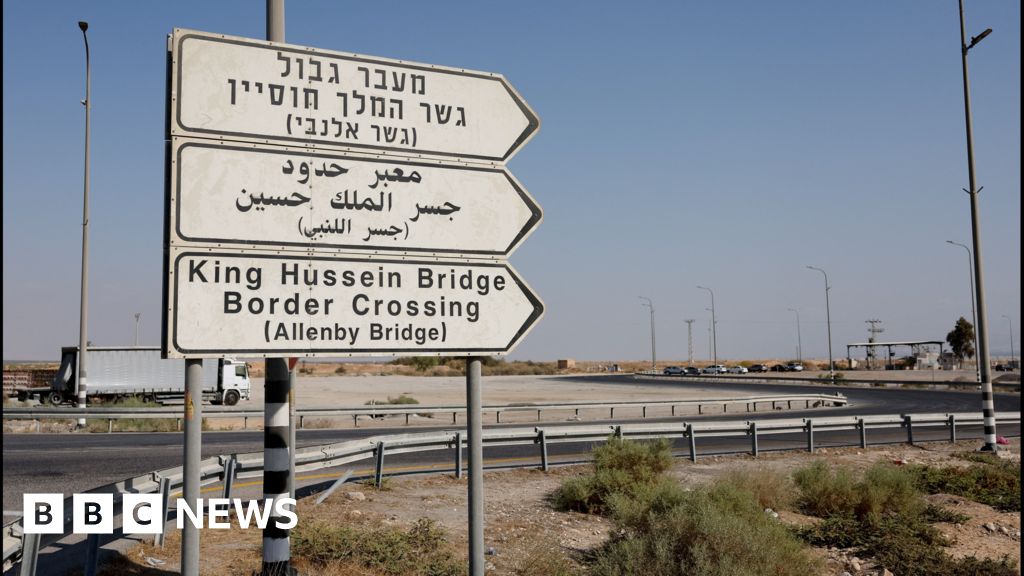
The Middle East continues to navigate the tumultuous aftermath of recent events, as Israel has uniquely shut down the only crossing between the Israeli-occupied West Bank and neighboring Jordan. This strategic move effectively cuts off access for more than two million Palestinians, severing a vital lifeline in a region where mobility and access are already heavily restricted. The closure, announced by the Israeli airports authority and carried out “at the direction of the political leadership,” has left many Palestinians stranded, unable to travel abroad or reunite with family members across borders. Prominent Palestinian voices, such as Mustafa Barghouti, have condemned this act as “dangerous,” emphasizing that it essentially imprisons the Palestinian population inside the West Bank, intensifying existing hardships.
This move comes amid a backdrop of escalating violence and international tension. Just days prior, two Israeli soldiers were shot dead near the Allenby Bridge by a Jordanian gunman—an incident that briefly shut down the crossing but was later reopened. The King Hussein Bridge, as it’s historically known, represents more than just a border crossing; it is a critical corridor for commerce, humanitarian aid, and the movement of people—especially for those Palestinians who cannot use Israeli-controlled airports. As historians and analysts note, such closures are not merely tactical but carry profound geopolitical impact, damaging the fragile relationships and perspectives that hold regional stability at bay. The decision impacts everyday lives—medical students like Maxim Giacaman, whose plans for medical electives in Germany have been dashed, exemplify how such actions extend beyond politics into personal futures, disrupting generations of aspirations.
In parallel, international responses have been polarized and fraught with tension. The recent moves by countries such as the UK, France, Australia, and Canada to recognize the State of Palestine have been met with fierce condemnation from Israel, which branded these efforts a “reward for terrorism.” Ultranationalist ministers within Israel have called for even more drastic actions, including the blatant prospect of outright annexation of the West Bank—an act that would irreparably reshape the territorial landscape and escalate the risk of outright conflict. Since the Hamas-led attack that resulted in the deaths of around 1,200 Israelis and the taking of 251 hostages, Israel has intensified its security apparatus—erecting hundreds of checkpoints, accelerating settlement expansion, and engaging in broader military operations aimed at Palestinian resistance groups. Such measures have been internationally scrutinized, with many accusing Israel of transforming the West Bank into an open-air prison while the international community struggles to curb its expansive policies.
This crisis underscores a fundamental question of sovereignty, resistance, and the international order’s capacity to uphold justice in an unstable region. As the United Nations and veteran analysts observe, Israel’s recent actions — especially the indefinite closure of key border crossings — exemplify a pattern of escalating repression. The decisive militarization and expansion threaten to write a new chapter of conflict, with history warning that such policies often engender long-term cycles of violence and despair. The weight of this unfolding chapter in history challenges whether global institutions and nations will succeed in their efforts to foster peace or merely watch as the fabric of an already fractured society unravels further. As the world’s eyes remain fixed on the Middle East, the true impact of these decisions will echo through generations—ultimately defining whether this region is destined for continued chaos or a chance at stability, however distant that hope may seem. The pages of history are turning, and the story of Palestinians and Israelis is far from finished—yet each stroke writes them deeper into the annals of a conflict that has endured far too long, a testament to human resilience and failure in equal measure.
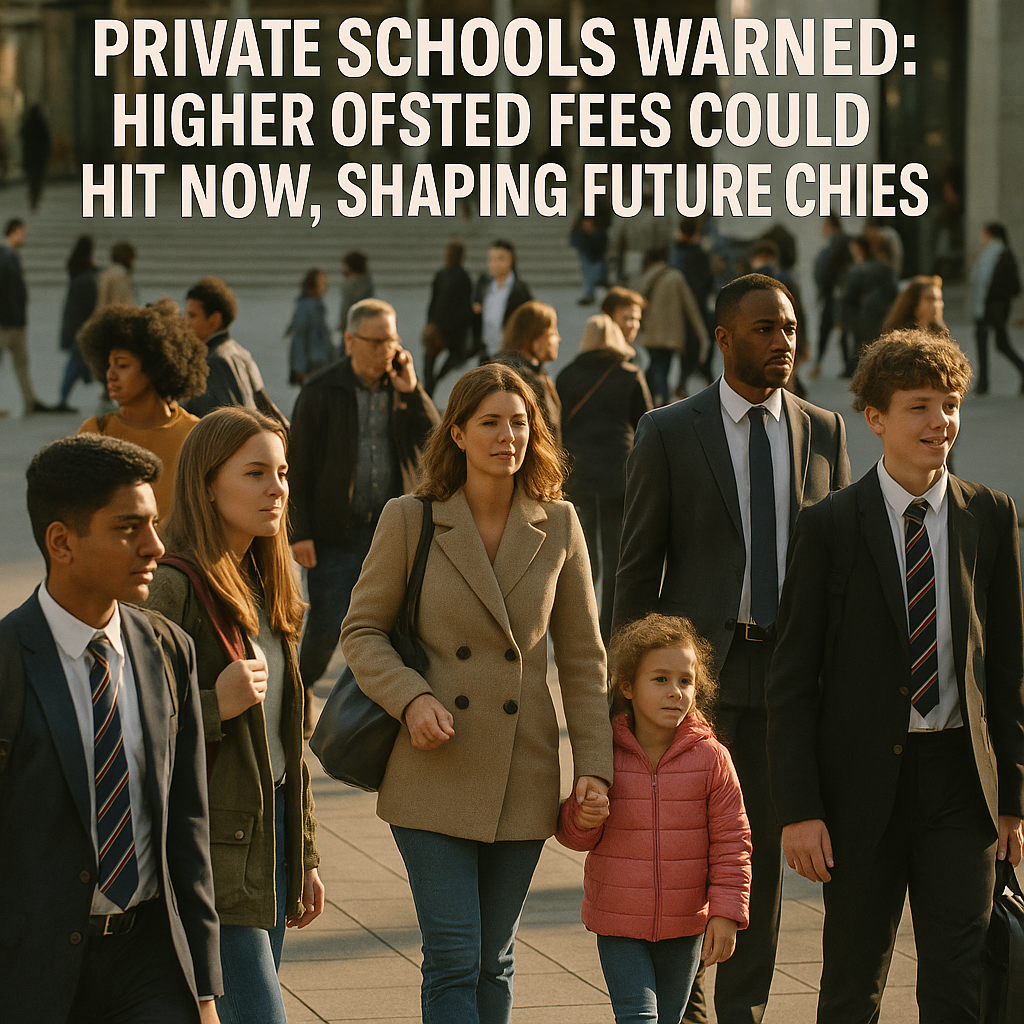
In recent months, the fractures within the fabric of British society have become more evident, as government and educational authorities grapple with the future of private education. The Department for Education (DfE) has proposed increased fees for Ofsted inspections of private schools, a move seen by many as a step toward economic fairness but criticized by others as a threat to exclusive community benefits. Currently, the regulator’s inspection costs are partially subsidized by taxpayers; however, the DfE suggests that private institutions should shoulder more of this burden, claiming that the taxpayer shouldn’t be subsidizing private businesses in this way. This policy shift raises questions about the social cohesion of communities and the role of private institutions within the broader society, especially given their historic role in perpetuating class distinctions and access to elite education.
Private schools inspected by Ofsted—those classified as “non-association”—comprise a significant portion of England’s independent educational landscape, with nearly half the 1,150 inspected institutions being specialized schools catering to pupils with disabilities and special educational needs. These smaller institutions serve as vital anchors for families seeking tailored education for their children—but looming financial pressures threaten their sustainability. The DfE’s proposal to increase fees over the next five years, climbing for schools with 150–399 pupils from £2,500 to £3,300, is part of a broader initiative to channel additional funds into **state school excellence**. Education Secretary Bridget Phillipson insists this approach is aimed at “driving up standards for children in state schools,” but critics argue it risks widening the social divide—thereby impacting family choices, community stability, and the very fabric of local life.
This evolving landscape underscores how social and economic policies directly influence families and community dynamics. The higher fees could deepen existing inequalities, positioning private institutions as increasingly exclusive enclaves while challenging the principles of equal opportunity. Experiencing socioeconomic and cultural transformations, society faces the challenge of balancing meritocracy with accessibility. Sociologists like Charles Murray have long argued that education serves as a cornerstone of societal mobility; yet, policies that threaten to make private education more inaccessible risk entrenching disparities that threaten to undermine social cohesion. As families navigate these shifting currents, their choices and opportunities are being reshaped, impacting generations to come.
Reflecting on these societal shifts demands more than policy adjustments; it calls for a collective moral reconceptualization of what it means to foster an equitable society. The true test lies not merely in economic recalibrations but in nurturing a social fabric where opportunity and dignity for every family remain attainable. However, as history reminds us, societal transformations are seldom smooth, and the resilience of community bonds will be challenged amid economic austerity and cultural shifts. Yet, with deliberate effort and moral clarity, society can forge pathways that bridge divides, ensuring that future generations inherit not a fragmented landscape but a resilient, inclusive, and hopeful society.

As the global economy navigates a period of significant turbulence, markets worldwide are experiencing a spectrum of shocks that threaten both short-term stability and long-term growth trajectories. Recent reports indicate a marked slowdown in manufacturing and consumer confidence, driven by persistent inflationary pressures coupled with geopolitical uncertainties. Economists from institutions like the International Monetary Fund warn that the economic landscape remains precariously balanced, with risks tilted towards recession in major economies. Investors are reacting swiftly, repositioning portfolios amidst the volatile environment, with some predicting a challenging horizon ahead.
The United States economy, often a bellwether for global trends, shows signs of strain despite resilient employment figures. Consumer spending, historically a cornerstone of growth, is cooling as inflation reduces disposable income. Meanwhile, the European Union faces its own set of hurdles; energy security crises and inflationary spikes threaten to dampen recovery efforts, prompting policymakers to reconsider traditional fiscal responses. In this climate, central banks around the world are caught in a delicate balancing act—tightening monetary policy to combat inflation while avoiding the tipping point that could trigger a recession. The Bank of England has signaled a cautious approach, aiming to control inflation without stifling economic growth, but the path remains fraught.
Market impact is profound:
Policy consequences are equally critical. Governments are reassessing stimulus measures and fiscal policies, with some contemplating more aggressive intervention to bolster economies while others emphasize structural reforms to foster resilience. Think tanks like the Council on Foreign Relations underscore the necessity for strategic foresight, cautioning that premature tightening could deepen economic fissures. Meanwhile, the specter of geopolitical conflicts, especially in key regions such as Eastern Europe and East Asia, adds layers of complexity. The overarching narrative suggests that this period is a defining moment—one where economic resilience and adaptive policy will determine the future balance of global power.
Looking ahead, the economic pulse of nations remains a pivotal determinant of global influence, shaping not only material prosperity but also geopolitical strength. As we stand on the cusp of potential upheaval, the resilience of economies and their capacity to innovate amid chaos will serve as the bedrock upon which future power is built. This era underscores the importance of strategic foresight, emphasizing that while markets may falter and policies may shift, the true strength of a nation lies in its ability to adapt and thrive amidst uncertainty. The coming years will reveal whether the global economy can harness this turbulence to forge a new epoch of prosperity or succumb to the shadows of complacency and crisis—either way, history is on the move.
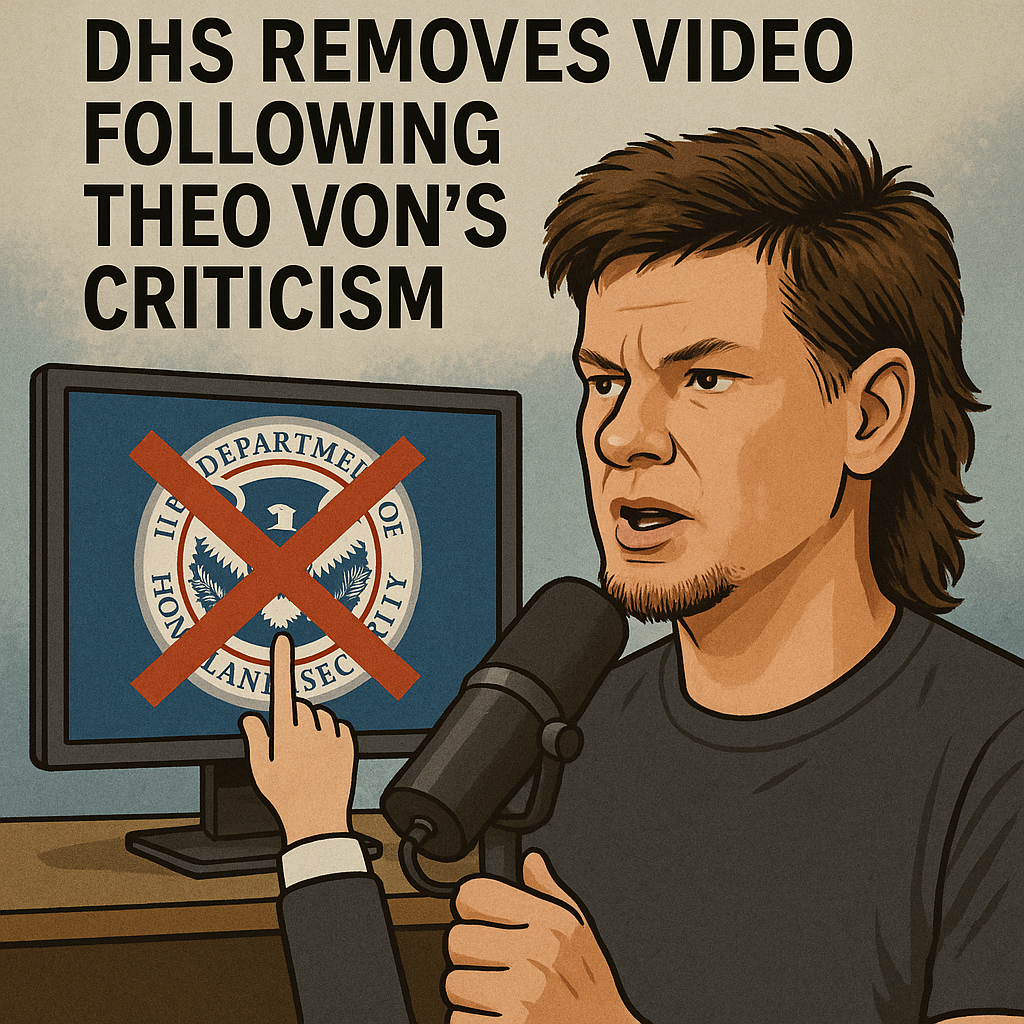
In an era where government agencies increasingly become arenas of public spectacle and power struggles, recent events involving the Department of Homeland Security (DHS) highlight the fragility of authority and the selective nature of political messaging. The DHS, a key instrument in shaping national security and immigration policies, found itself embroiled in controversy after it reportedly removed a social media post featuring internet personality Theo Von. The incident underscores how power dynamics within bureaucratic institutions can influence public perception and reveal underlying tensions between governmental control and individual rights.
According to reports, the DHS posted a video in which Von appeared engaging directly with his audience, making remarks that could be interpreted as humorous or provocative concerning deportation. However, after Von expressed his disapproval at being featured without his consent—citing an invasion of privacy—the agency deleted the content. This move exemplifies a broader trend in contemporary politics: decision-makers navigating the fine line between transparency and suppression. Such acts of digital curation demand scrutiny from constitutional experts who question whether the DHS’s actions represent a form of censorship or an attempt to manage political narratives in an increasingly polarized climate. As historian Charles Beard noted, governance is often a game of “control over information,” a principle as relevant today as it was during the inception of modern bureaucratic states.
This incident also demonstrates how *internal power struggles* within government agencies shape how policies are communicated and executed. It invites an examination of how decision-making hierarchies influence public engagement—a tension rooted in debates over freedom of speech, government transparency, and the authority of bureaucracies. The incident echoes historical parallels; similar disputes over control of the narrative have occurred during the Cold War and other periods of ideological conflict. Today, the digital realm amplifies these struggles, making them increasingly accessible to the public eye and, consequently, more impactful.
Ultimately, the controversy around the DHS’s handling of Von’s video reveals that politics remains a stage where destiny is written through power dynamics. As the nation witnesses this clash of interests—between individual rights and institutional authority—it becomes clear that the decisions made within bureaucratic walls have far-reaching consequences. The establishment’s attempt to manipulate or suppress content not only affects perceptions of legitimacy but also challenges foundational principles such as free expression and government accountability. As political theorists warn, when power consolidates unchecked within the state apparatus, the very fabric of democracy begins to fray, transforming the landscape into a battleground where the eventual winners are those who control the narrative itself.
In this struggle for influence and control, the digital age has rendered traditional political boundaries obsolete. Today, the stage where history is written is no longer solely in legislative chambers or courtrooms but in the fleeting, ever-changing arenas of social media. Here, every post, every deletion, carries the weight of ideological conflicts and the pursuit of ultimate authority. As the dust settles on the DHS’s digital purge, one thing remains undeniable: politics is the story of power – the raw, unyielding force shaping the destiny of nations and individuals alike. In this ongoing game, those who grasp the reins of influence will ultimately determine who writes history and who is forgotten in the shadows of its pages.
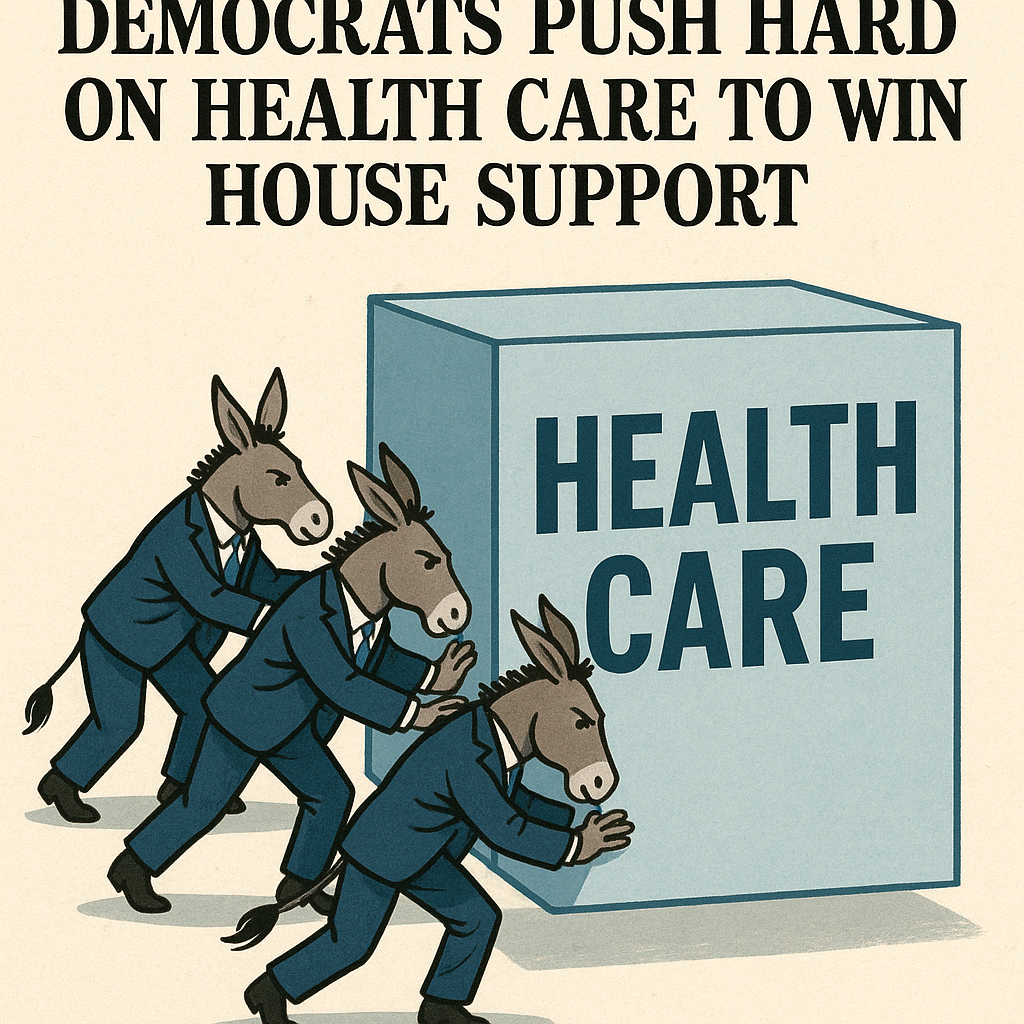

As the specter of a looming government shutdown casts a shadow over Washington, the strategic posturing by Democratic leaders signals an unfolding chapter in the ongoing battle for control of the legislative narrative. With the midterm elections approaching in less than a year, Democrats are doubling down on healthcare as their pivotal wedge issue, betting that the political climate is ripe for a decisive confrontation. Historically, healthcare has been a potent rallying cry—while it offers tangible benefits to voters, it also functions as a powerful symbol of ideological divides, exemplified by the Republican triumvirate currently exerting influence over Congress. Democratic strategists believe that any government shutdown efforts by their opponents would serve to galvanize their base and challenge the entrenched Republican posture, which they perceive as fostering inaction and obstruction.
The decision to leverage healthcare as a battleground is rooted in a deep understanding of how voters process political messages. For decades, Democrats have successfully capitalized on healthcare issues to mobilize their base, as seen in the post-Obamacare landscape where health policy remains a rallying point. The impending showdown appears to be less about concrete policy reform and more about staking ideological dominance. Political theorists such as James Madison and John Rawls would observe that such confrontations exemplify the enduring power struggles inherent in constitutional governance—where the scope of government and individual rights collide, shaping the very fabric of society. The Democrats’ gamble is that a government shutdown, framed around their healthcare agenda, will be portrayed as a battle for middle-class security against Republican extremism, thus reversing recent losses and reshaping the electoral map in their favor.
Beneath these strategic calculations lies a core conflict over who holds the moral and constitutional authority. Legal scholars acknowledge that the power struggle is not just about legislative wins but also about who defines the narrative of American health policy. The Democratic push for expanding healthcare access and defending Obamacare aligns with what many see as a broader societal shift—one that favors government intervention and social welfare. Conversely, the Republican insistence on reducing federal influence and empowering states reflects a longstanding tradition rooted in constitutional conservatism and individual liberty. These conflicting visions are more than policy debates; they are the battleground where the destiny of the nation’s social fabric is delineated. The decision to threaten a shutdown over healthcare reflects a strategic assertion of power—where policy becomes a weapon, shaping how millions experience their rights and protections.
Ultimately, the unfolding political drama emphasizes that power struggles are at the heart of American democracy, dictating not only legislative outcomes but also the future character of the nation. As history has demonstrated—through moments like the Civil Rights Movement or the New Deal—whose vision prevails on the political stage often determines the societal trajectory for generations. The current confrontation over healthcare and the threat of shutdown are not merely tactical moves; they are ideological turf battles that will mark the contours of an American identity in crisis. Politics, in essence, is where the very currents of history are written—each decision, each clash of wills sculpting the destiny of a nation poised between tradition and transformation.
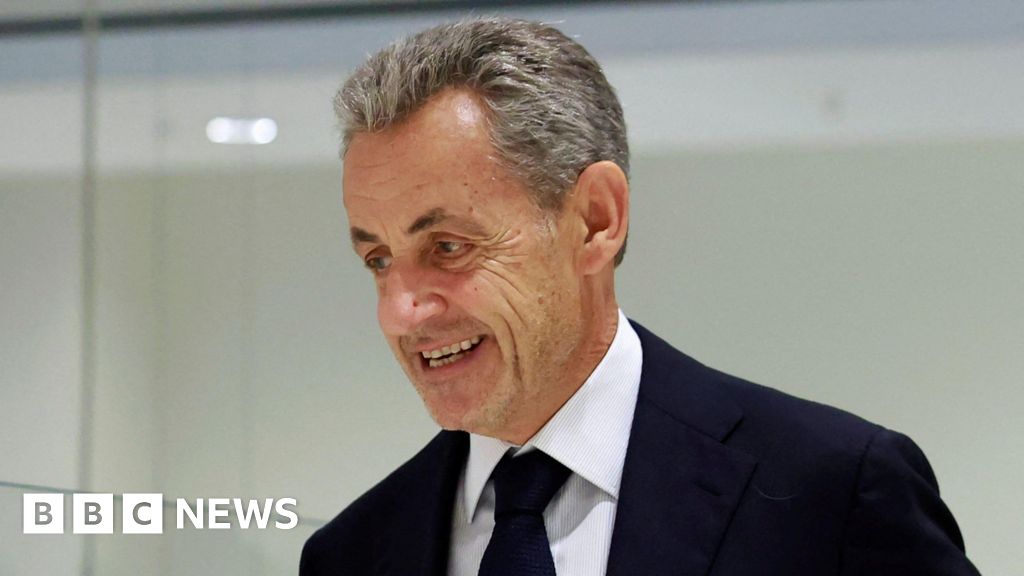
In an unprecedented turn of events, former French President Nicolas Sarkozy has been found guilty of criminal conspiracy in connection with illicit funds received from the late Libyan leader Muammar Gaddafi. This verdict, delivered by the Paris criminal court, marks a significant milestone in France’s ongoing effort to address the shadows of political corruption that cast a long pall over its recent history. The case, rooted in allegations that Sarkozy used Libyan money to finance his 2007 presidential campaign—an accusation he strongly denies as politically motivated—has reverberated through Europe, prompting questions about accountability at the highest levels of governance.
Historians and international analysts point out that this development underscores the delicate balance of power between national sovereignty and international influence, especially in the context of foreign interference and clandestine geopolitical maneuvers. The European Union and various global watchdogs have long debated the influence of foreign regimes on Western democracies, but Sarkozy’s case exemplifies how such interference can directly threaten the integrity of the political process. While he was acquitted of other charges including passive corruption and illegal campaign financing, the conviction on conspiracy charges signals a shift towards greater scrutiny of foreign influence within Western political spheres.
How decisions made in the aftermath of Libya’s 2011 civil conflict ripple across nations is evident in the broader geopolitical landscape. Gaddafi’s fall and the ensuing chaos created a power vacuum that foreign actors, including France and other Western nations, sought to navigate through clandestine support and diplomatic maneuvers. The revelations that Sarkozy’s campaign may have been secretly financed by Gaddafi’s regime are viewed by many as a cautionary tale about the dangerous entanglements of international diplomacy. The international community—notably organizations such as Interpole and the United Nations—monitor these developments as potential precursors to further destabilization, emphasizing that international law and sovereignty are continually under threat from hidden agendas fueled by illicit financial flows.
As Sarkozy faces potential sentencing, the implications extend beyond individual accountability. The case epitomizes the ongoing struggle to maintain national sovereignty against a backdrop of complex, often covert, international influences. Tensions are mounting as investigations into other political figures and foreign ties continue to unfold across Europe, raising questions about the integrity of democratic institutions. Whispers of global power plays and the influence of state-sponsored clandestine funding highlight the fragility of Western democracies in an era of relentless geopolitical shifts. With this verdict, the stakes are higher than ever—nations must grapple anew with the warning that the foundations of their sovereignty are often vulnerable to unseen forces lurking behind diplomatic facades. Ultimately, history remains on the edge of another chapter in an ongoing saga of power, influence, and the relentless pursuit of truth amid shadows that threaten to reshape the global order.
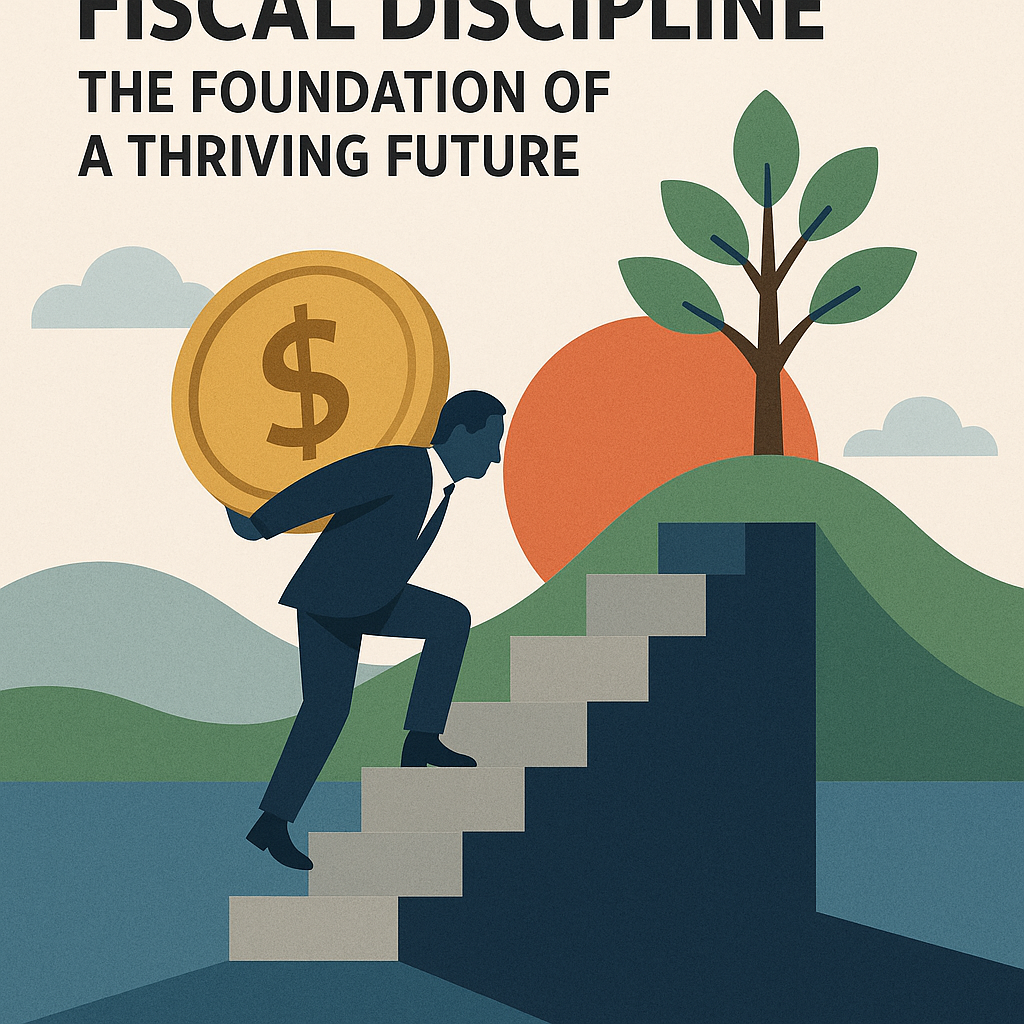
Fiscal discipline stands as the bedrock upon which a prosperous and resilient future is built. In a world of mounting economic uncertainties, governments that prioritize sound financial management can better navigate crises, foster sustainable growth, and secure opportunities for future generations. Critics often argue that expansive spending and loose fiscal policies are necessary to stimulate economic activity; however, history and economic analysis consistently demonstrate that overly ambitious deficits lead to long-term instability, inflation, and diminished investor confidence. As Nobel laureate Milton Friedman asserted, “The well-known fact that inflation is always and everywhere a monetary phenomenon underscores the importance of fiscal prudence in maintaining economic stability.” Ensuring fiscal discipline is not merely a moral choice but a pragmatic one rooted in empirical evidence and economic theory.
Proponents of fiscal discipline highlight key benefits that extend beyond immediate budgetary concerns. These include:
Applying fiscal discipline also aligns with the principles of free-market economics, which emphasize limited government interference and the importance of personal responsibility. Economists like Adam Smith recognized that “the real engine of economic progress is the individual’s pursuit of self-interest”, made possible when governments impose constraints on their expenditure. Countries that have embraced these tenets, such as Hong Kong or Switzerland, showcase how disciplined fiscal policies create fertile ground for innovation, entrepreneurship, and economic resilience. Conversely, nations that indulge in unchecked spending often find themselves mired in cycles of debt and economic stagnation, as laid bare by historical episodes like the Latin American debt crisis of the 1980s. These lessons reinforce that fiscal discipline is a necessary condition—not merely a fiscal virtue—for achieving enduring growth.
Maintaining fiscal responsibility is undeniably a challenging endeavor, especially in an era of populist pressures and short-term political gains. Yet, it demands a strategic vision rooted in the realization that the true strength of a nation lies not just in its resources, but in its ability to manage them wisely. As the future unfolds, the nations that wield fiscal discipline as their guiding principle will be the architects of stability and innovation, forging pathways where others see only obstacles. With each prudent decision, they write a story not only of economic resilience but of hope—a testament to the idea that responsible stewardship can elevate a society from the chaos of reckless spending to the clarity of a thriving, sustainable future. The weight of this responsibility is immense, yet it holds within it the profound promise that, with disciplined fiscal policies, the aspirations of a brighter tomorrow can transcend the confines of today’s uncertainties—transforming fleeting dreams into enduring legacy, as enduring and profound as the very essence of progress itself.


